A Stroll Through Fort Worth

Kimbell Art Museum

by Chrissy Biello

Designed by Louis I. Kahn and opened in 1972, the Kimbell Art Museum in Fort Worth, Texas, impresses visitors with its art, architecture, and surrounding landscape. The Piano Pavilion, designed by Renzo Piano, brings the outdoors in, with large windows framing the elm and oak trees that surround it, allowing visitors to experience nature as an extension of the architectural space.
Walking through the gallery, many pieces stand out, but one in particular is the Virgin and Child (The Borromeo Madonna), which is attributed to Donatello! This sculpture was especially surprising to find, as one would not expect to casually come across a sculpture that is suspected to be from Donatello himself.

Not far from the Donatello sculpture, another famous Italian Renaissance artist is represented…

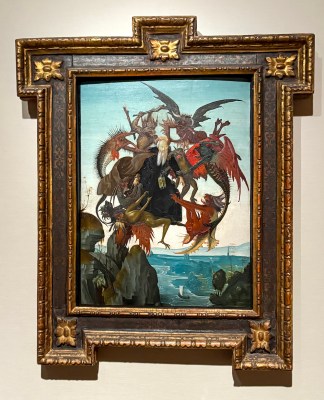
While Michelangelo is often remembered as a sculptor, his first known painting, The Torment of Saint Anthony, was on display. The piece shows Saint Anthony being attacked by demons, and it is believed Michelangelo was only twelve or thirteen when he painted it.
One that is particularly interesting for those interested in Greek and Roman mythology is the Judgment of Paris by Lucas Cranach the Elder. To summarize, it is said the Goddess of Discord tossed an apple to Paris, forcing him to choose among three nearly identical goddesses offering different bribes, a decision that ultimately triggered the Trojan War. Interestingly, a similar moment of unexpected judgment occurred in 1976, when a blind wine tasting saw French judges unknowingly favor Californian wines over their own, an event later dubbed the Judgment of Paris.

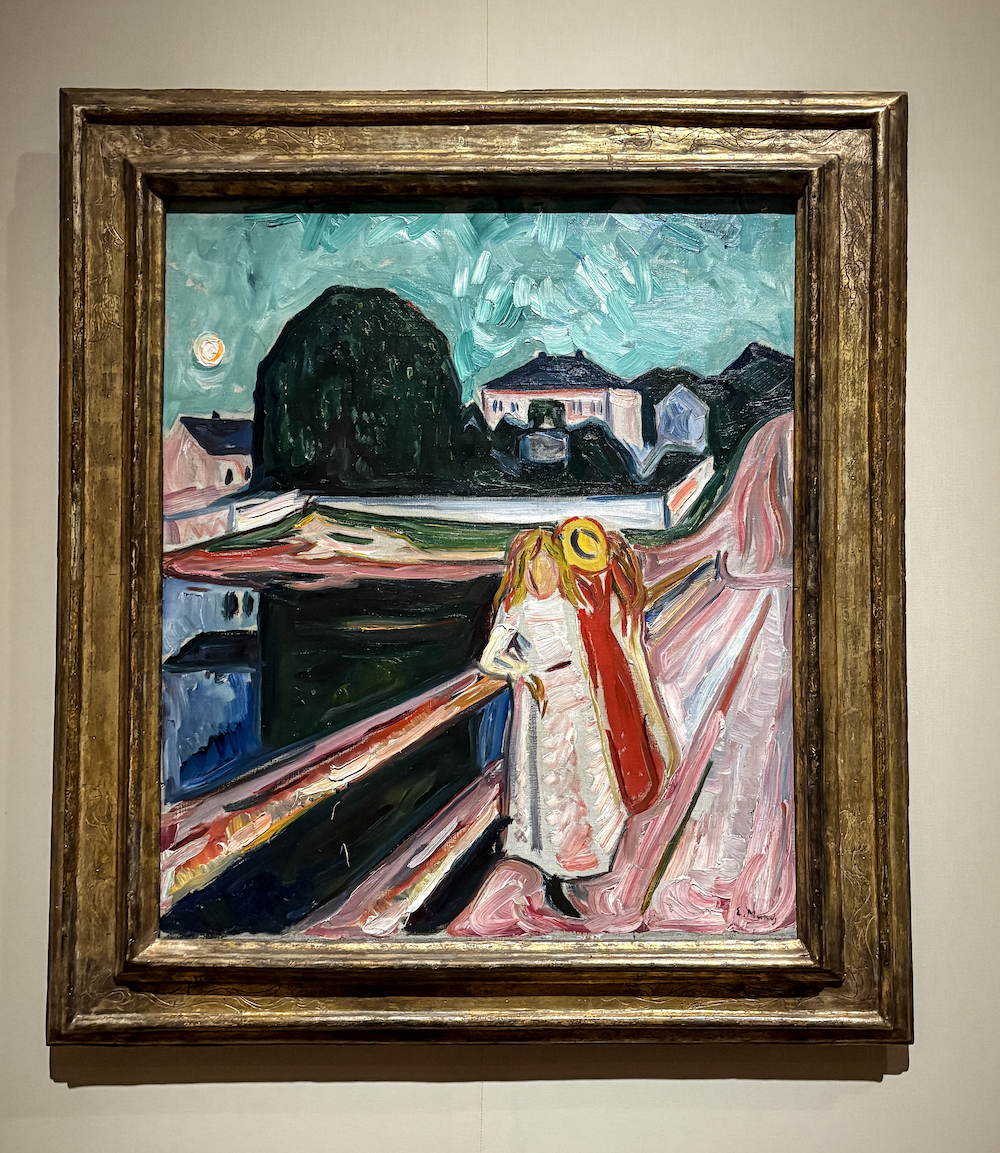
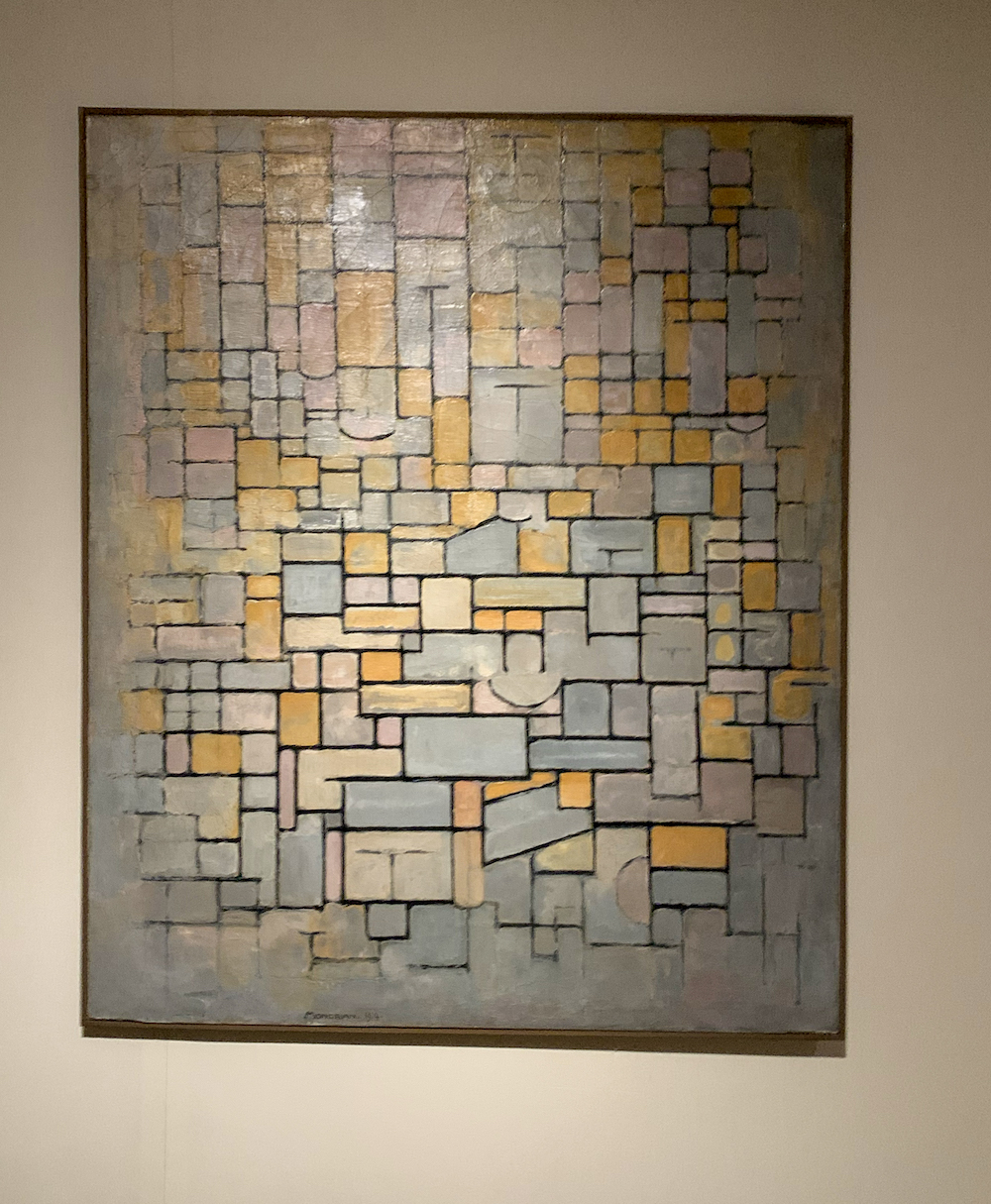
The museum had several incredibly famous artists in its galleries. Matisse, Picasso, Gaugin, El Greco, Edward Munch, and many more! Each turn lead to another pleasant surprise, all encompassed in a beautiful structure which remains a piece in and of itself!
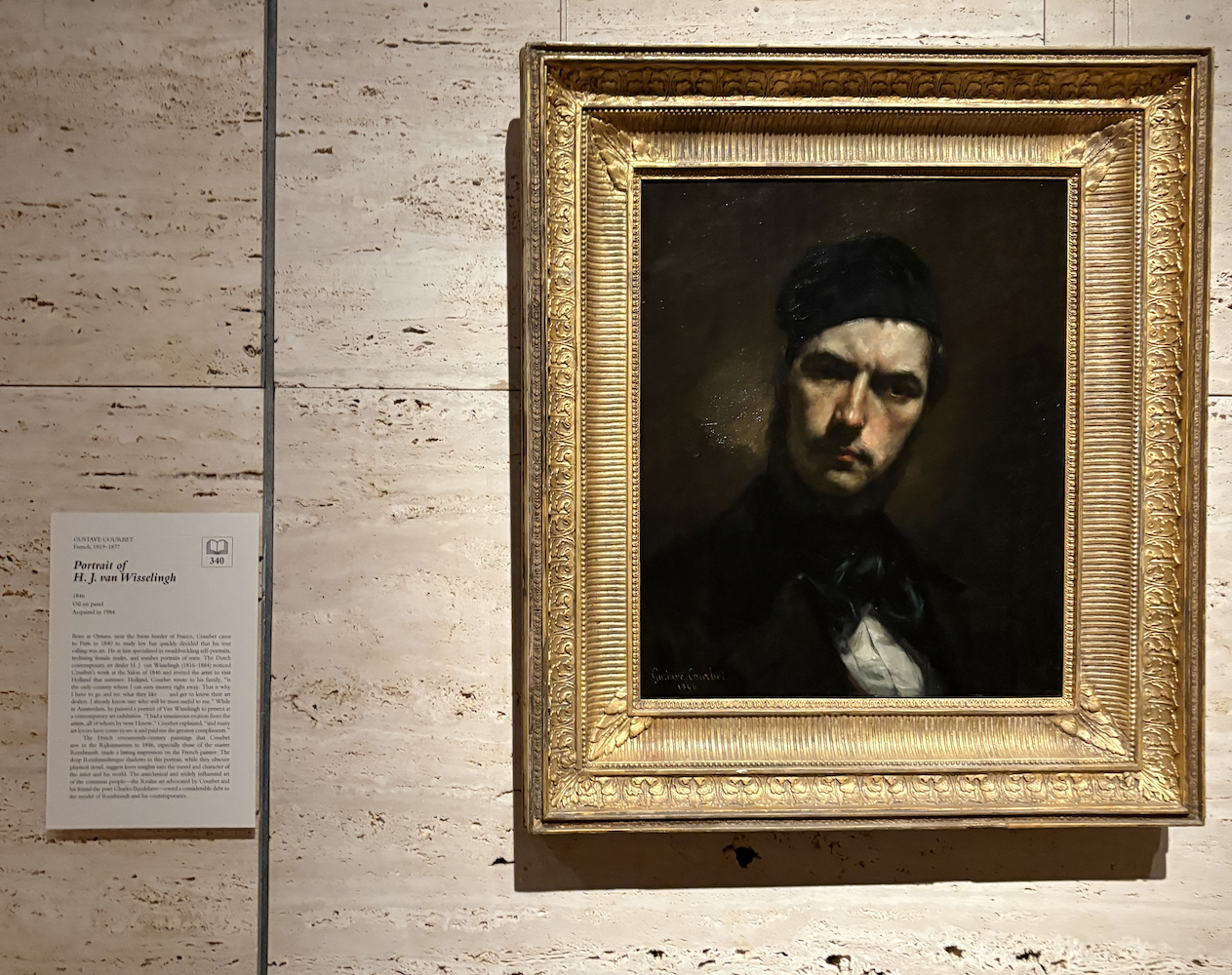

The Kimbell Art Museum is the perfect place for anyone who enjoys architecture, art, landscapes, and more. Whether you prefer one aspect over the others, it is hard not to appreciate the thought and care put into the entire museum. Overall, the Kimbell Art Museum is a true treasure in the Fort Worth community, both architecturally and artistically significant.

Exploring Downtown Fort Worth

by Olivia Discon

Beyond the Kimbell Art Museum, Sundance Square offers another side of Fort Worth’s artistic and architectural landscape. The area, once quieter in past decades, has become a lively center for shopping, dining, and events. Designed as a pedestrian-friendly space, it encourages people to gather.

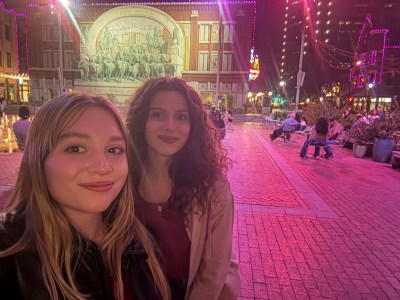
Of course, in the heart of the plaza lies the Richard Haas mural, a large-scale trompe-l’œil piece that plays with perception, giving the illusion of depth and architectural detail on a flat surface. This piece, among many others of Haas’, has revitalized what was once a plain, visually unappealing building, into a cultural hub. If you know LEAP, you know this was a “must-do” selfie stop!
On our walk, we had the chance to see a sculpture by Jesus Morales…

…Alex Katz…

… and though it was through a window, we saw a James Surls!

I am always intrigued by the philosophy of gathering spaces and downtowns such as these, and we took the time to engage with the space as it was intended: exploring and engaging.

Simulated Law Class with Professor Val Ricks

by Chrissy Biello

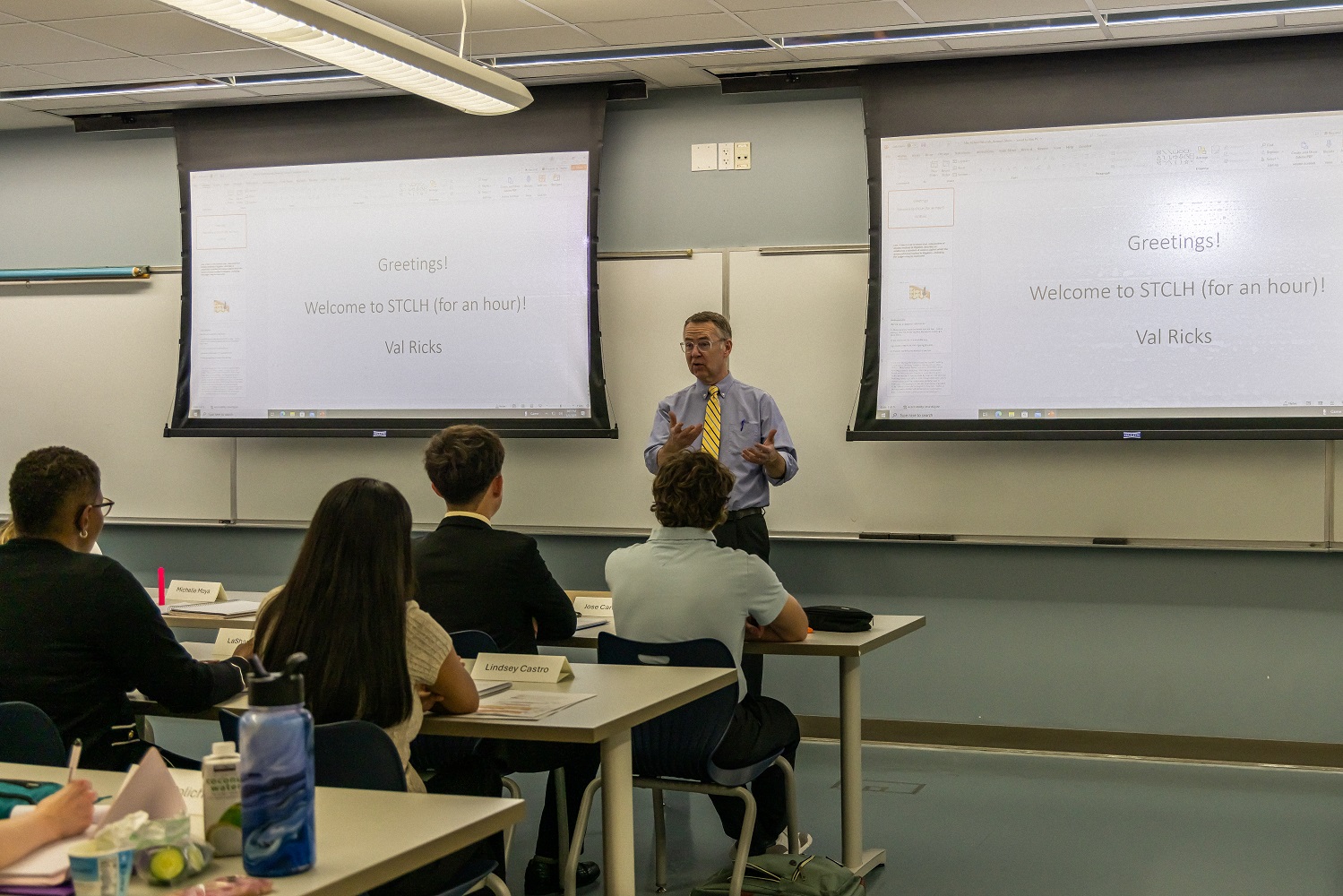
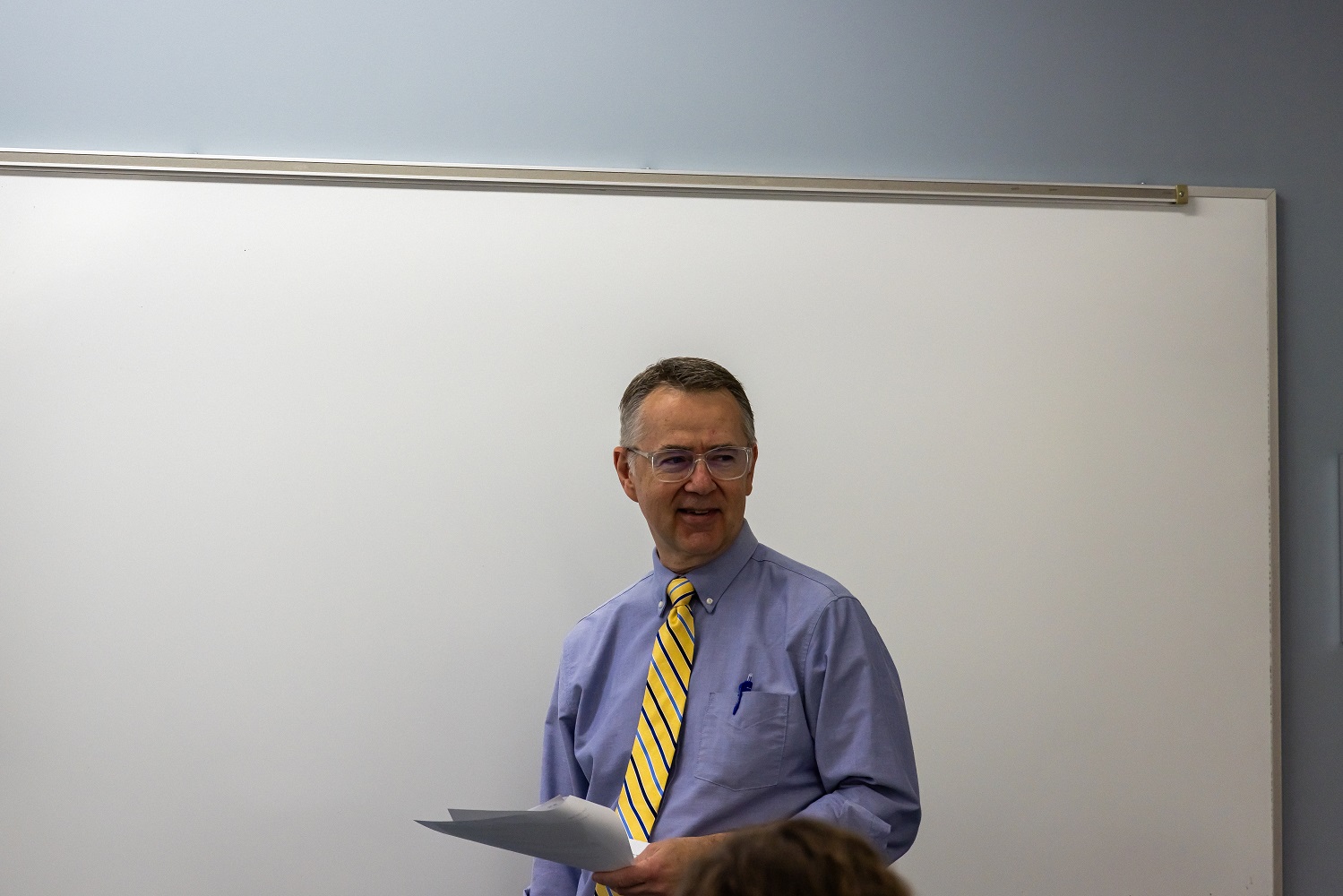
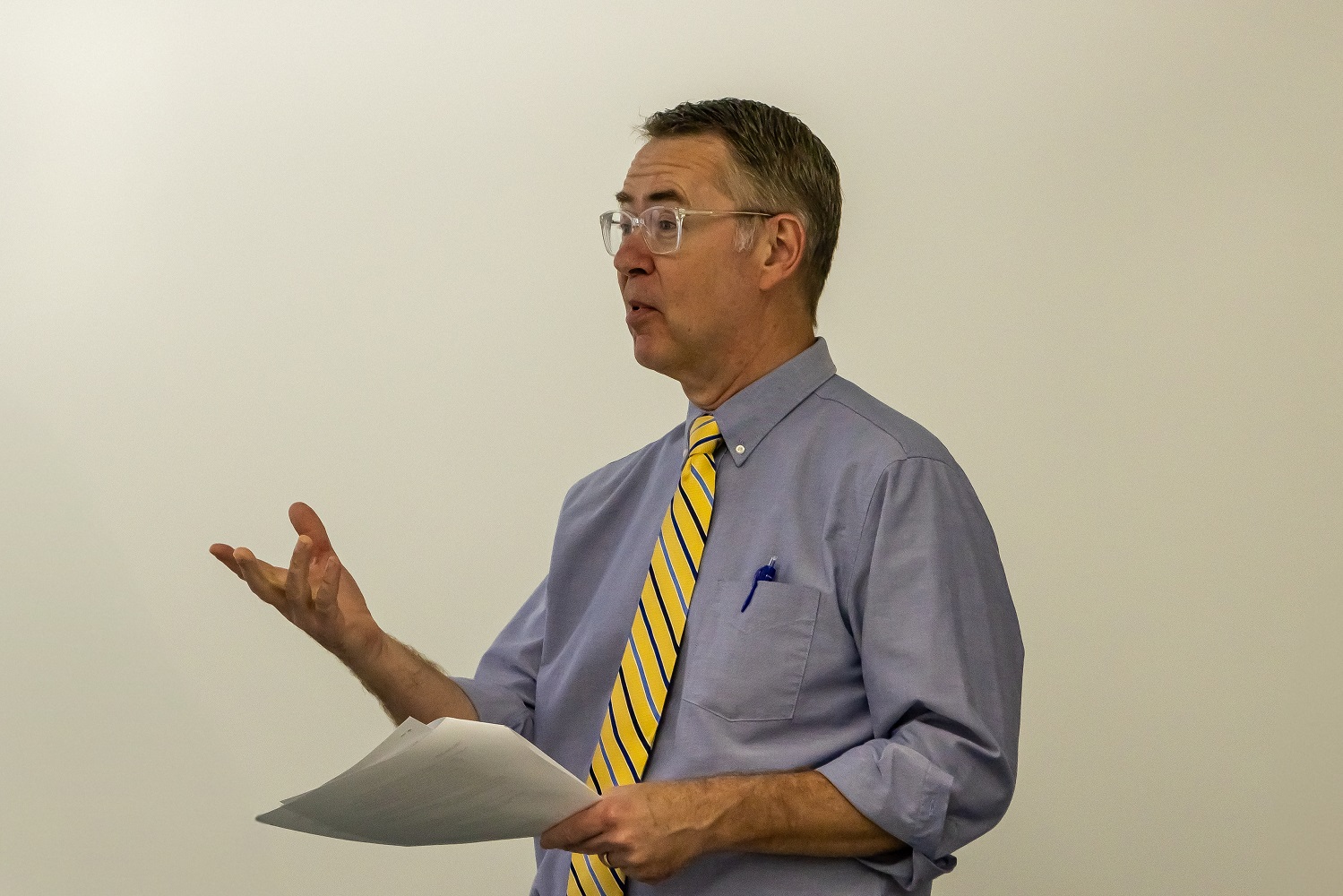
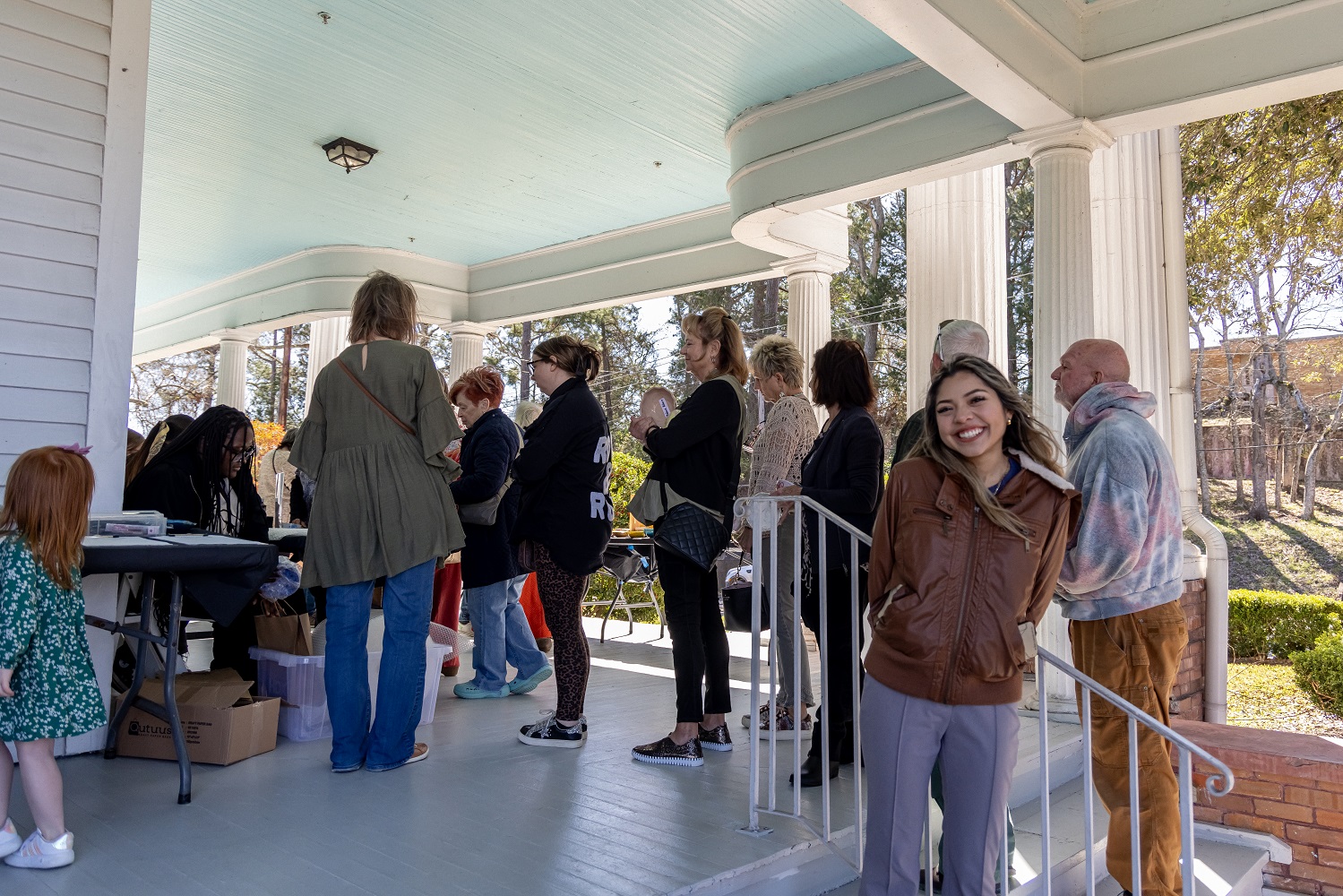
Every spring, the Sam Houston Center for Law, Engagement, and Politics invites South Texas College of Law Professor Val Ricks to teach a Mock Law Class. Professor Ricks is a renowned legal mind and a national expert in contracts, among other areas of law.
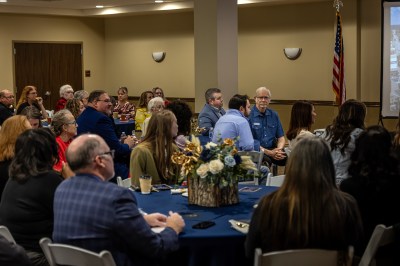
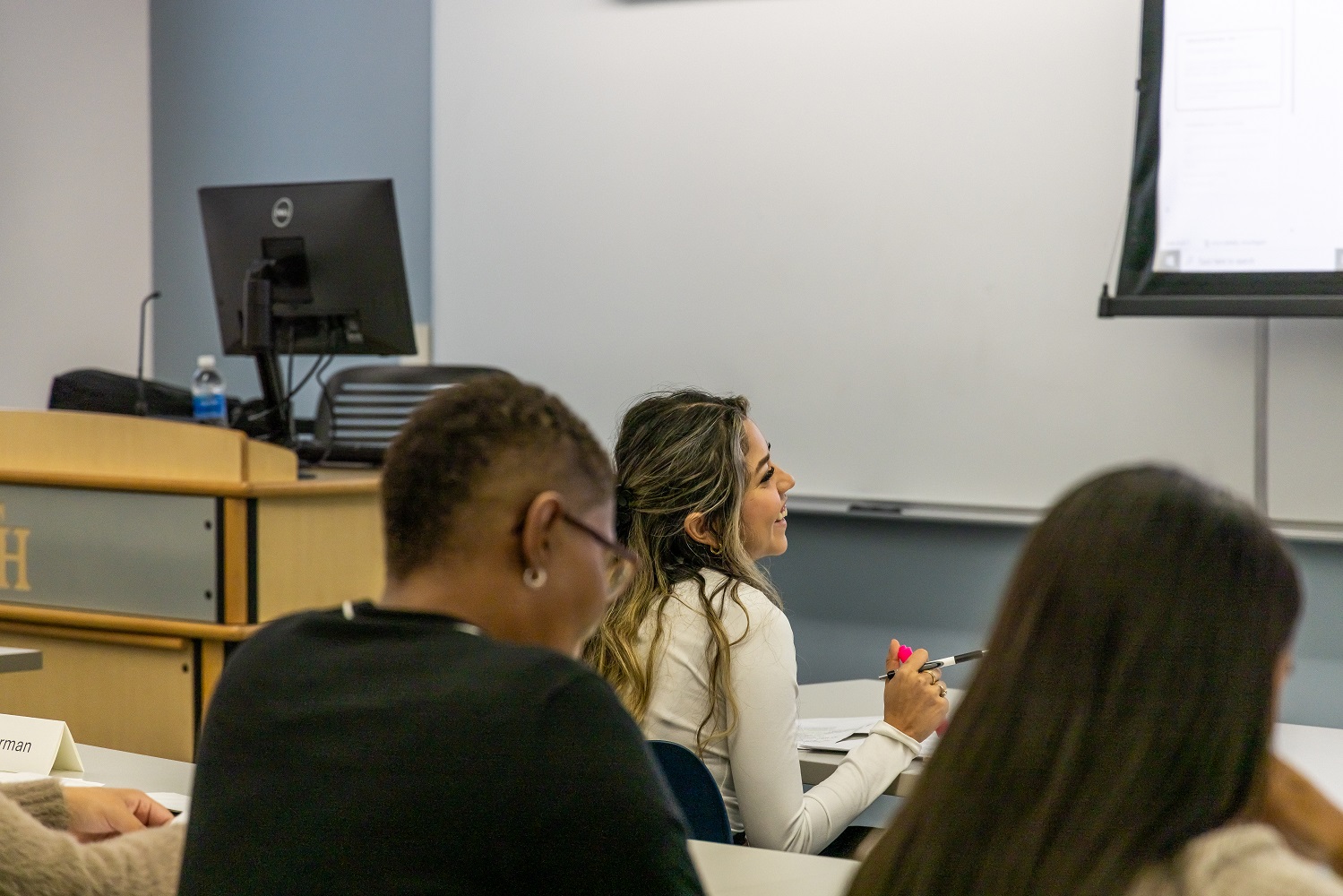
Approximately thirty students attended this year’s session; any student at Sam Houston State University was able to register for the event. Before the class, participants were expected to prepare with case materials that Professor Ricks provided.

The mock case, Joseph Vian v. Mariah Carey (1993), focused on the legal concept of consideration and whether a valid contract existed between Mr. Vian and Ms. Carey. Professor Ricks opened the session by providing a working definition of law, saying that it revolves around the precise words used in legal documents.

He then employed an analogy comparing law to chess. Finding a self-identified chess player in the audience, Professor Ricks guided students to understand the parallel between chess rules and legal principles. Both systems operate within defined parameters; they require much thinking and a thorough understanding of established rules.

When moving on to the case discussion, Professor Ricks first told the class the facts of the case, then activated his random number generator to begin his use of the Socratic Method. From this, selected students were asked numerous questions about the case; Professor Ricks insisted they cite directly from the text, reinforcing his earlier point that the law is “all about the words.”

Once the class reached a general consensus on the case interpretation, Professor Ricks opened the floor for questions. Pre-Law Society President, Olivia Discon, asked what undergraduate students could do to prepare for law school. After thoughtful consideration, Professor Ricks began to speak on his own experience. He explained that studying scholastic philosophy during his undergraduate years was truly helpful; the language structure closely resembled legal texts, easing his transition into law school. 

By the end of the session, students had not only sharpened their legal reasoning skills but also gained a clearer picture of what to expect in law school. Professor Ricks once again allowed students to sit in the shoes of a law student for an hour.  By challenging students to truly understand the case and come out of their shells, he provided a better understanding of the power of precise language in the study of law.

Appeals on Wheels: 9th Court of Appeals Version

by Michelle Moya

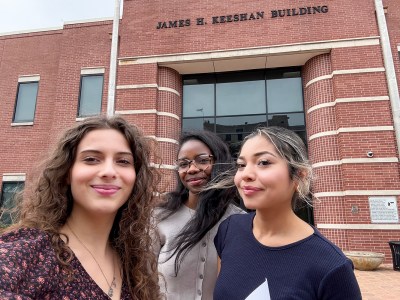
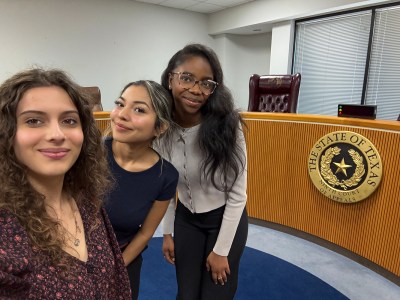
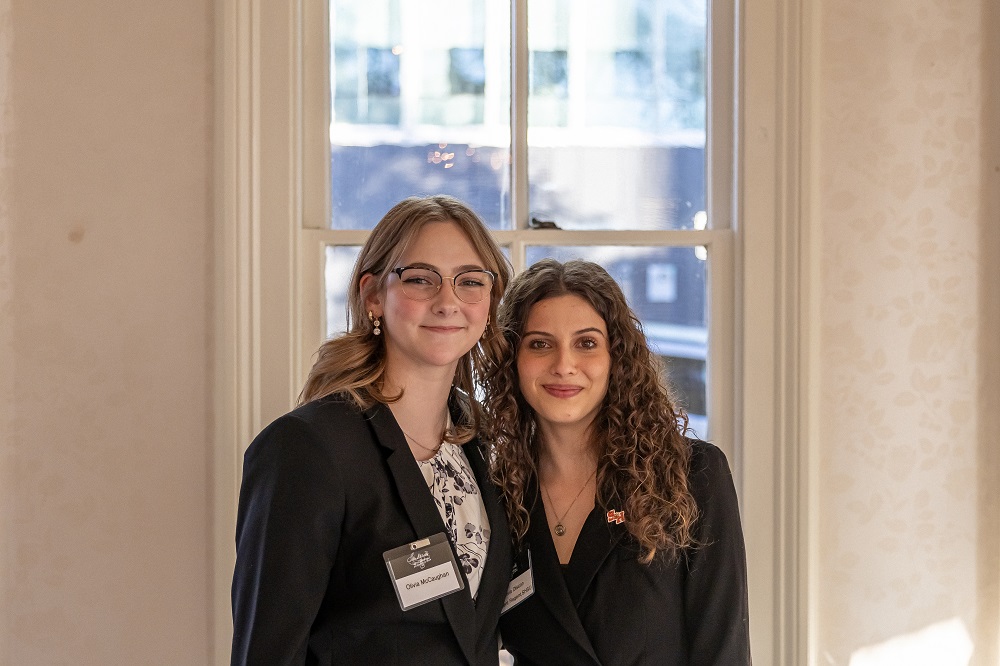
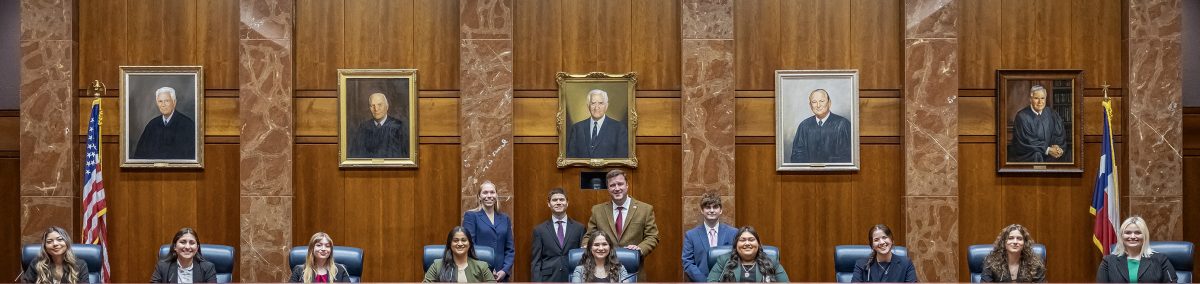
As we count down the days until our 10th annual Court of Appeals visit at SHSU, we had the opportunity to hear the 9th Court of Appeals in Conroe! Typically based in Beaumont, the court traveled to hear oral arguments for two appeal cases. Given the distinct jurisdictions and caseloads of the 9th and 10th Courts of Appeals, Pre-Law President Olivia, newly elected Pre-Law Secretary Laila, and I took it upon ourselves to hear different perspectives in the courts!

As we approached the James Keeshan Courthouse, we noticed a car license plate in the parking lot, with a message that might it somewhat unsurprising that its owner was needing to park in court.

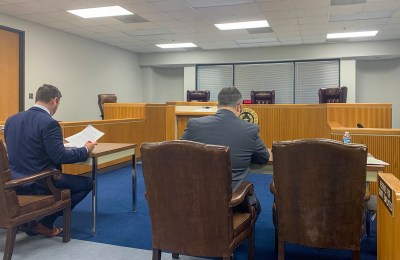
But with time running short, we moved with dispatch to the courtroom, noting that the attorneys were set up and readying themselves for court.

Similar to our own 10th Court of Appeals, there was a three-judge panel presiding: Chief Justice Scott Golemon, Justice Leanne Johnson, and Justice Jay Wright for the first case. The first case was Siluria LLC v. Lummus Technology, LLC, and it centered around a complex contract-construction issue. Attorney Rusty Sewell delivered a 15-minute oral argument on behalf of Siluria, followed by Attorney Thomas Kruse’s argument for Lummus. The crux of the argument revolved around the interpretation of a phrase in the party’s Escrow Agreement: “begun removing the demonstration unit.” What’s interesting is that both parties agreed on the facts, but they had differing interpretations of the agreement, which they both claimed was clear-cut. It was interesting to see how every word truly does count in law–and also seeing what a “hot panel” looks like.

After a brief recess, the second case began: City of Houston v. Festival Props., Inc. To our surprise, the appellant was the City of Houston, represented by attorney Donald Hightower, while the appellee was Festival Properties, Inc., represented by Attorney Marie D. Harlan. It centered around a claim of inverse condemnation against the City of Houston, alleging a loss of access to property. Watching the proceedings, it was interesting seeing the pointed questions, pushing the attorneys to think and respond thoughtfully. Despite the attorneys’ well-reasoned responses, the justices’ questions underscored the complexity of the issues at hand.

For those of us aspiring to enter the legal profession, this experience reinforced the importance of thinking critically under pressure. It was interesting to see firsthand the challenges of presenting complex arguments, thinking on your feet, and navigating the intricacies of the law.

The hearings were not only interesting for their content, but also as networking opportunity. We met Ms. Deborah Concepcion, who is a Managing Attorney at Lone Star Legal Aid, and she told us a bit about her career, her passion for helping others, and some of the ins and outs of court room appearances. We also met Zachary Dickens, who was in the Pre-Law Society as an undergraduate before going to law school, and he now works at Polk County as a prosecutor.

As we get closer to the 10th Court of Appeals visit, I am even more eagerly anticipating their upcoming visit. I’m excited to see new people, learn more about life in law, and see the cases that the 10th Court of Appeals will bring to SHSU.