Santa Fe: Mountains and Museums, Skiing and Sculpture

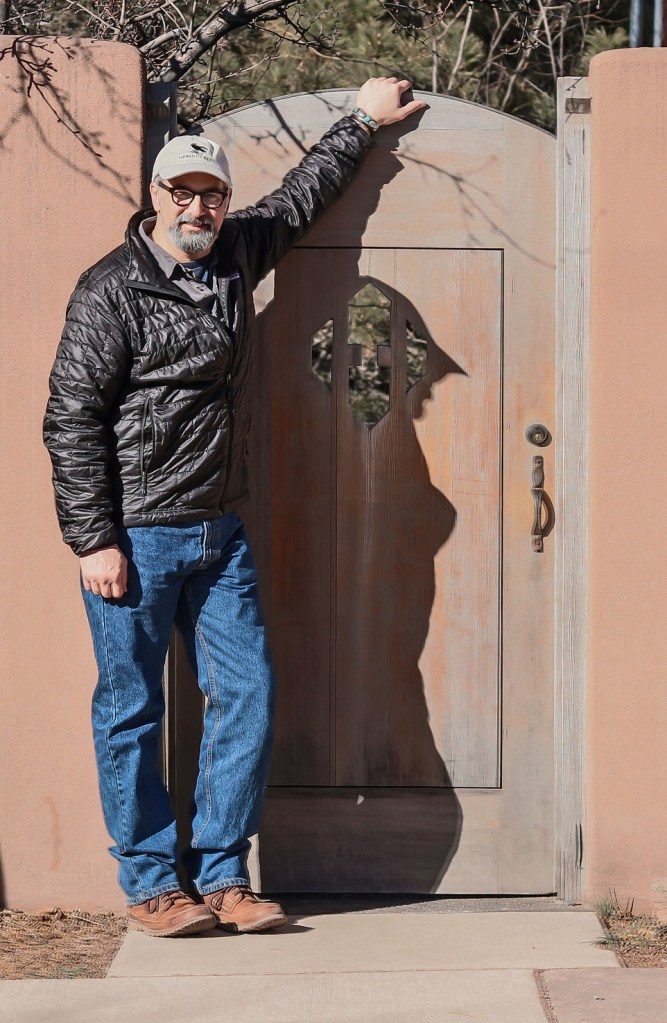
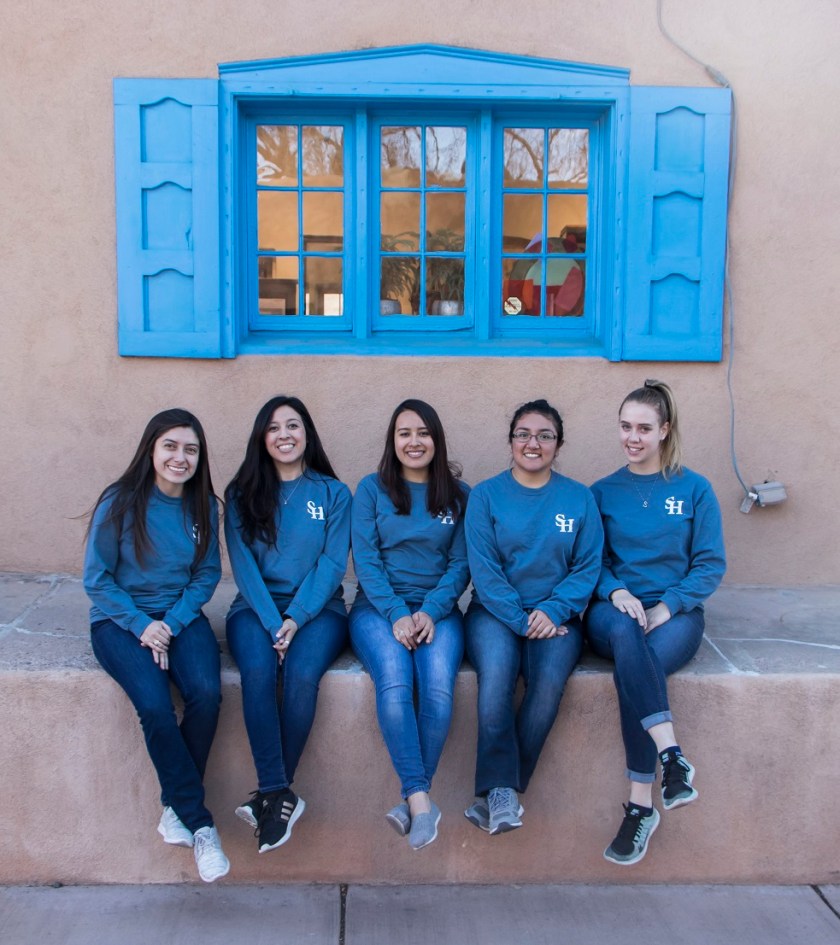
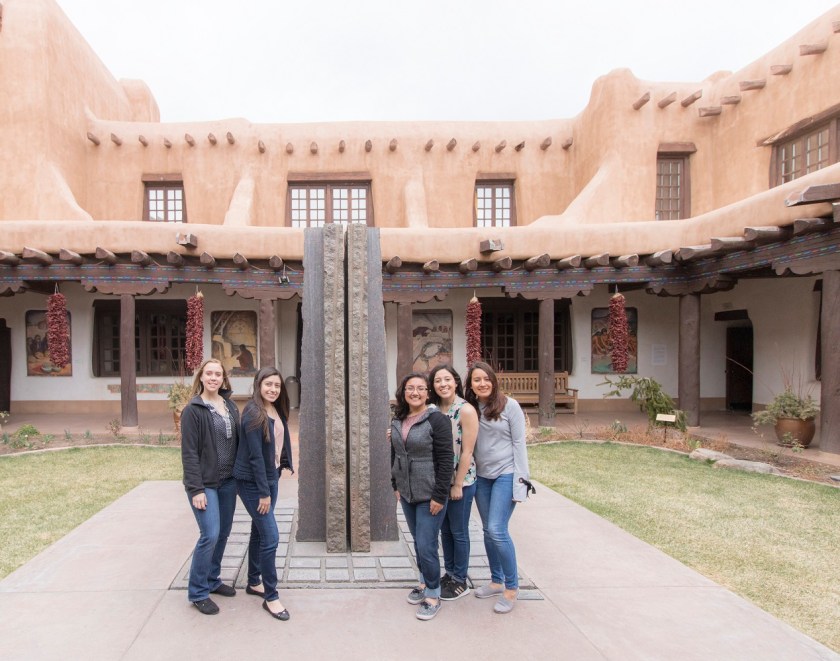
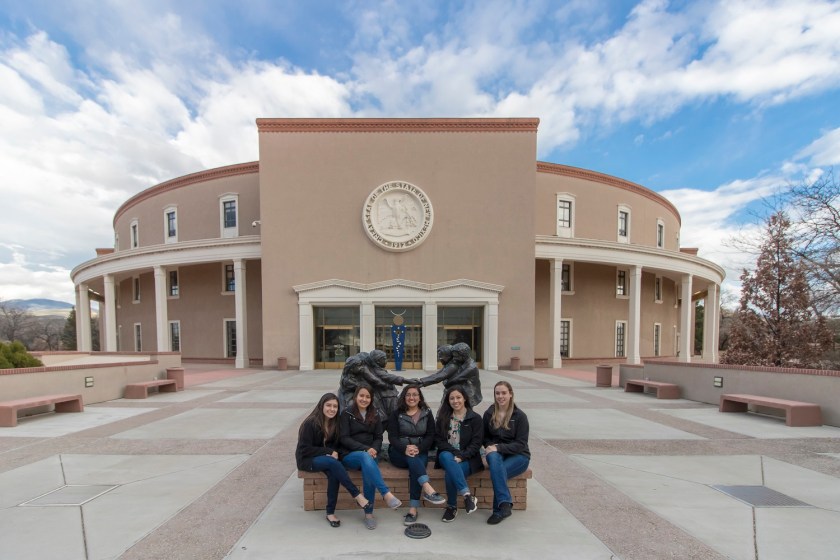
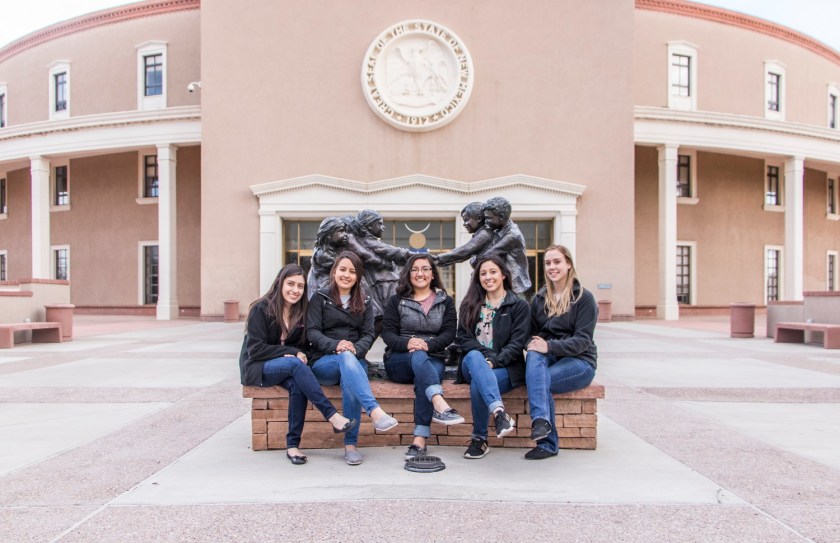
New Mexico’s beauty is unparalleled and unique to that of other states that we have traveled to previously. On our second day in New Mexico, we were still in awe of the adobe houses with their reddish-brown hue and their flat roofs, and we admired them all as we headed to our next destination.

Allan Houser Sculpture Garden by Beatriz Martinez

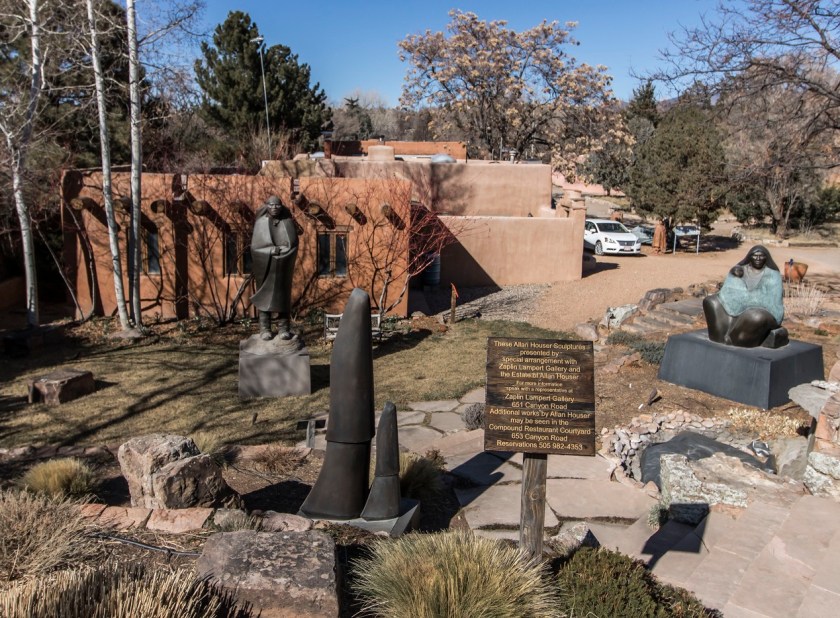
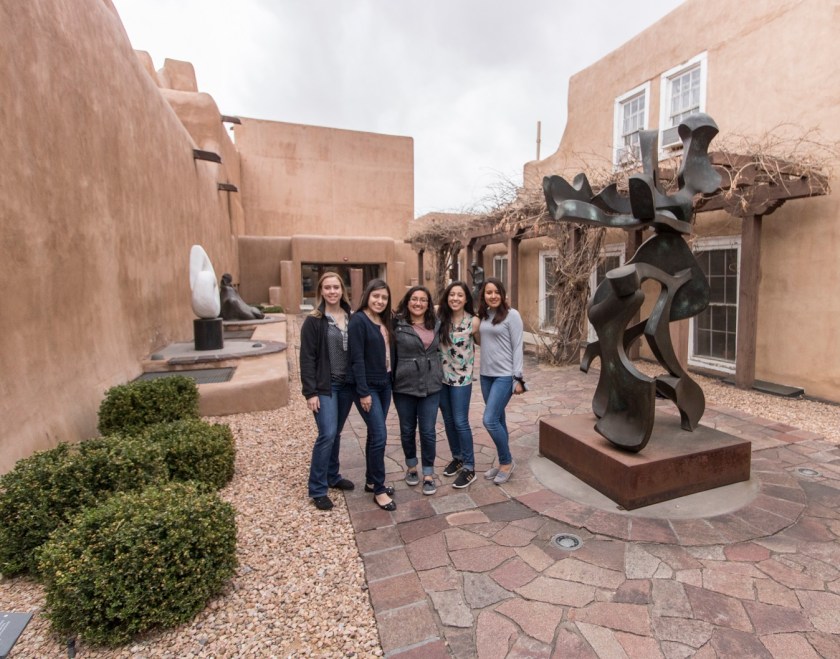
The Houser Gallery was about an hour south of our hotel, and we left early to make it to our appointed time.  Houser was an incredibly well known native-American sculptor, with pieces featured at the Winter Olympics in Utah and the New Mexico capitol.  We were cheerfully greeted by our tour guide and Allan Houser expert, Sina Brush, who began the tour by telling us Houser’s life story.

SHSU, LEAP Ambassadors, LEAP Center, Santa Fe, Allan Houser

Allan Houser’s family belonged to the Apache tribe, and his grandfather was first cousin to the famous Apache leader, Geronimo. Houser began his education by attending the Indian School for Art with classes taught by Dorothy Dunn. However, during that time period Native Americans were severely discriminated against and the children were only taught what whites viewed as appropriate for Native American artists to learn. Houser thought that this was too constricting and began to explore different artistic styles on his own.

One of our favorite stories dealt with his first sculpture. After World War II he applied for a commission in the Haskell Institute in Kansas.  Knowing absolutely nothing about sculpting stone, he somehow convinced the jury that he was well-practiced in doing so. Shockingly, he did not disappoint! After that success, he became incredibly well-known in the art scene. Three of his main artistic themes seen throughout his 1,000 sculptures he completed during his lifetime are women and children, dancing figures, and action or movement involving animals. He worked with different materials, including Carrara marble; the same marble preferred by Michelangelo.

SHSU, LEAP Ambassadors, LEAP Center, Santa Fe, Allan Houser

His artwork was truly impressive to us, especially because we were invited to touch the pieces!

SHSU, LEAP Ambassadors, LEAP Center, Santa Fe, Allan Houser

Meandering among the sculptures of animals and representations of members of many different Native American tribes, we were able to truly get a feel for what Allan Haozous Houser wanted to convey to us.

SHSU, LEAP Ambassadors, LEAP Center, Santa Fe, Allan Houser

The emotions that  many of the pieces symbolize may sometimes be abstract, but they showed through nonetheless.

SHSU, LEAP Ambassadors, LEAP Center, Santa Fe, Allan Houser

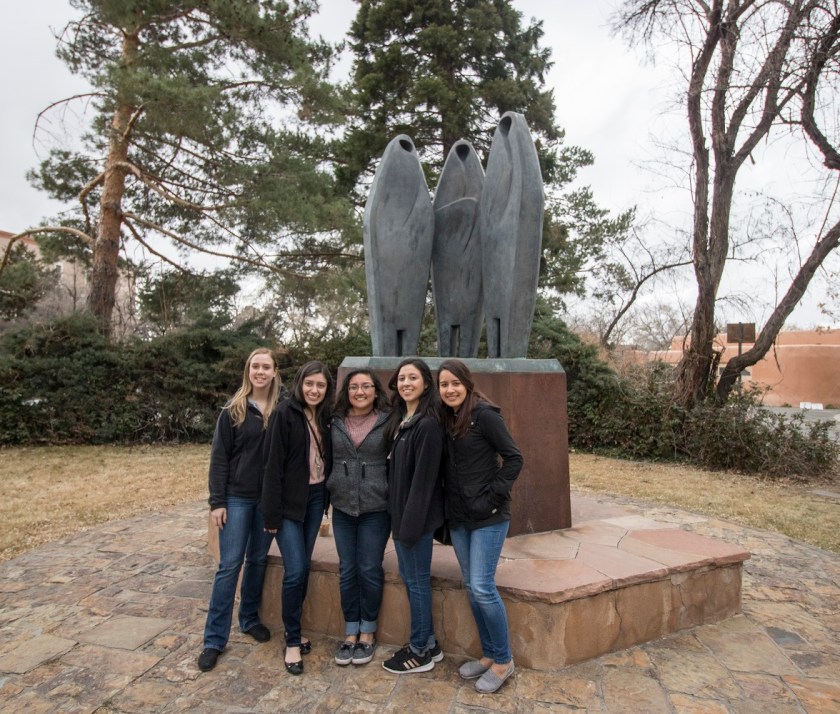
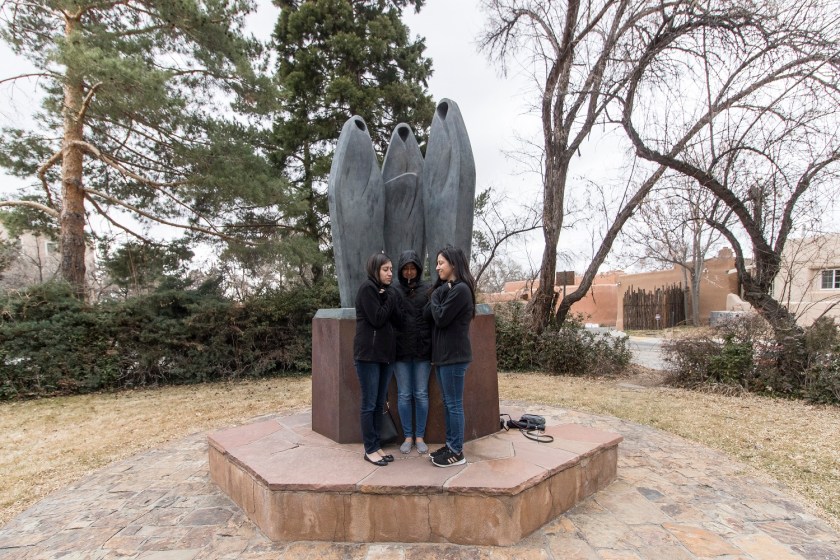
Whether it be the sculpture named “Prayer” commissioned as a memorial for a young boy or “Sacred Rain Arrow” that depicted an Apache rain ceremony, through work of Houser we were able to discern the different Native American cultures and history that each piece is meant to represent.

SHSU, LEAP Ambassadors, LEAP Center, Santa Fe, Allan Houser

It was such an honor to pay a visit to the Allan Houser Sculpture and catch a glimpse of the 80 sculptures scattered throughout the 50-acre plot of land.

SHSU, LEAP Ambassadors, LEAP Center, Santa Fe, Allan Houser

With a great deal of sadness, we said goodbye to Houser’s works and moved on to our next destination.

SHSU, LEAP Ambassadors, LEAP Center, Santa Fe, Allan Houser

Ski Santa Fe by Beatriz Martinez

We had a drastic change of scenery as we headed away from the Houser Sculpture Garden and into the Santa Fe National Forest. With a base elevation of 10,350 ft. mountain, the ski resort was definitely a new kind of challenge for the Leap Ambassadors. Three of the five Leapsters had never been skiing before, and those who had were still incredibly excited to explore the Santa Fe Mountains.

SHSU, LEAP Ambassadors, LEAP Center, Santa Fe

Getting geared up was probably the most time-consuming part as well as having to learn how to ski.

SHSU, LEAP Ambassadors, LEAP Center, Santa Fe, Ski Santa Fe

Thankfully, we discovered that the Professor Yawn’s excellent teaching skills extend beyond the sphere of Political Science and also into the realm of skiing.

SHSU, LEAP Ambassadors, LEAP Center, Santa Fe, Ski Santa Fe

Thanks to his guidance, Victoria, Bianca, and myself were able to start off easily at the bunny slopes. Victoria caught the hang of it surprisingly fast…

SHSU, LEAP Ambassadors, LEAP Center, Santa Fe, Ski Santa Fe

and left to try the bigger slopes while Professor Yawn worked more with the other beginners.

SHSU, LEAP Ambassadors, LEAP Center, Santa Fe, Ski Santa Fe

I can be at times considered the clumsiest among the Leapsters, but today I shocked everyone and was soon also zipping through the trees.

SHSU, LEAP Ambassadors, LEAP Center, Santa Fe, Ski Santa Fe

Meanwhile, Bianca and Christina took it slow, practicing in the Bunny Slope. Karla truly won the Bravery Award because she faced her fear of heights by going on two different ski lifts.

SHSU, LEAP Ambassadors, LEAP Center, Santa Fe, Ski Santa Fe

Everyone enjoyed the fun in the snow…

SHSU, LEAP Ambassadors, LEAP Center, Santa Fe, Ski Santa Fe

…and soon it was time for us to trek back to the car and head over to the New Mexico museum that we had been looking forward to since we first arrived.

Georgia O’Keeffe Museum by Christina Perez

After our half day of skiing we headed back into Santa Fe to visit the museum dedicated to one of the most famous women in art.

SHSU, LEAP Ambassadors, LEAP Center, Santa Fe, Georgia O'Keeffe

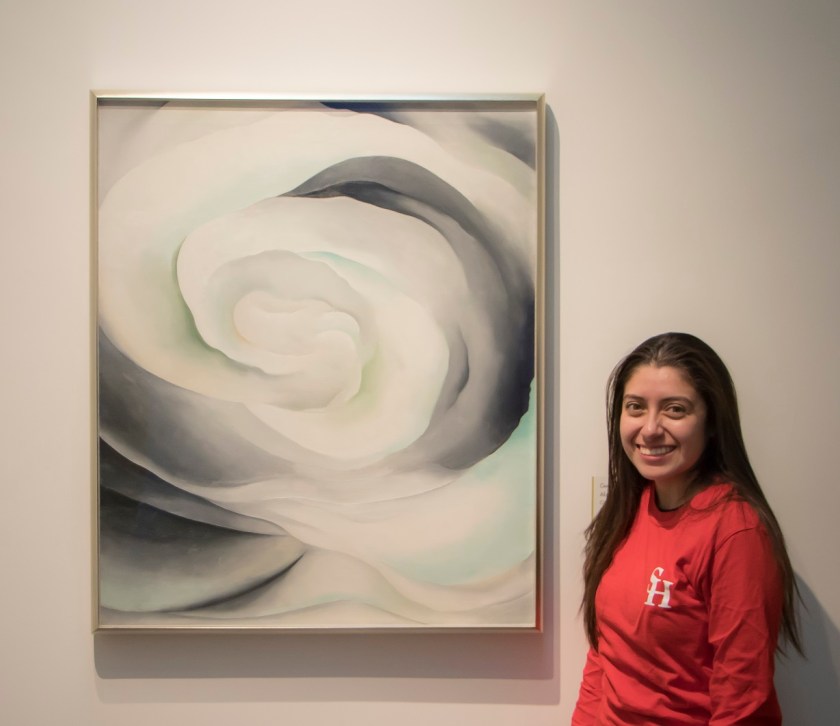
Georgia O’Keeffe was born on November 15th, 1887 in a small town in Wisconsin. Her first pieces of art were simple sketches of her family. She eventually decided that she would trade her small town for a big city, and she moved in 1905 to attend the art institute of Chicago. Her art was first exhibited in New York in 1916 by famous art dealer and photographer Alfred Steglitz, and that’s where it all began. She is now known as one of the most boldly innovative artists of the twentieth century.

SHSU, LEAP Ambassadors, LEAP Center, Santa Fe, Georgia O'Keeffe Museum

Her style, whether it is with flowers, landscapes, and bones, is what set her apart from other artists.

SHSU, LEAP Ambassadors, LEAP Center, Santa Fe, Georgia O'Keeffe Museum

The LEAP Ambassadors have learned quite a bit about art but Georgia O’Keeffe is usually the first artist whose work they can organize when they begin visiting art museums.

SHSU, LEAP Ambassadors, LEAP Center, Santa Fe, Georgia O'Keeffe Museum

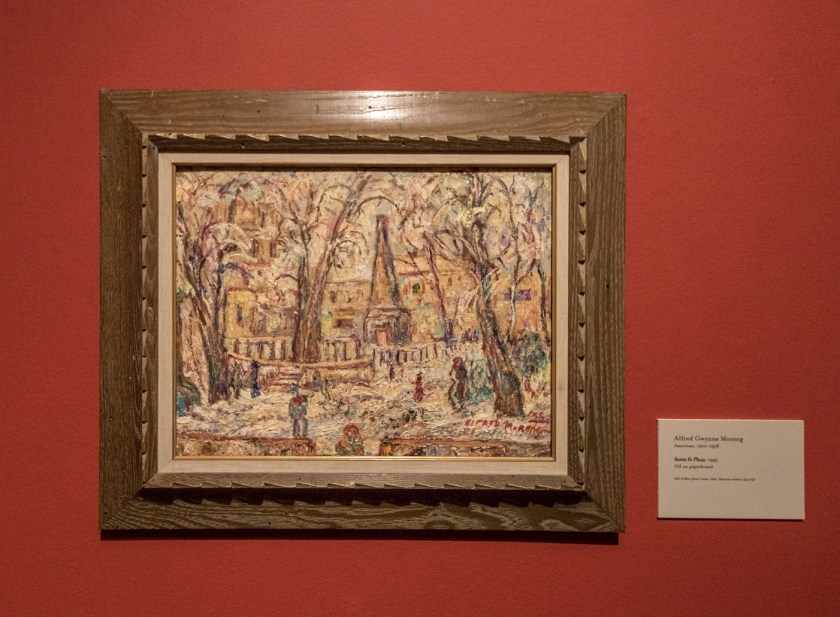
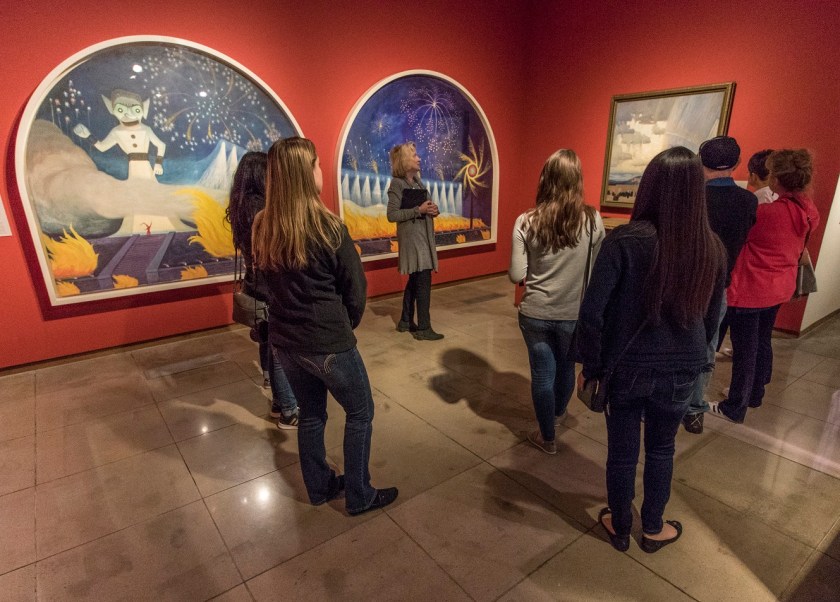
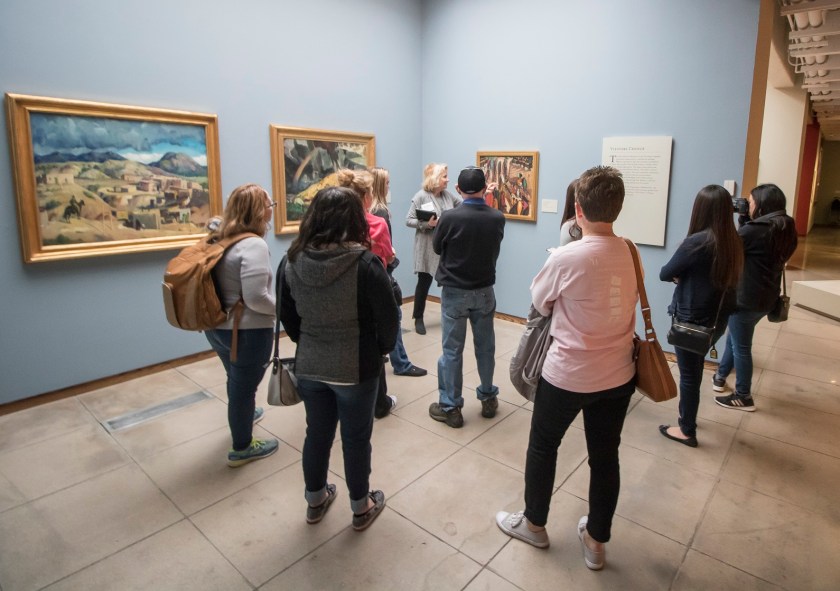
As we walked through the museum we came across a timeline of events from her life. It was interesting to follow it throughout her life and see what was happening during her lifetime in regards pop culture, art, and politics, while also connecting her to other Museums we have visited.

SHSU, LEAP Ambassadors, LEAP Center, Santa Fe, Georgia O'Keeffe Museum

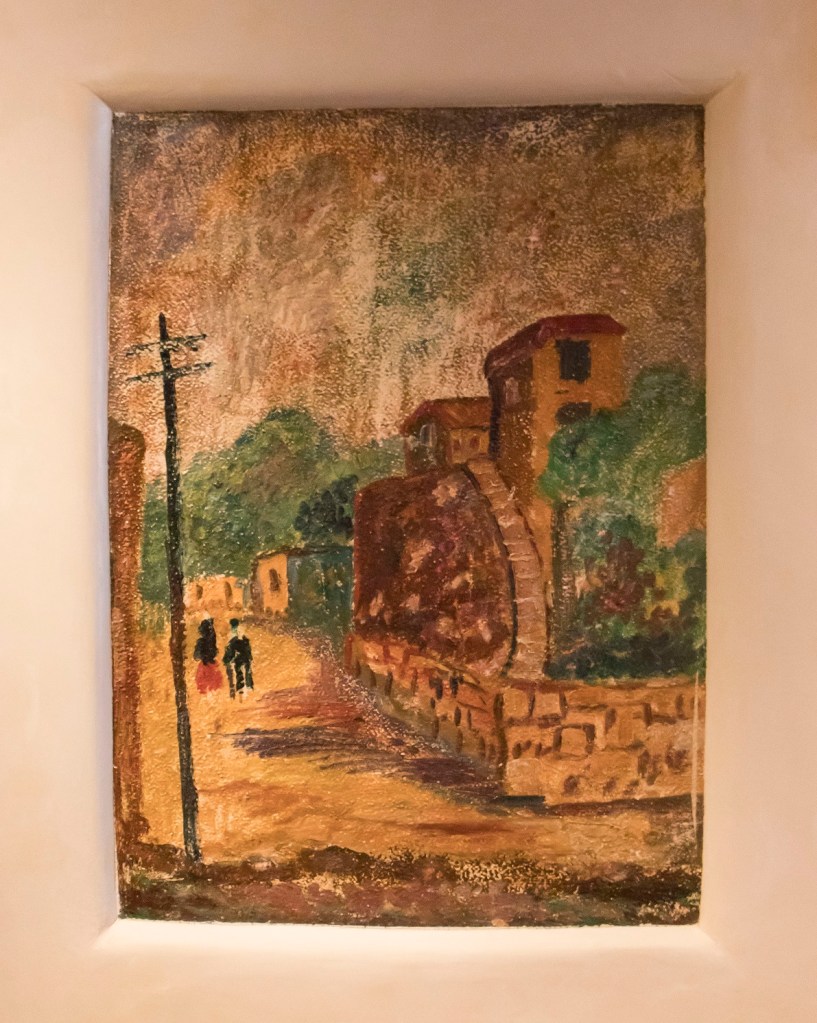
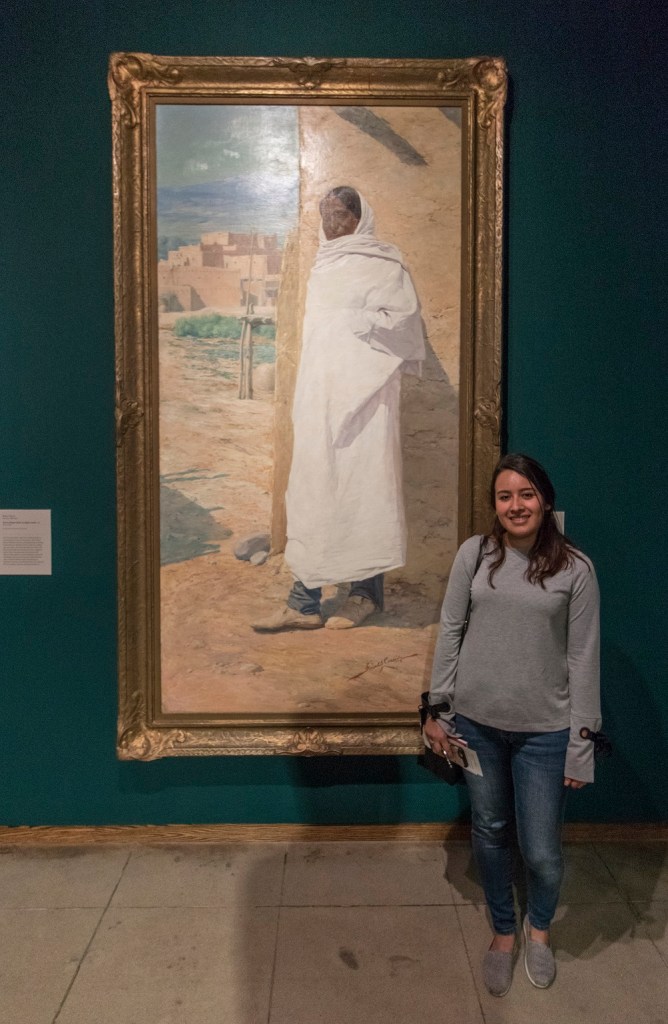
It allowed us to compare her life to the lives of other great artists such as Pablo Picasso, Andy Warhol, and Jackson Pollock. As we walked through the exhibit Professor Yawn mentioned that he enjoyed her art piece called “A Street” which was painted in 1926.

SHSU, LEAP Ambassadors, LEAP Center, Santa Fe, Georgia O'Keeffe Museum

Christina on the other hand liked “Clouds 5” and the study of the painting next to it. It was a painting of clouds seen from an airplane window, but it showed that Georgia O’Keeffe had been inspired by all of the traveling that she did in the 1960’s. As we headed for the gift shop to find a few trinkets, we stopped to snap a couple of photos of our favorite art…

SHSU, LEAP Ambassadors, LEAP Center, Santa Fe, Georgia O'Keeffe Museum

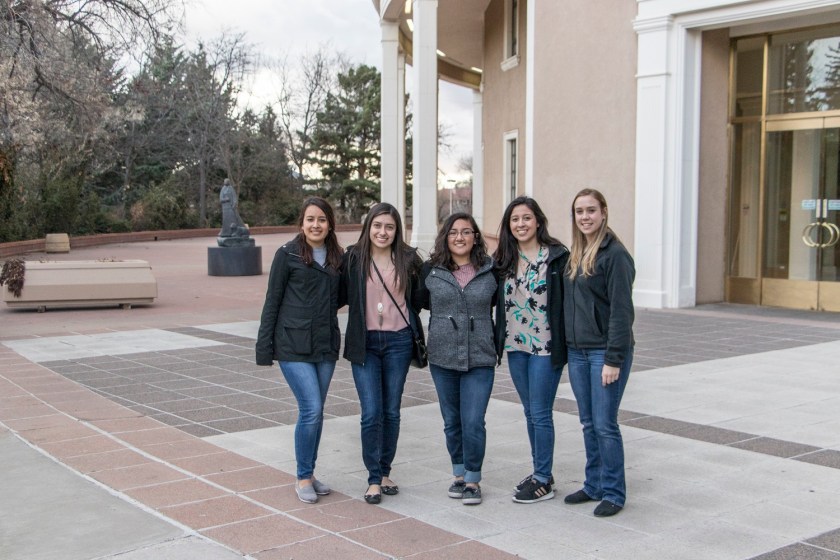
…then we posed for a photo outside…

SHSU, LEAP Ambassadors, LEAP Center, Santa Fe, Georgia O'Keeffe Museum

…and then we headed to dinner!
Jambo Café by Christina Perez

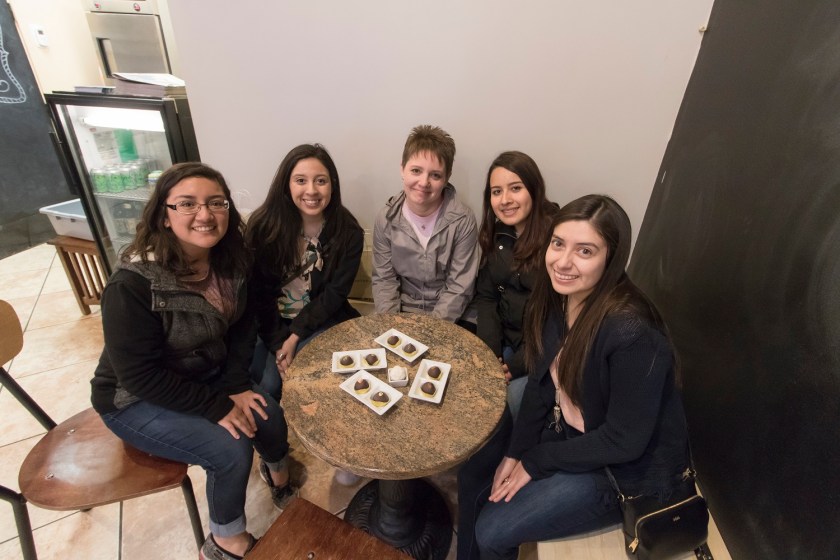
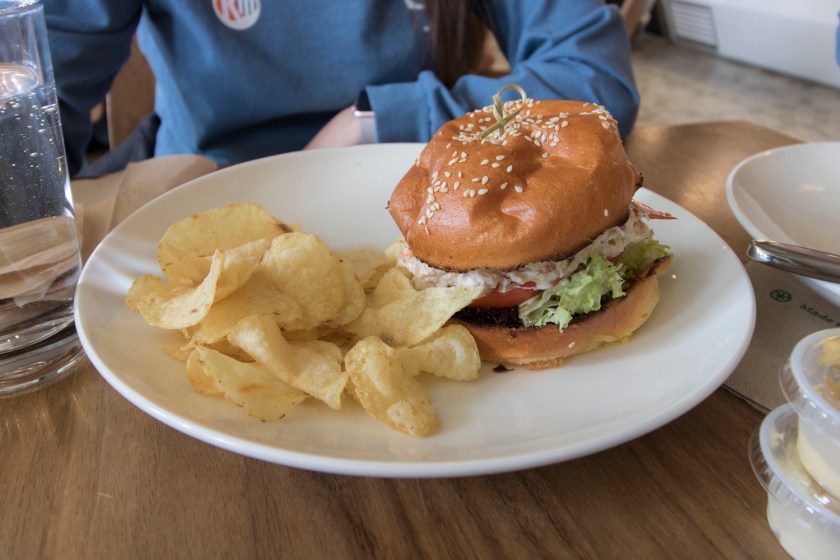
For dinner we were able to add another type of food to our trip cuisine! We visited an award winning restaurant in town named Jambo Café. It has been named the best international cuisine by Santa Fe reporters for the past five years, and the owner is Ahmed Obo who first mastered the African cooking style and then decided to open his own restaurant in Santa Fe in 2009. We decided to order multiple appetizers and entrees and share amongst ourselves so that it would be a bit easier for everyone to try new things. We ordered Kenyan style beef kebobs, and combination plates that included goat stew, curry chicken, and Moroccan lamb stew all atop a bed of rice.
SHSU, LEAP Ambassadors, LEAP Center, Santa Fe, Jambo Cafe

During dinner, we discussed all the different types of food we were able to sample thus far on our trip. Included were French, Mediterranean, Mexican, and of course African cuisines. It was difficult for many of us to decide our favorites, but Jambo Café was definitely high on all of our lists!
SHSU, LEAP Ambassadors, LEAP Center, Santa Fe

Are You Art Majors?

It was the last day that we would spend in Denver, Colorado. After four days attending the American Society of Public Administration, exciting hikes, and various art museums, today, would be our last opportunity to fit in as many activities as possible and we definitely took the opportunity!

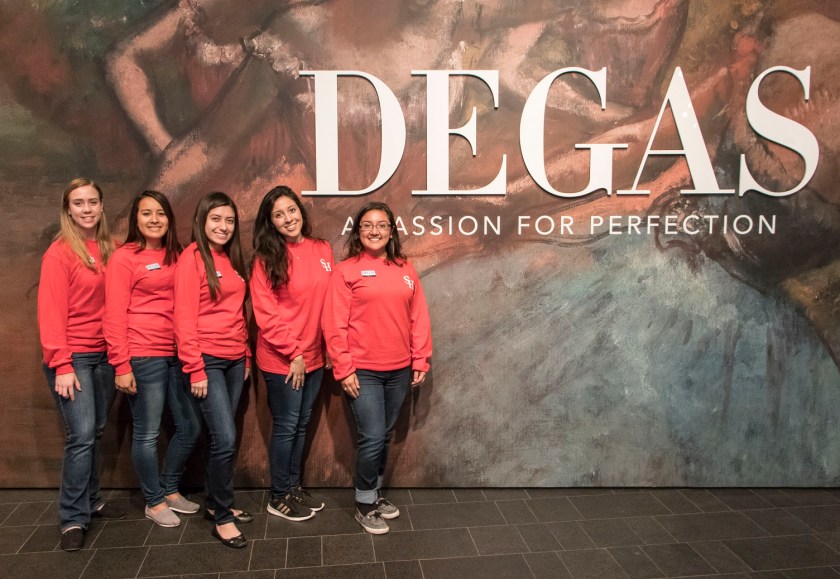
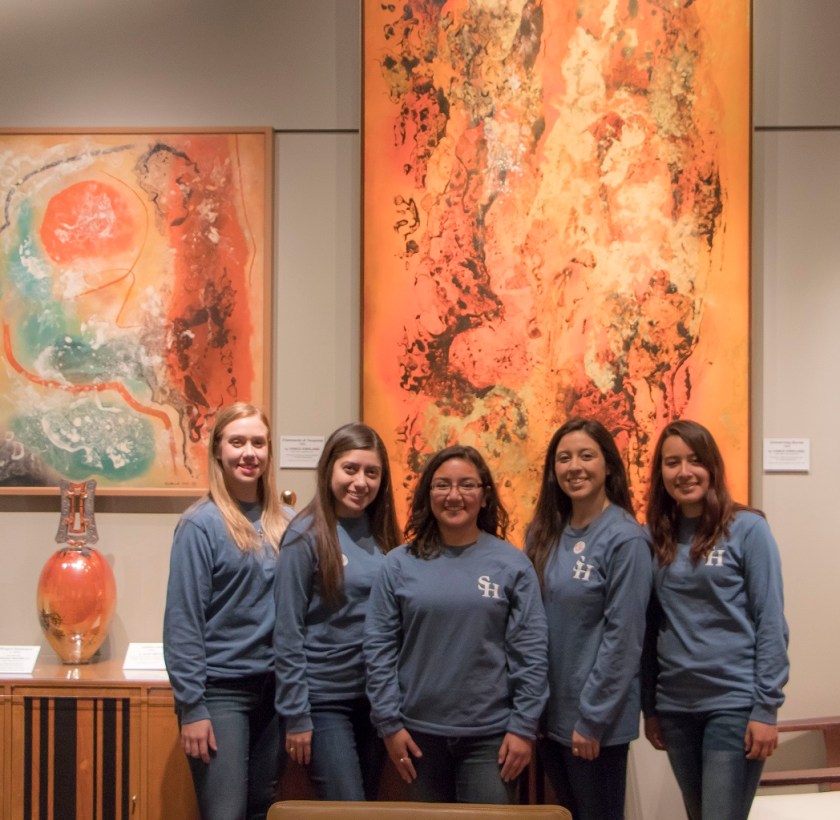
In preparation for the day, we wore our trip shirts, making us identifiable as SHSU students.  Almost every day we do this on a trip, we are asked, “Are you art majors?”  Our answer is no, but based on our activities, it is a reasonable question.

The American Museum of Western Art by Christina Perez (11)

As many of you know, LEAP began to expand their adventures to the wild west for the first time in January of this year, and with travel come new cultures, foods, and sometimes art. We arrived at our first destination for the day, the American Museum of Western Art. The AMWA officially became a nonprofit art museum in 2010 but the collection had been moved into the Navarre building in the 1990’s.

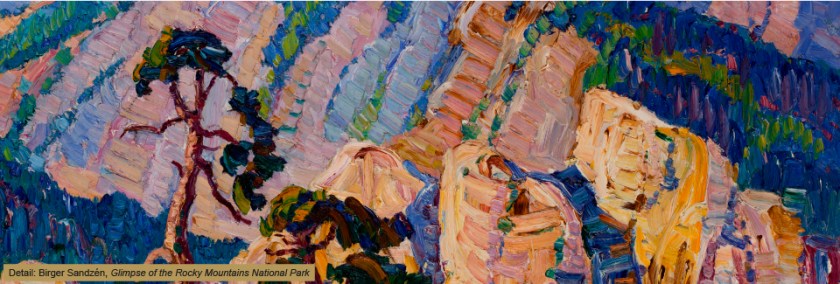
Earlier on out trip we have had the opportunity to learn about some of the most famous western artist, such as Frederic Remington, Charles Russell, Birger Sandzen, and Otis Dozier.

SHSU, LEAP Center, LEAP Ambassadors, Denver CO, American Museum of Western Art, Birger Sandzen

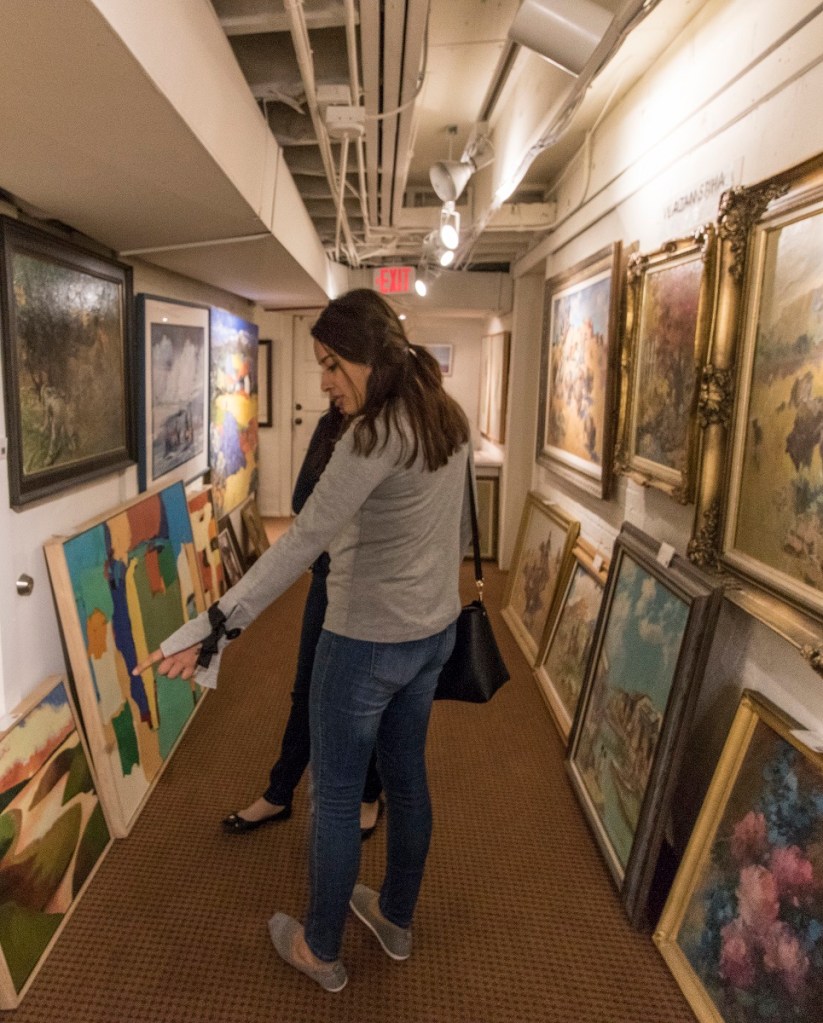
Each time we visit a new museum, our goal is to learn three new artists and their style of art, so we were looking forward to seeing our favorites as well as expanding our knowledge of names.  As we walked in the art museum, the greeter explained that the AMWA is made up of more than 600 pieces of art from about 180 artists. She added that the museum was salon style, so the art was not in complete chronological order.

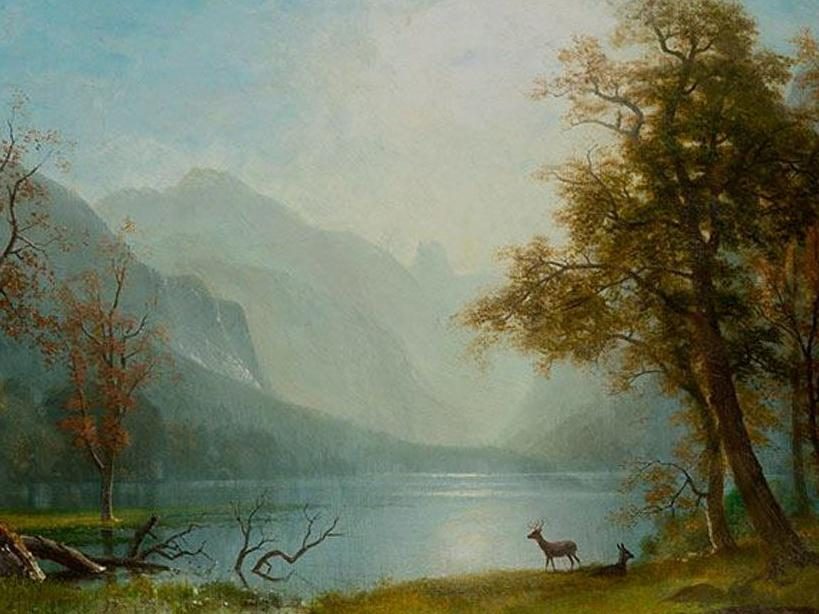
The artwork in the first floor was the beginning of western art which started in the early 19th century with artists like George Catlin, Alfred Jacob Miller, and John Mix Stanley. The most well-known landscape artists were also on this floor. We were particularly excited when we saw paintings by Thomas Moran, and Albert Bierstadt.

SHSU, LEAP Center, LEAP Ambassadors, Denver CO, American Museum of Western Art, Albert Bierstadt

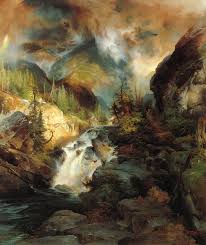
Some of the Leapsters had not been exposed to the Hudson River School artist, Alfred Bierstadt, before. One of our favorite paintings was a prime example of the many risks he took in creating his remarkable landscape paintings which was the “Wind, River, Wyoming”. Of course, Thomas Moran was also among our favorites. One of the largest paintings was Moran’s called “Children of the Mountains” which appealed to your senses by just looking at it.

SHSU, LEAP Center, LEAP Ambassadors, Denver CO, American Museum of Western Art, Thomas Moran

We ventured through the second floor and discovered even more of the next era of western art. The walls were filed with California-inspired art that started in 1948 when the gold rush lured thousands to America. The artists included German immigrant, Christian Nahl, who had little luck with gold but ended up finding his own treasure in art. The third floor also included Thomas Eakins, who is known for his realist paintings and Victoria’s favorite artist: Blumenstein.  The fourth floor was everyone’s favorite since it had many different modern artist, Expressionist, American Regionalism, New Deal Art, Cubism, and Abstract Expressionism. At one point in the gallery, we were happily surprised to find an Edward Hopper painting portraying Moran Mountain. We were used to him creating urban settings. It sure was a treat for the art lovers! As we left the museum, everyone had found a new favorite among the new and old artists. But our learning adventure did not end there!

Lunch- Denver Central Market by Karla Rosales

After a lengthy morning, we were hungry and ready to eat. Beatriz had been charged with finding the right restaurant for our last meal in Denver. She decided it would be fun to try Denver Central Market, a restored old building in the RiNo District. The market offered many different local vendors which gave us a variety of options to choose from such as seafood, Italian, barbeque, and even vegan. I decided to indulge in something different and tried the seafood roll from Tammen’s Fish Market. It was a delicious roll with a combination of lobster, shrimp, and crab.

SHSU, LEAP Center, LEAP Ambassadors, Denver CO, Denver Central Market

Bianca went for a pastrami while Beatriz tried the pulled pork sandwich. Overall, it was a great place of us to have lunch with a large variety of options. I personally voted my lunch today among my top 3 while in Denver. Our next art museum would also be among our top favorite art museums. It was the Kirkland Museum!

Kirkland Museum of Fine & Decorative Art by Bianca Saldierna

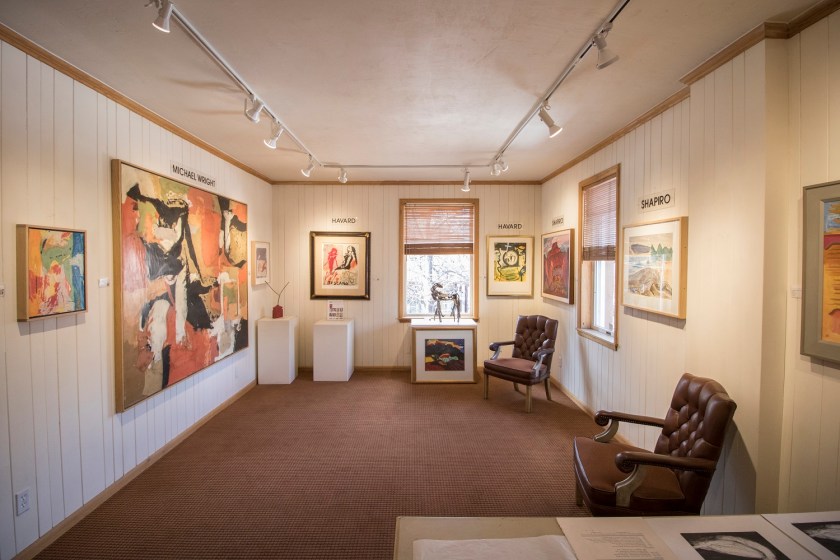
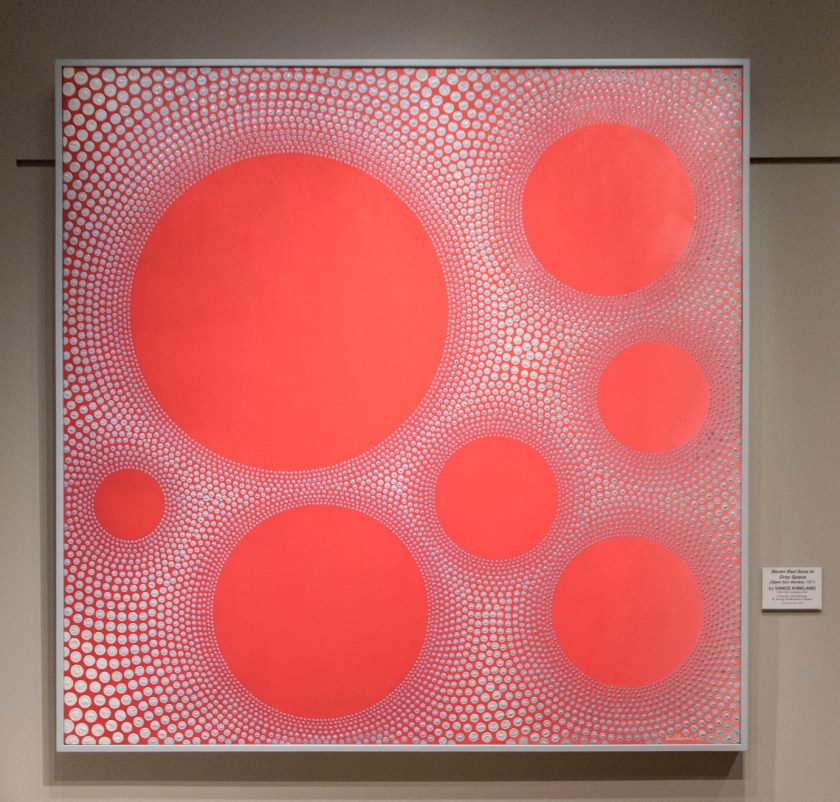
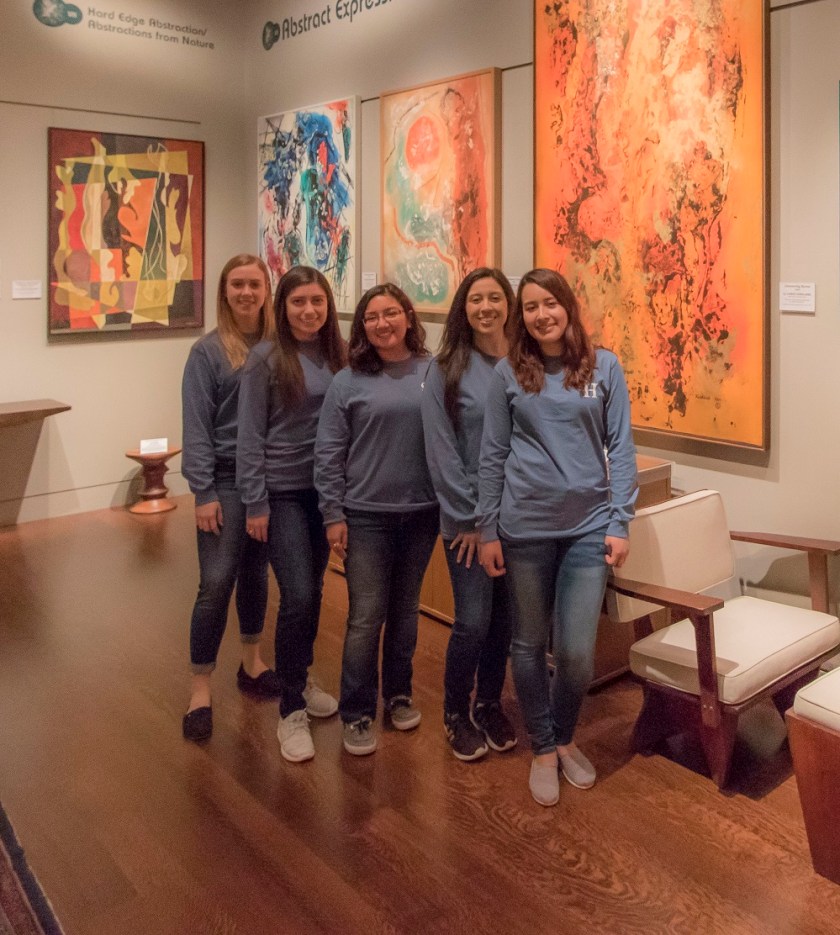
Our last art museum in Denver, Colorado was the Kirkland Museum of Fine & Decorative Art. The museum exhibits more than 30,000 pieces created by more than 1,500 artists and has an extensive collection of Vance Kirkland, Colorado’s distinguished painter and educator of the 20th century. Kirkland’s art gallery was divided into five periods: Designed Realism,  Surrealism, Dard Edge Abstract/Abstraction of Nature, Abstract Expressionism…

SHSU, LEAP Center, LEAP Ambassadors, Denver CO, Kirkland Museum of Decorative Arts and Design

…and the Dot Painting period (not to be confused with Pointillism).

SHSU, LEAP Center, LEAP Ambassadors, Denver CO, Kirkland Museum of Decorative Arts and Design

Each period represented a different style of art and the five periods encompassed the evolution of his innovative art through time. Actually, we learned that the first half of his career was marked predominantly by his watercolor art in which he portrayed realistic landscapes of the grand Rocky Mountains.

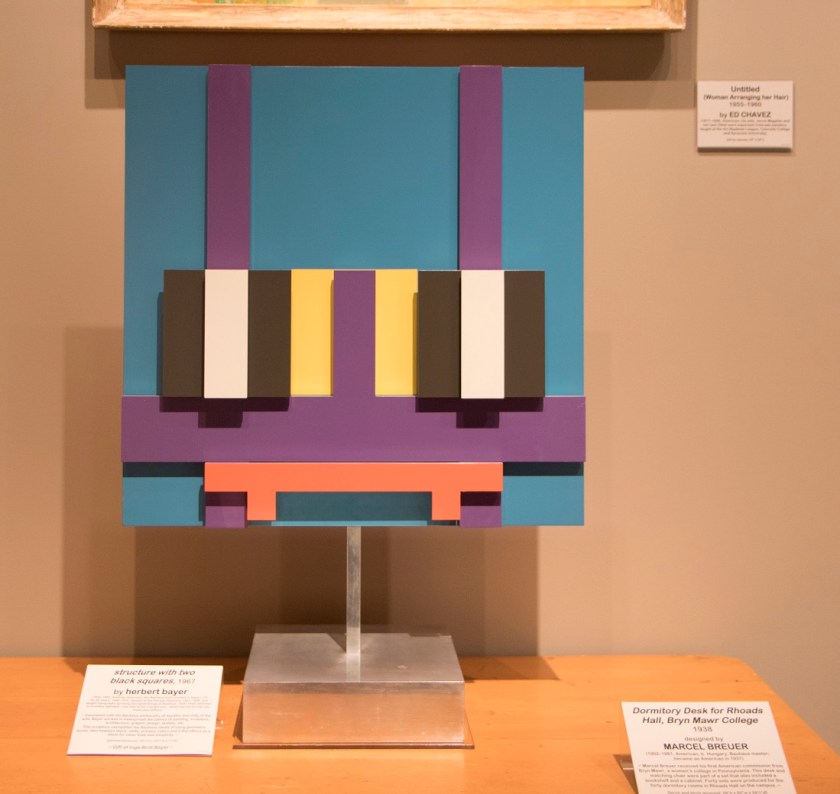
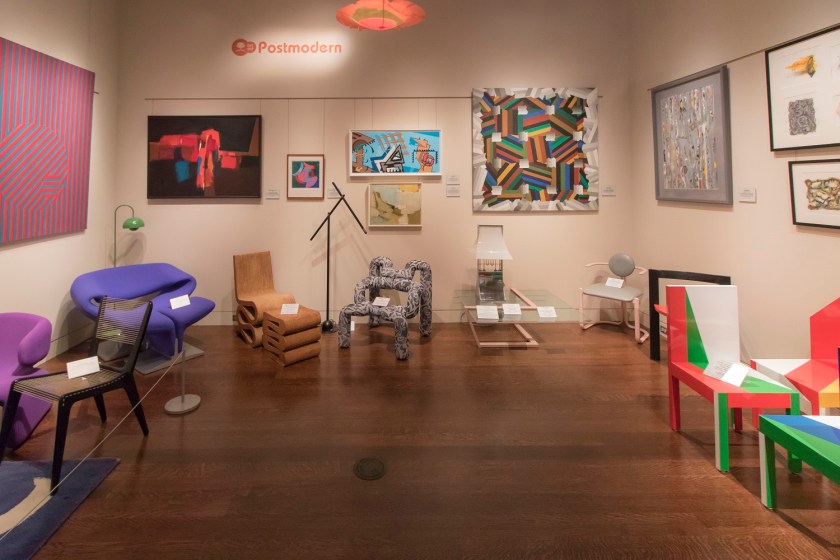
The museum is also home to an international decorative art collection from different eras including: Arts & Crafts, Art Nouveau, Bauhaus, Art Deco, Modern, and Post Modern.

SHSU, LEAP Center, LEAP Ambassadors, Denver CO, Kirkland Museum of Decorative Arts and Design

An interesting point to make is that the museum coordinated the art paintings with the décor of the time period.  One of the artists whose decorative furniture and glassware were present throughout different periods of art was Frank Lloyd Wright. The Ambassadors came to know about Wright’s prolific career through the architectural designs of his iconic houses.

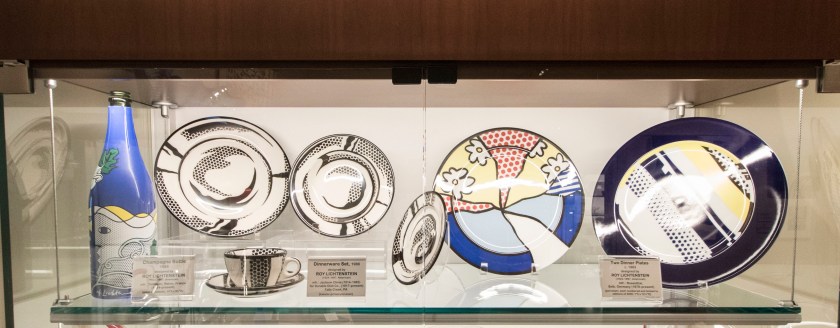
As part of the modern design period were pieces of some of the most legendary artist such as: Dale Chihuly, Isamu Noguchi, Salvador Dalí, Alexander Calder, Roy Lichtenstein…

SHSU, LEAP Center, LEAP Ambassadors, Denver CO, Kirkland Museum of Decorative Arts and Design

…and Pablo Picasso, whose lengthy name we learned to be: Pablo Diego José Francisco de Paula Juan Nepomuceno María de los Remedios Cipriano de la Santísima Trinidad Ruiz y Picasso. We certainly prefer to only call him Pablo Picasso! Some of our other favorites is George Ohr’s “burnt babies” and as well Frank Gehry, both of whom we saw during the Southern Legislative Conference in Biloxi, Mississippi.

SHSU, LEAP Center, LEAP Ambassadors, Denver CO, Kirkland Museum of Decorative Arts and Design

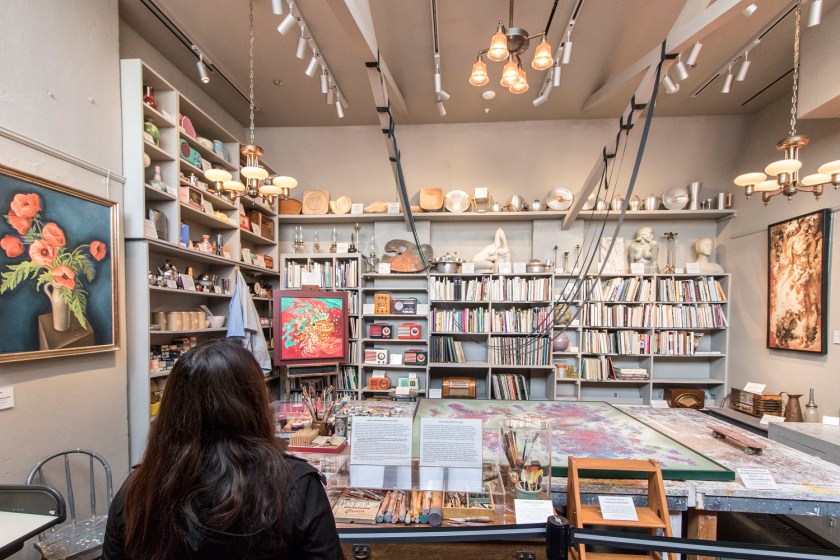
Our museum tour started and ended with Vance Kirkland. The final exhibit in the museum was his work studio where he created most of his dot abstract art. Interestingly, his artwork was all created in this gallery and in his studio.

SHSU, LEAP Center, LEAP Ambassadors, Denver CO, Kirkland Museum of Decorative Arts and Design

Hanging above his worktable were the straps where he spent approximately ten hours a day layering his canvases. We also learned that his extensive art collection has been exhibited in thirteenth countries across the world. Overall, we left satisfied to have admired the art work of numerous well-known artist and to have learned about the work of Vance Kirkland, who we will know remember for having ventured into new styles.

SHSU, LEAP Center, LEAP Ambassadors, Denver CO, Kirkland Museum of Decorative Arts and Design

It was finally time to leave, so we traveled overnight in order to reach Santa Fe, New Mexico where we would be able to go skiing… and go to art museums… and explore the beautiful adobe architecture!