Unfolding Law Enforcement Corruption and Cover-Ups

By Mayra Sofia Soto

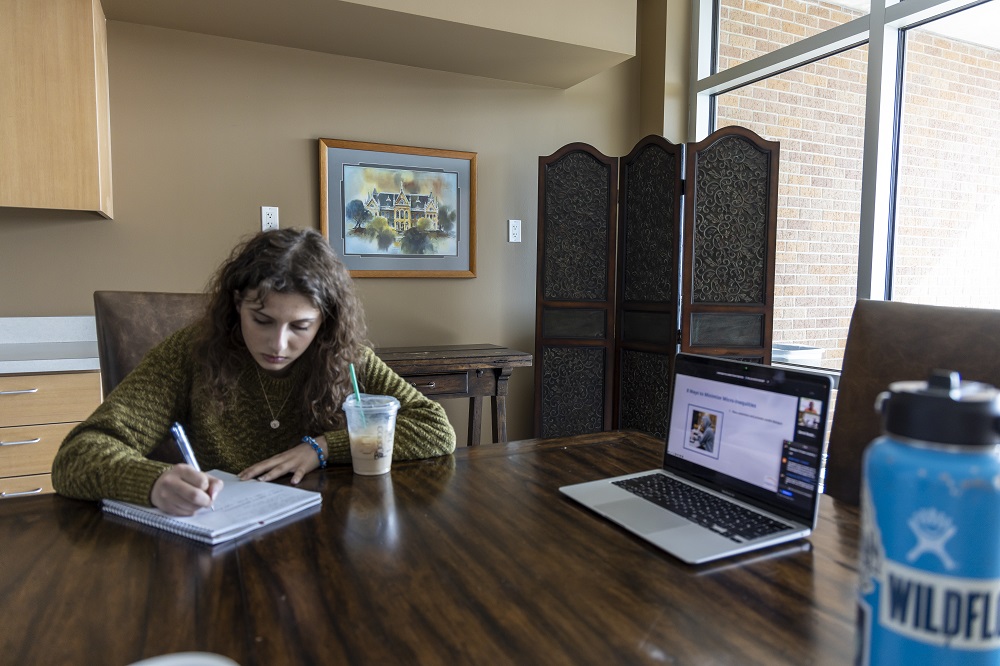
Today we joined an exciting virtual session hosted by the Houston Area ACFE Chapter of the Association of Certified Fraud Examiners and the world’s largest anti-fraud organization and premier provider of anti-fraud training and education.
The event was led by Lawrence P. Smith, President and Founder of the STIRM Group Inc, which conducts complex investigations for law enforcement, legal entities, and private clients.

Smith, who also hosts the podcast Bribes, Lies & Alibis, is releasing a new book this fall– Six Degrees of Corruption: The Fleecing of a City– detailing corruption at the heart of institutions designed to protect the public.

The case began when a police chief approached Smith in late 2021 to investigate a forged training record tied to a former Methuen Police Department officer. What seemed at first like a simple case of document fraud unraveled into something much larger: a pattern of systemic corruption involving fraudulent certifications, fake officers, conspiracy, and significant Brady v. Maryland implication. Smith’s background in document fraud, including years with Homeland Security, allowed him to immediately spot the forgery. But the deeper he dug, the more the issue grew– from one fake cop to institutional complicity at the highest levels.

Central to the scandal was the Massachusetts Municipal Police Training Committee (MPTC), the body responsible for overseeing municipal police training statewide. Smith initially gavethem a professional courtesy call, as is customary in law enforcement when an officer is under investigation. Instead of honesty, he encountered what he believed was direct involvement andcriminal negligence by the executive director. Despite presenting overwhelming evidence such as forged academy records, evidence tampering, and false arrests. The case was rejected 11 times by the Attorney General’s Office, the District Attorney, and even the Department of Justice.

The report was not only turned down, it was impounded. Officials cited “not enough evidence” and tried to use prosecutorial discretion to avoid action. Smith detailed how elected officials and politically connected figures shielded the MPTC leadership from accountability. The MPTC agency stripped metadata from requested records, withheld documents from investigators and the media, lied to investigators and tampered with evidence. Those responsible, including Robert Ferullo, the MPTC’s executive director, faced no charges even as evidence of their active involvement increased.
These failures rippled outward. Every officer trained by the MPTC, every conviction they played a role in, now comes under question. The legal, financial, and reputational damage is profound. The scale of corruption and political protection in the state as Smith noted “is mind-numbing.”
When an accreditation body is compromised, the entire justice system is at risk ranging from civil rights violations to erosion of public trust. The fallout includes not just criminal liability, but also obstruction of justice, conspiracy and accreditation loss.

Smith emphasized that this case isn’t about money or value but it’s about protecting human rights. At the end of the day, the greatest badge of honor is honesty.

Reflections from the Capitol: A Day of Service, History, and Perspective in Austin

by Olivia Discon

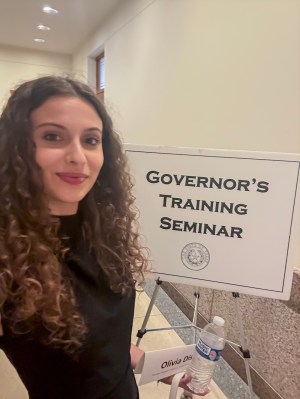
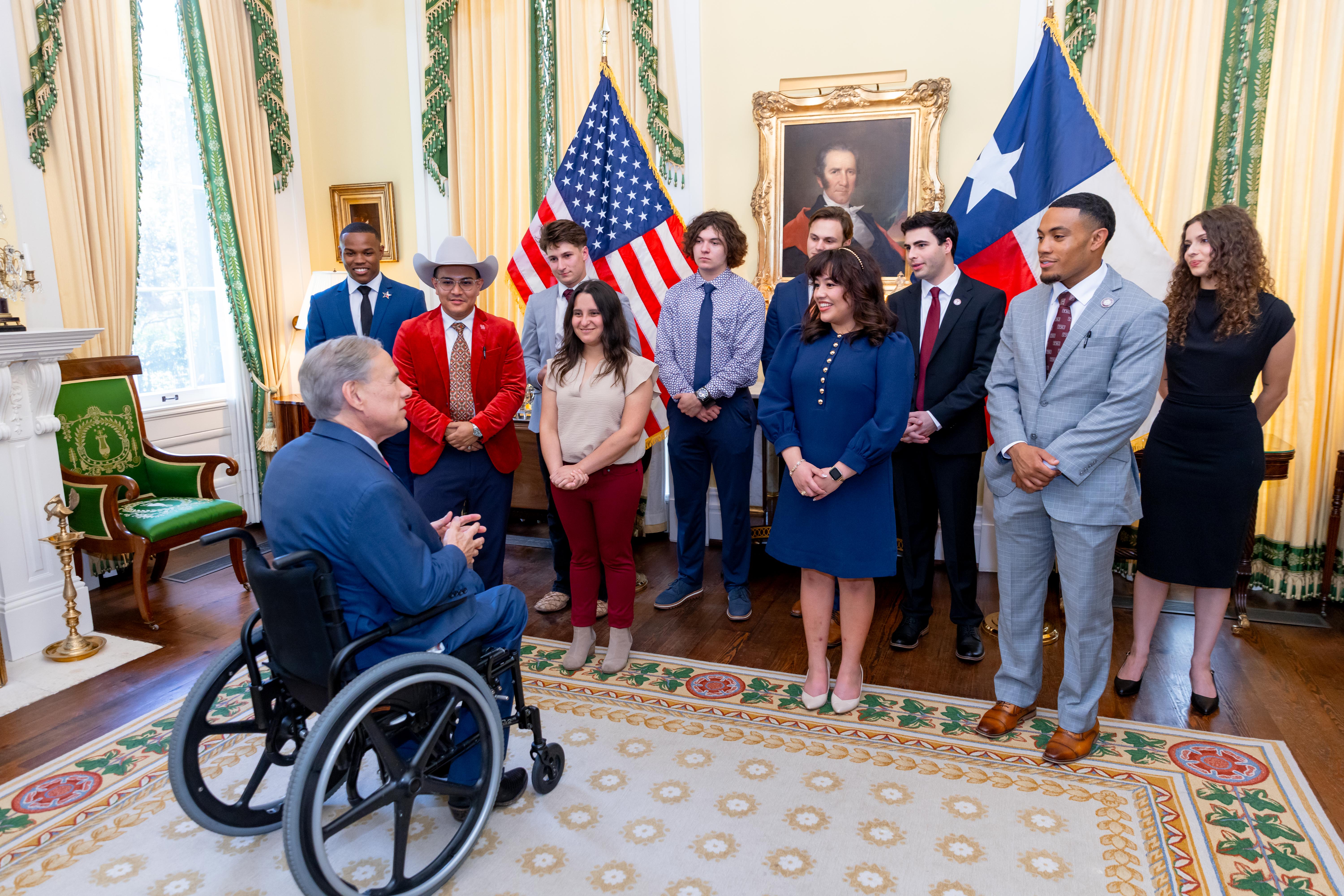
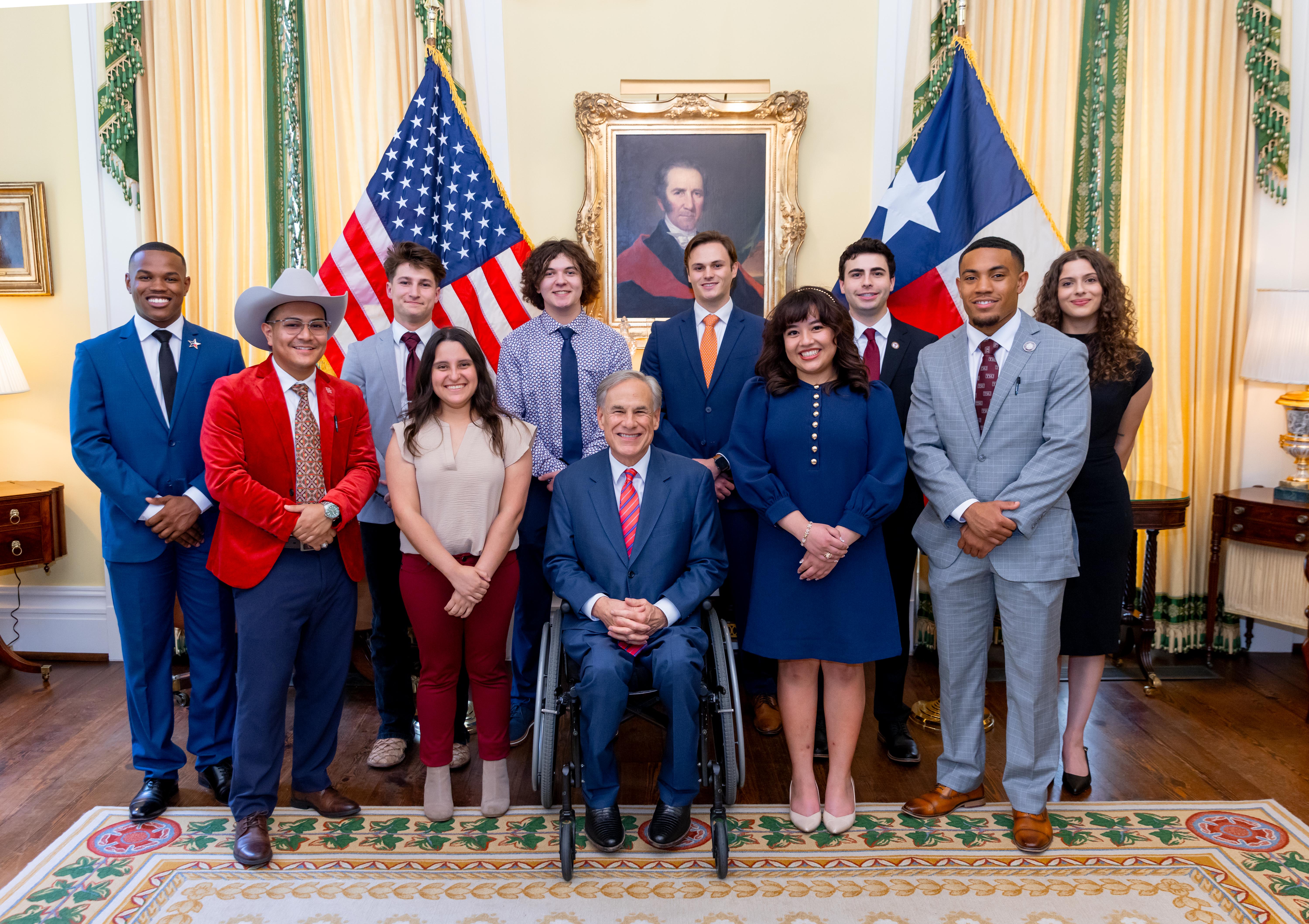
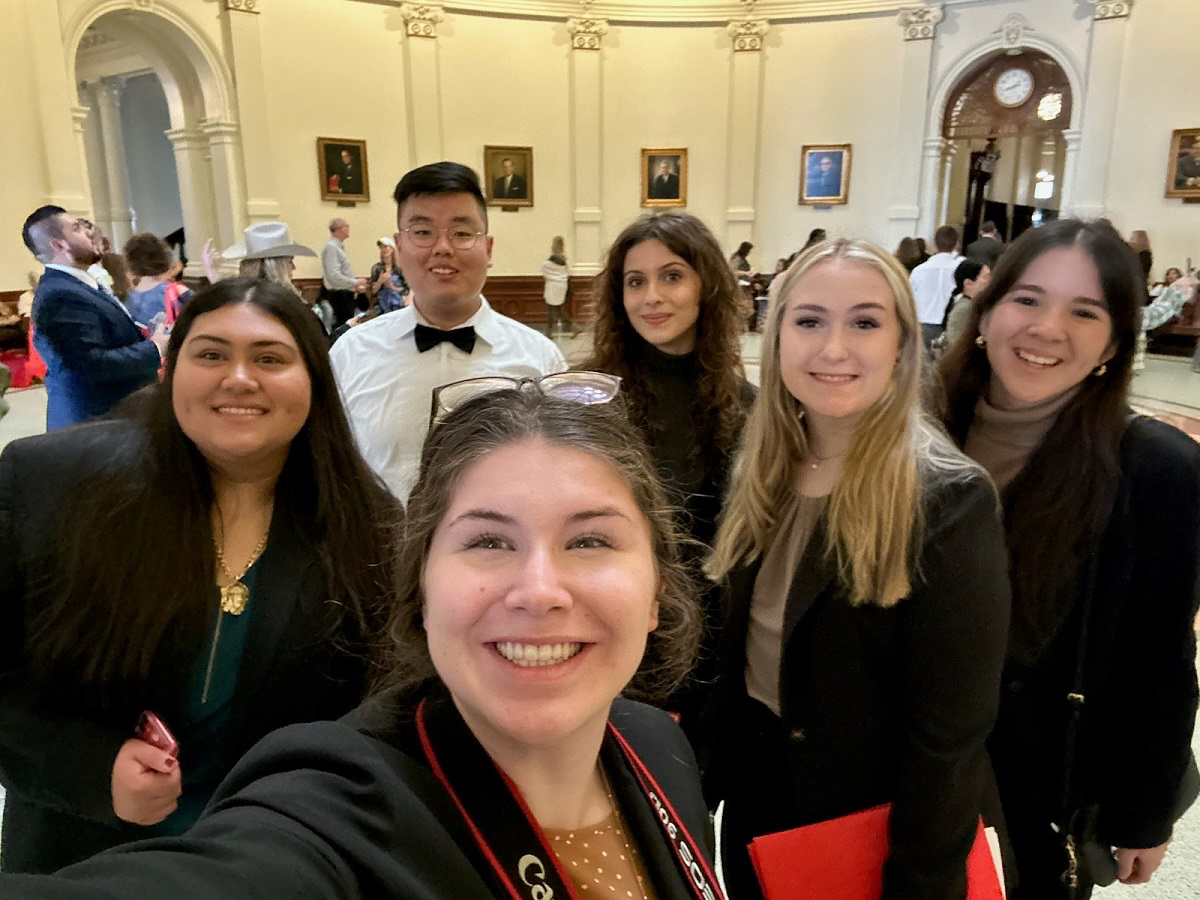
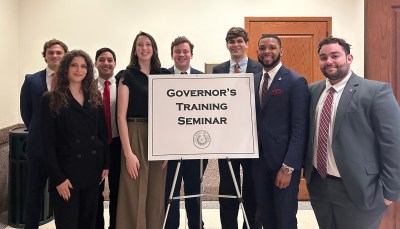
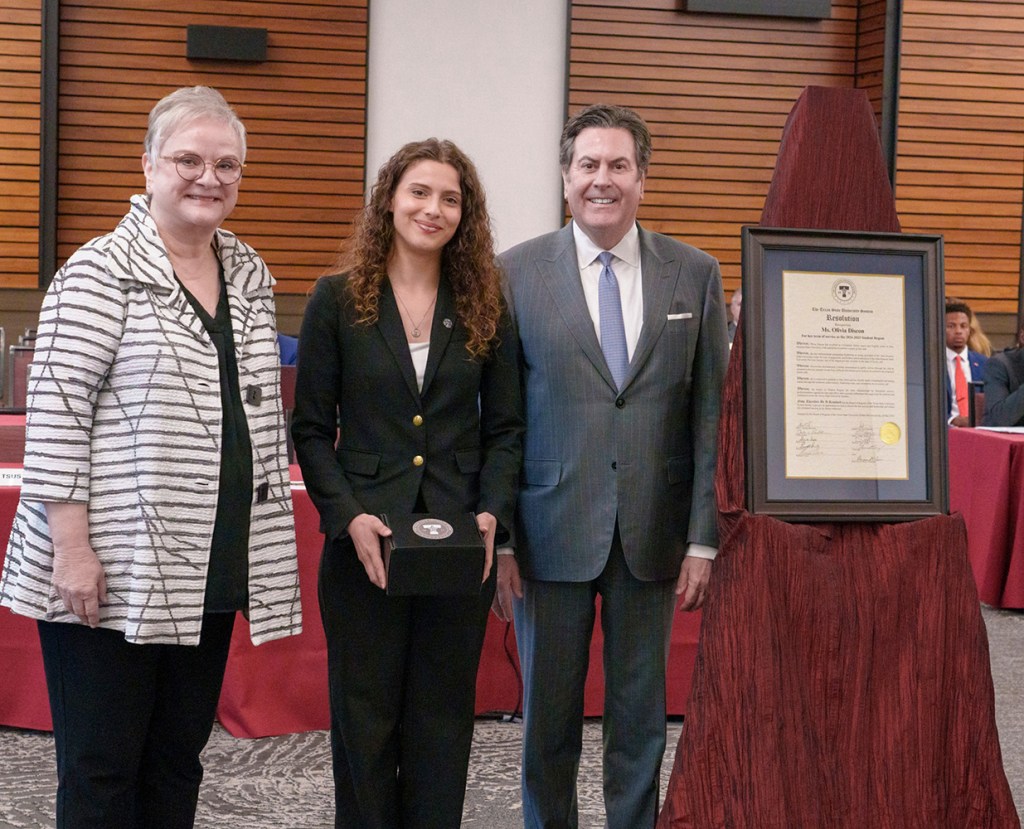
I recently had the opportunity to visit the Texas Capitol and share a few reflections from my term as student regent. I was invited by the Governor’s Appointments Office to speak to the newly appointed student regents, which was a real honor—and a full-circle moment I didn’t take lightly. I wanted to make the most of the opportunity and my time in Austin.

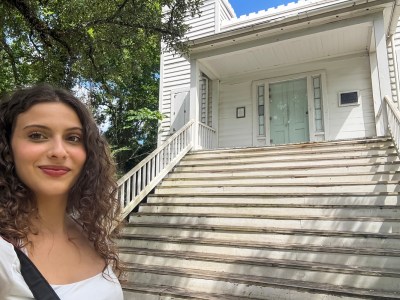
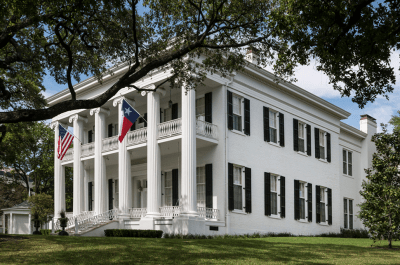
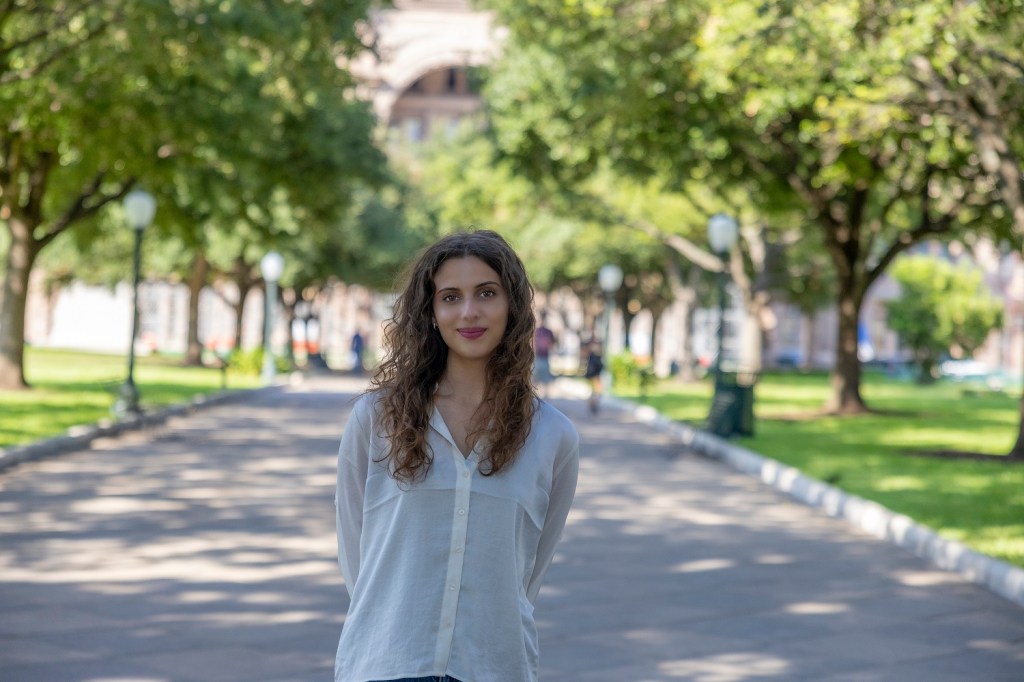
One of the biggest highlights of the day was being invited to the Governor’s Mansion. After a quick security check by DPS, I had the chance to tour one of the most historic and iconic buildings in Texas. The Greek Revival-style mansion was designed by Abner Cook—who, interestingly, also supervised the construction of the Walls Unit in Huntsville. That connection alone was enough to trigger my compulsive need to tie Sam Houston into everything.
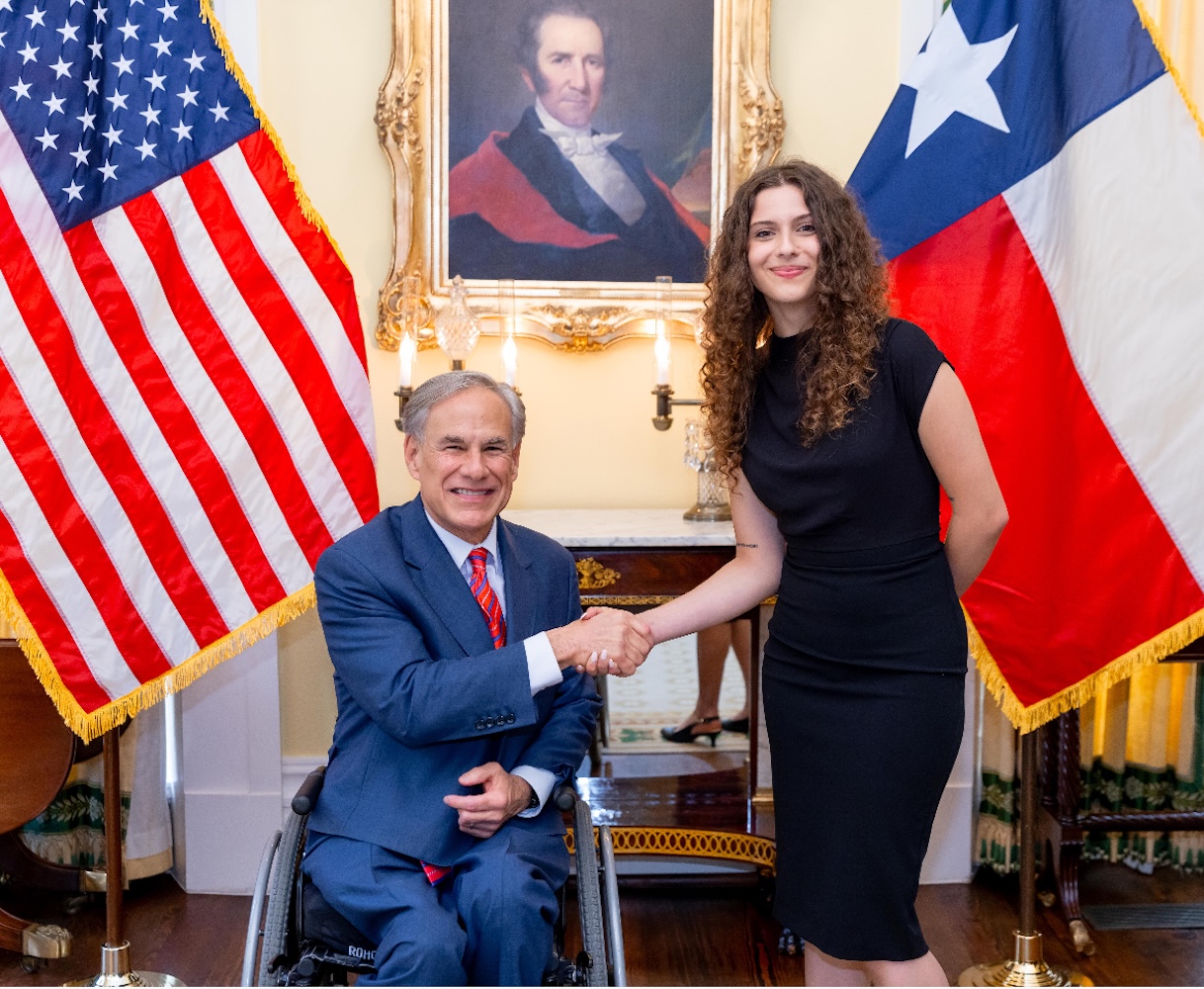
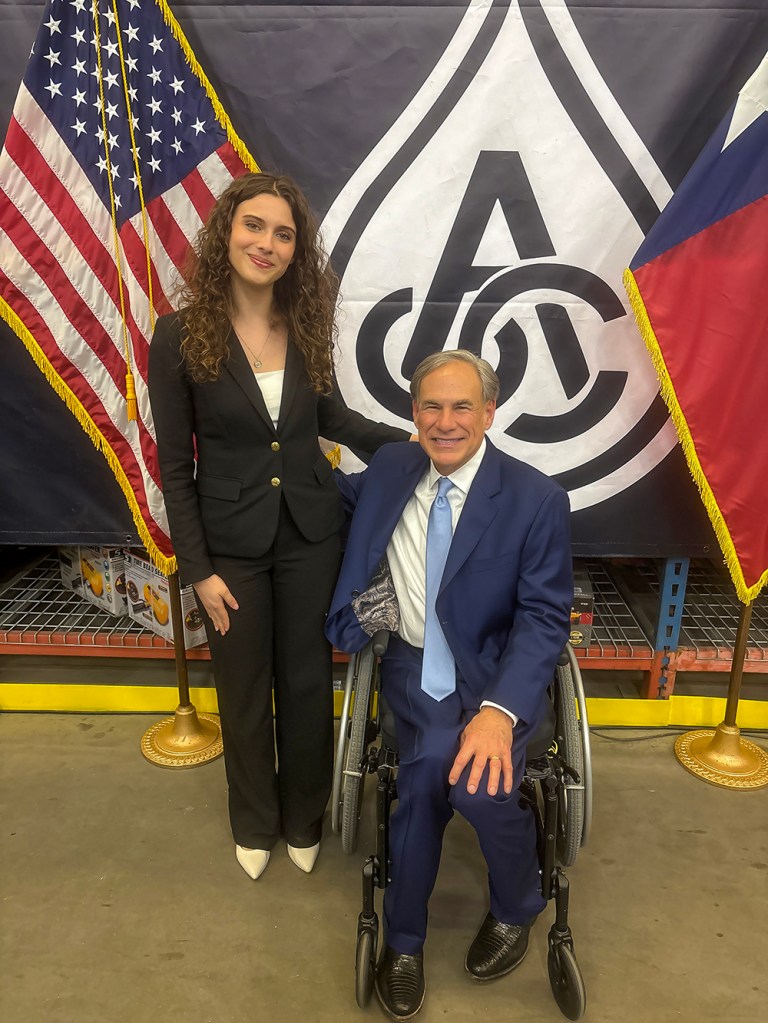
I’ll admit I was a little photo-shy walking through the mansion, but that didn’t stop a few photos from happening. To my surprise, I got to greet Governor Abbott again and take a quick photo with him—inside his house, no less. In that moment, I felt an overwhelming sense of gratitude. Being appointed as a student regent during my undergrad was an incredible opportunity, and I’ve felt supported at every level of my college experience. That support made moments like this possible.

As we made our way through the mansion, we passed through rooms filled with stunning 18th-century furniture—and, of course, nods to Sam Houston in almost every one. They even have a room named after him. Seeing this more glamorous side of Houston’s life, and then comparing it to his final years at the Steamboat House in Huntsville, was oddly moving. He was so committed to his principles that he gave up comfort for conviction. It’s just one of the reasons Huntsville has such a strange charm to me. Somehow, all roads in Texas lead back to it.

Even though the Governor’s Mansion is a historic landmark, it’s still a lived-in space. Just outside the window, we caught a glimpse of the Abbott family’s three golden retrievers playing in the yard. The timing of the visit couldn’t have been better—it was a great reminder of how historic homes can still be part of everyday life, thanks to organizations like the Friends of the Governor’s Mansion.

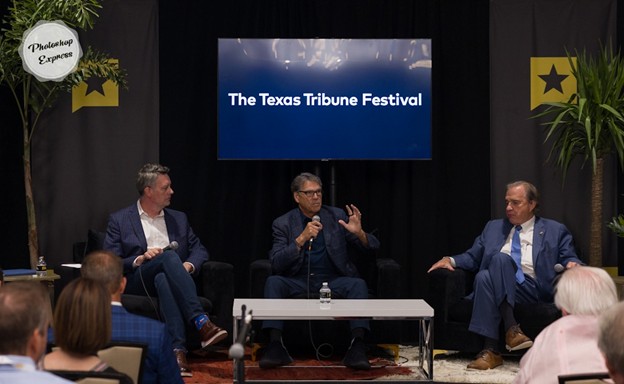
Later that afternoon, I joined Chris Covo, a former student regent for the Texas State University System, and Luke Shwartz, who was recently appointed student regent for the UT System (congrats again, Luke!). We sat down with Brent Connett for a moderated conversation about the role, what surprised us, and what advice we’d offer.

For me, the biggest takeaway was this: being a good representative can open more doors than you might expect. Investing in your professionalism, doing your research, and showing up prepared—not because you’ve “made it,” but because you’re serious about learning—goes a long way. When you present yourself as someone competent and curious, people take notice. You get to be in the room for real conversations and real opportunities.

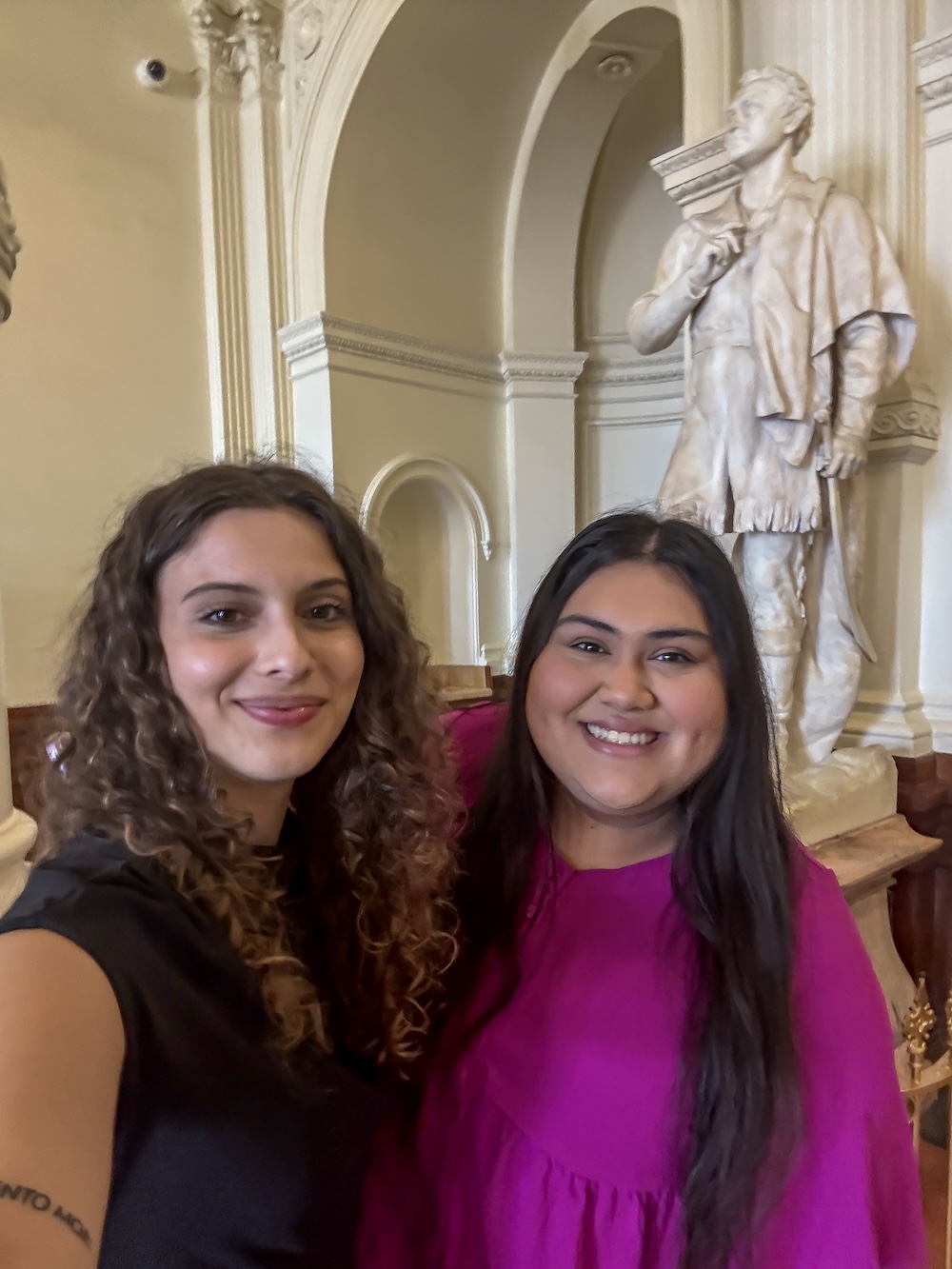
After the panel, I stopped by to see my good friend Michelle Cardenas, who was deep in the legislative trenches as session wrapped up. She took a much-needed breather and walked me through the Governor’s Reception Hall. Watching her in action, compared to where we started—back when we walked into the Capitol for the first time with LEAP—was surreal. We’re in completely different places now, but there’s something meaningful about knowing LEAP brought us both here.

Electric Gravy
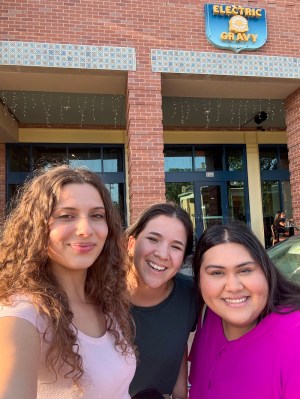
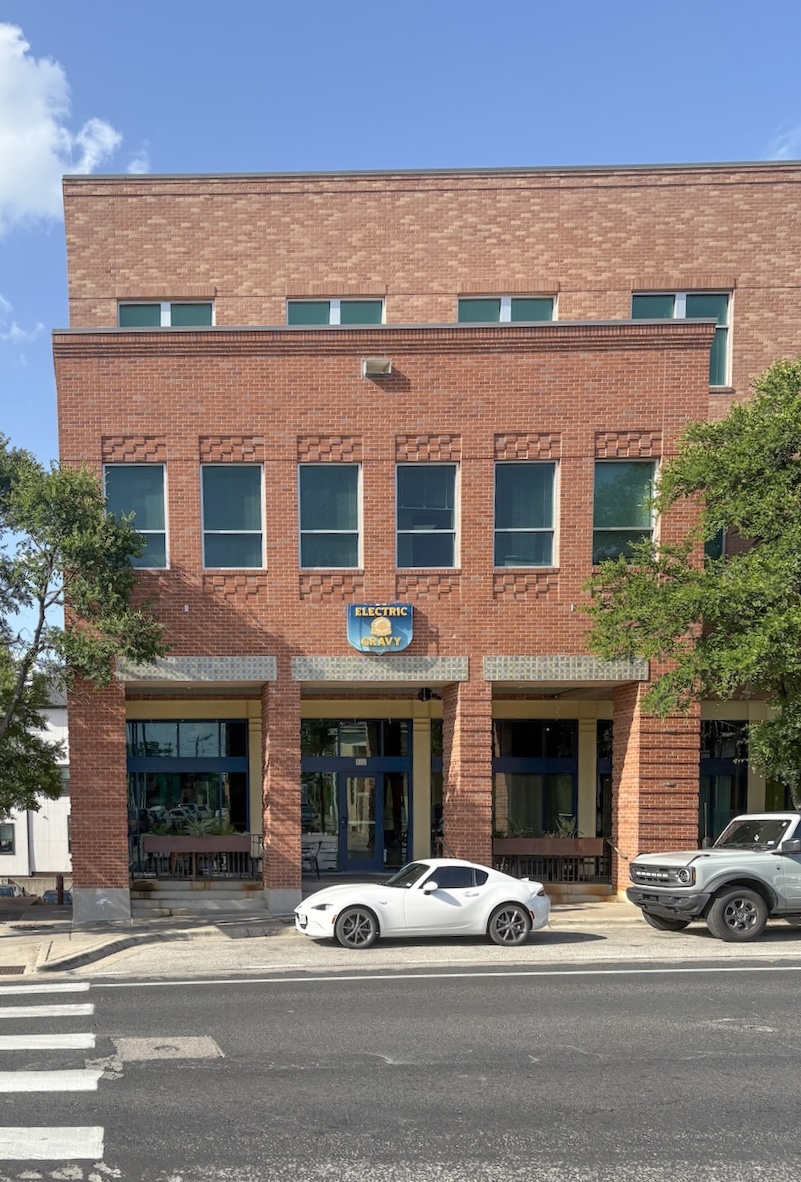
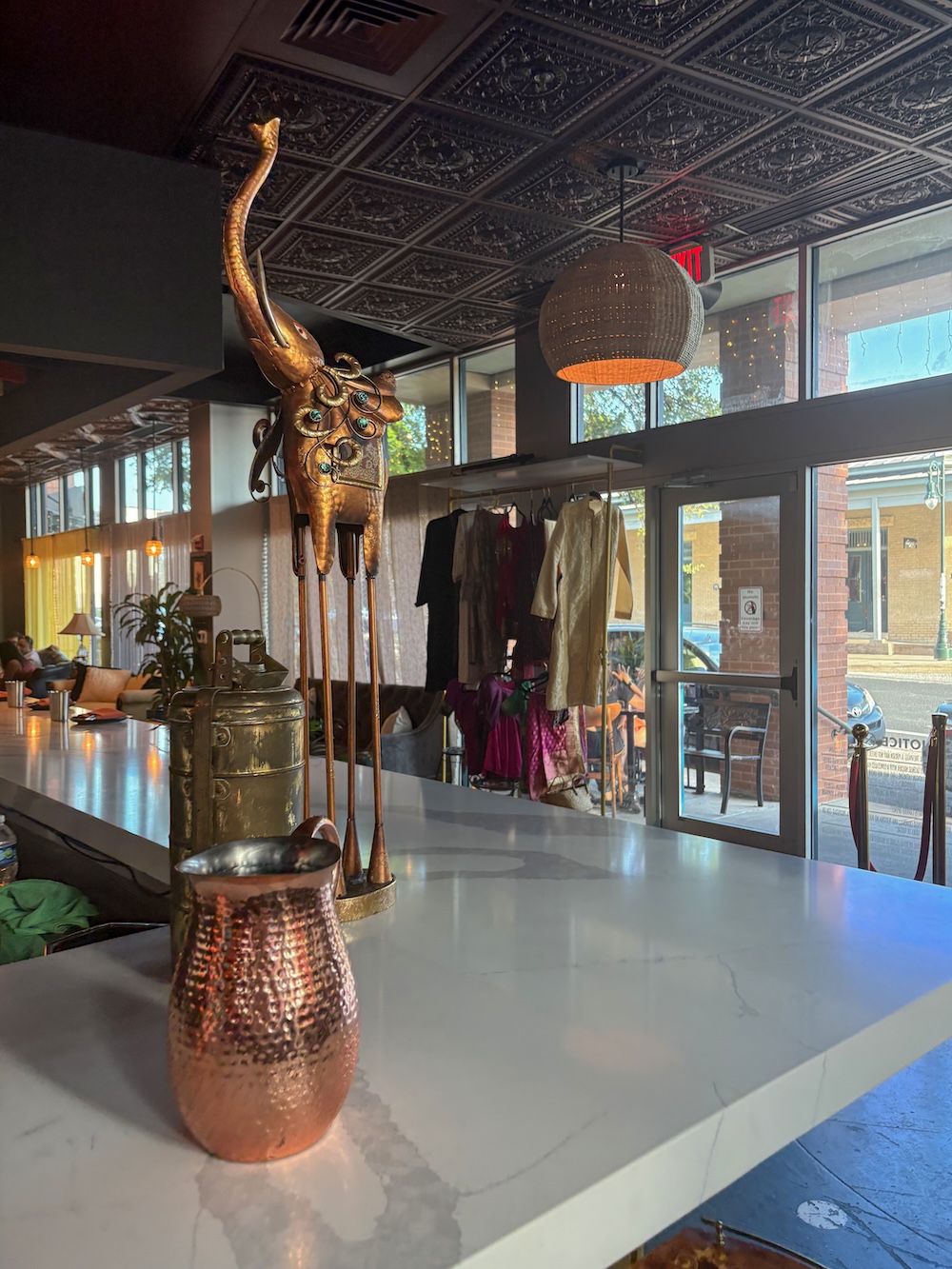
For dinner, I continued on my sappy tirade by joining Cinthia Villarreal and Michelle Cardenas at an Indian fusion restaurant—Electric Gravy.

It’s been getting a lot of local attention, including a recommendation from former LEAP Ambassador Saara Maknojia.

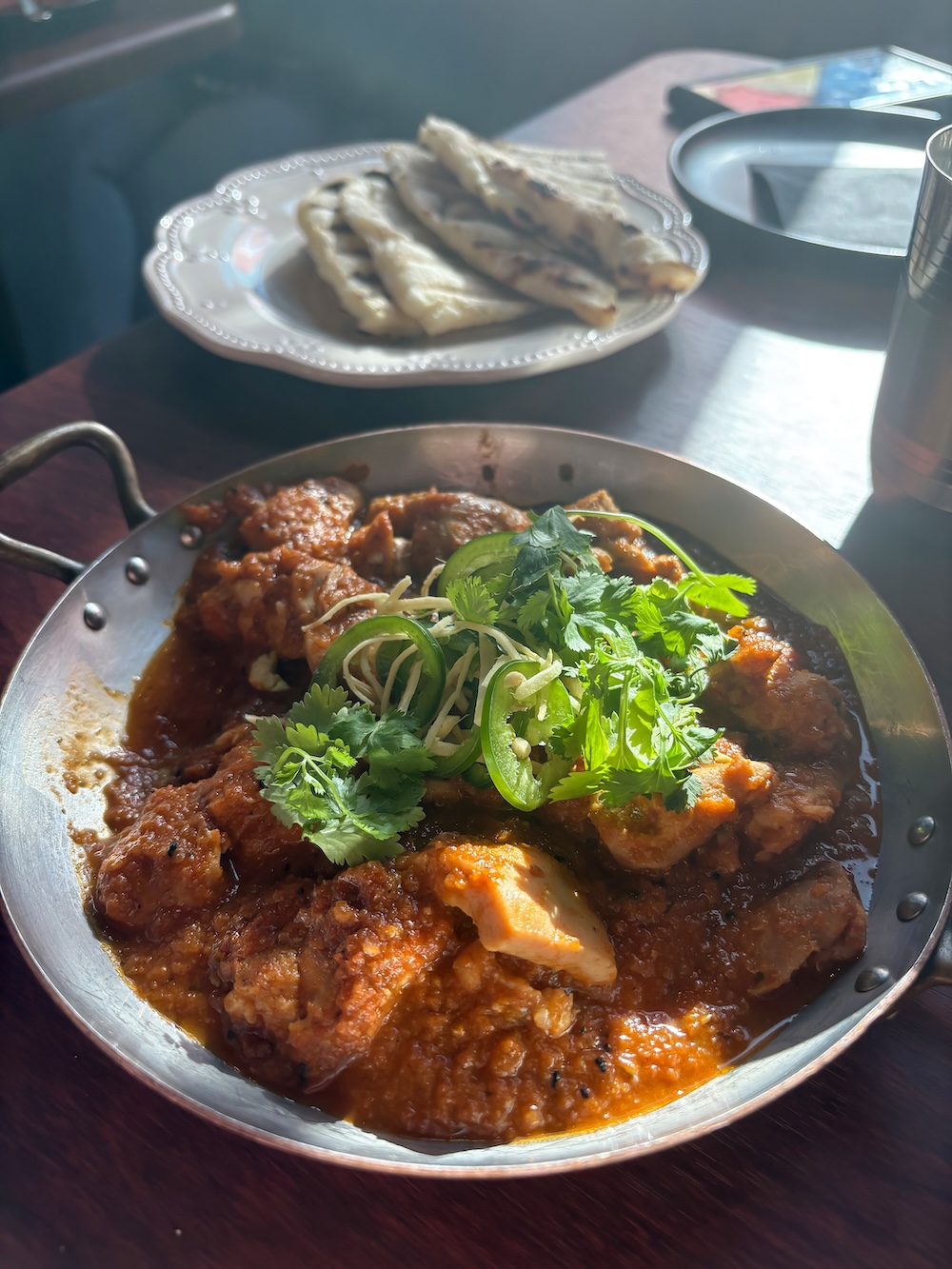
We started with the curry queso (which was excellent), and then I had the chicken tinga curry, Cinthia got the chicken masala, and Michelle went with the pork vindaloo. All of it was solid—definitely a fun place worth checking out.

Mount Bonnell
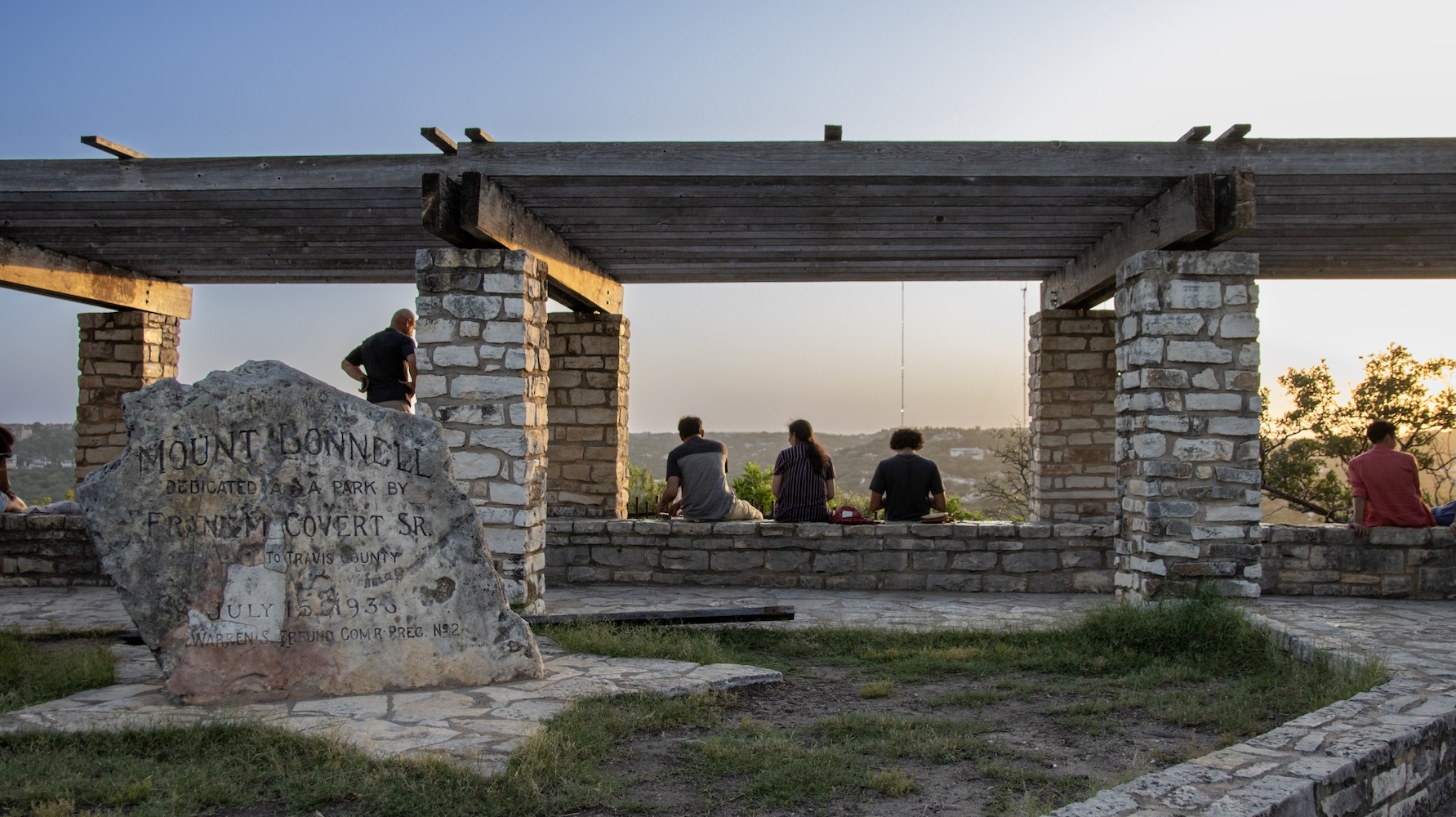
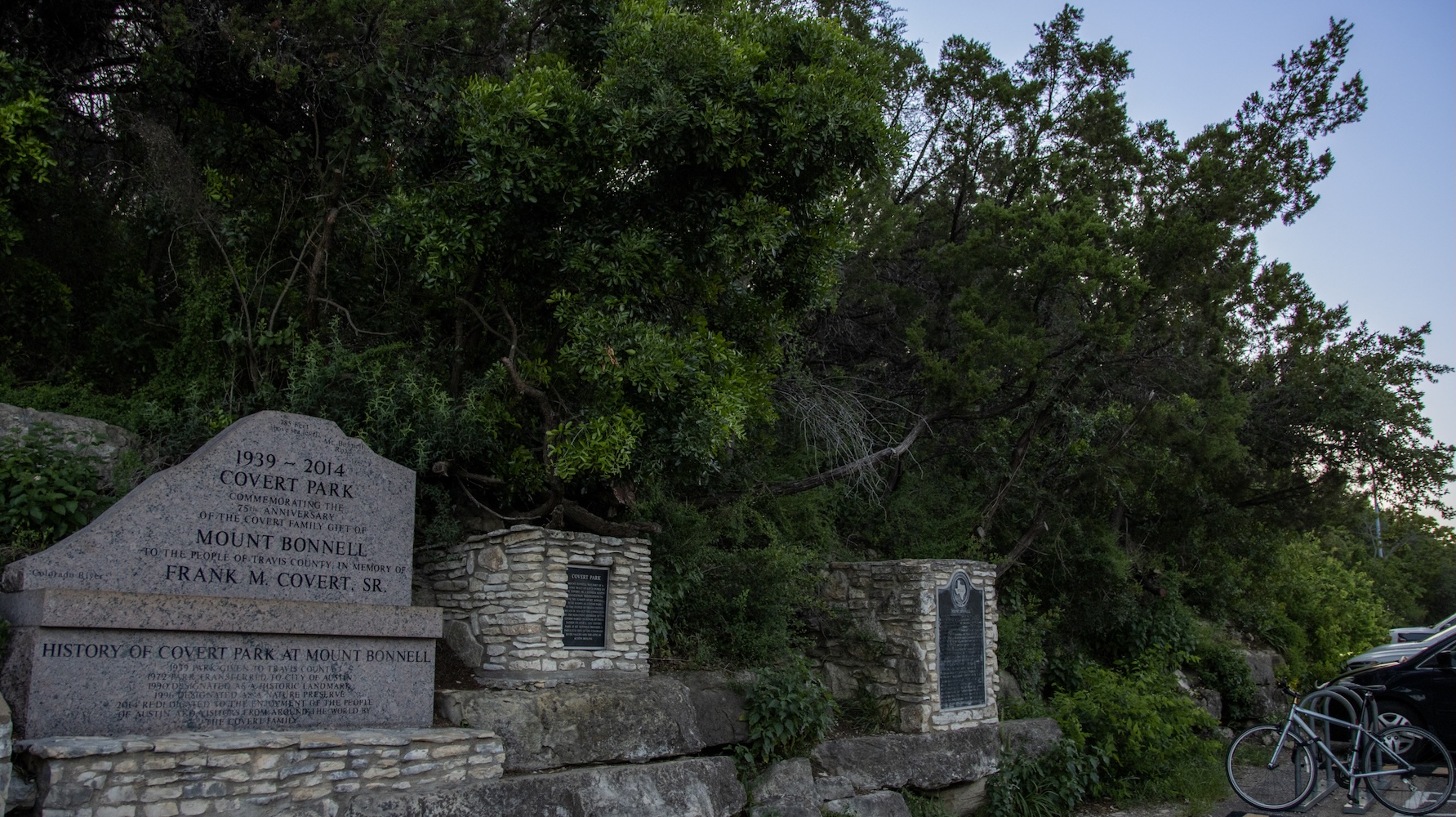
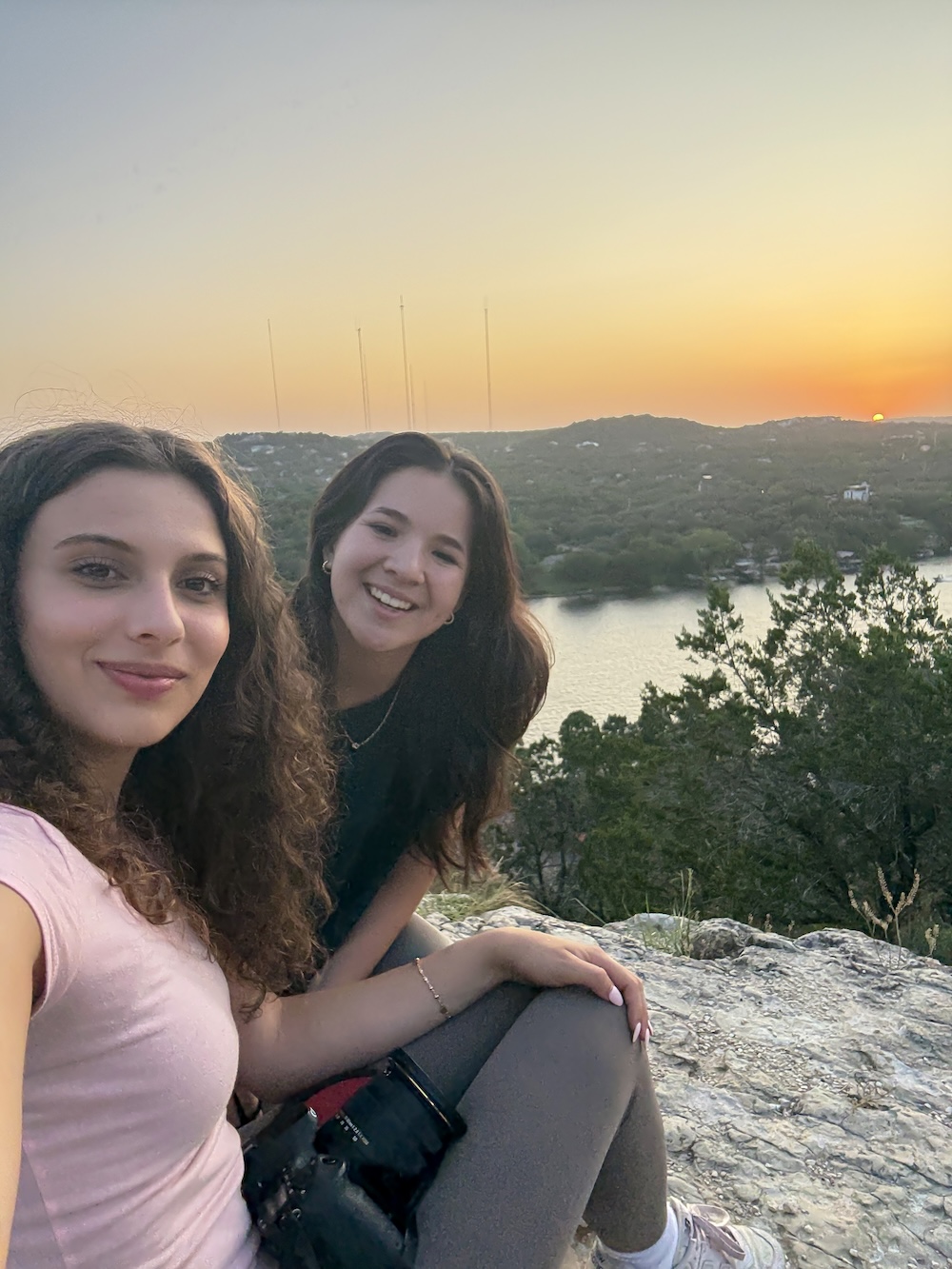
To wrap up the day, I visited Mount Bonnell for a great view of Lady Bird Lake. It ended up being the perfect spot to close out a long day—quiet, scenic, and full of the kind of quirky passersby you can only find in Austin.

The sun didn’t set until about 8:30 p.m., but once it started going down, it dropped fast.

I might be wrong, but I think this was the first time I ever intentionally watched a sunset. It was a nice experience!

Heard of G.O.A.T.s

by Olivia Discon

As a LEAP Ambassador, you’re not expected to be an art expert—or even an enthusiast. But after visiting dozens of museums through the program, it’s only natural that some of us become fans… or critics. I’ve now been to 75 museums with LEAP. Before joining, I’d only ever visited one. Among all those experiences, one name has stood out again and again: James Surls. Of those many wonderful educational experiences, James Surls is a name I had come to frequent more than most. 

Surls is something of a household name in LEAP. As a distinguished alum of Sam Houston State University and a prominent figure in Huntsville, his work has served as many students’ first introduction to art—including mine.

So when we heard about the opening reception for the Surls + Locke Museum and the Heard of G.O.A.T.S. exhibit, we knew it was something we couldn’t pass up!

After being shuttled to the 40-acre property, we went to Surls’ studio, which had been transformed into an event hall for the afternoon. Inside, towering sculptures filled the space, and even the live musicians were performing among the artworks on stage.

We spent a long time taking in the ambiance, discussing which pieces were our favorite. Moya and McCaughan were especially drawn to the work of Charmaine Locke, Surls’ wife and an artist in her own right.

Inspired by the natural world, Surls uses both medium and or composition to emulate life. This presents itself in various ways, but he’s most known for his sculptures that resemble flowers or plants, his eye motif, and sometimes, a combination of the two!

His work stands out not just visually, but intellectually.

While I didn’t initially grasp the depth of his pieces, I’ve come to appreciate their layered meanings over time.

As one article (written by my professor) quotes Surls:

“Right then and there, I drank from the well of true belief in something far greater than myself. I got the calling for my life, and I answered the call with a resounding ‘Yes, I will do it.’”

That sense of purpose resonates with me—and with LEAP as a whole. It reminds me of why we serve and why we learn.

We later walked through the Gift from the Bower exhibit, which featured a series of outdoor installations on its final day.

We spent a lot of time here, discussing meaning, appreciating how the pieces interacted with the environment, and—for Chrissy—getting eaten alive by bugs.

I personally enjoyed Sonic Overlook by Patrick Renner…

and Chrissy liked Learning to Fly by Sherry Owens and Art Shirer.

We had the opportunity to meet Surls himself and have him sign photos we took of his work at the Gaertner Performing Arts Center. It was an honor to meet the artist behind the incredible work that so many LEAP students have enjoyed over the years, and it’s an experience I will cherish for a long time. 

Victoria McClendon-Leggett, former LEAP President, also had the opportunity to meet Surls.

As for the Heard of G.O.A.T.S. exhibit itself, the gallery was filled with other famous names. John Alexander…

Lynn Randolph…

and Bill Haveron…

Michelle took a liking to a piece called His and Hers Red Nest by James Drake. She found that the nests looked like angel wings and fittingly posed for a photo upon discovery.

Chrissy, on the other hand, enjoyed a much moodier scene, Siddhartha by Carlos Canul. 

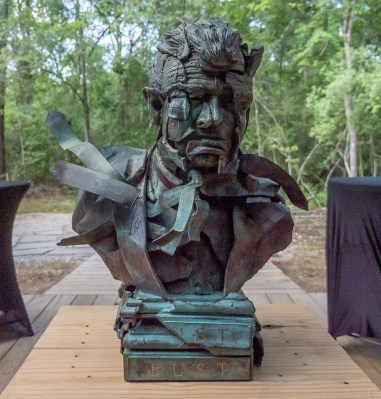
Interestingly enough, the Terry Allen sculpture was on display on the outdoor patio. Titled Bust, the piece depicts a man in a suit that is blowing against an imaginary force of wind. Like all of his pieces, this was thought provoking and visually interesting. It’s no surprise that this bust is courtesy of the Surls + Locke Museum’s collection!

In all, this was an experience that reminds you why LEAP exists—to open minds, spark curiosity, and connect students to opportunities and perspectives they might not have encountered otherwise. It was an incredibly memorable experience, and one I will always be grateful for.

Holmes and Hounds in Houston

by Olivia Discon

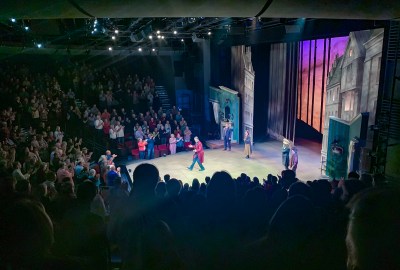
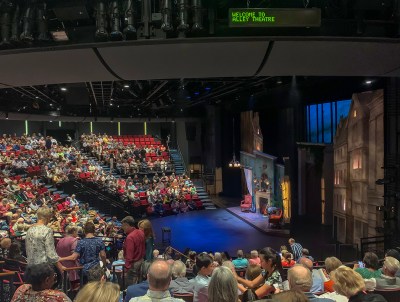
A mysterious death. A howling hound. A suspiciously Texan heir. What do all these things have in common? Chaos, comedy, and the incredible Todd Waite in his final bow as Sherlock Holmes at the Alley Theatre.

With only five actors and 36 characters flying in and out of scenes, The Hound of the Baskervilles was a theatrical juggling act, with a few wig, costume, and accent changes. Which is to say: it was impressive, ridiculous, and a lot of fun.

Before diving into the fun, we primed ourselves with a little chaos of our own: lunch at Post Market. In the spirit of the show’s variety, we went for food from all corners: noodles, rice, sushi, and African inspired power bowls— none of which appeared to be from the same restaurant. 

Our group included LEAP friends Bill and Carol Hyman and Wayne and Andrea Scott, along with students Macey Schank, Jacob Wessels, Chrissy Biello, Michelle Moya, Mikaela Baires, and Austin intern Cinthia Villarreal. We showed up full and ready for whatever the Alley threw at us.

The Hound of the Baskervilles follows Sherlock Holmes and Dr. Watson as they investigate the mysterious death of Sir Charles Baskerville and the legend of a supernatural hound that haunts his family’s estate. In this version, five actors take on dozens of characters, adding a fast-paced, comedic twist to the story.

When we saw Todd Waite last month at Murder by the Book, he mentioned how Sherlock Holmes is, frankly, a smart aleck, but one you can’t really get mad at, because he’s always right on the nose. Having heard him talk about the role made seeing him perform it even better. His timing, his wordplay, and even his smallest asides all landed with precision. He clearly knows Sherlock inside and out.

Dylan Godwin was another fan favorite in this show among our group. As the Texan heir to the Baskerville estate (among a dozen other characters), he was constantly shifting personalities and finding ways to distinguish the hilarious traits for both a grumpy street cop and a simple minded Texan—even when they are both in the same scene! 

In all, this was a great experience for the LEAP Center to share with some amazing community friends. 

Simulated Law Class with Professor Val Ricks

by Chrissy Biello

Every spring, the Sam Houston Center for Law, Engagement, and Politics invites South Texas College of Law Professor Val Ricks to teach a Mock Law Class. Professor Ricks is a renowned legal mind and a national expert in contracts, among other areas of law.

Approximately thirty students attended this year’s session; any student at Sam Houston State University was able to register for the event. Before the class, participants were expected to prepare with case materials that Professor Ricks provided.

The mock case, Joseph Vian v. Mariah Carey (1993), focused on the legal concept of consideration and whether a valid contract existed between Mr. Vian and Ms. Carey. Professor Ricks opened the session by providing a working definition of law, saying that it revolves around the precise words used in legal documents.

He then employed an analogy comparing law to chess. Finding a self-identified chess player in the audience, Professor Ricks guided students to understand the parallel between chess rules and legal principles. Both systems operate within defined parameters; they require much thinking and a thorough understanding of established rules.

When moving on to the case discussion, Professor Ricks first told the class the facts of the case, then activated his random number generator to begin his use of the Socratic Method. From this, selected students were asked numerous questions about the case; Professor Ricks insisted they cite directly from the text, reinforcing his earlier point that the law is “all about the words.”

Once the class reached a general consensus on the case interpretation, Professor Ricks opened the floor for questions. Pre-Law Society President, Olivia Discon, asked what undergraduate students could do to prepare for law school. After thoughtful consideration, Professor Ricks began to speak on his own experience. He explained that studying scholastic philosophy during his undergraduate years was truly helpful; the language structure closely resembled legal texts, easing his transition into law school. 

By the end of the session, students had not only sharpened their legal reasoning skills but also gained a clearer picture of what to expect in law school. Professor Ricks once again allowed students to sit in the shoes of a law student for an hour.  By challenging students to truly understand the case and come out of their shells, he provided a better understanding of the power of precise language in the study of law.