The Sam Houston Memorial Museum and Presidential Library (SHMM) offers visitors a chance to learn about one of Texas’ most influential figures but its newest exhibition, The Many Faces of Sam Houston, goes a step further. This week, the LEAP Ambassadors visited the museum’s latest display, which explores how Houston’s image has been crafted, challenged, and reimagined over the past 200 years.
The exhibit, which opened July 3, explores how Houston’s public image has evolved over the past two centuries. Featuring portraits, daguerreotypes, sculptures, and illustrations, the collection shows Houston not just as a political leader, but as someone who understood the significance of image. That theatrical quality becomes immediately clear as visitors move through the gallery, seeing how Houston deliberately transformed his appearance throughout his life.
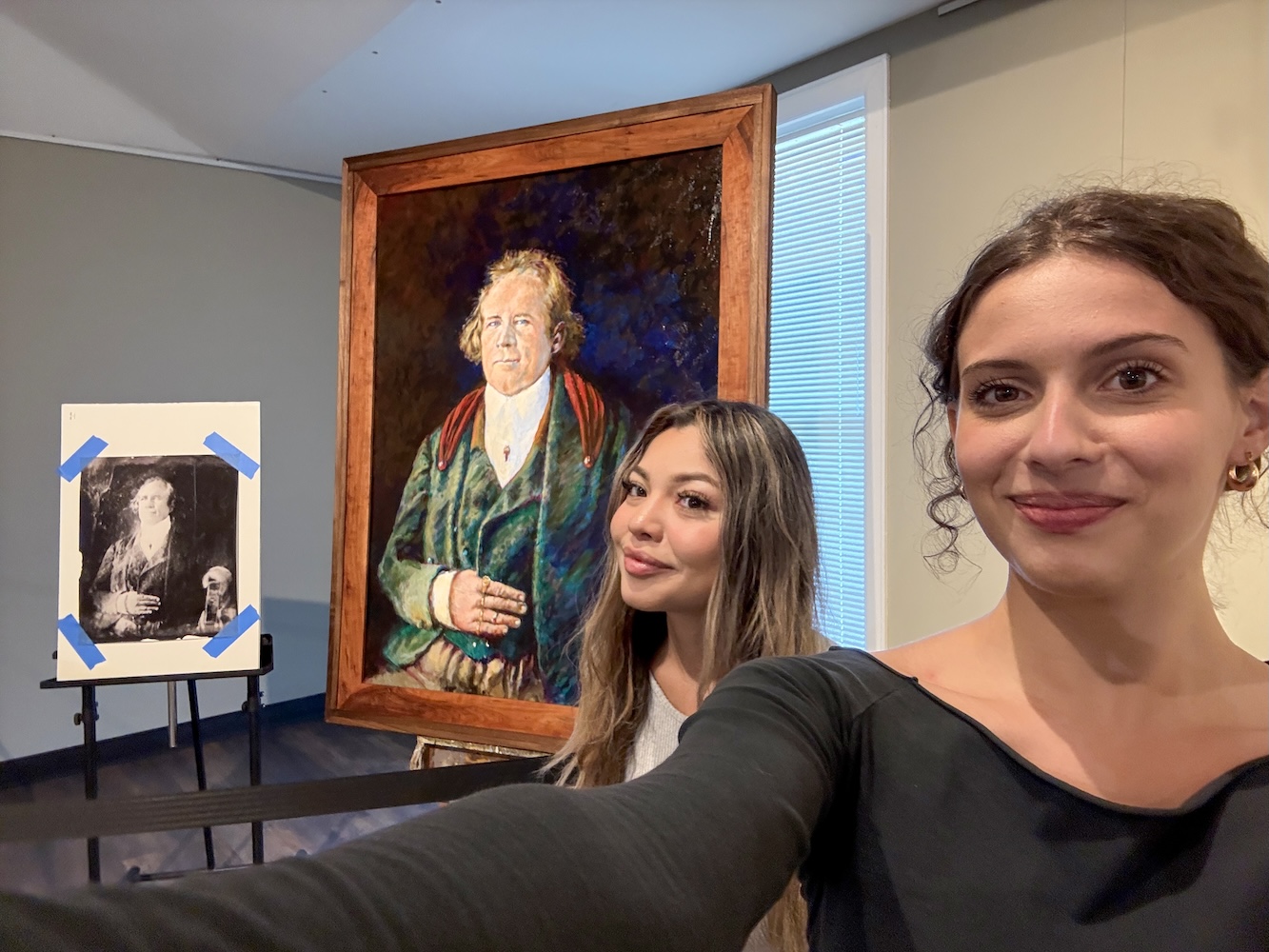
One of the featured pieces is a recently commissioned portrait by Huntsville-based artist Lee Jamison. Inspired by an early daguerreotype, Jamison portrays Houston’s larger-than-life persona in a vivid, contemporary style. Jamison’s work is familiar to many in the community; his mural located at the corner of 12th Street and Sam Houston Avenue in Downtown Huntsville has become a local landmark and tribute to Texas history.
The exhibition also includes a marble bust of Houston by sculptor Elisabet Ney, part of the museum’s permanent collection. Ney, a German-born artist celebrated for her contributions to Texas art and history, presents a thoughtful and dignified version of Houston.
She is also known for her monumental statue of Houston that stands in the Texas State Capitol, further solidifying her role in shaping the state’s visual history.
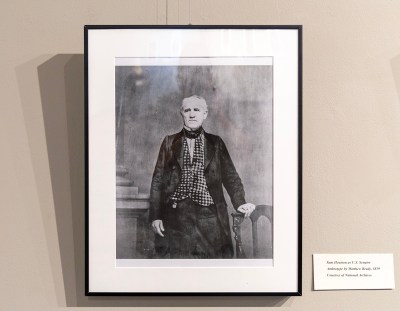
The photographer Matthew Brady was also famous for documenting history. Indeed, in addition to his famous Civil War photographs, Brady captured 18 of 19 presidents during the mid-to-late 19th century. His photograph Sam Houston, from 1850, is on display.
Another highlight is Texas artist Tom Lea’s design for the five-cent Sam Houston commemorative stamp. Though small in size, the stamp represents a different kind of legacy–one meant for daily use and mass circulation. Lea chose to depict Houston as he appeared during his presidency of the Republic of Texas, offering Americans a consistent and iconic image of their Texas hero with every letter they sent.
The exhibition also includes 19th-century book illustrations and ephemera that reveal how Houston was presented to various audiences throughout his life and long after. Each artistic decision–from clothing to posture to facial expression–reflects how artists and publishers aimed to emphasize particular traits, whether strength, wisdom, or statesmanship.
Taken as a whole, “The Many Faces of Sam Houston” illustrates how carefully Houston curated his own public image and how generations of artists have continued to reimagine him. From Brady’s realistic portrait to Jamison’s modern interpretation, each piece tells us something not only about Houston, but about the era and perspective in which it was created.
The exhibition will remain on view through August 31, 2025, in the Katy & E. Don Walker, Sr. Education Center’s exhibit gallery. It is free and open to the public, offering a rare opportunity to explore the intersection of art, history, and memory through the life and legacy of Sam Houston.
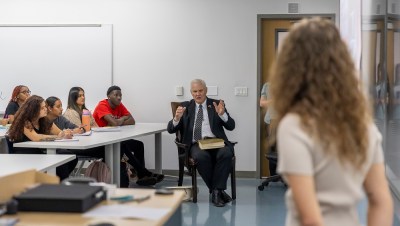
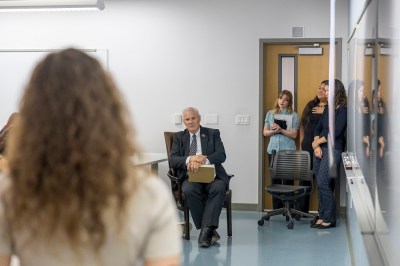
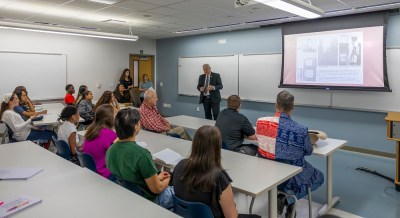
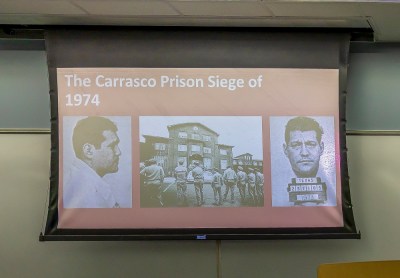
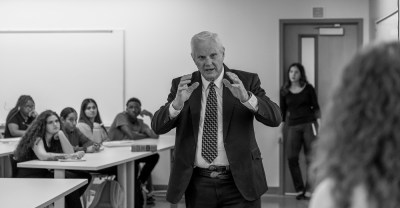
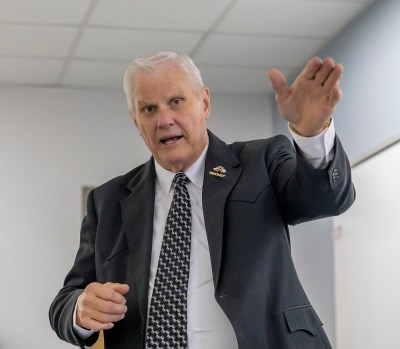
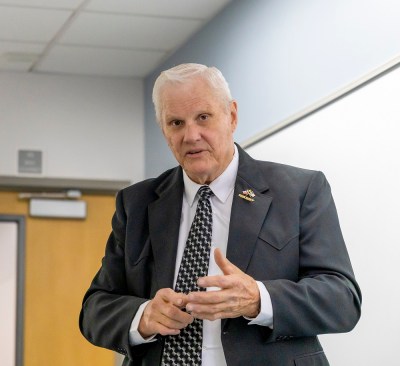
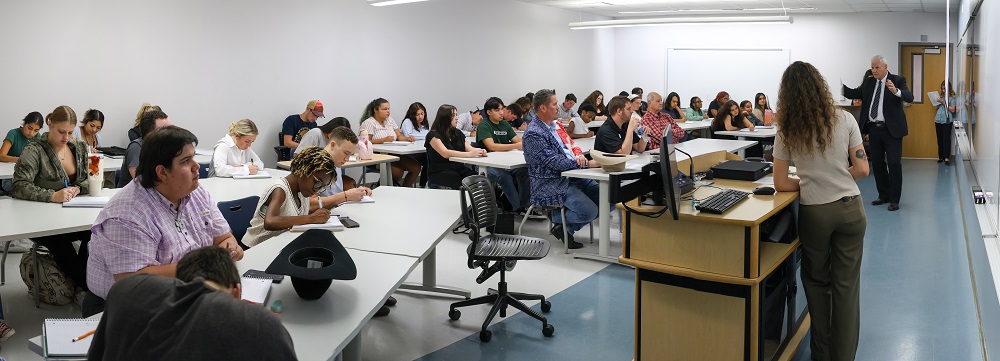
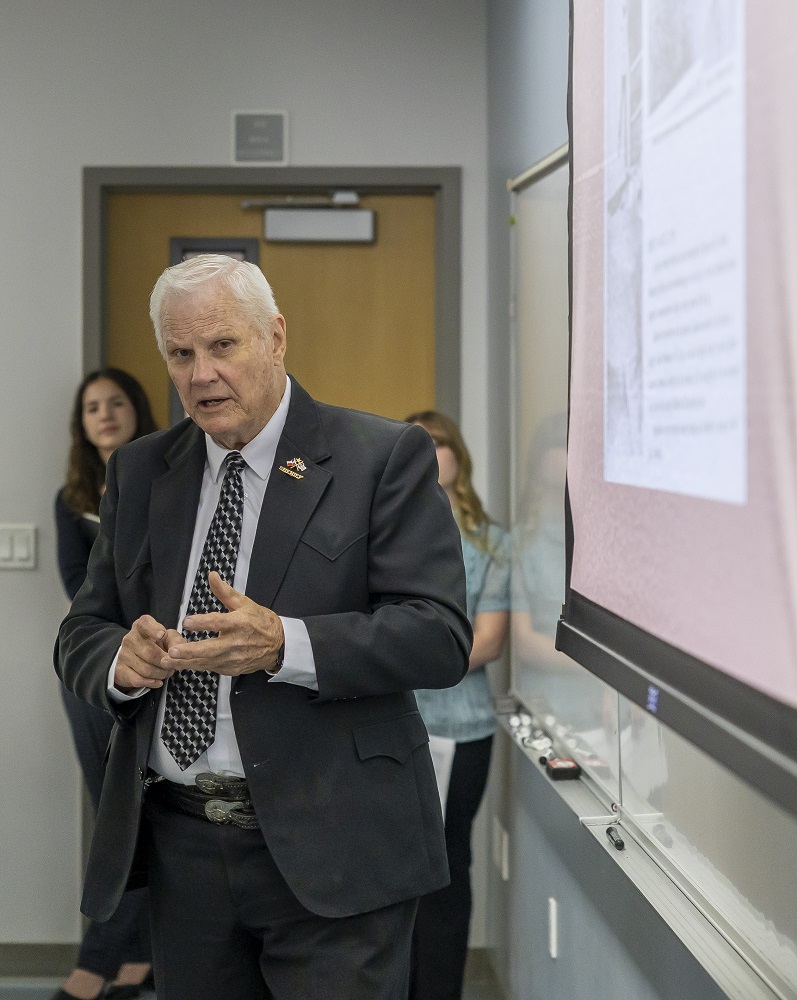
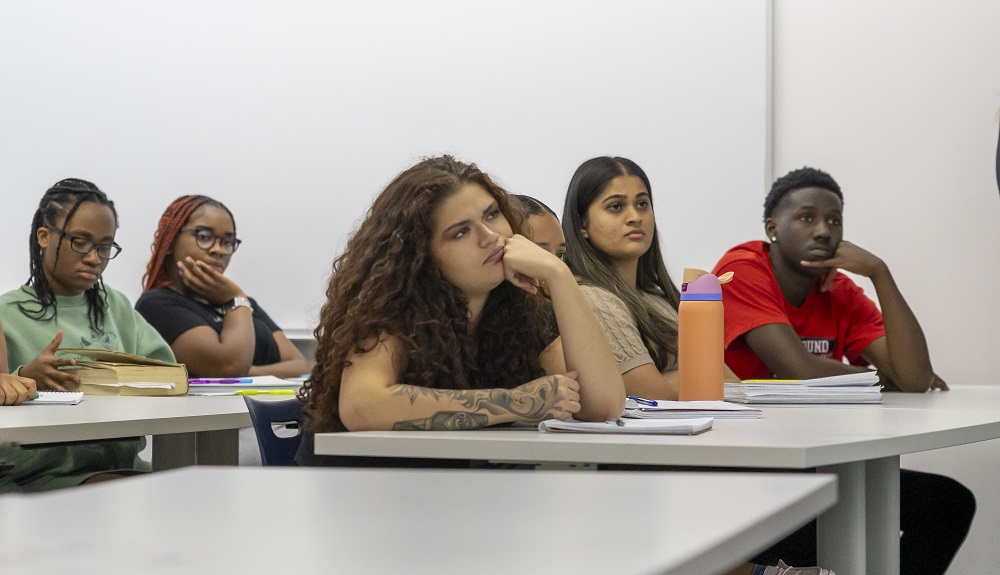
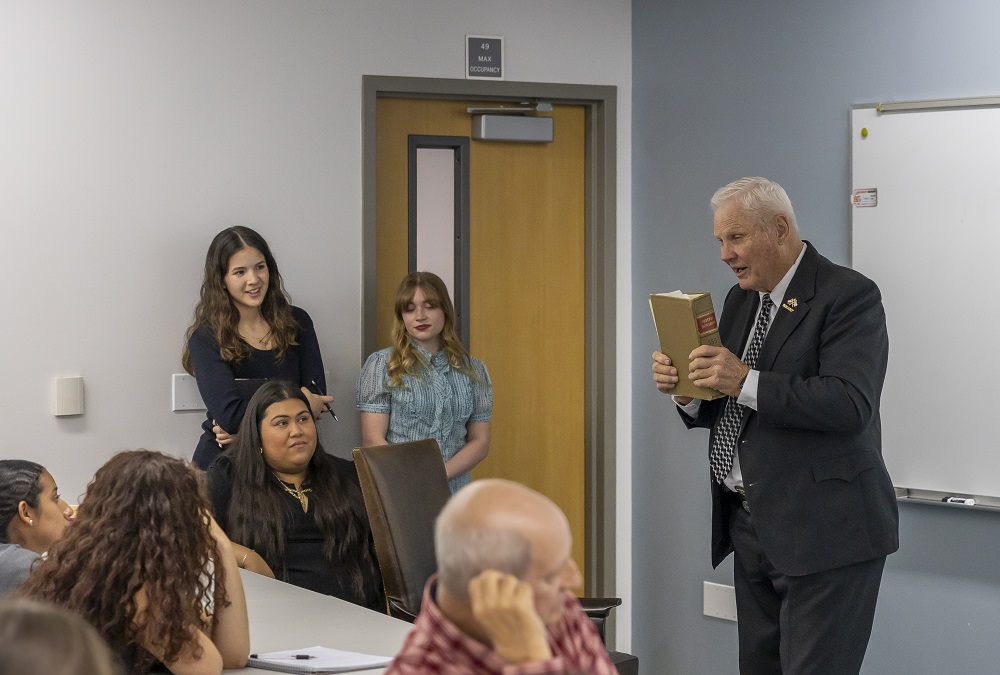
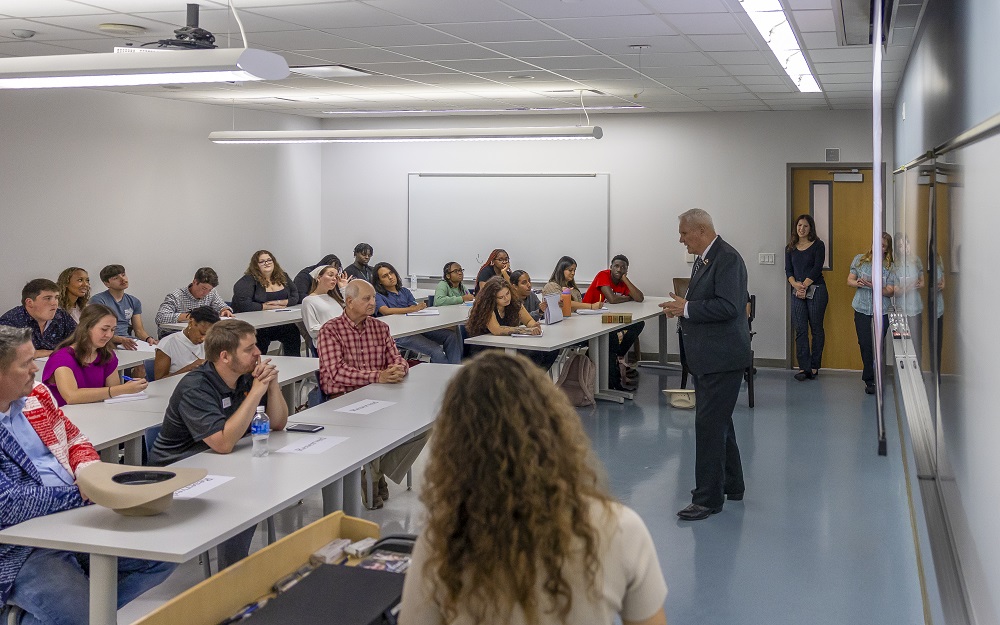
On Tuesday, September 24, Texas Ranger Maurice Cook visited students at Sam Houston State University to offer a special presentation about the 1974 Huntsville Prison Siege and different aspects of his career—which involves service in Vietnam, being a police officer, working as a State Trooper, going to law school and passing the bar (at the age of 60), teaching at a community college, and, for the past four years, holding the office of Sheriff (Bastrop County).
But it was his time as a Ranger that occupied most of our time with him, particularly his experience in the 1974 Huntsville Prison Siege, which at that time, was the longest prison siege in history.
He began by noting that he had only been a Ranger for less than a year…
…and he got the call to come to the Huntsville Unit, with his bulletproof vest.
He offered vivid and sometimes humorous descriptions of a Carrasco associate, a trustee inmate, who was able to work with Carrasco’s wife to smuggle in guns and ammunition—in peach cans!
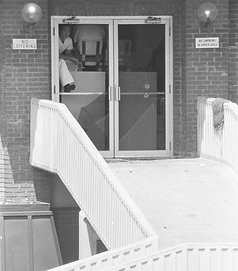
Ranger Cook also did a good job of describing the Carrasco “fortress,” which was the prison library, fortified with tables, books, and other impediments—while also “imprisoning” eleven hostages.
While law-enforcement had the building surrounded, there was only way in and one way out, so it would have been very difficult to mount a full-frontal offensive.
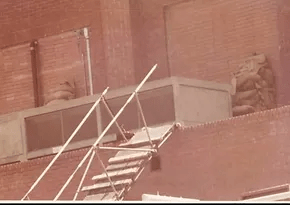
They did set up dynamite on the rear wall, and planned to use it if Carrasco began torturing or killing hostages.
Carrasco was concerned about this, and he would assign his compadres to crawl in the rafters and look through the vents—but in doing so, the lookouts would scare away pigeons, who roosted on the building’s eaves. This allowed law-enforcement to know a little about what was happening inside the “fortress.”
Carrasco also insisted on using his (Hispanic) lawyer as a mediator, because he did not trust the non-Hispanic law-enforcement officials. While law-enforcement officials did negotiate, they did so strategically, not providing anything that could be too damaging.
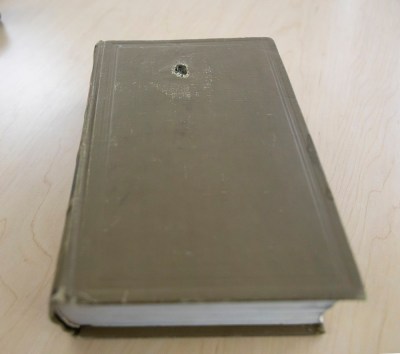
They did provide helmets, but they had weakened the metal in the temple area so that bullets could pass through the steel; and they provided a getaway car, but they messed with the gas gauge such that it appeared full, while being nearly empty. One of the more interesting show-and-tell items was a book that stopped a bullet during the siege, which Ranger Cook had on hand.
Ranger Cook also noted, during the Q&A period, that the siege brought about changes in law enforcement procedures, particularly with securing the crime scene. The lack of protocol led to extensive court battles. The siege also led to a dedicated SWAT team, in place for future encounters of this type.
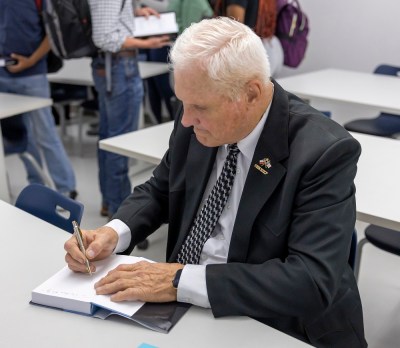
Toward the end of the discussion, he shared valuable insights about life and success, highlighting my favorite quote: “Shoot for as high as you can.,” and he ended the event with a book-signing.
We would like to extend a special thank you to Ranger Maurice Cook and Marcus Cook for taking the time to meet and enlighten us about the 1974 Huntsville Prison Siege, as well as sharing a bit of history about Ranger Cook’s life and law enforcement career!
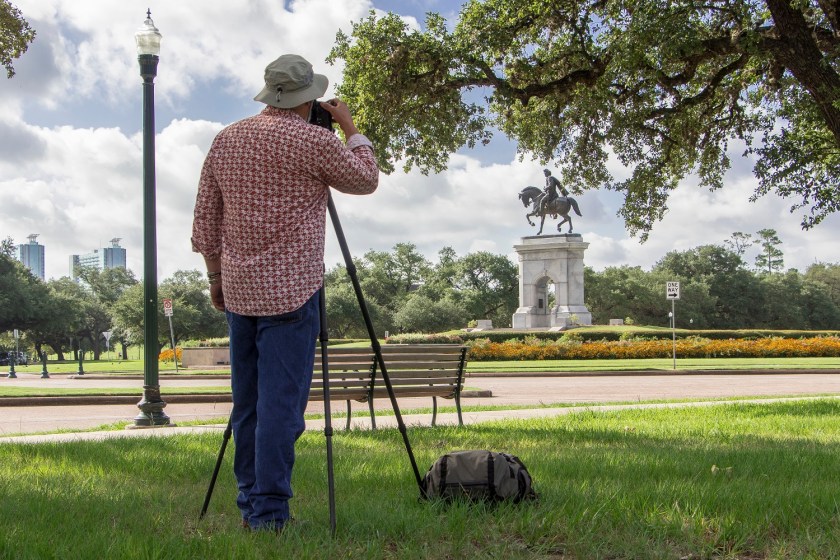
With an initial rocky start of forgetting to pick up Brian from Willis, and having to turn back at Conroe which caused a delay of 25 minutes to our trip, we finally headed for Big Bend. To mark the first day of our West Texas Tour, we joined Mark Burns in Houston’s Hermann Park. What brings us to Hermann Park when our destination is Big Bend Canyon, you ask? In the middle of the entrance rotunda of the park, as some may remember from our previous Hermann Park visit, stands a statue of a horse-mounted General Sam Houston (created by Enrico Carracchio) that greets all visitors into the park.
To honor the statue of this great Texas hero, Mr. Burns decided to photograph its grandeur.
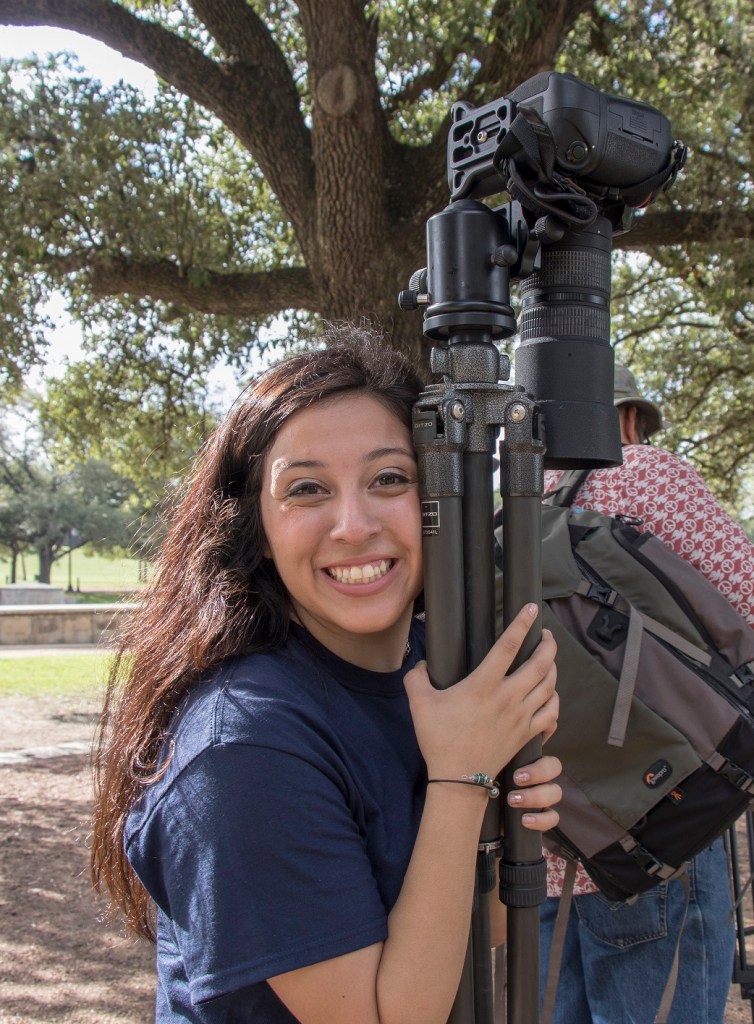
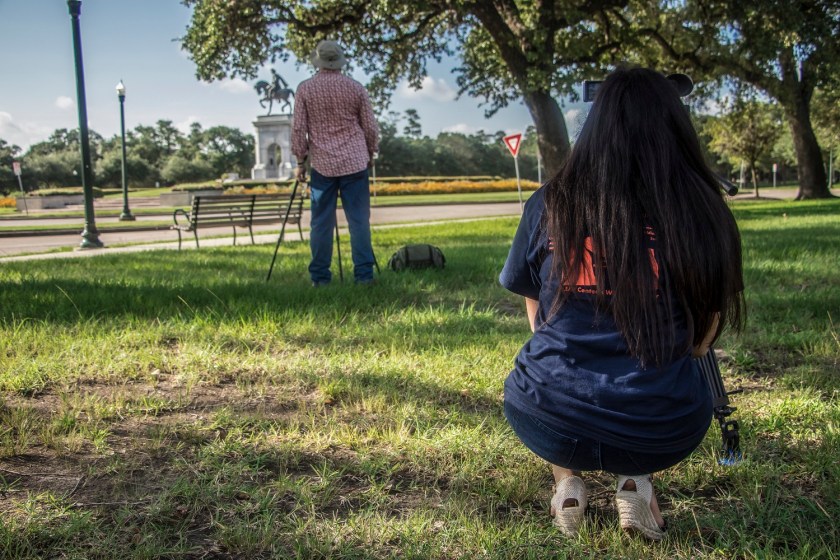
Standing a few feet behind the camera-wielding Burns, we captured his photographic process through still and motion photography.
This we will do along the trip as we continue to record Mr. Burns at his craft for his documentary.
During his photo session, he explained to us how he framed the shot, pointing out different factors in the scene that could beautify his subject.
He also mentioned how he was waiting for the perfect lighting conditions in the cloudy sky.
After a few shots, we cleared the area, but not before taking some striking footage of Mark Burns. Mr. Burns soon finished his photoshoot in Hermann Park, and after showing some of his impressive photographic instruments, we climbed into our vans and headed towards San Antonio.
Along the way, however, we decided to soothe our grumbling stomachs with a short stop in Columbus, Texas. This quiet, quaint town, located about an hour west of Houston, is home to Keyser Market. Among other things, it is also home to an architecturally impressive courthouse. Even though we were unable to explore much of the town, we did enjoy a delicious sausage and chicken meal from Keyser. With our hunger satisfied, we got back on the road.
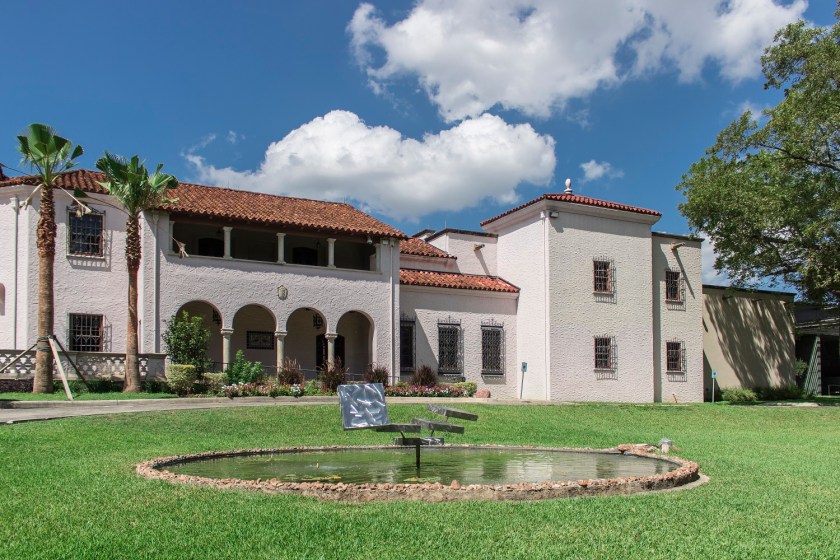
Soon, the country-land of vast pastures gave way to a network of highways; we had made it into San Antonio. On our first stop was the McNay Art Museum, located on the northeastern side of town.
Before we began our trip, we learned that the McNay had recently acquired a Robert Indiana LOVE sculpture. Excited, we entered the museum with the plan to pose by this LEAP favorite artwork. But more on that later.
As always, we went through the museum’s exhibits identifying artists that we were familiar with. In the first room of artworks we were amazed with an art piece by Alexander Calder. Snake on a Table, is a bronze, snake-like sculpture designed by Calder that balances on a table top while standing upright. The physics that makes this possible are incomprehensible to us as the snake balanced precariously on the edge of the round table. Nonetheless, the beauty in balance was just as inspiring. In the room, we also noticed pieces from other LEAP favorites such as Georgia O’Keeffe, Edward Hopper, and Diego Rivera.
We also saw work by a recent LEAP favorite, Jim Love…
…a Houston artist introduced to us by Betty Moody.
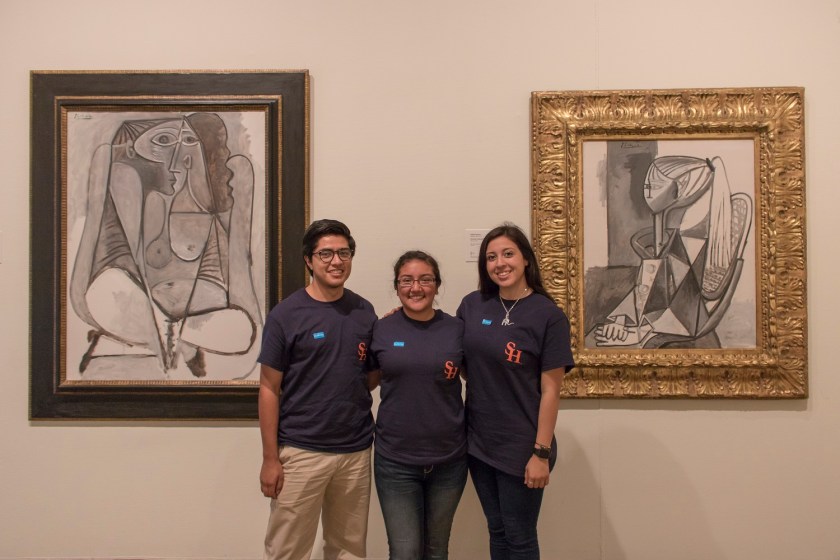
Moving on to the next room, we noticed two Pablo Picassos, Crouching Woman and Portrait of Sylvette. Acknowledging the impressive pieces, we decided to commemorate the artworks by LEAPosing for a photograph.
Every artwork had its own beauty, but the two that called our attention were a Pablo Picasso from his “blue period” and a non-minimalist Piet Mondrian. These artworks that differed immensely from their typical paintings, demonstrated the versatility of the artists. As LEAP offers eclectic opportunities to its students, we like to think that we are also versatile. Weather our varying talents include photography, you will have to judge our photos throughout the trip to answer this question.
In the meantime, we continued to explore the museum’s awe-inspiring collection. Before heading off to the sculpture garden on the grounds, we took a quick look at the south-western exhibit. We found the warm colors in the pieces to be soothing. Within the exhibit, we also marveled at a few artworks by Georgia O’Keeffe.
With the indoors artwork all viewed, we wondered onto the sculpture garden in search of LOVE, or at least Robert Indiana’s sculpture of LOVE. We explored the grounds and noticed some impressive sculptures that captivated our imagination. One sculpture by Joel Shapiro captured our attention with its gravity-defying qualities. However, we still had not found the sculpture that prompted our visit to the museum. It was with great dismay that after walking through the entire garden and coming back to where we started, we found a rectangular cover made up of panels. With trepidation, we neared the plaque at the foot of the enclosure. The plaque read “Robert Indiana, LOVE.” We learned that the museum is in the process of installing a new exhibit. To prevent certain sculptures from being damaged during the installation, some outdoor artworks had been covered, consequently denying the view of the public. With sadness, and feeling little love, we still posed in front of the covered sculpture with the determination to leave with a photo.
LEAP Ambassadors, Saddened by the McNay’s Presentation of Robert Indiana’s “LOVE”
As we were sure that no one was left behind (including Brian), we climbed into our van, eager to continue our adventure.
The Alamo, The Saga, and Mi Tierra, by Christina
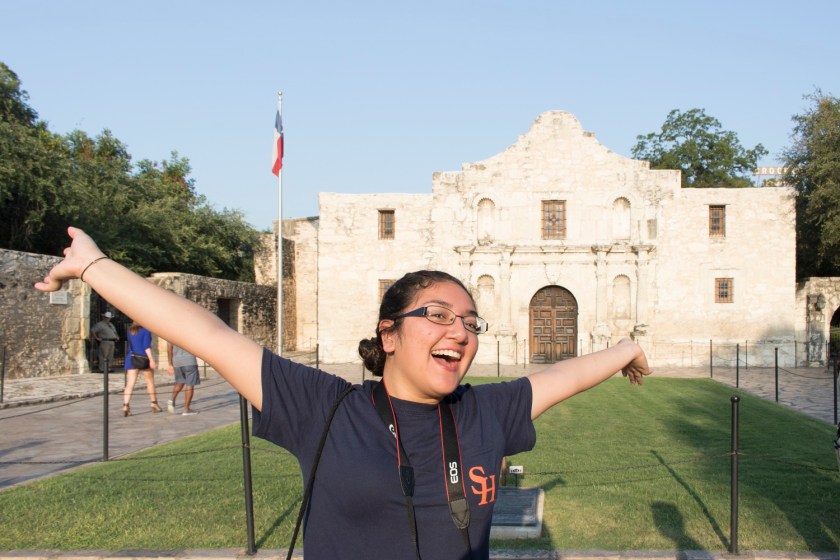
After exploring some San Antonio art and scouting out potential photography areas–including the Alam0…
…we headed to dinner at the Mi Tierra Cafe y Panaderia. Since there were many Hispanic/Mexican among the group, we wanted to make it as authentic as possible. That is how we ended up in the Mexican Historic Downtown Market. As we walked into Mi Tierra, we could see colorful piñatas hanging from the ceiling and with each room that we passed the walls differed in colors. It was hard to decide on what to eat because everything sounded delicious. Brian ordered The Sonora Special, which included beef tips with ranchero salsa smothered on top. Brian is (or so he likes to think) our authentic Mexican food specialist. The others chose a wide variety of Mexican dishes including the Mole and guisado. While we waited for the food, we even had some mariachi sing the “Caminos of Guanajuato”, For dessert, we all shared some exquisite flan and it was scrumptious!
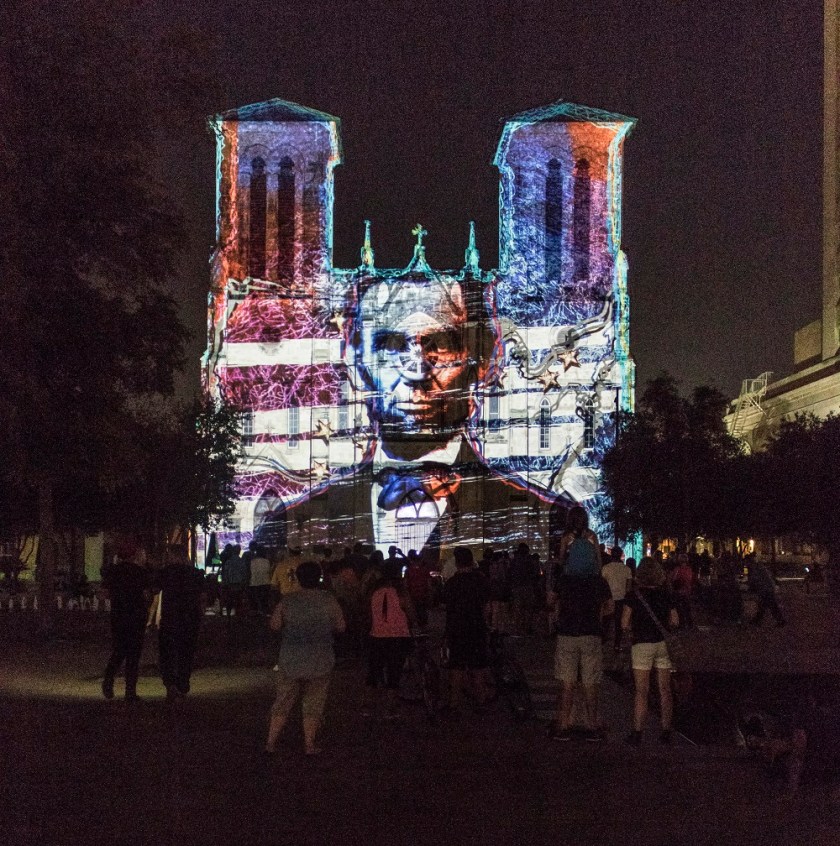
After dinner, we arrived at the San Fernando cathedral for “The Saga”, which is a light show that electrified the audience with its mesmerizing scenes. It told the story of San Antonio from the Alamo to the present day. To accompany the lights in the storytelling, there was also a collage of songs to represent the different changes of time.
The show lasted about 25 minutes. We decided to walk off our food and since Beatriz had never been to the river walk, we decided to take a stroll along the river walk. Finally, after getting lost a couple of times, we headed back home for some rest and to get ready for the early start tomorrow.
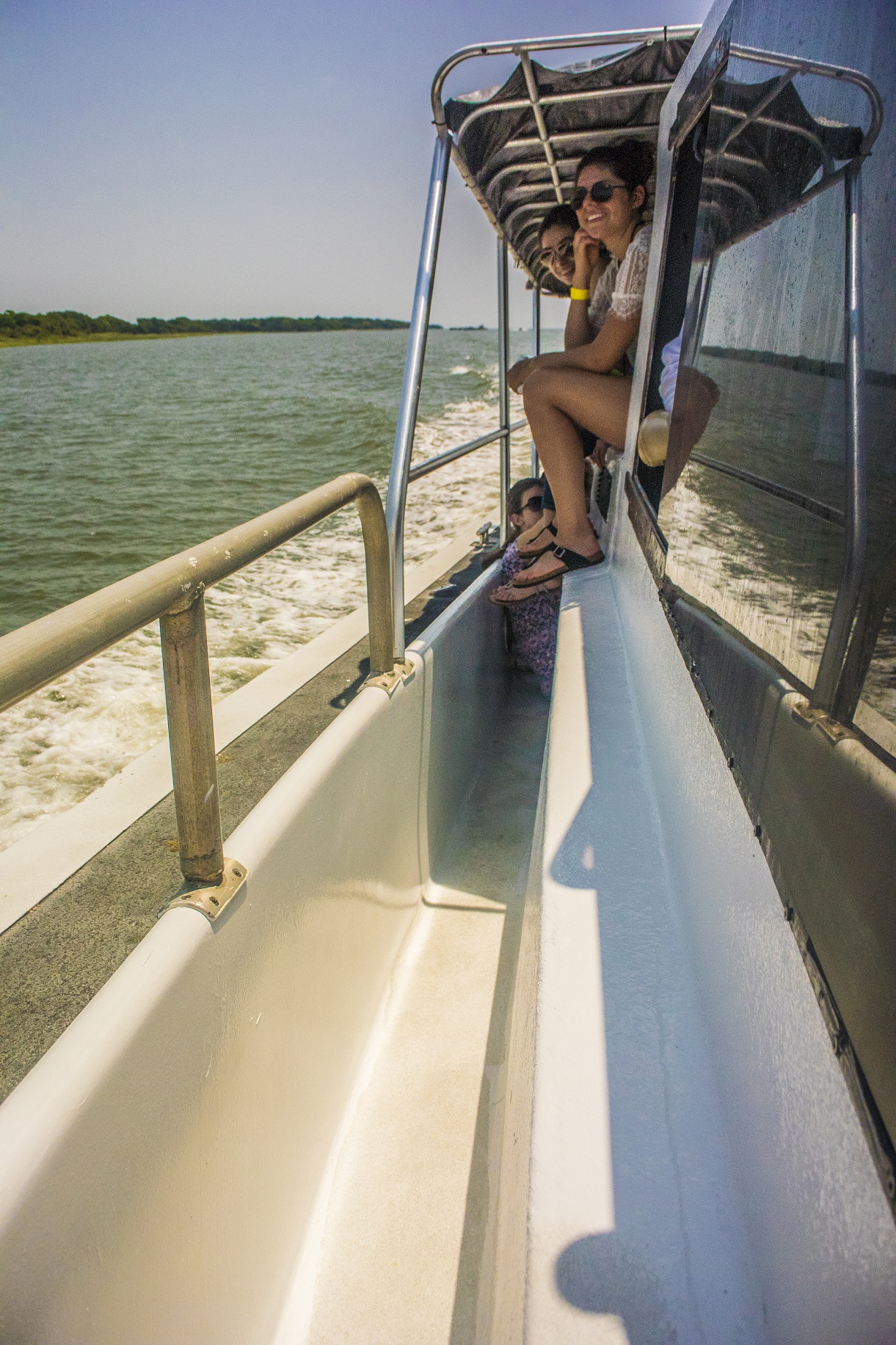
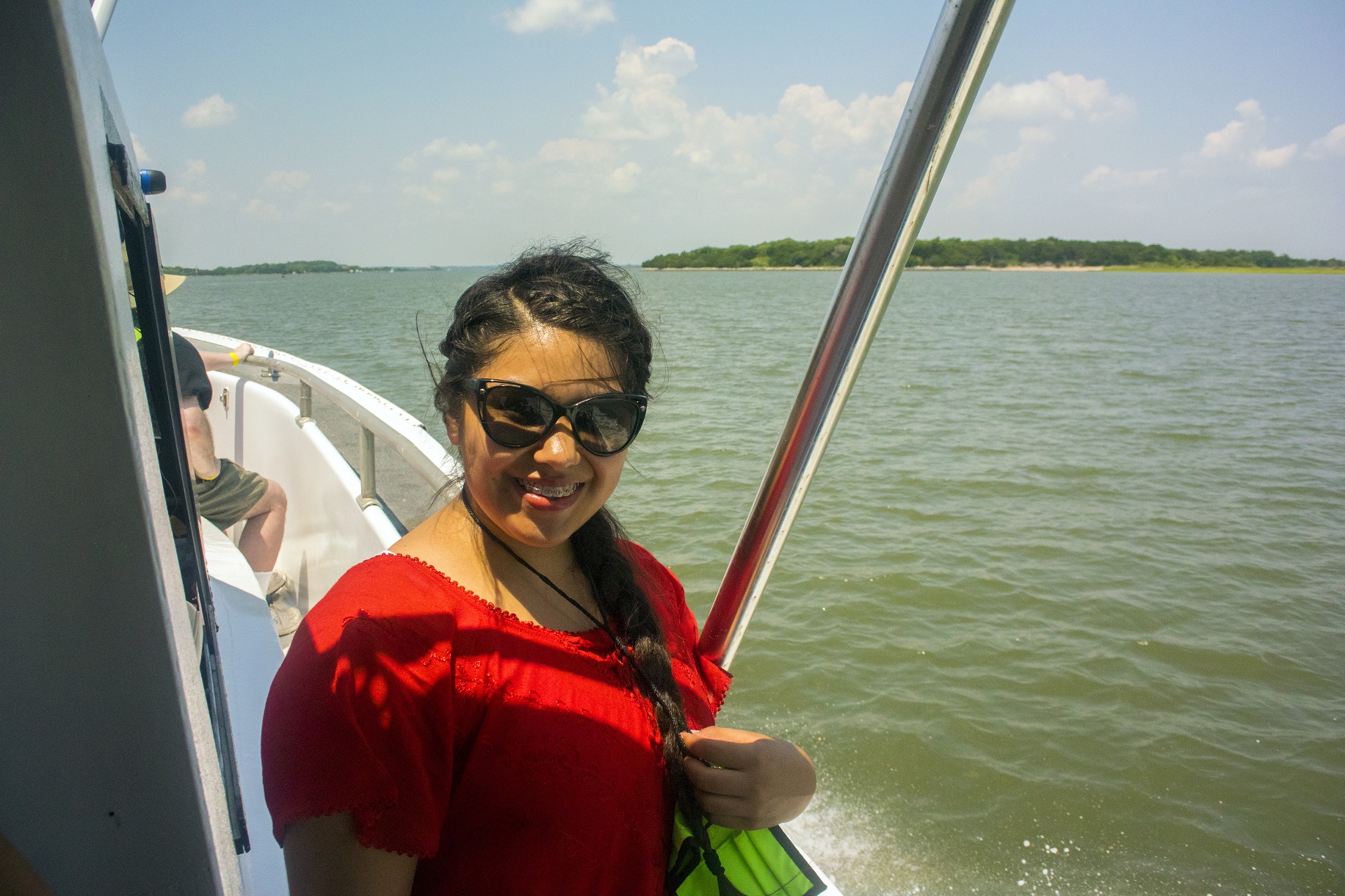
We began our last day in Savannah embarking on an adventure. We went on a dolphin tour through the Savannah River and Atlantic Ocean. It was a sunny day, perfect weather for a boat ride.
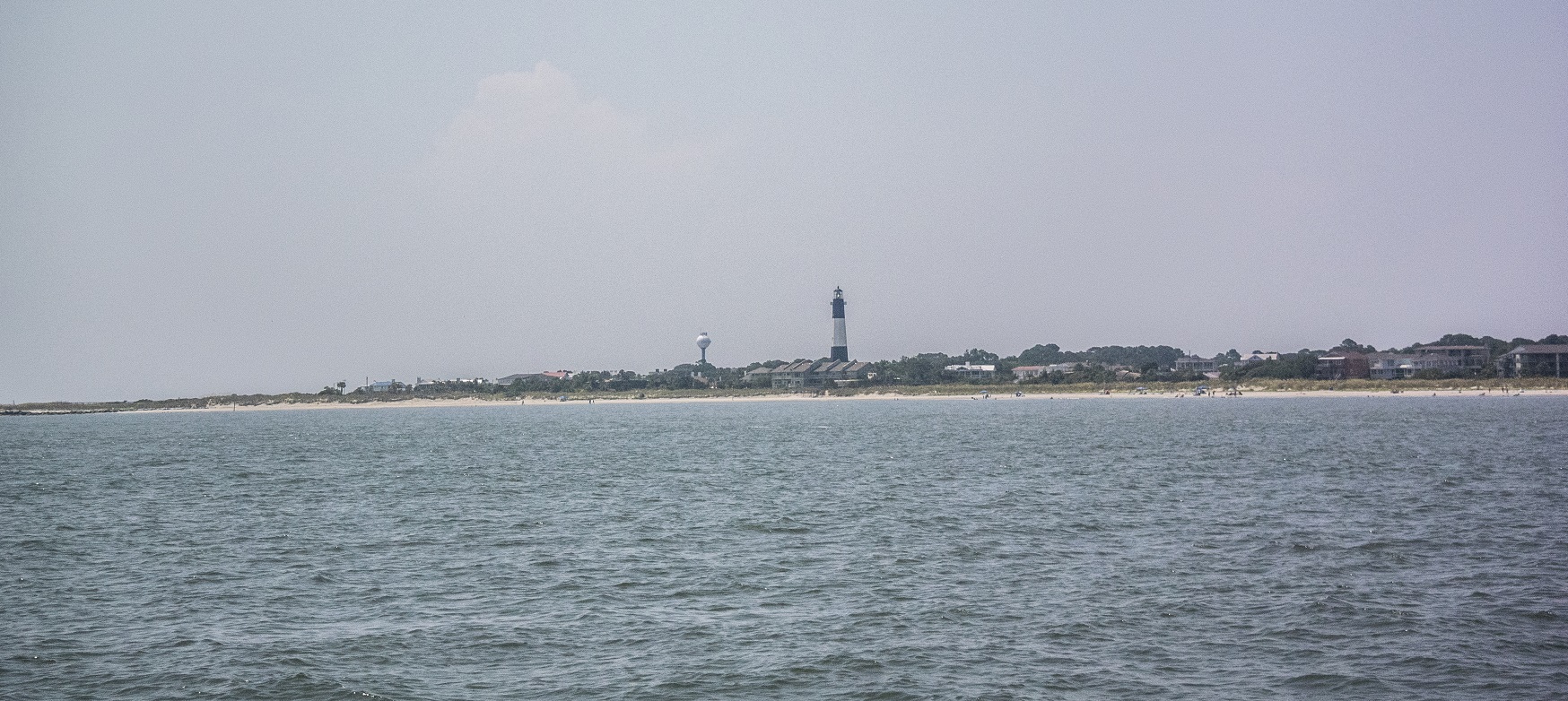
Our tour took us past Tybee Island and into the Atlantic Ocean.
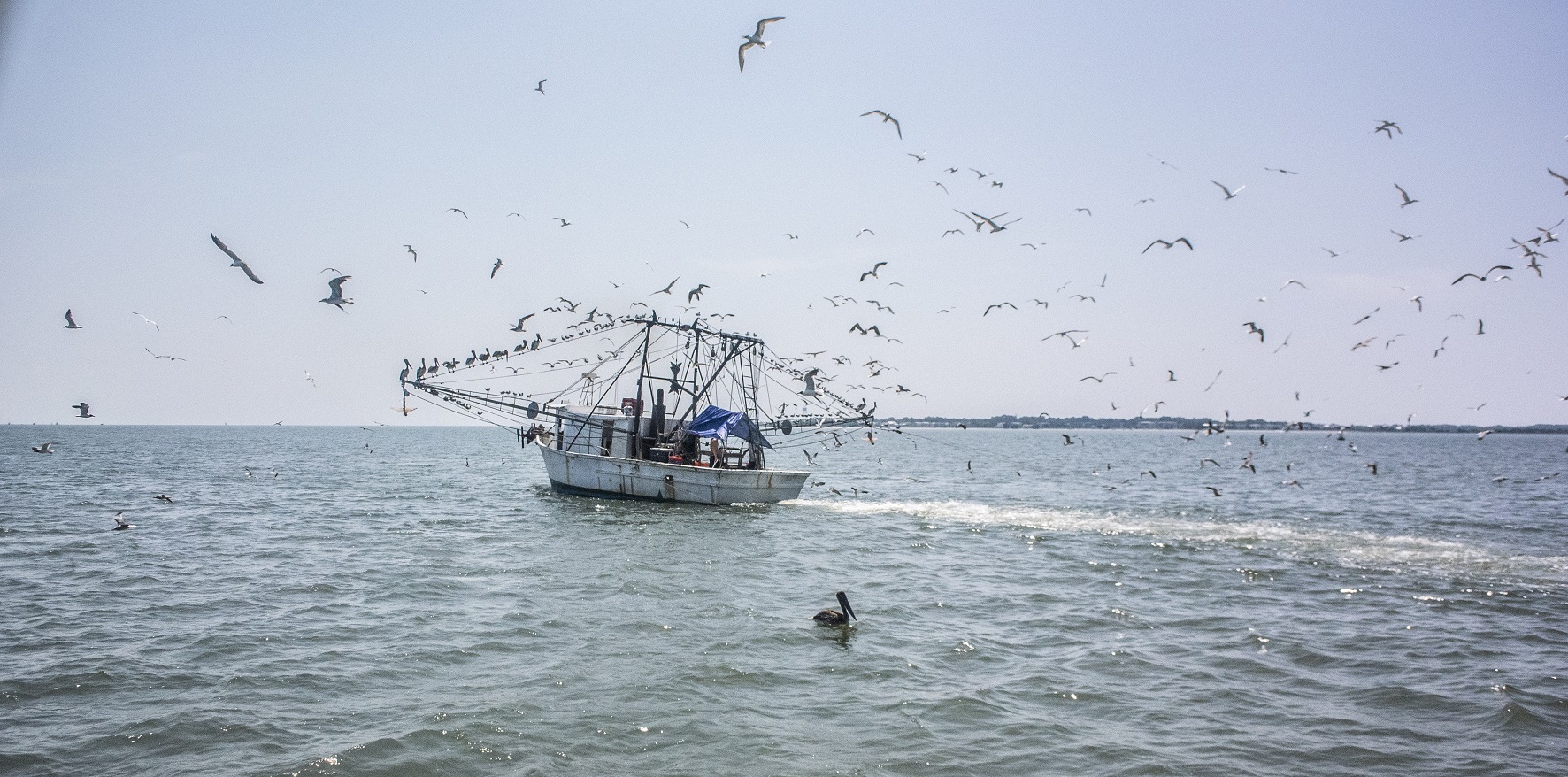
The view of Tybee Island from the ocean was nice. We encountered a shrimping boat that attracted many pelicans and dolphins.
The majority of the dolphins we saw today gathered around the boat because they feed off anything the shrimpers throw back into the ocean. My personal favorite was a baby and momma dolphin swimming together!
The Southern Legislative Conference provided us with lunch on our dolphin tour. We had packed sandwiches, chips, fruit, and a cookie for dessert. It was an okay lunch with a great view.
We learned much in the process. For example, the US government has established several “bird islands,” where birds can go to nest. Predators’ populations are controlled and care is taken to ensure that birds have a natural habitat.
The tour also highlighted several forts, energy plants, and bordering states.
As the tour came to a conclusion, it started raining. Fortunately, we dodged any serious storms. The tour was perfect way to begin our last day in Savannah, however we still had a long day ahead of us.
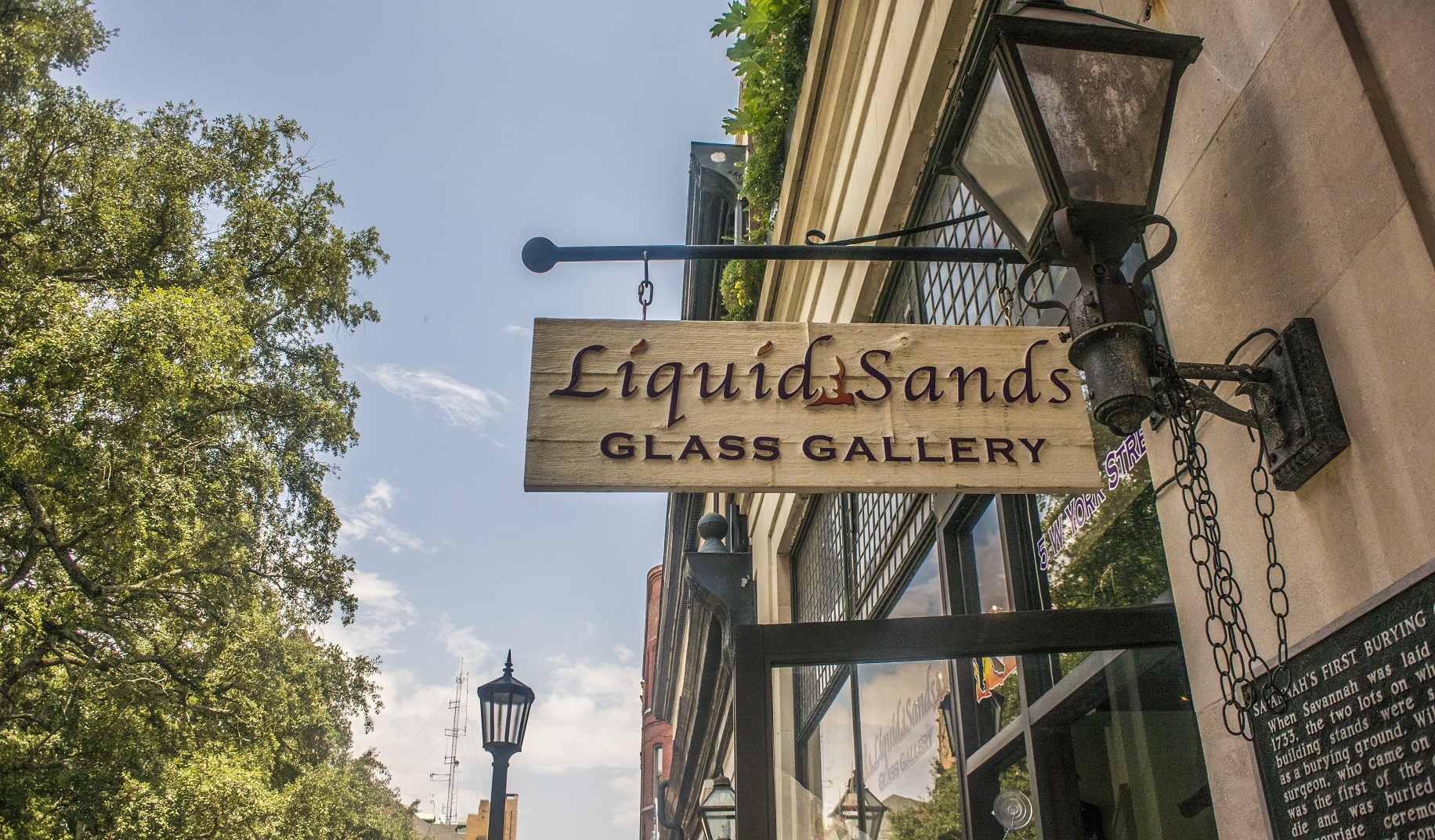
After briefly freshening up, we headed out to the Liquid Sand Glass Gallery to look at the glass art.
We browsed the store and a couple of us bought glass nail filers that we’re pretty excited about. On our way back to the car, we stopped at a nifty shop right next door that sold many natural products such as soaps, seasonings, and oils.
After some shopping, we visited the birthplace of Juliette Gordon Low…
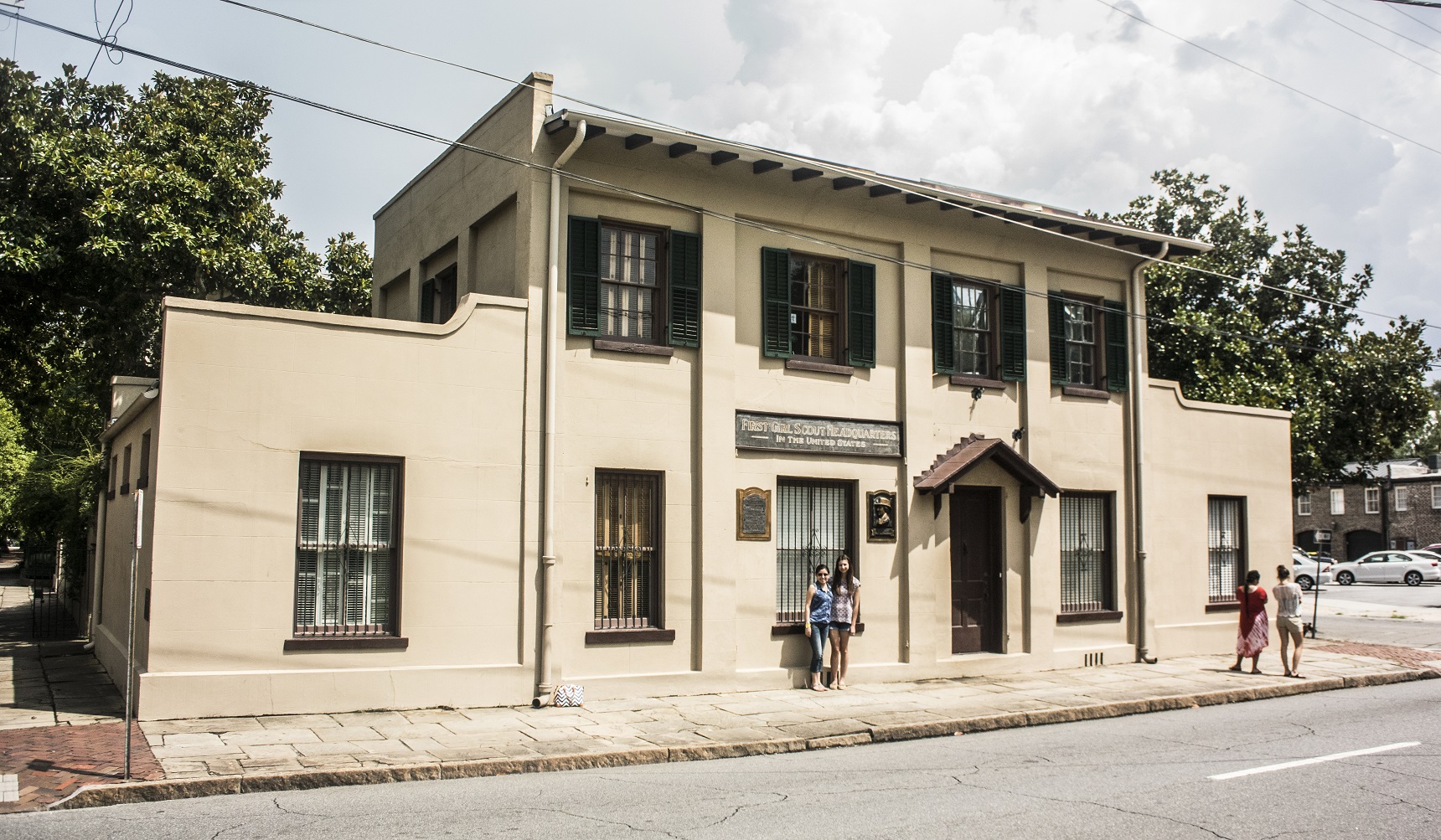
…and, a few blocks away, her carriage house, where she founded the Girl Scouts of America.
Megan and Alex tried to get into the Girl Scouts photo with us, but they weren’t Girl Scouts, so we wouldn’t let them be in the picture. Well, they were in the picture, but not in any official capacity. The photographer captured them sulking in the background.
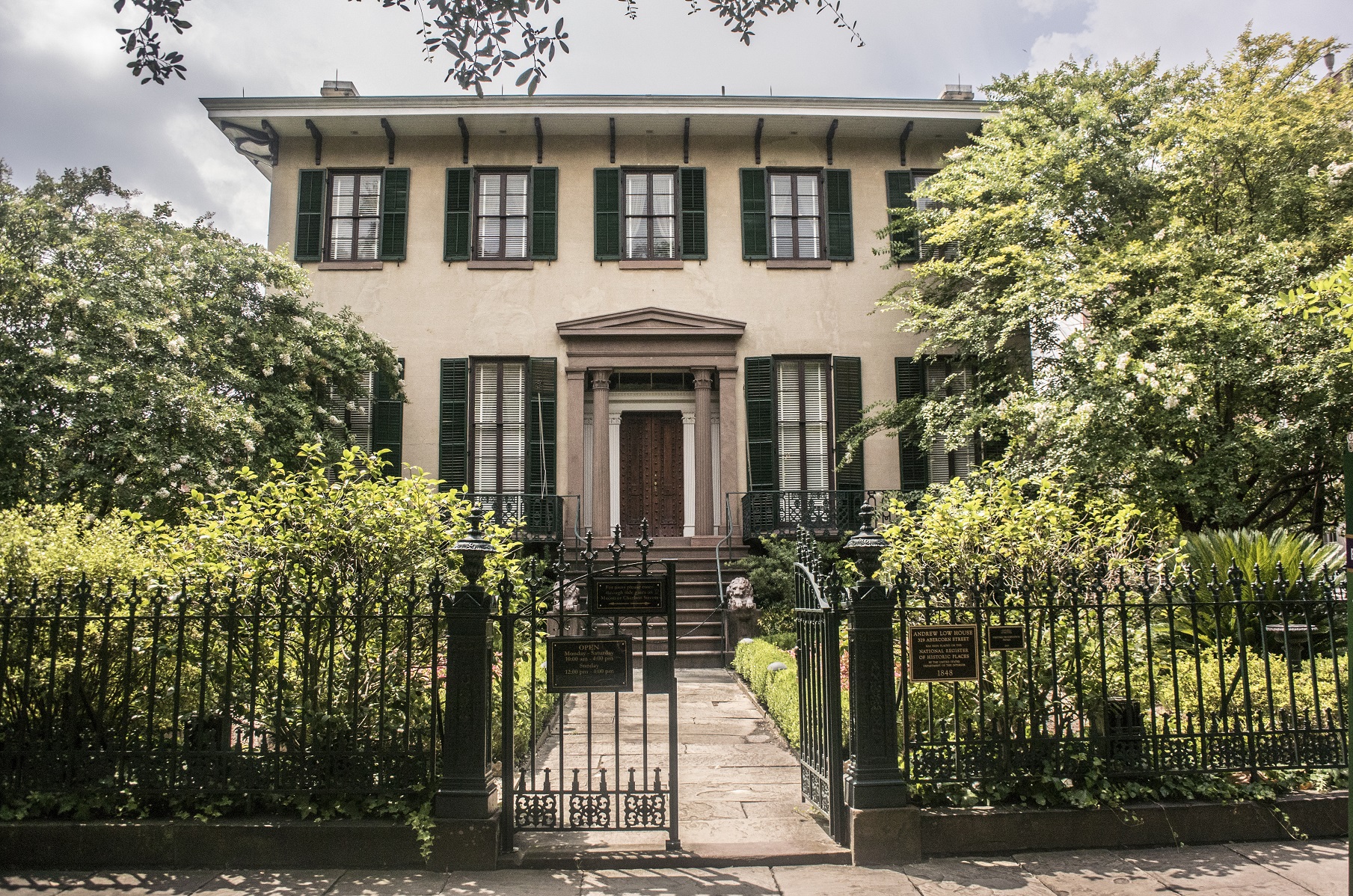
We also took another look at the Andrew Low House (Juliette Gordon Low’s Father in Law).
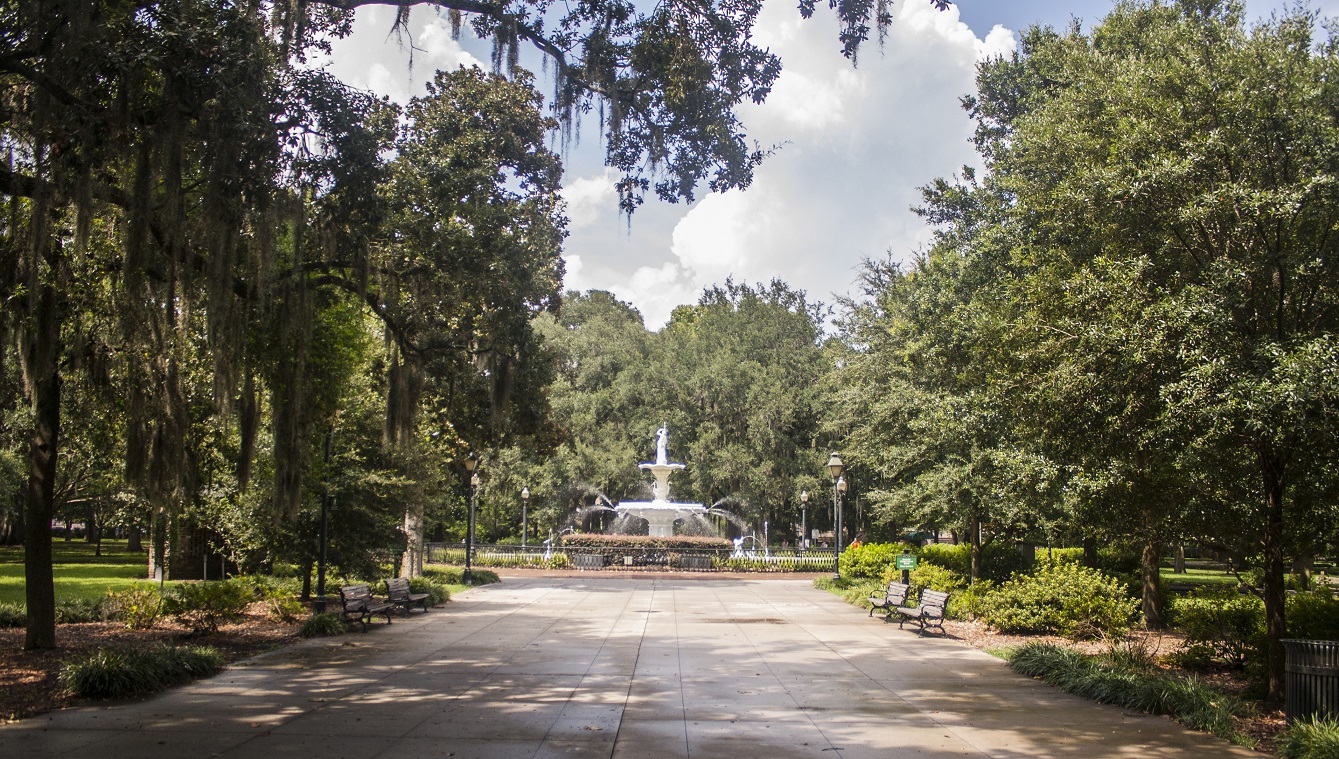
After taking photos, we made our way to Forsyth Park to see the famous Savannah water fountain that was built in 1858.
The fountain is striking from a distance…
…and from up close…
While at the fountain we took some selfies, group photos and tried to capture the beauty of the fountain.
This slideshow requires JavaScript.
Forsyth Park was laid out in the 1840’s so we really enjoyed the giant Oak trees covered in Spanish moss.
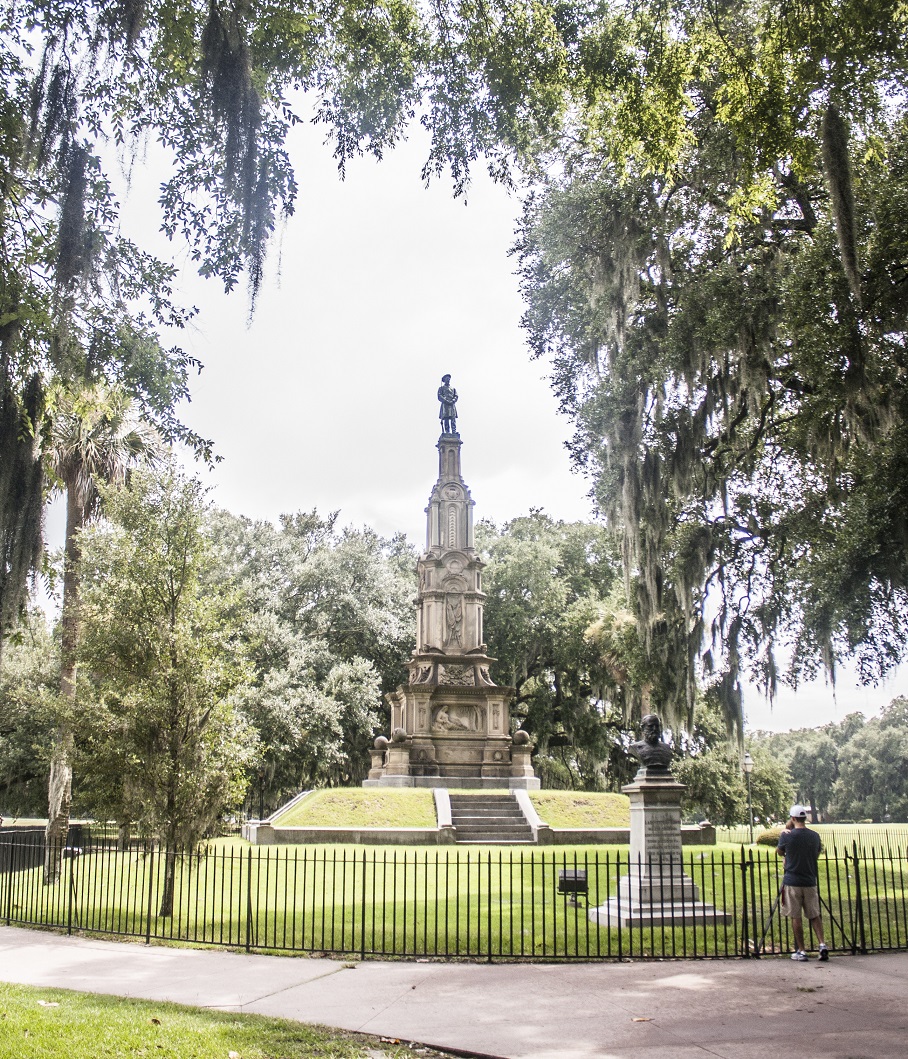
We also took a look at the Confederate War Monument in the Park, one of many veterans memorials in Savannah.
By the time we were done “modeling” for the camera at the fountain, we were all ready for Leopold’s Ice Cream. Leopold’s Ice Cream was founded in 1919 by three immigrant brothers from Greece and has been visited by many including Johnny Mercer, the famed lyricist.
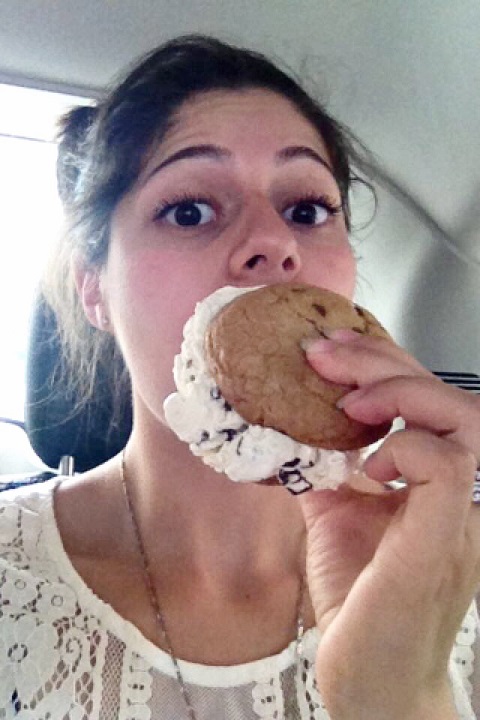
We each tried Leopold’s famous Ice cream sandwiches. They were absolutely delectable!
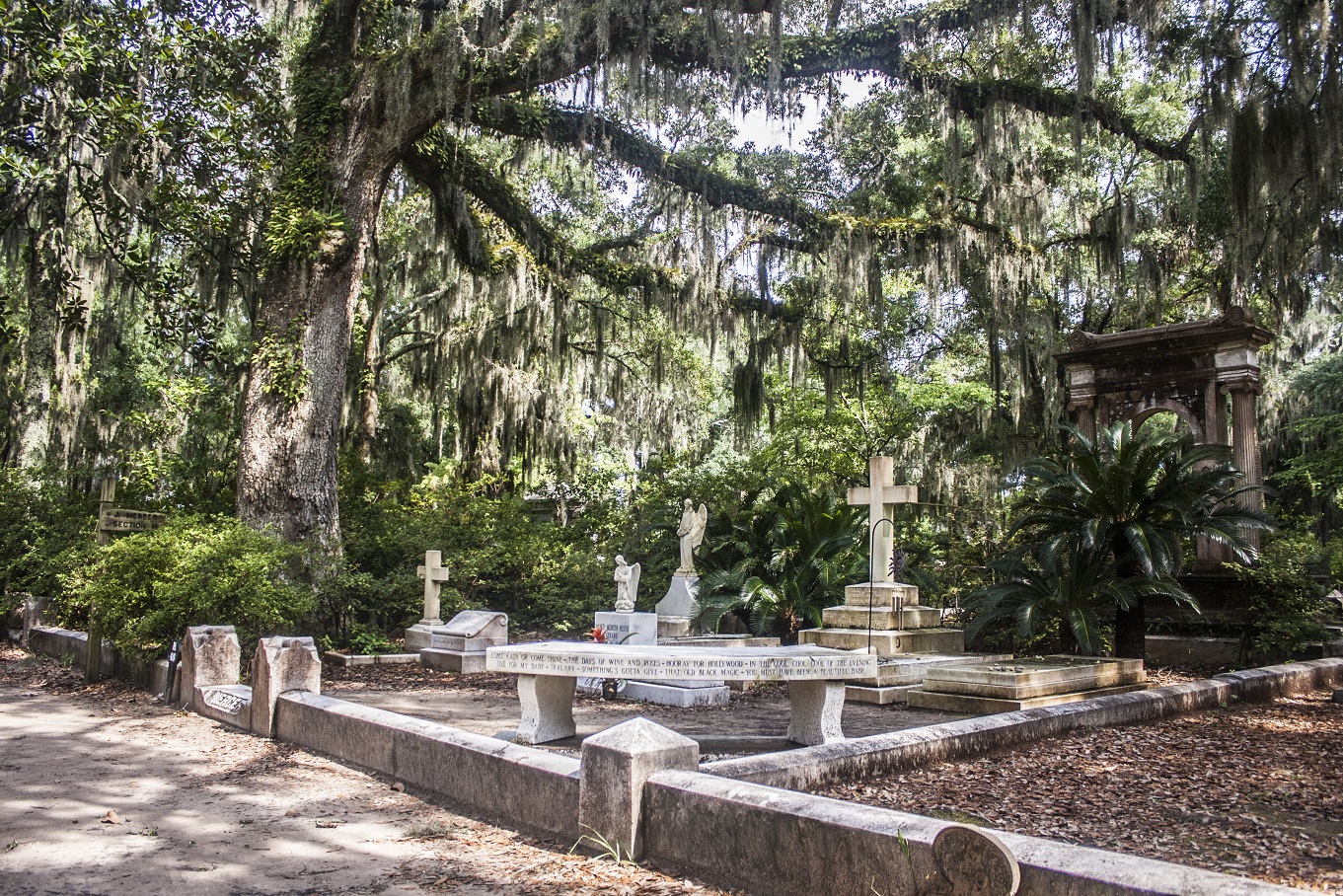
Before wrapping up our time in Savannah with the State Dinner, we made a pit stop at Bonaventure Cemetery in Savannah. Bonaventure Cemetery is where Savannah native, Johnny Mercer is buried. Johnny Mercer is relevant to the state of Georgia for many reasons. He was a thriving lyricist with over 850 songs and founder of Capitol records.
He wrote a hit song called Moon River and today he still makes profits from his music. The cemetery overlooks the Moon River, so while there we snapped some photos of us and the famous river.
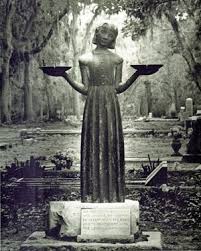
For many years, the Bonaventure Cemetery was the home of “The Bird Girl,” a statue featured on the best-selling book, “Midnight in the Garden of Good and Evil.” Because of the success of that movie, however, visitors flocked to the cemetery, and the sculpture was moved to Jepson Art Center.
The visit to the cemetery was interesting. While leaving flowers at gravesites is popular, we saw rocks on tombstones at this particular one. We couldn’t figure out what they represented, but they were different and some rocks were beautiful. Because we were running short on time, we didn’t spend as much time as we would have liked to, but nevertheless we enjoyed our time learning about Mr. Mercer and Moon River.
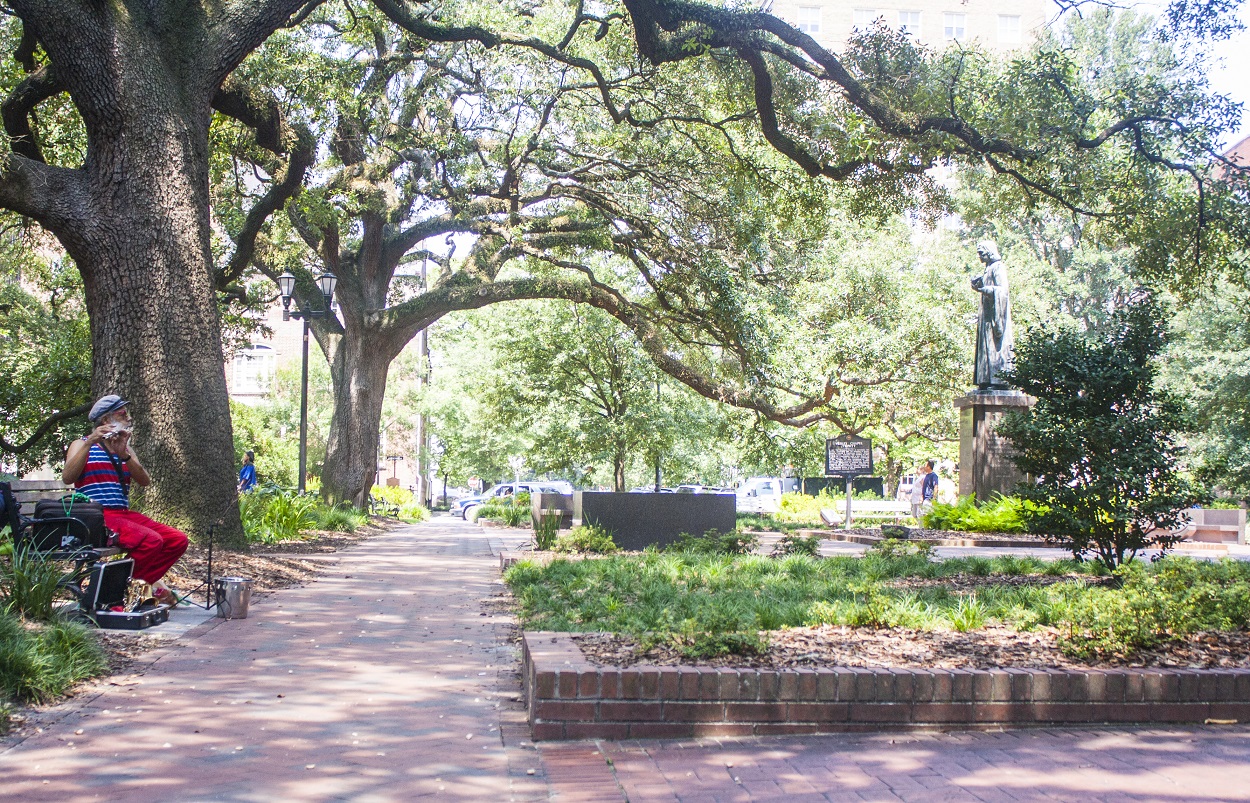
Following a few more photographs of local scenes…
…and street performers…
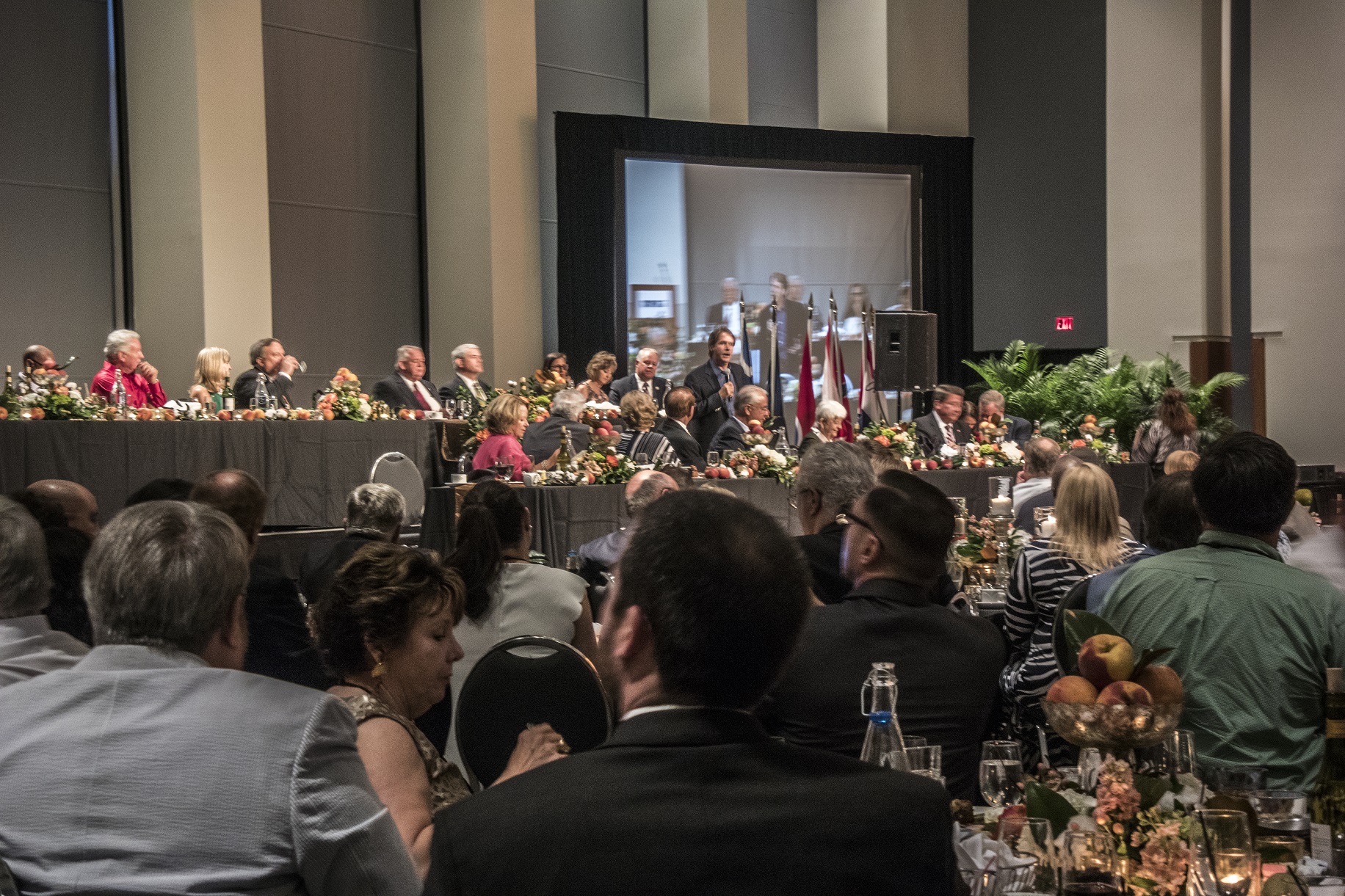
Every evening, the conference has hosted a reception for socializing and networking. Each night, the receptions have been fun and memorable. This evening, the final night of the Southern Legislative Conference, we attended the State Dinner, which featured presentations and speeches by elected officials and entertainment. The dinner theme was “Georgia on my mind.” All the details of the décor reflected Georgia and its signature items, such as peaches and cotton.
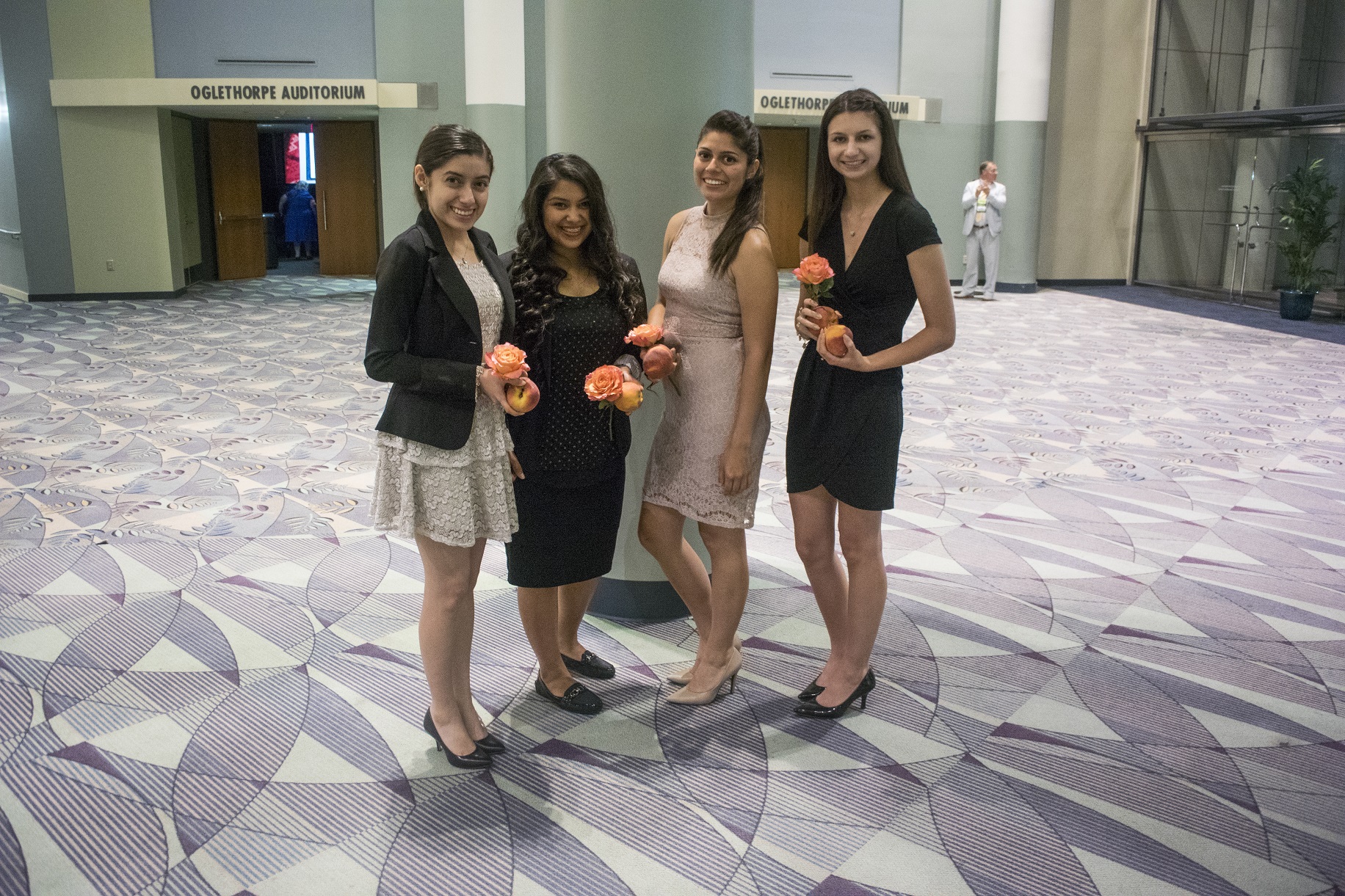
We were pleasantly surprised when the LSC staff asked the four SHSU students to represent Texas in the flag parade.
While elected officials represented most of the 15 states attending, Texas was represented by four college students!
Alex, Megan, Karla, Kaitlyn Represent TX at SLC
Following the parade, the Georgia Speaker of the House, David Ralston welcomed the conference attendees and thanked everyone for their dedication to the conference.
Dinner began where we enjoyed the filet mignon and peach glazed chicken among sweet tea and southern style sides.
Our table consisted of our group and Mr. & Mrs. Hickman. Mr. Hickman is the Deputy Staff Director of the Senate Finance Committee in the Virginia Capitol. Both Mr. and Ms. Hickman were knowledgeable and very welcoming, they offered interesting history facts about their hometown of Richmond, Virginia and travel tips for when we have the opportunity to visit Virginia. Our dinner conversation was pleasant and we were happy to have met them.
For entertainment, Jeff Foxworthy delivered hilarious comedy material, which everyone enjoyed.
Although most of his set was new material, he closed with some redneck jokes, including:
If your matching salad bowls all say, “Cool Whip,” you might be a redneck.
If your son’s name is Dale, Jr., but your name isn’t Dale, you might be a redneck.
Comedy was an amusing way to end dinner.
Comedy did not end the evening, however. That honor fell to Sheila Raye Charles, the daughter of the late Ray Charles. She sang some new materials, some covers of various artists (including Maroon 5) and covers of songs made famous by her father.
Just before we left, Ms. Hickman, introduced us to her friend and Virginia State Senator, Barbara Favola.
LEAP Center Students and Senator Favola
Senator Favola offered her advice and experiences on how to pursue a career path in politics one day. She was very knowledgeable and gave us some insight to her career. Throughout our Tour of the Deep South, it has been interesting to learn about how state legislatures differ from Texas’s. Thank you to Ms. Hickman for introducing us to Senator Favola!
After a few final pictures, we headed back to the hotel to get ready for our early morning departure and next full day of sightseeing in Alabama and Mississippi. Reflecting back on our time in Savannah, we have learned a lot about the rich history of the city and immensely enjoyed all the sightseeing. Thankful for the opportunity to attend the Southern Legislative Conference, we are sad to leave the beautiful city of Savannah…
Girls Contemplate Leaving Savannah, GA
…but excited about visiting more cities in our Tour of the Deep South!
I, and other students involved in the L.E.A.P program, set off on our adventure to Dallas around noon this Friday afternoon, stopping along the way to visit the esteemed Woodbine Hotel for lunch, which is known for making delicious meals slathered in mushrooms. I ordered the alfredo pasta with vegetables, and it was delightful. The mushrooms were all that they had been hyped to be. We set off again after lunch, full and anxious to continue on to Dallas.
We arrived at the JFK 6th Floor Museum and quickly began our tour. We exlored the early campaigning techniques of JFK, focusing partly on how he used his youth to his advantage, as well as having the opportunity to have one the first televised presidential debates. This may have proved decisive, as he won by a small margin.
What I thought was very interesting was learning more about the public works programs he established, specifically the Peace Corps. The Peace Corps is government funded mission work, originally established by JFK to send service people to foreign countries to try and aid in what he hoped would be the eradication of Communism. Eventually JFK decided that these measures alone were not enough and the program was expanded. For me, this was very inspirational and hit close to home, as I hope to one day become involved in the Peace Corps.
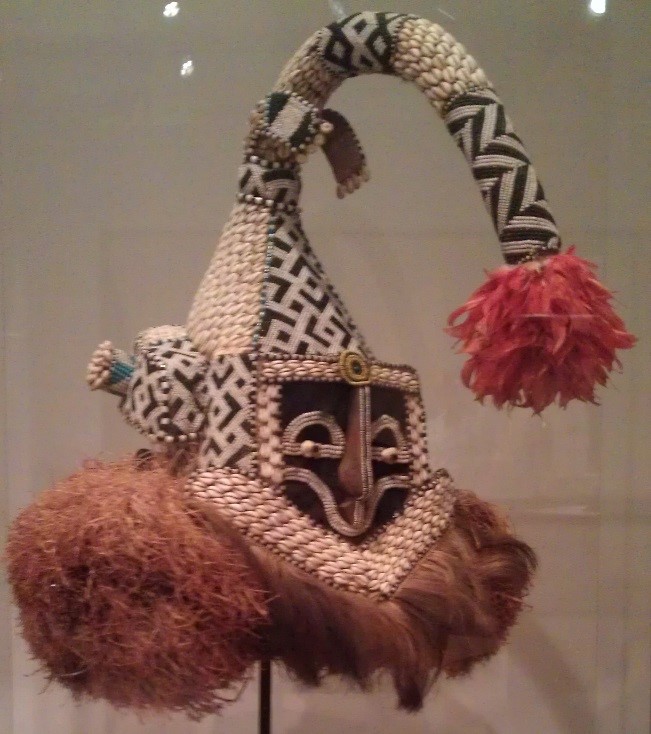
Next we ventured on to dinner, and from there to the Dallas Museum of Art. There were many interesting things to be seen here. There was art work by well-known artists such as Picasso to anonymous, cultural artifacts from all over the globe. My favorite exhibit by a wide margin was the African artifacts. I particularly enjoyed seeing and learning about the different types of hats and masks that were worn in Africa…
My favorite was a hat that doubles as a mask…
African Hat and Mask
The Museum also had an African map, designating the location the artifacts were collected.
For a freshman who wishes to do volunteer work in Africa as a junior, it was an exciting preview of things to come! And in that spirit, we left the Museum and headed to the hotel, equally anticipatory of the second day of our trip.
























 Center for Law, Engagement, and Politics