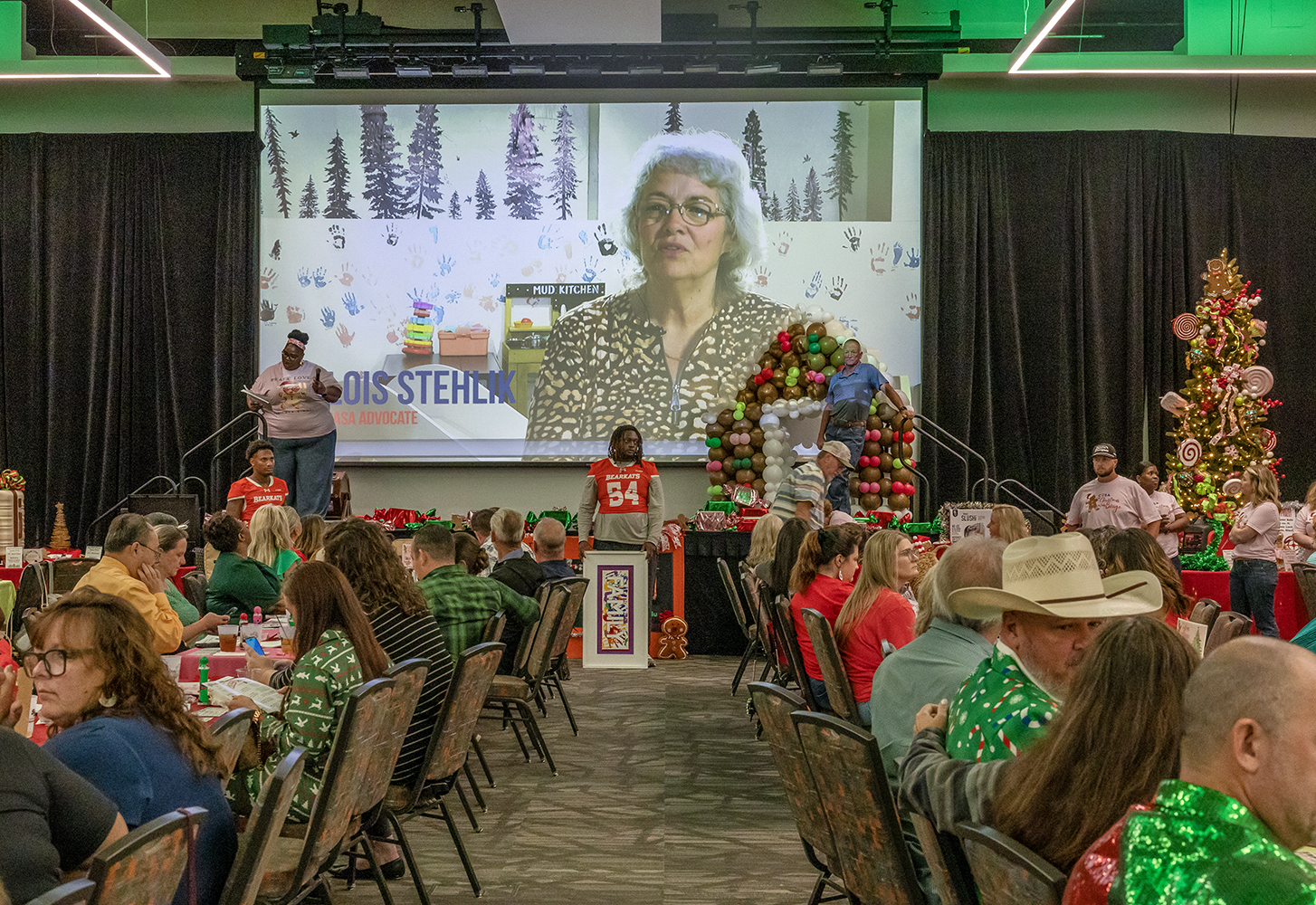
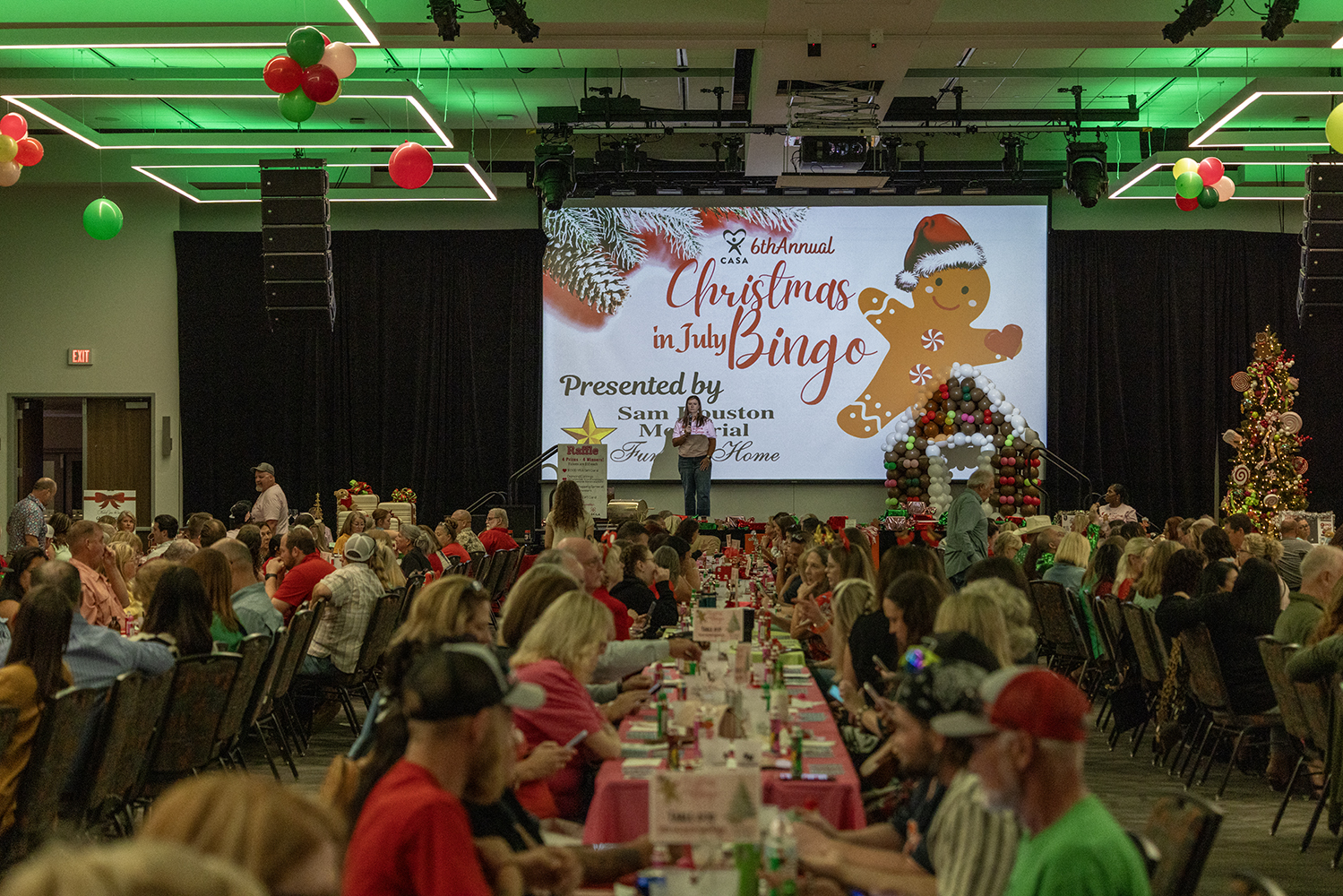
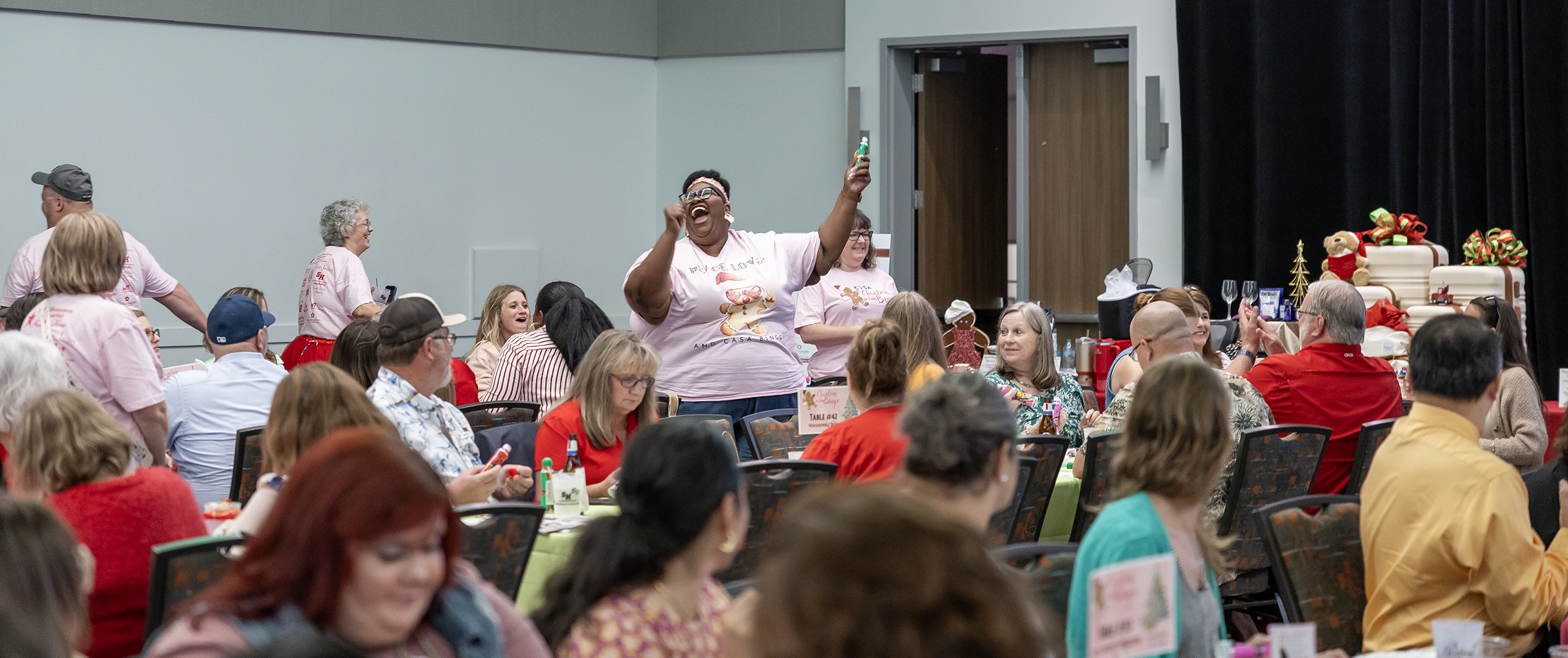
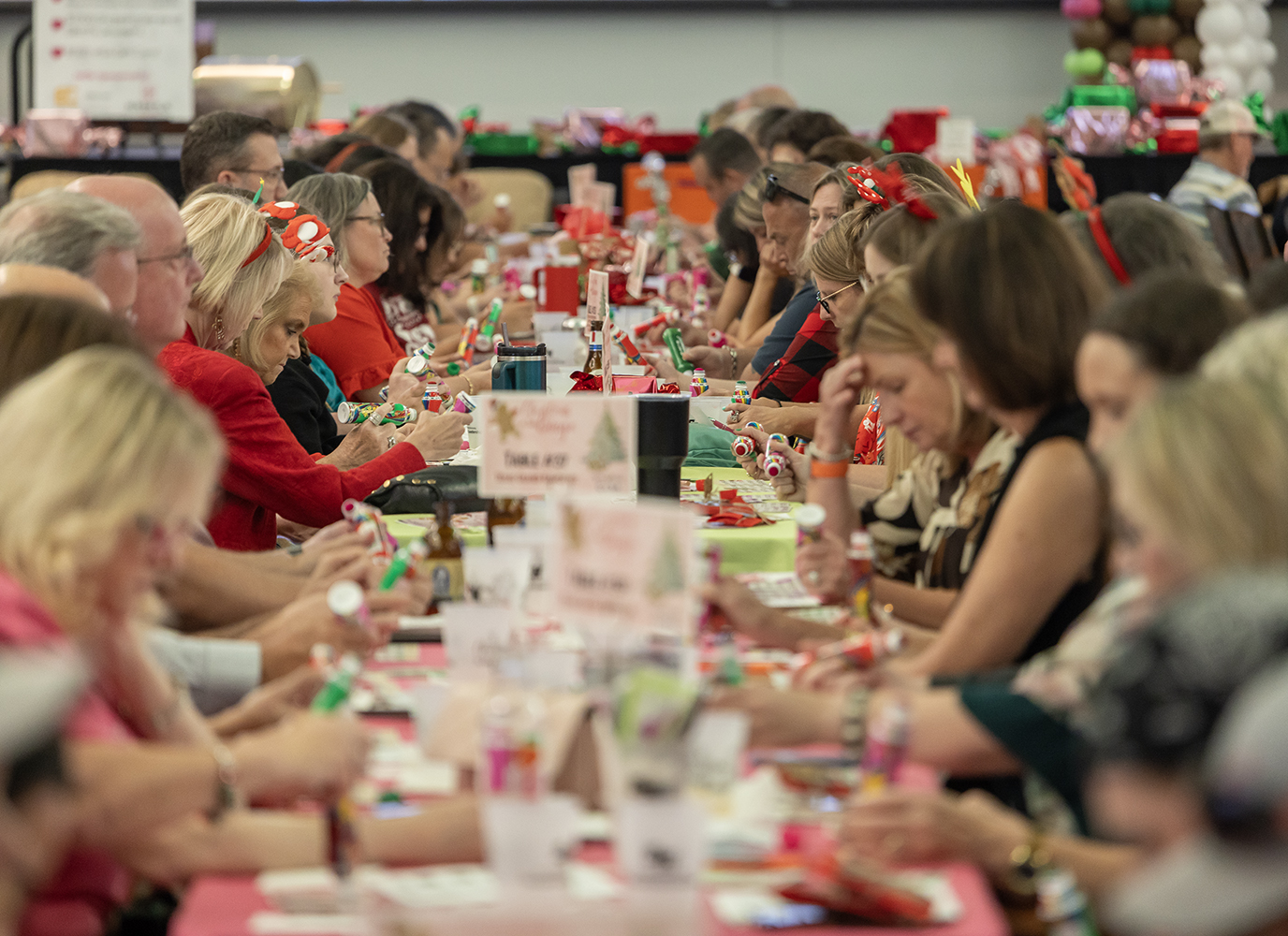
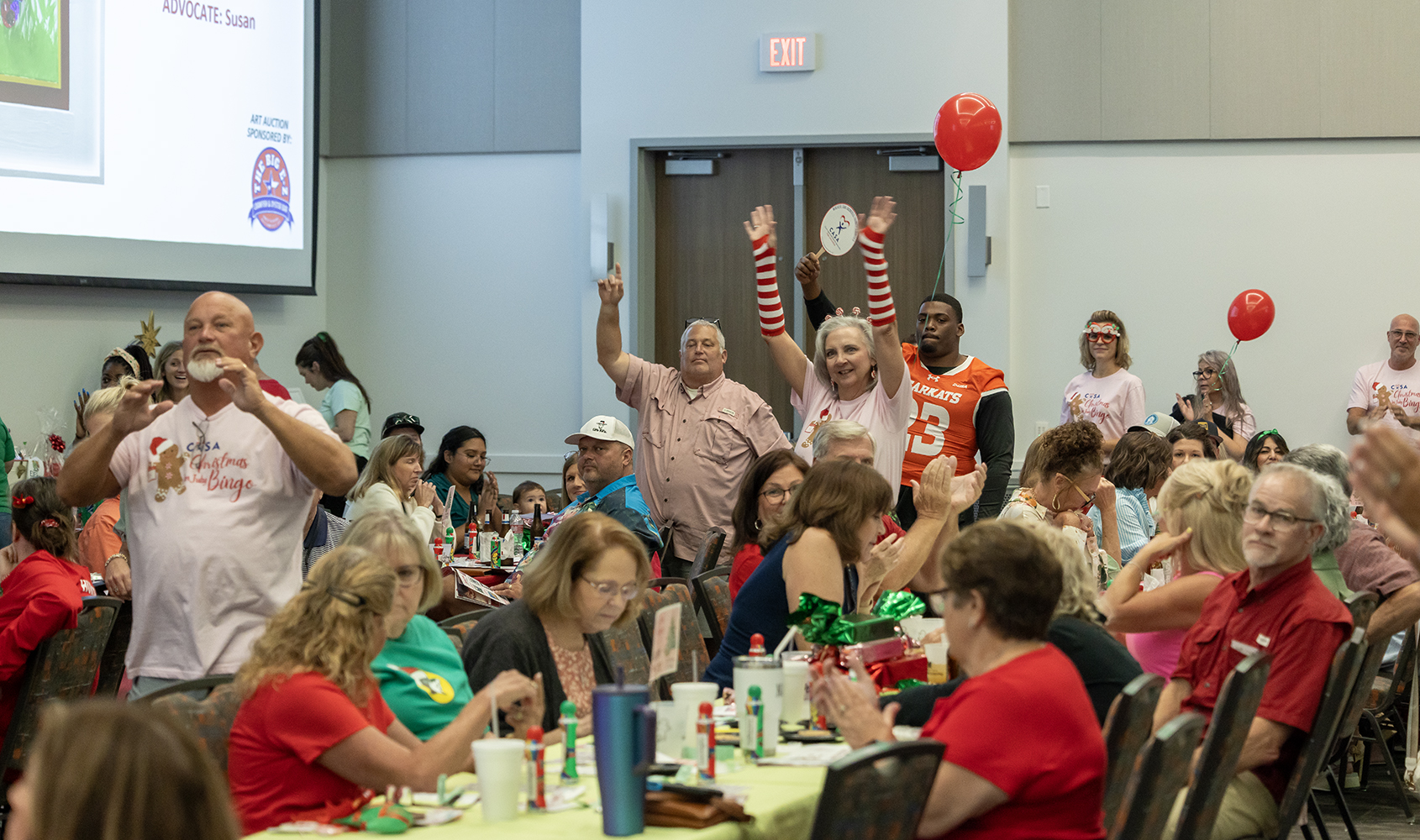
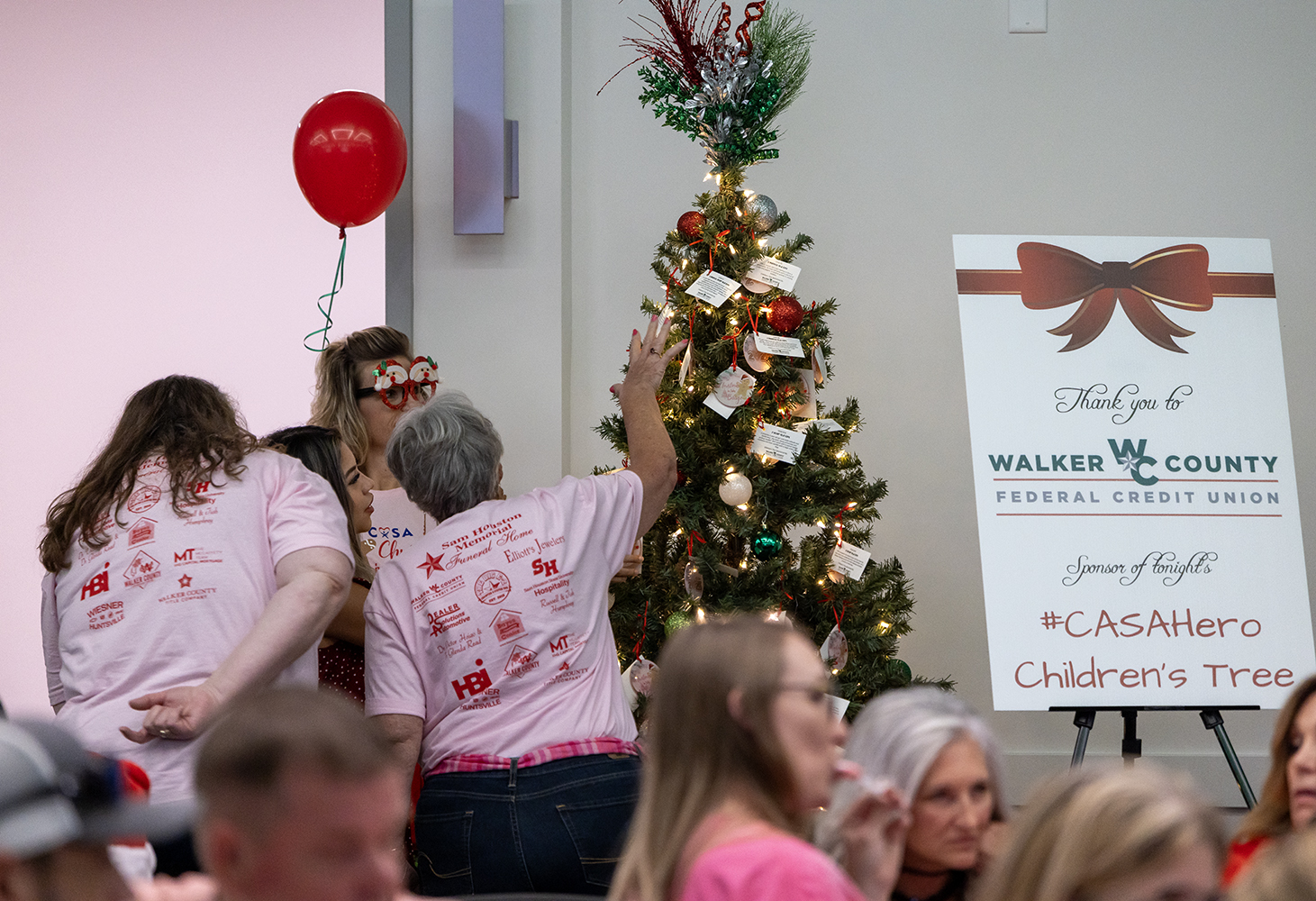
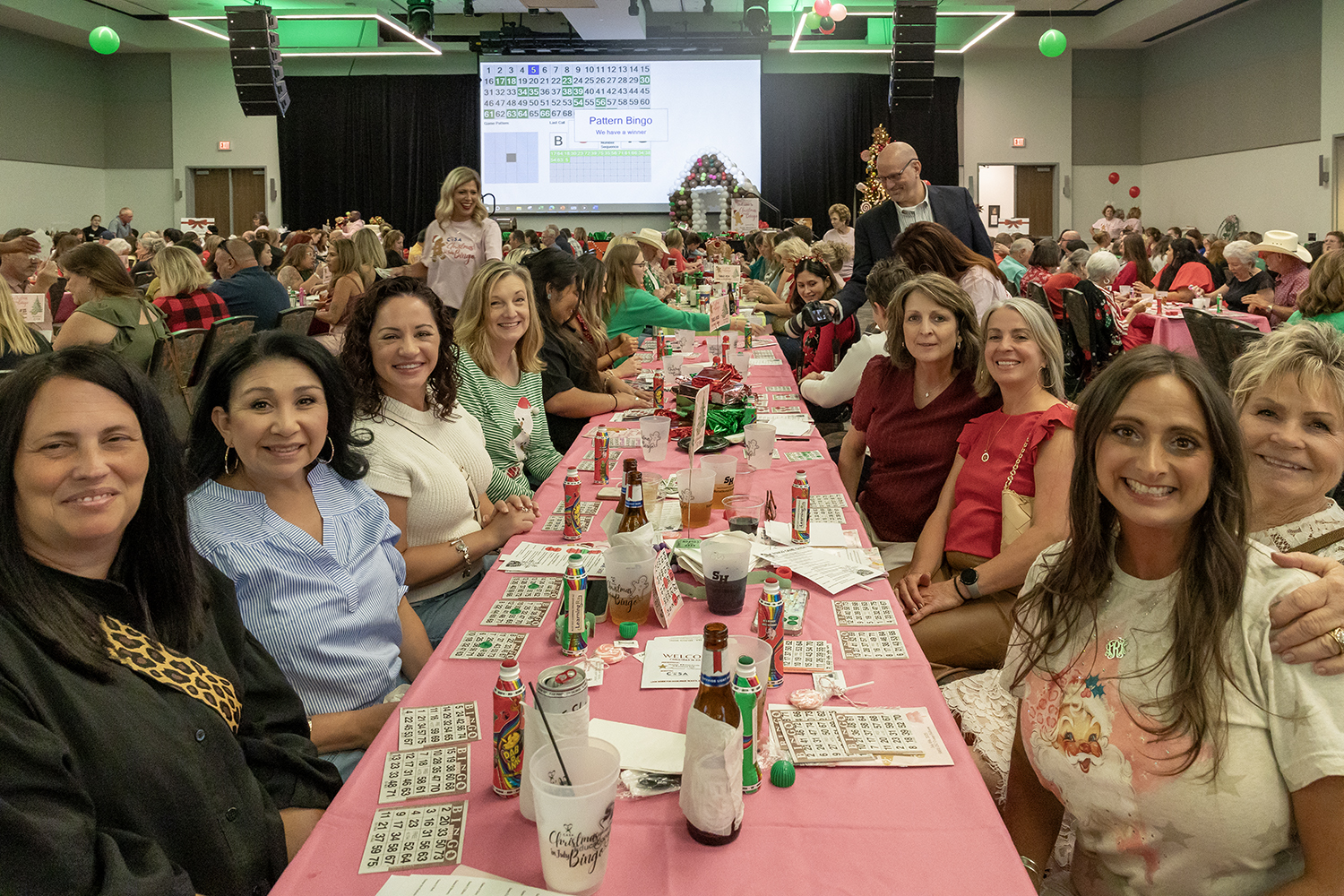
The SHSU Lowman Student Center Orange Ballroom was filled with the warmth of holiday spirit and community generosity this past weekend, as CASA of Walker County hosted its annual “Christmas in July” Bingo Fundraiser.

With nearly 500 attendees–including, of course, LEAP students–there to support CASA, the event was a reflection of the community’s commitment to children in foster care.
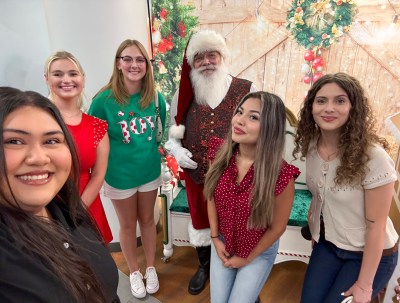
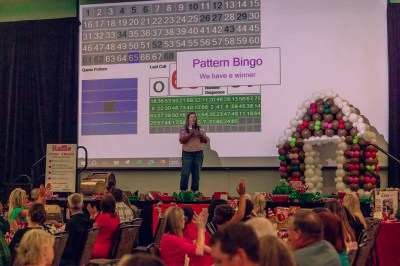
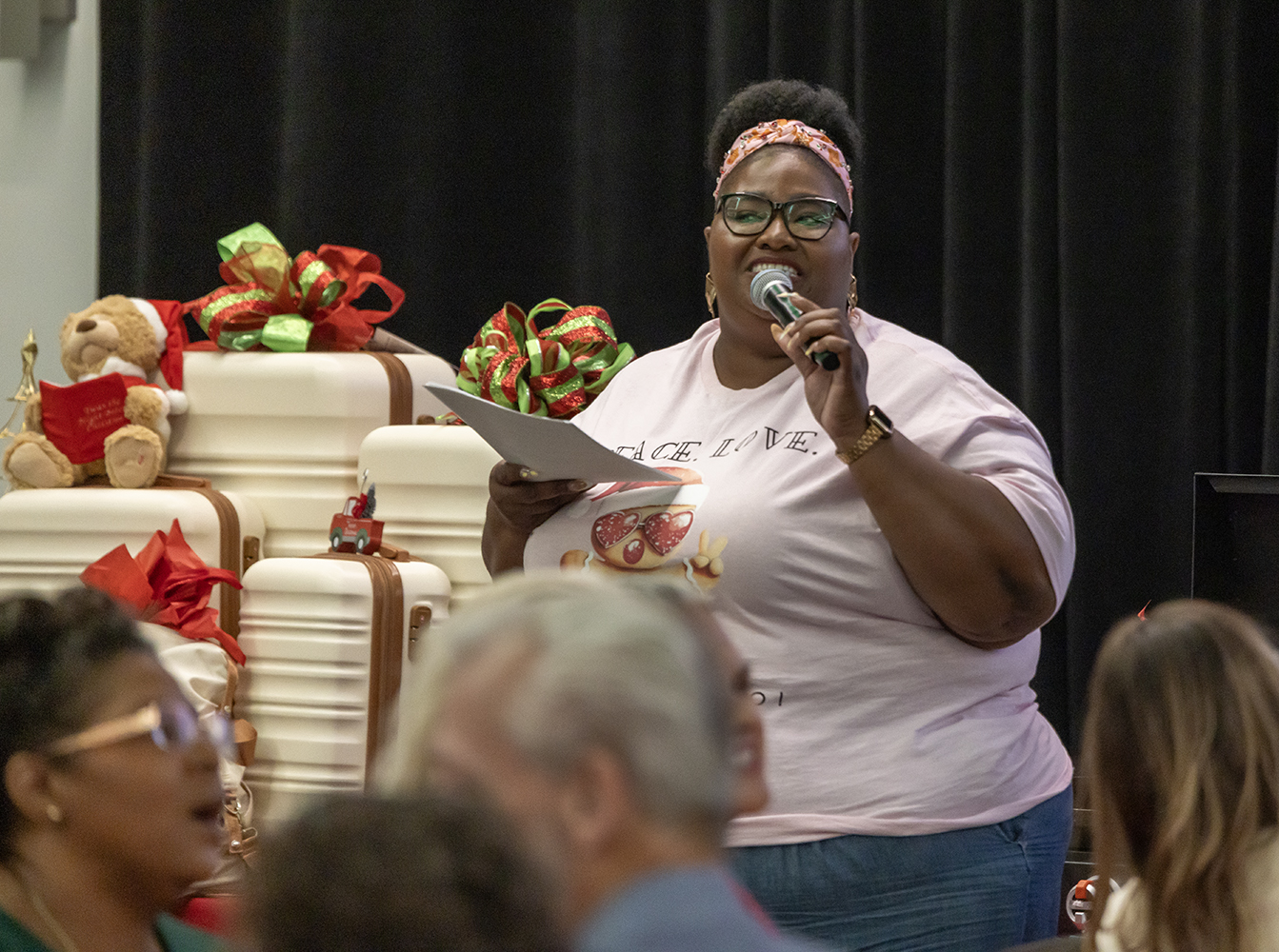
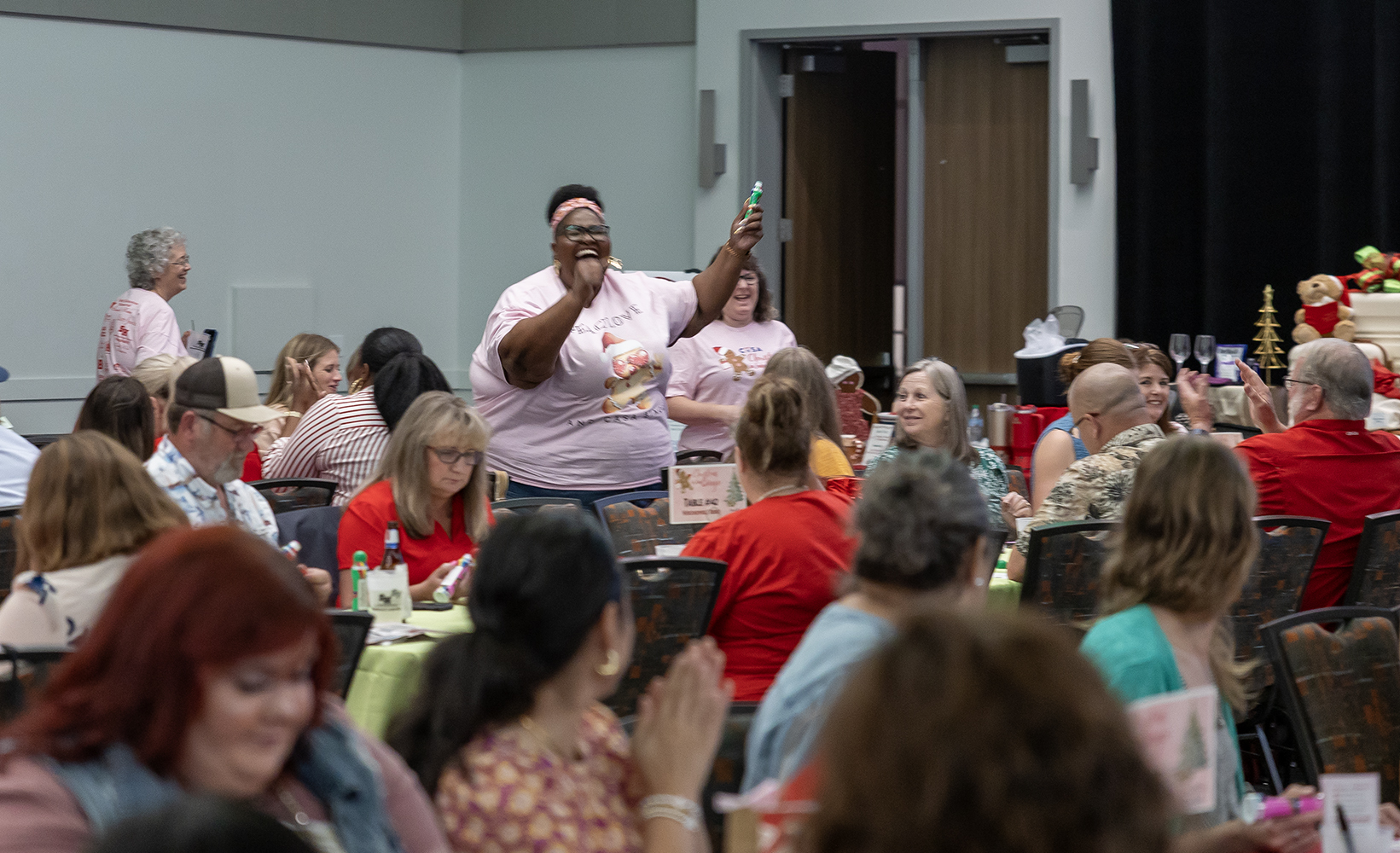
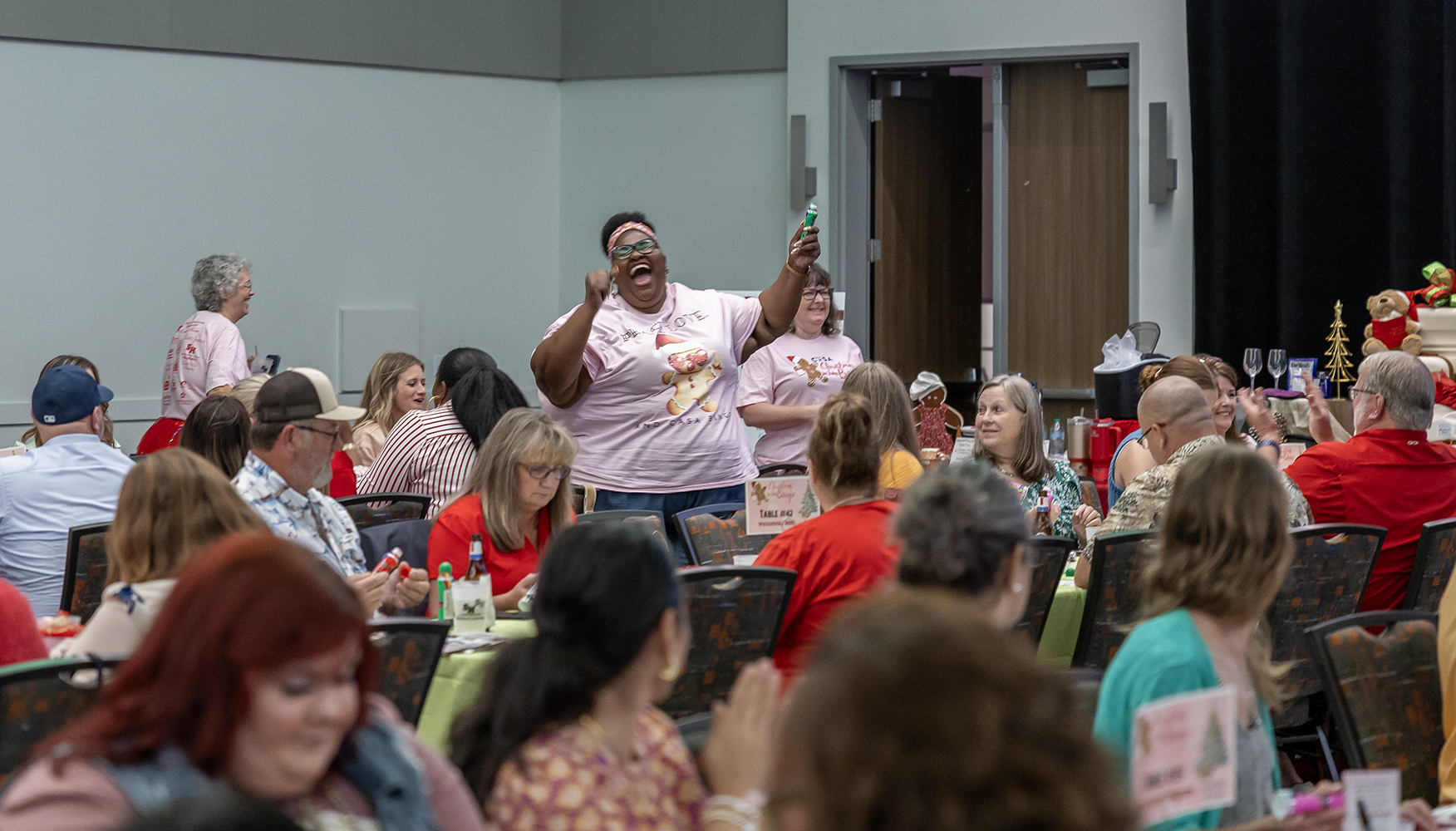
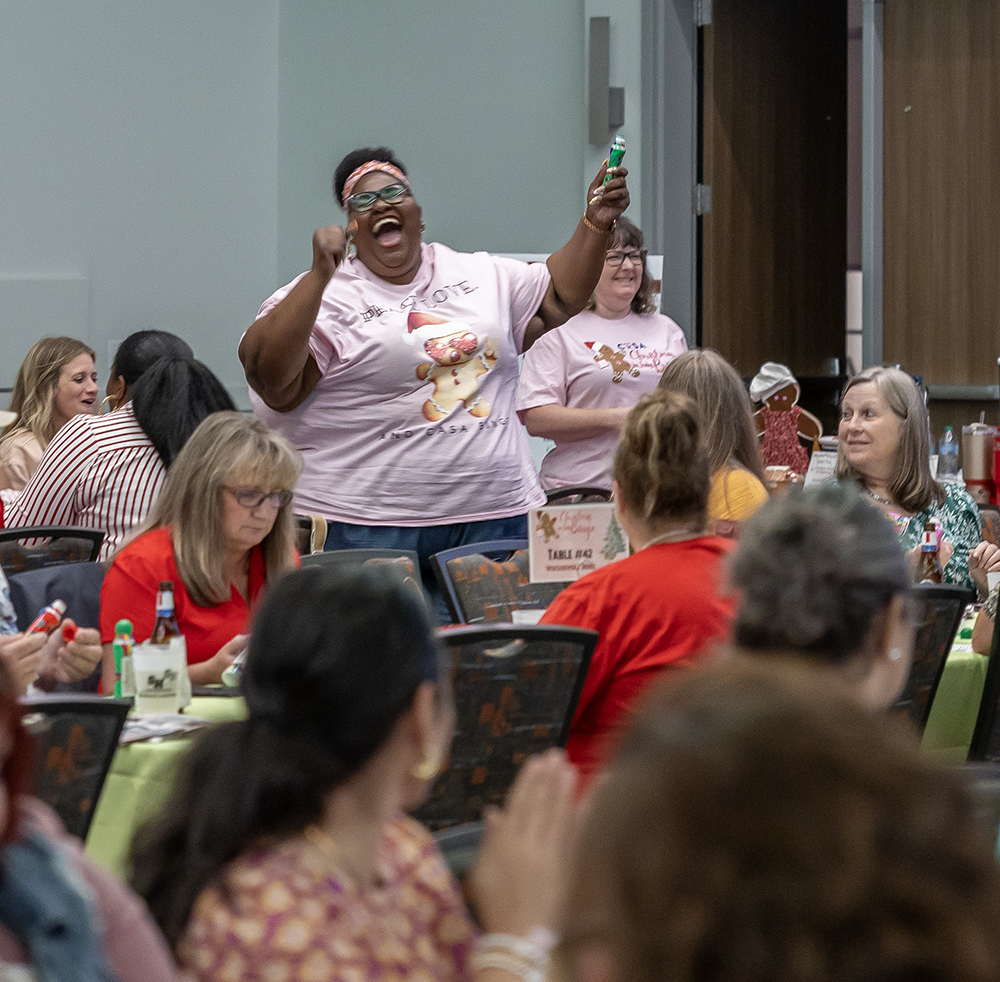
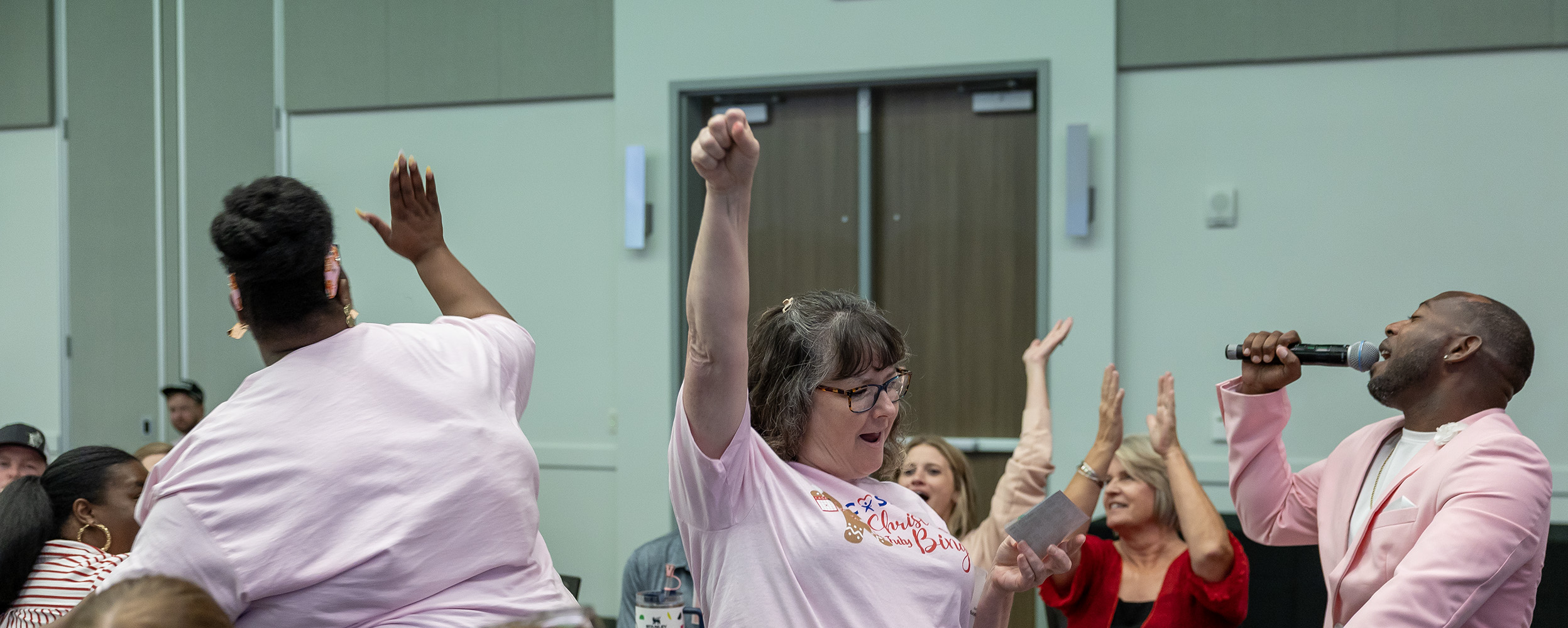
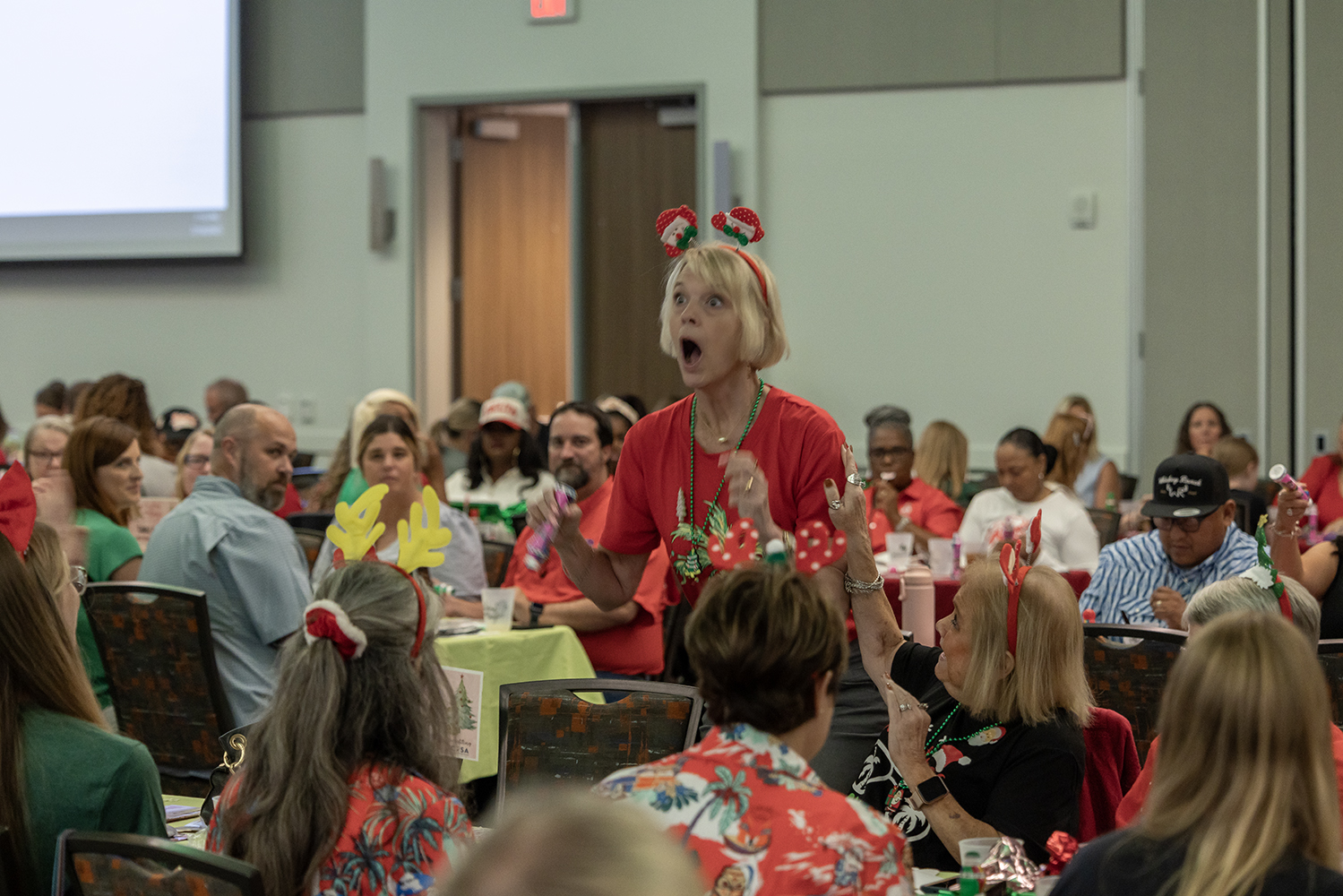
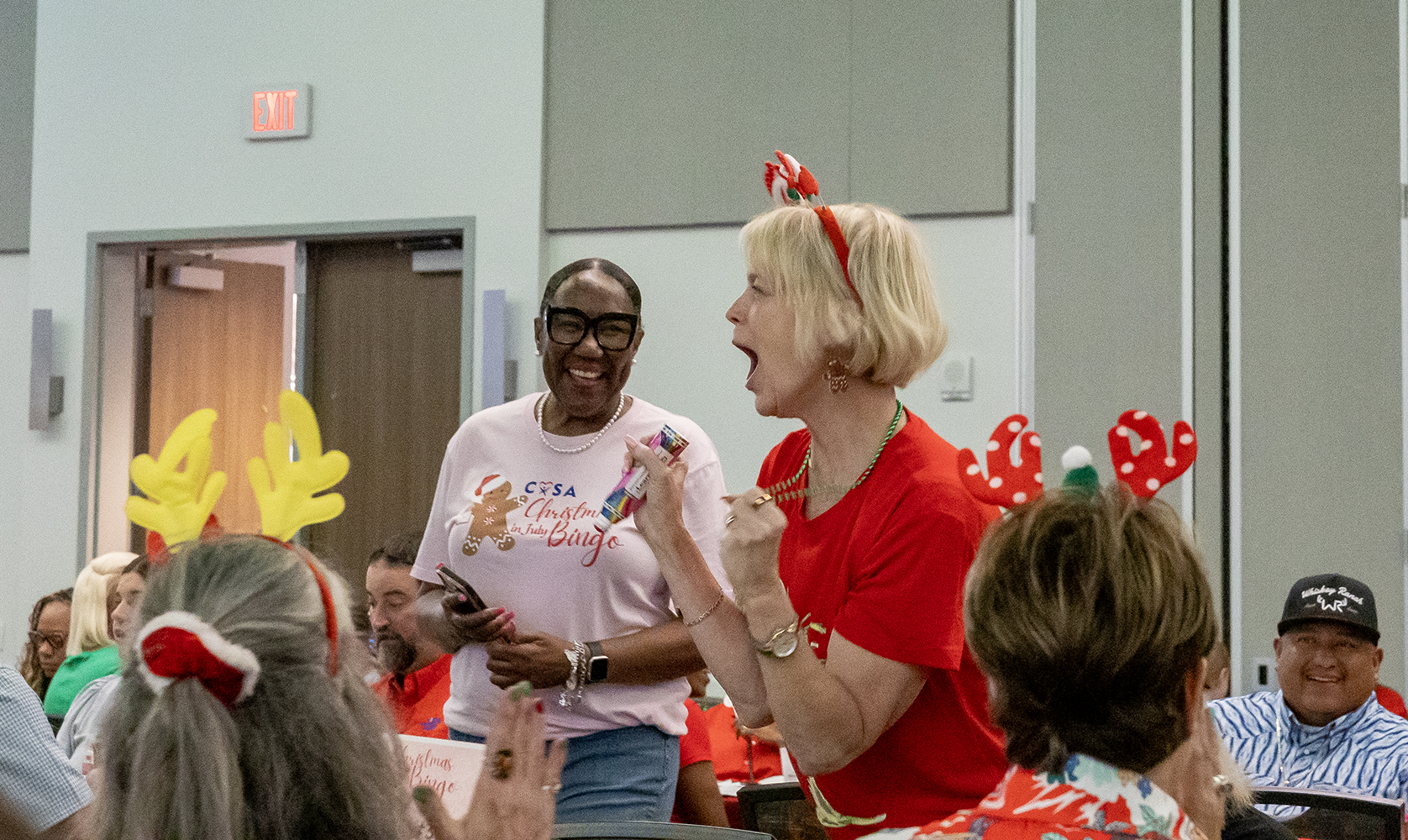
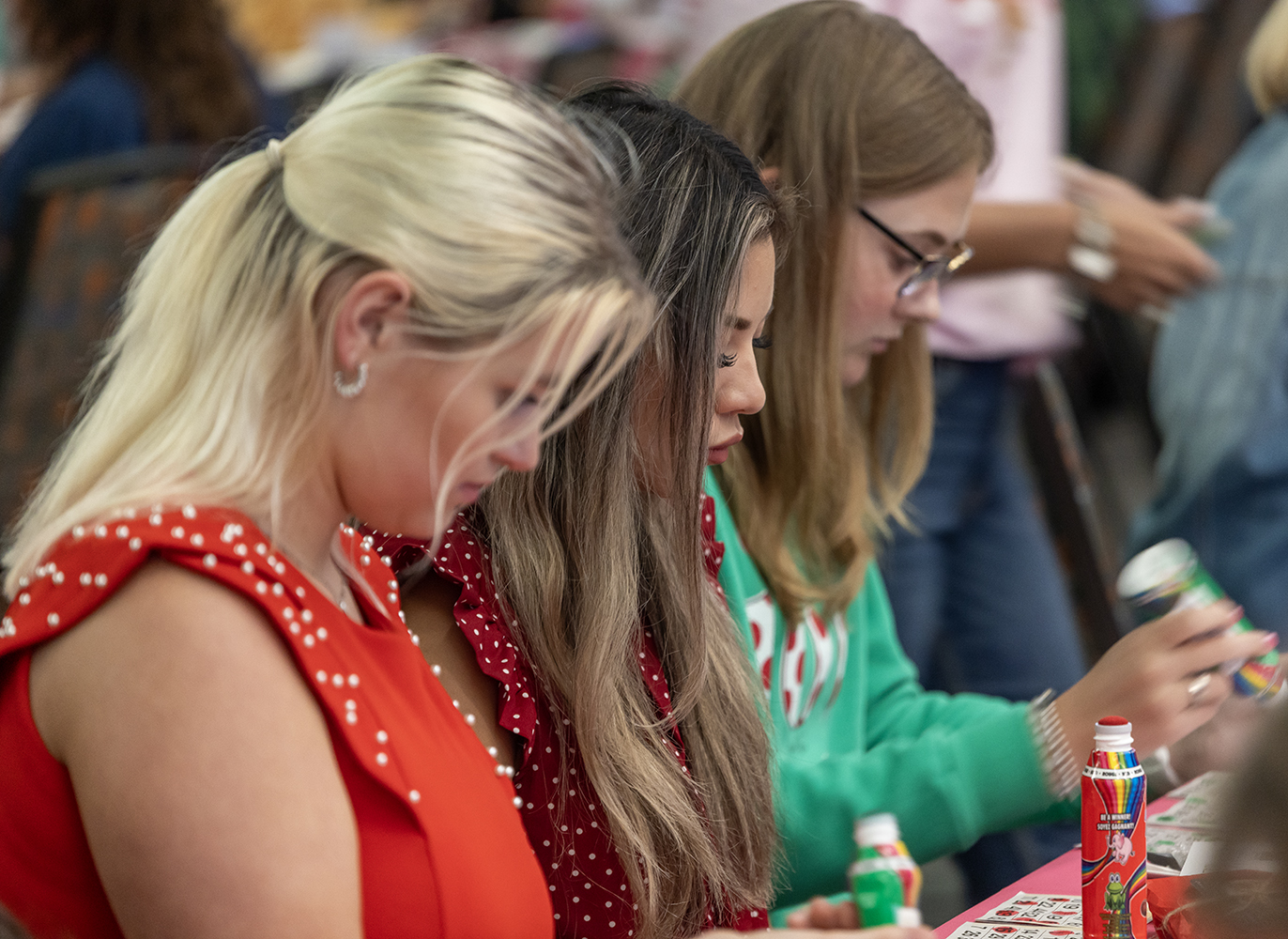
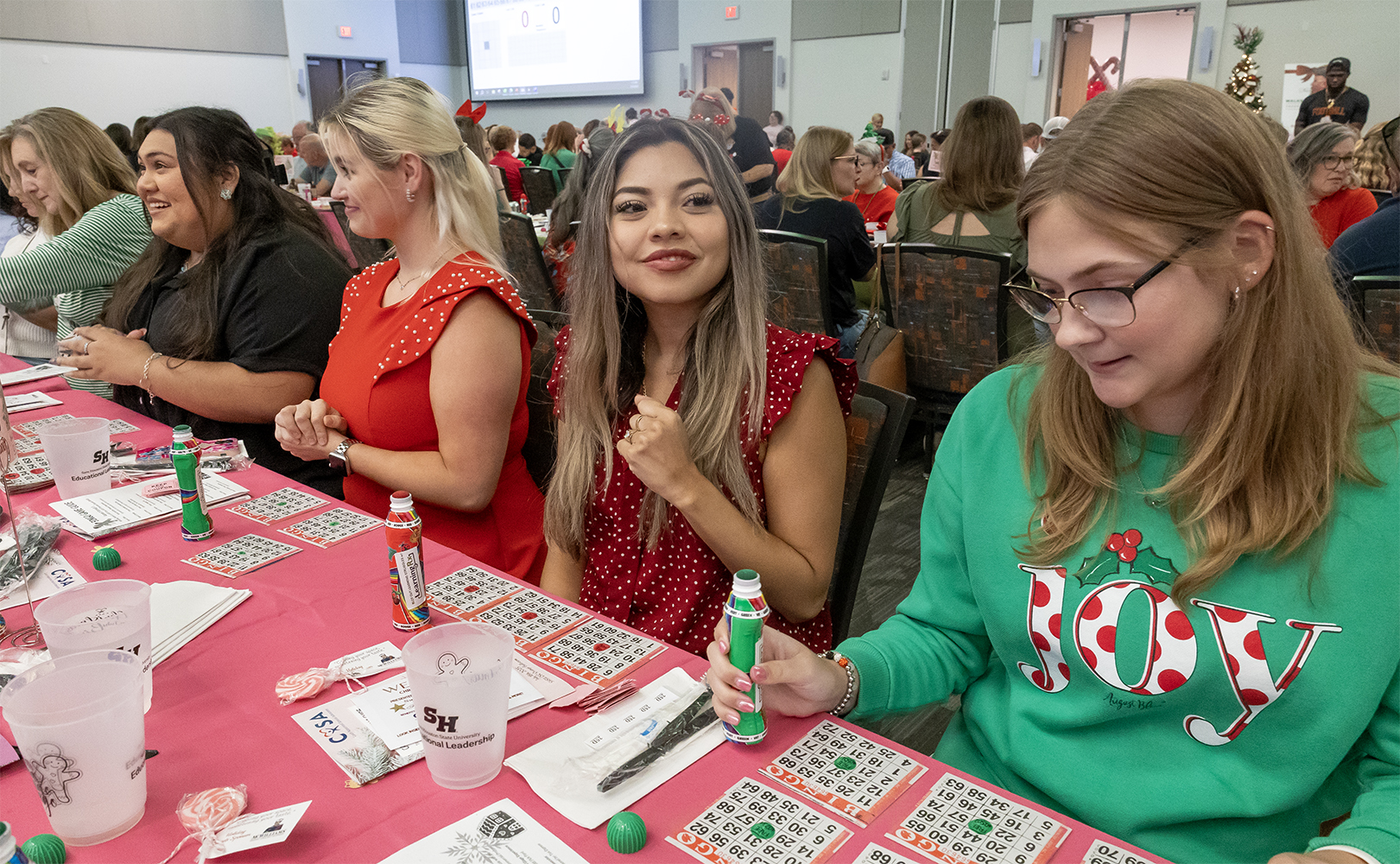
The event featured 15 lively rounds of bingo…
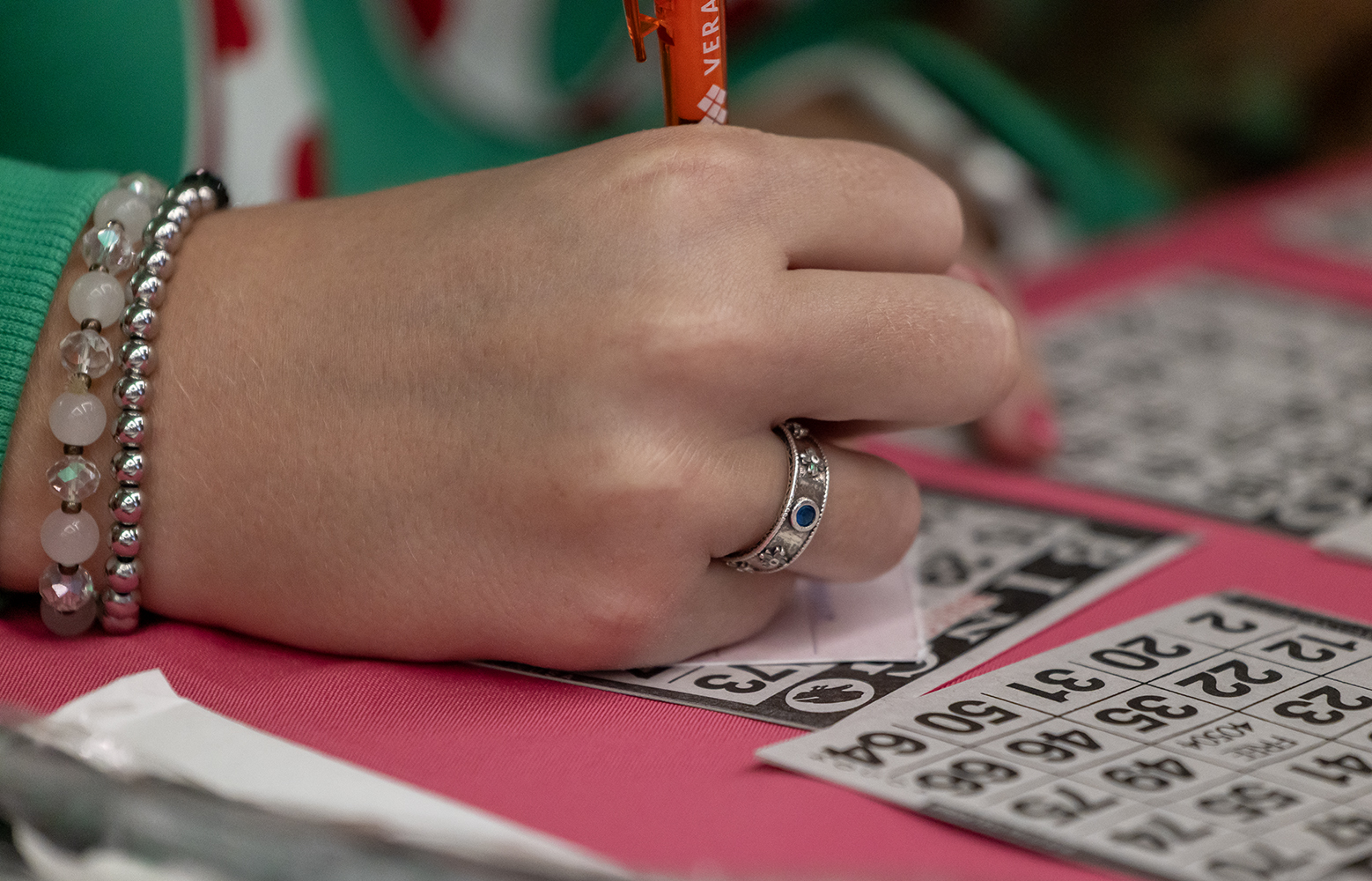
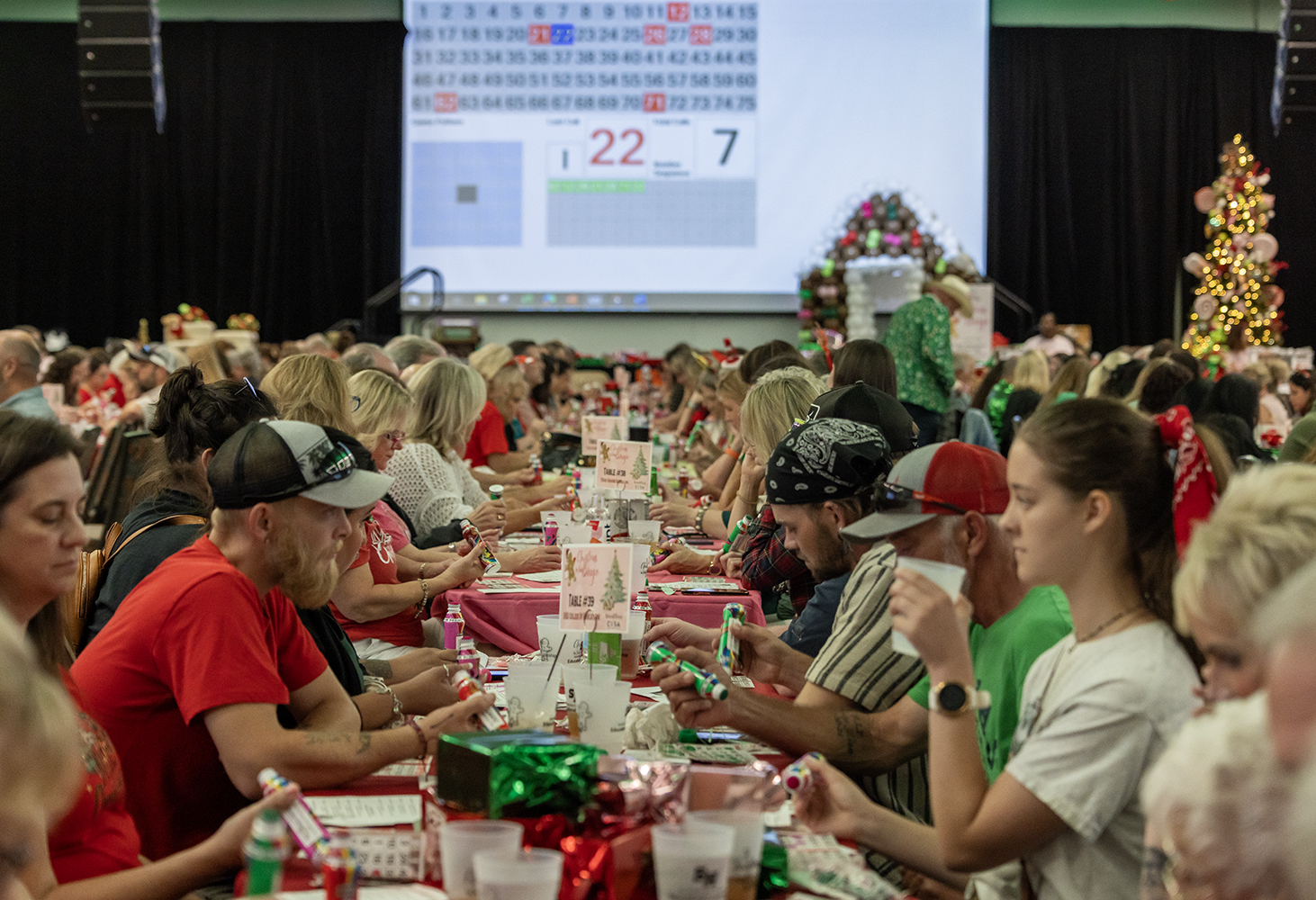
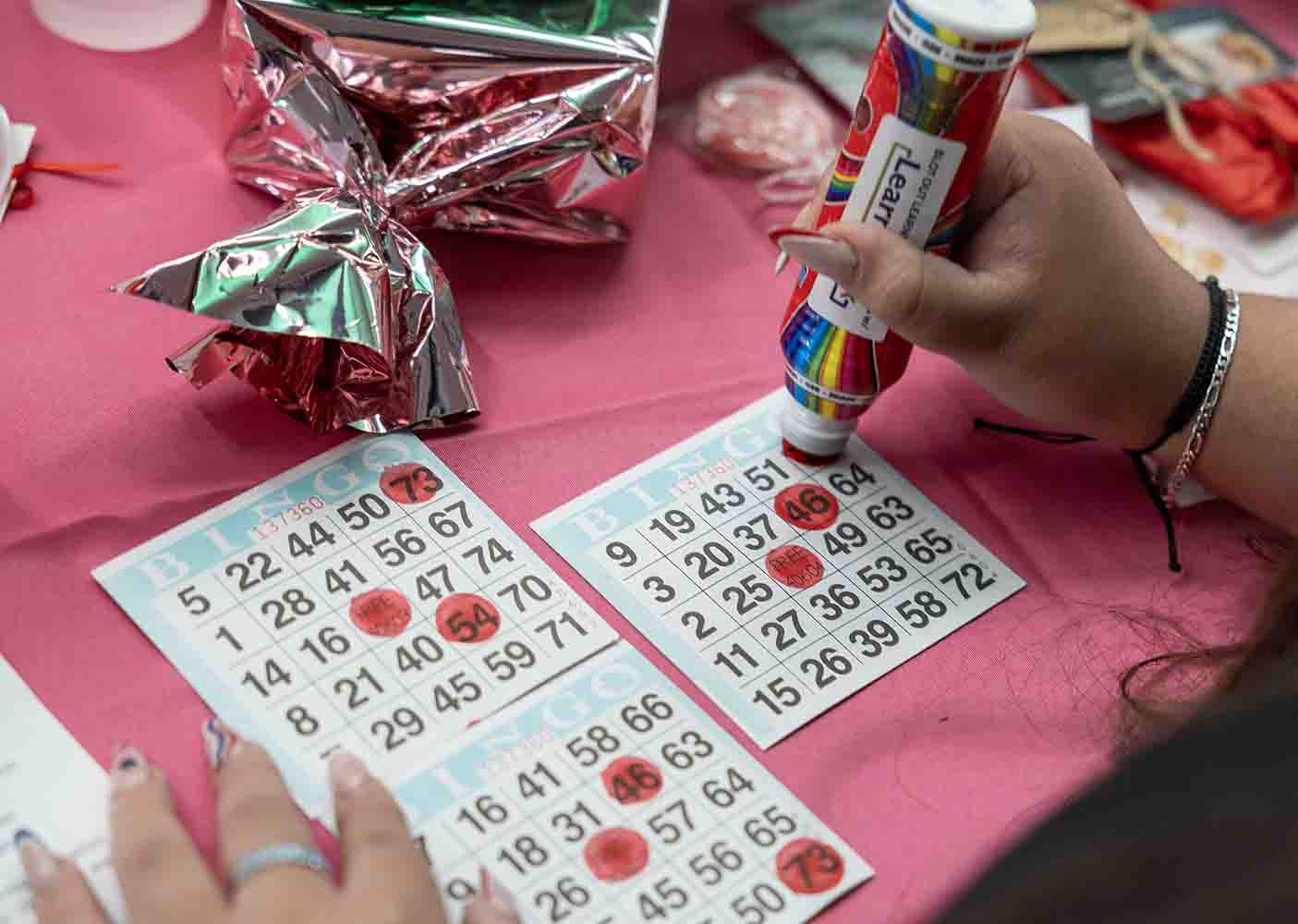
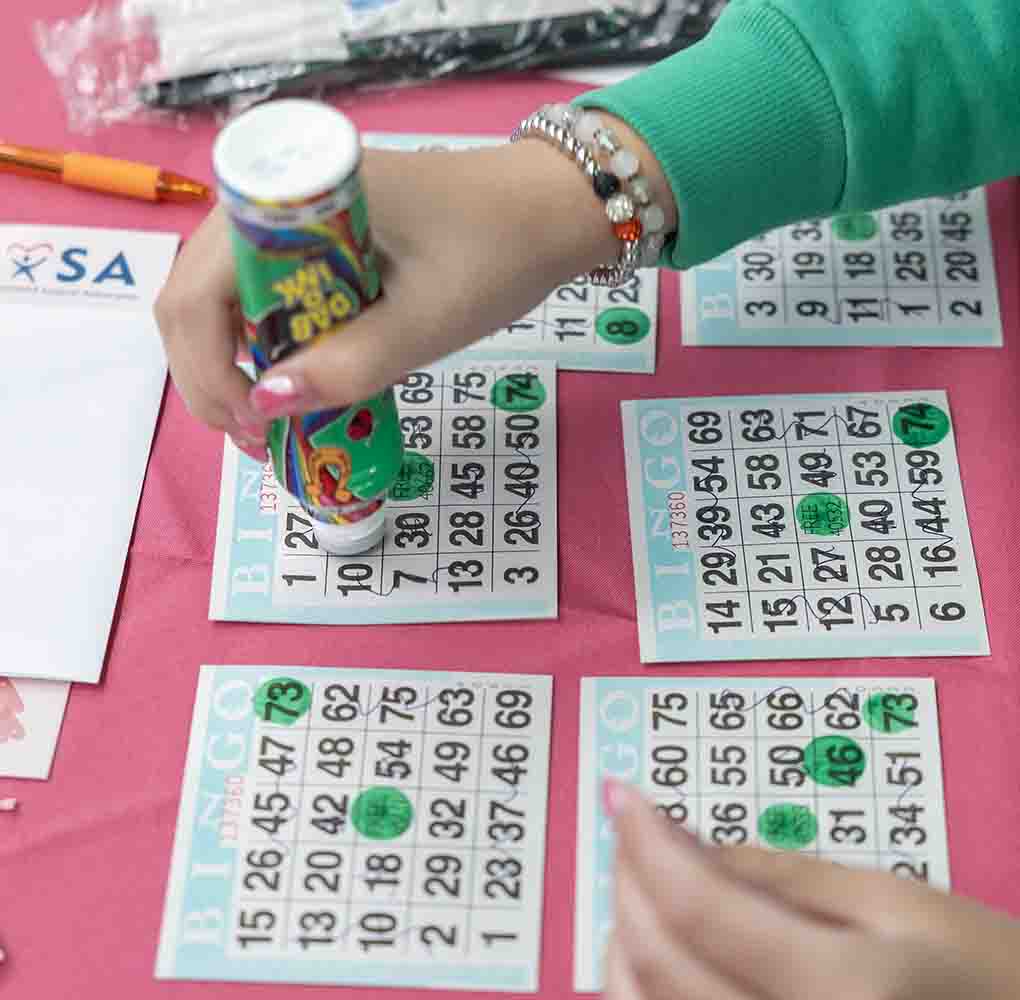
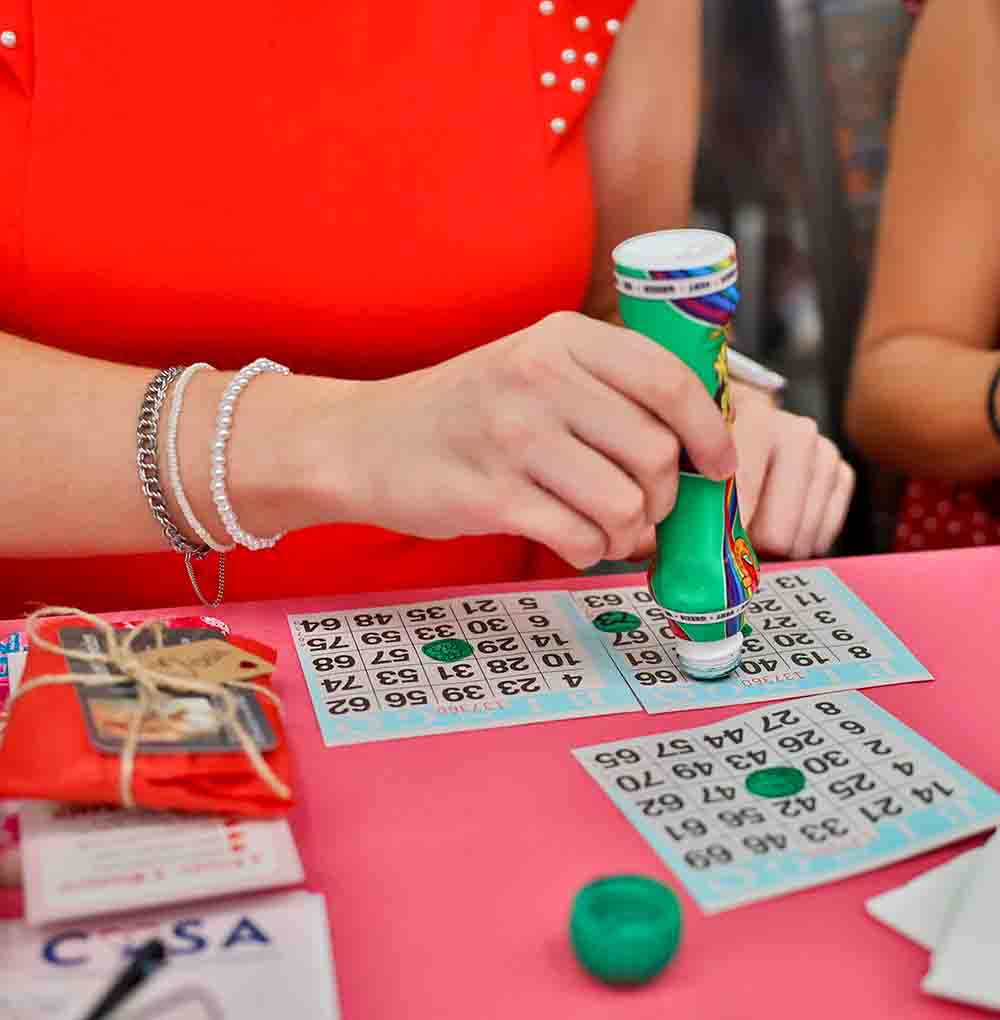

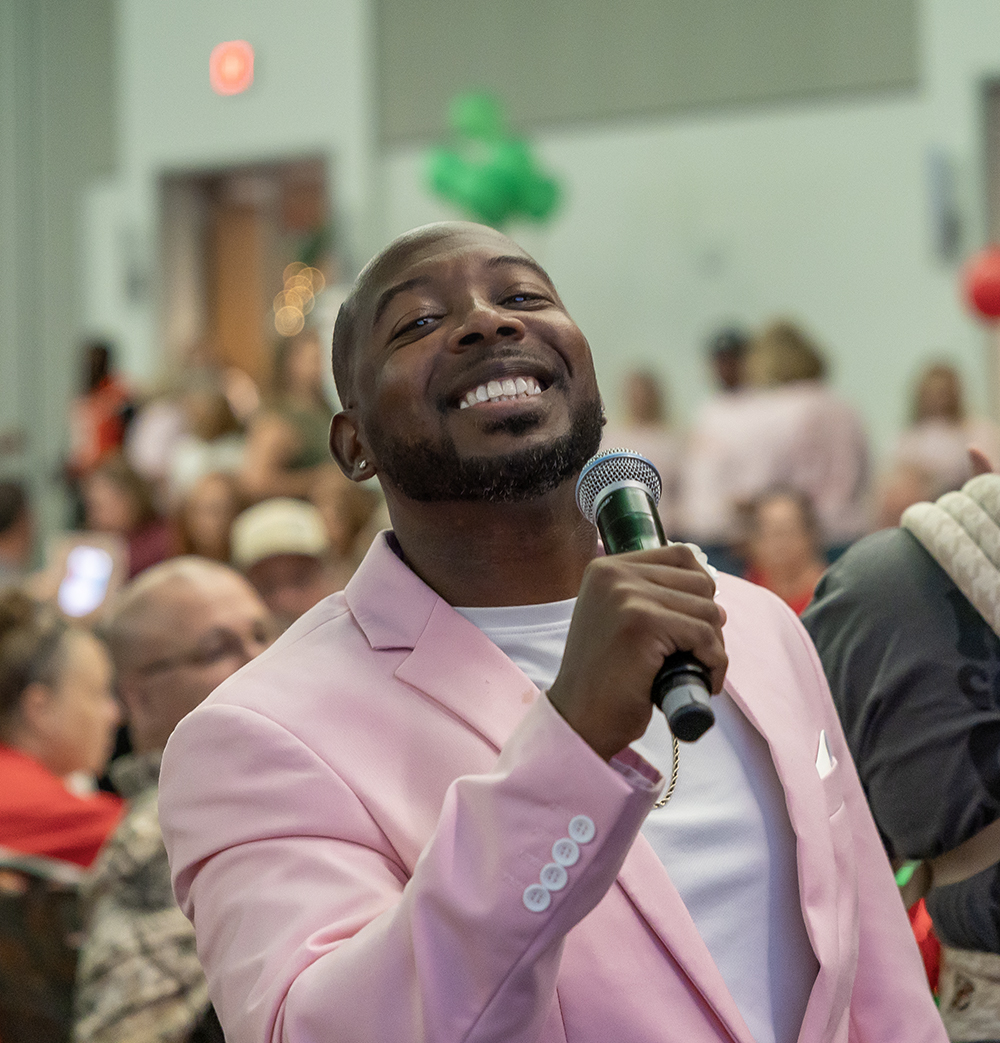
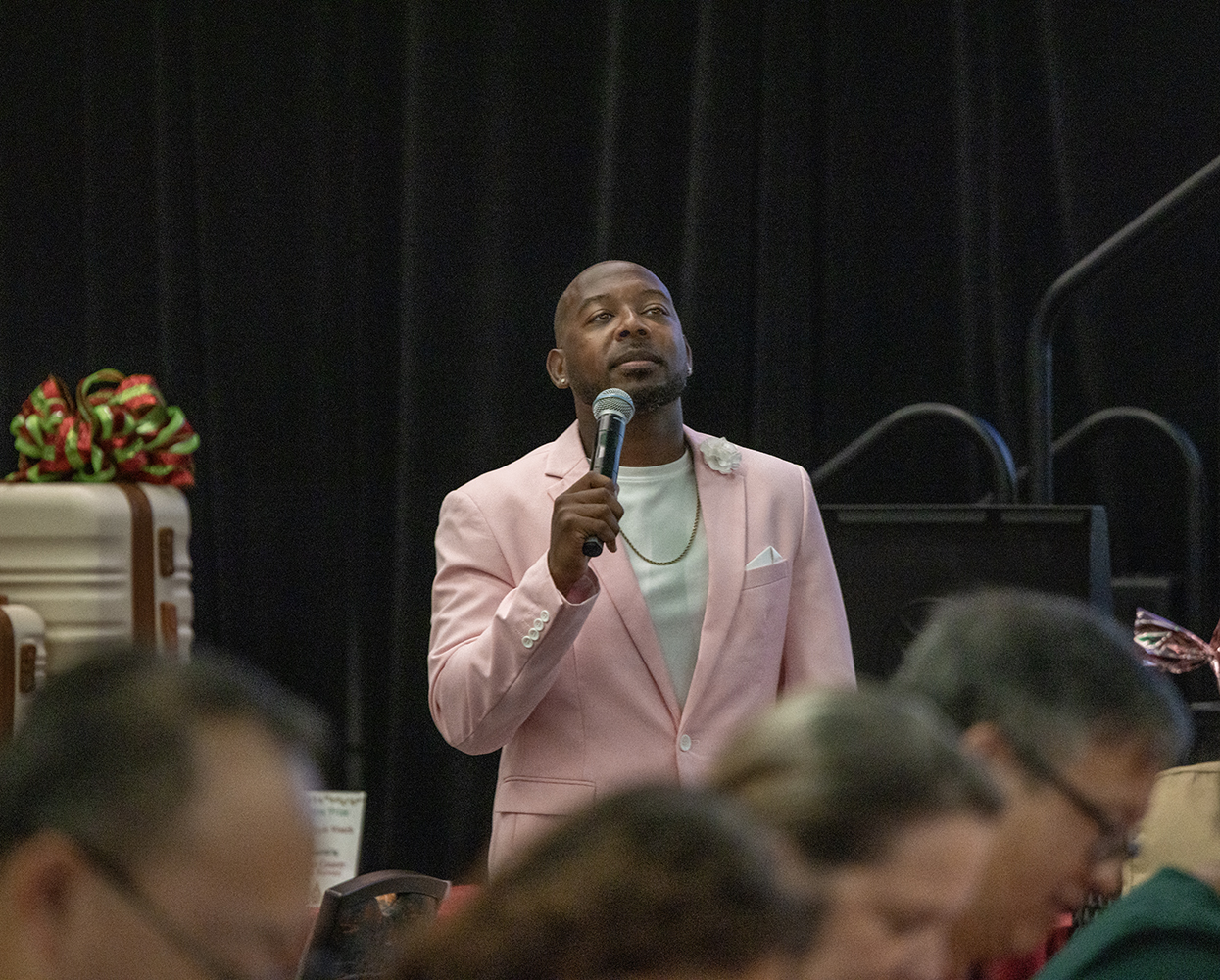
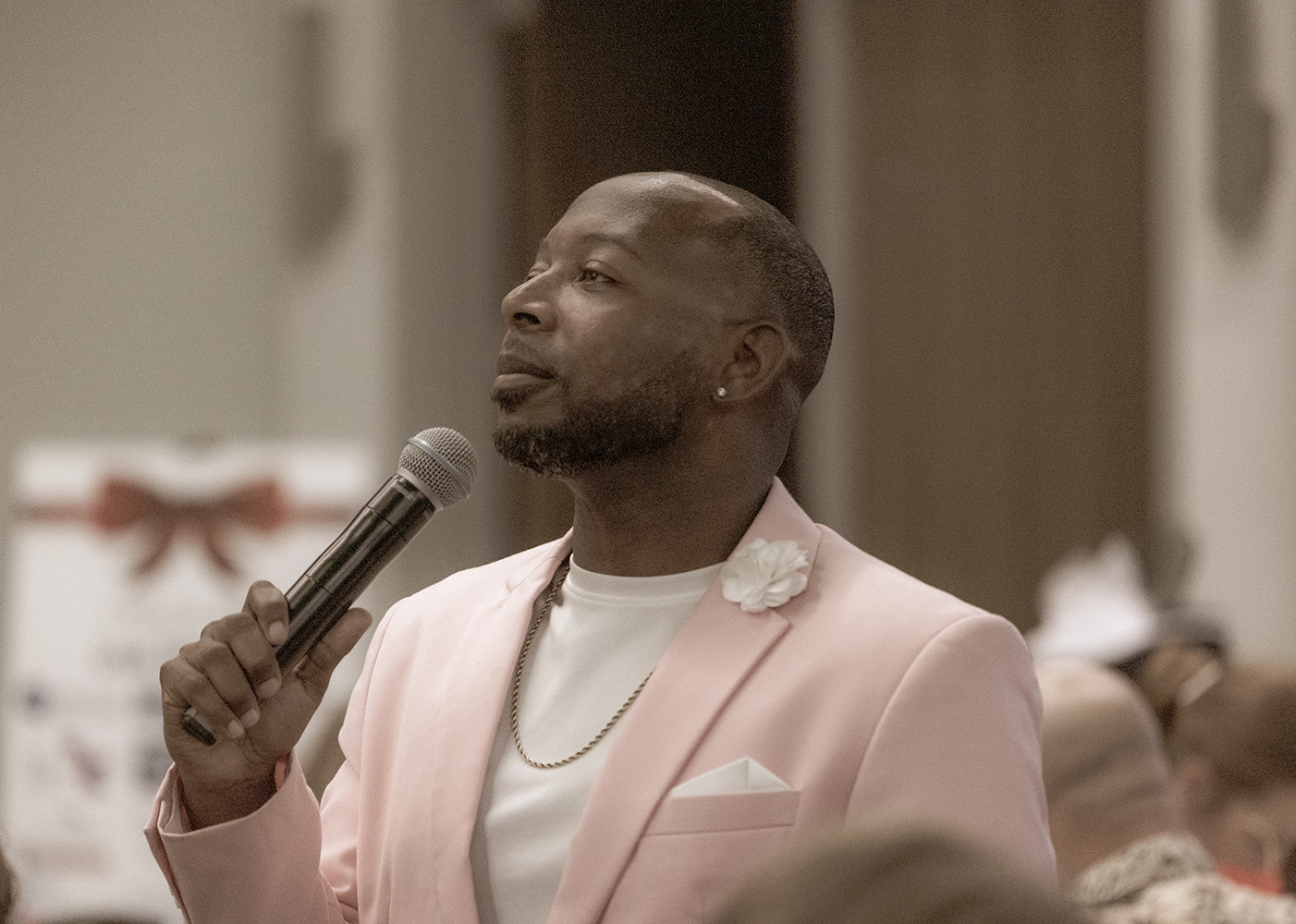
…which was expertly MC’d by Terrence Bell…
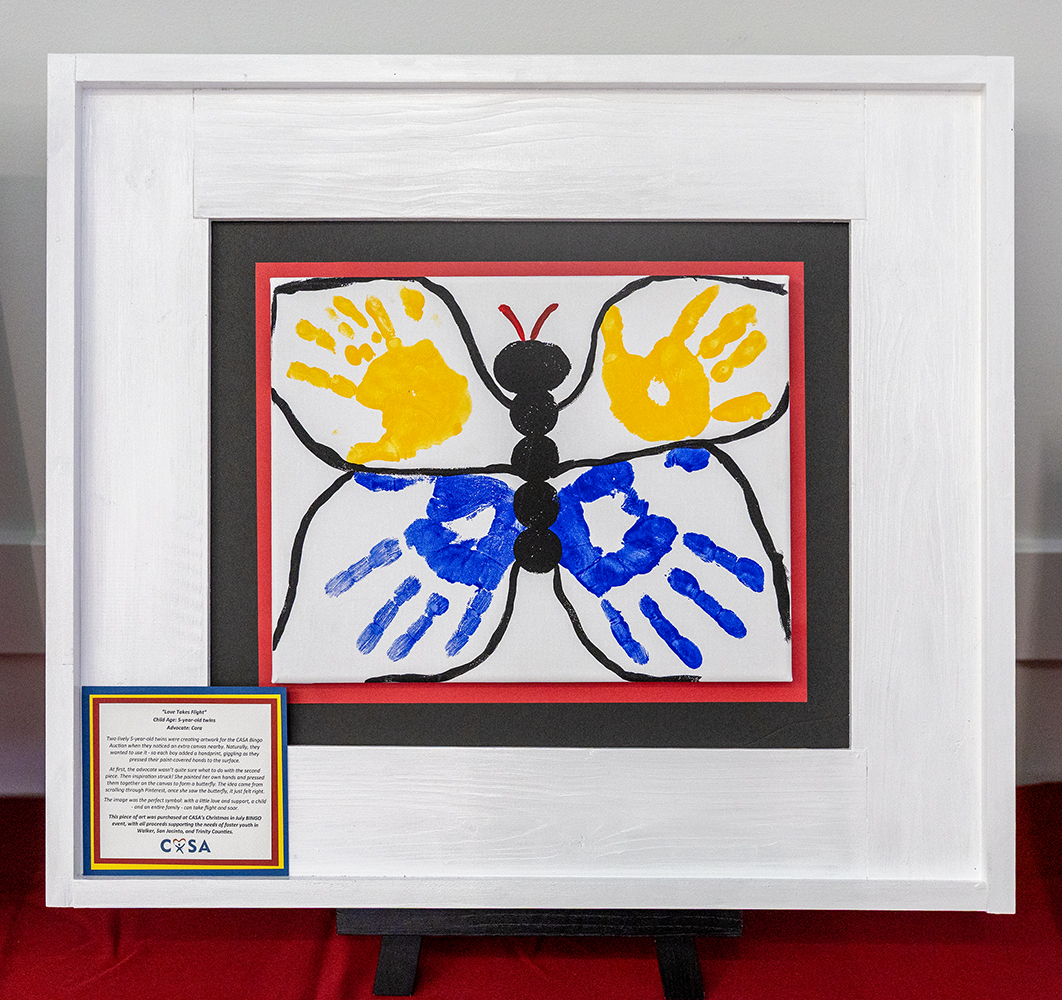
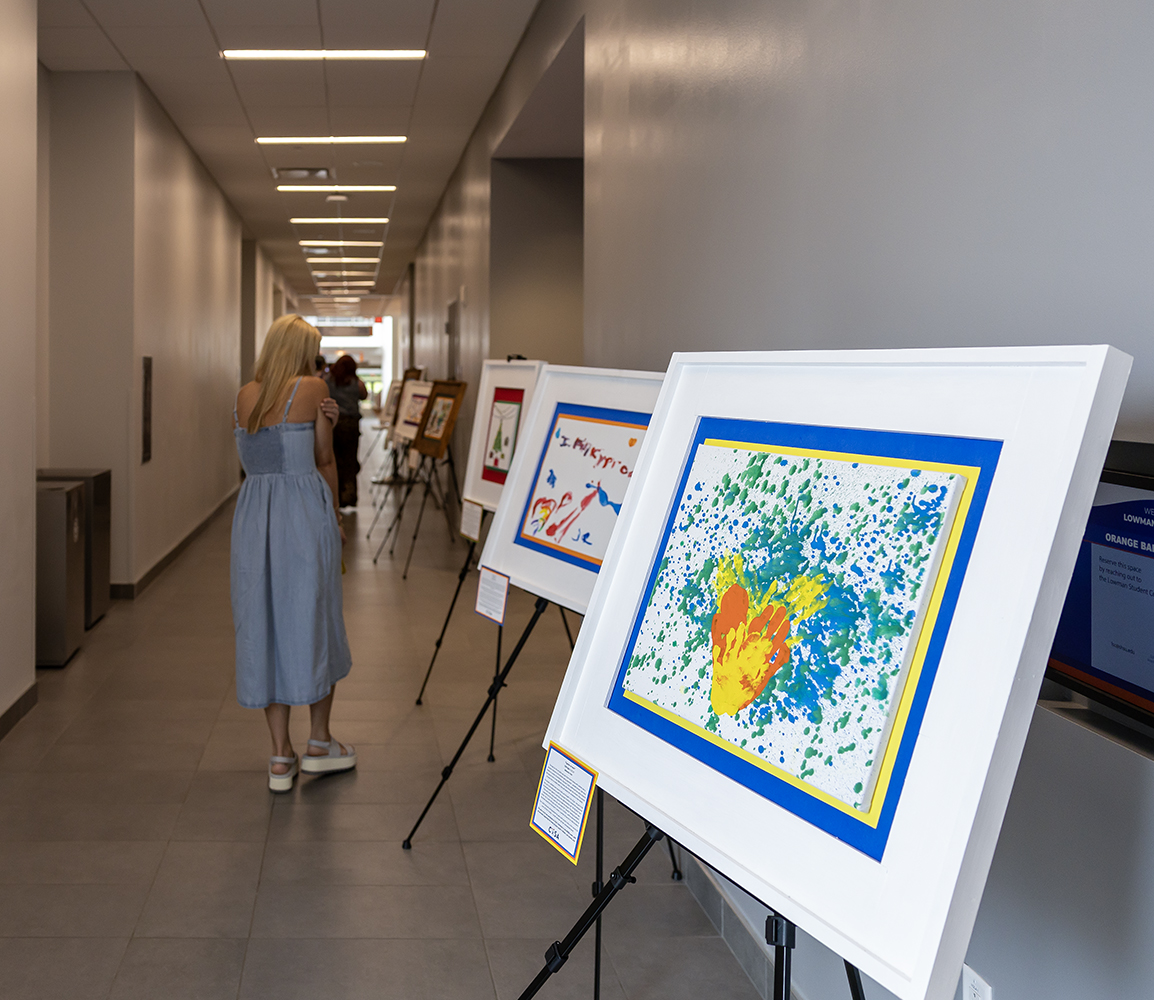
…a silent auction, and a live auction of artwork created by children involved in CASA programming.


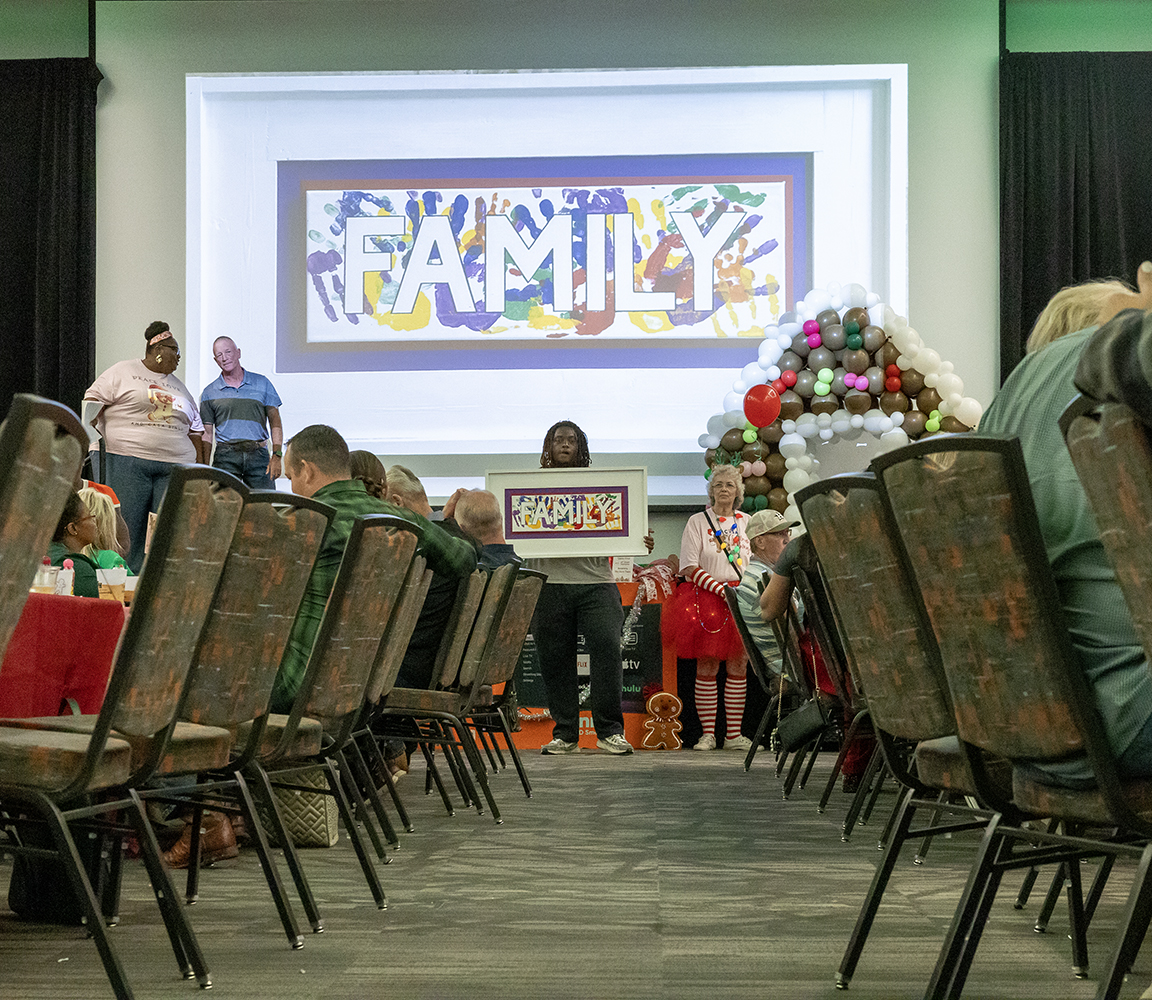
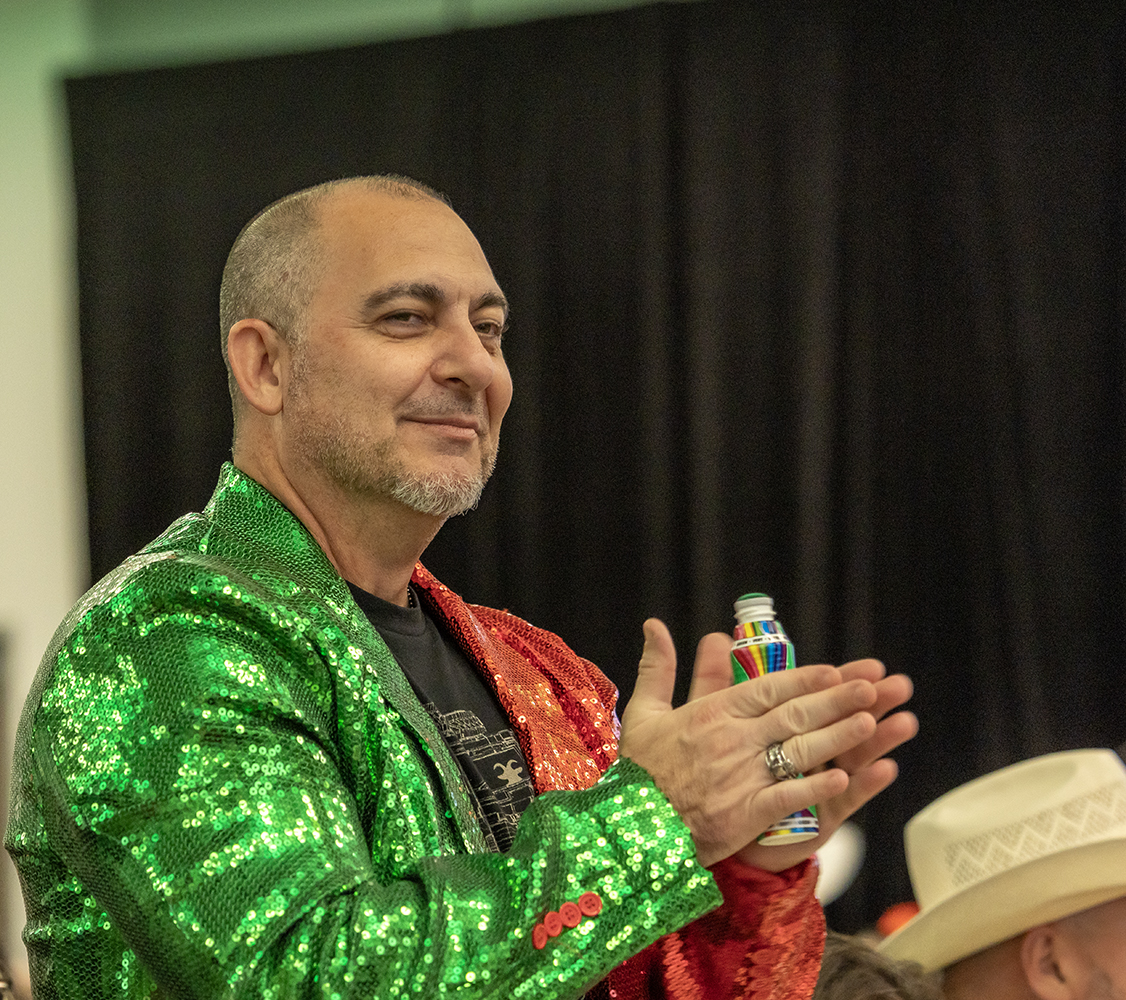
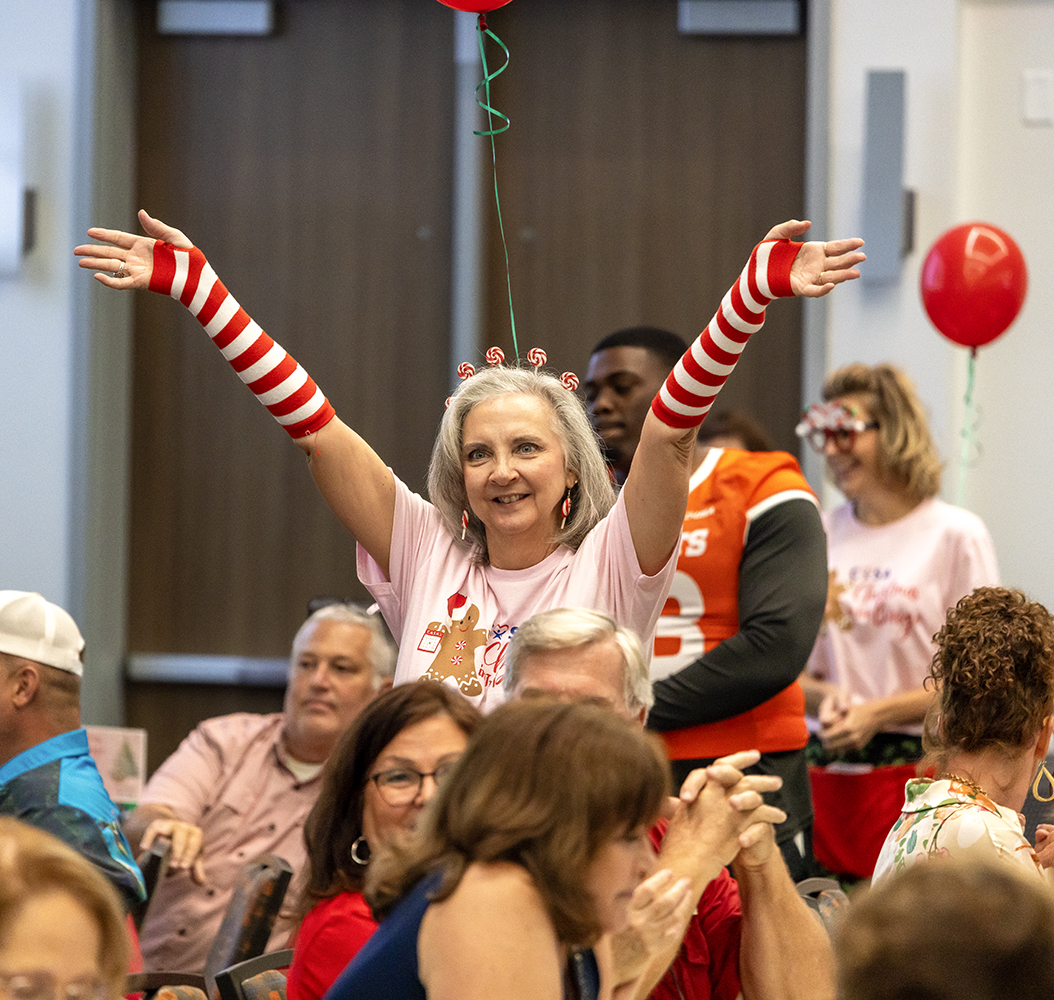
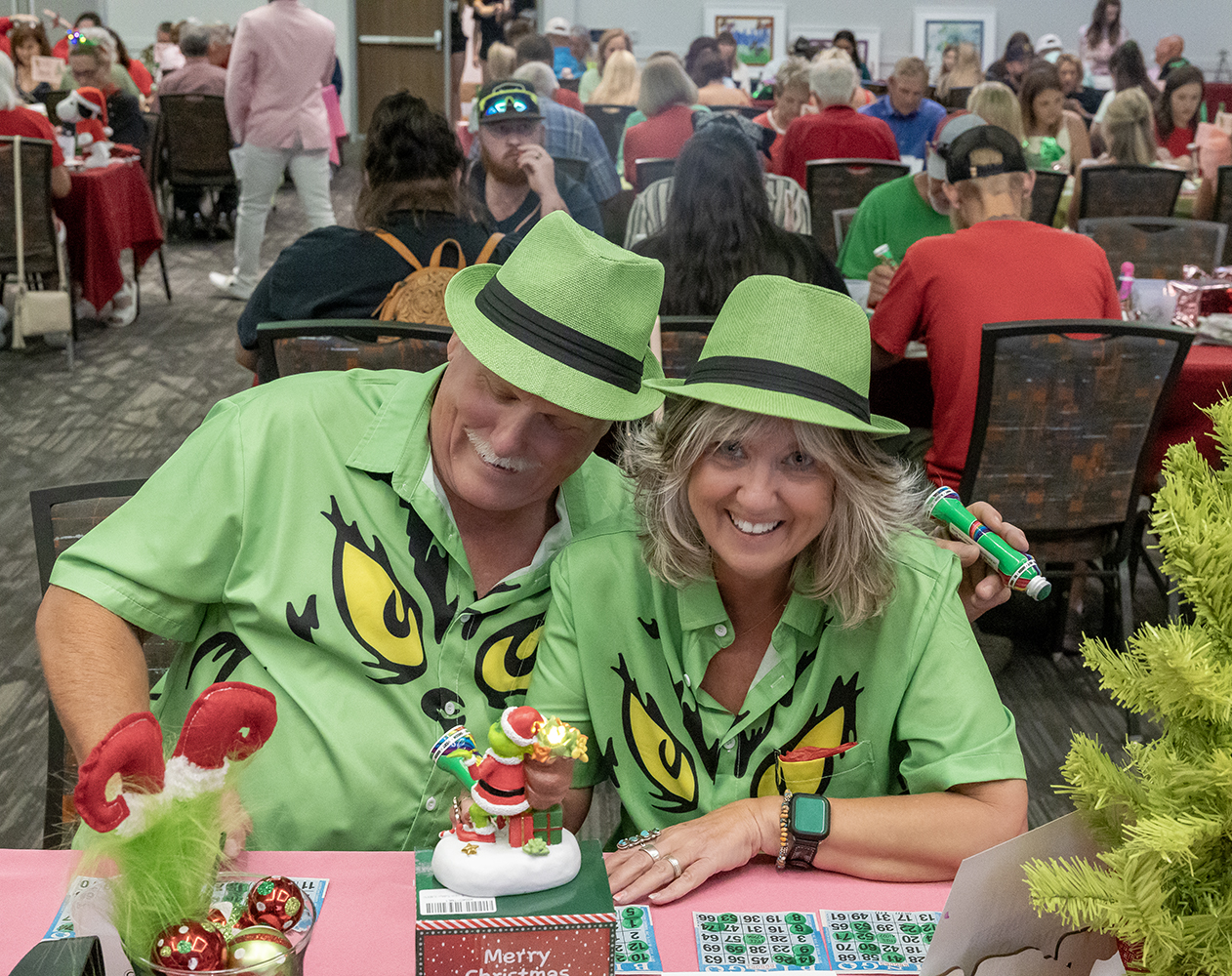
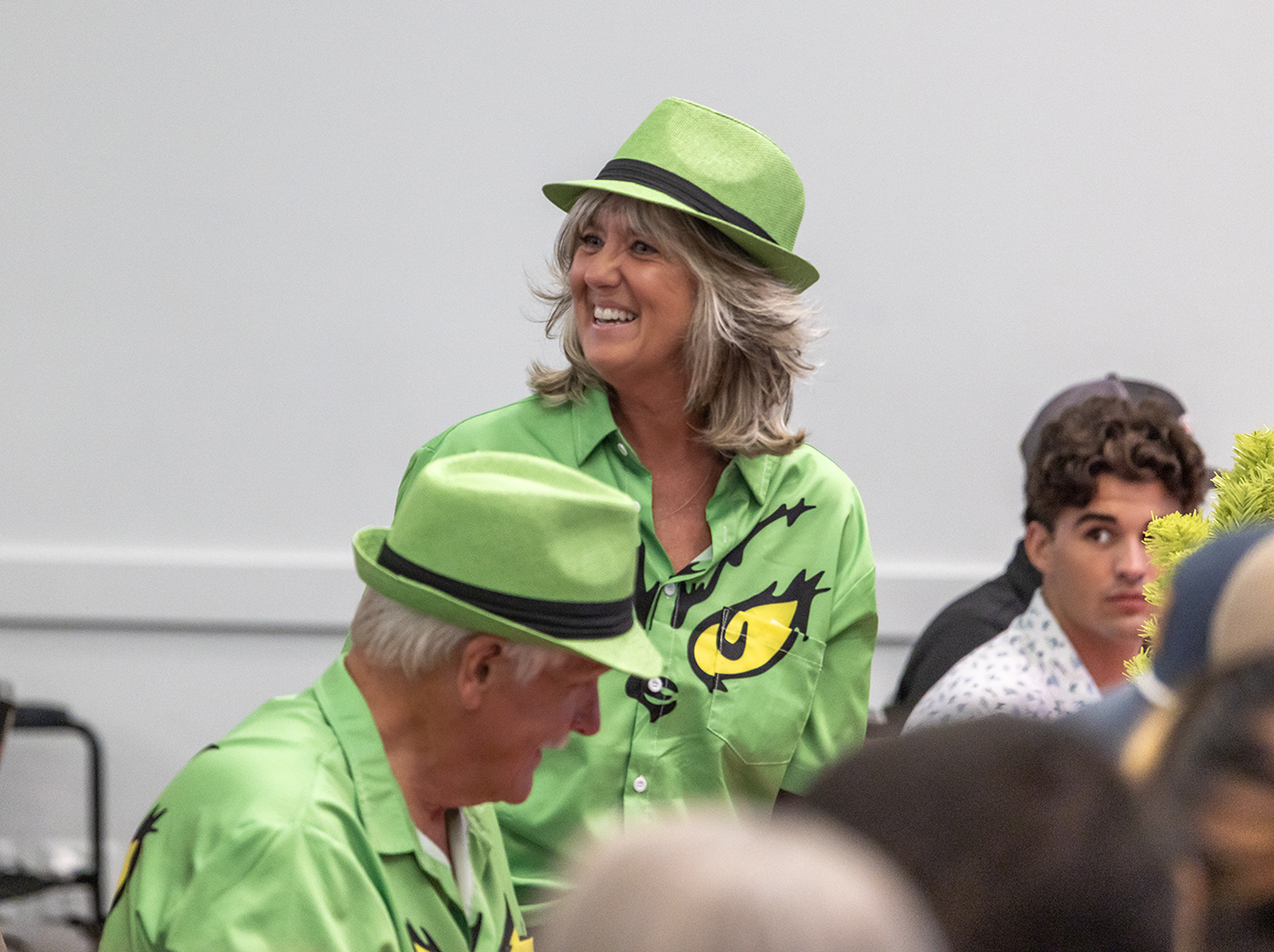
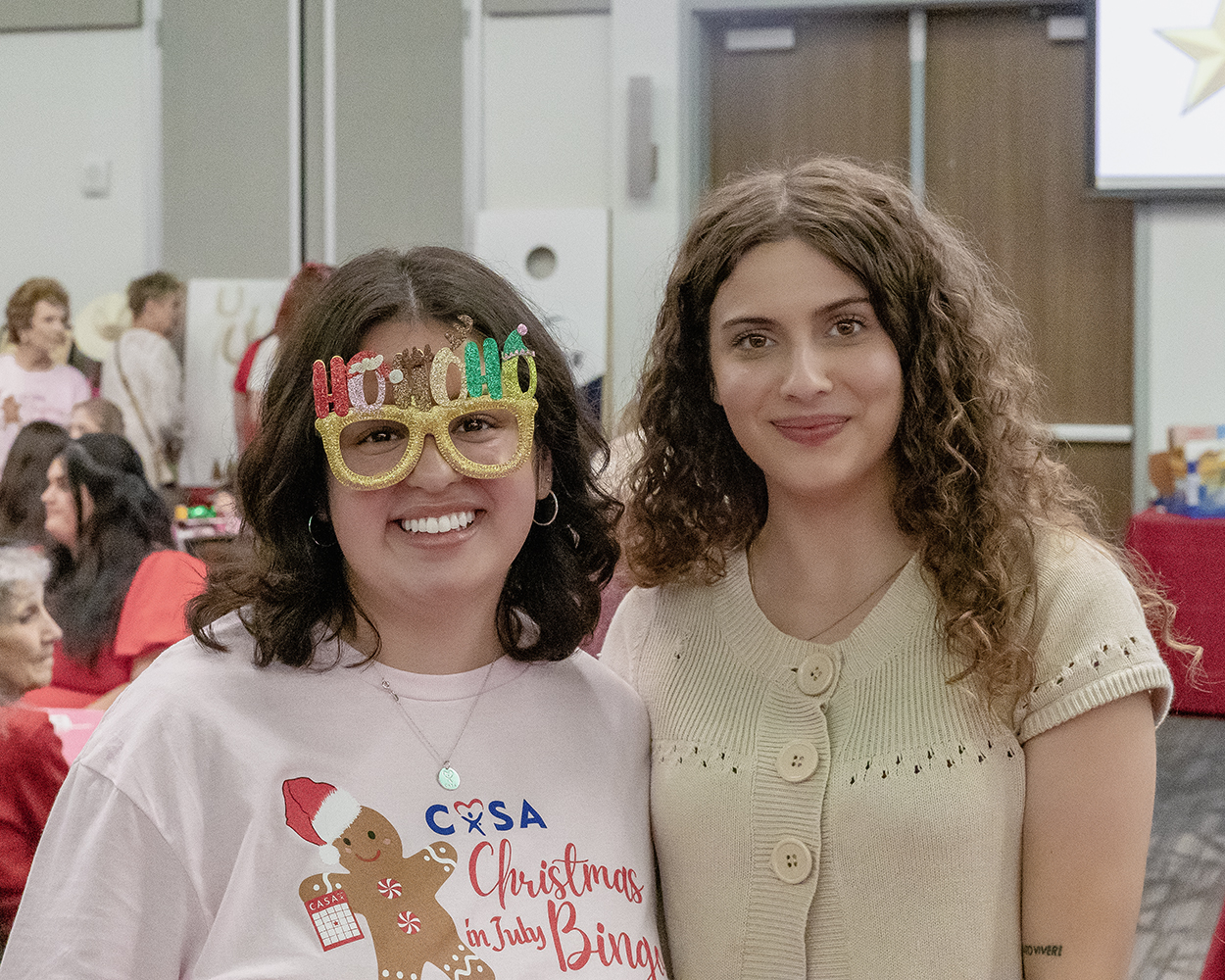
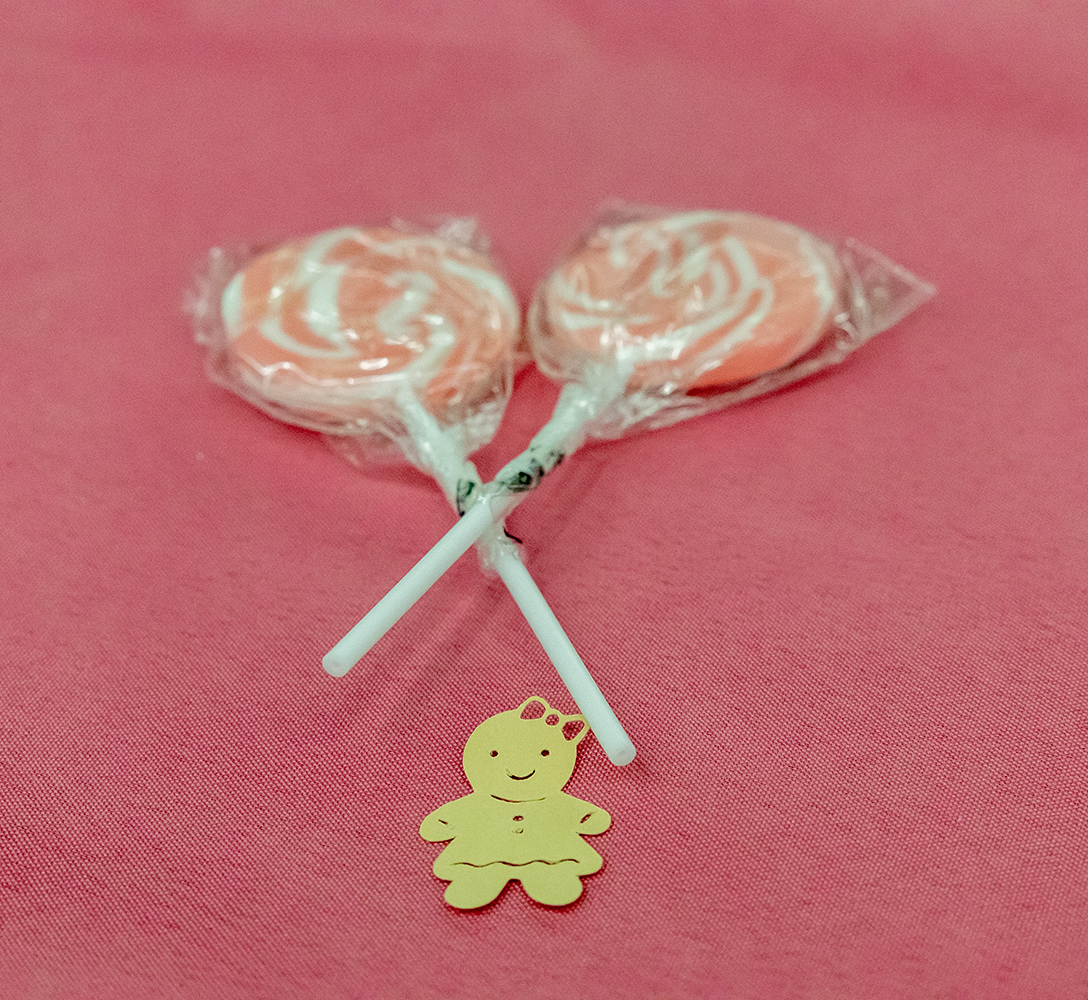
Raffle prizes included high-value items such as a $1,500 VISA gift card and diamond jewelry, while (some) guests embraced the evening’s “Gingerbread Christmas” theme with the contradictory summer holiday attire.

The fundraiser supports CASA’s ongoing efforts to recruit, train, and supervise volunteers who serve as advocates for children involved in the child welfare system. And while CASA is a national organization, it is managed locally, with dedicated staff such as Kim Weiser (Director)…
…Laura Green (Development Director/Event Planner)…
Rachel Drake (Program Director), Sharee Brabits (Advocate Supervisor) and Katy Thompson (Advocate Supervisor) overseeing Walker, San Jacinto, and Trinity counties.
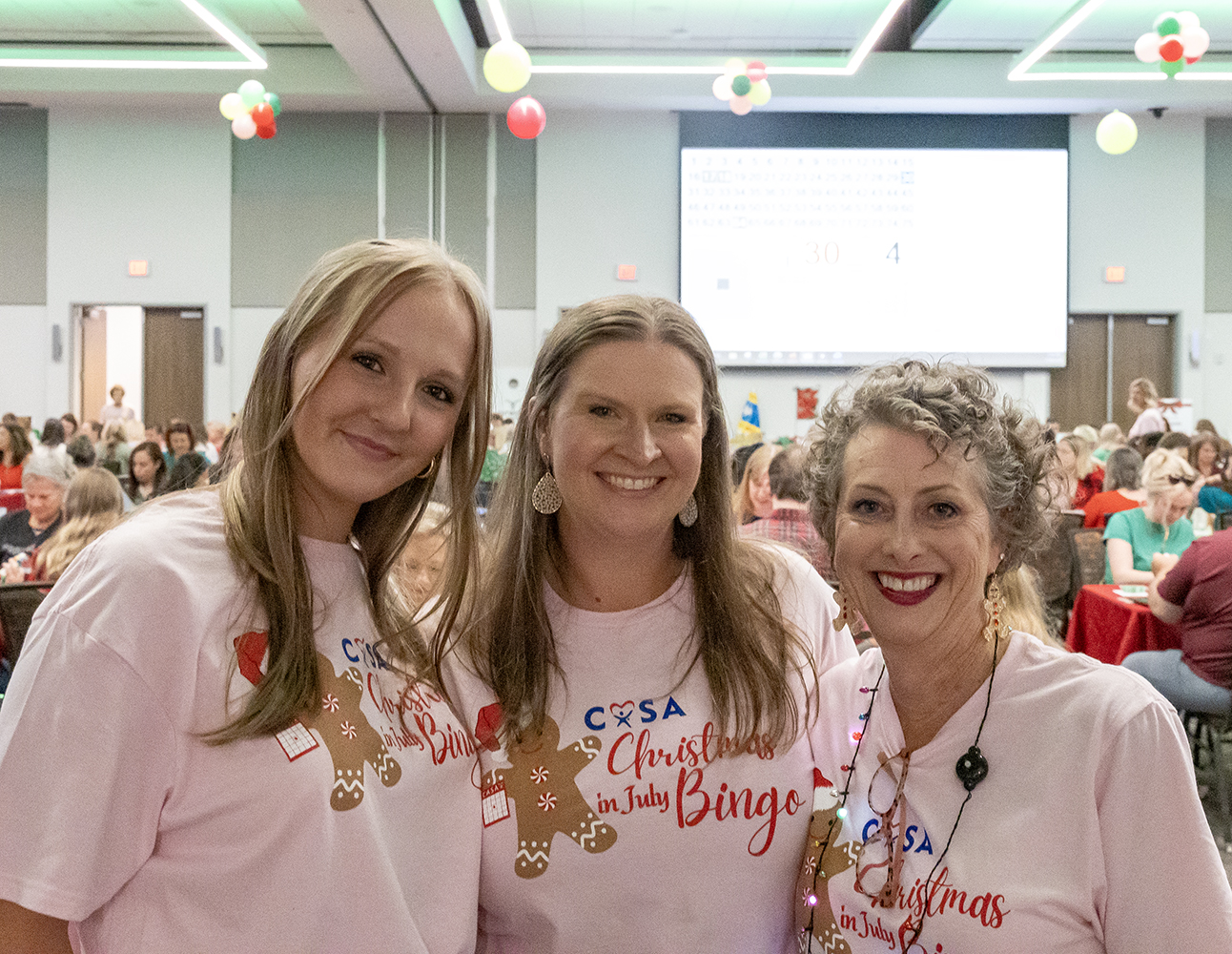
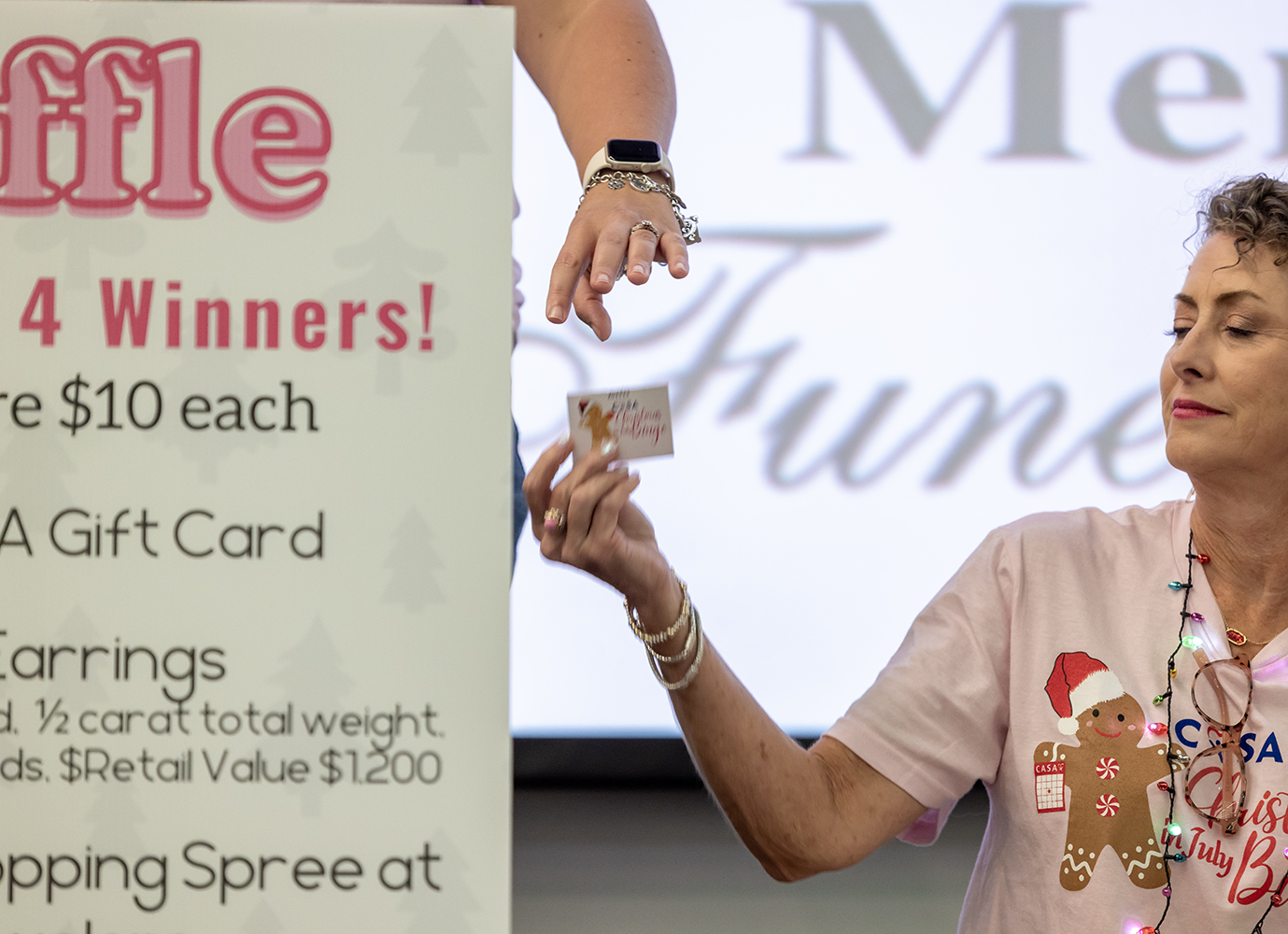
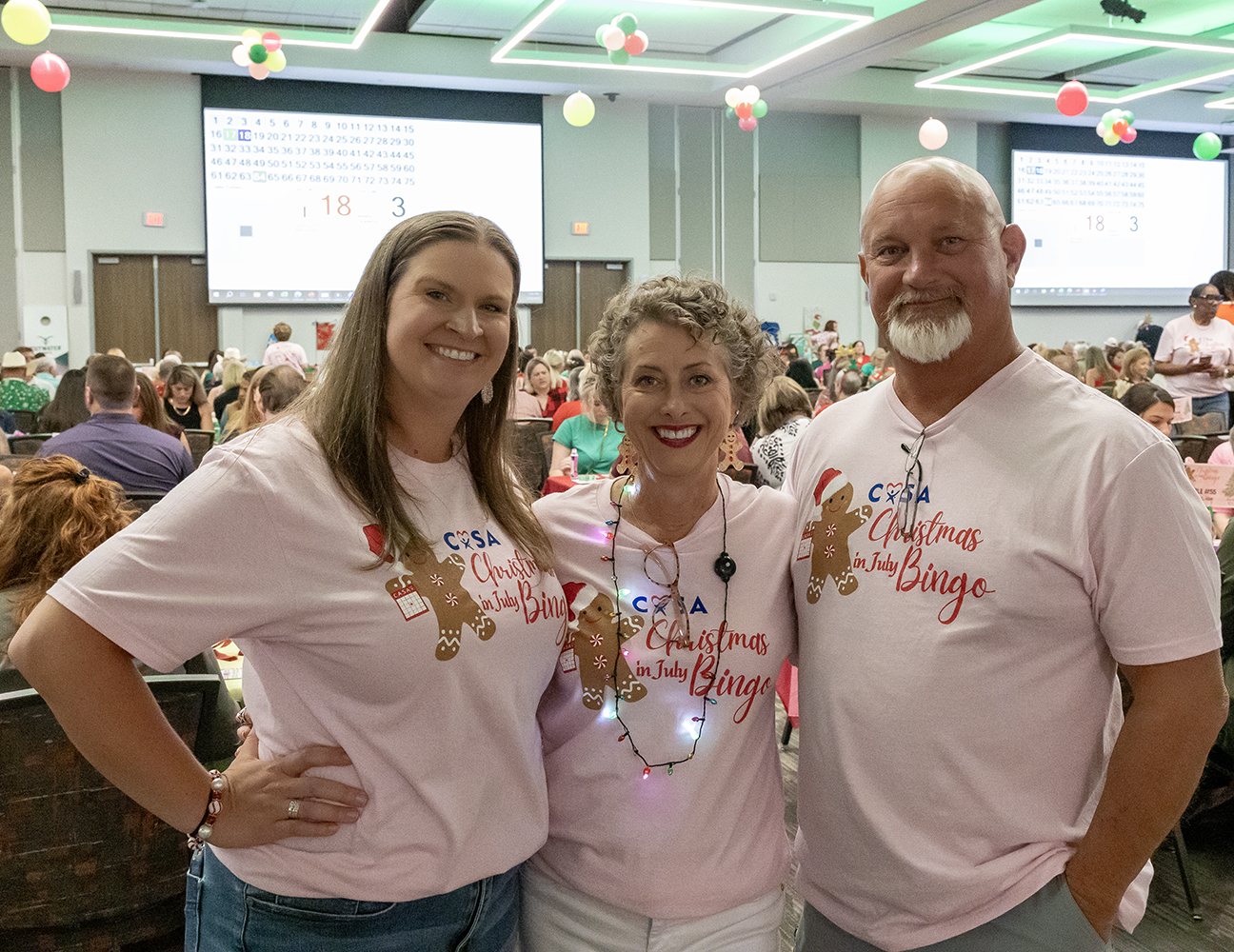
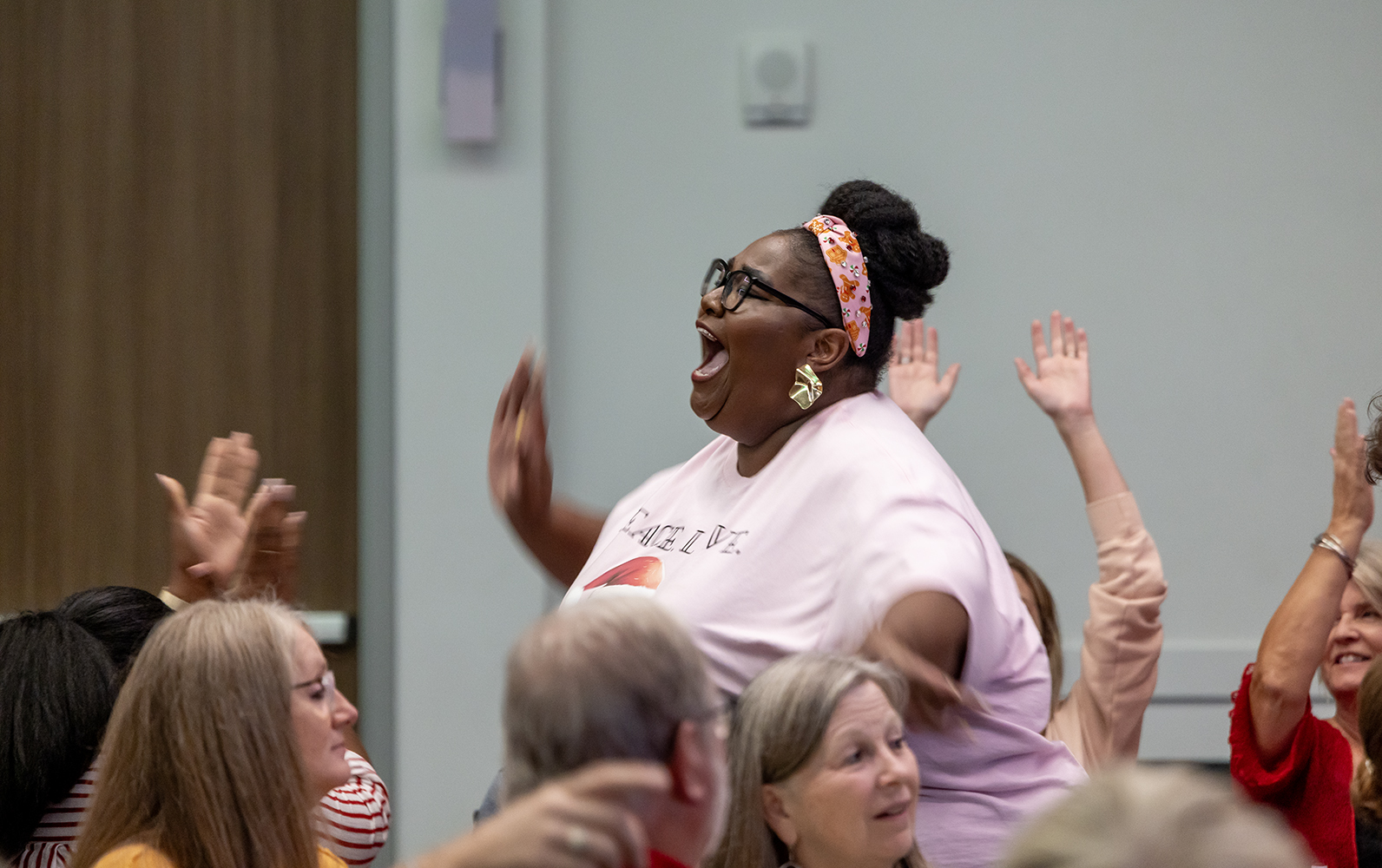
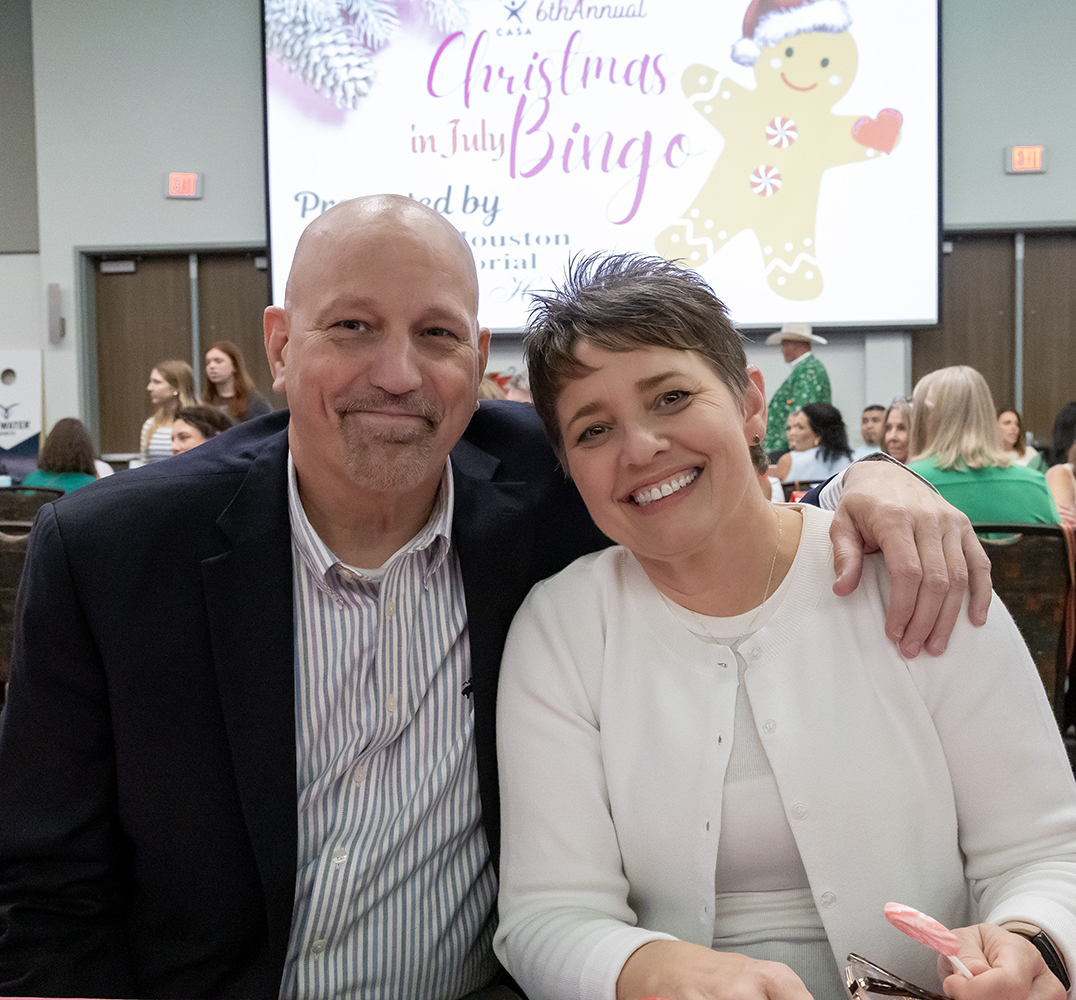
Also on hand were many of its board members, including SHSU’s own Victoria White, who helped MC the event–she also won a Bingo game!
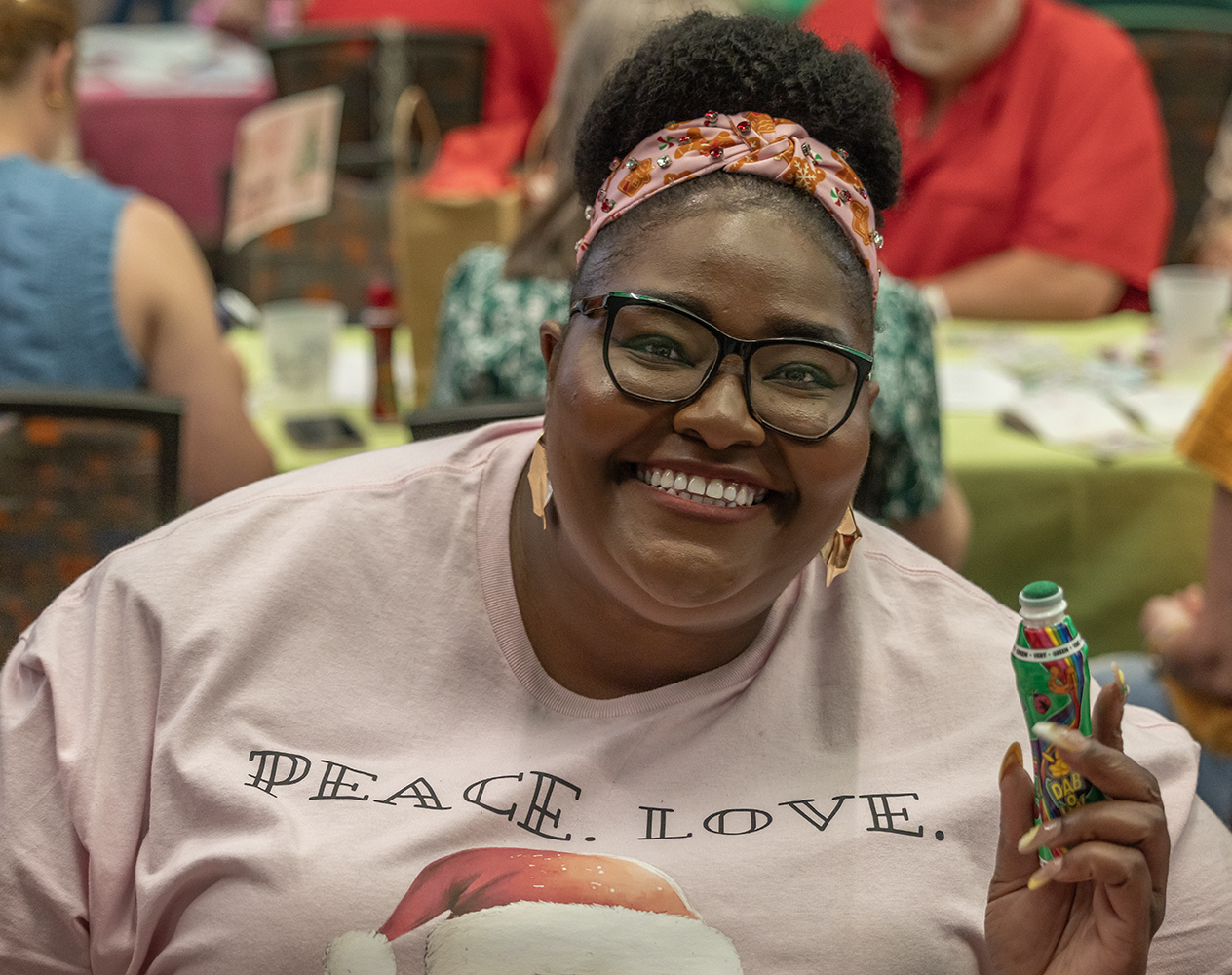
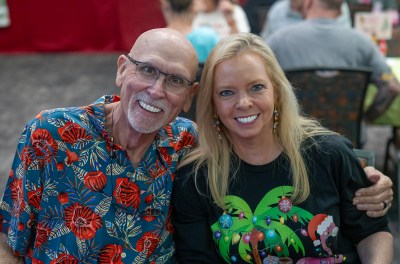
Greg Smith with the Sam Houston Memorial Funeral Home;
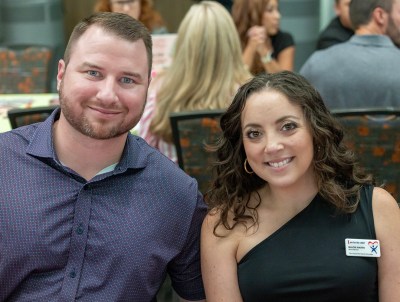
…and Malori Martin, Assistant District Attorney with the Walker County District Attorney’s Office…
…among many others.
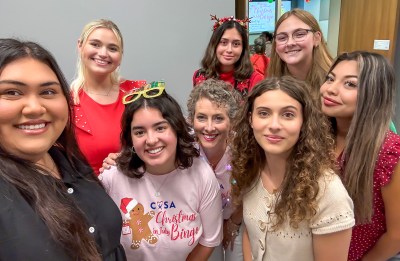
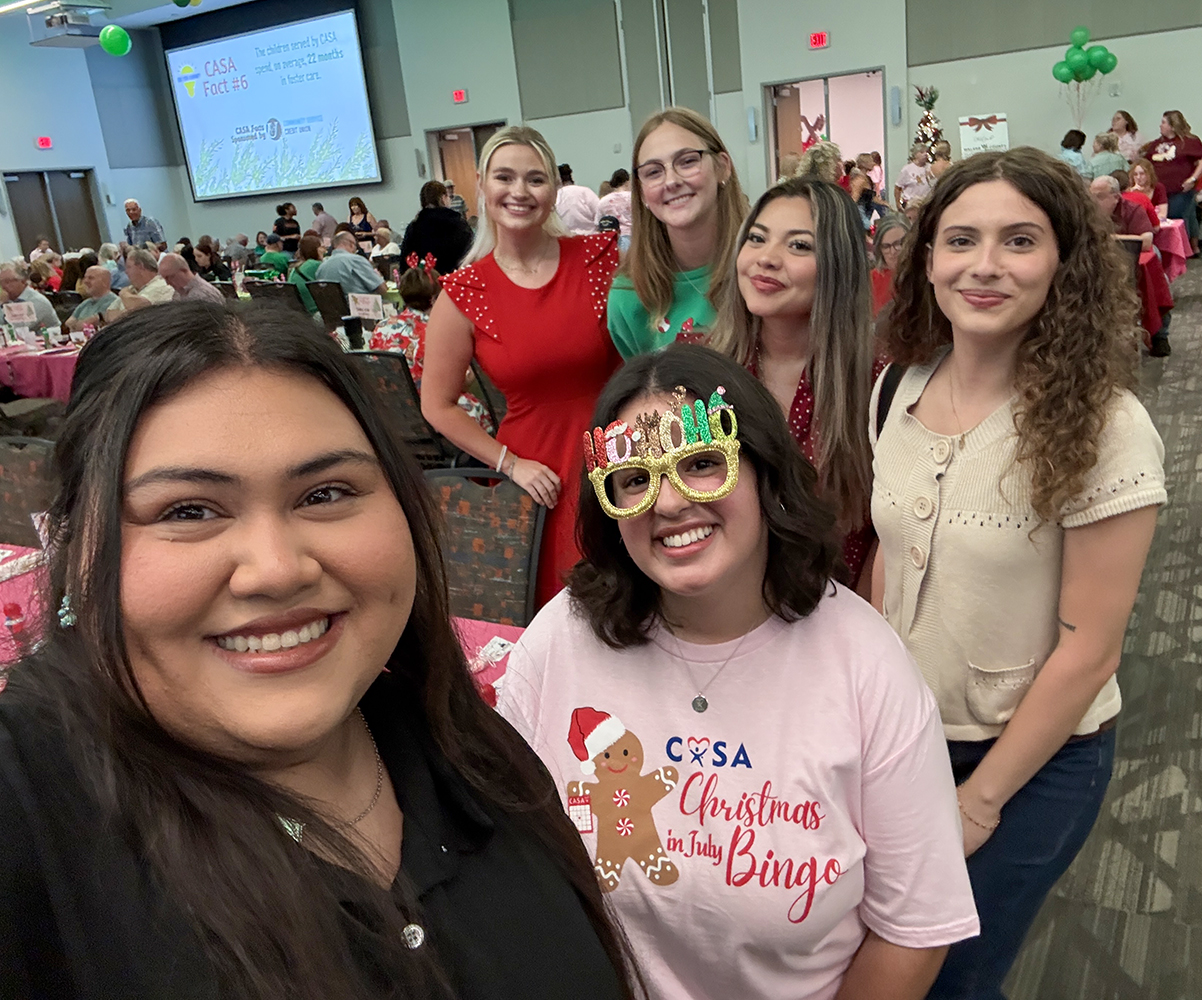
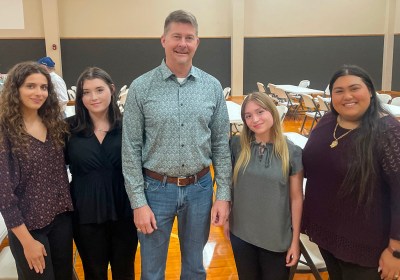
For LEAP, it was a great opportunity to bring together students who have spent at least part of the summer in disparate places. Michelle Cardenas spent much of the summer interning in Austin for Governor Greg Abbott; Makenna McDaniel moved from internship (in Austin, with Rep. Will Metcalf) to another (Huntsville, with Rep. Trey Wharton)…
Olivia Discon has worked at the City of Huntsville; Sofia Soto moved to Huntsville to intern with the City;
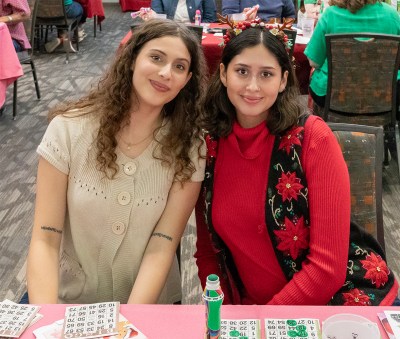
Michelle Moya is still living in Montgomery County, while commuting to Huntsville and working for Rep. Trey Wharton; and Olivia McCaughan drove in from Prosper, TX, specifically for this event.
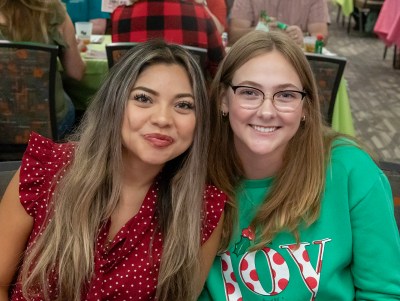
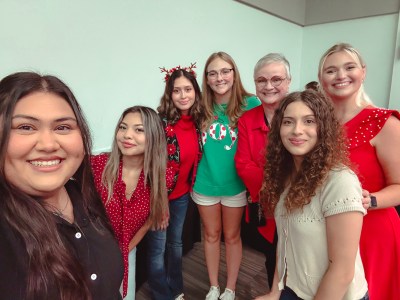
Together, we had the opportunity to see many leaders of the University and the community. We spent a little time with President White…
…whose husband, Elliott…
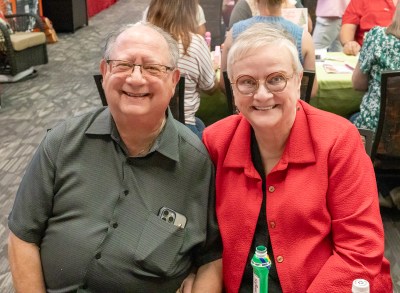
…helped sponsor the event and gave everyone a Christmas ornament!

We also saw Mayor Humphrey and City Manager Scott Swigert;
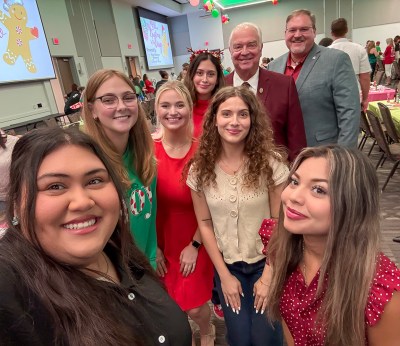
…had a chance to catch up with Jolynn Wharton;
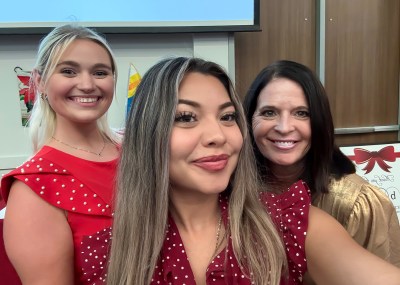
…said hi to council members Karen Denman and Vicki Mackenzie;
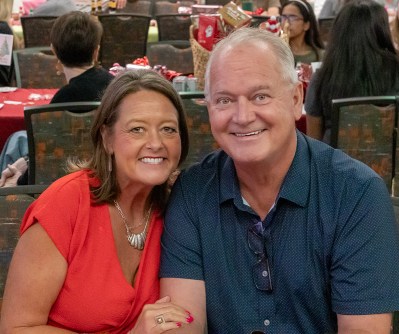
…caught up with Chamber President and CEO Jason Brandolini and his wife, Kendra Windisch…
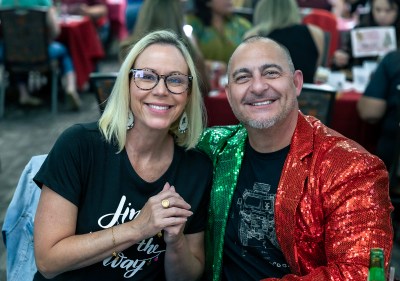
…as well as many other community leaders.
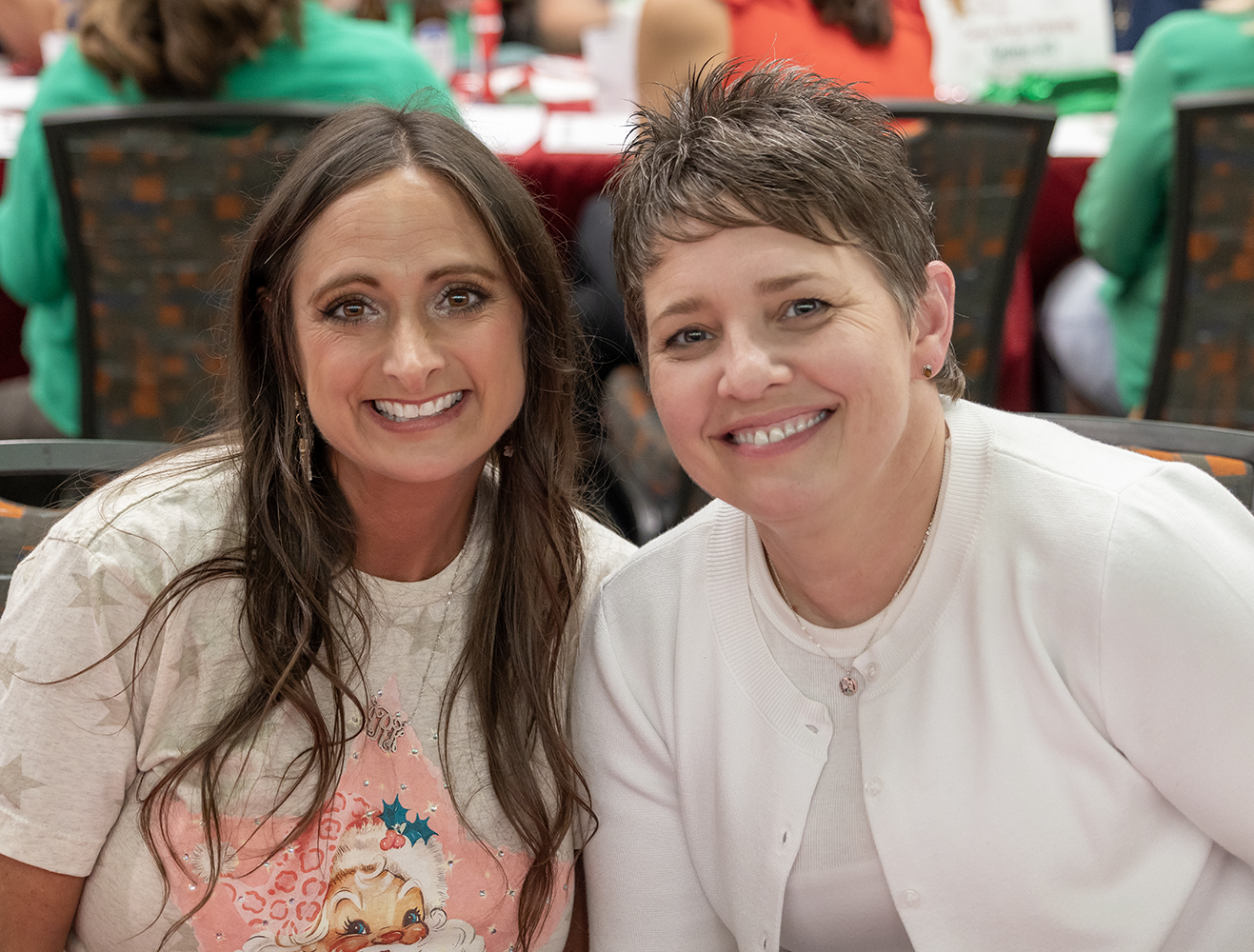
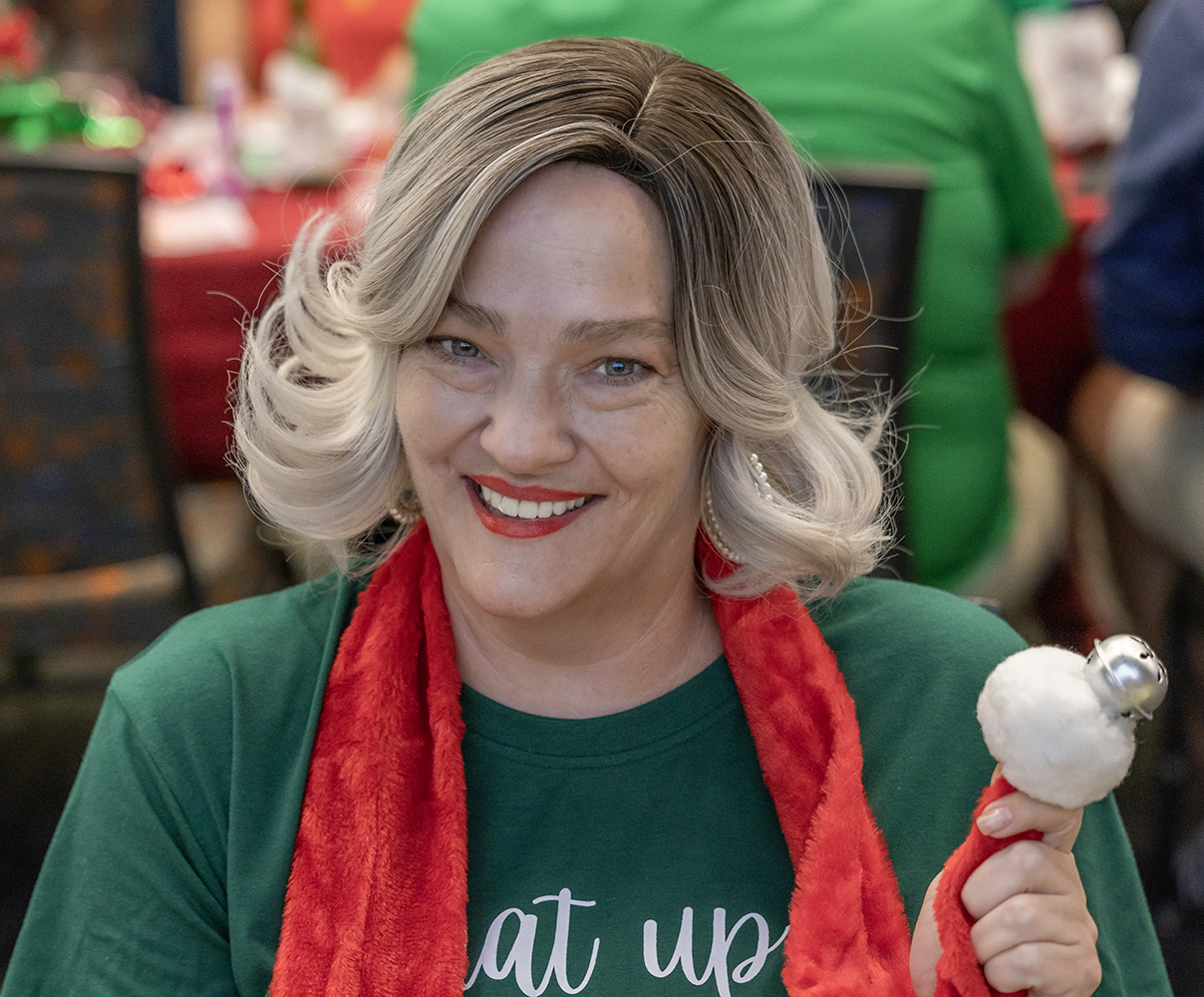
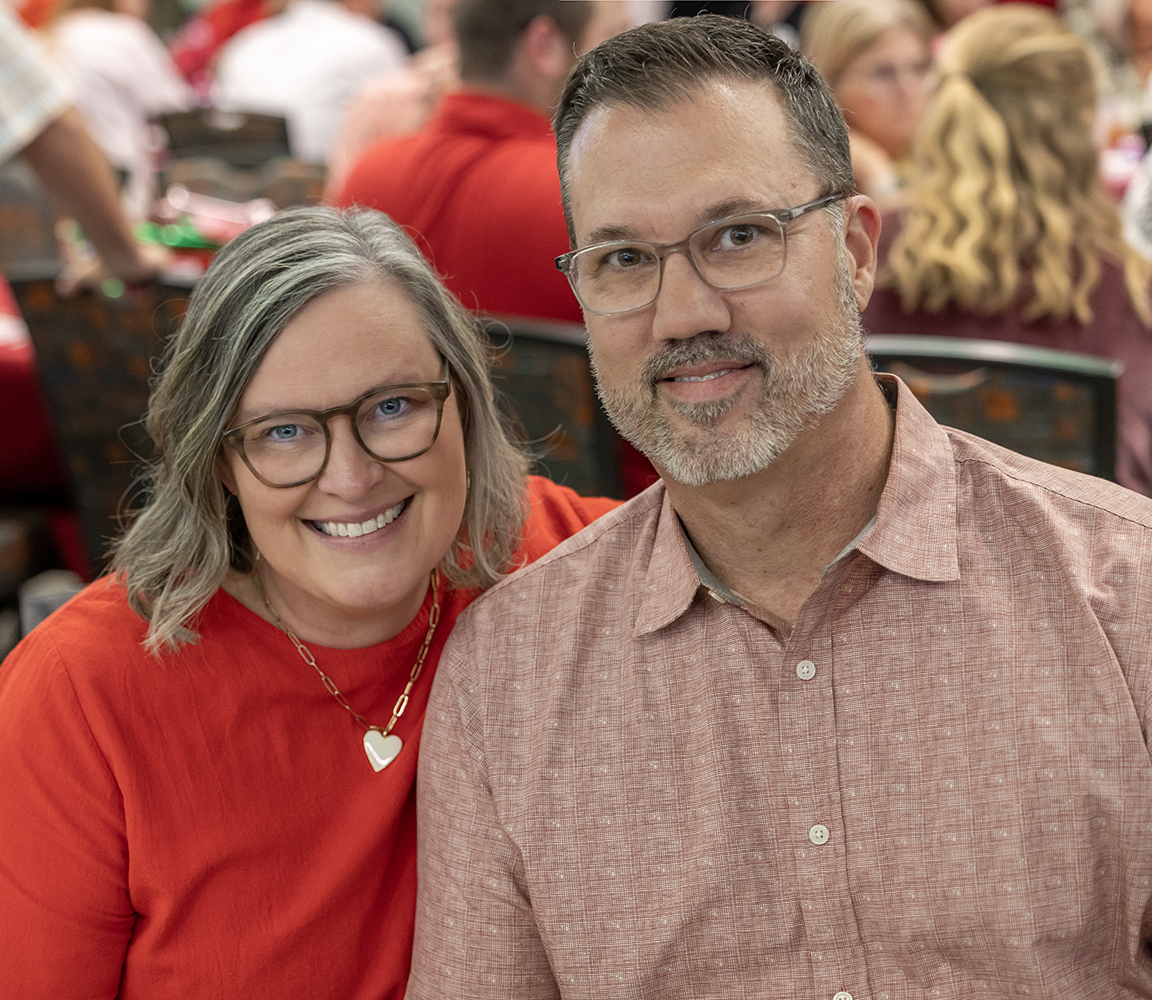
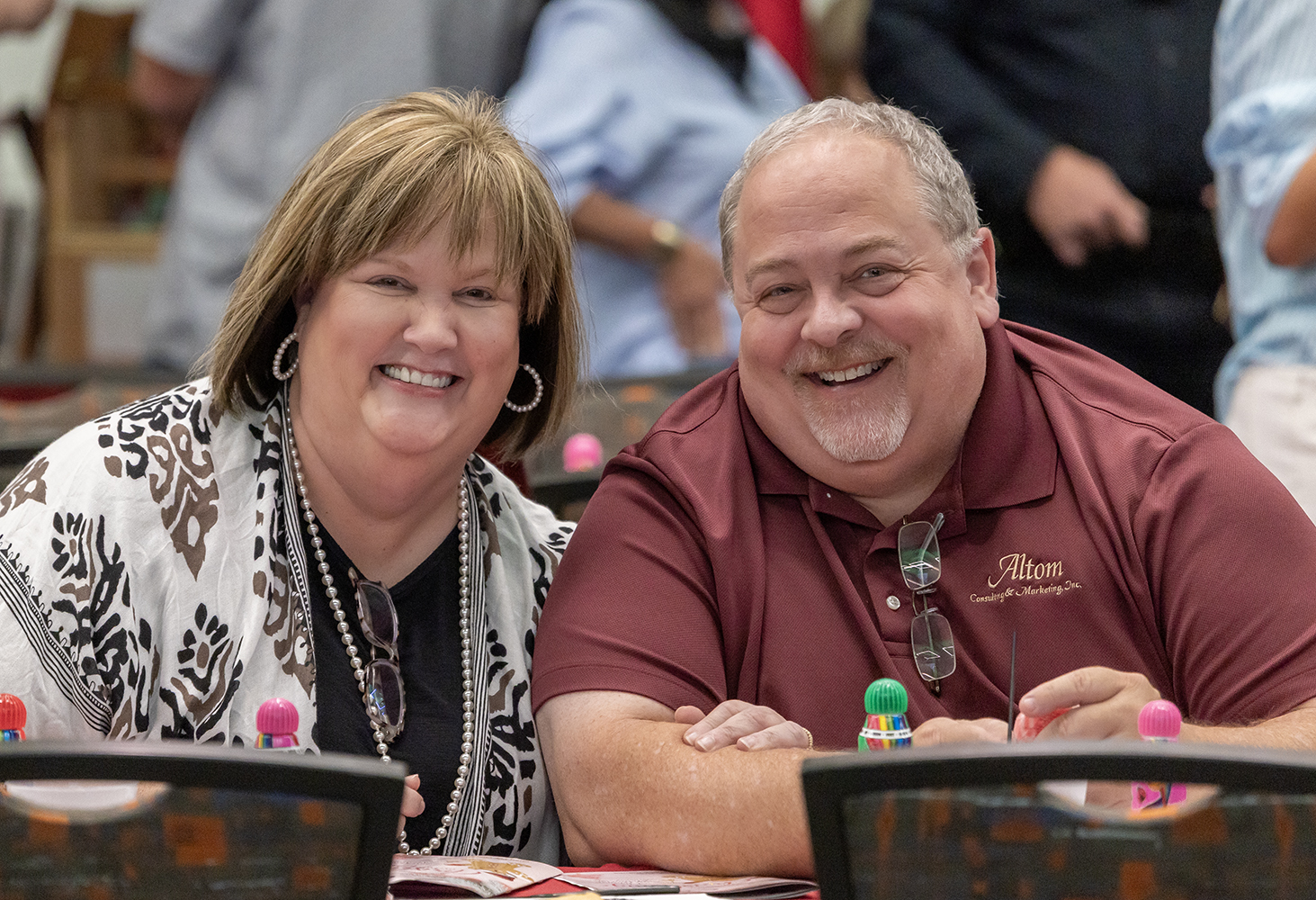
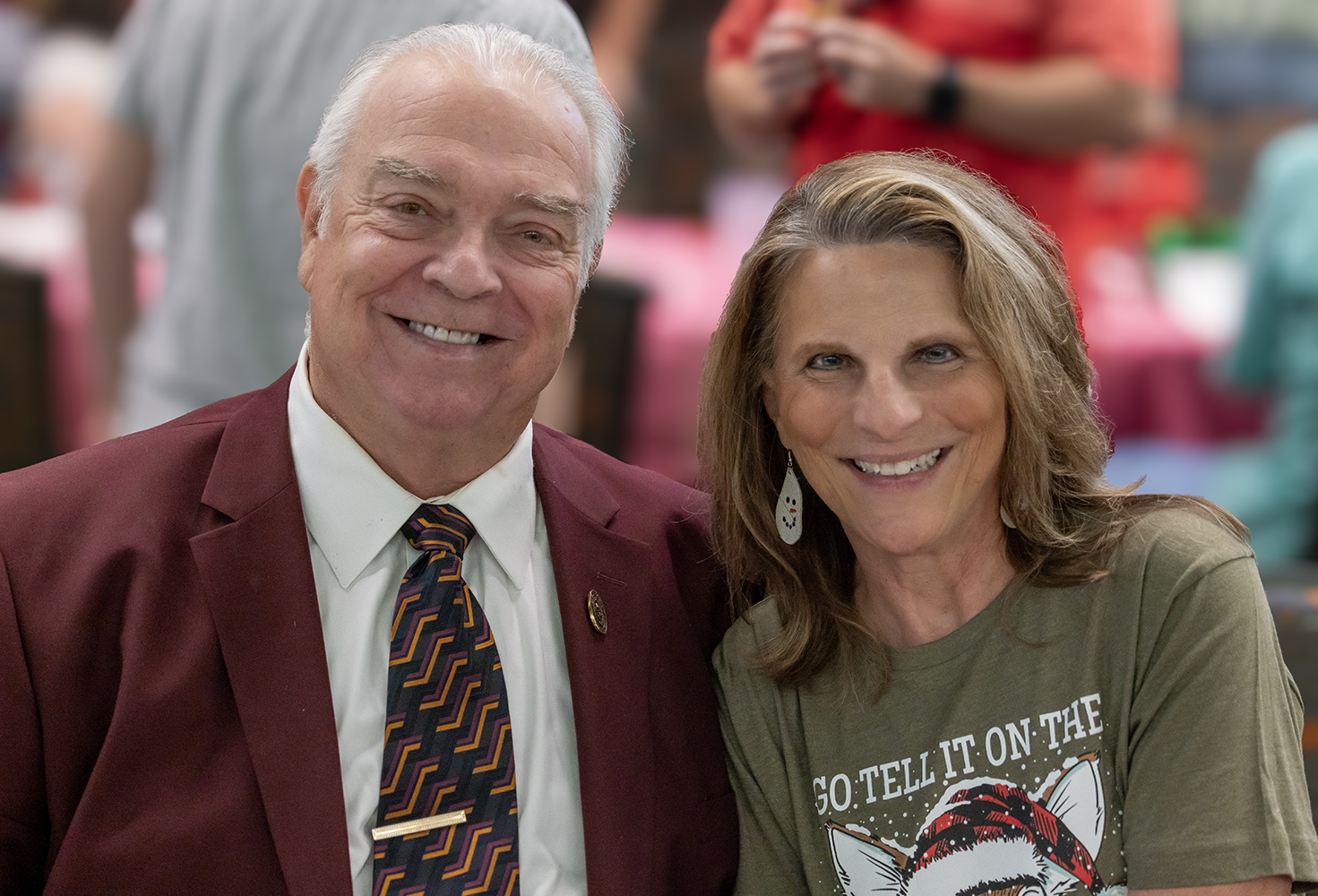
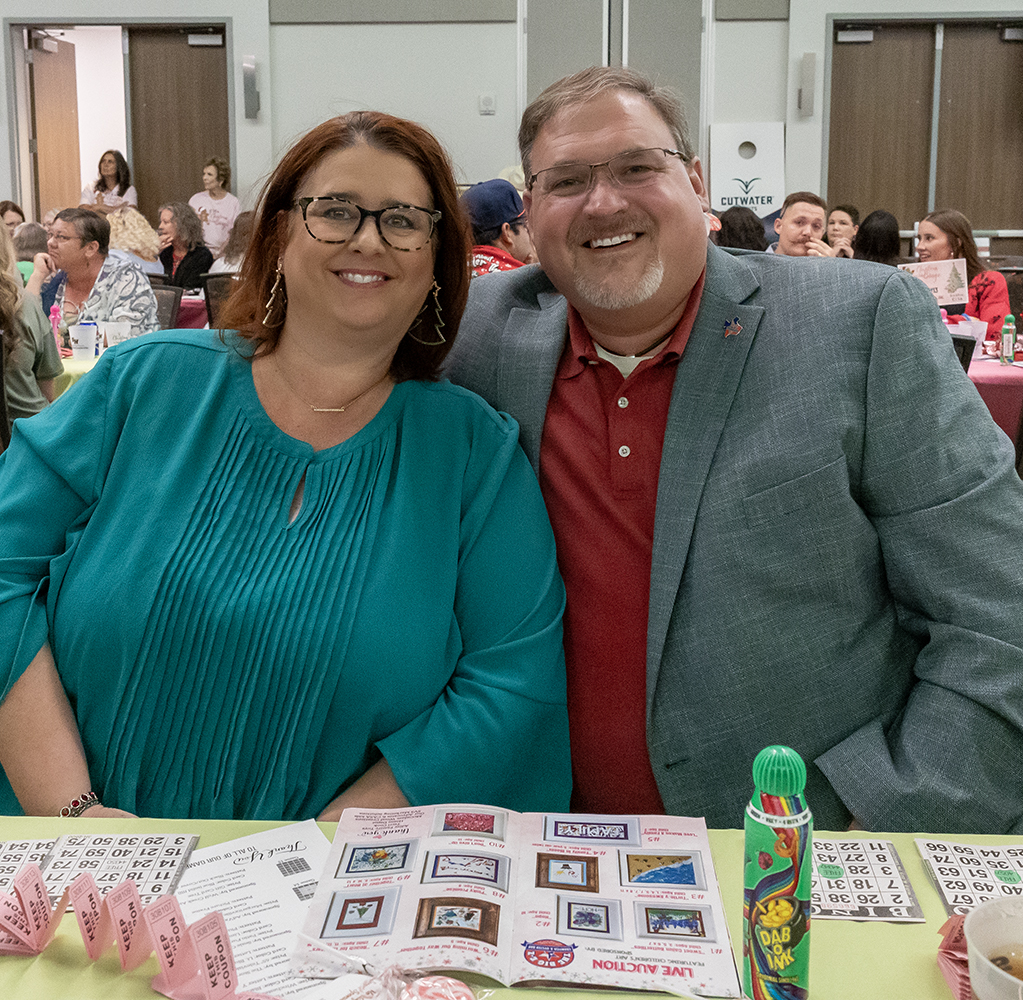
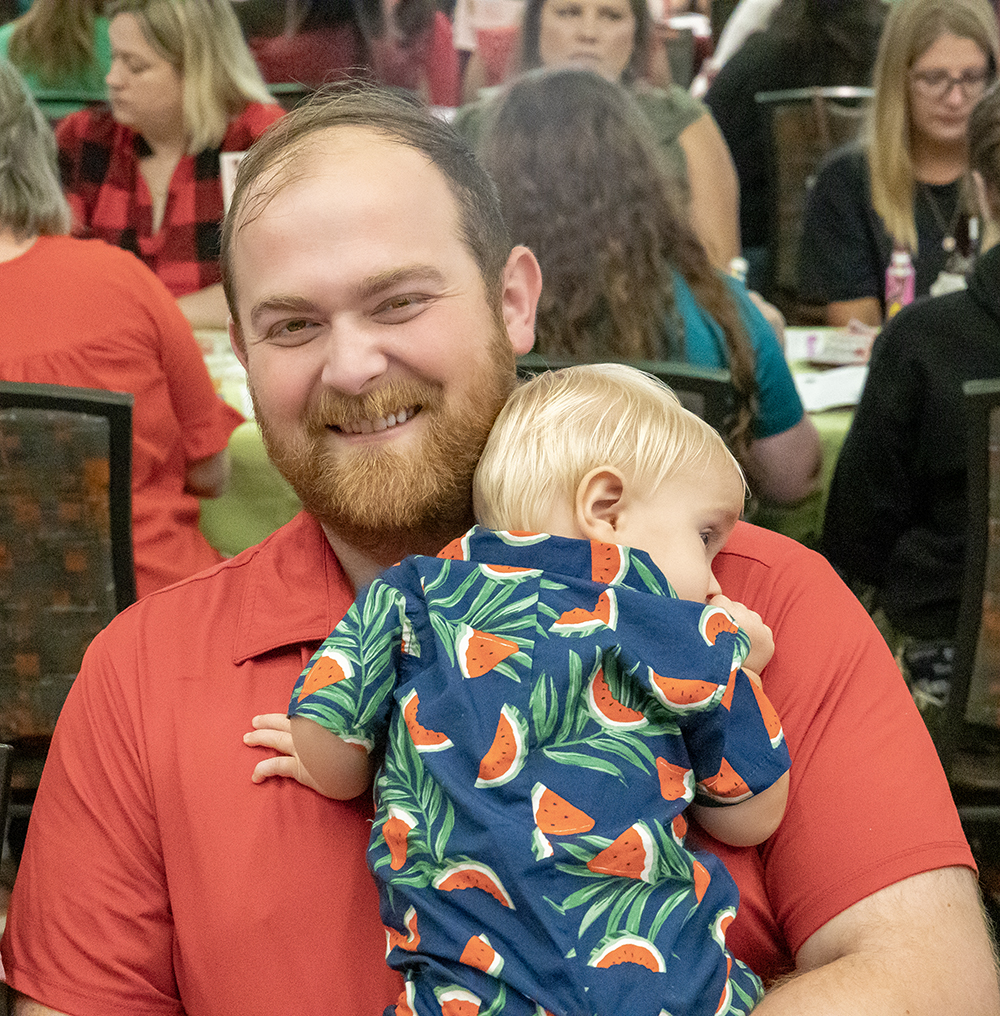
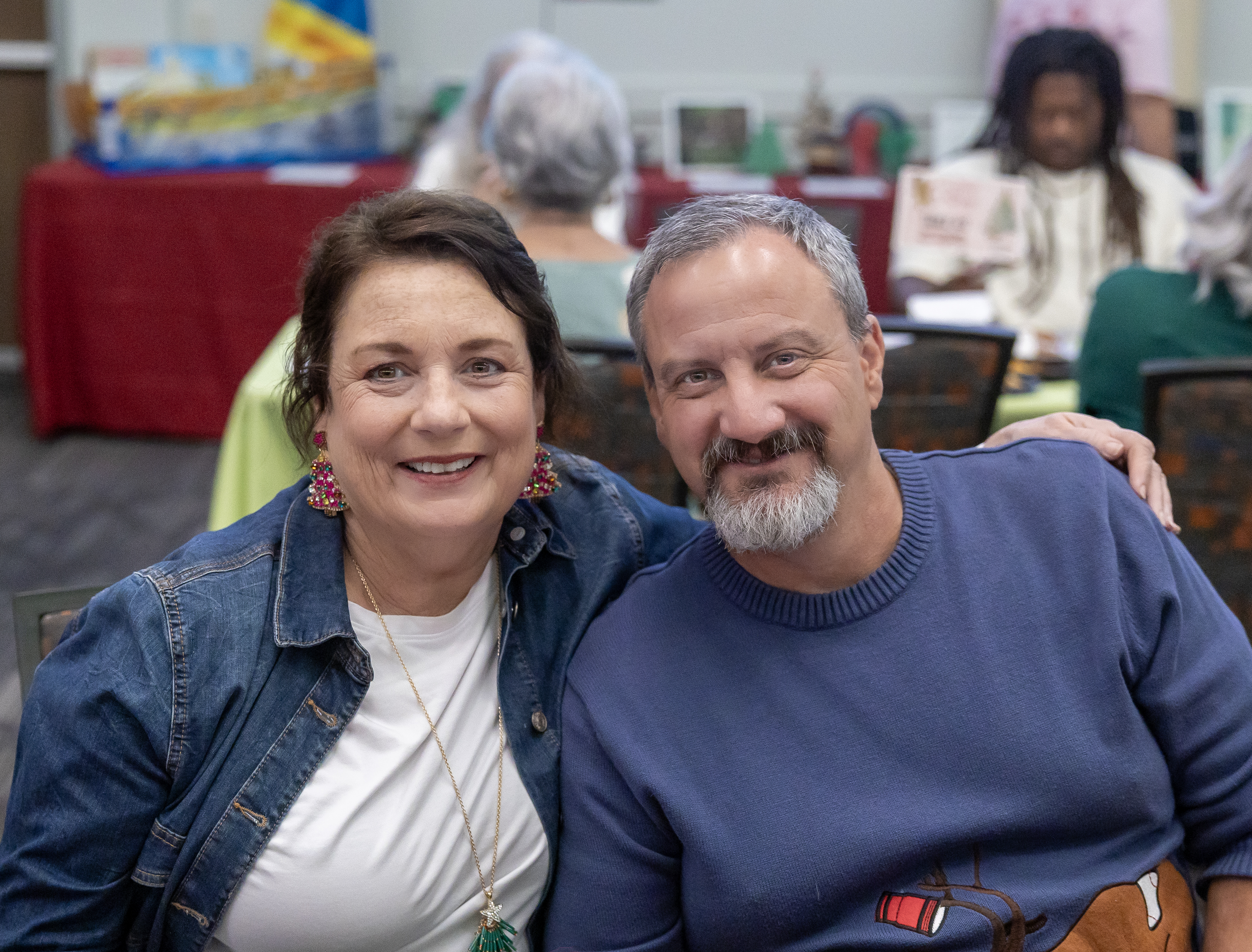
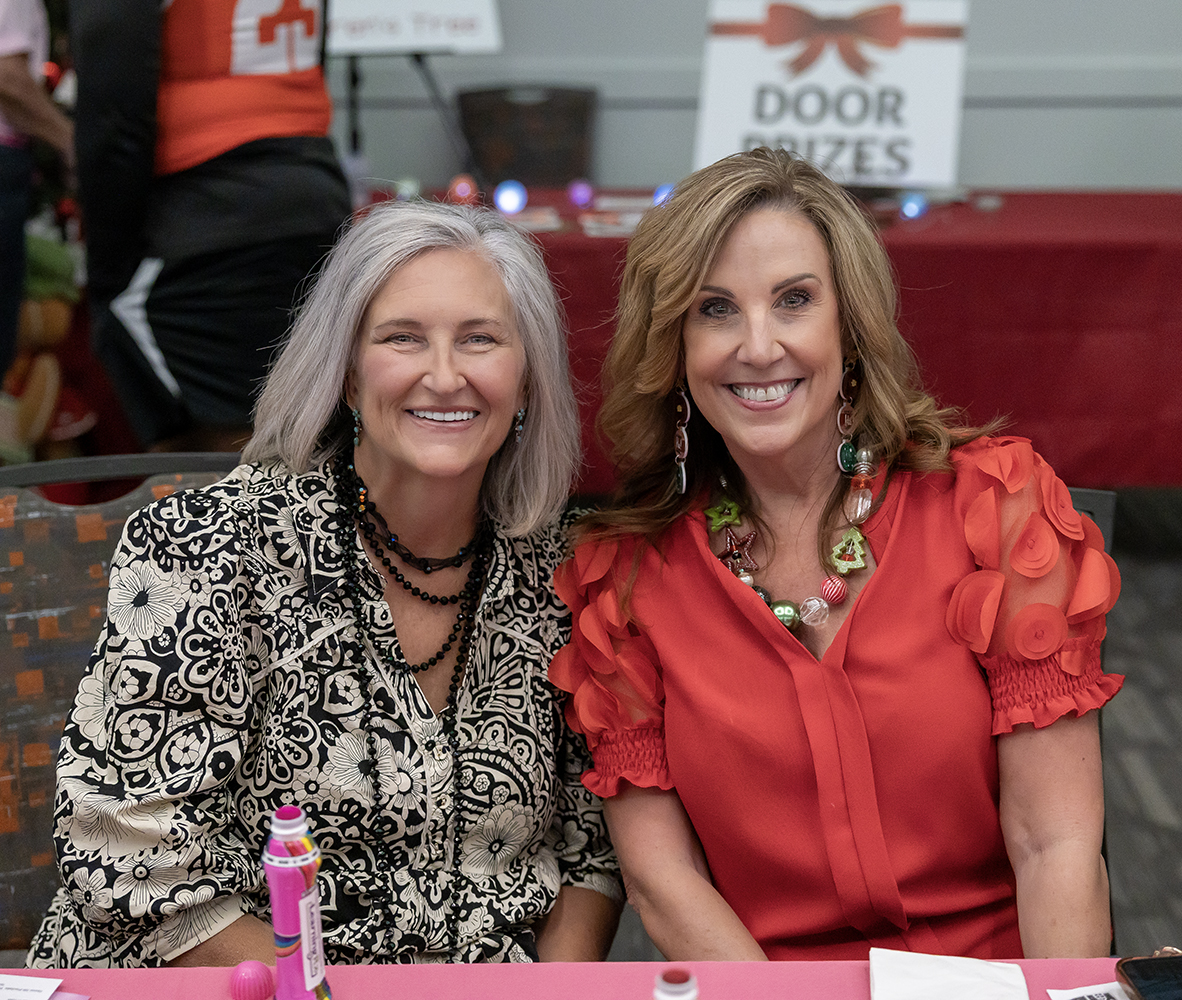
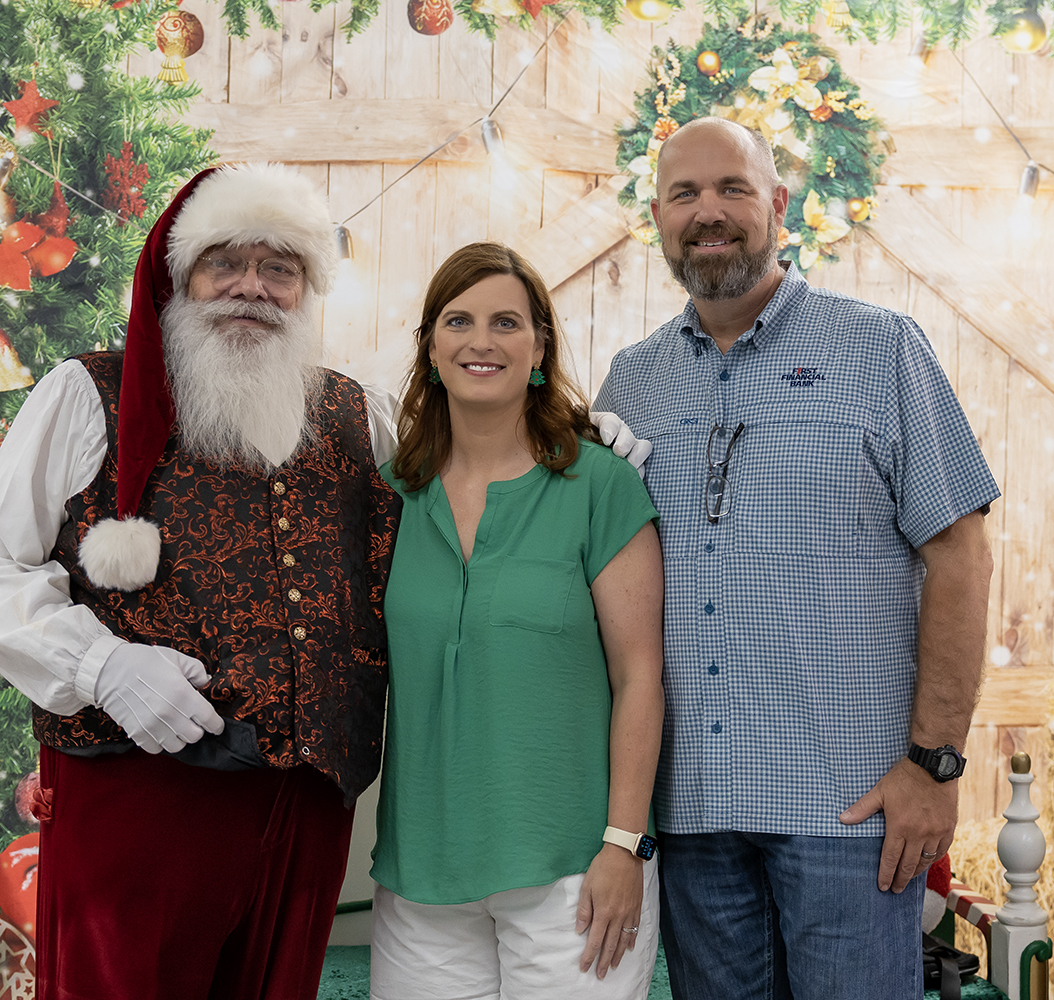
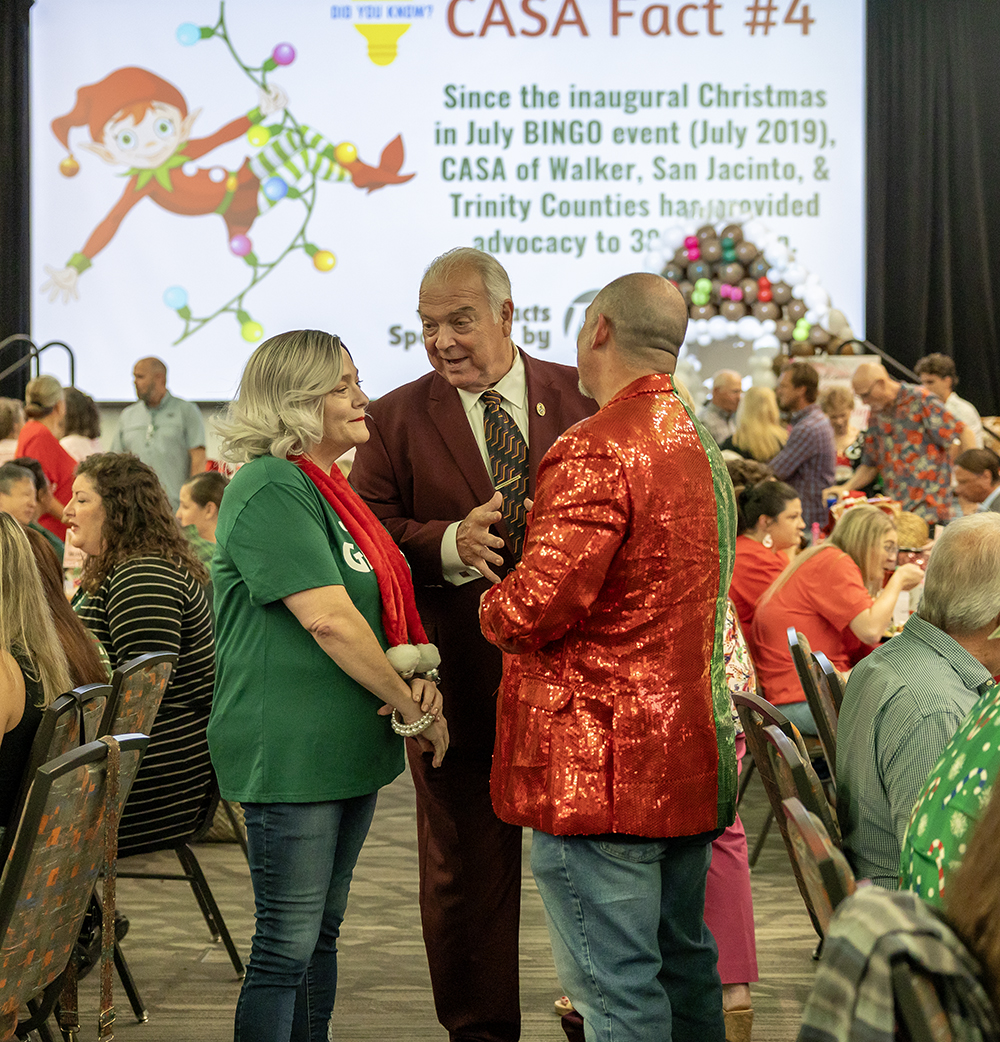
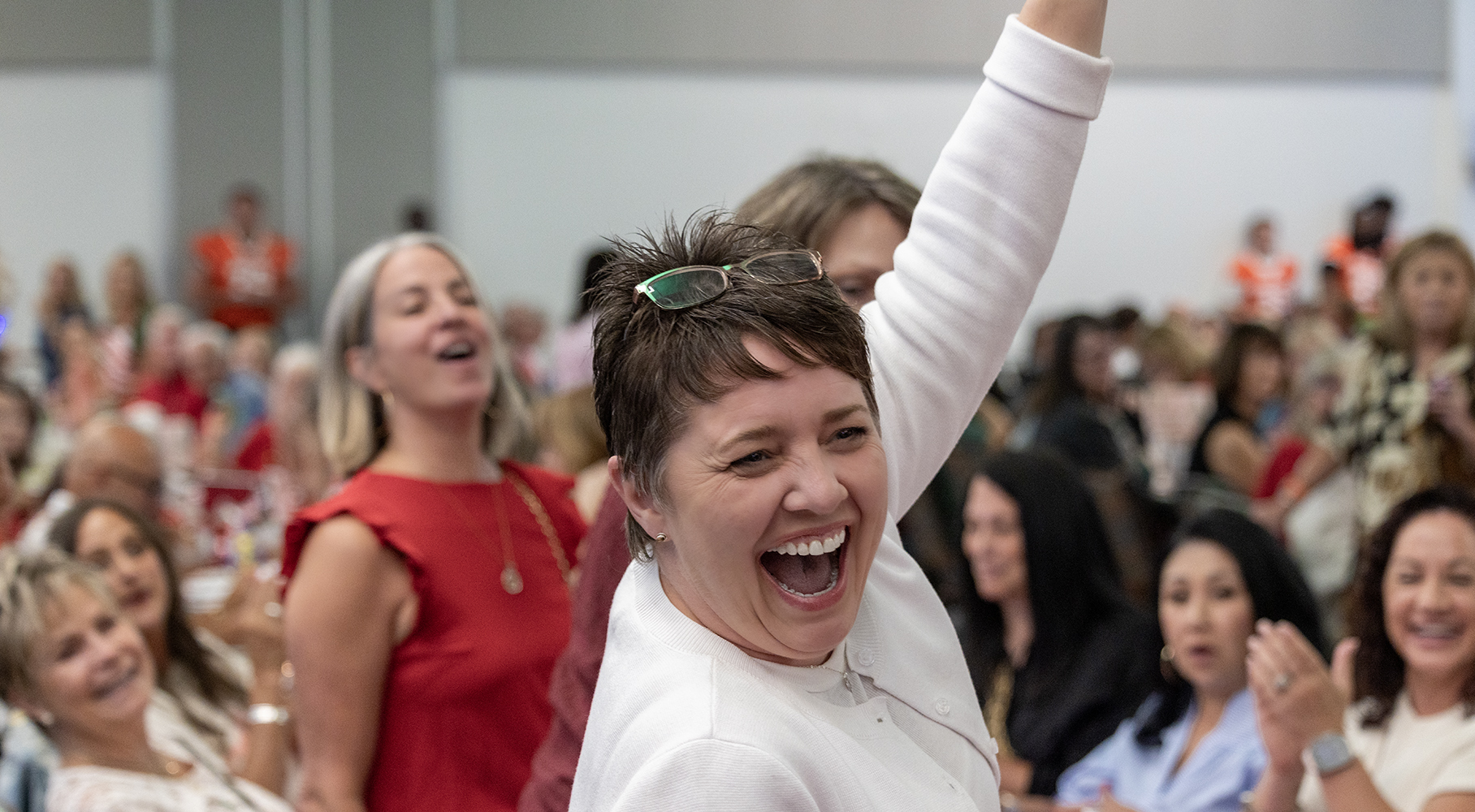
And, of course, we had a chance to see a lot of people celebrate their victories in Bingo, including our own Stephanie Fors!
With events that are much fun, it’s sometimes difficult to remember that the true spirit behind the event is to do good for the area youth. But with the presence of the many good people in the Walker County community, much good did occur: more than $130,000 was raised for CASA, funds that will go to expand training and support for volunteers, bolster outreach efforts to underserved regions, and provide essential resources for children in need.





For these children, and for all who care about others, the event was truly a Christmas in July.



































 Center for Law, Engagement, and Politics