Midwest Tour, Day 3: The Land of Lincoln

After a quick, “on-the-go” breakfast, Constance and I enjoyed the first part of our morning at The Abraham Lincoln Presidential Museum.  We have both been to Presidential Museums previously (Alex: Jimmy Carter and Bill Clinton; Constance: Harry Truman, George W. Bush, and LBJ), but this was our favorite!


The Lincoln Presidential Library

The museum is innovative, offering visitors an engaging, emotional and educational experience.  It is also the largest of the Presidential Museums, although it is operated by the State of Illinois, rather than the National Archives, and some do not count it as a true Presidential Library/Museum.

Alex_Lincoln_Web

Visitors experience Lincoln’s early life by walking through a replica of his childhood home–the famous log cabin.  They have a similar walk-through experience of Lincoln’s “White House” years, this one using 21st century technology to bring the 19th century to life.

Alex_White_House_Web

Visitors, for example, travel down the “Whispering Gallery,” seeing holograms of Lincoln’s rivals criticizing his decisions.  Of course, we also saw Mary Lincoln surrounded by her rivals, other women in the Capital’s social set, criticizing her appearance and behavior as first lady.

Lincoln_And_Mary_Todd_Web

Another noteworthy “replica room” included Willie’s bedroom, turned into his sickroom.  Sadly, Mary Lincoln survived the death of three of their children before they reached age eighteen due to various illnesses.  Two of her children died prior to President Lincoln’s assassination.

President Lincoln’s work on the Emancipation Proclamation was depicted through special effects with an impact. The Hall of Holograms included critics of the Emancipation Proclamation from both sides –that it went too far or didn’t go far enough. It was easy to imagine how the President must have felt while being attacked through these comments.

The Museum contrasted the media of Lincoln’s day with today’s media, offering a simulated version of what his momentous decisions would have wrought in the 24-hour news cycle.

Lincoln_News_Center_Web

We entered Ford’s Theatre, where Abraham Lincoln was assassinated, and then into the  full-scale recreation of the Representatives Hall in Springfield’s Old State Capitol. Alex reported later,  “This room was the most emotional for me. Having walked through Lincoln’s entire lifetime, I felt as if I was walking into this room to pay my respects, and not as a visitor of a museum.”

Lincoln_Dead_Sign_Web

The walk through Lincoln’s life was made all too real through the use of advanced technology in the museum. To evoke the time of a simpler day, we checked out “Mrs. Lincoln’s Attic,” a play area for younger children.

Alex_Sign_Web

While there, we learned about the types of toys that Lincoln would have played with as a child and other things that children, such as Alex, would find interesting.

Alex_Lincoln_Size_Chart_WEbWe also learned that Lincoln Logs were invented by Frank Lloyd Wright’s son, John Lloyd Wright. (We are making a lot of connections on this trip!)

Alex_Lincoln_Logs_Web

Following the tour of the Museum proper, we explored the grounds.

Lincoln_Depot_Web

The Lincoln Depot is nearby, with a statue of Lincoln commemorating the area.  Alex spent time with the wise old President…

Lincoln_Statue_Alex_Web…receiving tips on life, law, and politics…

Alex_Lincoln_3_Web…and even directions to the next destinations.

Alex_Lincoln_4_Web


The Lincoln Home

To continue our Lincoln-inspired morning, we followed Lincoln’s directions to his former home, the only home he ever owned.

Alex_Constance_Lincoln

Even though Abraham Lincoln lived in Kentucky as a boy, he spent nearly half his life living in Springfield, IL. The home is now operated by the US National Parks Service, having been sold by Lincoln’s only surviving son, Robert, for $1.  The home is part of a 12-acre historic site, in which surrounding homes have also been preserved, giving visitors a 19th-century feel.

Lincoln_Home_Exterior_Web

A Park Ranger led us on our tour through the home…

Lincoln_Home_Ranger_Web

…sharing plenty of information on the home’s interior and such trivia as the Lincoln’s humble Christmas celebrations.

Lincoln_Sitting_Room_Web

We were even allowed to use the original hand railing on the stair case that the Lincolns used! Upstairs, the master bedrooms were covered in an extravagant wallpaper,which made for some interesting pattern clashes next to, say, Lincoln’s bed.

Lincoln_Bed_Web

and the children’s rooms were located in the back of the house, over the kitchen, so the heat from the kitchen stove also heated the rooms.

One of the more interesting sites in the home was Lincoln’s desk, where he probably wrote his first inaugural address.

Lincoln_Home_Desk_WebAfter the tour of the home, we explored the grounds, where we actually had the opportunity to enter Lincoln’s outhouse.

Lincoln_Outhouse_WebThis seriously verged on TMI, but it was interesting to see the some of the more unpleasant aspects of 19th-century life, endured even by Presidents.


Lunch

Having touched the same railing as Lincoln and learned about his life, we had lunch at a home he frequented. That home is now a restaurant, Obed and Issac’s Microbrewery and Eatery, and it is owned by the great-great grandson of Obed Lewis, who knew Lincoln prior to Lincoln winning the presidency.

All the food was satisfying, but we all agreed that the award for lunch of the day went to Constance for trying the fig pizza!

Fig_Pizza

We finished lunch with bread pudding and a very sweet butter cake–too sweet for Alex, but the recipient of rave reviews from the remainder of the group.


Lincoln’s Tomb

Following lunch, we proceeded to Lincoln’s tomb.  We were happily surprised that not only was the tomb an impressive and fitting structure…

Lincoln_Tomb_Exterior_Web…but that its interior is open to the public.

The interior consists of a series of marble hallways, which contain information about Lincoln’s life and death, as well as plaques with text from The Gettysburg Address, Lincon’s farewell to the people of Springfield, and his 2nd Inaugural.

Lincoln_Tomb_Plaque_Web

Each corner is also adorned with replicas of famous statues of Lincoln.

Lincoln_Tomb_Sitting_Statue_Web

The back of the interior is Lincoln’s burial place, just a dozen or so feet away from the final resting places of Mary Todd, Willie, and Tad Lincoln.

Lincoln_Tomb_Tomb_Web

His other son, Robert, is buried in Arlington Cemetery in Virginia.

The exterior monument is 117 feet tall, and the tomb structure is the largest in the United States.

Lincoln_Tomb_Exterior_2_Web


Illinois State Capitol

We left Lincoln’s grave site to return to downtown Springfield and explore the capitol building.  Awed by the French Renaissance beauty seen from the outside, we entered the majestic building intrigued by what lay within. The external beauty held no match for what we encountered upon entering the 126-year-old capitol building. Ornate fixtures, bright colors, and grand marble surrounded us on all sides. It was hard to find a certain spot to fix our eyes as the overall busy-ness of the interior kept focal points hidden amidst the bright (some might say gaudy)  décor.

Illinois_Capitol_Dome_Lights_Web

Marble staircases, huge murals, and lavish entryways abounded throughout the capitol, which is the state’s sixth such structure. We used our time by going on a guided tour to learn as much as possible.  We visited the House of Representatives Chamber where 750-pound chandeliers hung with their original crystal, giving light to  the chamber’s 118 members.

Illinois_Capitol_Senate_Chamber_Web

Interestingly, there are more than 118 desks .  The surplus desks are there to accommodate possible future growth.  In addition, some desks have phones.  These desks are for the chamber’s leadership.

Illinois_Capitol_House_Desks_Web

We left the House to head across the building and enter the Senate, where President Obama served as  state senator until 2004.

Illinois_Capitol_House_Chamber_Girls_Back_Web

A bit less gaudy than the previous chamber, the chamber was still opulent, with beautiful chandeliers hanging from the ceiling and reflecting light off the rich mahogany walls.

Illinois_Capitol_House_Chambers_Web

Moving on, we explored the rest of the capitol and learned of its record-holding height at 361 feet, its original price tag of 4.5 million dollars (in 1889), and even some of the saga surrounding former Governor Rod Blagojevich. 

Some of the state’s history (but, thankfully, not that involving Blagojevich) was also told in a bas-relief sculpture just below the dome, including the famous “Lincoln-Douglas Debates.”

Illinois_Capitol_Bas_Relief_Lincoln_Web

And, of course, we took some photos, including one of President Lincoln…

Illinois_Capitol_Lincoln_Statue_Web

…one of the bronze statue titled “Illinois Welcoming the World,” by Julia M. Bracken, in the center floor of the rotunda…

Illinois_Capitol_Girls_Welcome_2_Web

…and Murals that adorn the walls and ceilings throughout the capitol.

Illinois_Capitol_Mural_2_Web..and even the Governor’s office.

Illinois_Capitol_Governor_Office_Web


Illinois Supreme Court

After learning so much about the generously decorated state capitol, we left in search of the Supreme Court of Illinois, stopping to pose alongside a statue of President Lincoln along the way.

Illinois_Capitol_Lincoln_Statue_Exterior_Girls_Web

Originally housed in the capitol building, the Court is now in an adjacent building on beautiful grounds adorned with beautiful fall colors.

Supreme_Court_Tree_Girls_Web

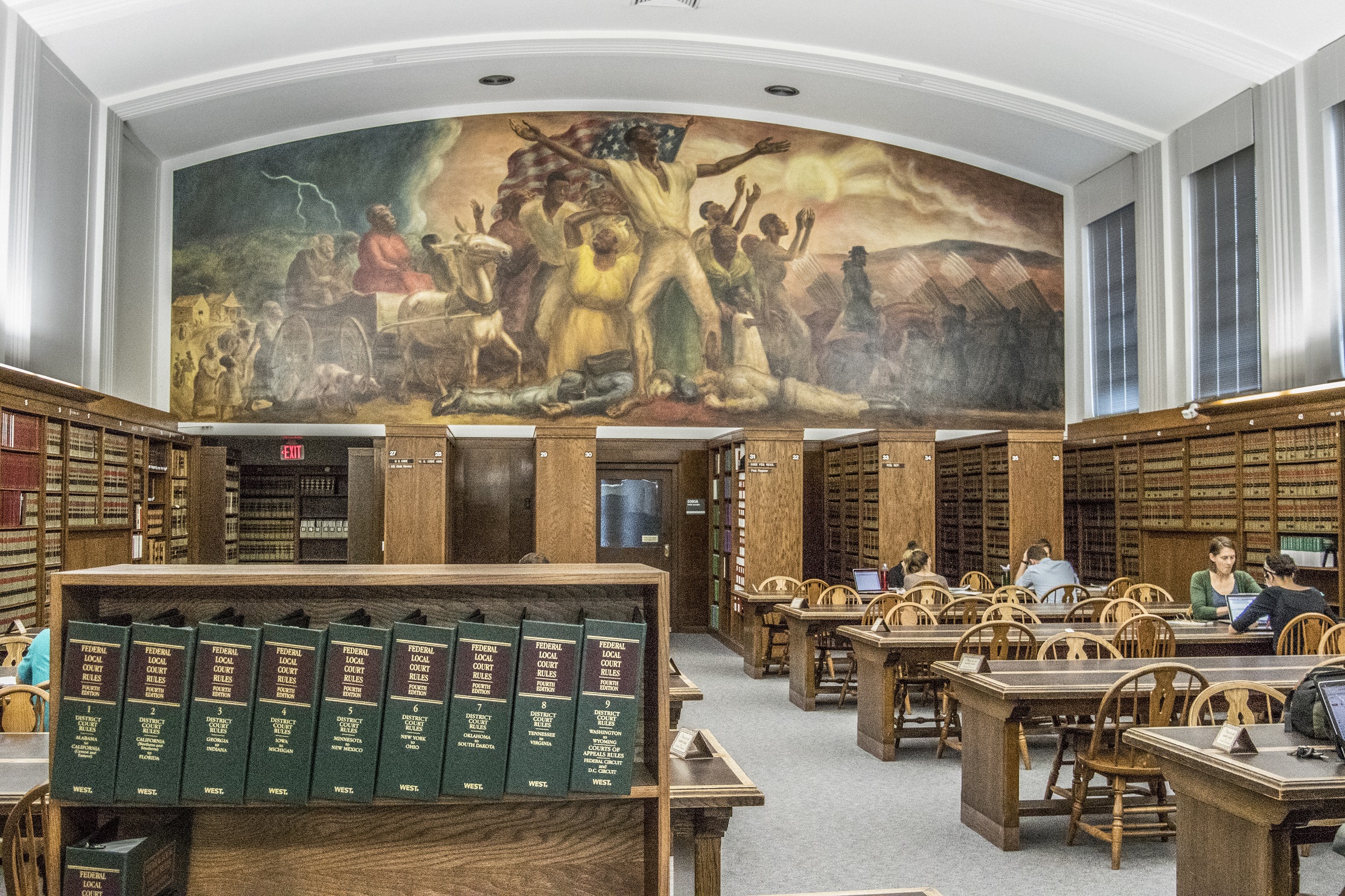
Walking in, we were escorted by a deputy marshal of security to the second floor of the building that finished construction in 1908. We explored the law library with its bright blue floors…

Supreme_Court_Law_Library_Web…the Appellate Courtroom that is no longer in use today…

Supreme_Court_Appellate_Web

…and the Ceremonial Courtroom where pictures had to be taken, of course, of both me

Supreme_Court_Constance_Web…and Alex making oral arguments…

Supreme_Court_Alex_WebIt was a beautiful room.

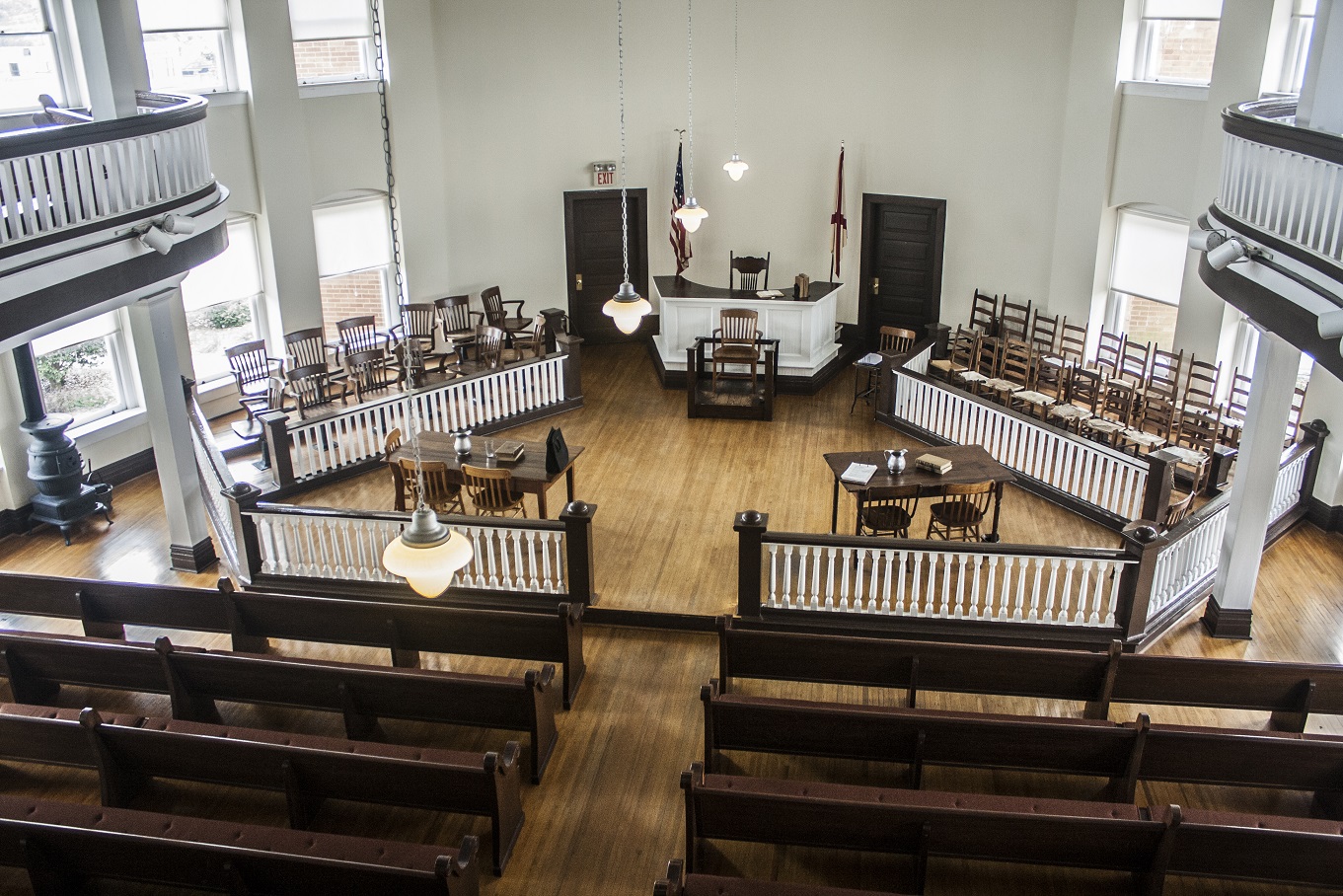
Supreme_Court_Courtroom_Web

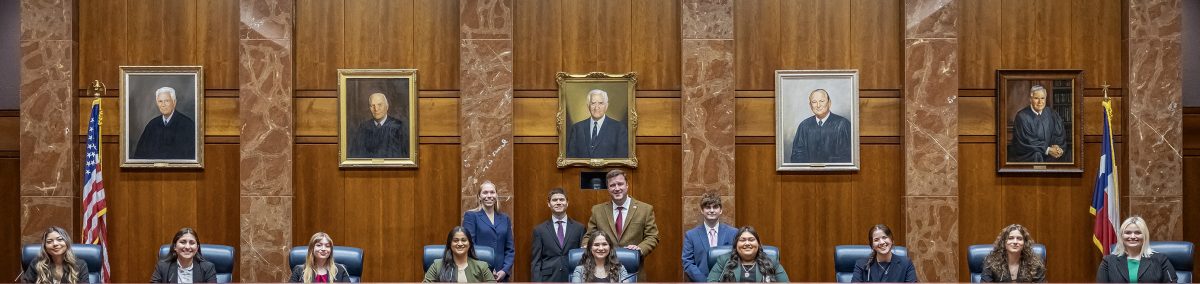
Finishing up, we passed Supreme Court Justices of old and new on each side to proceed downstairs and head back out into the beautiful, unseasonably warm and unbelievably pretty Springfield afternoon.

Supreme_Court_Tree_2_Web

With just enough time to grab Starbucks, we piled into the car and began our journey to Chicago. After a quick three-hour drive, full of conversation, productive picture editing, and Stephanie’s deft driving, we arrived in a southern suburb of the Windy City.  We enjoyed dinner at A-Fusion, with selections of Chinese, Thai, and Japanese cuisine. After enjoying a hibachi show…

Hibachi_Chef

…some good food…

Chicken

and watching Alex (unsuccessfully) attack a monstrous plate of cashew chicken, we headed out.


Odds and End of the Day

We had one more planned stop.  After seeing Bella Abril’s (LEAP Center Student Worker) gopro video from The Great Muddy Escape, we decided to purchase a gopro ourselves, and we look forward to putting that into use in Chicago, tomorrow’s destination.

But little did any of us know we had one more stop to make.  As we headed toward one last stop before reaching the hotel, Constance and Alex didn’t see glances exchanged between Professor Yawn and Stephanie when they realized the Indiana state line was literally minutes away.  They tagged an extra twenty minutes to the trip and Constance and Alex both got to add one more state to their list, making a quick stop in Riverside Park in Hammond, Indiana.


Lubbock, Law, and the LSAT

For SHSU’s Moot Court team members, this weekend promised to be a full one.  We headed to Lubbock on Thursday, leaving campus around 1:00pm.  With a tournament on Friday and Saturday, the weekend was sufficiently stressful, but half the team members were also set to get their LSAT scores, adding a bit of stress and spice to a long weekend.

The weekend’s tournament is being held at Texas Tech Law School.  Thirty teams from Texas (plus the powerhouse US Air Force team) will be on hand to compete.  As a sign of the rigor involved, 43 teams originally signed up, but more than a third of these teams dropped out in the week prior to the competition, despite having already paid admission fees.  Preparation for this competition involves reading 19 cases (approximately 20 pages each), and practicing extensively on body language and speech delivery.  We may not win, but all of us are better speakers and more knowledgeable about the law as a result of our work.

With that in mind, we headed west after our Thursday classes. There’s not a lot between Huntsville and Lubbock, Texas, and that made for a long drive, although this did give us some study/prep time, helped on by our coach, Jean Loveall.

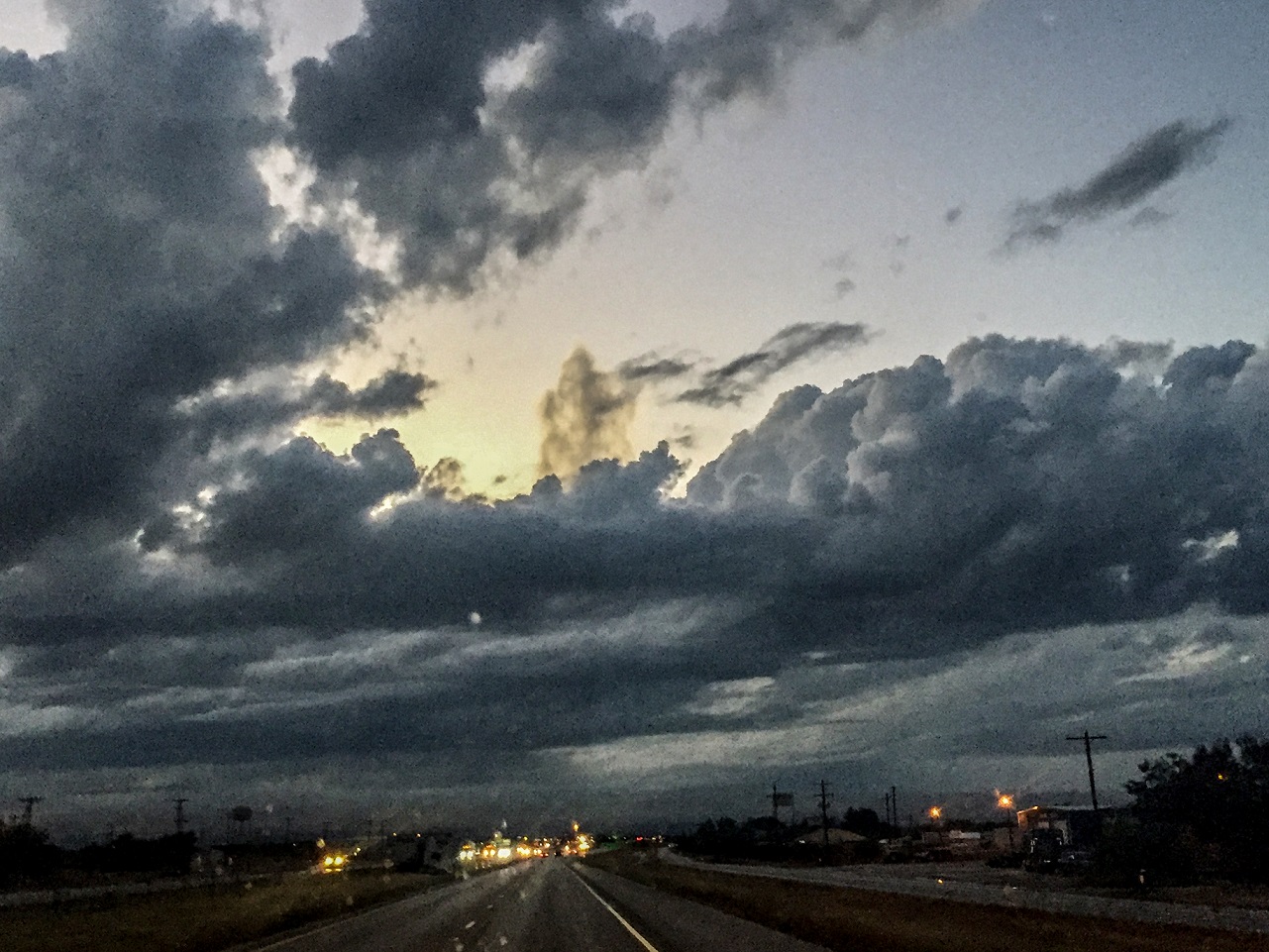
Moot_Court_Studying_WebThe drive was made longer by bad weather most of the way.

West_TX_Sky_WebAnd then the drive got more stressful around 6pm, when our three senior members got emails indicating their LSAT scores were available.  Well, this made the drive much more interesting!  After some group discussion, the three seniors decided to postpone opening their emails until they got to the hotel.

Around 8pm, we pulled in to Perini Ranch steakhouse, which is in Buffalo Gap, Texas (about six miles south of Abilene).  The steakhouse’s origins date back to 1973, when Tom Perini began catering for private affairs.  He opened his steakhouse in 1983.  The restaurant did well, but business took off in 1995, when the New York Times recognized his steaks as the “mail-order gift of the year.”  With that recognition, profiles in Texas Highways and Texas Monthly followed, and at the beginning of the G. W. Bush presidency, Perini was asked to serve steaks to members of congress from the White House lawn.  It was a memorable day–not because of the steaks, but because it was scheduled for Tuesday, September 11, 2001.  The “steakout” didn’t happen, at least not on that day, as the history-altering terrorist attacks forced a cancellation.  More happily, Tom and Lisa Perini were invited back to the White House the next year, and the event proved successful.

Thankfully, our dinner lacked international dramatics and, despite the looming LSAT score discovery process, we were able to try some new foods and enjoy the steak.  For appetizers, we all tried “Quail Legs,” which was a new dish for about half of us.  For the entree, we all ordered steaks, which we split.  The steaks have a great flavor, a product of, among other things, a great “streak rub” (which, incidentally, is for sale online and in the restaurant store). For dessert, we had bread pudding (great!), chocolate cake (I didn’t sample, but it got good reviews), and in an experimental flourish, “Jalapeno Cheesecake.” It was very good!

Special mention should be made of the fact that Austin ate three whole jalapenos during dinner. There was no real explanation for this act of self-torture, other than some sort of behavioral distraction from his impending LSAT discovery.  On a related note, Austin also drank six glasses of water at dinner.

After the obligatory pose at the giant armadillo outside of Perini Ranch…

Armadillo_Perini_Ranch_Web

…we settled in for our final stretch.  We got in at midnight, when the students wasted no time accessing their LSAT scores. The students have worked hard to position themselves for law schools, and their work has paid off.  Armed with solid to strong LSAT scores and excellent grades, their work has been a model for the younger members of the team.

And on that happy note, we moved on to our rooms, hoping to get some rest prior to our competition on Friday!

A Last Day in Dallas

After a roller-coaster weekend at UNT Law, we had a half of a day left in Dallas before returning to SHSU.  We decided to use it by having a little fun and enjoying good food.

We could have had both in Klyde Warren Park, one of Dallas’s newest success stories.  Known as the “front lawn of the arts district: for its proximity to the arts district, the park provides an interesting 5-acre public space for families to enjoy a morning or afternoon.  It also has a ring of food trucks, offering fare of every kind, making it a great place for a group as diverse as ours to go.  But because we like to explore, we had our fun at Klyde Warren Park, before moving elsewhere for lunch.

There are large green spaces at Klyde Warren, with a .45-mile walking trail around it.  Along the trail or mini-recreation areas: a kids’ park, a board-game station, a reading library station,

Jamaus_Beatriz_Brian_Park_Web
a putting green, a Foosball table, and an amphitheater.  The amphitheater can be used for bands and such at night, but is used for yoga at 10am daily.  The day we were there, almost 100 people were participating in the yoga relaxation/exercise techniques.

But our primary purpose was to throw the frisbee around, and we soon learned who could catch.

Austin_Frisbee_2_WebAustin, for example, can catch.  In the picture above, notice the Jordanesque-shadow. Of course, he played college football until this year, so we expected him to be athletic.

Austin_Frisbee_WebAs it turns out, though, Kaitlyn Tyra can also catch, and she may be a dark-horse for our Spring 2015 Charity Football game.

Professor Yawn is getting up there in age, but we let him play because he grades us.

Yawn_Frisbee_2_Web

We think Megan can catch,  but we aren’t really sure.  She had a strict rule to only move one step in any direction, which earned her the name “One-Step Chapa.”  Here she is impersonating a stork.

Megan_Frisbee_WebBut the day wasn’t particularly intense for any of us.

Park_Frisbee_WebNotice the halo over Professor Yawn’s head.

Following some more fun, we had to call it a day at the park…

Beatriz_Brian_Park_Web

…and return to the hotel.  As we preparing to check out, the hotel went dark.  The electricity went out.  The LEAP Center Ambassadors pride themselves on adaptability, but this was difficult for Constance Gabel, who was stuck in the hotel elevator.  The fire department was called…

Holiday_Inn_Firetruck_Web

…and Constance was extricated from the hotel elevator.

Just in time for us to eat at Twisted Root, a restaurant that specializes in burgers and root beer.  Their burgers are wonderful, and their root beer is interesting.  The flavor of the day was “Irish Creme Root Beer,” which was better than the root beer from the last time we were there: Grape Root Beer.  Of course, that was better than their “Coconut Root Beer.”  Their regular root beer is excellent.  And their burgers are great.

Twisted_Root_Burger_WebOne of the interesting aspects of their restaurant is that, when you order, they provide you with a name from popular culture as your signal that your burger is ready.  In our group, we had Eva Mendes (Kaitlyn), Serena Williams (Beatriz), Apollo Creed (Austin, of course), Matlock (Yawn), Mike Modano (Brian Aldaco), and others.  It was interesting to see who knew which references, a process that led Austin to say, “Son, you need to watch more television” to one of the newer members.

With a general consensus that Twisted Root is a good place to lunch, we allowed Constance one more groupie for the weekend…

Groupie_Twisted_Root…and headed home.

But not for rest and relaxation!  The week ahead involved our weekly meeting (Monday), a law-school application workshop (Wednesday), a Moot Court Practice (Thursday), a volunteer meeting (Thursday), the showing of Nosferatu (Thursday, whew), a Mock LSAT (Saturday), and a volunteer event (Saturday).

More to come!


Bouncing Around Biloxi: Day Eight of the LEAP Center’s Deep South Tour

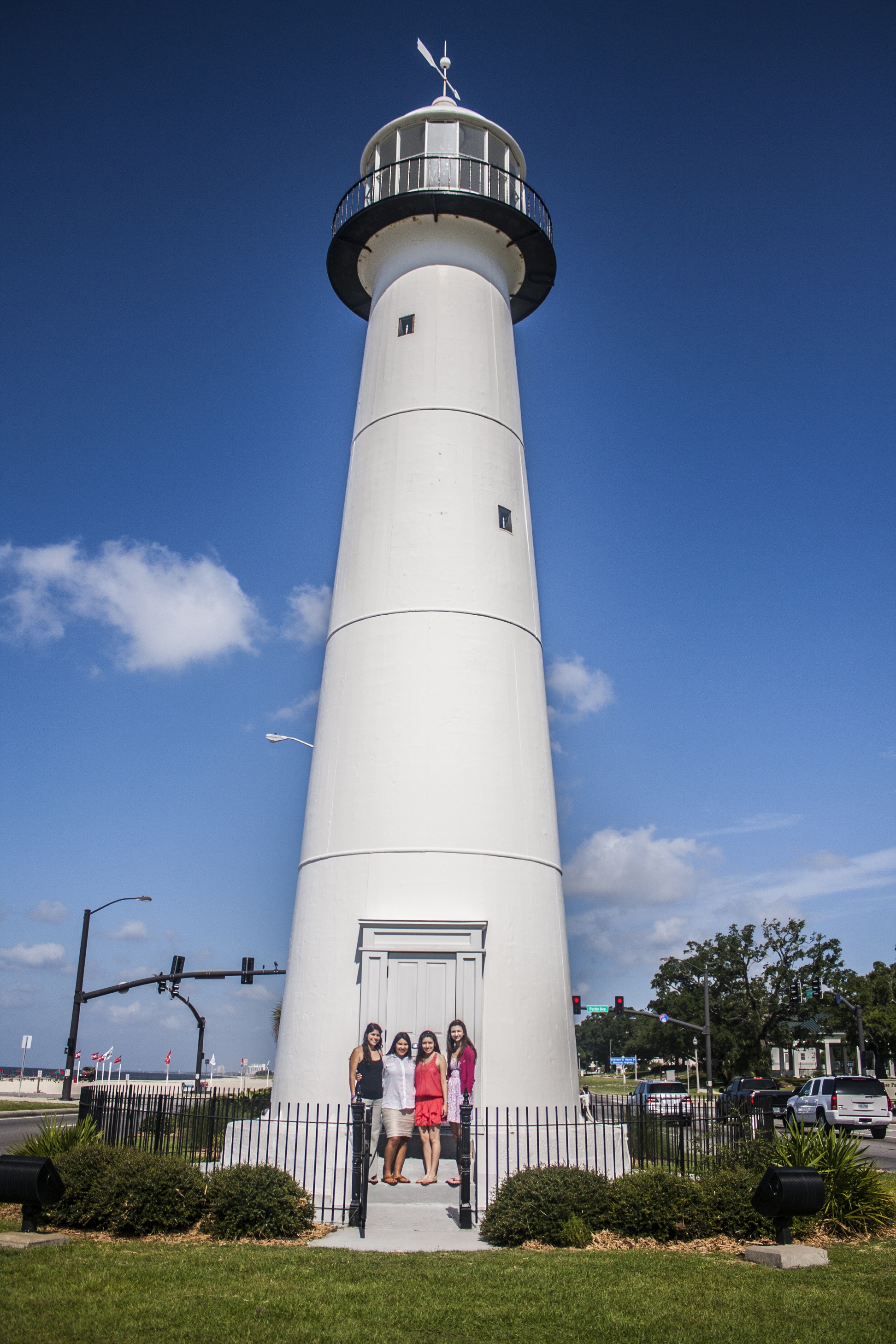
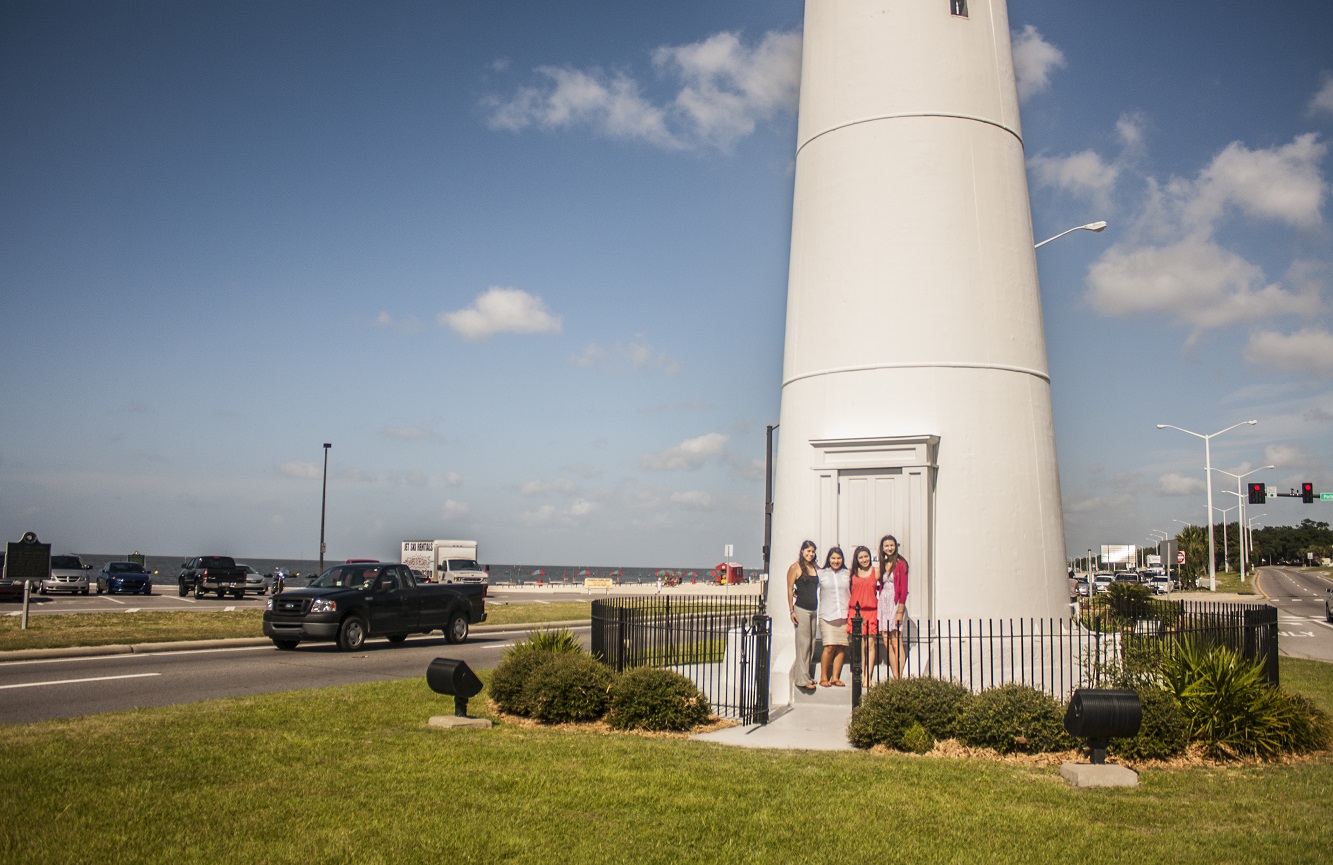
After a great night of rest, we made our way to the impressive Biloxi Visitors Center. At the visitors center we were able to sign up for a tour Biloxi’s Lighthouse. The Biloxi Lighthouse was built in 1848 with a cast iron exterior and brick interior. It is 65 feet tall and has been electrically operated since 1926. An interesting fact about the Biloxi Lighthouse is that it was civilian operated and many of its operators were women, including one stretch of 50+ years where only women operated it. As we walked to the lighthouse we noticed another one of its unique features: it is the only lighthouse between a highway thoroughfares.

Biloxi_Lighthouse_Girls_exterior_Web

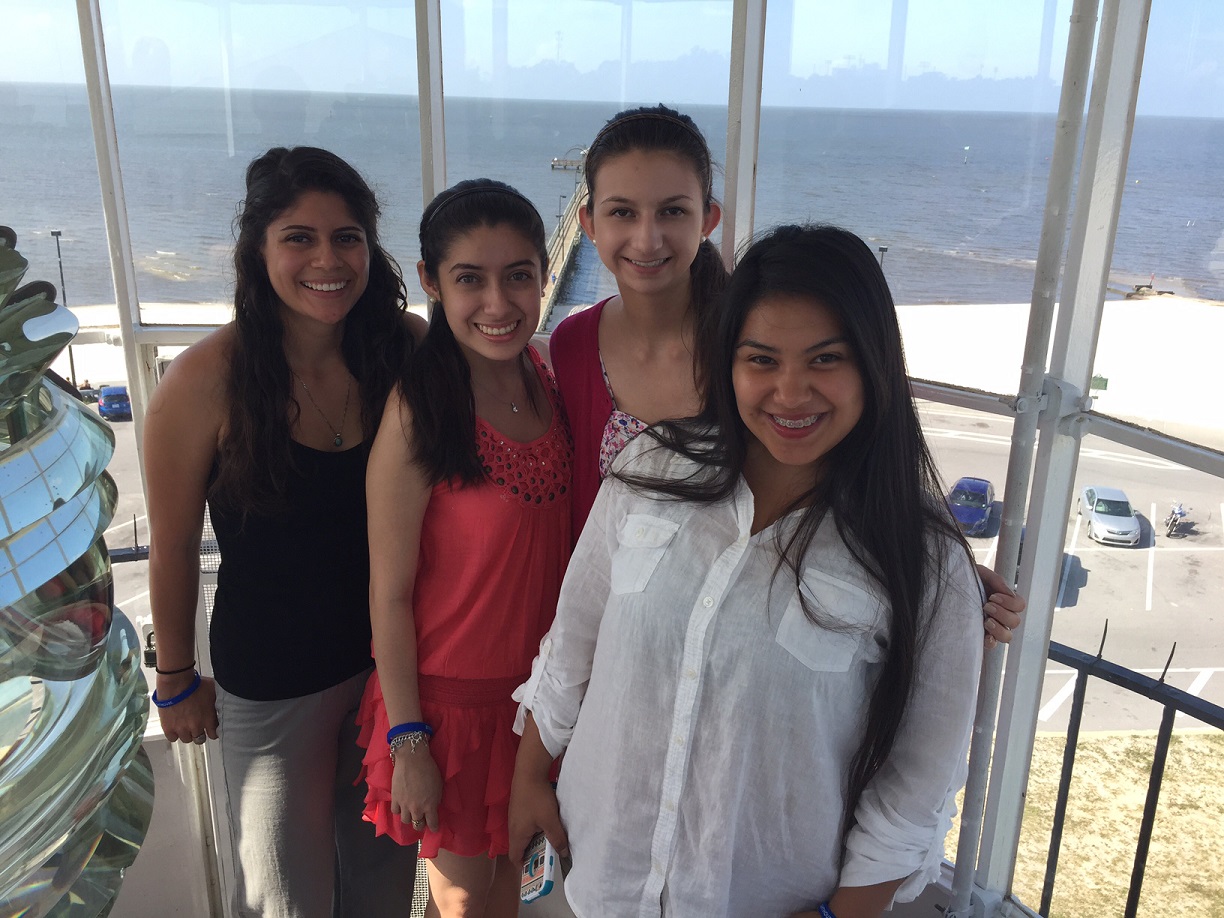
To enter the lighthouse we had to make our way up a wobbly, metal stair case until we reached the top. Once we all reached the lantern room, our tour guide gave us a brief overview of the lighthouse’s history. As we stood in at the top of the lighthouse we began to feel the intense heat caused by the cast iron exterior of the lighthouse.

Biloxi_Lighthouse_Girls_Web

We couldn’t imagine what it was like to be the lighthouse keeper in the southern heat!

Biloxi_Lighthouse_Girls_exterior_2_Web

When all of us had enough of the heat we began our journey down the stairs. It was way easier to go down than up, but still frightening for some. Once we were back inside the visitors center we were able to learn more about the lighthouse and the challenges they have faced on the coast of MS. For example, the lighthouse has endured many storms, most notably Hurricane Katrina. Hurricane Katrina caused much damage to the lighthouse. It filled the lighthouse with 21.5 feet of water and four hundred thousand dollars in reconstruction costs. The lighthouse was torn and battered by the destructive storm, but it still stood tall and was seen as a symbol of hope and resilience during the disaster, and the light in the lantern room still lights up the waters every night.

Following our exhilarating climb at the Biloxi Lighthouse, we drove along the shore to the George Ohr-O’Keefe Museum of Art. George Ohr is the self-proclaimed “Mad Potter” whose art was relatively unknown until fifty years after his death.

George_Ohr

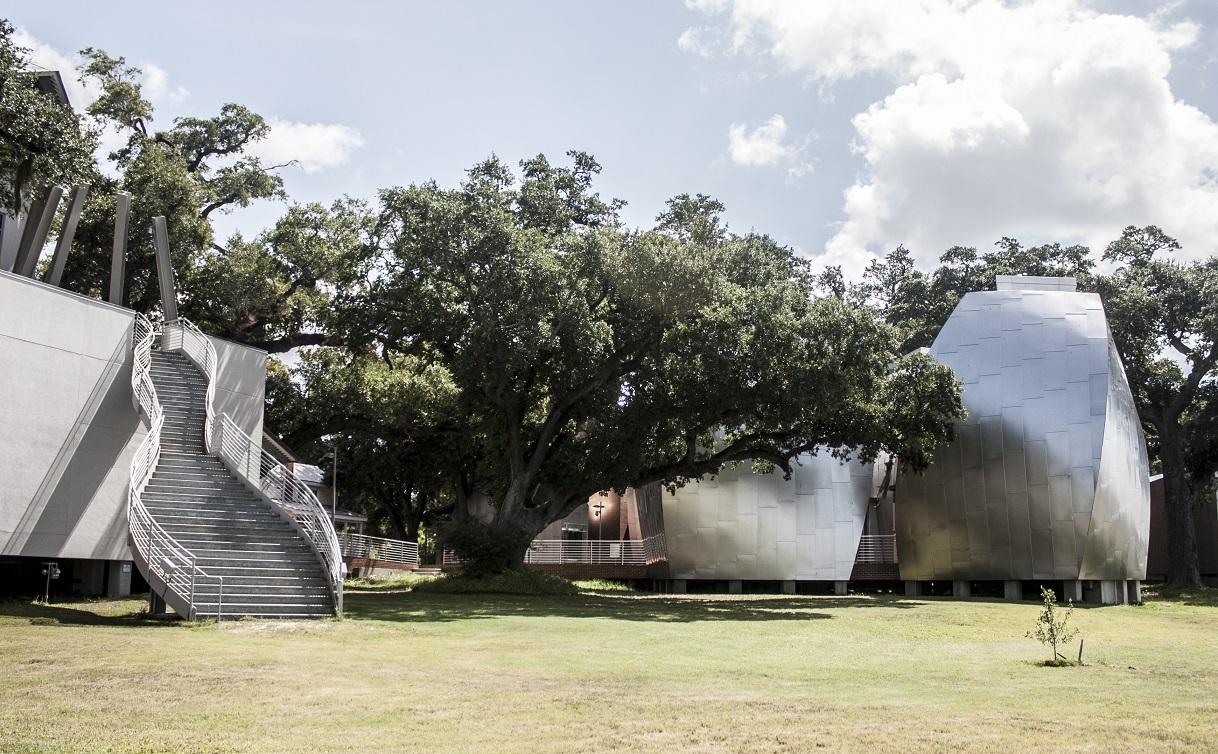
Designed by architect Frank Gehry, the museum building and grounds provide a stunning man-made counterpoint to the beautiful beaches, which are located directly across the highway.

Ohr_Okeefe_Museum_Exterior_Web

Since it is the tenth anniversary of Hurricane Katrina, much of the current museum exhibits are dedicated to commemorating the hurricane. Biloxi, right on the Mississippi coast, was hit hard when Katrina rolled in. The damage to the lighthouse helps visitors visualize the magnitude of the storm in Biloxi.

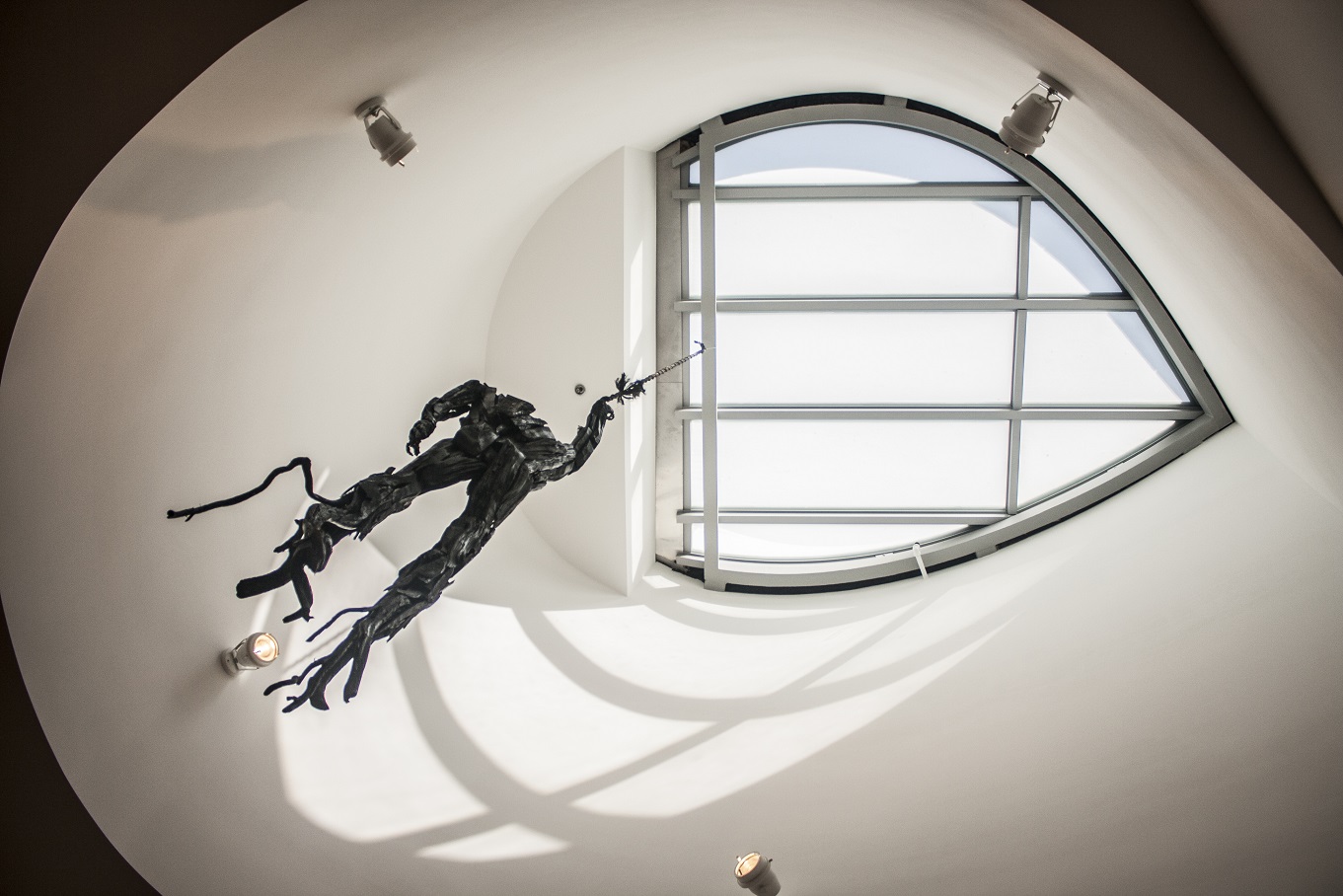
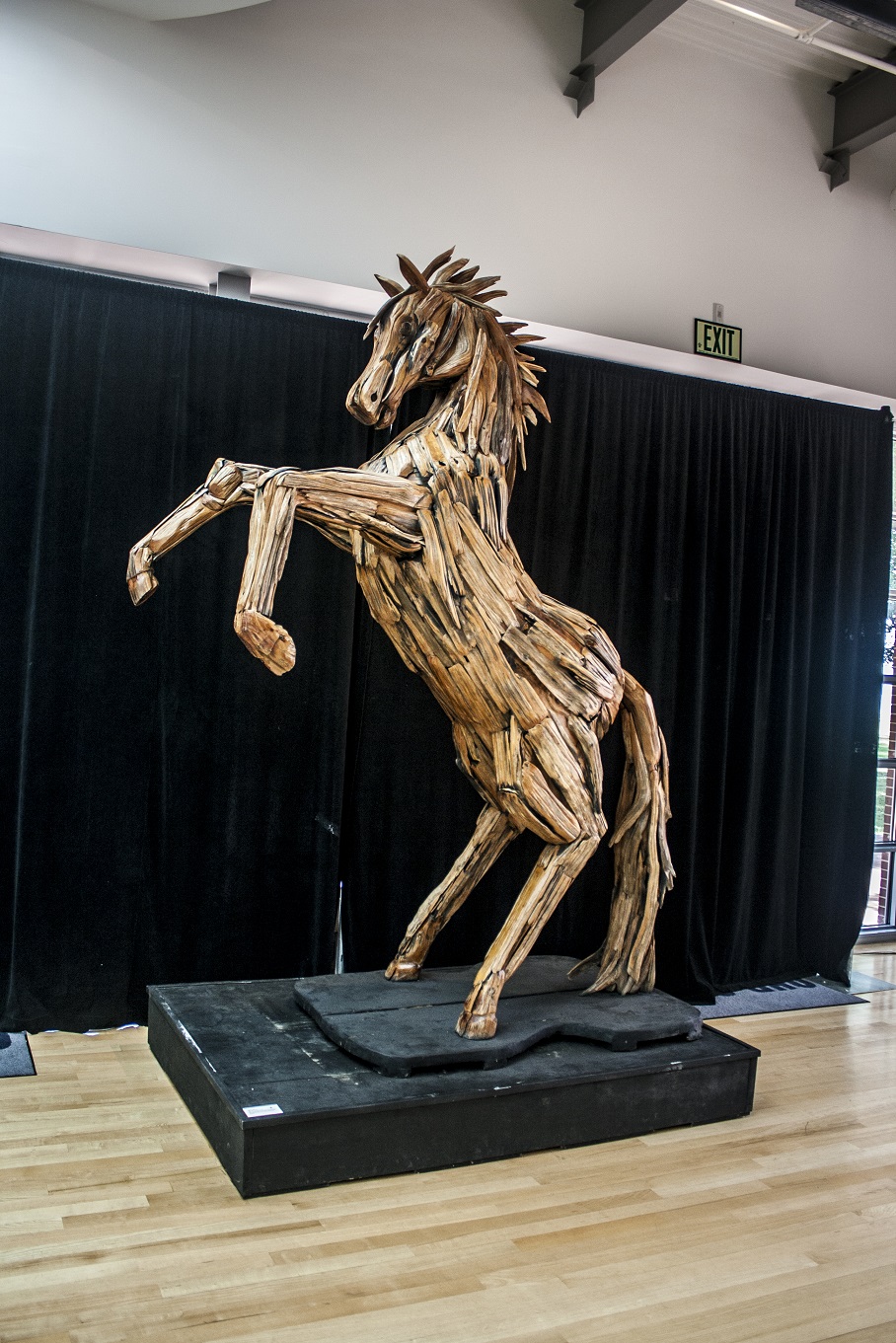
In the lobby of the museum, there are many statues constructed out of wood.

Ohr_Okeefe_Miller_Pieces_Web

Marlin Miller, a popular artist who took the dead and destroyed trees left after Hurricane Katrina and carved them into masterpieces that now decorate the once desolate landscaping of Biloxi. The museum contained a few of his sculptures each representing various emotions surrounding Hurricane Katrina.

Ohr_OKeefe_Museum_Hanging_man_Web

The sculptures were beautiful and representative of the way Biloxi rebuilt itself after the storm.

Ohr_Okeefe_Horse_Hind_Legs_Web

The exhibits reminded visitors of how severe Katrina was and the change that has occurred since then. The Mississippi Power Company and the local news each had exhibits in the museum explaining the aftermath and their job when cleaning up. After the Katrina exhibits, we visited the main exhibit showcasing George Ohr’s pottery. George Ohr was born in 1857 and in 1879 he began his pottery career in New Orleans, LA.  Ohr’s philosophy was that no two pieces of pottery should be alike because no two people were alike. To create thousands of pieces and not craft two pieces alike illustrates his creativity and support for individualism. Unfortunately, George Ohr’s pottery studio was burned in a fire in 1894. However, when he opened his new studio, it marked a significant change in his pottery with many brighter and bolder colors than his previous works of art. It was amazing to see the shift in his artwork and the transformation throughout his life.

Ohr_Okeefe_Pottery_Web

Although not entirely what we expected, we immensely enjoyed learning about Hurricane Katrina’s impact on Biloxi and about the famous “Mad Potter”. The museum marked our last stop in Biloxi and we departed for New Orleans, the penultimate destination of our Tour of the Deep South.

Upon arriving in New Orleans we stopped for lunch at a New Orleans style restaurant, Elizabeth’s. The restaurant was founded in 1996 and their mission has, since then, been to make everything from scratch to provide a great product with the care and creativity that it deserves. We began with boudin balls and praline bacon as appetizers. Kaitlyn went with the special for the day which was Elizabeth’s original, Joe’s scramble. Alex and Karla went with the hot sausage Po’ Boy which was plenty of food for both of them.

This slideshow requires JavaScript.

It was also something they had never had before. It was a sandwich with a sausage with a soft spice kick to it. The restaurant was also very unique with plenty of colorful art on the walls that is from a local artist named, Dr. Bob. The art featured many NOLA sayings and recycled bottle caps as borders. His shop was located directly down the street from the restaurant.

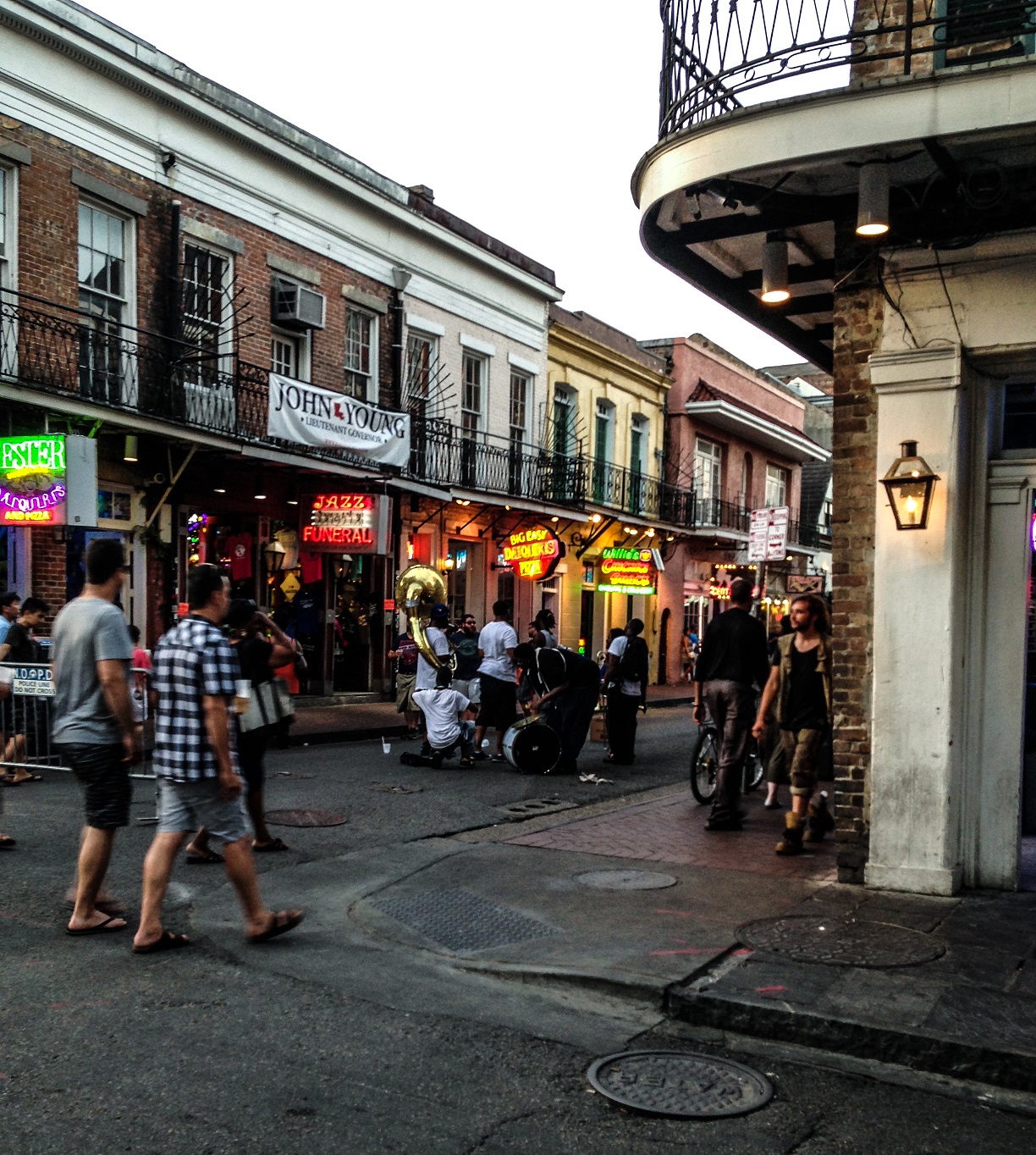
After days of intense sightseeing and learning, we decided that retail therapy would be a nice way to spend an afternoon in New Orleans. For a few hours we walked the interesting streets of the French Quarter, shopping and absorbing the culture of the great city. There were countless vendors that sold a variety of things. We saw the traditional Mardi Gras beads, souvenirs, and so much art work! I bought a print from a local artist of one the horses that give carriage rides to locals and tourists. All of the artwork was unique. And while the shopping was going great, we were even more amazed by the entertainment that filled the streets. Instruments of all sorts made music that could be heard throughout NOLA. Dancers, magicians, comedians, and many more make a living on the streets of New Orleans keeping folks entertained sun up to sun down.

Bourbon_Street_Band_Web

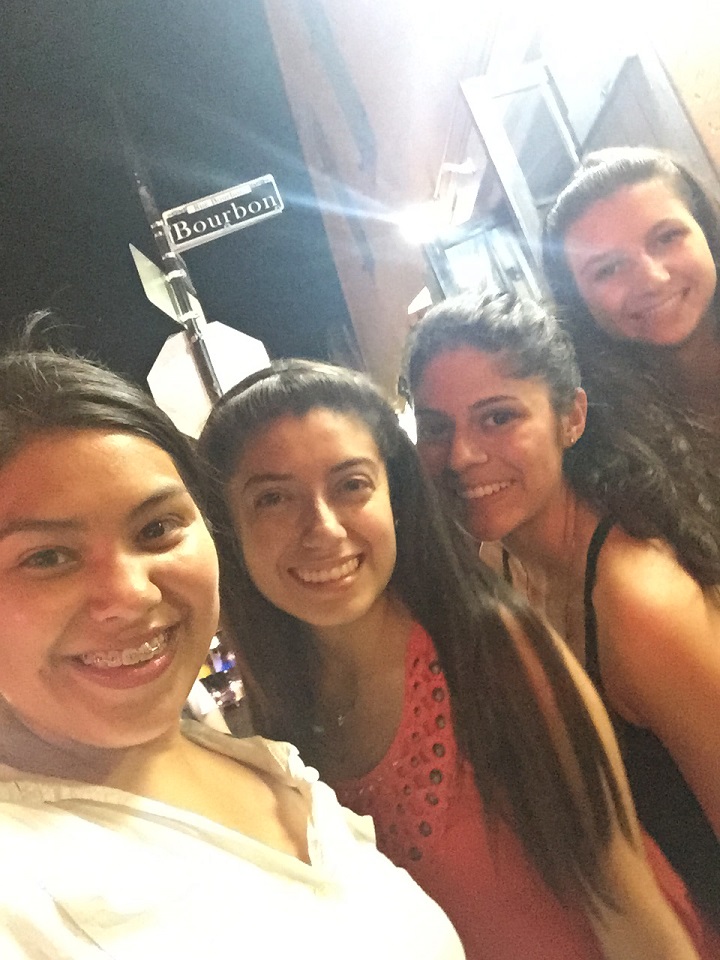
This was a new experience for all of us – especially Bourbon Street.

Bourbon_Street_Girls_Web

Many of us had heard what it would be like, but being there was totally different than any of us expected. It was a diverse place that offers so much to do and see.

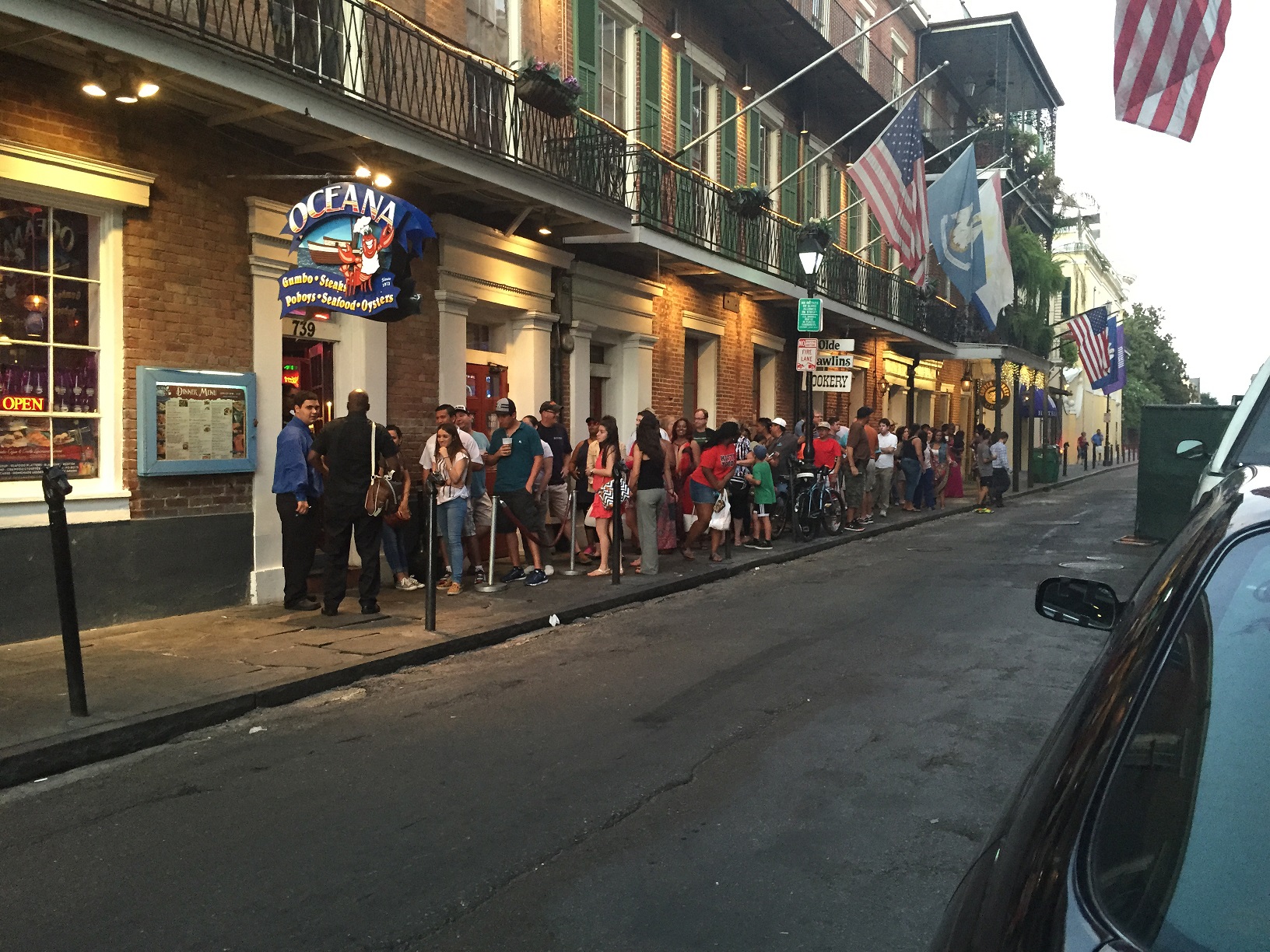
For dinner we went to the famous Oceana Grill, we heard great things about this restaurant and couldn’t wait to try the food. We got there and were surprised by a long line of people waiting to be seated outside the door.

Oceana_Line_Web

After waiting in line, we finally got seated. We began with gator tail bites, Cajun alligator sausage, Oceana’s famous oysters, and gumbo.

Oceana_Meals_Web

For most of us it was our first time trying many of these appetizers. It seemed like a lot for starters, but they were all great and gone in no time. Megan and Alex shared one of New Orleans Favorites, the Taste of New Orleans that came with creole jambalaya, crawfish étouffée, red beans, and rice with smoked sausage. Kaitlyn and Karla shared a crawfish fettuccini pasta with freshly diced green peppers and New Orleans seasonings. We were all so pleased with our food, it was much more than we expected. It added more definition to the culture.

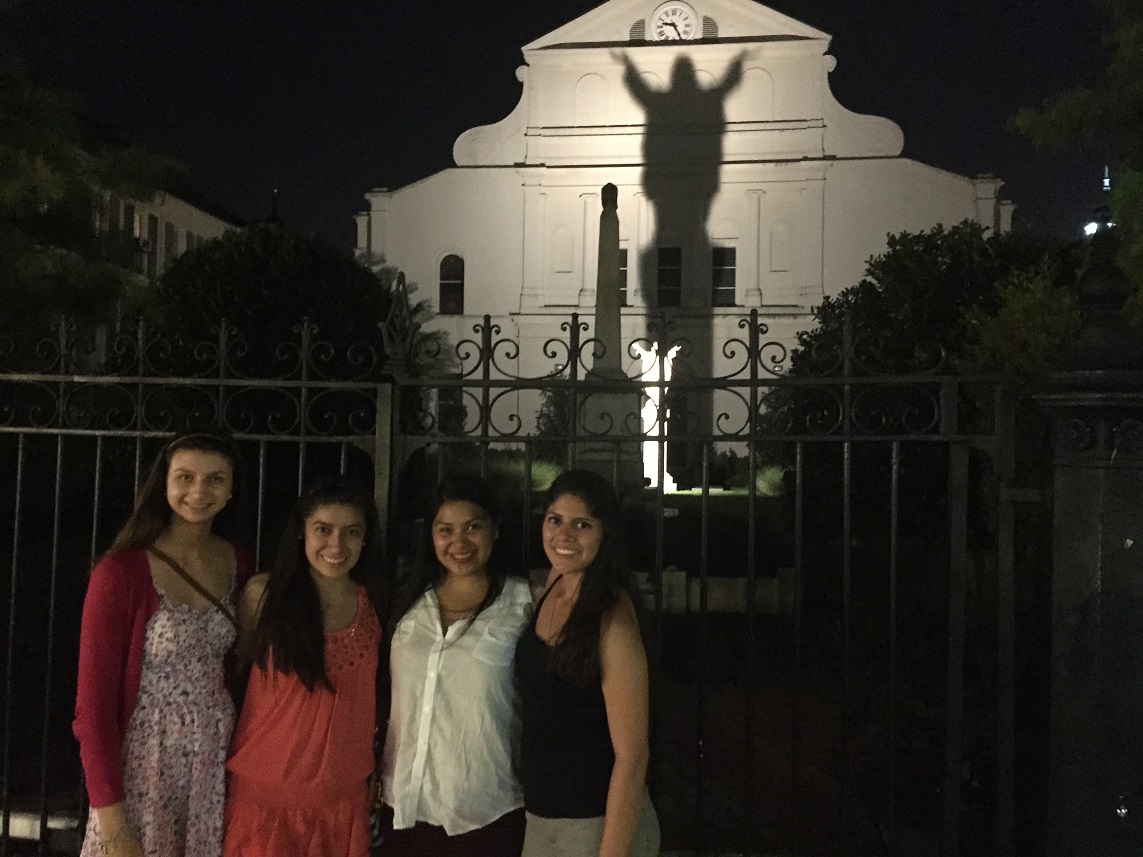
After an appetizing dinner, we walked around the town for a while. The “day crowd” was different from the “night crowd”, but unique all the same.

Christ_Shadow_Girls_Web

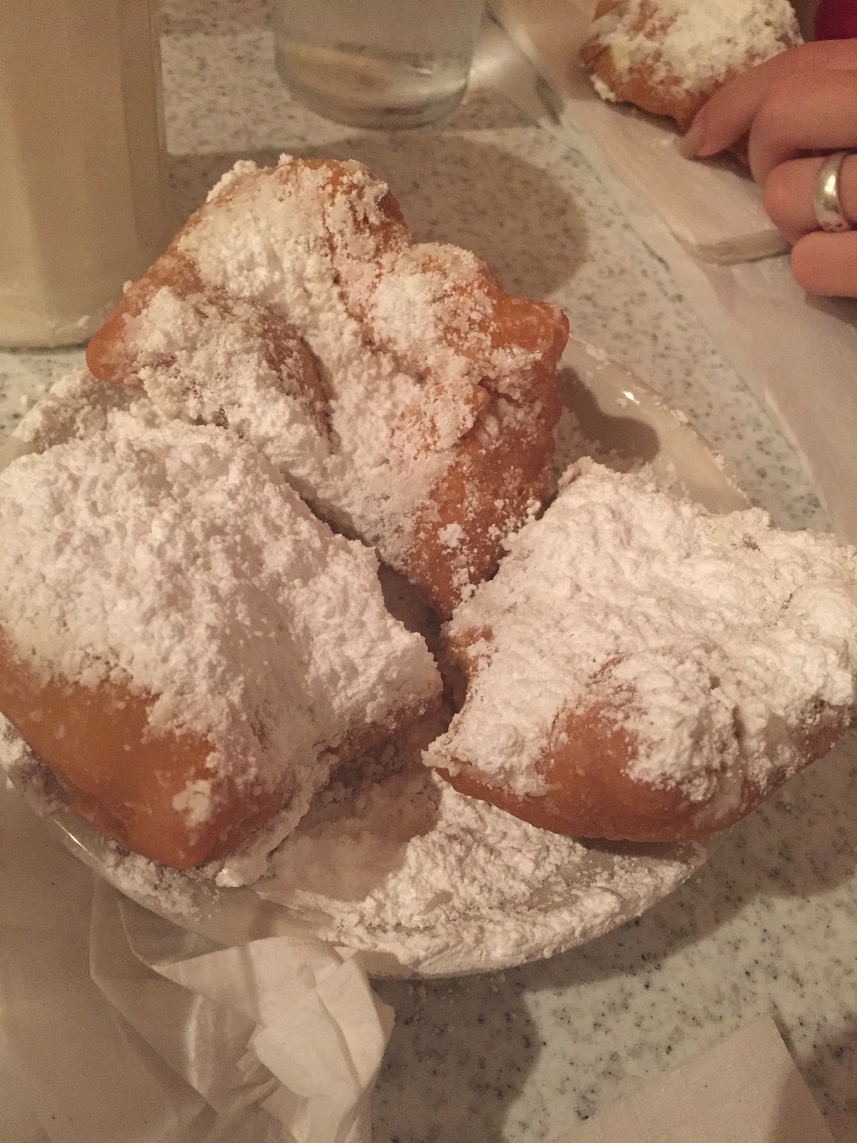
Dessert was spent at Café Du Monde enjoying some warm and fresh beignets and chatting about the day’s events.

Beignets_WebOn the walk back to the hotel we enjoyed taking pictures at landmarks and learning a new way of life. We were all very sad that tomorrow would be the last day of our tour, but thankful to have had this amazing opportunity! The South has been great to us.