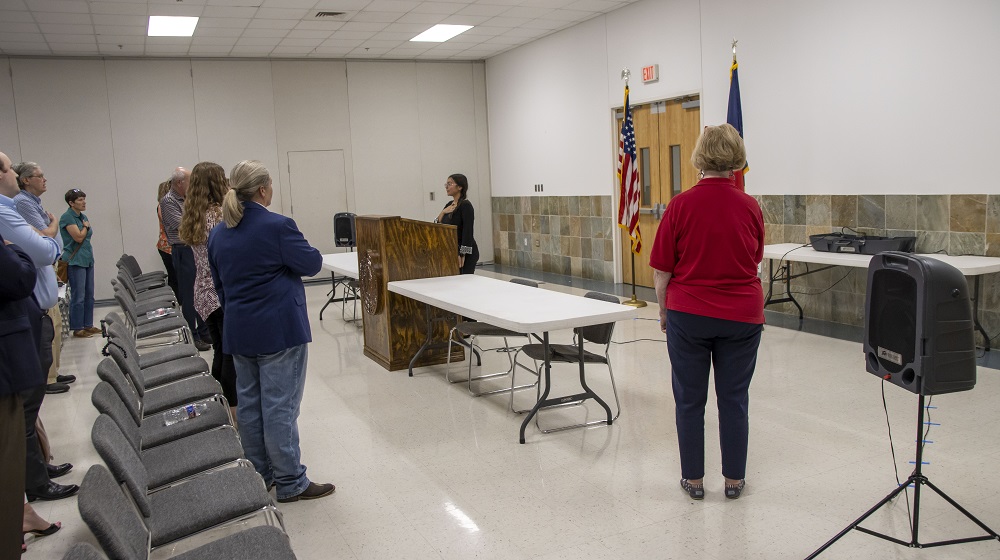
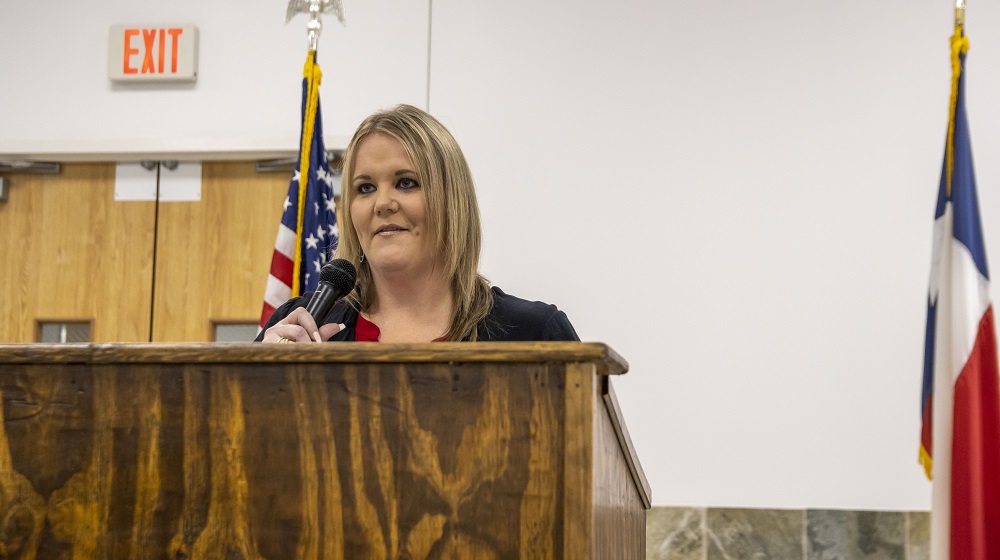
Sam Houston State University is one of the top law-school feeders in North American. Indeed, it ranks in the top 200 nationally (out of almost 3,000 four-year Universities/Colleges) in sending students to law school. The LEAP Center helps with this, offering dedicated pre-law advising, numerous pre-law activities, and also providing students the opportunity to take a Mock LSAT every semester.
This semester, we had 20 students sign up–and 19 students show up–for a Saturday morning test.
While many may think this is an activity for juniors or seniors, we actually encourage freshmen and sophomores to take the test. One of our goals is to get an idea for how close they are to getting the score they want, so that we can help them develop a study plan to get into an acceptable school or, even better, the school of their choice.
Such tests are supplemented by summer workshops we offer and occasional scholarships we offer so that students might pursue additional help for getting the score they want. This process, in fact, is one of the ways that PLS member, Kaylea King got into Washington University in St. Louis!
Every spring, the LEAP Center works with Lt. Col. David Yebra to bring in Judge Alberto Gonzales to speak with students, and every year the event is informative, entertaining, and rewarding.
Judge Gonzales obtained his undergraduate from Rice University and his J.D. from Harvard Law. He became the first Hispanic partner at Vinson & Elkins, Texas Secretary of State, TX Supreme Court Justice, White House Counsel, and Attorney General of the United States. He is now Dean of Belmont University’s Law School.
One of the things we learned, which might seem small, is that typically you refer to a person by his highest office. In Gonzales’s case, that would be “General Gonzales,” but since Gonzales was in the military as a Private, and because he doesn’t want anyone confusing him as a military General, he prefers “Judge Gonzales.”
Out of all the advice about life and law school he provided us with, the most impactful one was on how to approach difficult situations or problems. He told us that “if you ever go to someone with a problem, you should always have a solution.” Even if the solution is not the strongest, it is a starting point which can serve as a starting point for improvement. This advice is vastly applicable, whether it is a situation with our families, jobs, or even life changing decisions.
Of course we also enjoyed hearing about his time as White House Counsel, Attorney General, and Dean of Belmont Law. But it was his advice that likely stuck with us the most: “you should be happy when you are pursuing your career and navigating through life because you cannot be as helpful if you are not happy.”
We are very appreciative and fortunate to have been given this opportunity to meet Judge Gonzales and we hope to have him visit Sam Houston State again in the near future!
On April 13th the LEAP Center hosted the 10th Court of Appeals, which came in from Waco to hear cases on SHSU’s campus. Like all Appeals courts, the 10th COA holds hearings that review the legal process of lower courts, assessing whether an actionable error occurred. Currently, the three Justices serving on the 10th Court of Appeals are Chief Justice Tom Gray, Justice Matt Johnson, and Justice Steven Smith. The Court heard three cases throughout the day, one at 10 am, 11 am, and another at 1:30 pm.
The LEAP Ambassadors gathered the large crowd outside of the Kerper Courtroom in the College of Criminal Justice building. Heather and Jessica handed Courtroom Etiquette Rules and case facts to students and other attendees of the 10th Court of Appeals session.
With 3 cases to hear, the court began around 10:00 a.m. with its first case! The turnout for the first case happened to be one of the largest crowds in recent years, with more than 100 students, faculty, and other audience members. The proceedings begin as all rise, and the Justices enter the room.
As always, Chief Justice Gray introduces elected officials in the crowd, including County Judge Pierce, Judge David Moorman, County Court at Law Judge Tracy Sorensen, and District Clerk elect Leslie Woolley. He also introduced the LEAP Ambassadors.
The first case involved a personal injury claim. The plaintiff sued Cowboy Up (a furniture shop) after her fall from the stairs of the shop which resulted in multiple injuries.
One of the features of this program is that the Justices allow the attorneys to turn to the audience and describe the facts of the case, which helps the lay audience follow along, somewhat, with the legalities.
Students, in particular, enjoyed the hearing of the first case and were left with many thoughts, reflections, and imponderables.
Once the first case wrapped up around 11 a.m., the judges remained in their places while the new audience found their seats. As the crowd settled down the hearing of the second case began.
Lasting about 60-70 minutes, the second case concerned the mask mandate enforced by Governor Greg Abbott. The legalities associated with this case were the most complex, and not all of the audience (including me!) followed along fully.
Nonetheless, the seriousness and importance of this case informed the audience of the role of the governor vis-a-vis local officials, while also highlighting the importance of jurisdictional issues.
After the conclusion of the second case, the three judges, elected officials, and the LEAP Ambassadors made their way to the Friel’s conference room for a brief lunch before the third case hearing and question sessions began.
During this time the LEAP Ambassadors spoke with Justice Gray, Justice Johnson and Justice Smith, Judge Sorensen, staff attorneys Rick Bradly and Jill Durbin, Court Clerk Nita Whitener, and District Clerk elect Leslie Woolley.
Discussions held at lunch ranged from the future career goals of the LEAP Ambassadors to the positions held by each judge present in the room, to conversations about which law schools are the best and of course the tasty cookies Linda McKenzie sent for our lunch since she could not attend.
Wrapping up our conversations and lunch, the LEAP Ambassadors and Judges made their way back into the courtroom for the last hearing of the day.
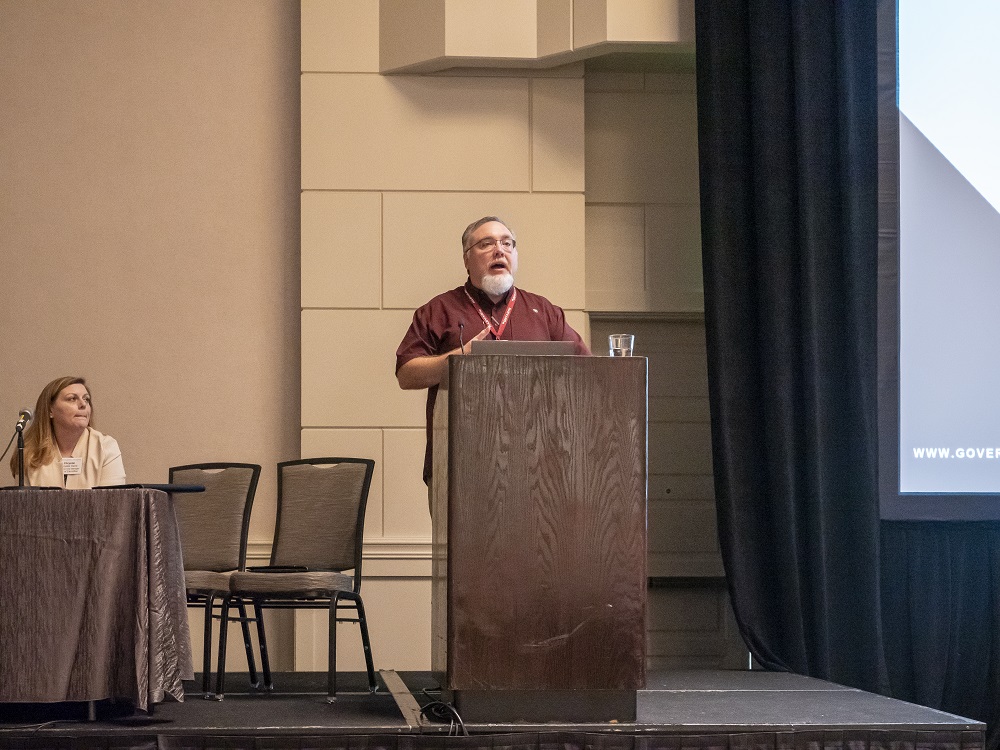
In the third case, the appellant, Michael Todd Austin was represented by Carmen Roe and Brian Wice for his conviction of sexual assault.
This case was very well delivered, easy to understand, and kept brief as both appellant and appellee argued the facts of the case.
As the last case came to an end, Chief Justice Gray opened the floor to the audience members, who had many questions for the attorneys regarding their jobs and roles. One student asked, “How do refrain from emotional attachment in cases such as the one presented today?” while others asked about the duration of cases and the complexity of courtroom procedures. Justice Gray, Carmen Roe, and Brian Wice, along with the prosecution attorney Doug Howell…
…answered each question with extensive knowledge for the students!
After the question session, the LEAP Ambassadors made their way down to greet the judges and have informal conversations and take pictures!
It was an honor hosting the 10th Court of Appeals for another year. We are very thankful to Chief Justice Gray, Justice Johnson, and Justice Smith for coming to Sam Houston and making it a memorable experience for students and faculty!
Following our spring break and trying to get back in the swing of things, our Pre-Law Society meeting allowed us the opportunity to hear from our peers. As part of the normal business, this meant our President, Heather Noman, having minutes approved and funds moved, but we quickly moved to the main topics.
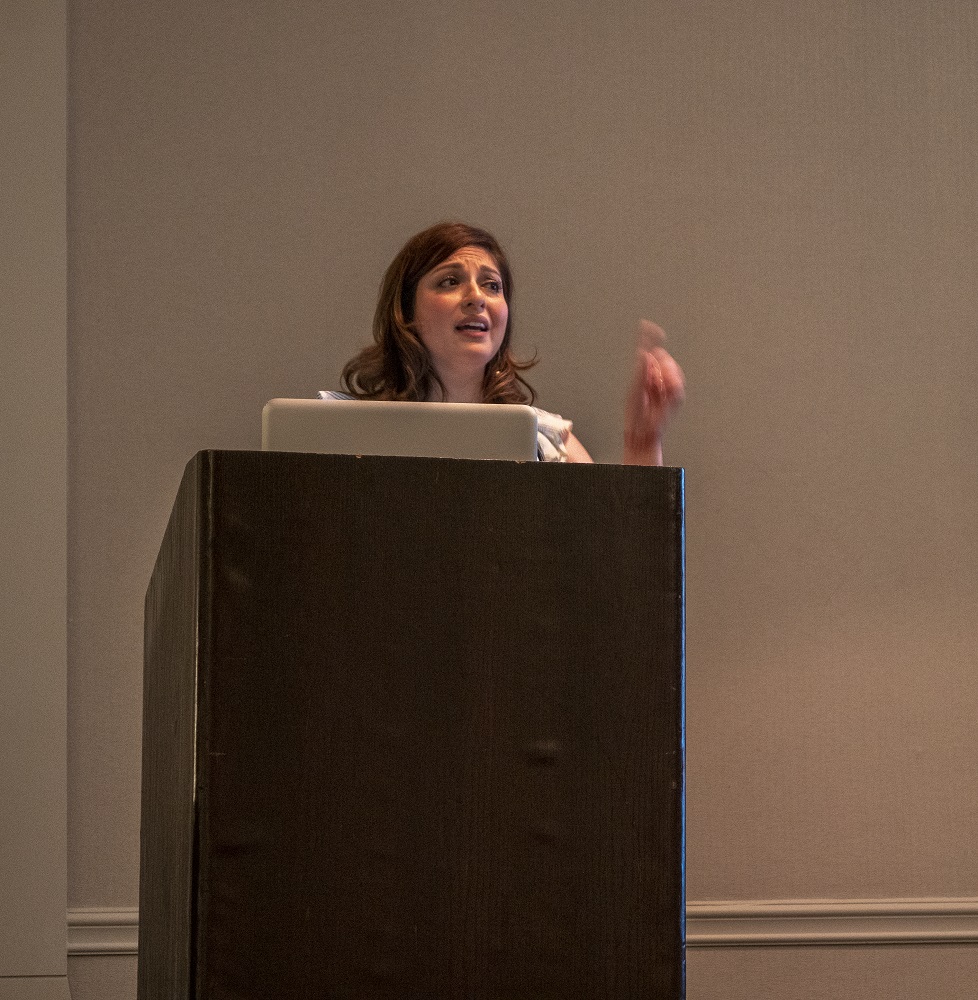
Heather & Kaylea King took the stage, and told us what they know, what they wish they knew, and other tidbits about applying to law school.
For Kaylea, the timeline was stressful for her. She was a junior when she realized she wanted to go into law. She took the Mock LSAT to get her bearings, and then was selected for the Pre-Law Society Prep Course. With some improvement under her belt, she took the LSAT in August of last year, and was able to get a good score. Armed with that score, she applied and was accepted to several schools.
For Heather, the worst part was the actual LSAT. After not being happy with her performance the first time, she took it again. She had technical difficulties, and that added to her stress, and she also regretted taking an LSAT Prep course during the semester. She recommended taking the prep course and doing the bulk of the studying over the summer and taking the LSAT in August.
Both encouraged students to sign up for an LSAT account as soon as possible, if they haven’t already.
Heather spread a broad net, applying to many schools as she awaits her score. Kaylea applied to nine, using the 3-3-3 strategy: apply to 3 reach schools, 3 schools at which you are competitive, and 3 safety schools. Ultimately, she chose the University of Washington Law School in Saint Louis, MO, which is ranked 16th in the country. Kaylea got a good feel from the school, they are ranked highly, and the people were nice.
For freshmen, Kaylea and Heather recommended not getting too intense in terms of studying. Crossword puzzles, sudoku, other logic-related games and, of course, reading can be helpful.
For juniors, the time is more urgent, and having a rigorous self-study plan or formal LSAT Prep course is essential.
In terms of personal statements, Kaylea suggested being honest and genuine, and letting the school get a sense of the real you. In terms of letters of recommendation, Heather suggested getting a professor, one you have a great relationship with. Taking courses in which the professor can evaluate you across numerous assignments and diverse types of assignments and getting to know the professor outside of class are key in getting a good letter.
After providing these excellent tips, Heather moved on to some upcoming events and our next meeting. With this hearty welcome back from Spring Break, we adjourned the meeting.
Capitalizing on the hard work of Professor Kurt Smith with the Political Science department, the LEAP Ambassadors and Jocelyn Vazquez recently enjoyed a short but informative lunch with Judge Jamie Rene Roman and Dr. Kurt Smith, learning about law, politics, and life.
Judge Roman served as a Judge in California after being appointed by Governor Arnold Schwarzenegger. He has also worked for the Texas Department of Criminal Justice (TDCJ). Although Judge Roman acquired his J.D. from the University of California, Hastings College of Law, he continued his education after law school at Boston University to obtain his L.L.M, allowing him to specialize in International Banking law!
Upon entering the room, Judge Roman began his greetings and empowered us with his experience as a young attorney working. As we talked about our career goals and what would be next after we graduated from SHSU, Judge Roman, Dr. Kurt Smith and the LEAP members began to unravel the packaged deli sandwiches catered by Aramark for our small group lunch.
Stressing the importance of education and a great work ethic in law school, Judge Roman advised us on what to look out for once we begin our careers and what to expect in law school.
His advice for not only law school, but the LSAT gaged us to have a deeper understanding of the importance of what steps are needed to go to the law schools that we want.
Judge Roman discussed the hardships that he faced in his career as he witnessed the dynamic yet bitter truth about family law and shared with us how busy every day would be with the incoming cases. He shared his insights regarding any questions we had, some of which related to the BAR exam for California and how it compared to the Texas Bar exam.
We also asked Judge Roman questions relating to the difference in court structures in California and in Texas. Judge Roman explained how he got a good grounding in the law by rotating, spending two years as a judge in one type of court, two years in another, and four years in another. This gave him the kind of all-around foundation that we one day hope to achieve.
On behalf of the LEAP Ambassadors , a big thank you to Judge Roman for taking the time to speak with us and and offer advice, and another thank you to Dr. Smith for setting up such a meeting. And Thank you for visiting SHSU!
The OKC National Memorial Museum is laid out in such a fashion that reminds visitors of what happened on that day, April 19, 1995, but also stands as a tribute to both those who survived and that were lost.
The Museum unfolds in chronological fashion, beginning with the background of the tragedy, and going through almost minute-by-minute on the day of the bombing.
April 19, 1995 was just a nice spring day, a completely normal day in Oklahoma. One of the most difficult experiences on the tour was in the meeting room, where the Water Resource Management Committee began their meeting at 9:00am–a meeting which was recorded.
We listened to that recording, hearing the explosion, and also the screams, fear and confusion among those attending the meeting.
The lights dimmed as the explosions and screamed sounded, and then their was silence, leaving us to ponder the aftermath of that day.
The aftermath was also vividly displayed at the Museum. Artifacts included a pile of keys, glasses, desk items, and shoes: the remains of a tragedy, forever encased in this Museum–preserved, much as people’s memories of the bombing will last forever.
The lives of the innocent are memorialized in so many ways throughout the museum, but the most impactful is the wall of pictures with personal belongings that they were able to identify as belonging to specific individuals.
As we moved through the timeline, we were then shown the backstory of Timothy McVeigh and what he was doing leading up to the incident.
The stories of those who passed, those who died, and the heroism of the rescuers was emotional.
McVeigh was charged with 15 counts of murder, and he was represented by multiple attorneys, including with Chris Tritico, who is an SHSU Alumnus.
As we made our way to the outside part of the building, we experienced a great contrast to the tragedy we walked through. We breathed a sigh of relief at all the vivid fall colors of the trees and relished in the natural beauty that I believe we all needed.
The path leads up to a single American Elm tree that is known as the Survivor’s Tree. This Elm stood through the bomb and remains strong to this day. Each year the seedlings are harvested from the tree and given in remembrance to the families impacted by this event.
An offspring of this tree was even planted at the White House.
The grounds also are home to other memorial features. There is an East Gate displaying 9:01am, a reflecting pool, and a West Gate, displaying the time 9:03am.
South of the walls, the lawn is lined with 9 rows of chairs representing the nine floors of the Murrah Building.
There are 168 empty chairs, representing the lives lost, including young children (which are represented by smaller chairs).
Surrounding the grounds, there was a fence with mementos that people have placed in memory of loved ones: teddy bears, bracelets, photos, and such.
We also went across the street, where a nearby church created a statue of Jesus, with an inscription of the shortest verse of the Bible: “And Jesus wept.”
This was a tour that almost brought me to tears at several places, and our hearts were heavy as we left.
Oklahoma Capitol
Saara Maknojia
Shortly after our somber but educational tour at the Oklahoma City National Memorial Museum, the LEAP Members coasted off to the Oklahoma State Capitol. The chilly weather and beautiful sunset allowed us to better view the magnificent and historical site.
The intricate architecture of the landmark included Greek Corinthian columns, and Greek Meanders which symbolizes and means movement. The Greco-Roman structure of the state capitol was complemented with the displayed Tribal flags from Native American Peoples who have such a rich history in the 45th state.
The Oklahoma State Capitol is further enhanced with the sculpture of a Native American woman, designed by Allen Houser, which stands in front of the Capitol.
The peak of the capitol’s dome is adorned with a 17.5-foot sculpture of a Native American called “The Guardian,” by Enoch Kelly Haney, and a version of the statue is also located inside the building.
We learned the history behind some of the Oklahoma tribes as we observed the painted murals on the third floor of the capitol.
Oklahoma’s historic significance of the “Sooners” is also integrated into the state building through some of the murals. We all learned about how the name came to be and why it was such a vital point in OK history. Oklahoma State University later adapted “Sooners” as their team mascot to exemplify their patriotism towards the state.
Probably the highlight of the Capitol Building is the interior dome, which is beautiful.
The LEAP Members grasped a better understanding of not only the political aspects of the Oklahoma State Capitol, but also the history and cultural diversity within the building itself and the state of Oklahoma throughout the tour!
Oklahoma City Museum of Art
Erin Juarez
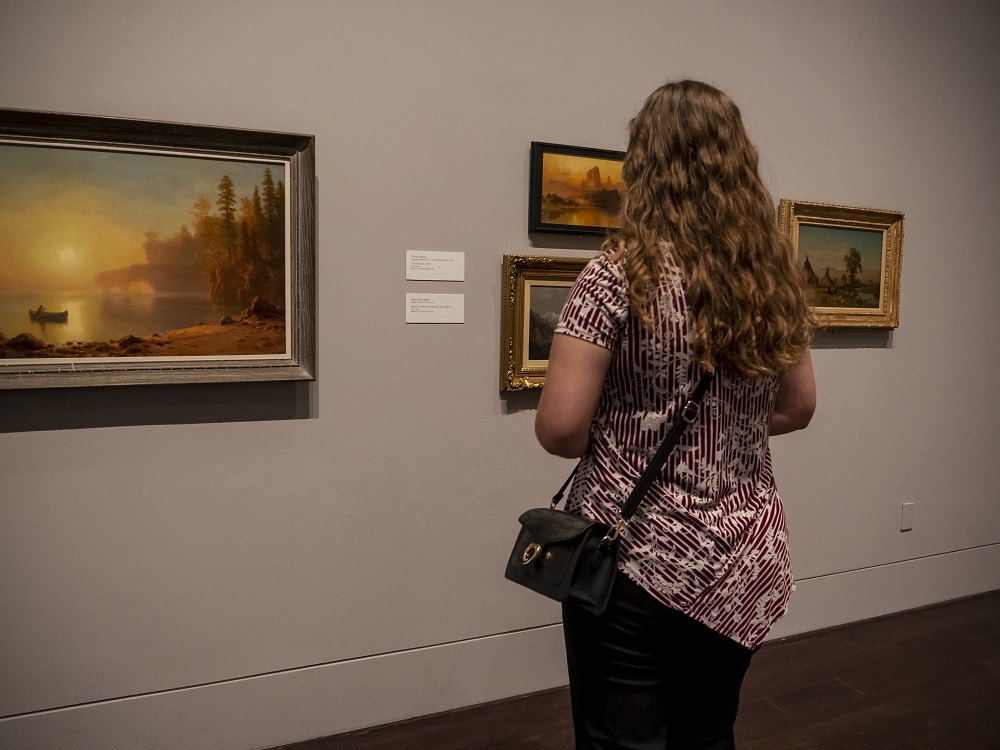
With the night still young-ish, we decided to go to the Oklahoma City Museum of Art. As we walked in, there was a fifty-five feet glass sculpture towering to the right of us, one created by renowned artist Dale Chihuly.
Yvette, a born trouble-maker, immediately got into trouble for standing on a wall so that she could better pose with the sculpture…
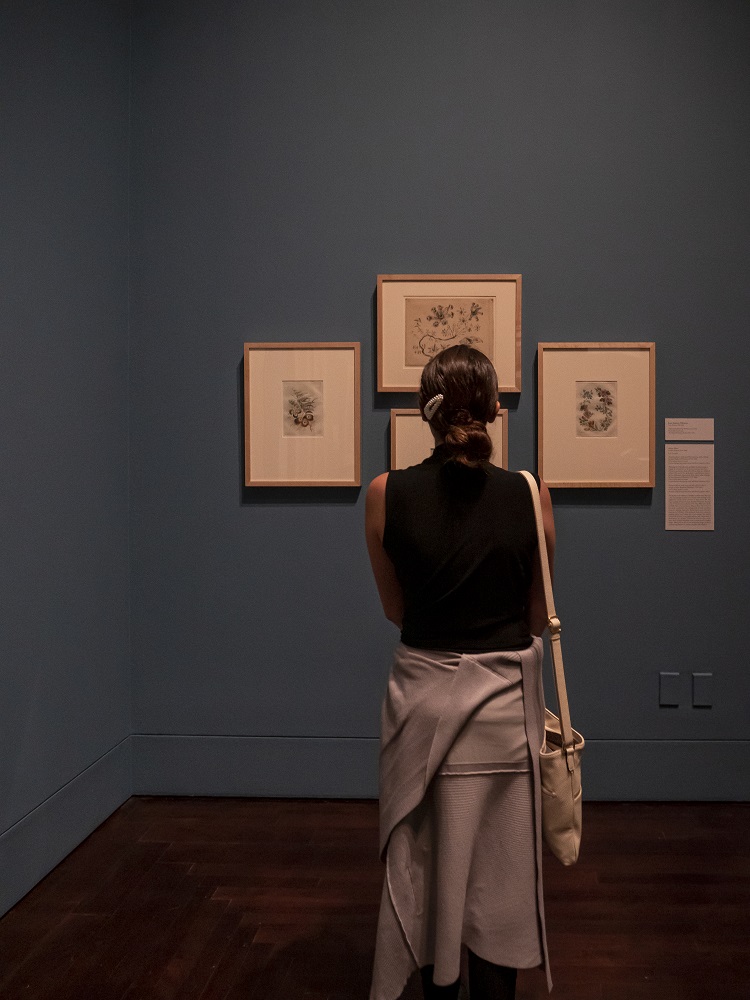
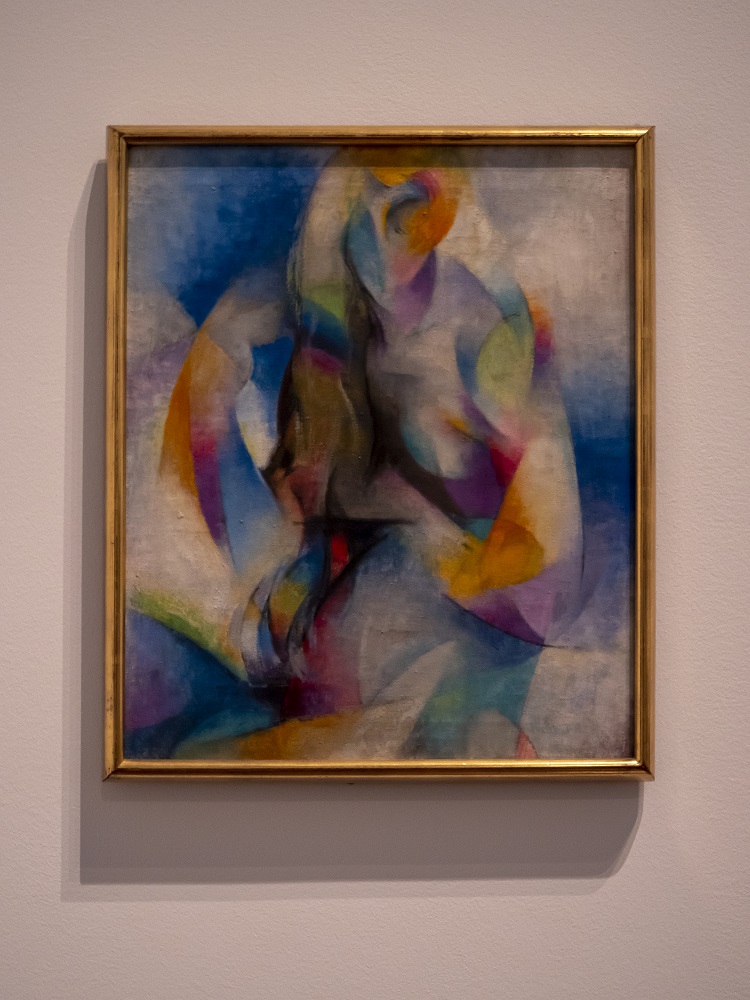
This Museum helped expose us to various types of art: impressionism, regionalism, modern, sculptures, and many other styles and artistic media. It helped me learn what type of art I most enjoy. In particular, I liked the sculptures, especially those of Chihuly. Saara also liked Chihuly, but was also drawn to the impressionists.
The museum is separated into four floors. On the fourth floor, our favorite artist, Dale Chihuly, work is featured in a way that flows cohesively leaving the viewer to almost forget they are in an art museum. The dark room, allowed for the lights that were strategically placed to catch the art at different angles to illuminate it differently.
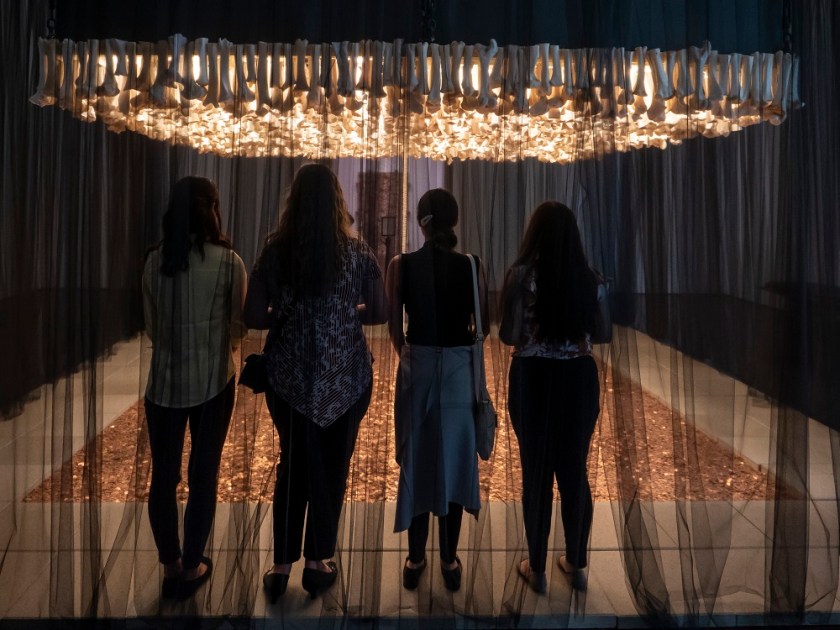
We found this exhibit to be exceptionally fun and dynamic to photograph. As a person new to cameras, it offered the opportunity to experiment with photography. The low light was a challenge, but the subjects were beautiful! We particularly enjoyed walking under Chihuly’s Persian Ceiling, which creates all sorts of interesting shadows and colors.
And we also had the opportunity to see some of Chihuly’s paintings–one of which, we learned, Stephanie actually owns!
Outside of the fourth floor, there’s a video of how Chihuly gets his glass done for his art. This was very interesting. We often found ourselves asking in amazement on how he accomplished such great works, so the video was insightful.
We even found another of his chandeliers in another part of the Museum, which was also beautiful.
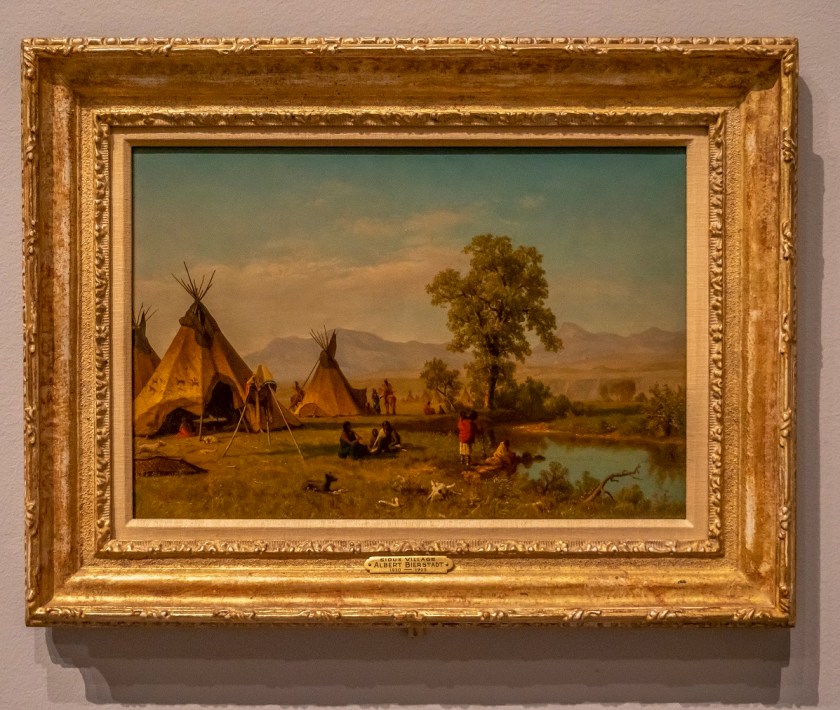
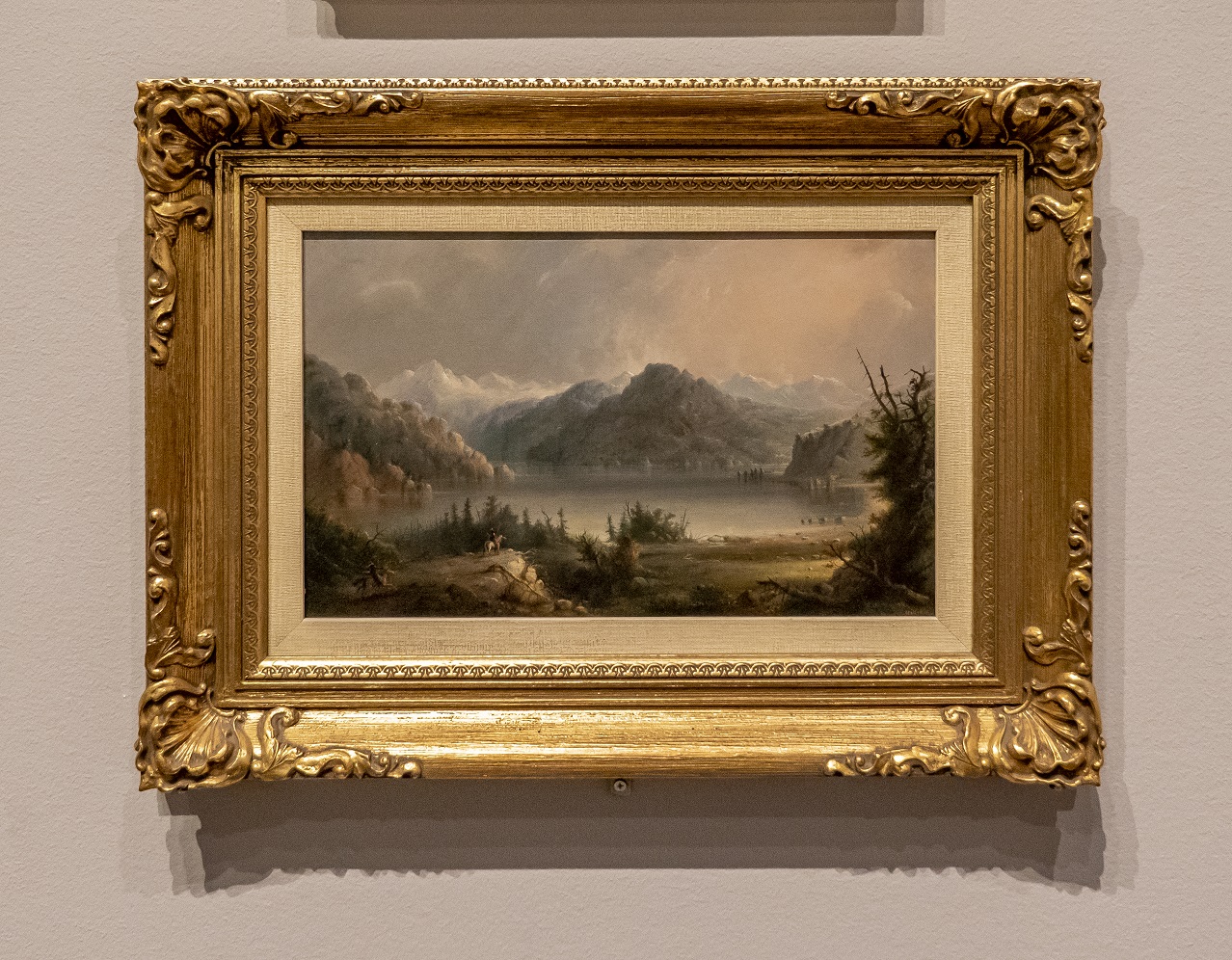
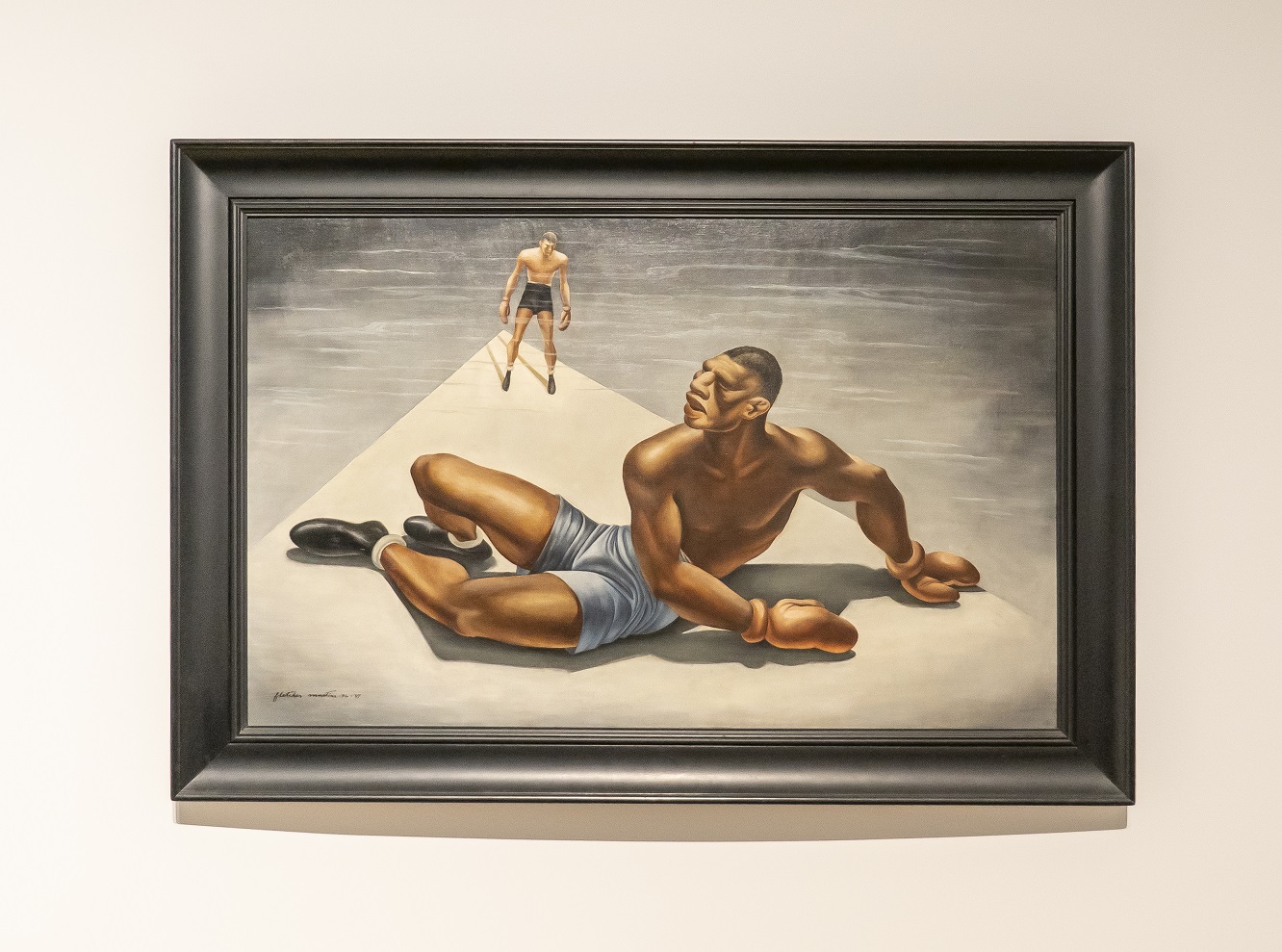
Of course, we didn’t just see Chihuly. For some of us, it was our first time to see a Thomas Moran painting…
…and Alex Katz…
…and although all of us had seen a Georgia Okeeffe…
…it was our first time to see some other Southwestern artists, such as Ernest Blumenschein…
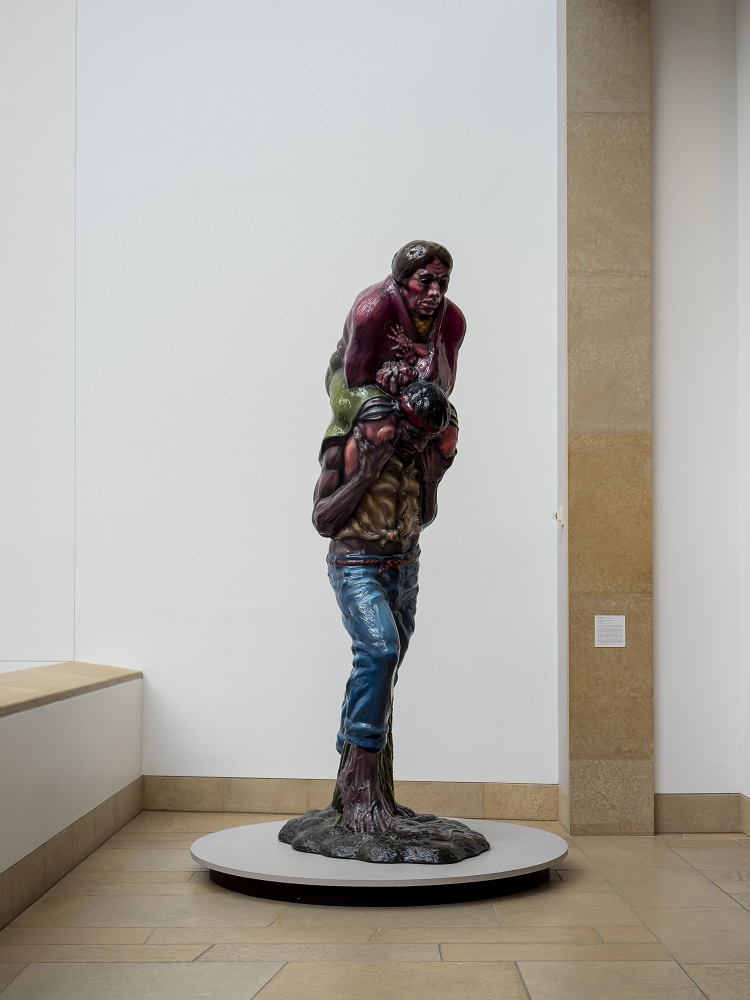
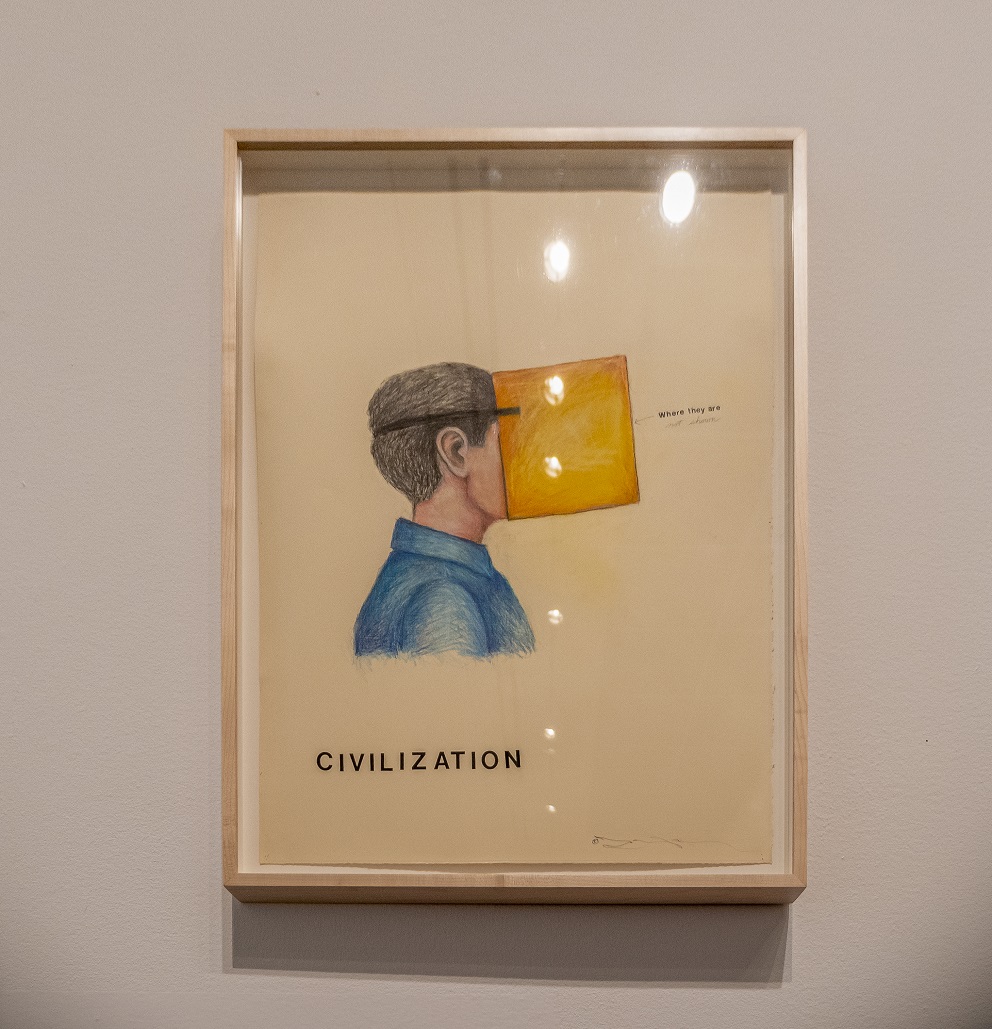
…and Fritz Scholder…
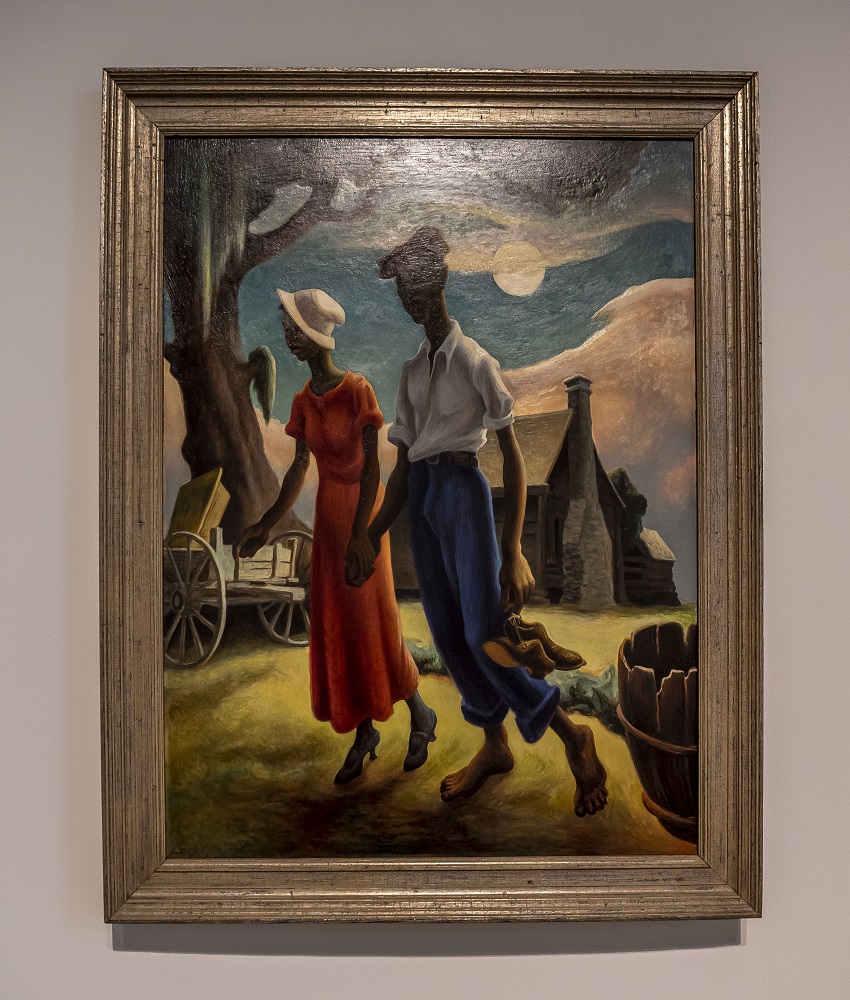
We also saw one of our favorites, which was a piece by the African-American artist Henry Osawa Tanner.
As we took one last gaze upwards at the towering Chihuly we left awed by the amazing art.
But, of course, our favorites were the various Chihuly pieces, including the largest of these, the 55-foot piece at the front of the building. This time, however, we took the photo according to the rules of the Museum, forcing Yvette to comply.
The Wedge Pizzeria
Morgan Robertson
To conclude our first eventful day, we opted for a quiet, carryout dinner. We selected The Wedge Pizzeria, which was Oklahoma City’s first artisanal brick oven pizza. Among the pizzas we selected were: The Perfect Margarita, Brisket, and we built our own Hawaiian Pizza. As we sampled each pizza, we all found we had different favorites, but we liked them all. Saara’s favorite was the brisket pizza; she described it as having the right amount of spice from the Jalapeños, and a great flavor from the brisket.
My favorite, and Erin’s favorite, was the Hawaiian Pizza. Although Hawaiian Pizza might be controversial among the general population, it has a place amongst this group of LEAP Members.
Overall, it was a great dinner and we enjoyed each other’s company as we ate.
Our first morning in Oklahoma began with an early start as we made our way toward Norman, Oklahoma. University of Oklahoma College of Law is located just a mile away from the main campus. As we got closer to the University it was clear what buildings were OU, as they were architecturally cohesive–and they were helpfully labeled.
As we walked toward the school of Law Building–admiring all the fall colors and weather–we were greeted by Dean Kathleen Guzman, and the Director of Technology of Innovation, Kevin Brice. After we introduced ourselves and explained that we are SHSU students touring for the first time, Dean Guzman introduced herself and explained that she walked the campus every Friday morning, talking to the students, asking how things were going, and seeing if there were any concerns. And we thought, what a nice place to be!
We then met one of our tour guides, Maddie Farris, the Associate Director of Admissions, who welcomed us and introduced us to Grayson, a 2L and mentor at the school. As we ventured further into the Law School we asked Grayson questions about her experiences at OU, which she happily answered!
The first room we saw was the library. We learned OU Law is the only law school that is an Apple distinguished Campus. The school’s emphasis on technology is apparent when you look around the computer lab, equipped with dual monitors, VR stimulators and other technological advances. Study rooms can be found almost at every turn in the school. Grayson showed us her favorite places to study and prepare for class as we made our way to the reading room.
The reading room spanning the width of the building was lined with tables and was flooded with natural light from the massive windows on either side. This was my favorite room in the library, and we all found it to be a very photogenic spot.
As we wrapped up the tour, we thanked Maddie and Grayson for their help…
…and spent the rest of the time admiring OU’s beautiful campus, which included similarly beautiful buildings, rooms, and some fun and surprising art–including works by Allen Hauser, Jesus Moroles, and James Surls.
Fred Jones Jr. Museum of Art
Erin Juarez
Speaking of art, Fred Jones Jr. Museum of Art definitely caught our eyes. This museum contains art and artifacts from the sixteenth century to the present. The Fred Jones Museum also acts as a comparison to the museum we visited the night before and similarly contains art from all over the world.
As we were making our way to the museum, we began to spot pieces from our favorite artists: Jesus Moroles….
…and James Surls.
As graduates of SHSU and Texans, we were happy to see how well known these two are outside of Texas.
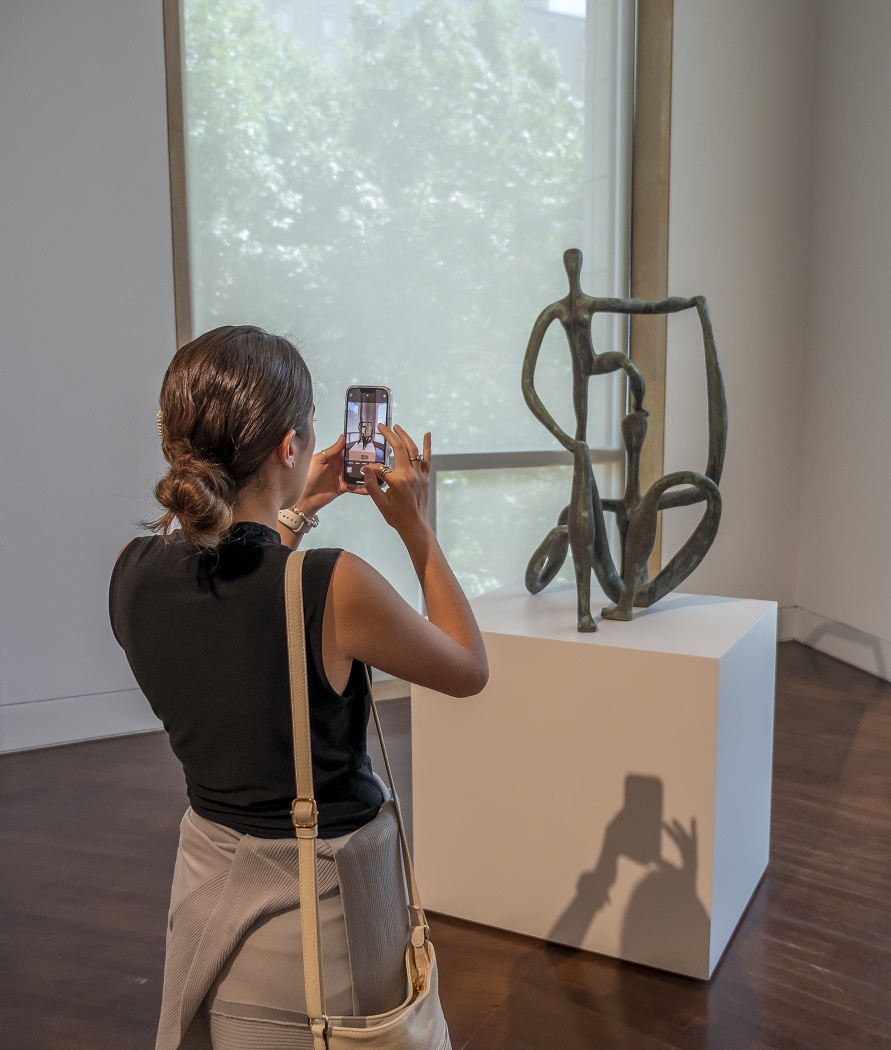
In the museum, we saw more work by James Surls, most impressive of which was the stand-alone flower shape that can be viewed from all angles.
We expanded our knowledge as learn more about different types of cultures and artists. For instance, Saara and I saw a Monet art piece for the very first time, and we began to recognize his style of impressionism.
I was able to recall who Georgia O’Keeffe was based on her style and motifs, and found that I prefer her work.
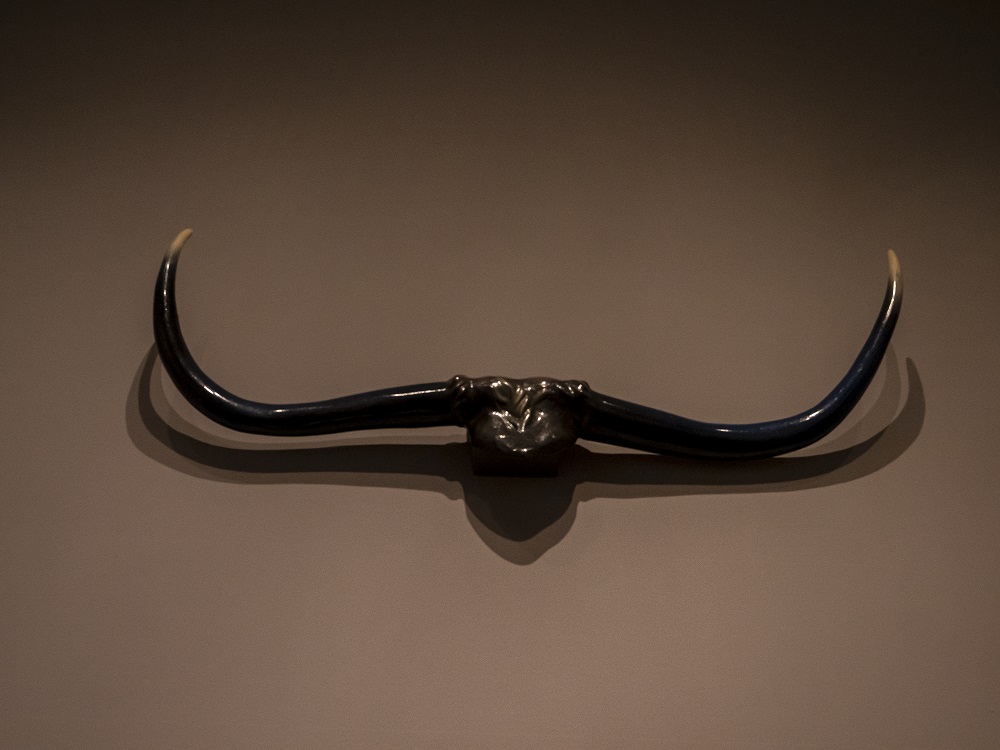
O’Keeffe began by painting her family, then expanded to flowers, landscapes, and bones. This is what makes her unique from other artists, her flowers are usually big with vivid colors, but her favorite theme is, interestingly enough, cow skulls.
Saara’s favorite piece was the painting that hung in the model of the Jones’ house which was a Vincent Van Gogh work entitled Portrait of Alexander Reid.
We recognized it as a Van Gogh, based on his style, right away. We also learned more about the different types of impressionism and post-impressionism,. including pointillism.
Learning more about art found on Oklahoma University’s campus was a true insight to what the University holds as values.
Greek House
Yvette Mendoza
Driving through the great college town of Norman, Oklahoma we ate at what might, at first glance, be a dive Mediterranean restaurant: the Greek House. But behind the small storefront and limited menu were massive portions and a world of flavor! As you walk in, it is impossible to miss the four rotating skewers of gyro meat that we later learned is used in almost every meal.
The hummus and chip appetizer tasted organic and fresh. The contrast of the warm, fried pita bread’s crunchy texture to the cool and tart hummus dip, enticed us even further to try more food. Morgan even commented that this was her favorite hummus that she has had. Each bite was authentic and flavorful.
The main entrees were overflowing with gyro meat, and our appetite grew much more. Everyone except for myself ordered sandwiches packed with gyro meat, spices, tomatoes, onions, and tzatziki sauce. I, on the other hand, ordered the gyro plate, which consisted of the same ingredients as the sandwich but had a much larger portion. The gyro plate also came with French fries and a salad to complement the dish.
The table grew increasingly quieter as we began getting full of all the delicious food. The LEAP members absolutely loved it, and it served as vital fuel for our wonderful day of tours and museums ahead of us.
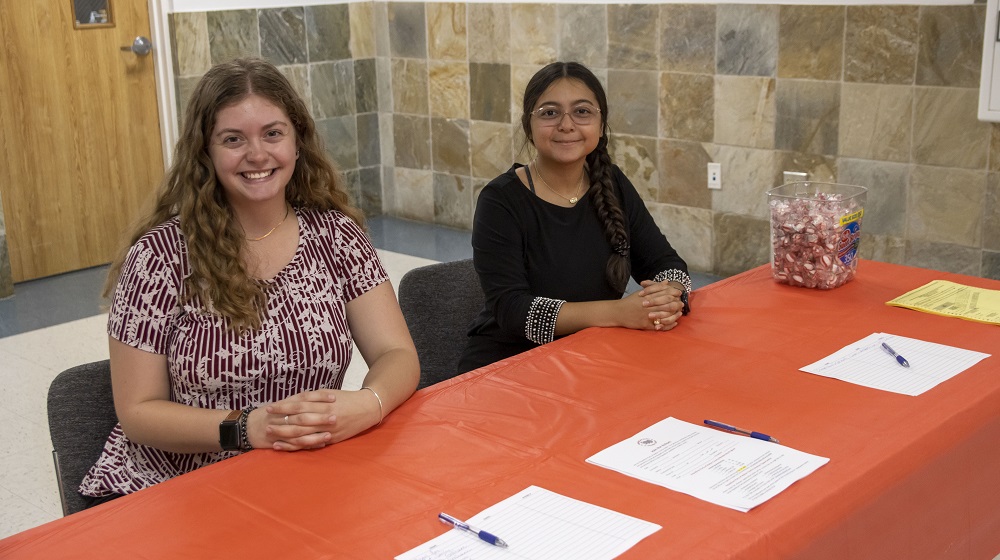
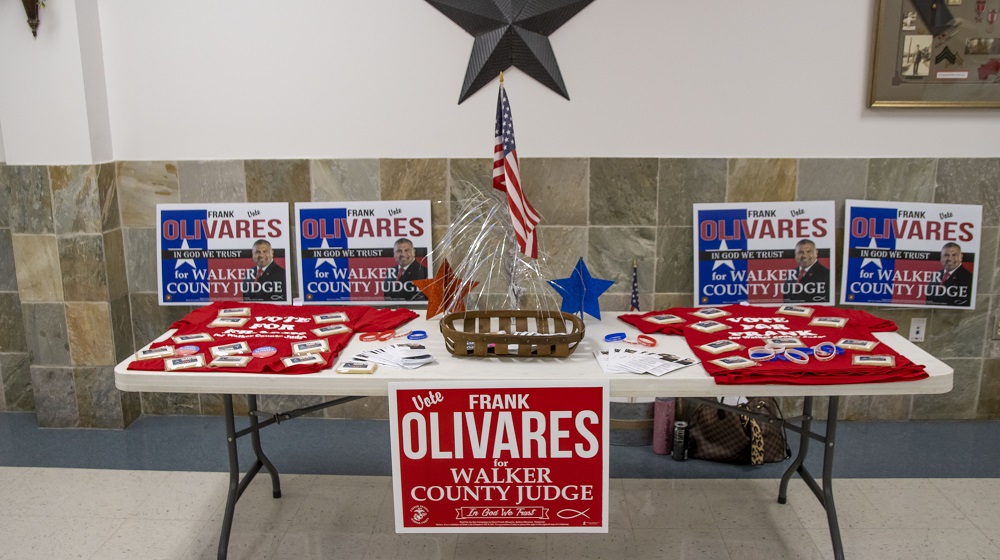
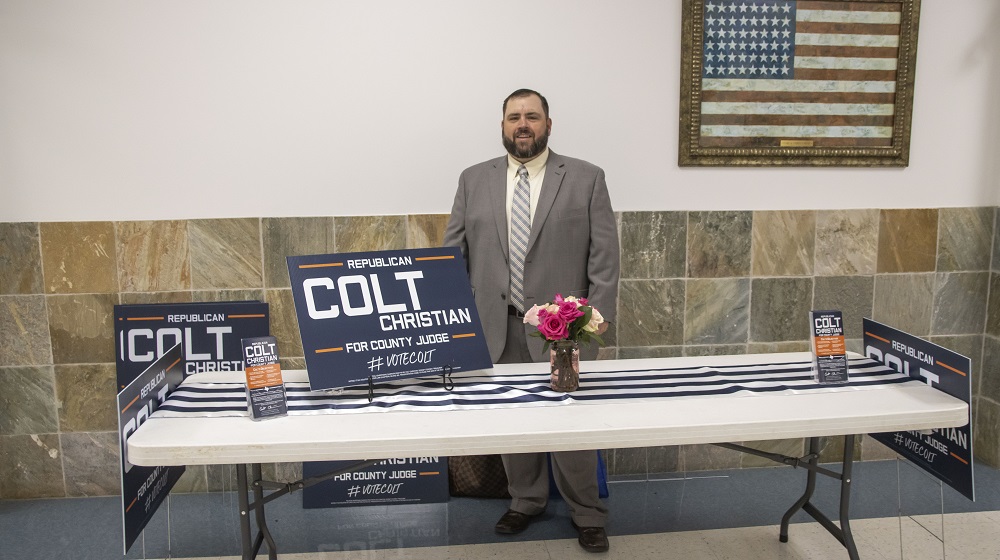
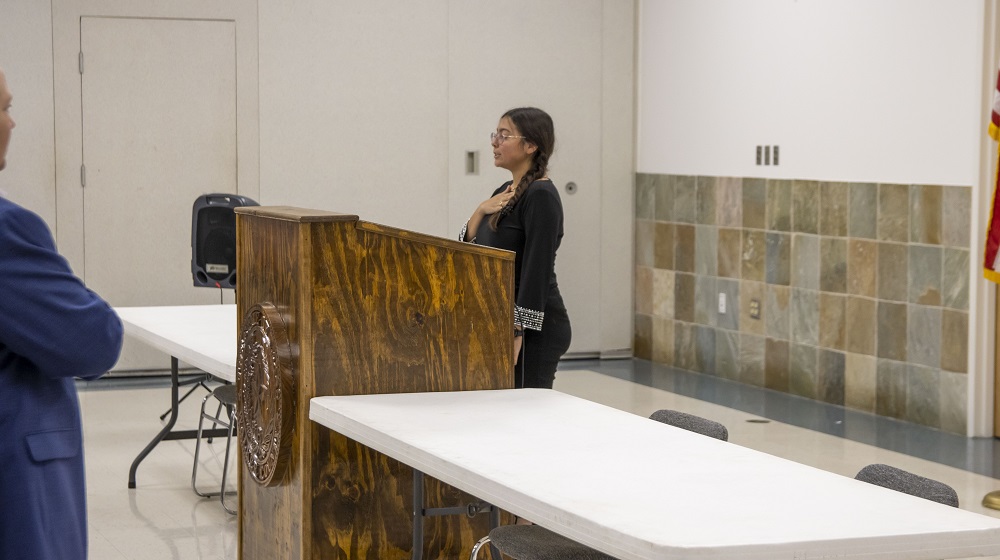
Welcome back to the Pre-Law Society, which has much going on. To kick off our second meeting we held elections for Secretary and the Vice President of Finance positions, and for the main event, we had Jack Choate, Executive Director of the Texas Special Prosecution Unit.
It was a busy night because we had two officer vacancies, and a third officer wasn’t available for his duties. So, we recruited help, and got the program underway.
Three people ran for the Secretary position: Emma Anderson…
…Saara Maknojia…
….and Richard Tran.
All did very well speaking, but when the vote was completed…
…Richard got the nod, winning without a runoff in a three-person race.
For the Vice President of Finance position there were two competitors: Emily Albright…
…and Erin Juarez.
In a first for the Pre-Law Society, there was a tie! Since we have no precedent or rule for how to guide such a scenario, we had to decide on the spot. The class–and the candidates–opted for another set of speeches. First was Emily Albright…
…and then Erin Juarez.
From this, Emily–an Accounting major–emerged as the winner.
Many congratulations to both Emily and Richard, and many thanks to Emma, Erin, and Saara for putting their necks out their and being part of our organization.
In other business, we quickly took votes on minutes, bank account business, registering for Orglink, and a discussion of upcoming events. But the main attraction was our speaker, Jack Choate, Executive Director of the Special Prosecutions Unit.
Choate attended University of Texas for undergraduate and Texas Tech for law school. He went on to work as Assistant District Attorney here in Huntsville, was then hired by the TDCAA, which trains prosecutors, and now he works for the Texas Prosecution Unit. Amidst all this, he also served on the Huntsville City Council for three terms!
Even as a college student, Choate knew he wanted to be a lawyer, and he had experiences with Baker & Botts law firm, and as an intern in a DA’s office that reinforced that sense.
There are twenty attorneys at the special prosecutor’s office. Being responsible for prosecuting crimes on prison units–and for persistent sexual offenders following their release–Choate has seen much that is unpleasant, and he described some of those cases to us.
Because resources are scarce, the prosecutors must concentrate on the worst of the crimes and offenders, and this can be both emotionally and psychologically grueling. In fact, Choate mentioned that he worries about the mental health of his staff, but as a team, they try to focus on the good they are doing for victims and for the number of potential victims that they preemptively save.
Choate also discussed salaries for prosecutors, for those of us who want to pursue that career. For some counties, it can be as little as the low 40,000s, but for larger counties it might be close to $200,000 or so.
Richard Tran, our new Secretary, asked Choate how he maintains a positive, healthy outlook when he has experience so much negativity. Choate noted that he worries most about his staff, who see things from the front lines. One thing he does to provide a positive environment is to bring in a psychiatrist each year to train staff on coping techniques, work-life separation, and warning signs that the negativity is affecting you. But Choate also highlighted the fact that speaking for those without a voice is inherently rewarding, and that his job simply requires a pursuit of the truth, and this knowledge is liberating. It also leads him to hire based primarily on character, rather than those who went to Ivy League schools or the highest LSAT scores.
Jade Miller asked whether Choate believed he ever prosecuted an innocent person, to which he responded, “I certainly hope not!” Choate spoke about the problems of cognitive and implicit biases, how he undertakes training to reduce such a likelihood, and his adherence to the truth. This topic also prompted a discussion of the Michael Morton case, and the tragic case that led to Morton spending 25 years in prison, despite being innocent.
It was an interesting, educational, and even inspiring meeting…
…and all the more so because Choate stayed for another 45 minutes or so, answering questions and motivating students.