Inventors and Presidents: On the Road with the LEAP Ambassadors

The LEAP Ambassadors are on the road again as we return from Dearborn, Michigan. Even though we left yesterday, our trip back to Huntsville is, in LEAP style, exploiting the learning opportunities along the way. Driving through the Midwest, we have been enjoying fields of green, skies of blue and white ornamented with sunny streaks, while visiting locations of historic prominence. From the birthplace of one of the fathers of the modern age to the resting place of our nation’s 29th president, we knew that our Friday itinerary would be as fun as any of the previous adventures in our Vagabond trip.


Edison Home, by Brian Aldaco

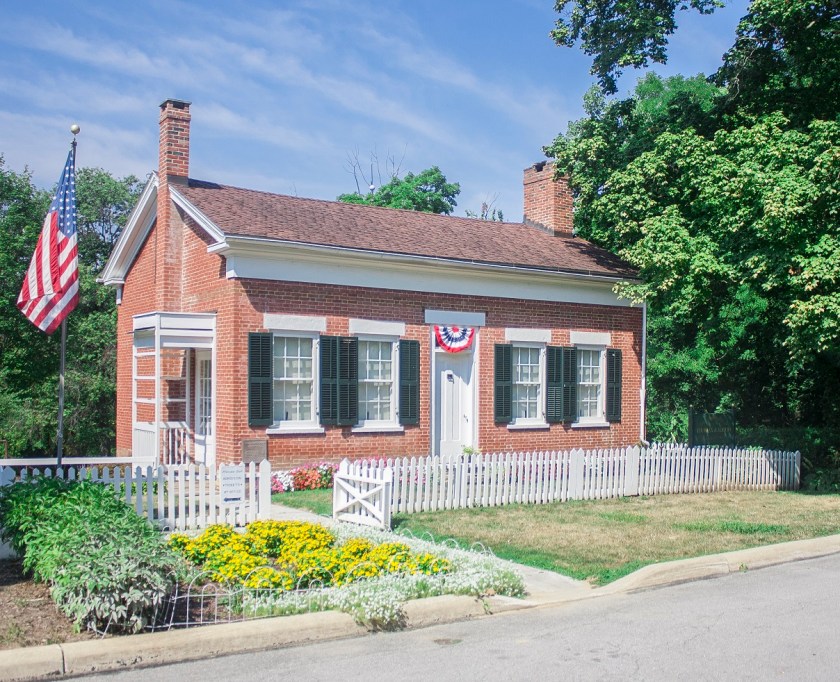
Speaking of the Vagabonds, our first historic site of the day was the birthplace of Thomas Alva Edison in Milan, Ohio.

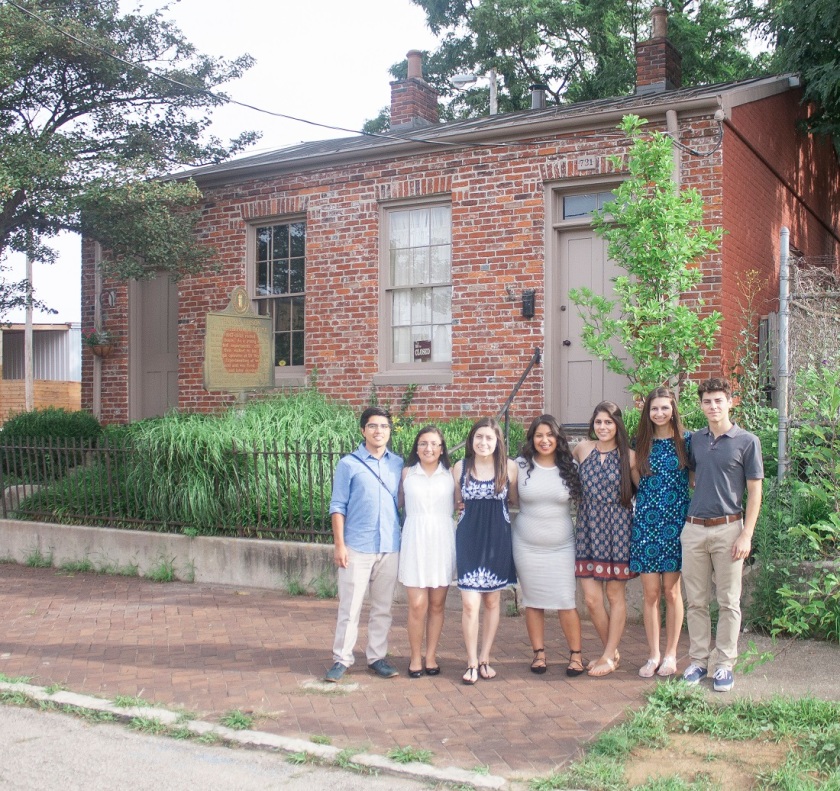
Thomas Edison's Birthplace, Milan Ohio
Thomas Edison’s Birthplace

Constructed along the banks of the Milan Canal in 1839, this modest home was where young Edison spent his childhood until he was  seven-years old. Even though the family left in 1854 due to the town’s low job opportunities, the home would be owned again by the original family when Marion (older sister of Thomas) bought the home. Eventually the home was bought by Tomas Edison and efforts from his wife and sister were later made to turn the home into a historic site. These finally came to fruition in 1947 when the home was inaugurated as a museum on 100th anniversary of Edison’s birth.

Edison_Living_Room_Photo_Web

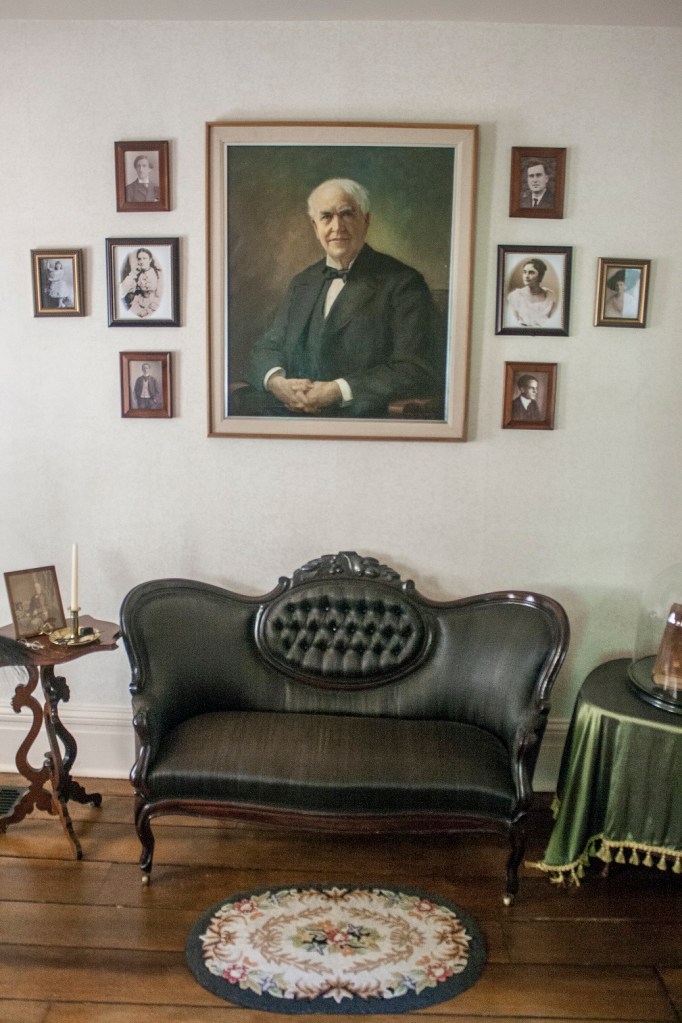
Upon arrival to the restored home along Edison Avenue, seemingly as common as the neighboring homes, we stepped into the birthplace of one of the most important inventors of all time. On the living room stood a cradling bench, one that would have been used to cradle young Edison. What was of greater interest was the adjacent room. In a small, four-walled enclosure, intended for the younger children’s living quarters, stood a complimentary rope bed. Mother Nancy Edison moved to the warmer, oven-heated space on which she gave birth to her youngest child. We stood on the threshold of where Thomas Edison had been born on a February evening in 1847. As we stepped upstairs we were able to sense young Edison’s childhood.

The first bedroom we went into would have been young Marion’s room, now decorated with her christening gown and a knitted tapestry on the wall which she chose not to finish. We then crossed to the opposite room which Thomas and wife Mina Millar used as a bedroom after purchasing the home. Various pieces of apparel owned by the Wizard of Menlo Park were exhibited in the closets. One garment which we found amusing was a pair of slippers, the preferred footwear for the insomniac inventor who would often nap on the strategically placed cots located around his laboratory in Orange, New Jersey.

As we walked downstairs into the parlor room we spotted a portrait which depicted Edison on a fireside’s edge telling a story to a group of children and friends, on of which we recognized as a very attentive man with the name of Henry Ford. As we had spent a week researching the pairs’ 1915-1926 trips across the nation, it was exciting to view signs of their great friendship. We were further amazed, however, by the small space behind the parlor room. On this small storage room stood dozens of artifacts that the inventor had patented during his lifetime. As T. Edison held a list of over 1000 patents, it was rewarding to view artifacts such as the electric pen and the talking doll (the first toy of its kind in the US.) Other items included one of his first successful lightbulbs of bamboo filament (the lightbulb still works), a Western Union telegraph machine which he sold for $40,000 after its creation, and Edison spark plugs, which further helped solidify his connection with Ford.

With our tour ending at the home’s basement, in which artifacts from the period such as a pole latter and a waffle maker were shown to us, we took our last glimpse of the home and started on our way towards Marion, Ohio.

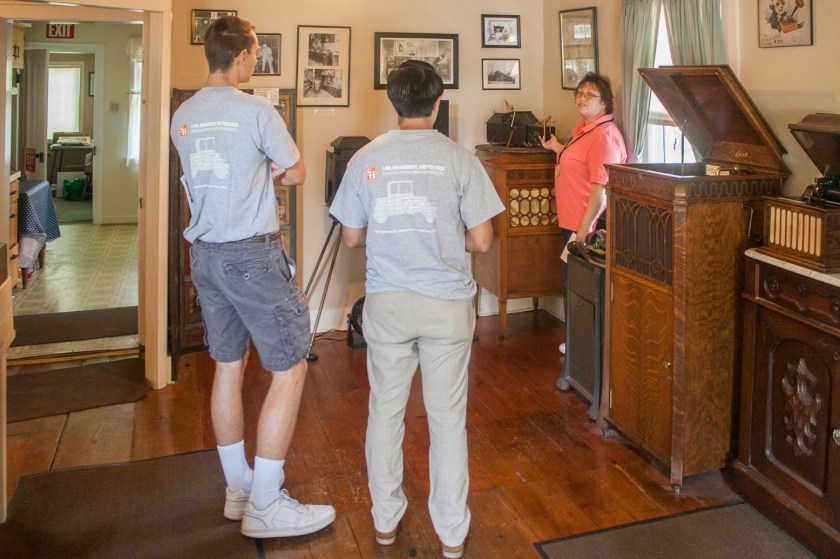
Edison_Phonograph_Web

Before reaching the home town of William G. Harding, however, our homesickness was too strong. Along the road, we came across Tackett’s Southern Bar-B-Que. After overlooking the menu, Paul ordered a brisket sandwich, Professor Yawn chose a plate of pork, and Brian ordered a meal of St. Louis ribs, a bit incongruous considering the venue’s advertised title. Regardless of the cut’s name, the ribs of mouthwatering delight, along with the other meats, were savory to our southern palates. Accompanied with a side of coleslaw and beans (which were bathed in barbecue with a trace of meat) our lunch was more than enough to satisfy our appetite for Texas cuisine.


Warren G. Harding Historic Sites, by Paul Oliver

After lunch we headed to the Warren G. Harding home. Harding was President of the United States after Woodrow Wilson. This meant the he had to oversee the period immediately following the First World War. Importantly, for the purposes of our trip, Harding was also a Vagabond camper, having joined Henry Ford, Thomas Edison, and Harvey Firestone on their 1921 trip.

Henry Ford, Thomas Edison, Warren Harding, Harvey Firestone, Vagabonds
Ford, Edison, Harding, Firestone “Camping”

Unfortunately for us, we were running short on time, therefore, could no take the tour of the home, only visit some of its exhibits, tour the grounds, and look over the gift shop.

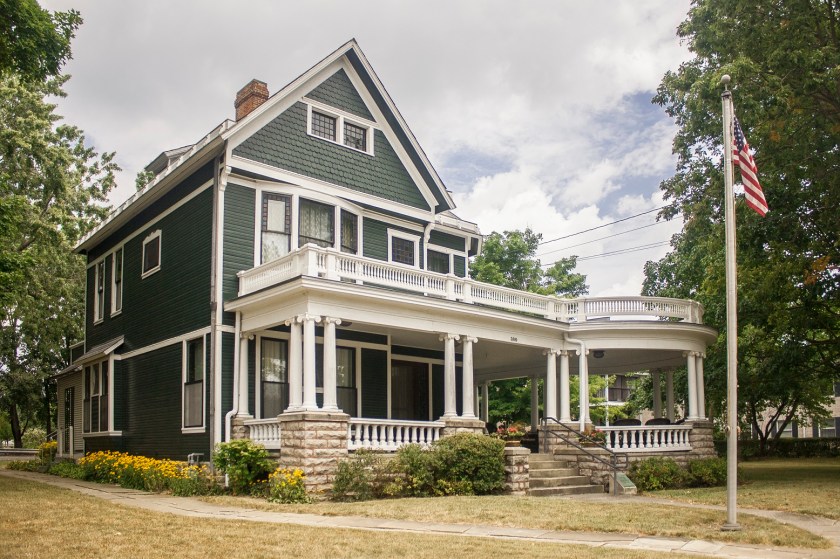
Warren G. Harding Home

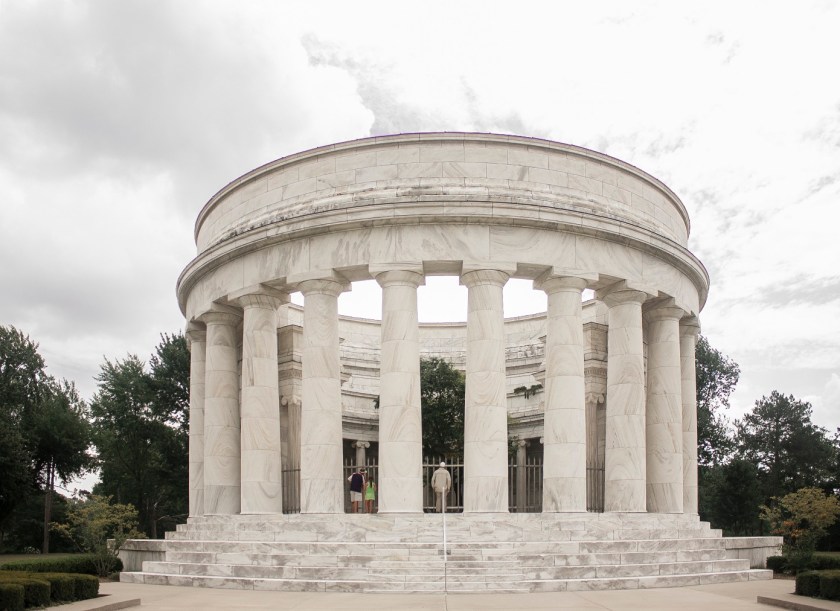
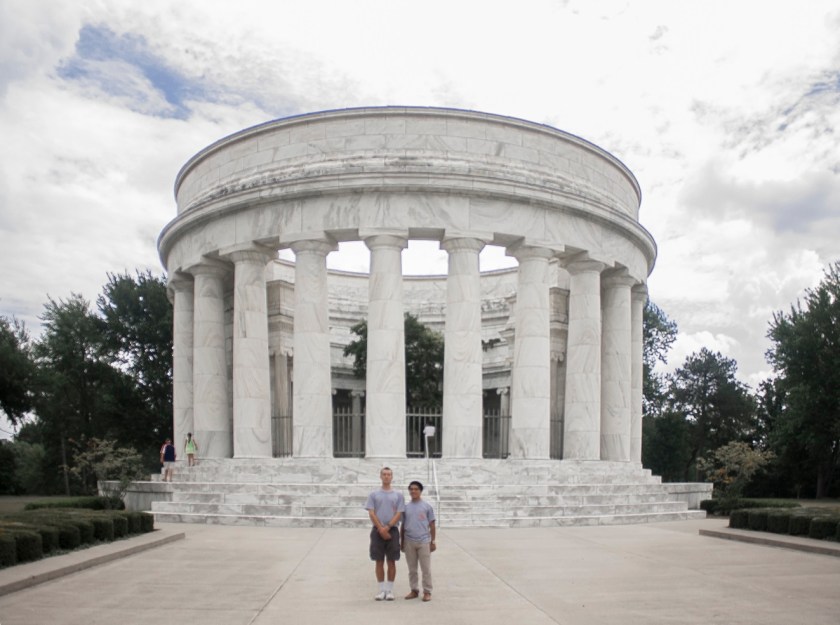
However, we did manage to head down the street to the Tomb of the both President Harding and the First Lady.

Warren G. Harding Tomb

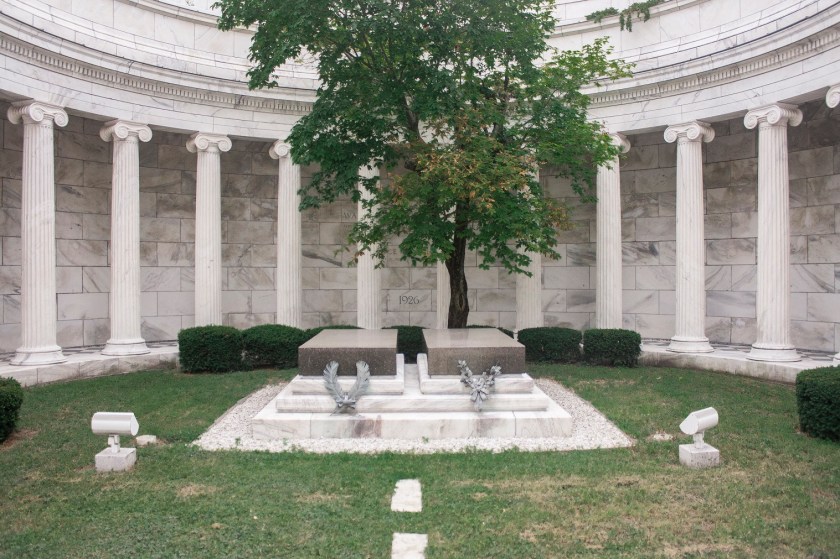
The tomb is a beautiful structure. Circular columns form the exterior. These columns themselves stand upon a massive base of what appeared to be white marble or polished granite. Inside the pillar arrangement was a walkway, shaded by an overhang above. This overhang was in turn supported by an interior range of columns, of the slight ornate iconic order. In the center of the tomb was a circle of green grass, bushes, and a tall tree whose branches seemed to reach upwards towards the sun, with roots streaming down on to two large grey sarcophagi.

Harding_Tomb_Graves_Web

Behind the twin stone coffins of Mr. and Mrs. Harding was an inscription carved into the back wall which contained their names and dates of death. It was an impressive monument to a President from a bygone era.

Harding_Tomb_2_Paul_Brian_Web


Ohio Capitol, by Paul Oliver

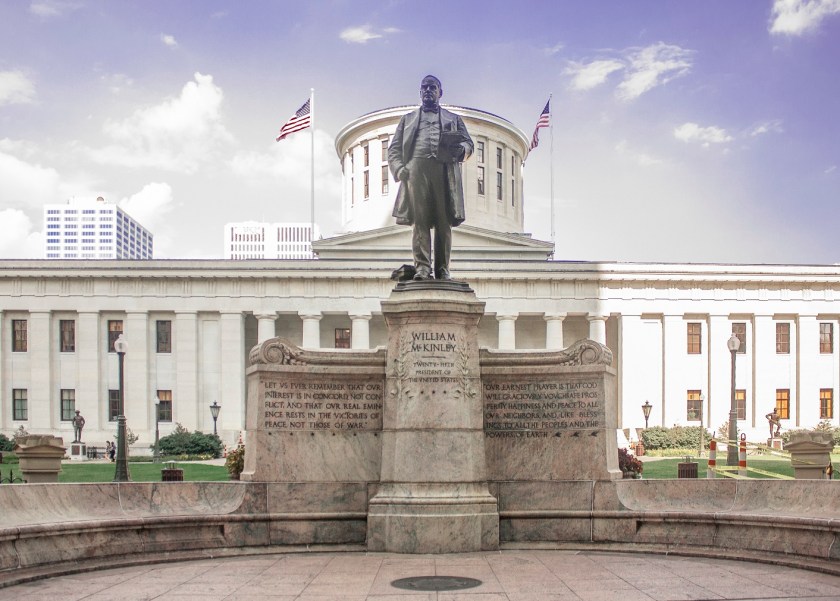
After touring the monument, the three of us jumped back into the van, and set off towards Columbus to tour the capitol of Ohio. We arrived just in time to join the tour, and were treated to an hour-long walk through of the grand statehouse.  Interestingly, unlike most capitals, the Ohio capitols is not domed, at least not from the exterior.

Ohio_Capitol_McKinley_Statue_Web

Rather, it was built with a towering cupola perched atop its roof. The interior of the capitol, however, offered a view from the rotunda of what appeared, from the interior, to be a dome.

Ohio_Capitol_Dome_1_Web

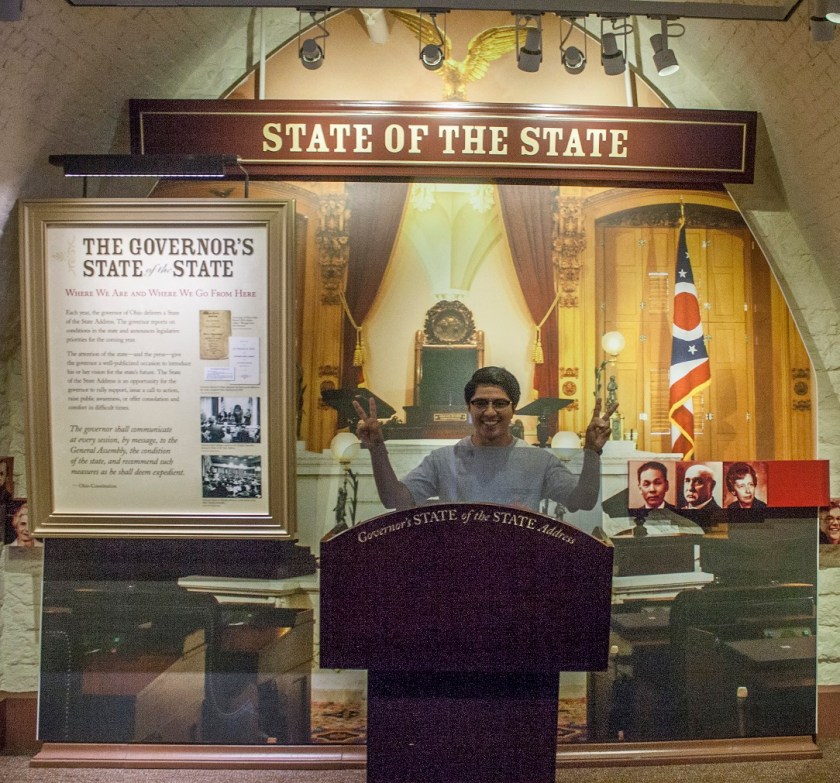
The capitol was built earlier than most capitols (construction began in 1838), so it was somewhat less grand than many others (say, the Texas Capitol).  But it offered interesting exhibits and interactive features…

Ohio_Capitol_Brian_Candidate_Web

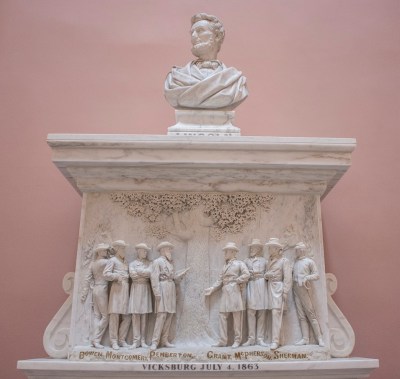
…as well as some interesting interior art.

Ohio_Capitol_Tour_Lincoln_Vicksburg_Web

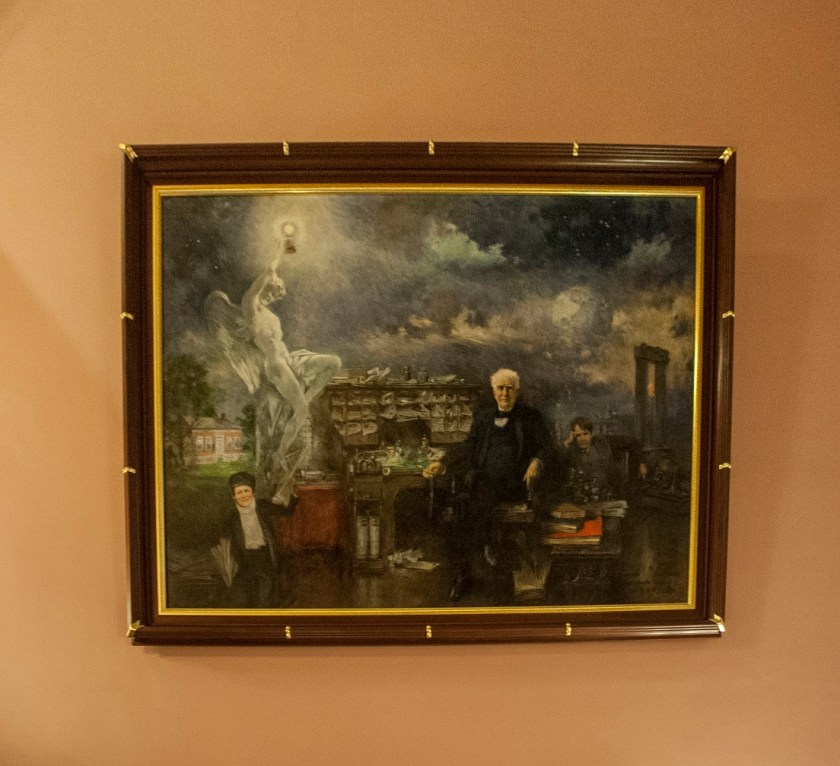
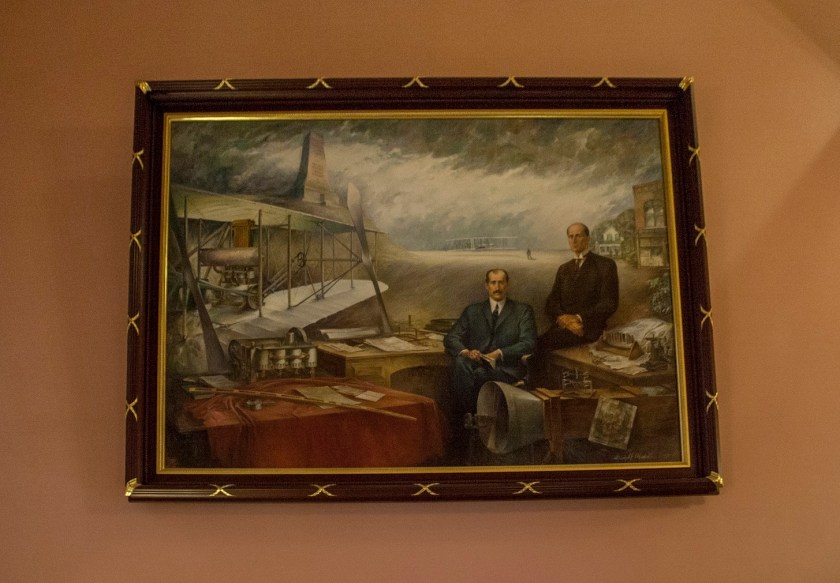
Interestingly, for a state that produced eight presidents, the large portraits on their walls were dedicated not to these presidents but to Thomas Edison on one side…

Ohio_Capitol_Edison_Web

…and the Wright Brothers on the other side.

Ohio_Capitol_Wright_Brothers_Web

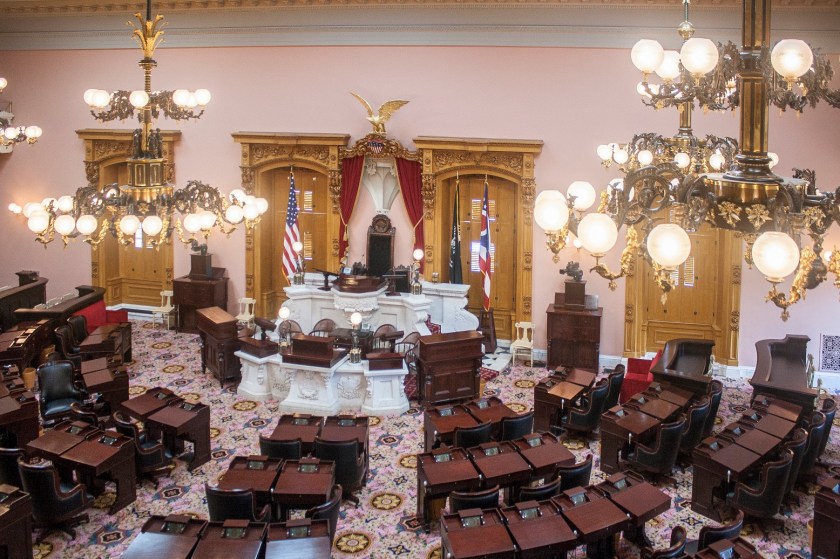
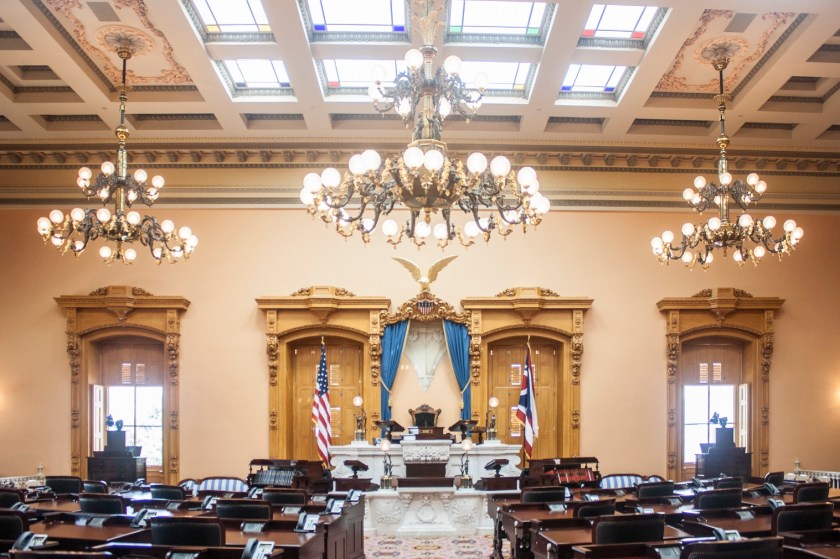
Aside from the art, we were able to visit both the House…

Ohio_Capitol_House_1_Web

…and the senate.

Ohio_Capitol_Senate_Web

Although not a spectacular capitol, it was a stop well worth our time, and we enjoyed the tour very much.

Ohio_Capitol_Tour_1_WEb


As we finished our capitol tour to step outside and view a little of Columbus architecture, we  continued on our 160-mile journey towards Indianapolis, Indiana. We arrived at the city accordingly for we were already getting hungry. Therefore, we stopped for dinner at a deli which served exceptionally good subs. Paul enjoyed a 12” Italian sandwich, while Brian and Professor Yawn shared an Italian and a Reuben sandwich between them. After a cookie desert, tired from a long trip and days’ adventure, we retired to our hotel.  We contemplated how tomorrow we would have a long day of sight-seeing and total of 7-hours of driving. But with the proper LEAP attitude, we greet tomorrow and days to come, anticipating the best of adventures.


Truman’s Terrain and the Land of Lincoln

Although our trip’s primary purpose is to assist Mr. Jeff Guinn with his research, our path to and from Detroit consists of various related (and otherwise educational) stops.  Today, the stops included the World War I Museum in Kansas City, the Capitol of Missouri in Jefferson City, and some historical sites in Springfield, IL.


World War I Museum

With a towering concrete edifice, the World War I Monument was recognized as the national commemorative memorial of the war’s destructive toll.

Liberty Tower, World War I Monument, World War I Museum, Kansas City
Liberty Tower, World War I Monument

Standing at the foot of the tower, we looked up to a blinding peak, which seemed to scratch the sun. With such an admiring sight, we found the elevator to climb the approximately ten-story structure. As we stepped onto the balcony of the memorial our sights were lost among the mesmerizing vista of Kansas City.

Kansas City, Skyline, Union Station, World War I Museum
Kansas City Skyline

Perched on our elevated vantage point, we spotted various spouting fountains riddled amidst the city, appropriately nicknamed the City of Fountains.

After descending the 90-year old elevator–a very cozy metal enclosure hanging over rickety wires-we returned to the ground. We then rendezvoused outside the memorial and returned inside the museum, ready to view the exhibits of diverse aspects of the Great War.

With a brief overview of the complexity of the war’s inception, composed of treaties and alliances among the European nations, we began the tour with relics of the nations’ emperors and rulers.

World War I Museum, Timeline, Kansas City
Paul Examines the World War I Timeline

Such antiquities included marksmanship trophies, luxurious smoking pipes and flasks, and  other royal artifacts. As we followed the museum’s exhibits we also viewed the different models of the combatant’s firearms with pistols and rifles from each of the European countries. This exhibit provided a sense of the period’s need for manufacturing, where each nation used its resources and laborers to mass produce their own firearms. Among the exhibits were showcased other aspects of the war which had not been experienced prior to the Great War, such as chemical warfare. With masks worn by these trench soldiers, grenades which contaminated the air with hazardous gas, and the spray of mustard gas which would burn the flesh of patriotic fighters, the atrocities witnessed in this war were unlike any other. Furthermore, the dugouts in which the military denizens took, what could loosely be termed, refuge, imposed a very deplorable, unsanitary, demoralizing lifestyle for the fighters of World War I. To further exhibit the effects of industrialization on war, there were also maquettes and life-size models of the war’s u-boats, primitive military air-crafts (some made out of cloth and wood!). and missiles.

WWI_Museum_Ryan_Paul_Missile_Web

Most notably, in the American campaign section of the museum, we found two modified Ford Model T’s which would have been used during the war.

Model T, Henry Ford, World War I, WWI Museum, Kansas City
Paul and Ryan Examine the War-Purposed Model T

Even though the war acted as a catalyst for the modern industrial culture and economy, it also began a new age of catastrophic war. No other showcased artifact was able to capture this horror than Wilfred Owen’s “Dulce Et Decorum Est,” which we listened to inside one of the museum’s powerful exhibits. It was this poem that spoke the truth of the war’s atrocious effects on the lives of those who died and survived World War I. After this reflective visit to the museum, we went back to our traveling mini-van and got back on the road in order to reach Jefferson City on time for our tour of Missouri’s Capital Building.


Jefferson City, Missouri’s Capital

After the two hour drive into Jefferson City, we hopped on an already-started capitol tour. Our tour began on the second floor, where there are sixteen murals done in a style called three point perspective, where, at different angles, objects in the painting seem to be altered. For example, in one mural depicting a civil war battle, Union forces look to be attacking, while Confederate forces are retreating, but, at another angle, the roles of the opposing sides seem to switch.

On this same level are the House and Senate chambers. On the house side, there is the House Lounge room, where Thomas Hart Benton, a native Missourian, painted a mural covering all of the walls.

Thomas Hart Benton, Missouri Capitol, House Lounge
Thomas Hart Benton’s Murals in the House Lounge

The murals depict the history of Missouri, both good and bad, from French traders and farmers trading with the natives, to the time of Tom Pendergast, also known as “Boss Tom” (seen in the mural above on the bottom right).

When Boss Tom was arrested on tax fraud and sent to prison, one senator snuck in at night and carved Pendergast’s prison number on the back of his suit. Other congressmen would put out their cigars and cigarettes on his face, and Mr. Benton had to come back years later to repair the mural.

All the faces in the murals are native Missourians, except for one: an Osage Native American who was living on a reserve in Kansas, since natives were removed from their lands in Missouri.

Interestingly and sadly, when Mormons settled in Missouri, they were hated by many, and the governor passed an executive order in 1838 to allow anyone to drive them off of their land by any means necessary, whether that be tar and feathering, burning their house, or murder.

Missouri_Capitol_Mural_Inset_Mormon_Web
Benton Depicts the Treatment of Mormons in Missouri’s Early History

On the third floor is a hall of famous Missourians, where busts of well-known natives of the state are featured. Two in particular—Emmet Kelley, a famous clown, and Stan Musial, a famous baseball player—are special in that, if you take a picture of them with the flash on, you see features not visible to the naked eye.  With Kelley, for example, you can see his clown makeup when photographed with a flash.

When Stan Musial is photographed with flash, the red “SL” on his cap is visible; without the flash, or by the naked eye, the SL is visible, but not in Cardinal red.

Also on this floor is the grand staircase, a huge staircase which leads from the grounds outside to the third floor, the largest bronze doors cast since the Roman Empire, and a 9,000 pound bronze chandelier suspended from the ceiling of the dome. Having finished the tour of one of the “most interactive capital buildings” (according to Brian Aldaco), our hunger was calling our attention.

Missouri's Capitol Dome
Missouri’s Capitol Rotunda

For lunch we went to a place called Arris, right next to the beautiful Missouri Capitol. Arris is a Greek pizzeria. Every pizza that they serve is named after a different figure from Greek mythology or history, including Achilles, Athena, Atlas, Poseidon, and Plato. Curiously, it seems that the philosopher has determined that eating animals is unjust, as the Plato was a vegetarian pizza.  We went for a meat option.

Arris_Pizza_Web

Between the LEAPsters we split the Aiyaiys pizza, made up of cheese, mushroom, green peppers, and sausage. Professor Yawn got a gyro sandwich of Illiadic proportions in lieu of pizza. We also discovered that Greek pizza bears more resemblance to Italian pizza than American pizza. “Like the Italian pizza, this one had less tomato sauce, and a thinner crust,” commented Paul Oliver. Having tasted among the finest in Greek pie we drove towards Springfield, Illinois in hopes that we would make there on time before the closing of Lincoln’s burial grounds.


Lincoln’s Tomb

After another long car ride we arrived at Lincoln’s Tomb. It is an impressive edifice, boasting a central obelisk that rises to a point high above the rest of the mausoleum.

Lincoln's Tomb, Springfield, IL

A statue of Lincoln adorns the front, his hand outstretched before him. Beneath him various statues of heroes stand. At the base of the tomb is a heavy, metal door that allows entrance into his sepulcher.

The rest of the necropolis was quite beautiful as well. The landscape of lush, green grass and tall trees provided a verdant resting place for the dead. Most curiously, adjacent to Lincoln’s tomb was the old home for the tomb’s caretaker. Due to an edict issued by the governor at the time of the crypt’s construction, all government buildings had to be made in a gothic style. The caretaker’s home is therefore made of stone bricks, and has a presumably faux-watchtower built into its side, as well as battlements upon the roof.

As the tower’s bell knoll marked the time for the cemetery to close, we rode to take a peak of Illinois’ Capital Building. On its grounds stood a statue of Abraham Lincoln…

Abraham Lincoln, Illinois Capitol Building
The LEAP Guys with Abraham Lincoln and the Illinois Capitol

….and Stephen Douglas which we were fond of (he appeared to be strutting). After admiring the very dramatic architecture…

Illinois_Capitol_2_Web

…we rode a few blocks in search of Frank Lloyd Wright’s Dana-Thomas home.

Unlike the Usonian homes we had visited in our previous trip, the Dana-Thomas home was designed in a more oriental-inspired design but it still stood as a home far ahead of its time. Even though it was built a hundred years ago, due to its very modern appearance, it could have very well been built yesterday.

To continue on our search for interesting homes, we also went in search for Lincoln’s Springfield home. Situated along South 8th St. and East Jackson St., the homes that surround the former Illinois senator’s residence are preserved as they were in the 19th century. With the street left unpaved, walking towards Lincoln’s home was an enjoyable stroll down a period of American history that is left frozen in time in those few blocks near The Great Emancipator’s home. As we caught the last glimpses of the residence, with the sun already beneath the horizon and fireflies glittering along the dirt road, we hoped onto our minivan ready to make our three-hour ride to Chicago. With a very satisfying day of historical learning coupled with an estimated total travel time of eleven hours we deemed it appropriate to pat ourselves on the back for having enjoyably finished the second day of our trip.


Travel Reflections: Favorites from the South (and Midwest)

The LEAP Center’s mission is to offer unique educational opportunities for students.  An example of this is the Center’s annual trip to the Southern Legislative Conference, to which the LEAP Ambassadors are invited to attend.  While the conference offers the opportunity to learn about policies among 15 southern (and near-southern) states, the travel to and from the conference also presents learning opportunities.

Following the students’ 11-day trip across eight states and more than 20 educational sites, the seven students selected their favorite destinations across categories such as food, historical landmark, museums, and cities.  The results are below:

Favorite Cities:

  • Eureka Springs, AR: This quaint little town proved to be the favorite of the group, with almost every student placing it on their top three.
Flatiron Building, Eureka Springs, AR
LEAP Ambassadors in Front of “Flatiron Building” in Eureka Springs, AR
  • Lexington, KY: The site of our conference also proved popular.  With its beautiful horse farms, pretty downtown, and attractive parks, students enjoyed four days in the horse capitol of the country.
Triangle Park, Lexington
The LEAP Ambassadors at Triangle Park, Lexington
  • Hot Springs, AR: This was a surprise to our professor, but the students enjoyed seeing the springs, the historic architecture, and meeting other SHSU students by happenstance!
Ozark Bathhouse, Hots Spring Arkansas
LEAP Ambassadors in Front of Ozark Bathhouse, Hot Springs, AR

Favorite Restaurants:

Little towns ruled the culinary arts on this tour!


Favorite Works of Architecture:

  • Frank Lloyd Wright House (Bachman-Wilson House) at Crystal Bridges was the favorite, edging out some other top designs.  The large living room won the day!
Frank LLoyd Wright, Crystal Bridges, Bachman-Wilson Home, LEAP Ambassadors
LEAP Ambassadors Outside of Frank Lloyd Wright’s Bachman-Wilson Home
  • Anthony Chapel at Garvin Gardens, Hot Spring, AR was one of three Fay Jones’ Chapels the student saw, and it proved the favorite.  Although larger than the other two (which are in Bella Vista and Eureka Springs), the three designs are very similar.
Garvin Gardens, E. Fay Jones, Hot Springs, Arkansas
Garvin Gardens by Fay Jones, Hot Springs, AR
  • Honorable Mention should go to several structures.  The students very much enjoyed the Gateway Arch in St. Louis, the Union Station in St. Louis…
Union Station, STL MO
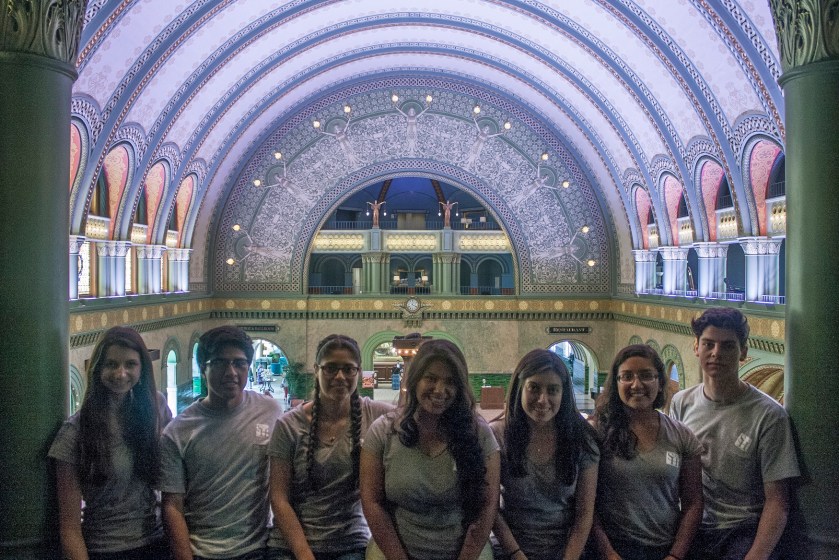
LEAP Ambassadors at Union Station, St. Louis, MO

…the Old Mill is always a favorite stop.

Gone With the Wind, Little Rock, Arkansas, Old Mill
LEAP Ambassadors at Old Mill, Little Rock, AR

…and The Parthenon proved a favorite as well.

The Parthenon, Nashville
The LEAP Ambassadors at the Parthenon, Nashville, Tennessee

Favorite Works of Art

  • The Turrell Skyscape, “The Way of Color” at Crystal Bridges:

This slideshow requires JavaScript.

  • Au Cafe, by Stanton MacDonald-Wright was also popular, providing much head-scratching and discussion.
"Au Cafe," by Stanton MacDonald-Wright
“Au Cafe,” by Stanton MacDonald-Wright
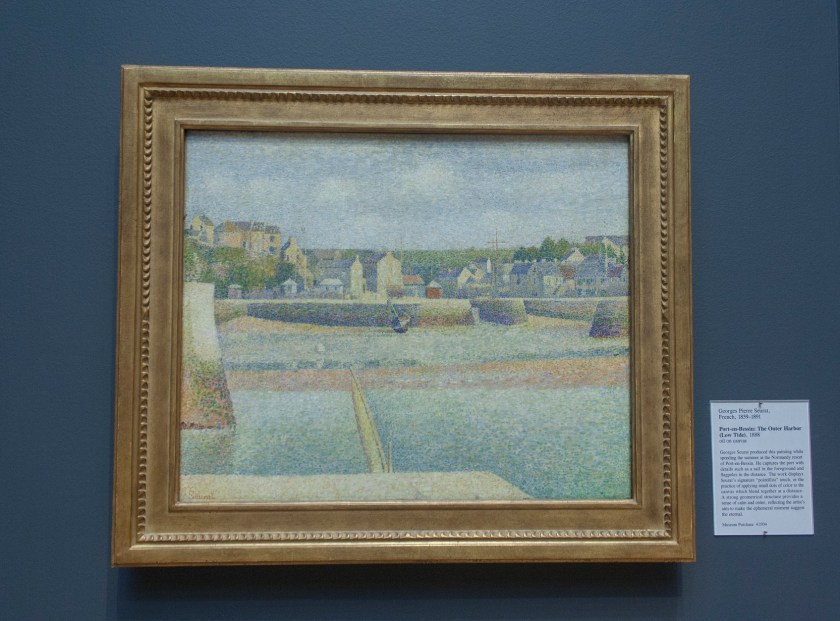
  • George Seurat’s “Outer Harbor” at the Crystal Bridges Museum
George Seurat, Pointillism, SLAM, Outer Harbor
George Seurat’s “Outer Harbor” at the St. Louis Art Museum

Activities

  • Hiking: The students enjoyed both their hike at Pinnacle Mountain…
Pinnacle Mountain, LEAP Ambassadors
LEAP Abassadors at the Peak of Pinnacle Mountain

…and Devil’s Den State Park…

Devil's Den State Park, LEAP Ambassadors
LEAP Ambassadors at Devil’s Den State Park
  • Ropes Course at Megacavern in Louisville, KY
Megacavern, Ropes Course
Karla Rosales and Ryan Brim at the MegaCavern
  • Tie:  Skeet Shooting…
Brian Aldaco, Skeet Shooting
Brian Aldaco Hitting Targets

…and meeting Blair Hess and Cameron Ludwick, authors of “My Old Kentucky Road Trip.”

Camp Nelson, Blair Hess, Cameron Ludwick, My Old Kentucky Road Trip
LEAP Ambassadors with Authors Blair Hess and Cameron Ludwick

It was another enormously rewarding road trip, providing us with the opportunity to learn about history, art, architecture, civil rights, politics, law, and public policy.  It was a happy eleven days!

LEAP Ambassadors, Pinnacle Mountain
LEAP Ambassadors at Pinnacle Mountain

Gateway to (Mid)West: St. Louis

Wednesday, July 13, 2016

It seemed too soon to reminisce about the first half of our trip, which was filled with fun activities and meeting great people.  But, as we packed for our next destination early in the morning, contemplated the great people we had met and the fun of visiting Little Rock, Memphis, Nashville, Louisville, Lexington, and Frankfort.

Camp_Nelson_Ambassadors_Hess_Ludwick_Web
Ambassadors with Cameron Ludwick and Blair Hess, Authors of “My Old Kentucky Road Trip”

But with St. Louis on our destination list for today, we hastened to pack and headed out at 4am, a bit groggy, but excited for the Midwest section of the trip.


The Old Courthouse, St. Louis

Five hours later, we were able to make our first stop: the Old Courthouse.

Dred Scott Courthouse, Missouri, St. Louis
The Old Courthouse, Where the Dred Scott Case Originated, St. Louis, MO

We were out on the road again until we reached St. Louis, Missouri where our first stop was the Old Courthouse. This courthouse is especially important because this is where the famous Dred Scott case was brought to trial. Dred Scott and his wife, Harriet, were slaves that filed a suit for their freedom against Irene Emerson, their slave owner. They tried to take advantage of the Missouri law that would allow them to buy their freedom, and after many years of hardship the judges finally came to a conclusion. In 1857, it was decided that they were not to be considered citizens of Missouri; therefore they could not sue for their freedom. Having grown tired of the slave family, the Emerson family sold them to the Blow family where the Scotts were finally set free. Sadly, Dred Scott enjoyed his freedom only for a short while as he died a year later in 1858.

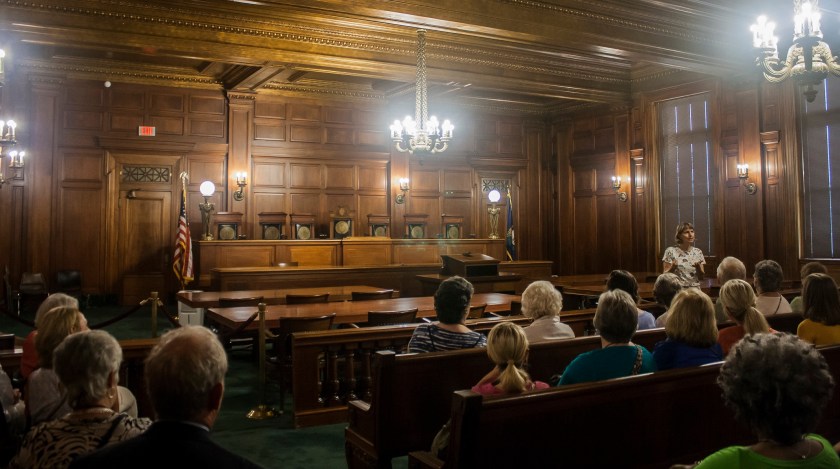
There is an exhibit in the Old Courthouse where the courtroom in which this trial was heard is displayed.  It was filled with chairs for the jury, two desks for the attorneys, a desk for a bailiff, and a clerk, a chair for witnesses, and a chair for the presiding judge. We even recreated the trial ourselves!

LEAP Ambassadors Re-Enact Dred Scott Case

Apart from its historic value, the courthouse is a beautiful structure, with a beautiful dome designed by William Rumbold.

Old Courthouse, St. Louis, Dred Scott
Old Courthouse Dome, Designed by William Rumbold with Murals by Karl Wimar

As part of LEAP, we are always seeking ways to expand our knowledge. So it is only fitting that we visit the monumental symbol of the westward expansion as our next stop.


The Gateway Arch, St. Louis

Gateway Arch, St. Louis,
Gateway Arch, St. Louis, Designed by Eero Saarinen in 1947

The westward expansion, aided greatly by the Louisiana Purchase, doubled the size of the United States in 1803. In honor of America moving into a more prosperous and hopeful state, The Arch was built as the “gateway to the west.” The Arch proudly stands at an intimidating 630 feet making it the tallest man-made monument in the nation.

Arch_Web

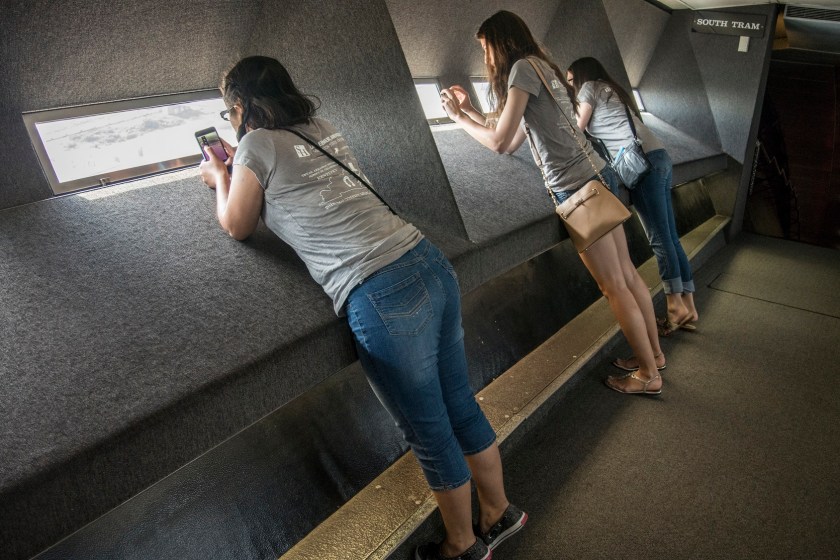
The architect, Eero Saarinen, was an immigrant from Finland and was granted this opportunity after winning a contest by the Jefferson National Expansion Memorial in 1947. After studying architecture at Yale, he believed this was the opportunity to establish himself as an architect in America and it was. Although the design for this structure was completed in 1947, the real structure was not completed until 1965! We learned that this monument was brilliantly made with 142 stainless steel triangle sections that are each 12 feet in length held together by tension bars and truss. It took 13 years to raise the 13 million dollars needed to fund this project. In 1967, a trans system was built inside the north and south legs of the arch allowing 40 people at a time to view the impressive view. It was through these same legs that we rode through in our capsules.

Gateway Arch Elevator St. Louis
Gateway Arch “Elevator” or Travel Pod

It was tremendously fun to be able to enjoy the arch’s view…

Gateway Arch
Beatriz, Kaitlyn, and Karla at Top of Gateway Arch

…and see parts of St. Louis that we looked forward to exploring.

Gateway Arch, Dred Scott Courthouse, Wainright Building
St. Louis from the top of the Gateway Arch

Once back on the ground, we were also able to watch an informative documentary about the arch and its history.  Expansion in 1803 meant a hopeful future for some and that is our motivation as we expand our education in college and on our trips.

Originally, we had planned to visit the city garden that was near the courthouse. With its luscious greenery, sparkling fountains, and marvelous art we were all prepared to relax and enjoy the perfect view of the arch it would offer. Or so we imagined. Unfortunately, time didn’t permit a trip to that destination.


Photo Ops in St. Louis

Remaining undaunted, we decided to go on a photo op adventure instead. Our first photo op stop was a Richard Haas mural.  With two of our students having been interns at the Wynne Home, his work has a special meaning to us, and fourteen of his works dot the downtown of Huntsville.

Richard Haas, St. Louis, LEAP Ambassadors
LEAP Ambassadors in front of Richard Haas Mural

None of the ones in Huntsville, however, cover the 110,000 square feet of the one adorning the Old Edison Stores Building in St. Louis.

Next, we headed over to the St. Louis Union Station  Building, which is a beautiful structure, now a Doubletree by Hilton.  But its interiors were what we found most intriguing…

Union Station in St. Louis, Double Tree
Union Station in St. Louis, MO

…even the entrance to the bathrooms were interesting!

Union_Station_4_Web

But the grand hall was the most beautiful part.

Doubletree, Union Station, Grand Hotel, St. Louis
Grand Hall at Union Station (Doubletree Hotel) in St. Louis, MO

Across the street is the Milles Fountain, which is also impressive and offers a nice view of the exterior of the Union Station.

Milles Fountain at Aloe Plaza, Union State, St. Louis, MO
Milles Fountain at Aloe Plaza

Amighetti’s in The Hill, St. Louis

After a morning of westward exploration and photo ops in St. Louis, we took a quick stroll down The Hill to Amighetti’s.

Amighetti's, in The Hill Section of St. Louis, MO
Amighetti’s, in The Hill Section of St. Louis, MO

Located in what could be considered St. Louis’ Little Italy, the restaurant provided a prime venue for a satisfying lunch. Under what seemed an authentic tin-lined ceiling, we looked over the menu which included, but was not limited to, the Amighetti’s Special, a ravioli plate, and Little Bit of Italy sandwich.

Little Taste of Italy, Amighetti's, The Hill, St. Louis, MO
A Little Taste of Italy, at Amighetti’s in St. Louis, MO

As for the Amighetti’s Special, the sandwich accomplished its main goal; completely stuff its eater. Made up of ham, roast beef, and Genoa salami, blanketed with a rich layer of brick cheese on a 9 inch loaf of French style bread, it was a near challenge to take a bite. However, the extra effort to open one’s jaw was worth it, for every bite was an opportunity to taste the delicious sandwich. To improve on the experience, the menu presented St. Louis’ own Ritz root-beer. The effervescent, sweet, and smooth root-beer was an enjoyable company to Amighetti’s Special. To close off our lunch we also ordered a round of gelato. Within the group we were able to enjoy a cup of a sour, but satisfying lemon ice, cherry peach, strawberry, and vanilla, all of which we considered of excellent taste. As we stood up from our seat, with a content belly and a cooled off palate, we regained the energy needed to continue our St. Louis exploration at the Frank Lloyd Wright’s Kraus Home.

On previous adventures, Alex and Ryan had already encountered this one-of-a-kind home a numerous times. Therefore, Professor Yawn decided to give them the opportunity to explore new land by the name of the St. Louis Art Museum. After dropping them off we rerouted to the Kraus home.


Frank Lloyd Wright Home at Ebsworth Park

Hidden behind lush greenery, Frank Lloyd Wright’s Kraus Home is located in the upscale Kirkwood neighborhood of Saint Louis. Taking a short drive from the art museum, we arrived for a special tour. Normally, tours are not available on Wednesday afternoons, but the staff of the home were generous enough to arrange a tour for us today! Upon arrival, we immediately gaped in awe of the unique architecture and the natural beauty surrounding the home.

Kraus Homee, Frank Lloyd Wright, Ebsworth Park
Frank Lloyd Wright Home at Ebsworth Park

To begin our tour, we watched an introductory video about the Kraus home and its architect. Frank Lloyd Wright was born in 1867 and designed more than 500 structures throughout the United States. Represented in the Kraus home were parallelograms, hexagons, and horizontal lines, all of which accentuated the Usonian vision of Wright. The Kraus home sits on 10.5 acres of land now owned by Saint Louis County as part of its parks system.

In the mid 1940’s, Russell Kraus, a Frank Lloyd Wright enthusiast, wrote to Frank Lloyd Wright requesting him to design a small and less expensive home. Nearly ten years later in 1955, the home would finally reach completion. Mr. Kraus lived there until 2001, when a non-profit raised money to purchase the home and the land was deeded to Saint Louis County.

Throughout the tour, Professor Yawn was quick to point out the horizontal attributes of the home, noting even the grooves between the brick walls were designed to draw the eye horizontally instead of vertically. The Kraus home was designed as two hexagons partially overlapping one another.  The entire home is made up of these two hexagons or its subcomponents  (parallelograms and triangles).

Frank Lloyd Wright, Kraus Home, Ebsworth Park, St. Louis, Architecture

Even the bed, for example, is a parallelogram.

We were fascinated throughout the entire tour. In order to preserve the beauty of the home, we were not allowed to take any photographs inside the home. However, we finished our tour with a few photos on the balcony…

Kraus Home, Balcony, Frank Lloyd Wright, Ebsworth Park
Balcony of Kraus Home at Ebsworth Park, Designed by Frank Lloyd Wright

…and the exterior.

St_Louis_FLW_Exterior_Ambassadors_2_Web


St. Louis Art Museum

Meanwhile, in the St. Louis Art Museum, Ryan and Alex were being exposed to various forms of art.

SLAM, St. Louis Art Museum
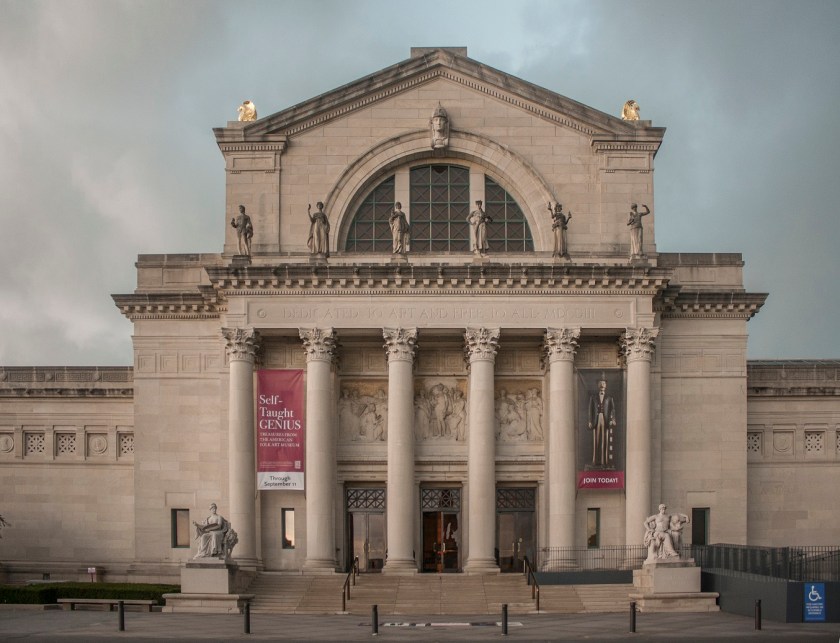
St. Louis Art Museum

One of the major aspects Missouri has to offer is the free admission into museums (excluding special exhibits).  On the three levels of the museum, there were paintings, sculptures, and artifacts from as early as 500-600 BCE to as recent as present day and everything in between. There were pieces of art from all around the world including Asia, the Americas, Africa and Europe. Several famous artists’ works could be found at the museum including Monet…

St. Louis, SLAM, Art Museum, Water Lillies, Monet
Monet’s “Water Lilies” at the St. Louis Art Museum

…van Gogh, Picasso, Seurat…

George Seurat, Pointillism, SLAM, Outer Harbor
George Seurat’s “Outer Harbor” at the St. Louis Art Museum

…Degas, Rodin, Kandinsky, Warhol, Segal, O’Keeffe, and many more. Outside, there was a short path through a small sculpture garden, mostly made up of pieces from Henry Moore.

Henry Moore's "Two-Piece Reclining Figures" at St. Louis Art Museum
Henry Moore’s “Two-Piece Reclining Figures” at St. Louis Art Museum

As we were leaving, a huge storm rolled in, cutting out our trip to a sculpture garden in the downtown area. So instead, we headed towards Bentonville, stopping for a photo-op at the world’s largest fork, and afterwards, stopping for dinner.


Dinner at Cafe Cusco, Springfield, MO

Being the home of the world’s largest fork…

World's Tallest Fork, Springfield, MO
World’s Tallest Fork, Springfield, MO

…Springfield appropriately offers numerous eateries from which to choose.

We choose Cafe Cusco, a Peruvian restaurant that has all the attributes of good Peruvian food, without the risk of Zika.

With the buildings soaking in the last rays of the day on Commercial St., we crossed the threshold into the Peruvian cuisine restaurant. As Peruvian folk music sounded its harmonious guitar in the background, we looked through the menu. With a variety of “platos” or dishes, from vegan salads to meaty steaks, the appetite of some of us were attracted to the fried rabbit, fajita saltada, BBQ pork panca, and lomo saltado. First, however, we began our taste of Peru with a seafood dip and fried avocado appetizer.

Seafood Dip, Fried Avocado, Cafe Cusco, Springfield, MO
Seafood Dip and Fried Avocado at Cafe Cusco

As the initial dishes were cleared, we readied ourselves for our main course. Soon the table was enveloped in the spicy aromas of the various dishes. As for the lomo saltado, a dish of steak cooked with bell pepper  and onions served with fries and rice, each scoop of the fork brought to one’s mouth the zesty spice of Peruvian flavor. Perhaps the best of the dishes, however, was the rabbit, which Ryan enjoyed immensely.

Rabbit Entree, Cafe Cusco, Springfield, MO
The Rabbit Dish at Cafe Cusco

In all, the restaurant was more than enough to make us go back to the corner block venue as we were forever in love with these flavorful dishes. For the meantime however, it was time get back to our traveling van for we still had half a state left to ride through.


Shaking Things Up Kentucky Style: Shaker Village, Teneia, and The Village Idiot

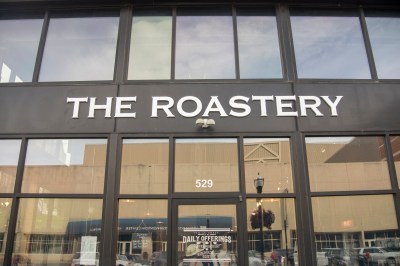
With a busy day planned ahead of us, we began our morning with a light breakfast at Daily Offerings Coffee Roastery…

Roastery_Sign_Web

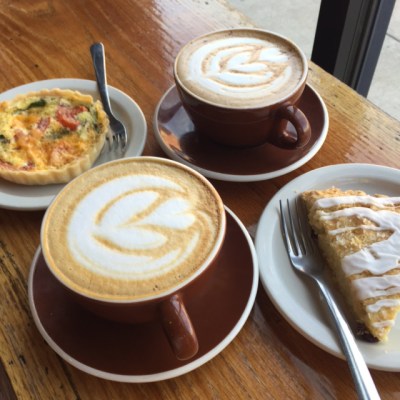
…a Southern hipster coffee shop offering several adventurous and traditional options. One of the more daring ambassadors tried the Lavender Honey Latte, and as Alex described it, “it felt like my mouth had just taken a bath.”

Roastery_Breakfast_Web

Others went for coconut or caramel lattes, and pastries to complement their drinks: coffee cakes, chocolate cookies, and blueberry scones. Once everyone had their fill, we departed for our first destination and activity of the day, a trip to Shaker Village in Pleasant Hill.

The Shakers fled England and first settled in New Lebanon, New York. In 1805, a group of 44 Shakers settled in Kentucky. Today there are no surviving Shakers in Kentucky and only a handful in Maine, but much of their settlement is still intact within the Pleasant Hill site. The historic farms of the village are maintained by the village’s employees, and crops and livestock are used at Pleasant Hill’s restaurant.

Our drive to Shaker Village through the Kentucky countryside was beautiful — a truly pleasant ride to start the day. Upon our arrival, we exchanged our charter bus for a school bus needed to maneuver a narrow, winding road to the Kentucky River a few miles away. There we boarded the Dixie Belle Riverboat for

Boat_Steerage_Web

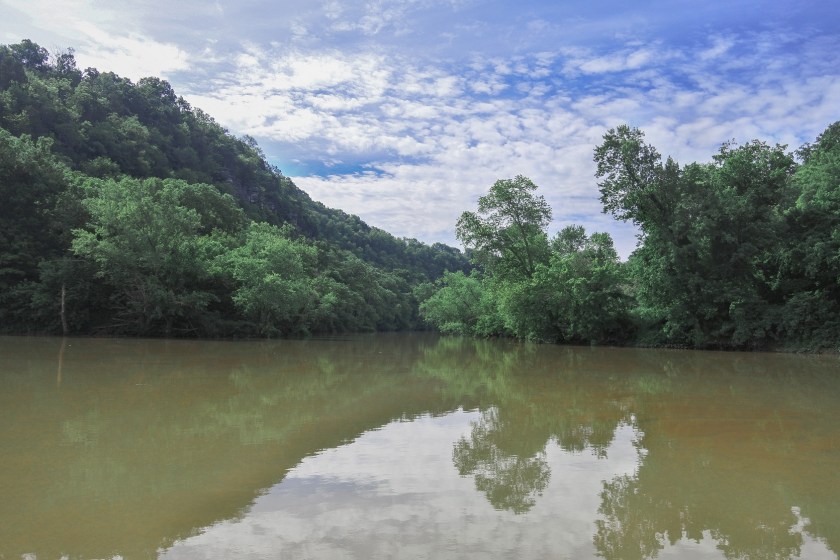
…a trip downriver through the Kentucky River Palisades, so named for the steep limestone cliffs and scenic outcroppings.

Boat_View_River_2_Web

The Shakers used to travel the Kentucky River to New Orleans once or twice a year to trade goods they produced. At the time, this was a significant endeavor and few Shakers actually traveled on behalf of the community. The captain explained that the Kentucky River is 255 miles long and is normally a deep shade of green, but due to the recent rains, the water was a muddy brown (and over 14 feet deep).

We cruised alongside the limestone cliffs and the lush green trees that stood high above the riverbank, ever alert for signs of wildlife. The river is home to many types of turtles (including snapping turtles!) and snakes. Although we weren’t lucky enough to see any river critters, we enjoyed the scenic view and relaxing breeze before traveling back to the Village for the second half of the tour.

Boat_Kaitlyn_Alex

The Village tour began with a walk down one of the main streets, the guide noting the limestone buildings among green fields, and explaining to us that during the Shaker’s lifetime in the settlement very little of the land would be left vacant. Shakers did not believe in unusable land, so they worked every plot as efficiently as possible — whether to build family dwellings, grow crops, graze livestock, or build an ice house.

Shakers were a religious group who believed the way to enhance their worship of God was to live as simply as possible and as purely as Jesus Christ. They were not Luddites, though, and believed in using technological advances to help them live simple lives. In their attempts to be close to Christ, one of the sacrifices in joining the congregation was to become celibate. Men and woman stayed segregated among family dwellings, with one half of the buildings dedicated to men and the other half to women. Men and women also maintained an arm’s length distance away from each other and had their own staircase to travel among floors in their living quarters.

The Shakers also preached a need for equality. All Shakers were equal and none deserved more attention than another, a quite different viewpoint in 1805 when several types of groups did not have equal rights. The village’s ministry, the governing religious body for each community, was composed of both men and women from various communities appointed by the Shaker’s central ministry in New Lebanon. This helped remove community ministry leaders’ potential prejudices against other members of the village. The community was further regulated by segregating the leaders to their own living quarters and workshops, both of which we were able to tour. It was an interesting twist to community governing for the political science majors in the group.

"Shaker" Attire Worn by Brian and Kaitlyn, Standing the Traditional Distance Apart
Shaker Attire Worn by Brian and Kaitlyn, Standing the Traditional Distance Apart

Unlike traditional Christian services, Shakers did not believe in one designated leader preaching at all times. Although they did make use of the King James Bible, and participated in prayer, services were led by “whoever was moved by the Holy Spirit” on that particular day. Their religious ceremonies were not constrained by time, with the shortest service in Pleasant Hill recorded at only 15 minutes and the longest at 23 hours!

During worship the Shakers were known to sing songs, especially those who were “filled with the spirit,” and members were encouraged to record their songs (in writing) and share among members of the community and of other villages. Lyrics would come from a member’s need to express their devotion towards God, and reportedly sometimes by God himself, taking hold of a member’s body and using them as a vessel, as our tour guide described it.

Further, Shakers did not believe in using instruments nor in solo demonstrations; they believed that complex musical arrangements only took away from the song’s devotional message. From these lively worships (of which non-Shakers were invited to attend) the group was termed as the Shaking Quakers, for seldom had anyone seen such an enthusiastic mode of worship composed of dancing and singing. After a brief demonstration of a few “Shaker” songs, we were ready for our next Kentucky adventure.

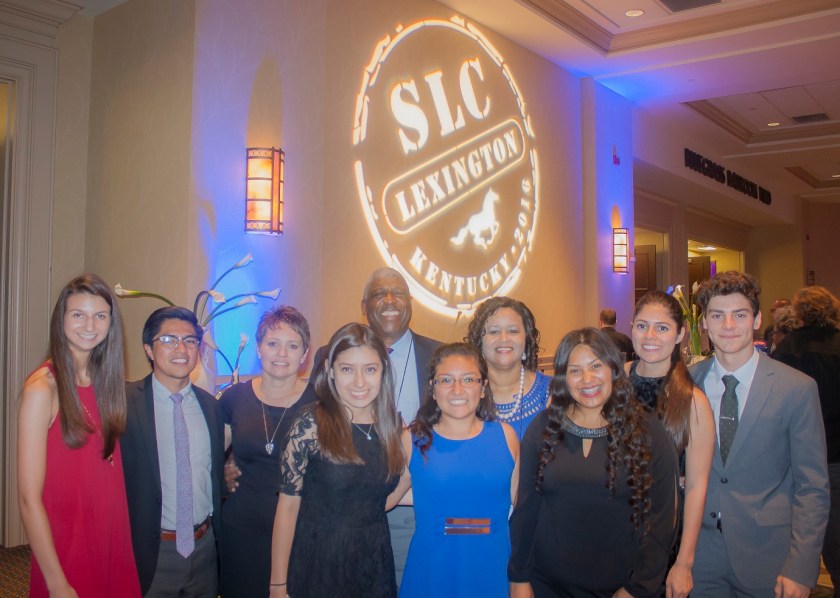
We didn’t have to go far, though.  We met up with the other part of our group and walked the two short blocks from our hotel to the street party the SLC had planned for attendees and their families. We reached the 5/3 Pavilion at Cheapside Park and mingled with other guests. While we were there we ran into two new friends, Chris and Marisela Darminin.  We had previously met Chris during skeet shooting, and were excited to meet Marisela. They were both from Texas and glad to visit with fellow Texans at SLC, as were we!

Marisela_Darmanin_Ambassadors_Web

After speaking to them for a while and learning much about their careers and the great organizations that they support, we headed to our dinner destination, The Village Idiot.

Local Lexington icon The Village Idiot is in a building encompassing part of Lexington’s oldest post office building, dating back to 1825. We were all eager to try their fare since we had heard great things about the restaurant. Before our food arrived, we enjoyed bowls of fries and the cheese and sausage dip. Some of us had their famous (or maybe infamous?) “Idiot Burger,” a burger patty topped with an onion ring filled with pulled pork and topped off with a pretzel bun…it looked like quite the challenge!

Idiot_Burger_Web

Others shared the duck & waffles (on those, Beatriz said, “The sweet taste of the waffles combined with the succulence of the duck was such a great combination that [she] was left drooling for more”); the Village Idiot Cheese Platter; and a Caprese Burger. With great gusto, we savored these delightful dishes, enjoying this picturesque place rich in food and history. We left satisfied that The Village Idiot had been the “smartest” choice for dinner.

After a filling dinner, we were all ready to enjoy another event, the “preview reception” for next year’s conference, as put on by that host state.  In this case, it was – and will be –Mississippi. As soon as we arrived, we were warmly greeted by numerous elected Senators and Representatives (and other representatives) from Mississippi who were handing out warm welcomes (and goodie bags) at the door.

We had arrived in time to hear an enthusiastic, well-written speech from the Speaker of the Mississippi House of Representatives, Philip Gunn, who captured our attention and left us wanting to visit Mississippi, the home to great names such as: Jerry Rice, Jerry Lee Lewis, and John Grisham. We even had the chance to chat for a few minutes with him and his wife (who is actually a Texan!)…

Mississippi_Reception_Gunn_Ambassadors_Speaking_1_Best_Web

and get a quick pic.

Mississippi_Reception_Gunn_Ambassadors_Posed

We also met up with an acquaintance from the night before, Ms. Leslie Hafner, who was the Senior Policy Advisor to the Governor of Tennessee.  She was very nice, and we were grateful to be able to get a photo with her before leaving the conference.

Mississippi_Reception_Leslie_Hafner_Ambassadors_Web

The evening’s entertainment, native-Mississippi jazz singer, Teneia Sanders-Eichelberger, as joined by her husband, Ben Eichelberger, was great to listen to while chatting with other guests.

Teneia_Performing_Web

She had a unique blend of blues, soul, and southern music, and we were able to briefly meet them after their performance, as well.

Mississippi_Reception_Selfie_Teneia_Web

After an eventful night filled with great music and great people, we left to many cheers of “See you in Biloxi!” as we trudged off toward our hotel, anxious to reenergize for the next day’s activities.

Our New Kentucky (Temporary) Home

July 9, 2017

Saturday was our first day to awake in “The Bluegrass State,” and we had a full day ahead of us.   As part of the Southern Legislative Conference, which is hosted each year in a different city, and brings together legislative members from all across the south for a week of idea sharing and networking.


Leaving Louisville

Our first objective was to hit a couple of sites in Louisville, and then head to Lexington, the host city for the conference.  Although there is much to do in Louisville, we first wanted to see Thomas Edison’s home, where he lived briefly while evolving into the inventor he would later become.

Edison Butchertown Home
LEAP Ambassadors Outside Edison’s Butchertown Home

Although Edison lived in this home only from 1866-1867, his work there pre-figured his role as an inventor (he was fired for experimenting on the job).  Similarly, it prefigures our work in a couple of weeks, when some LEAP Ambassadors will be heading to Detroit to work with Jeff Guinn, who is writing a book on Thomas Edison (and Henry Ford, Harvey Firestone, and others).

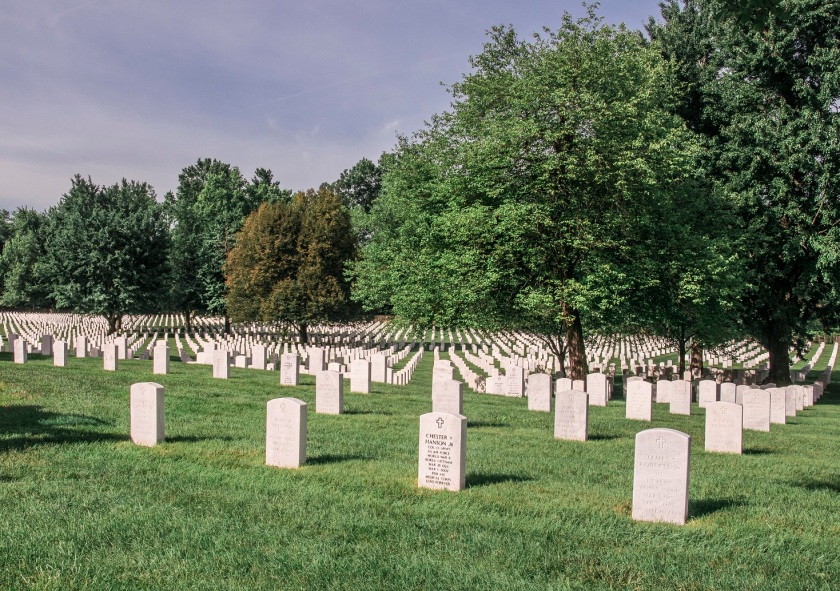
A second must-see stop for us was the Zachary Taylor cemetery, one of seven National Cemeteries in Kentucky.

Zachary Taylor National Cemetery
Some of the 14,000 Soldiers Interred at the Zachary Taylor National Cemetery

Although more than 14,000 people–including two medal of honor winners–are interred in this cemetery from six wars, the most notable grave is that of Taylor, who served as the nation’s 12th president.

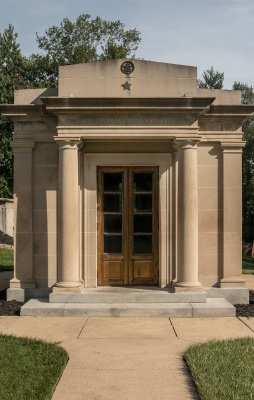
Zachary Taylor Grave
Zachary Taylor’s Grave

..and a monument to his service to the country.

Zachary Taylor Monument
Alex Galvan at Zachary Taylor Monument

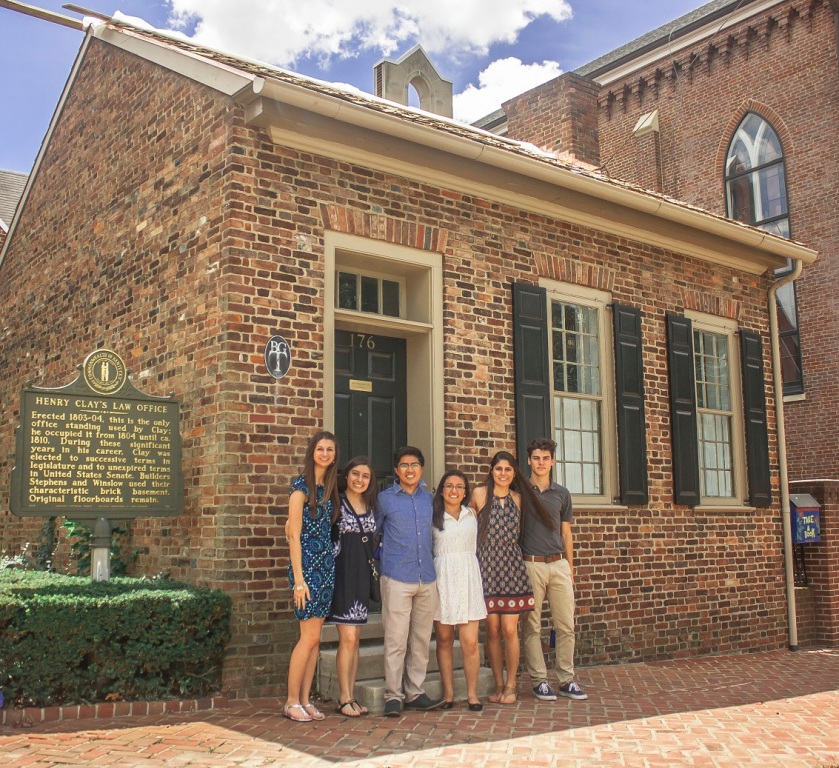
We started out with a walking (“plus”) tour of historic downtown Lexington. A few blocks from our start, we arrived in Gratz Park, one of Lexington’s oldest and most beautiful areas. With the help from our knowledgeable tour guide (who was the Curator of the Henry Clay Home), we passed the city park, a beautiful centerpiece for the neighborhood, and several historic homes, such as: Bodley-Bullock House, which served as both the Union and Confederate Headquarters at times when each side controlled the city; Transylvania University, which was the first university in Kentucky.  Also on our walk, we saw the Christ Church Episcopal Cathedral where Henry Clay and his wife attended, and the office where Henry Clay practiced law, which was quite a treat for aspiring lawyers.
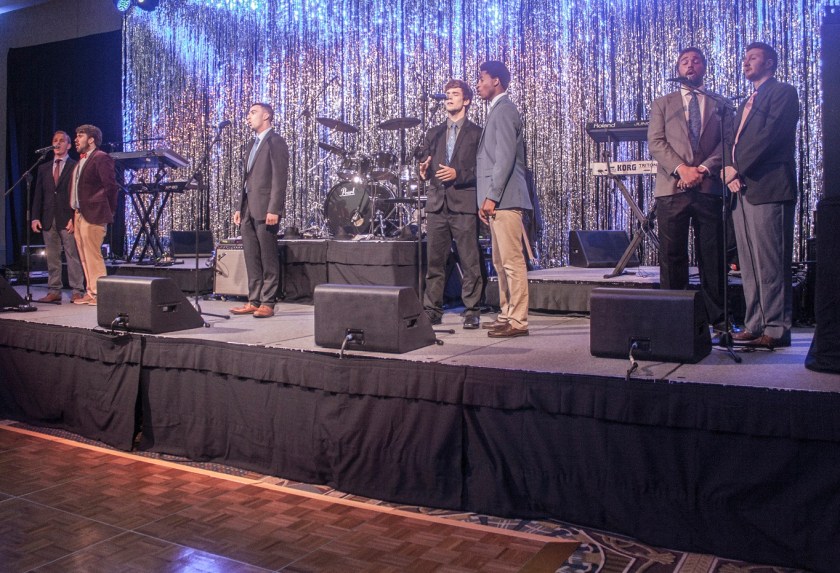
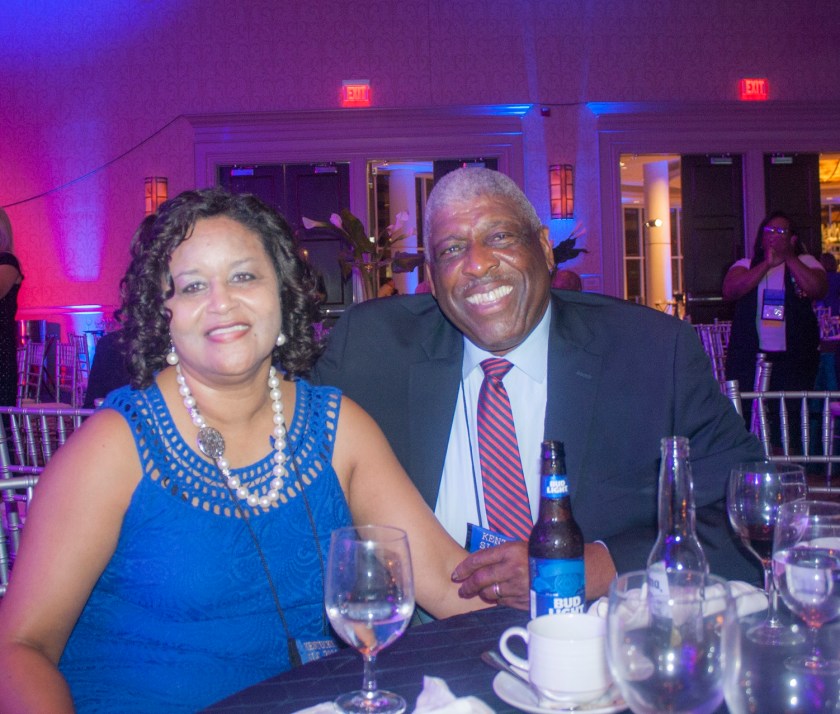
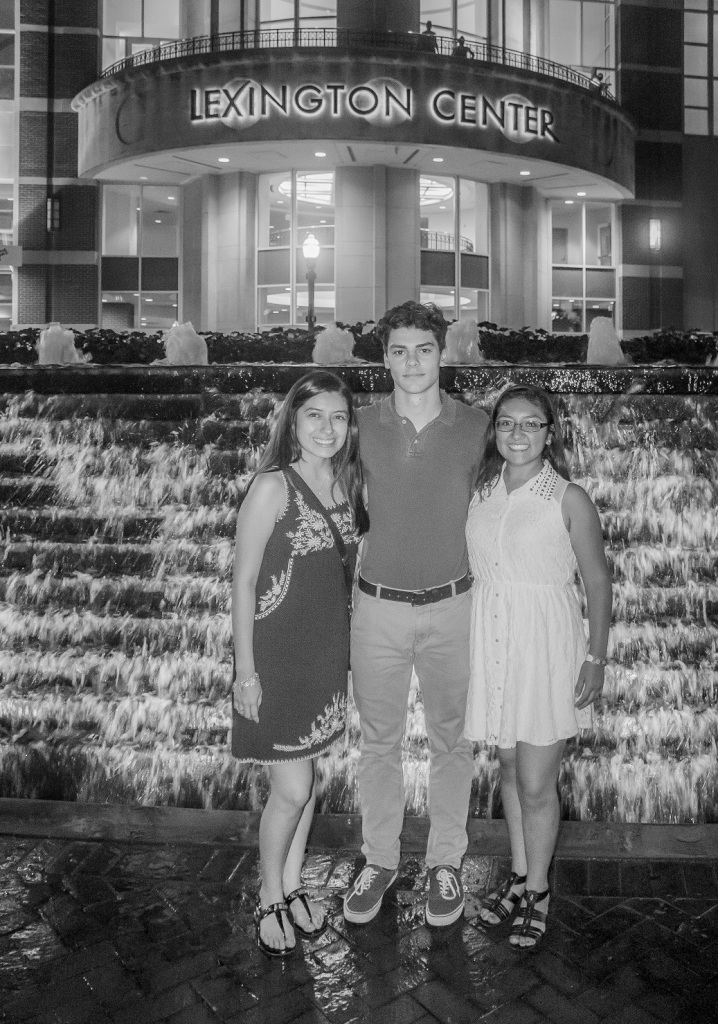
Henry Clay Law Office, Lexington, KY
LEAP Ambassadors Outside of Henry Clay’s Law Office

The visit was a nice precursors to our impending visit to Ashland, the home of Henry Clay, “The Great Compromiser.”


Ashland: The Henry Clay Estate

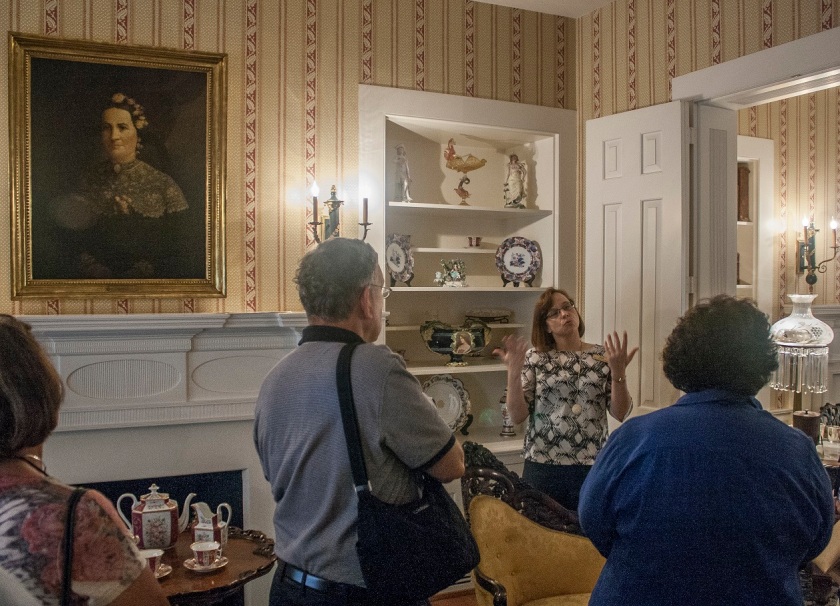
Entering the ash tree-covered estate, from which the home bears its name, we saw a grand portrait of Clay painted by Matthew Jouett when the Senator was 45. Walking through the estate (which does not allow interior photography), it was impressive to learn that the home had stayed in the family from its construction in 1804 until it was sold to the Henry Clay Memorial Foundation in 1959. In fact, family preservation of the home was only interrupted after the Civil War when the house was appropriated by Transylvania University to house its president, from 1865-1882.

One of the parlor rooms, which accommodated the first piano to be brought to Lexington, also held a large portrait of Henry Clay, Jr., and his wife, Lucretia Hart Clay. These paintings were hung in honor of the Clays’ favorite son, who was killed in the battle of Buena Vista in the Mexican-American War, by the woman who is credited with the preservation of the home.

Leaving the front parlors, we turned into the east wing of the home, into one of Clays’ most cherished rooms in the home. Here Clay would have spent most of his time working at his desk, reading his law books, and perhaps preparing his winning defense of Aaron Burr’s trial for treason. The small study now exhibits many of Clay’s personal items, such as a clock from 1832 during his presidential campaign against Andrew Jackson, a bookcase from his law office, a book written by Clay on the subject of agriculture and horse breeding, and some of his correspondence while serving as a senator.

On the subject of horses, he was known as an expert, as he bred his own Thoroughbreds and Standardbreds on the estate. Kentucky, therefore, attributes much of it horse history to the Senator’s fondness for equines. His affection for his livestock was represented in “The Eventful Day of Henry Clay,” a painting by Alvan Fisher depicting Clay and his favorite, prize bull Orizimbo. Legend also has it that in Clay’s study his ghost manifests itself to guests appearing near the mantle.

Even though we did not see his spirit, we did learn much about it. A great orator, Henry Clay was considered a “rock star” of his time. He was depicted thus in a painting in his library, right off his study, in which the vivacious Clay is delivering a speech to an attentive crowd, which includes a very eager Lincoln, cupping his left ear to catch every word of Clay’s speech. Such a sight would be common when Clay delivered a speech – drawing upwards of 100-200 thousand spectators at times.

We learned that not only were his public appearances notable, his deliberations in the Senate were also remarkable. At times, “The Great Compromiser” would stand on the senate floor to for upwards of four hours to deliver his valued opinion on any given piece of legislation. Such may have been true as he developed the Missouri Compromise of 1820, the Tariff Compromise of 1833, and the Great Comprise of 1860. A man of great social networking skills, Clay was also friends with Benjamin Henry Latrobe, the first American architect, who designed the wings of the Ashland estate and is best known for designing the Capitol in Washington, D.C.

As we stepped upstairs, the oak wood staircase (which replaced the previous staircase, making it the “newest” renovation to the home, in 1892) gave way to a landing upon which the John Neagle portrait of Clay is presented. A rendition of his unsuccessful 1844 presidential campaign, Clay stands with disappointed hands pointed towards a fallen American flag over white stone pillars while his gaze is fixed upon a field of grazing bulls. Although depicted as such, even at an advanced age (67) and having suffered a heart attack, many thought this would have been Clay’s last chance to run for the presidency. However, as Clay was a true, relentless Kentuckian, he ran again in 1848, his sixth failed attempt at the presidency.

One of the most notable facts about Clay was his lifelong feud with President Andrew Jackson. After the alleged “corrupt bargain” between John Q. Adams and Henry Clay, which ensured Adams’ victory in the presidency, both Clay and Jackson harbored similar grudges against each other. The hatred was such that Clay once swore that if he ever saw Jackson again, “he would shoot John C. Calhoun,” (Jackson’s Vice President), “and hang Andrew Jackson.”

In the master bedroom a Freemasons’ apron which was laid on Clay’s casket during his funeral was displayed. It was at this point that our guide informed us that on the day of our tour, exactly 164 years previously, Clay’s body had returned to his estate to reach his final resting place.

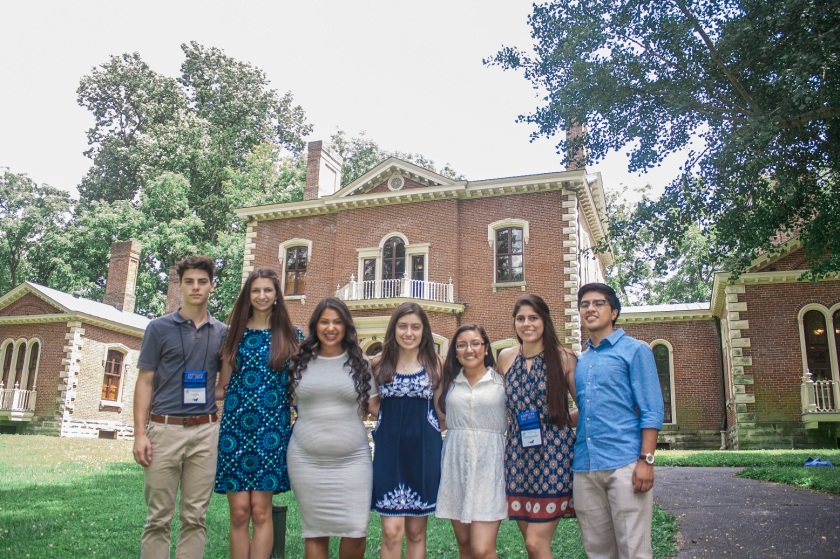
As we descended the stairs, with the smell of oak and sound of creaking steps, we ended our tour inside the room where Clay’s casket was likely displayed for his funeral. After a quick gift shop stop and photo op…

Ashland: Henry Clay Home
LEAP Ambassadors Outside of Henry Clay Home

we headed back to the conference bus for our next, and last destination on this tour, the Mary Todd Lincoln home.


Todds and Lincolns in Kentucky

Originally built as an inn and not a residence, the Mary Todd Lincoln residence  was purchased when Mary was 13.  In all, some 16 children would have spent time in the house–Mary and her 15 siblings–not counting cousins and other more distant relatives.

Mary Todd Lincoln Home, Lexington, KY
LEAP Ambassadors Tour Mary Todd Lincoln Home

At an early age, Mary began attending a finishing school where she studied literature and became fluent in French. When her father died of cholera, he had no will, so all of the items he owned were liquidated, including their collection of over 350 books. As a result, the museum has very few pieces of furniture original to the house, although they do have pieces that date from that time.

When Mary was about 20, she went to live with her sister, Elizabeth, for an extended period of time.  Elizabeth and her husband lived in Springfield, Illinois, which is where Mary met and later married Abraham Lincoln. There was talk about Mary’s visions of becoming a First Lady long before she married Lincoln, and much credit is given to her for his rise up the political ranks.

All was not smooth, though.  While in the White House, Mary spent the a large sum of money on redecorating the White House in the first six months of their stay, which led to some talk about how extravagant she was. Some of the President’s opponents tried to use the fact that many of Mary’s brothers and sisters were either fighting for the Confederacy or married to Confederate soldiers against him. In fact, while she was living in her family home, the Todds had anywhere between three and five slaves.

After Lincoln’s death, Mary went into perpetual mourning, and only wore black from then until her own death. She lived in Europe twice with Tad, one of two sons who were still alive at the time, although Tad, too, died young, like both Willy, in 1862, and Eddie, in 1850.  In 1875, Mary had a premonition that Robert, her last remaining son was in peril, so she went to him.  Given her behavior, he had her declared insane and committed her to a private sanitarium, although she was released after only a few months.

Recently, the Washington Post speculated that her illness might have been caused by a vitamin deficiency, our tour guide explained, although there are many theories as to her mental state, especially after losing two sons and her husband. Altogether, the tour was interesting and informative (and Ryan’s favorite stop on the tour).

Our awesome downtown tour was long (about four hours), so the LEAP Ambassadors had a late lunch at Stella’s Kentucky Deli, a locavore restaurant in downtown Lexington. The options weren’t too exotic, but Brian tried a lamb-burger (“pretty good”) and Kaitlyn loved her fried green tomato BLT.  The rest of us were not too impressed with our dishes. As with any new experiences, sometimes it’s a hit and other times it’s a miss. We are always happy to try new things though – that’s part of what keeps our trips interesting!


Keeneland: Betting on Fun!

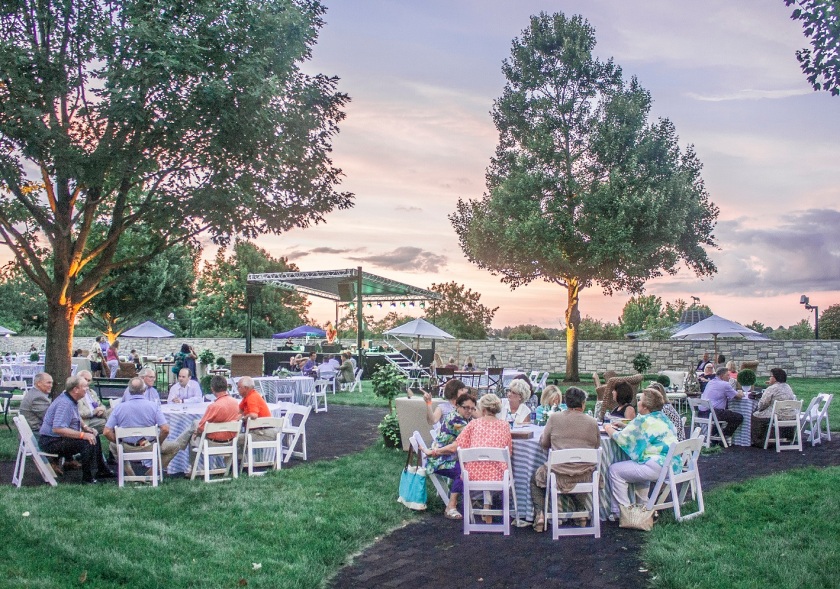
Later in the afternoon, we were all eager for the bus ride to Keeneland, a Thoroughbred racing facility and sales complex for SLC “family night.” We passed through various luscious green pastures, and were greeted with music, and excited to sample varieties of the well-known, authentic Kentucky bourbon and barbecue. Not to be disappointed, we arrived at the main patio area where different tables and serving areas had been set up.

Keeneland
Opening Night of Southern Legislative Conference–Keeneland

We piled our plates high with savory brisket and ribs. Next we hit the barbecue sauce table where sweet tea, pineapple ginger and smoked tomato flavored barbecue sauces were available for sampling as well.

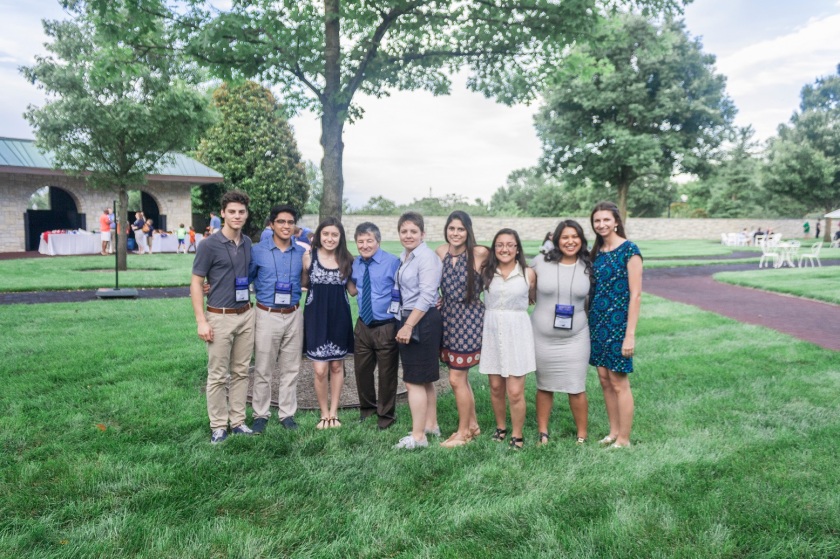
After we finished the delicious offerings, we met retired jockey Jean Cruguet, who kindly gave us his autograph and posed with us for a group shot.

Jean Cruguet
LEAP Ambassadors with Triple Crown Winner Jean Cruguet

Cruguet is a legendary jockey, one who rode Seattle Slew to a triple-crown victory in 1977, the only undefeated horse ever to do so.  In the final leg of that crown, Slew was leading by four lengths heading into the stretch, and Cruguet, in an act of bravado, stood on the stirrups, raised his riding whip in the air, and declared victory 20 yards prior to the finish line.

Cruguet's famous 'victory pump' on his way to wining the Belmont Stakes.
Jean Cruguet on Seattle Slew

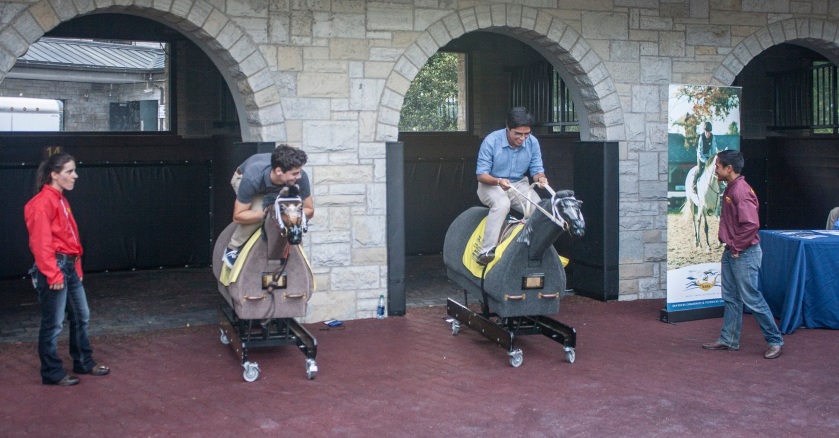
Perhaps inspired by this meeting, both Ryan and Brian (named B-Ryan for the purposes of our trip), got on horse simulators to experience the horse-racing experience.

Keeneland Horse Racing
Ryan Brim and Brian Aldaco on Mechanical Horses

Brian and Ryan experienced what it would have been like to be a professional jockey, giving the practice horse a tryout ride. Both had great “natural talent” and, perhaps a bit presumptuously, felt ready to take on an actual horse race after their practice.

To see some real horses, we headed to the stables. Everyone took turns approaching the majestic horses for some tender, loving pats on the nose.

This slideshow requires JavaScript.

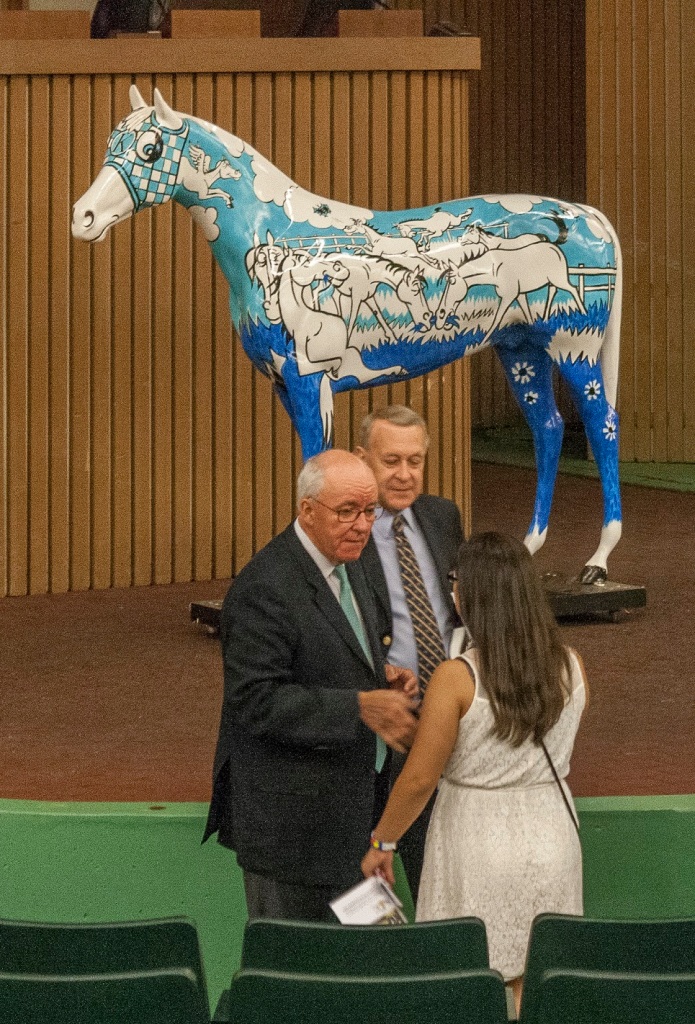
Having checked in with the breadwinners of the stables, we moved on to a more educational event Keeneland sponsored, the mock auction. Unfortunately, we arrived late, only in time for the tail end of a Q&A session with Mr. Cruguet.

Beatriz, though, didn’t let the end of the session slow her down.  She met briefly with the auctioneers for her own private Q&A, to find out more about the process of horse auctions, as well as the amount one could spend on a horse: Did you know that the highest bid they have ever had for a horse is 3.6 million dollars? Did you know that Keeneland had 500 million dollars in horse sales last year? I found that pretty impressive.

Keeneland Auction Space
Beatriz Martinez with Keeneland Auctioneers

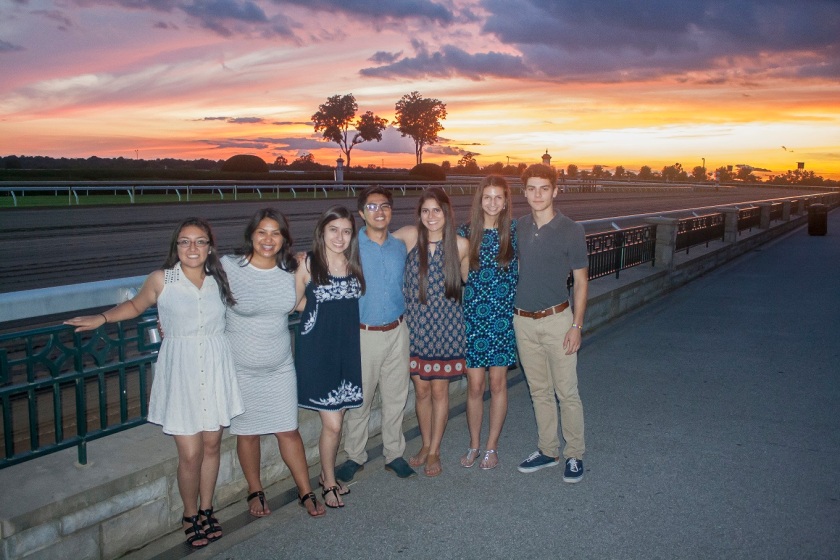
We made some last rounds at Keeneland, enjoying the last round of music by local band Sundy Best, “Home,” as we took pictures in the sunset at the track.

Keeneland Race Track at Sunset
LEAP Ambassadors at Keeneland Race Track

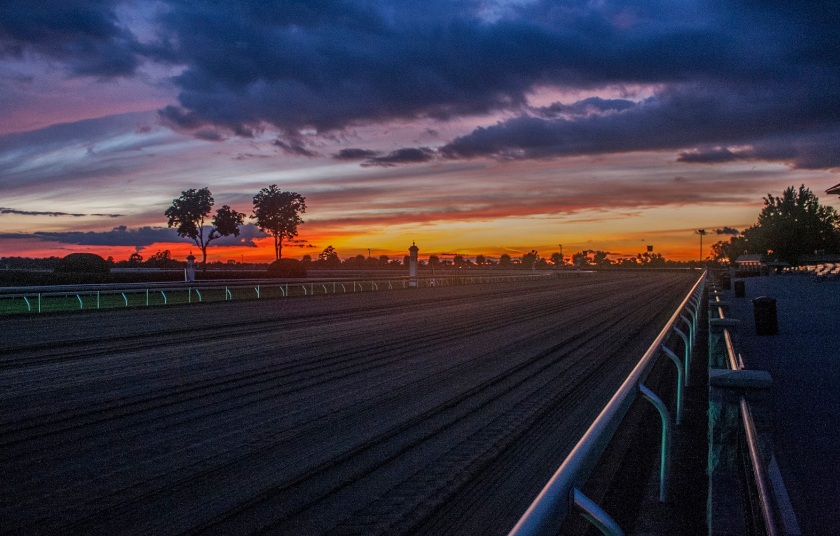
None of us has ever been to a horse race, but being so close to the track does hint at the kind of excitement that might be possible during a two-minute race.

Keeneland Race Track

Having a beautiful sunset also helps.

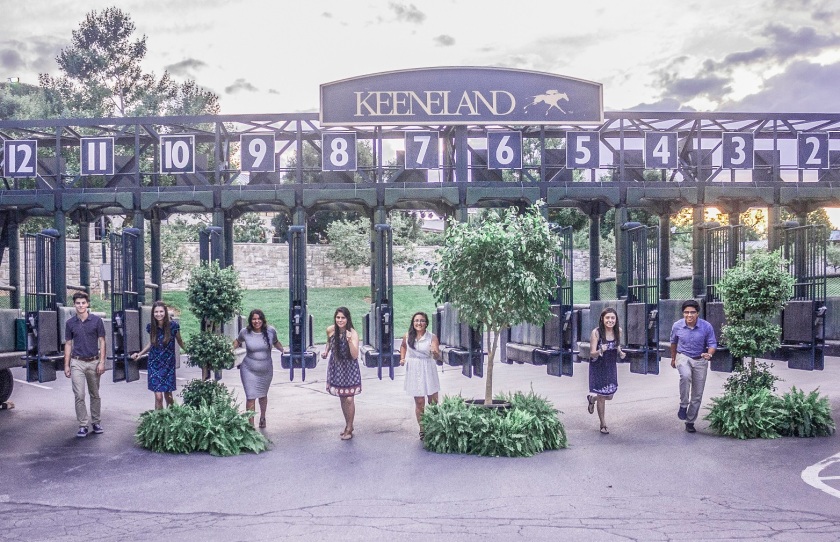
We also posed in Keeneland’s Starting Gates.  Incidentally, Brian was stationed in the same gate as American Pharaoh, the last triple crown winner (2015) and, with a victory at the Breeder’s Cup, stands as the only horse to win the “Grand Slam” of horse racing.  Fittingly, American Pharaoh was bred in Kentucky.

Keeneland Race Track Starting Gates
LEAP Ambassadors in Position at Keeneland

With one last look around Keeneland, we agreed with the band, Sundy Best, that, “Yeah it’s time to go home.” So we headed back to the hotel!


Triangle Park

Before we were fully able to call it a night, we explored the city park by our hotel, Triangle Park.   It is a beautiful gathering space, with splash pads, a “democracy wall,” and a beautiful fountain that covers more than an entire city block.

Triangle Park, Lexington, KY

With the calming splash of the water and the peaceful, happy ambiance of the park, and the satisfaction of a full-day of activities, we called it a day.

Seeing Tennessee: One Day in the Volunteer State (Nashville Version)

Tennessee is known as the volunteer state, so named because of the disproportionate number of volunteers they have provided to the US Military in wartime.  While none of the LEAP Ambassadors have served during wartime, we do volunteer a lot, so we felt a distant kind of kinship.

The first stop planned for our third day of the Southern leg of our trip was The Hermitage, Andrew Jackson’s home.

Hermitage_Jackson_Web

Our tour began with museum exhibits describing the history of the seventh President of the United States in chronological displays. The exhibit began with the wars in which Andrew Jackson played important roles, the War of 1812 and the Battle of New Orleans in 1815.

Hermitage_Beatriz_Web

Original artifacts, such as swords used by the British and the Americans during these historical events, were also displayed in glass cases allowing each visitor to stop and admire the details of each. Larger artifacts, such as his carriage, were displayed on the floor of the exhibit space.

Hermitage_Carriage_Web

The exhibits were packed with history, but also well-organized, making it easy to follow and understand.

Hermitage_Brian_Web

We learned not only about Andrew Jackson’s life, but also much about his wife, Rachel.

Hermitage_Alex_1_Web

After the indoor museum exhibits, we moved on to a self-guided audio tour of the grounds that led us to Jackson’s mansion.

Hermitage_Ambassadors_Web

The guides on the tour discussed every room in the 8,000 sq. foot mansion. The parlor downstairs off the entryway was covered in elegant wallpaper that General Jackson ordered from France, along with many original artifacts. Although the mansion was beautiful, it does not have all the modern conveniences that homes today have, such as indoor plumbing! The second floor houses guest rooms and the grandchildren’s rooms. And as a special treat, the upstairs tour guide pointed out one of the guest rooms where Sam Houston slept during one of his visits to see General Jackson.

After the mansion tour, we meandered the garden, still guided by the audio tour. In the garden, elaborate for its time, we saw the tombs of the Jacksons, along with several family members.

Hermitage_Grave_3_Web

The garden was originally made for Rachel as a place for her to relax, a much-needed respite from the stress of her husband’s political career. Sadly, she passed away days after Andrew Jackson was elected President; and it is said that the political stress caused her death. After the tour of the museum exhibits, the mansion, the garden, and a quick photo-op on the $20 bill…

Hermitage_Beatriz_Bill_Web

…we had worked up an appetite, so we made our way to The Pharmacy for a quick fix.

We know what you’re thinking, but no, we didn’t go to the local drugstore for lunch! The Pharmacy is actually a burger parlor and beer garden, although we didn’t sample the latter. The restaurant has been named the “wurst burger joint” around because of the German influences in their food and beverages. The phosphate and crème sodas, Wurst, and beer make this Nashville spot distinct and popular. The restaurant was cozy with a large outside patio garden.  The patio was beautiful; however, we sat inside to cool off after a morning of sunshine at The Hermitage.

We ordered different varieties of burgers made from 100% Tennessee beef. Beatriz, ordered the Farm Burger, with bacon, egg, and ham and other fixings, while others tried the Biergarten Platter, which had a variety of wurst sausages and mustards. All the food and cream sodas were satisfying and we were more than ready for our next stop, The Parthenon.

Gryphons stared down at us serenely as we climbed up the steps of Nashville’s Parthenon. We entered through the west side, noticing that atop the majestically stoic Doric columns a scene was unfolding depicting Athena being crowned by Nike (the winged goddess of victory, not the shoe brand). Built in 1897, this replica Athena’s shrine was at one point meant to be temporary.  Due to Nashville’s love of the thought of having their own Parthenon (they were known as “the Athens of the South”) and since it had quickly grown in popularity, it stayed.

Parthenon_Group_Exterior_2_Web
LEAP Ambassadors at the Parthenon–Nashville, Tennessee

As we set foot into the structure of classical architectural style, not only did we travel across space towards Athens, Greece where the real Parthenon lay, but we also stepped into a place of art. Literally. The Parthenon is both a bona fide replica of the authentic Parthenon and a museum housing more than 60 pieces of art donated by Mr. James M. Cowan under a strange circumstance…he had donated the pieces of art with only one condition: that he remain anonymous as the donor until after his death.

We moved upstairs where we were able to see the goddess of wisdom herself. Made of a number of materials, including 3.6kg of gold leaf, she stands impressively tall with Nike in her right hand and her faithful shield in the other.

Parthenon_Group_2_Web

One of the many interesting things about Nashville’s Parthenon are the gargantuan bronze doors. Measuring up to 6.5 ft. in height and weighing about 7.5 tons, these doors are thought to be the largest set of bronze doors in the world. However, even the smallest of our group could easily move them.

After digesting much great Greek mythology, art, and architecture, we passed by a gryphon one last time…

Parthenon_Students_Athena_Web

…Beatriz giving it a fist bump of gratitude for its great work at guarding Athena.

Parthenon_Beatriz_Lion_Web

With that last goodbye, and a last glance at the great Athena, we left wiser on the subjects of art, architecture, Nashville history, and a bit of the goddess of wisdom herself.

From there, we visited the Tennessee Capitol.

TN_Capitol_Exterior_Web

Like many other major building projects, construction of their capitol was behind on schedule and way over budget, taking fourteen years instead of three, and costing about three times as much as the initial budget.

The Tennessee Capitol is one of 13 state capitols which does not have a dome.  Instead, it was built in a Greek revival style. Not only is it different in architecture, but this capitol is the only one to be home to three deceased people, the first being the architect who designed it, William Strickland. Strickland is buried in the walls of the building, which he regarded as his greatest work. Along with Strickland, Samuel Morgan, the original building commissioner, is also buried on the site (actually, in the walls of the building).  And wrapping up the list are President James K. Polk, and Polk’s wife, Sarah, are bured on the grounds (but not in the walls).

TN_Capitol_Polk_Grave_Web

We learned much about Polk and the other two presidents from Tennessee (Andrew Jackson and Andrew Johnson). As we went along our tour, our guide (who was very knowledgeable and one of the best tour guides we’ve had!)…

TN_Capitol_Tour_Web

…pointed out a bearded Sam Houston, who was governor of both Tennessee and Texas.

TN_Capitol_Sam_Houston_Portrait_web

Although one LEAPster, who shall remain nameless (Megan), failed to recognize him, it was nice to see that General Houston was given credit for the work he’d done in Tennessee.

Tired of waiting for the entire capitol building to be built, the Supreme Court of Tennessee decided to move right in and start hearing cases. One judicial record, the tour guide explained, indicates the Court held a construction company in contempt of court for making too much noise while working on the building.

TN_Capitol_Tour_2_Web

Even so, the tour was great, filled with humor and interesting facts, such as the two occasions in which a president chose a vice-president with the last name Johnson, which didn’t work out so well for the presidents, who both ended up dying in office. Our cheerful tour guide made the tour one of the most interesting capitol tours we’ve been on.

This slideshow requires JavaScript.

To top it off, we even got to use the old-timey state seal press to emboss our programs.

TN_Capitol_Seal_Ryan_Web


So, as the day and the tour came to a close…

TN_Capitol_Ambassadors_Exterior_2_WEb

…we knew it was time to move on to our next destination, Louisville, Kentucky.

The LEAPsters are always up for adventure no matter how frightening it may appear.  One member of group stated that completing the fully-underground, aerial ropes challenge course at Louisville Mega Cavern truly embodied the LEAP spirit.

As we opened the front “door,” it was apparent that the cavern’s interior had been refurbished with artificial ceilings and walls in order to accommodate the recreational attractions inside. Louisville Mega Cavern houses a bike course, ropes course, “mega” zip line, and holds tours of the cavern’s mines.

Megacavern_Karla_Ryan_Web

This night we were set for the elevated, trapeze-style obstacles on the ropes course.

Megacavern_Karla_Standing_2_Web

Several of us are not fond of heights, and regardless of the multiple, secure straps attached to every elevated obstacle, fear of falling was still prominent.

Megacavern_Karla_Hugging_2_BW_Web

Our pseudo phobias did not deter us from trying as many hanging rope bridges within our time limit, though.  Bridges between the platforms varied in size, shape, difficulty and amount of balance required to traverse, from suspended, unbalanced planks to tension ropes to challenges that simply cannot be described without seeing them.

Megacavern_Beatriz_Walking_2_Web

For Alex, acrophobia kicked in while trying to balance over this system of suspended ropes and planks: At these moments my blood would rush in anticipation of hitting the ground, my palms would start to perspire inside my leather gloves making them almost slide off my hands, and my head would be showered in more sweat as I noticed how high off the ground my struggling body hovered. I would tightly clench the rope from which each overpass was suspended and inch my way through with each move coordinated to keep balance. No matter how much I wished to stay safely footed on the floor, I mustered all the courage my shaky spirit could supply.

Megacavern_Alex_Walking_2_Web

For the most part, though, we successfully walked, crawled, and hopped, and prayed over the obstacles without falling.

Megacavern_Ryan_Walking_Web

And all the LEAPsters made it to the grand finale:  the zip line.

Megacaverns_Beatriz_Zipline_Web

Some jumped off, some slid off, and at least one asked to be pushed off,  but we all made it off the platform at least once.  We wrapped up the late night and with blistering hands and muscles strained from the continuous stress of cheating an unwelcome dive to the hard ground, we climbed in our traveling van, ready to reach our hotel for some much-needed rest.

Megacavern_Group_Web