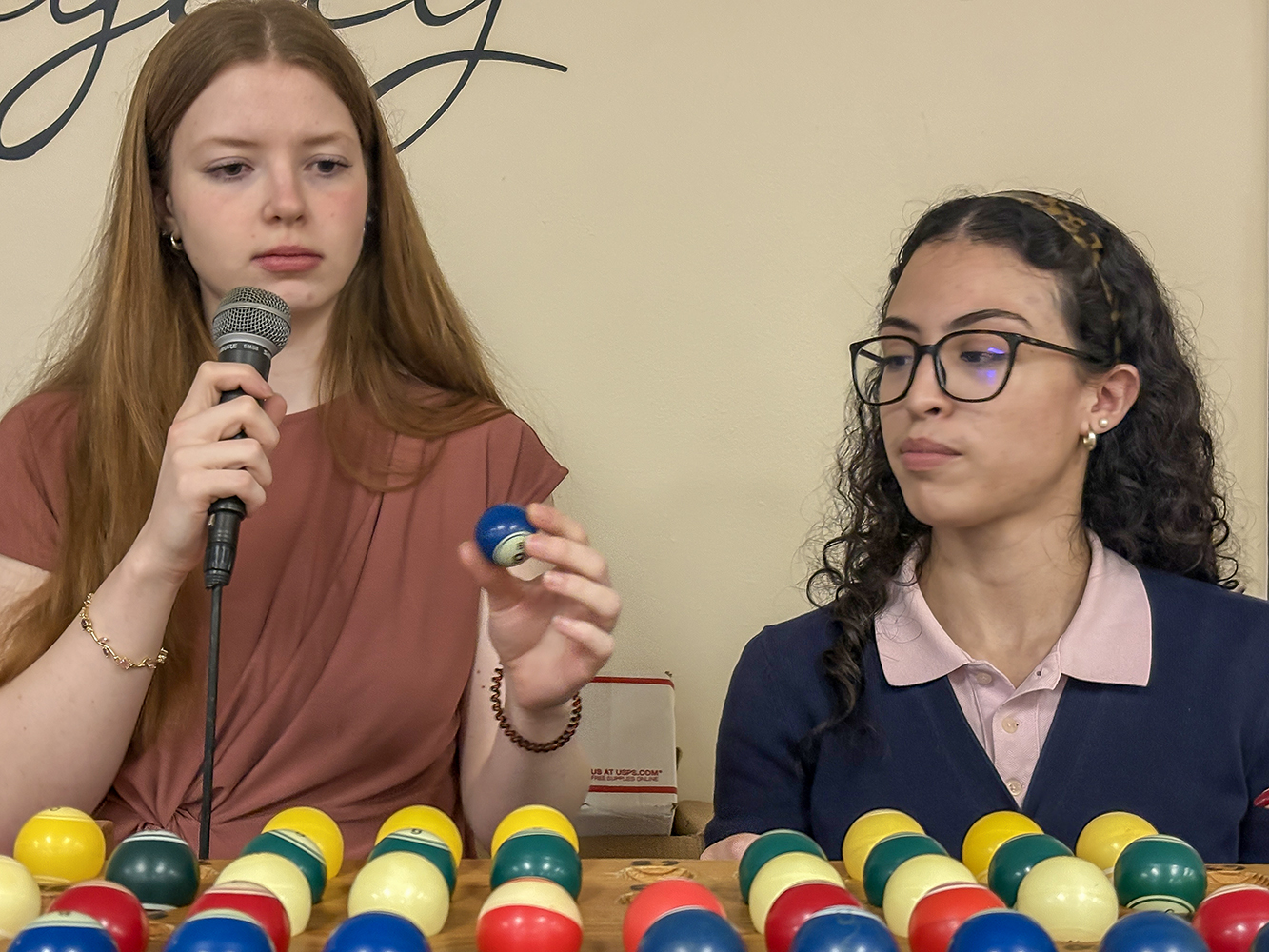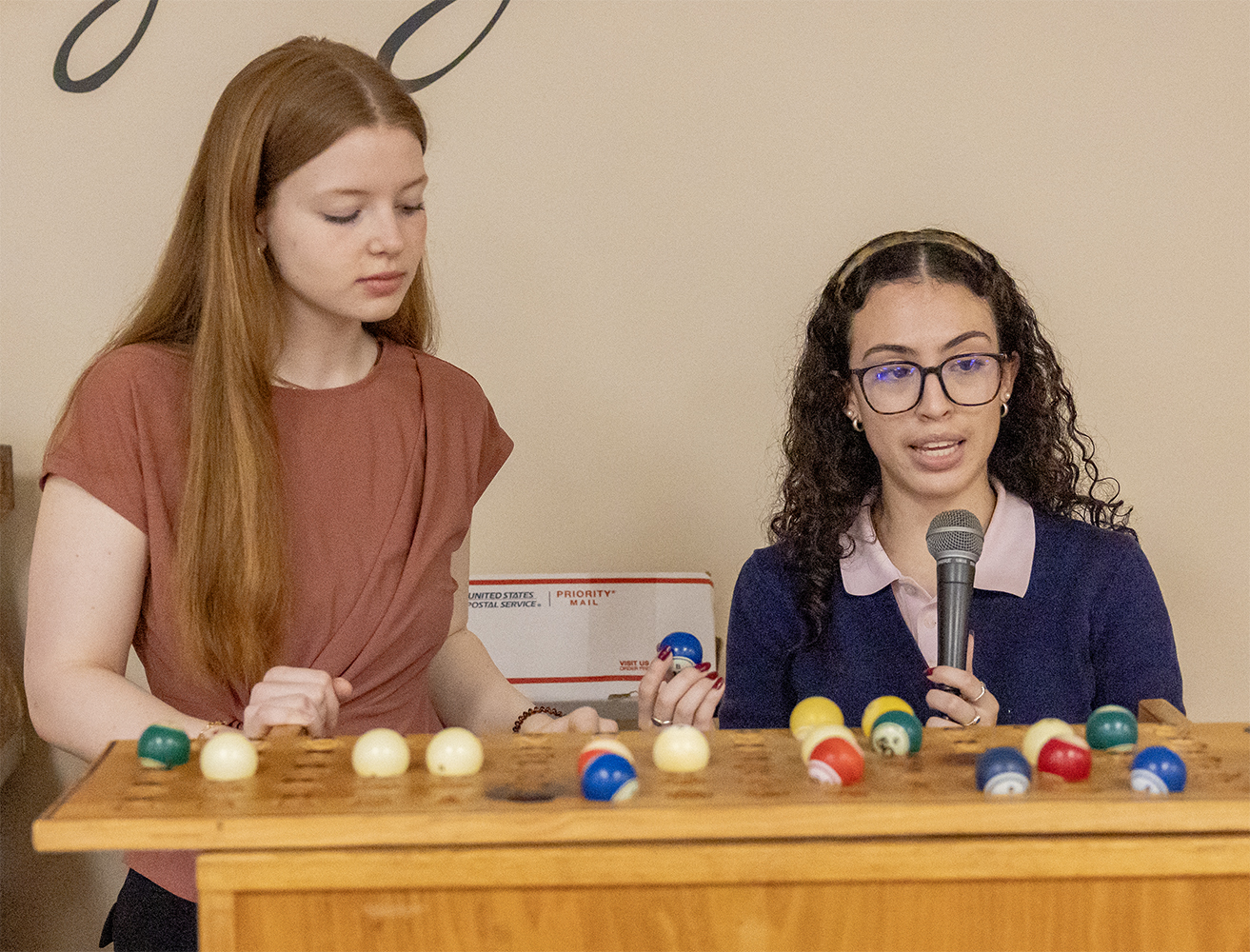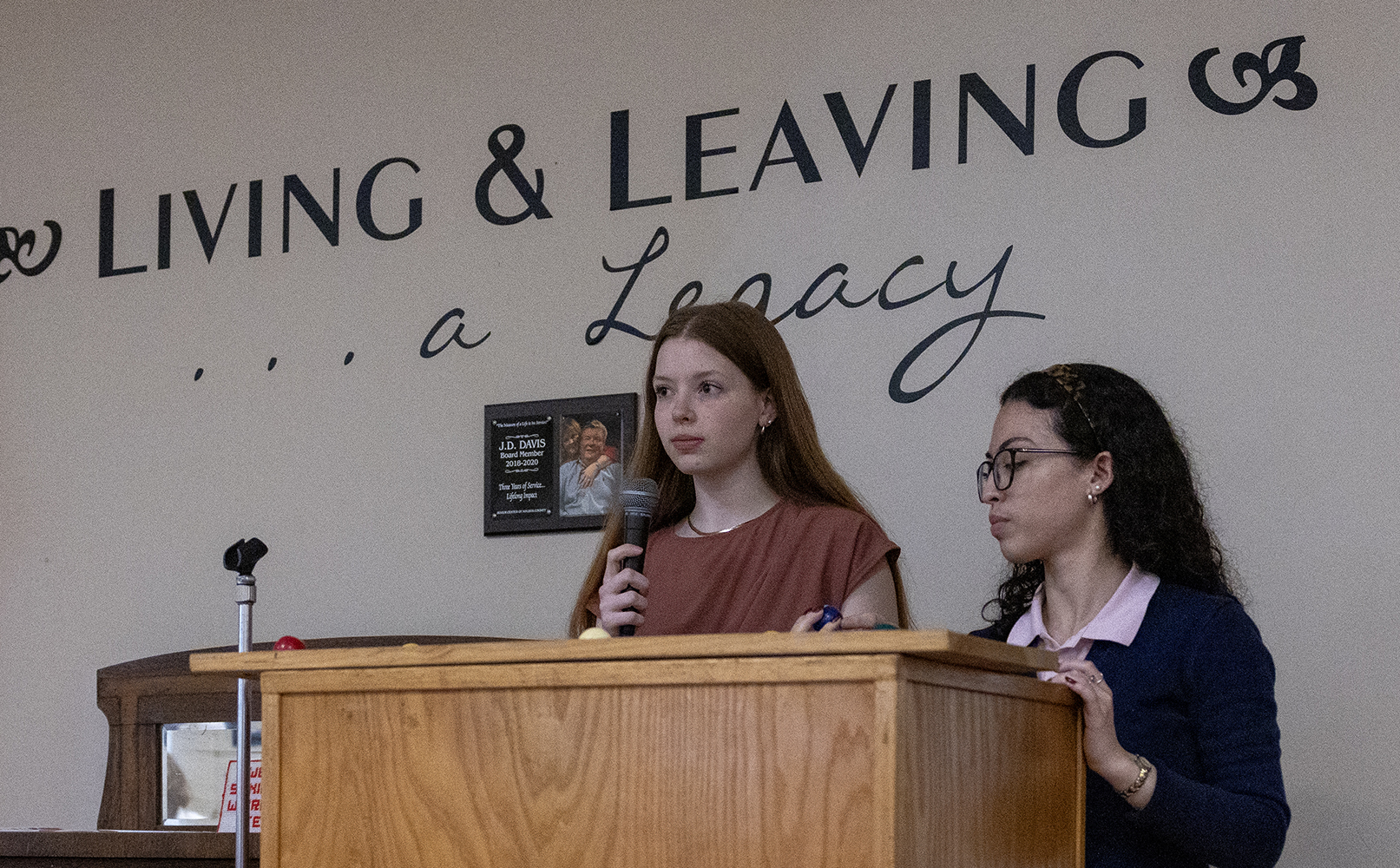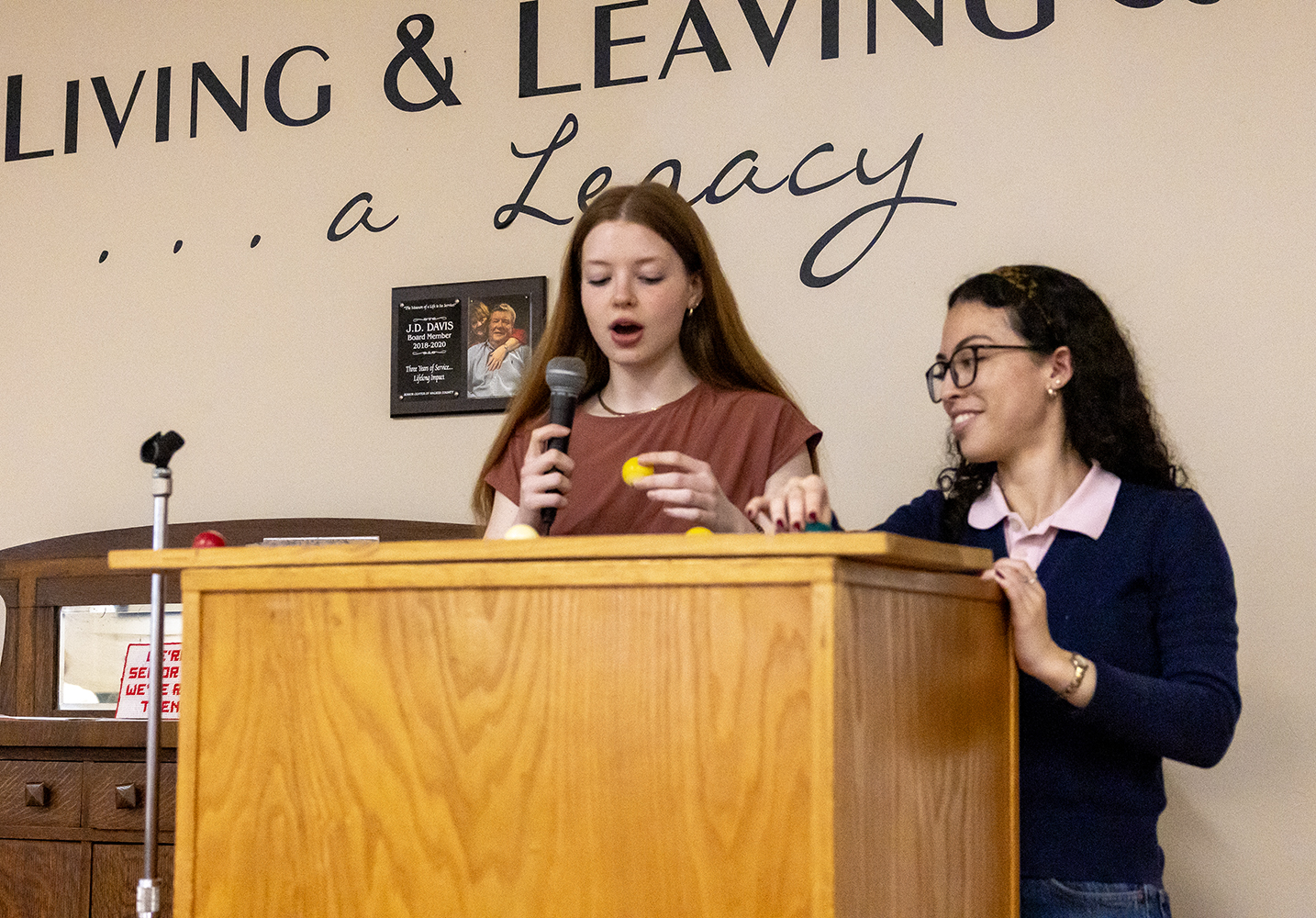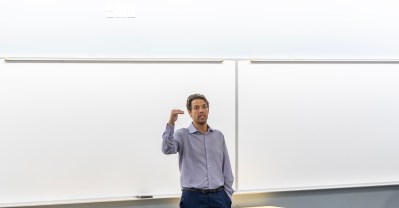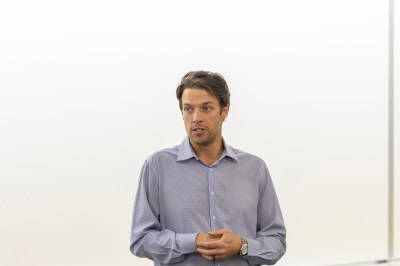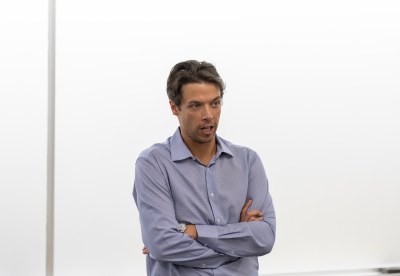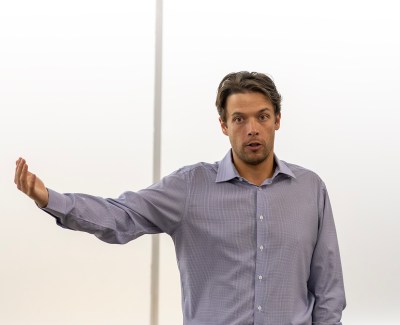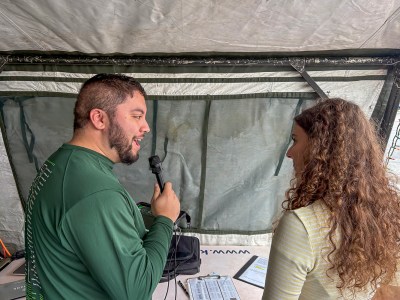
There are times when the fields of political science and criminal justice intersect. Today was the case for such an event when Professor Mike Yawn, the director of SHSU’s LEAP Center, was asked to present to the High School Criminal Justice Instructor Training (HSCJIT) Conference held annually on SHSU’s campus and sponsored by the University’s excellent College of Criminal Justice and organized by the wonderful Doris Pratt.
Designed for high-school teachers in the fields of criminal justice, law enforcement, and forensic science, the conference features presentations by experts in myriad disciplines, including: criminal investigations, victimology, forensic DNA, cybercrime, forensic psychology, corrections, and serial murder.
Indeed, Yawn’s session came on the heels of Dr. Mitchel Roth…
…who discussed his research on serial murderers…
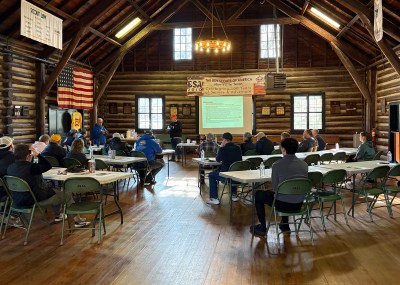
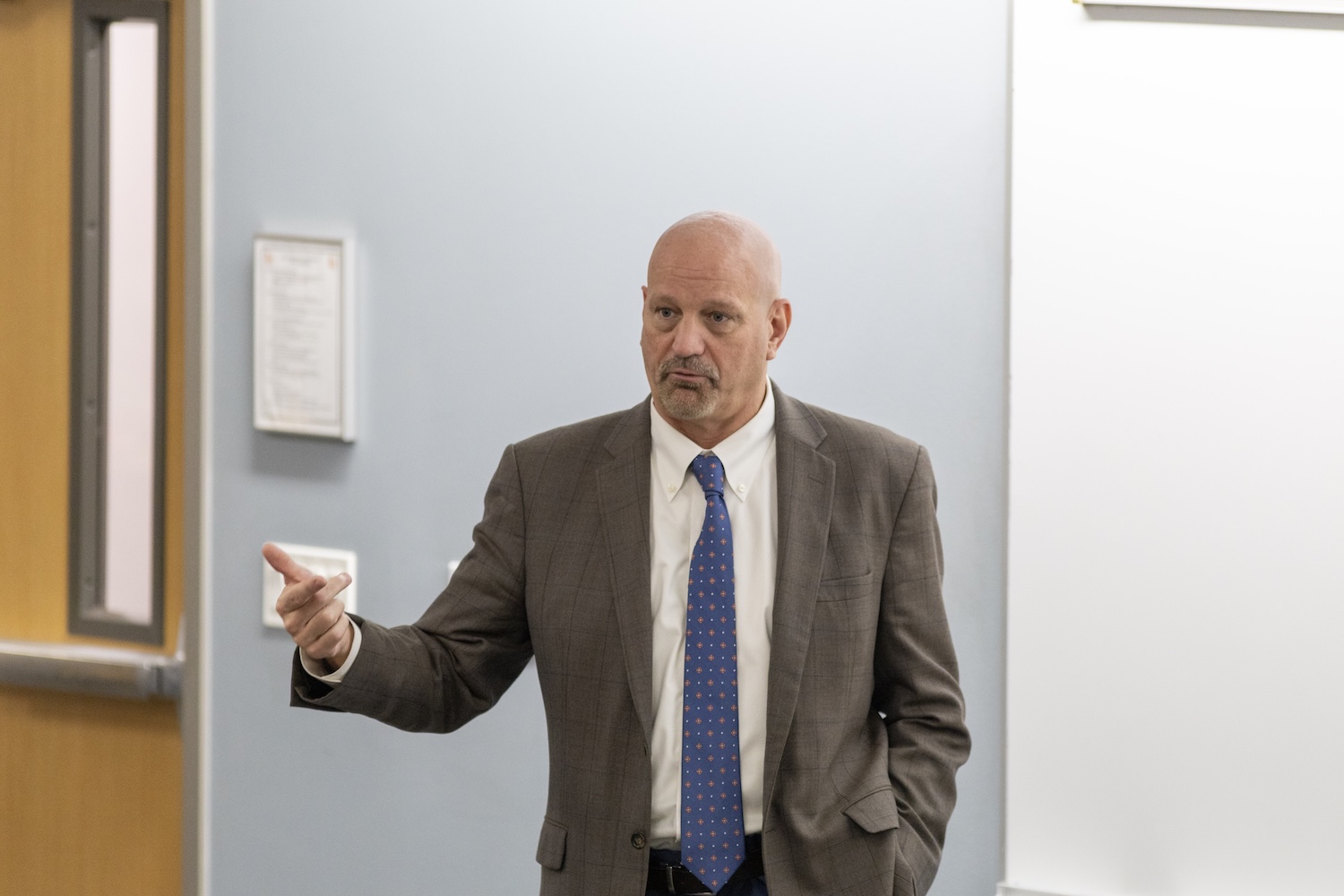
…and, following a 15 minute break, Yawn discussed the interdisciplinary use of technology, with an emphasis on first responders.
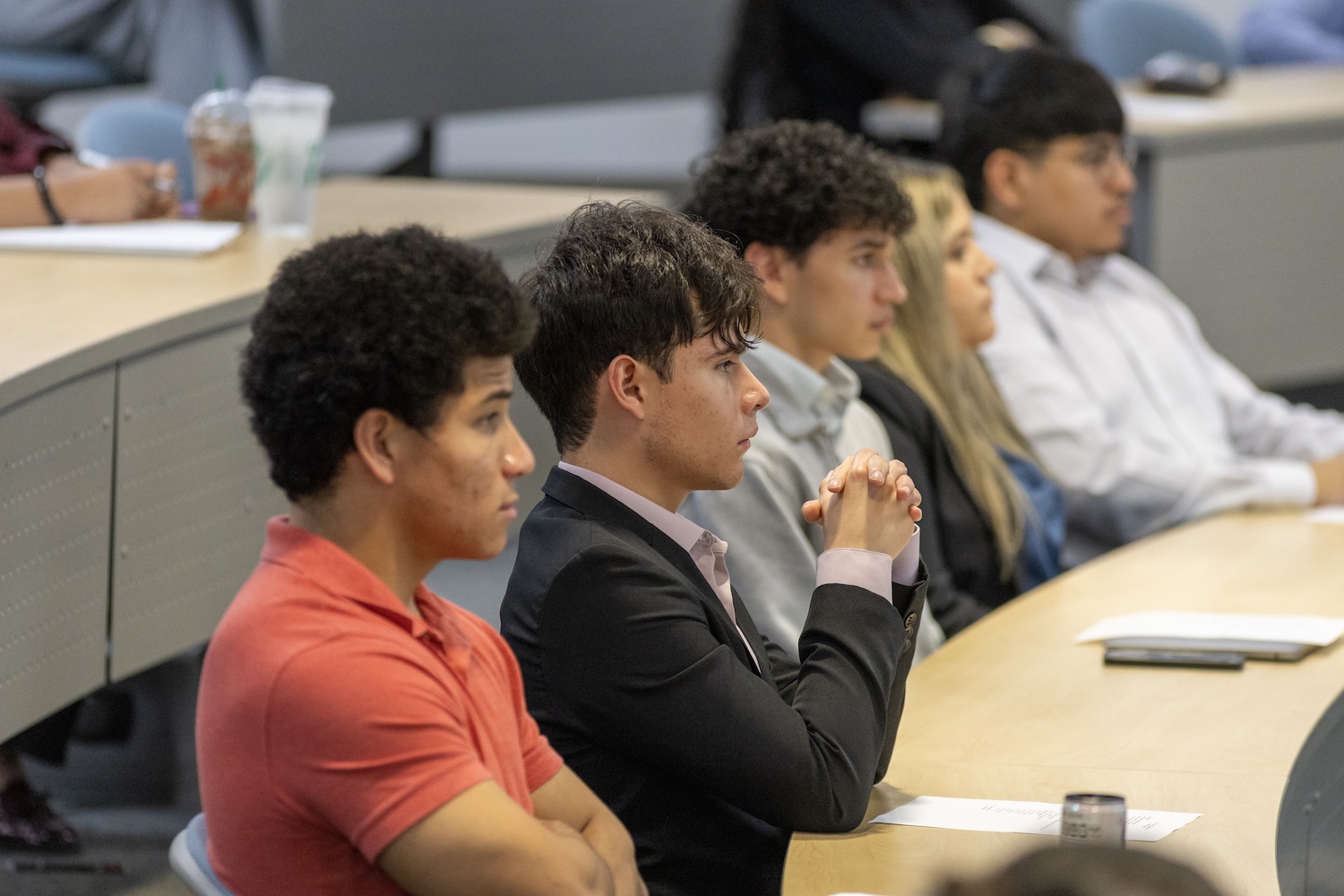
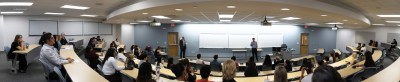
Covering topics such as smart businesses, smart health devices, smart cities, and Real Time Response Centers, Yawn presented for approximately half-an hour to the 40-plus educators present.
The audience was polite and managed to stay awake (!) during Yawn’s presentation, which involved how technology can be used across major sectors of contemporary life. From ALPRs tracking our vehicles’ movements to the facial recognition of animals so that lost pets can be found.
The teachers really came alive, however, when the Arson and Explosive Squad of the Montgomery County Fire Marshal’s Office came out to describe their jobs. The “bomb squad,” as they typically known, are licensed police officers–Darren Parker and Blaine Pyles–who specialize in explosives and arson.
Their work can take them to political events, where much explosive-sweeping is required, to large sporting events, to hostage situations and, of course, arson.
They have various equipment to assist with this, including separate robotic assistants, battering rams, state-of-the-art communications, drones, and more. The robotics were the hit of the show…
…but so were the bomb technicians, Parker and Pyles, who approach their job in the spirit of service, with courage, compassion, and competence, qualities on display throughout their presentation.
Indeed, following the event, many of the educators, Professor Yawn, and Parker and Pyles discussed future opportunities for collaboration–a way to benefit the public, higher education, and K-12, a win-win-win.
Many thanks to the College of Criminal Justice (and Ms. Doris Pratt), Darren Parker and Blaine Pyles, and the many high-school educators–all of whom are shaping the next generation of leaders.
The LEAP Center would like to thank LEAP Ambassadors Michelle Moya and Olivia Discon, who stepped up for this event; LEAP Center student worker Gabila Flores, who helped with photos and the blog; and volunteers Bailey Hopkins, Jacob Wessels, and Sofia Soto.
One of the most valuable aspects of the LEAP experience is the chance to learn from leaders who have dedicated their lives to public service. The World Affairs Council regularly provides such opportunities, and at the Royal Sonesta in Houston, we had the privilege of hearing from Admiral John Kirby.
Admiral Kirby began his career in the United States Navy as a Public Affairs Officer, which eventually led him to serve as Press Secretary for the Pentagon and later as Coordinator for Strategic Communications at the National Security Council. Having worked under both the Obama and Biden administrations, Admiral Kirby has long been at the center of national security, communications, and public affairs.
The evening’s conversation, emceed by Sandiya Bayot…
…and introduced by WAC Board Chair Ken Tubman (President of PPA Resources)…
…and moderated by our good friend Ronan O’Malley, touched on a wide range of issues: foreign affairs with superpower nations, military missions and operations, the role of the media, and the importance of sharing information responsibly.
One of Admiral Kirby’s first reflections was on the difficulty of his role: explaining tough decisions to the American people. He emphasized that while he could not alter the facts or decisions already made, his responsibility was to provide clarity about why those decisions were in the nation’s best interest and how different choices might have carried heavier consequences.
On military matters, Admiral Kirby spoke about the Russia-Ukraine conflict, Afghanistan, and broader concerns about military culture. Regarding Russia, he explained how U.S. intelligence delayed some of Vladimir Putin’s plans and stressed the importance of declassifying information when possible. By making certain intelligence public, the U.S. can share insights with allies and citizens without compromising sources.
Reflecting on Afghanistan, he noted how the Vietnam War left a strained relationship between the press and the military. Later, steps were taken to rebuild trust, such as embedding reporters with platoons during the Bush administration. This gave journalists firsthand experience and allowed them to write more accurate, informed accounts for the American people.
Even with these improvements, Admiral Kirby expressed concern that military service is increasingly becoming “a family business,” passed down through generations. While traditions of service are admirable, he worries this could widen the divide between those who serve and the broader public. For him, bridging that gap remains essential.
A recurring theme throughout the evening was the power of stories and information. Admiral Kirby explained that every story matters, and sharing them connects the military to the people it serves. Stories, he said, keep the world turning.
The conversation then turned toward media and technology. Admiral Kirby noted that while the rapid spread of information makes misinformation difficult to contain, it also provides powerful opportunities when used correctly. He drew comparisons across history: President Kennedy mastering live television, Roosevelt using photography, and Lincoln embracing the telegraph. For today’s leaders, the revolutionizing force is technology and social media, and Admiral Kirby stressed the importance of adapting to it.
One of his most powerful points was that, regardless of political party, Americans ultimately want “information, not confirmation.” Rational decision-making, he reminded us, depends on honest, clear information.
On a personal note, I had the chance to meet Admiral Kirby before the event. As we arranged for a group photo, he asked me about my studies and future goals. When I shared that I wanted to become an attorney and later involve myself in politics, he responded with a smile: “You’ve got it, go get ’em!”
That moment reflected what made the entire evening so meaningful. Admiral Kirby has a rare ability to connect with people, whether addressing an audience of hundreds or speaking one-on-one. His insights were powerful, but it was his ability to inspire and make each person feel included in the conversation that left a lasting impression.
This event will remain one of my favorites from the World Affairs Council.
Being a part of the LEAP program isn’t just about preparing for a career in law –it’s about learning to see the world through a new lens. I came to understand this during a presentation in Professor Yawn’s UNIV 1101 Pre-Law class, where LEAP Ambassadors Olivia McCaughan and Michelle Moya outlined the program and highlighted the wide range of opportunities it offers.
Through LEAP, students gain access to experiences that prepare them for the future—ranging from civic engagement, like volunteering at the Main Street Program’s Scare on the Square (which I look forward to participating in this October), to hearing from special guest speakers, to interning in Washington, D.C., Austin, and local government. I was especially delighted to learn that LEAP is not limited to students pursuing law school, but is open to anyone interested in making a difference in their community through civic work. LEAP members don’t volunteer to meet a quota, but rather to get involved in ways that are meaningful, impactful, and connected to their communities.
My first-year experience has also been shaped by UNIV 1101, a pre-law course designed to introduce students to the field. Professor Yawn’s daily quizzes extend a vast array of subjects, from LSAT prep to Emotional Intelligence to LEAP Ambassadors Olivia Discon and Michelle Moya’s Parasailing trip. True to law school style, at the end of each short quiz, students are called on to announce their answers to the class! On a whole, Univ 1101 has proven to be a very detail-oriented class, reminding our group of prospective lawyers the importance of every detail, even those that seem menial.
This focus on preparation carried into another highlight of my week: attending my first Pre-Law Society meeting alongside several of my UNIV 1101 classmates. We learned about several prospective law schools, including the University of Houston Law Center, South Texas College of Law, and Texas Tech Law, directly from their admissions representatives. We even received Pre-Law Society t-shirts, signifying our official place in the program! I also had the chance to meet our organization’s leaders as they reviewed the agenda and introduced our guest speakers.
As Michelle Moya explained, the Pre-Law Society is just one branch of the broader LEAP program. I’m eager to explore each branch throughout my four years at Sam Houston, confident that every experience—whether in the classroom, the community, or beyond—will bring me closer to the leader and lawyer I aspire to be.
Olivia McCaughan, Allison Plunk, and Michelle Moya
It’s always exciting to begin a new semester in the Pre-Law Society, but this was especially the case this year, when we set a new record for members with 144! The lines delayed the meeting a bit…
…but the wait was worth it: we had Deans of Admission from South Texas College of Law (Nakita Wanza), University of Houston Law Center (Pilar Mensah), and Texas Tech University School of Law (Danielle Saavedra). With a general session moderated by President Olivia Discon and breakout sessions that followed, it was a semester’s worth of information into one record-breaking meeting.
General Body Meeting
Not wanting our minimal business reports to get in the way of the main program, President Discon and the officers moved rapidly through the business.
It was, however, the panelist’s evening. President Discon did an excellent job moderating the event, and we learned information that is useful for pre-law students everywhere.
How important are grades and the LSAT?
Very important! While this is to be expected, many students may not realize that (1) law schools look at your cumulative GPA–grades from dual credit, community colleges transferred in, repeated grades (the original grades are factored back into the GPA for law school)–and (2) the LSAT is the only indicator they have that is common to all students who apply. Keep those grades up and make appropriate plans to spend the necessary time on LSAT studying–the latter of which demonstrates times management, a much needed skill in law school.
What do law schools look for in personal statements and letters of recommendation?
All three Deans emphasized the personal statements, noting that they were looking for authenticity. This is the chance for the students to provide information provided only by a personal statement and to provide an insight into the applicant’s true self. For those who wish to present their true selves through AI, Deans of Admissions can tell. Moreover, applicants should (1) follow instructions and (2) proof read. You’d think this would be common sense, but every year, law schools receive personal statements addressed to other schools, longer than the permitted length, or responsive to prompts not provided by the school.
Similar care should be taken with letters of recommendation. Some students may be tempted to ask the professor they liked the most, or they thought was “cool,” or someone whom they spoke with often. But law schools want to hear from professors who have seen the student’s writing, (critical) thinking skills, and reading ability. If the class didn’t require any of these things, or if you didn’t earn a strong grade in the class, seeking letters elsewhere might be your best bet. Dean Mensah also encouraged students to have their letter writers identified by their junior year, rather than waiting to the last minute–another time management lesson!
Additional Information
The schools emphasized the importance of taking this process seriously and the importance of character. Of course, character can reflect a student’s priorities–such as grades and the LSAT–dedication to those priorities, and those who possess integrity will carry that trait with them into law school, and one hopes, to their career beyond.
President Discon also introduced Michael Chambers, an SHSU alum (class of 2023) who is a 2L at South Texas College of Law. He emphasized the importance of hard work, asking questions when needed, and applying oneself in an area of interest.
With this foundation, the general body meeting was adjourned, and students left for breakout sessions, each of which featured a presentation from a different school.
South Texas College of Law (STCL)
by Katherine Burnett
The South Texas College of Law session was led by Associate Director of Admissions, Ms. Nakita Wanza, along with 3L law student and SHSU alum, Michael Chambers. Ms. Wanza began by walking students through the “holy trinity” of law school applications: the LSAT, the personal statement, and letters of recommendation. She emphasized the importance of researching every school you’re considering—especially their median LSAT scores—and setting that as a target when preparing.
Once the basics were covered, the discussion shifted to opportunities available at STCL. These include internships, legal clinics, student ambassador positions (which Michael called the “best job ever”), moot and mock court, journals, and more. Michael shared personal insights about his law school journey, noting that success comes from daily study habits but also from keeping a flexible schedule. He reassured students that “cold calling” isn’t as terrifying as it’s made out to be—it feels more like a conversation once you get used to it.
Michael also discussed how summers in law school are “what you make of them,” whether through internships, travel, or taking a break. On the topic of grades, he explained that law school’s suspenseful grading system makes it harder to track progress, but the best indicator of understanding is whether you truly know what’s happening in class.
The session wrapped up in just thirty minutes with Nakita and Michael encouraging students to study hard, stay open-minded, and remember that law school is within reach.
University of Houston Law Center
By Madison Cawthon
In another breakout session, we heard from Pilar Mensah, Assistant Dean of Admissions at the University of Houston Law Center–which we toured on August 1! Dean Mensah shared valuable details about UH’s programs, starting with the flexibility of part-time and full-time options, as well as the availability of dual degree pathways alongside the JD.
She also highlighted UH’s wide variety of legal courses, student organizations, and other opportunities for involvement, along with the amenities and on-campus housing available to law students.
These resources, she explained, help foster both academic and community life at UH Law.
Toward the end of the session, Dean Mensah offered insight into what admissions officers are really looking for in applicants, sharing her perspective on how to stand out in the process. She then opened the floor to questions, giving students the chance to engage with her directly about both law school in general and the UH Law experience specifically.
Texas Tech School of Law
by Madison Thurkettle
Danielle Saavedra, Assistant Dean of Admissions and Director of First-Generation Resources at Texas Tech Law School, brought an encouraging perspective to the session.
For many, applying to law school can feel daunting, but Dean Saavedra worked to replace that sense of intimidation with confidence and motivation.
She began by highlighting the importance of undergraduate years in the admissions process. Law schools carefully consider your GPA from the first three years of college, but she reminded us not to view “median numbers” as immovable barriers. While GPA and LSAT scores matter, Texas Tech looks beyond the numbers, valuing the strengths, experiences, and qualities that make each applicant unique.
On the LSAT, Dean Saavedra stressed preparation and time management but also reminded us that the exam does not define who we are—it’s simply one more step toward a legal career. She also shared practical admissions advice: timing is critical, and applying in the fall helps your application stand out.
Dean Saavedra highlighted the personal statement as one of the most important components of an application. She urged students to follow instructions carefully and to write authentically, rather than trying to predict what admissions officers want to hear. She even admitted that she wished she had reached out to admissions when she was applying, encouraging us not to hesitate with questions.
She closed with a reminder to adopt a growth mindset. Law school, like the application process itself, comes with challenges, but each obstacle is an opportunity to learn and improve—a mindset that will serve us well far beyond admissions.
Concluding Thoughts
With 144 members–one of the largest organizations on campus–and a top-notch panel, members left the meeting with a bounce in their step, despite the late hour. They also have a renewed sense of mission, understanding the importance of committing oneself to a course of study, behaving with integrity, and managing their time and energy toward their highest priorities–qualities that, incidentally, are valuable in all courses of study, careers, and in life.
LEAP Ambassadors enjoy learning in the classroom, a fact made evident by a collective 3.81 GPA. But the special part of the program is the learning outside of the classroom, where we work to expand our professional networks, learn new information, and venture outside our comfort zones. Such outcomes were on full display at the World Affairs Council‘s “Inside the CIA” event featuring Michael Ard.
A former CIA Analyst now teaching international affairs at Johns Hopkins University, Ard took us on a far-ranging tour of the CIA and the world in a discussion facilitated by everyone’s favorite moderator, Ronan O’Malley.
The CIA oversees 11 centers and undertakes, according to Ard, four major activities:
Analysis
Collection
Covert Action
Counterintelligence
Obviously, these actions involve sensitive operations, and Ard noted that this can lead to conflict with the rest of the world, the Congress, and, most notably, the President. The President relies heavily on the CIA, and when operations do not go well, it can lead to negative consequences for the Chief Executive, which can, in turn, lead to strained relationships. Nixon, in particular, was distrustful, a fact punctuated by Ard, when he quoted Nixon: “What are those clowns in Langley doing? Reading the newspaper?”
But it wasn’t just Nixon: JFK felt burned after The Bay of Pigs disaster in Cuba; Congress was disillusioned during the Church Hearings in the 1970s, when many of the CIA’s activities came to light; and George W. Bush, according to Ard, was sorely disappointed in the CIA’s investigation into Weapons of Mass Destruction (WMD) in Iraq.
Speaking of which, during Q&A, the audience asked whether the Bush Administration put pressure on the CIA to find what it wanted to find: WMD. Ard said, “No.”
He encouraged the audience to read the Silberman-Robb report, noting that the biggest problem in Iraq was that Hussein wanted some countries (his regional enemies) to believe he had WMD, and he wanted us to believe he didn’t. This caused him to act with much furtiveness, which was then interpreted as guilty behavior. It wasn’t correct, he noted, but it was a reasonable conclusion.
Ard was also asked whether any movies get the CIA right. The former analyst noted he doesn’t watch a lot of movies, and he was generally dismissive (“they’re movies”), but he noted that “Argo” had the right feel, and “The Sum of All Fears” captured some of the banter among analysts.
Following the event, Dr. Ard put on his professorial hat, and spoke to us as students for a while.
Even as he noted the challenges associated with recent budget cuts, he was encouraging, prompting us to dream big, take opportunities, and to be assertive in putting our goals into action.
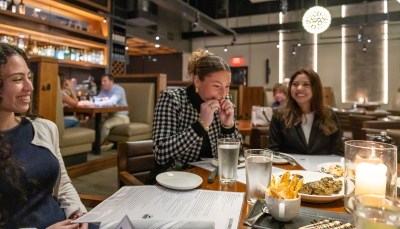
LEAP students added another country to its World Affairs Council culinary passport: Italy. While Italy is most known for pizzas, pastas and their ketchup-despising attitude, it is also known as the wine capital of the world. We learned more about wine and its profound impact on people’s lives.
In true European fashion, there was plenty of snacking to be had, rather than a full-course meal. A variety of cheeses and meats ensued, and we spent time conversing in the beautiful Italian Cultural and Community Center.
The speaker for the evening, Ferdinando Favara, has grown up appreciating this aspect of Italian culture his whole life. His family, who has longstanding roots in the wine industry, have a vineyard in Sicily–which we came to learn is on the up-and-up in terms of regional “quality”. Favara helped his grandmother in the wine fields starting at just 14 years old.
Ferdinando spoke about how wine helps to bring people together. His “philosophy”, so to speak, is that wine creates stories, keeps stories alive, and connects people in a vital way. While LEAP students didn’t personally indulge in any wine tasting, it was fun to partake in the storytelling and learn about the many intricacies that come with a high-quality experience. Much like the efforts of the LEAP Center!
He also talked about the deep history of wine which started 3,000 years ago in Sicily. Sicily, which is the largest island in the Mediterranean, uses a terrace-type farming technique. It uses this form of farming because it has the largest active volcano in Europe! Our discussion then traveled to Piemonte, once the land of the King of Italy. While on the verbal excursion, we learned the king entrusted his vineyard to one of his servants (who was rumored to be one of his lovers!), a legacy that lives on today. This region is home to one of the oldest vineyards in all of Italy.

LEAP students truly appreciated attending another World Affairs Council program which has helped broaden our understanding of the world around us. While we didn’t engage in the wine component of the evening, we definitely appreciated Italy’s culture, history and significance in the wine industry.
When LEAP Ambassadors have the opportunity to travel, they follow a process that is in line with their approach to education: prepare, experience, and reflect–sometimes called the P.E.R. model. In this manner, the Center promotes learning, while also providing the flexibility and individual discretion to have fun and find their experiences personally rewarding.
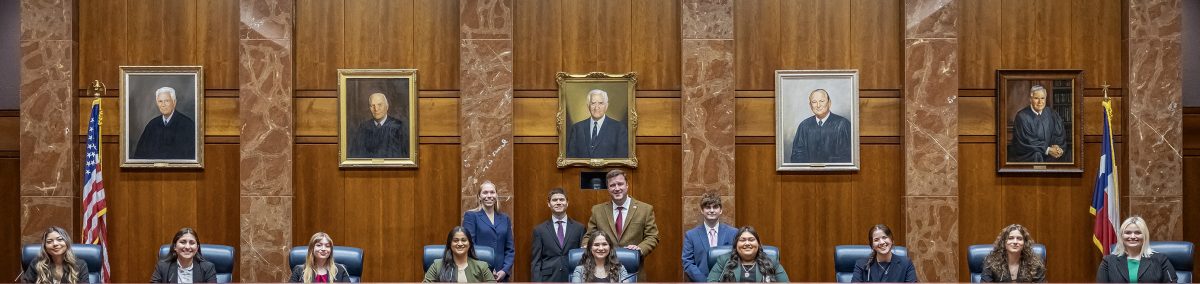
In advance of the students’ participation in the Council of State Governments Conference, they prepared by doing various levels of research on the many sites, people, and locations they would explore. For the students, this also involves research the sites, the costs, allocating their own funds, and creating the trip-themed t-shirt.
The central aspect of the learning process, however, is the experience, and there were many on this eight-day trip. To help with the refection, the students write blogs such as this one, of course, but they also select their favorite experiences from a trip–like all LEAP travel–that involved much diversity in experiences, perspectives, and geography.
Restaurants
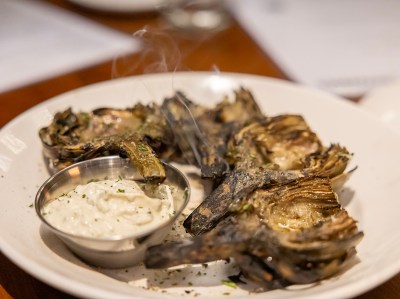
The overwhelming favorite among restaurants was Boston’s ‘Fox & the Knife,” which is no surprise in that Chef Karen Akunowicz won the “Best Chef: Northeast,” in 2018. The service was impeccable, and the food was even better, with the Carne Cruda Crostini and the Tagliatelle Bolognese standing out as favorites, with the fried chickpeas as a surprise favorite snack.
Another favorite was Track 15 in Providence, Rhode Island, a refurbished railroad station with half a dozen restaurant choices. We made the most of these, and the combination of the food and the environment made this a favorite.
Art Museum
The clear favorite of the art museums was the Boston Museum of Fine Arts, owing no doubt in part to the Van Gogh exhibit on display when we arrived. The students had a chance to see three different Van Gogh self portraits (Olivia has seen 5-6 or at different museums across the country), a giant piece by Dale Chihuly, and explore some others that became favorites.
Most LEAP Ambassadors come into the program with little knowledge of art, and with varying degrees of art affinity. Olivia came in with a love of art, but with very little experience visiting museums. She had only visited one museum in her life–a science museum–and she has now visited approximately 80 museums across 18 states, all of which she visited on LEAP trips.
Favorite ArtPieces
A favorite among both Michelle and Olivia was Rodin’s “Eternal Springtime,” on display at the Boston Museum of Fine Arts. Interestingly, Olivia was exposed to this at both the Metropolitan Museum of Art in NYC and the High Museum of Art in Atlanta, GA, making this her third viewing of a version of this sculpture.
Another favorite was Thomas Cole’s “Expulsion from the Garden of Eden,” a good example of the Hudson River School–appropriate, since we crossed the Hudson River on this trip!
And of course, there were some “comfort favorites” from the Norman Rockwell Museum, including a rendering of Stockbridge, MA, where we stayed; his famous self-portrait; “Freedom from Want,” a copy of which hangs in Huntsville’s Wynne Home Arts Center; and “New Kids in the Neighborhood,” by Norman Rockwell.
Literary Sites
New England is rich in literary landmarks, and Ambassadors carefully planned their travel maximize their exposure to such sites. While many of these involved mere photo ops, they were able to see the homes of Herman Melville, Edith Wharton, Ralph Waldo Emerson, and Mark Twain, while also seeing the graves of Nathaniel Hawthorne, Henry David Thoreau, Emerson, and Louisa May Alcott–not to mention Thoreau’s cabin and Walden Pond!
But the favorite literary site of the trip was Mark Twain’s Hartford home.
Our enthusiastic tour guide (Josh), the home’s beauty, and the monumental stature of Mark Twain separated this site from the others we visited.
State Capitols
As students of political science, the Ambassadors made a point of visiting the capitols of the states they were in: Massachusetts, Rhode Island, Connecticut, and New York. While it’s perhaps not fair to compare (we didn’t receive full tours of all; some were self tours), the overwhelming favorite was the Rhode Island Capitol building.
Our tour guide, Tony was very knowledgeable, and when a special tour arrived, other staff from the tour office came in to relieve Tony, showing us the Museum portion of the capitol. It was a beautiful building, well complemented by the tour, and we believed, a microcosm of the state’s beauty and interesting history.
Favorite Activities
When the students weren’t engaged in conference activities or scheduled tours, they made time for additional fun and educational activities. Their favorites among these including touring the Breakers and Rosecliff (students were split on their favorite).
Of course, when Parasailing in the Atlantic Ocean is one of your activities, it is likely to be a favorite. It was both students’ first time to parasail, and it was Olivia’s first time on a boat!
They made the most of it!
Concluding Thoughts
“They made the most of it,” might just be the best phrase for capturing LEAP Ambassadors’ approach to their college education. These trips can be difficult, involving much preparation, many activities, a lot of writing, photography, and both writing and photo editing, but this is the work that goes into making the travel rewarding.
This program, however, only works with the help of generous donors and a small group of bright, motivated, and civic-minded students who are truly interested in “making the most of it.”
Community leaders help preserve history, and today, members of the Sons of the Republic of Texas, Henderson Yoakum Chapter, gathered at Oakwood Cemetery in Huntsville to honor the birthday and legacy of Henderson Yoakum. The ceremony featured remarks from Tom Rogers of the Walker County Historical Commission, Mac Woodward, a descendant of Yoakum, event organizer Donna Coffen, and historian Dr. Caroline Crimm in front of an audience of 30-40 community members, descendants, and others interested in Texas history.
Born in Tennessee in 1810, Henderson King Yoakum graduated from West Point in 1832 before pursuing law and politics in Murfreesboro, serving as mayor (1837) and in the Tennessee Senate (1839–45), where he advocated for Texas annexation. After relocating to Huntsville, Texas, in 1845, he established his legal career, helped make Huntsville the county seat, served as penitentiary director, and drafted Austin College’s charter, serving as its trustee (1849–56). In 1855, he authored a landmark two‑volume History of Texas covering its first settlement through annexation.
The ceremony went through these accomplishments and others, with Mac Woodward highlighting some of Yoakum’s descendants…
…Dr. Crimm providing a context for Yoakum’s accomplishments and today’s ceremony…
…and Tom Rogers and Donna Coffen illustrating the work done by the Walker County Historical Commission.
The event served as a needed reminder of Henderson Yoakum’s contributions to both local and state history, while also providing a community gathering for those who preserve Huntsville’s rich legacy.