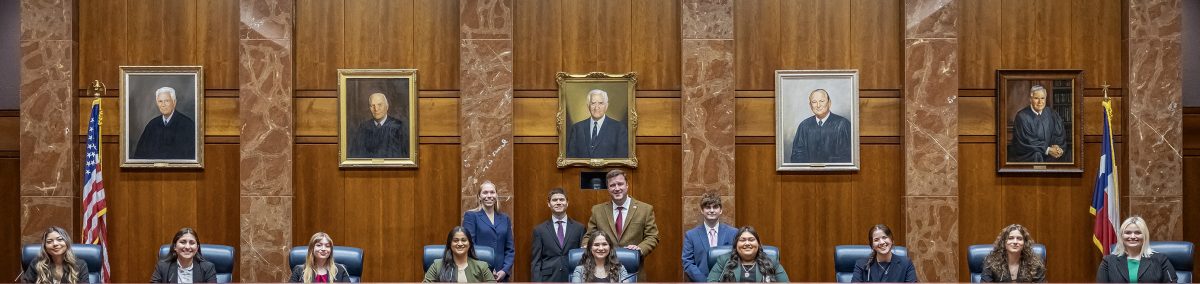
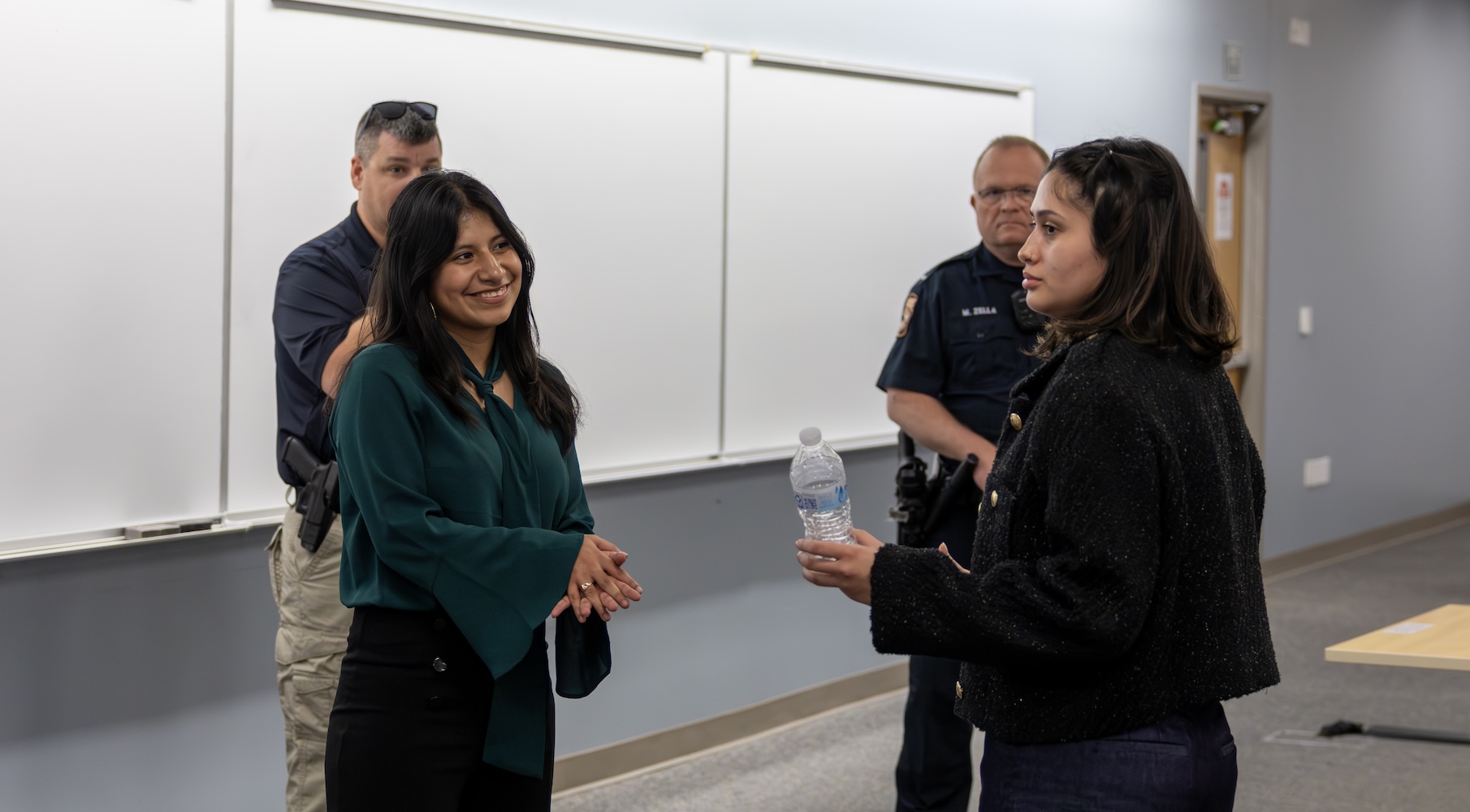
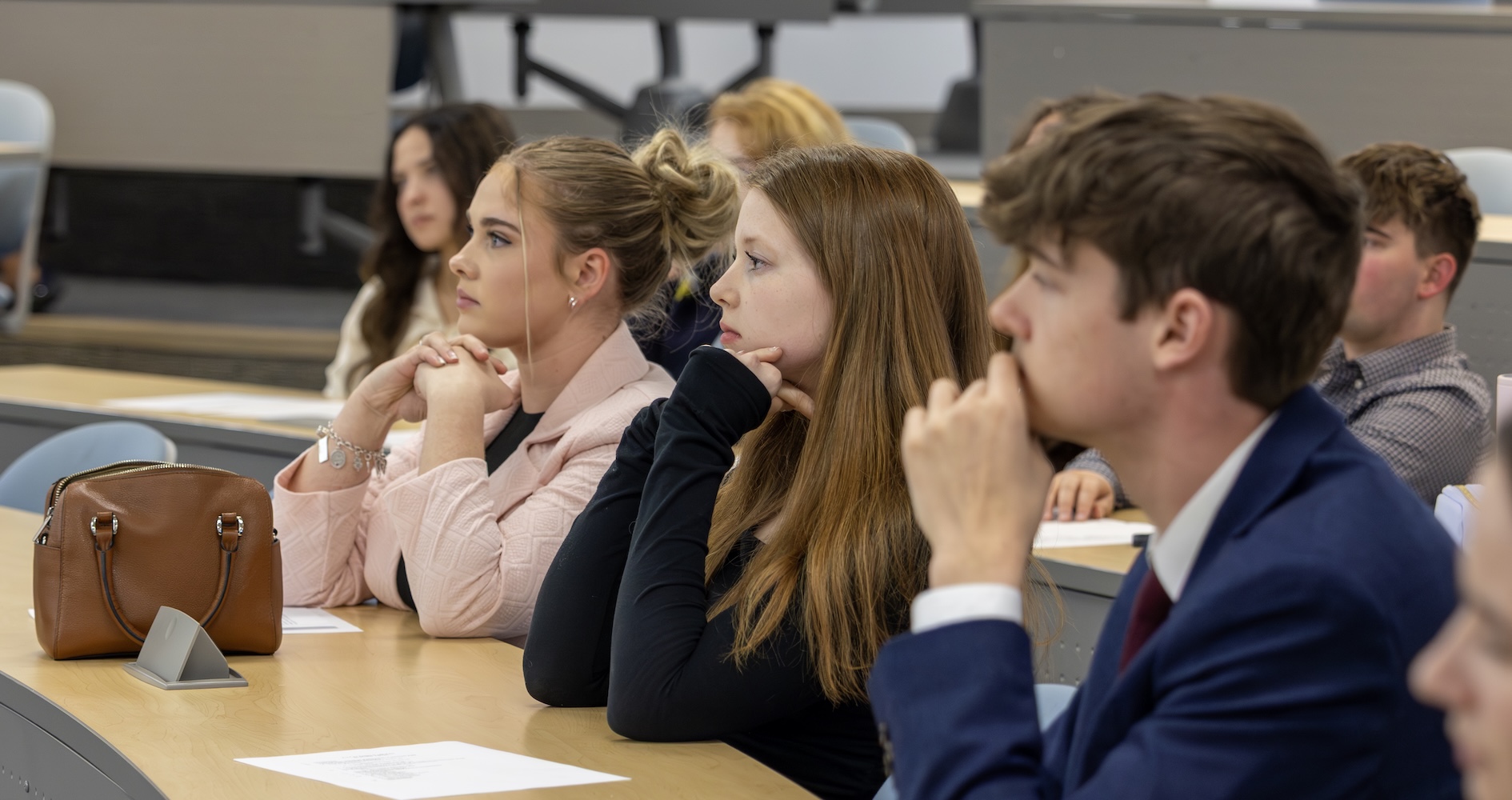
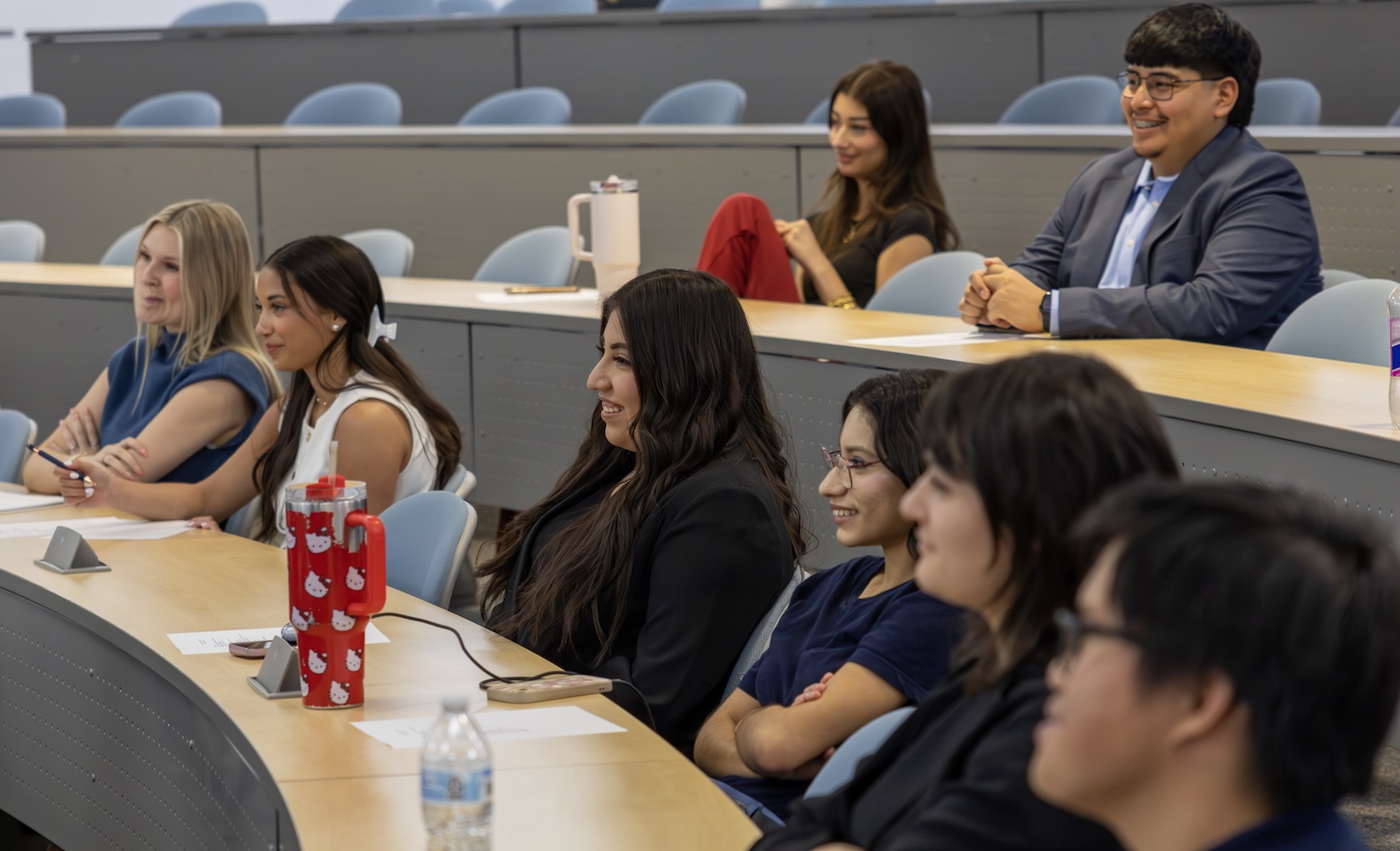
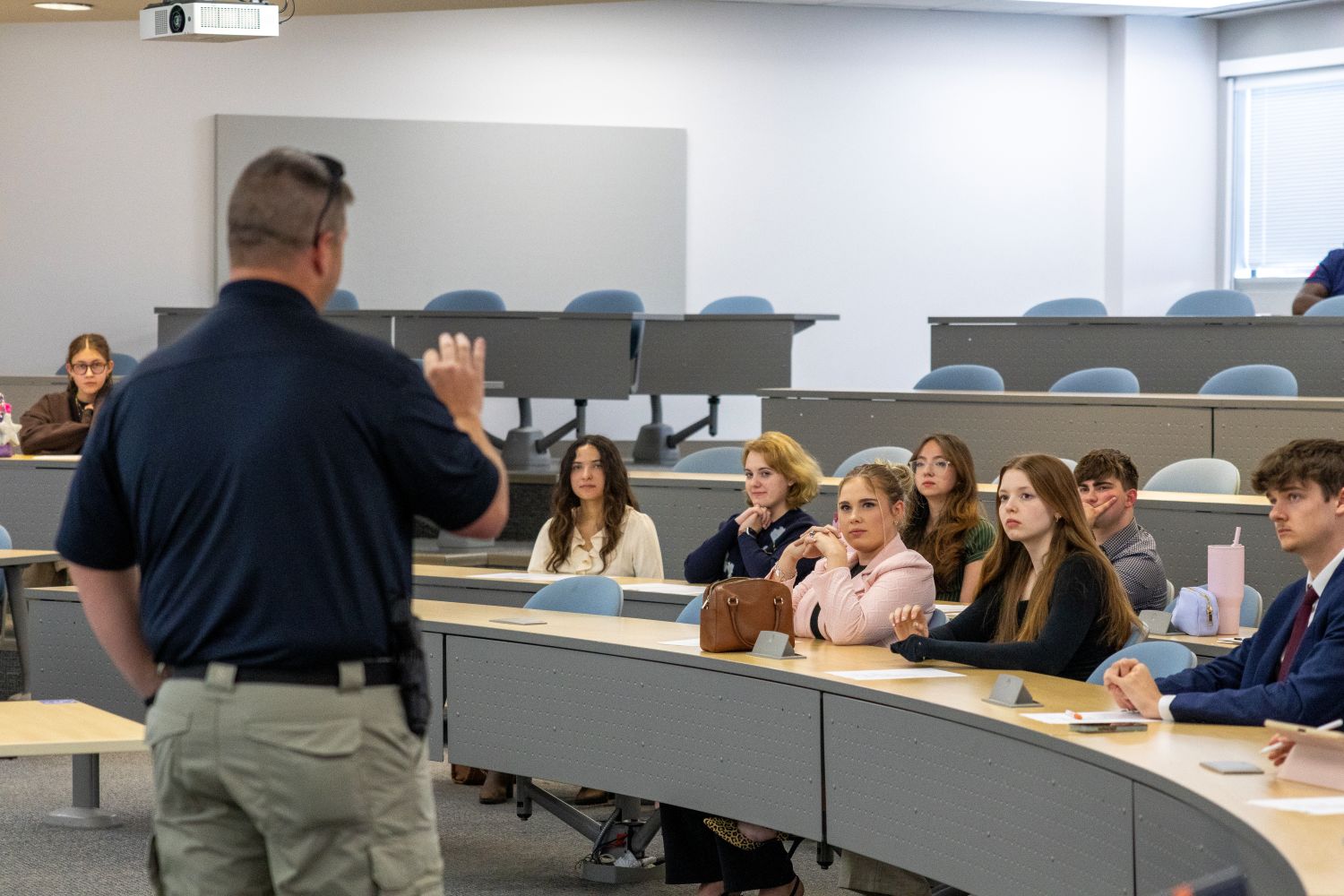
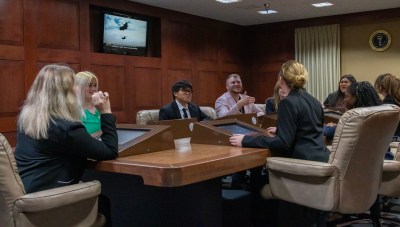
For our second meeting of the semester, Pre-Law Society had the pleasure of hearing from Sam Houston State University’s Police Department. Rather than the traditional typical guest speaker, lecture-style, format, we engaged in some fun activities that are both relevant to the legal field, but also college students, especially when it comes to alcohol, substances, and decision-making. Olivia Discon briefly introduced Sergeant Butterworth (“Butters”) and Lieutenant Zella, and Professor Mike Yawn.
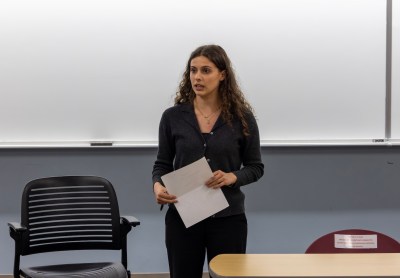
Instead of jumping straight into laws and definitions, they started with something more familiar to everyone in the room: “extracurricular” college life. The kind that doesn’t go on a resume.
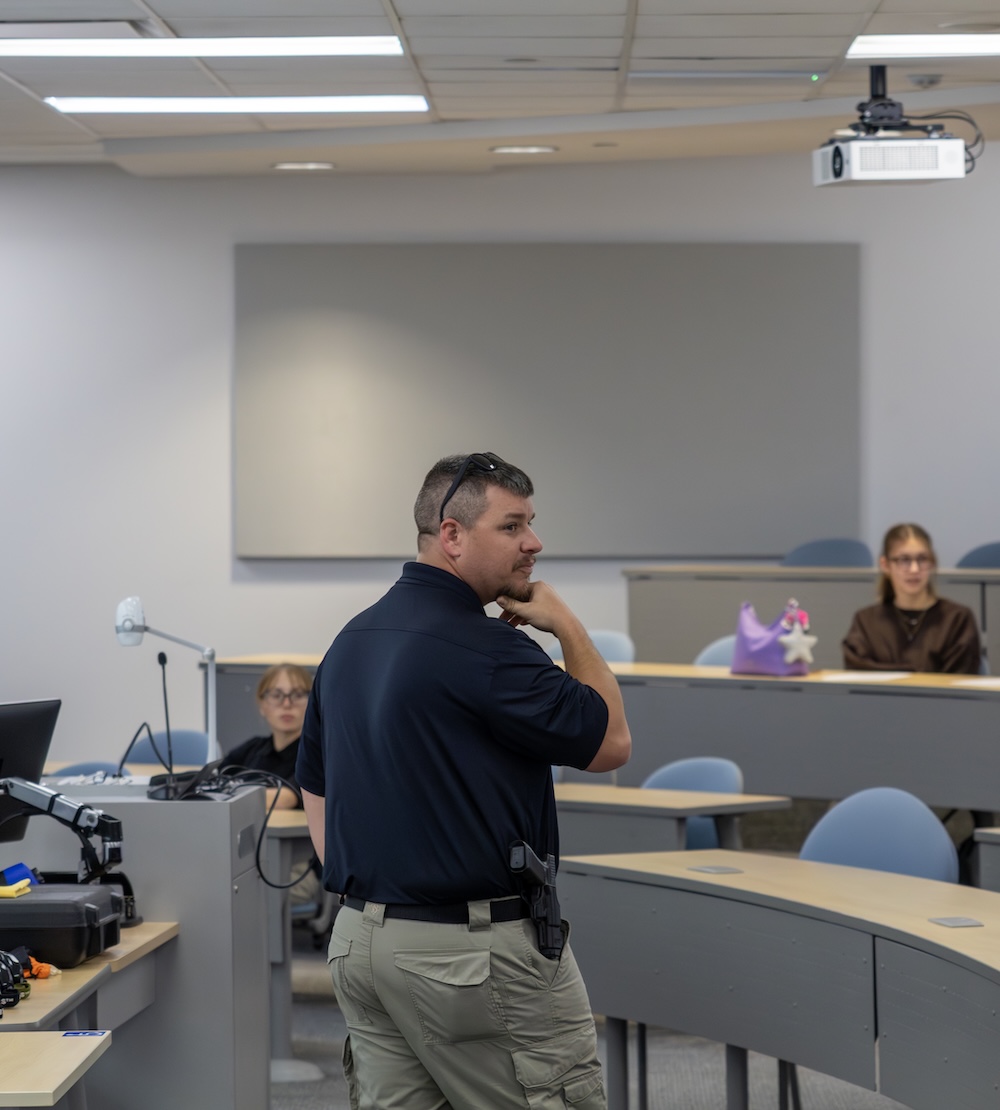
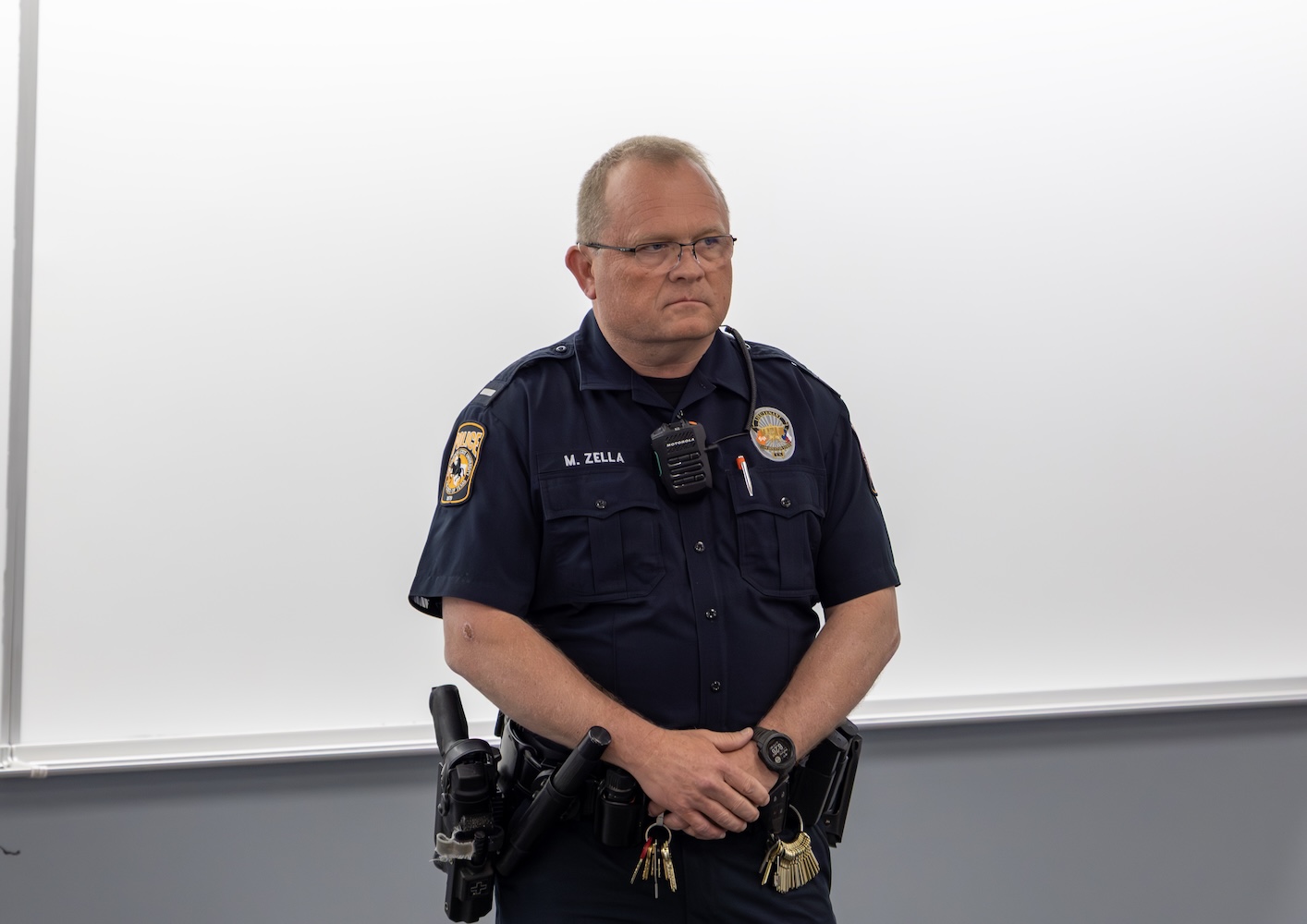
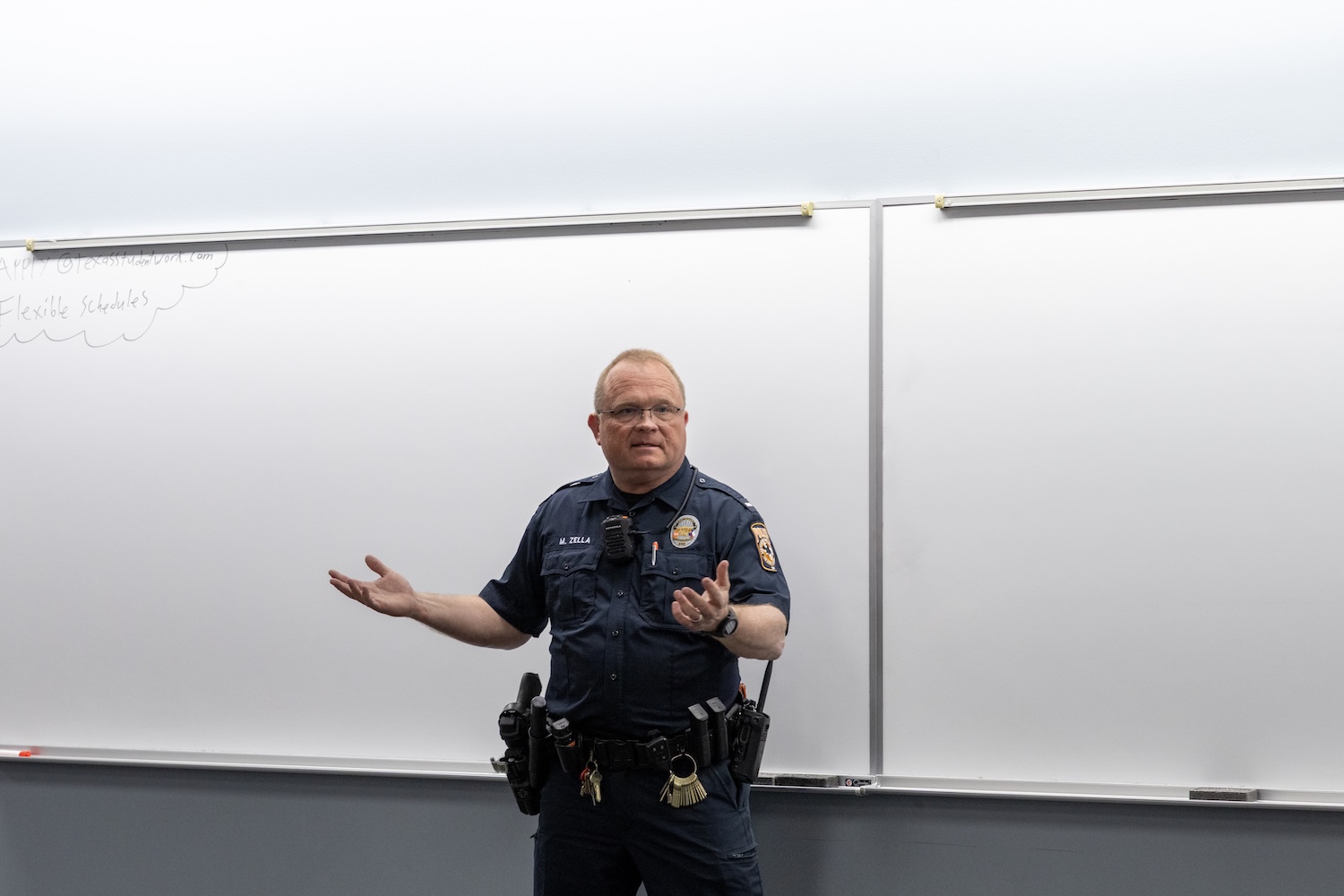
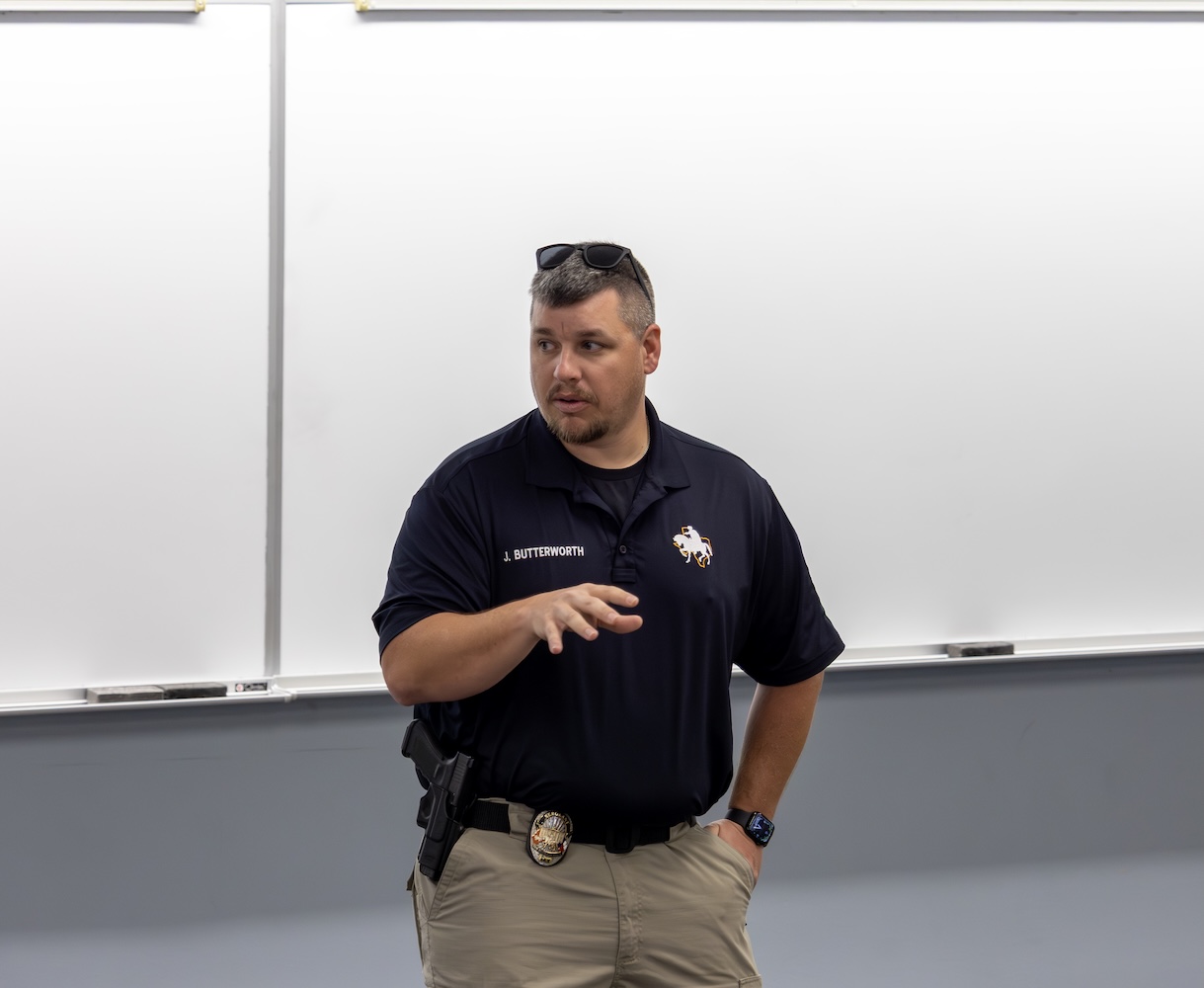
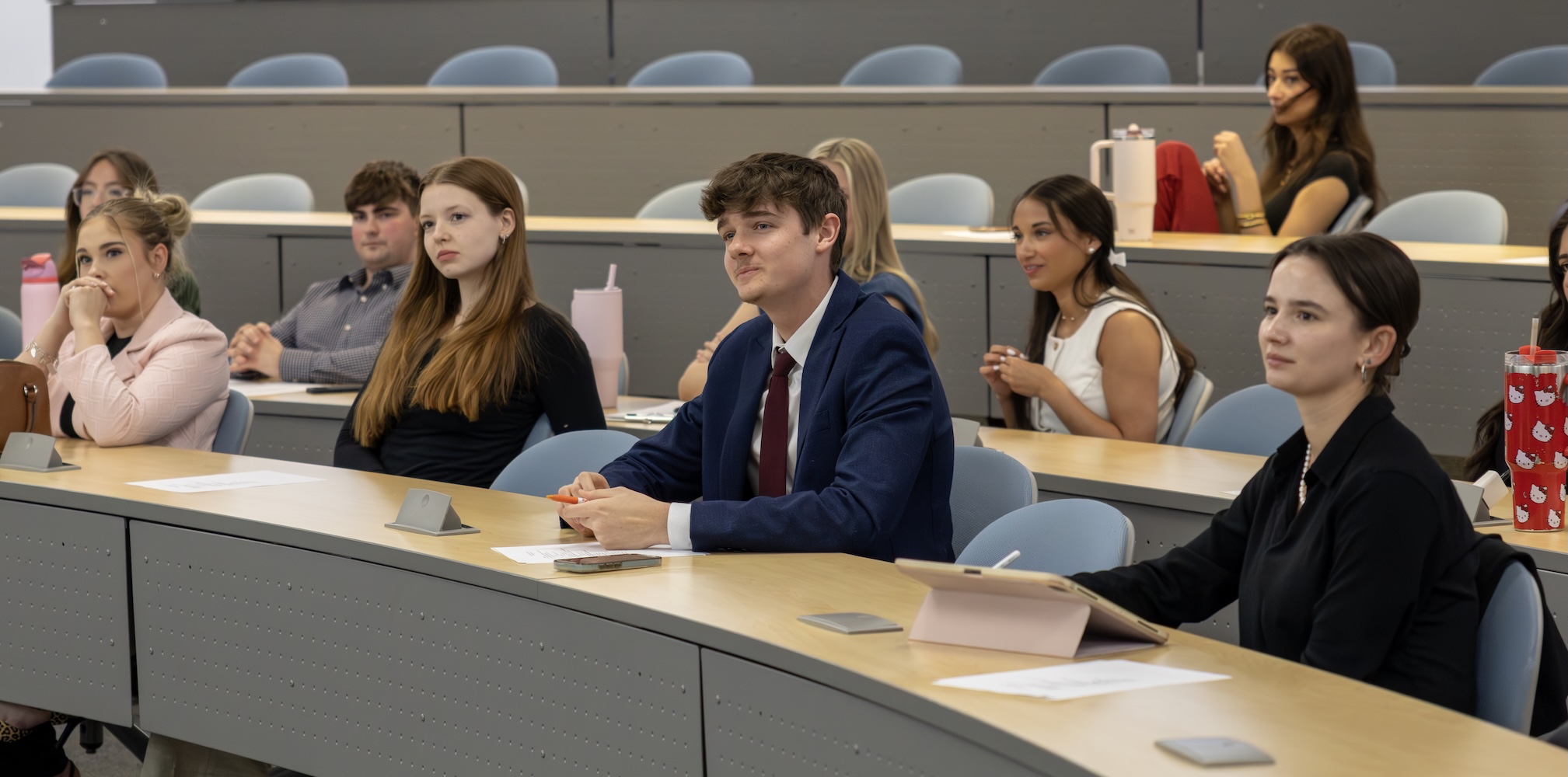
What made this meeting stand out was how interactive it was. Rather than talking at us, they walked us through real scenarios, ones that felt uncomfortably realistic. Two students acted out a situation at a house party: one over 21, one underage, a drink left unattended. At first, it seemed harmless. But as Butters and Zella broke it down, the legal implications became clear, showing how quickly a casual decision can turn into a charge. That theme carried throughout the night: small choices, real consequences.
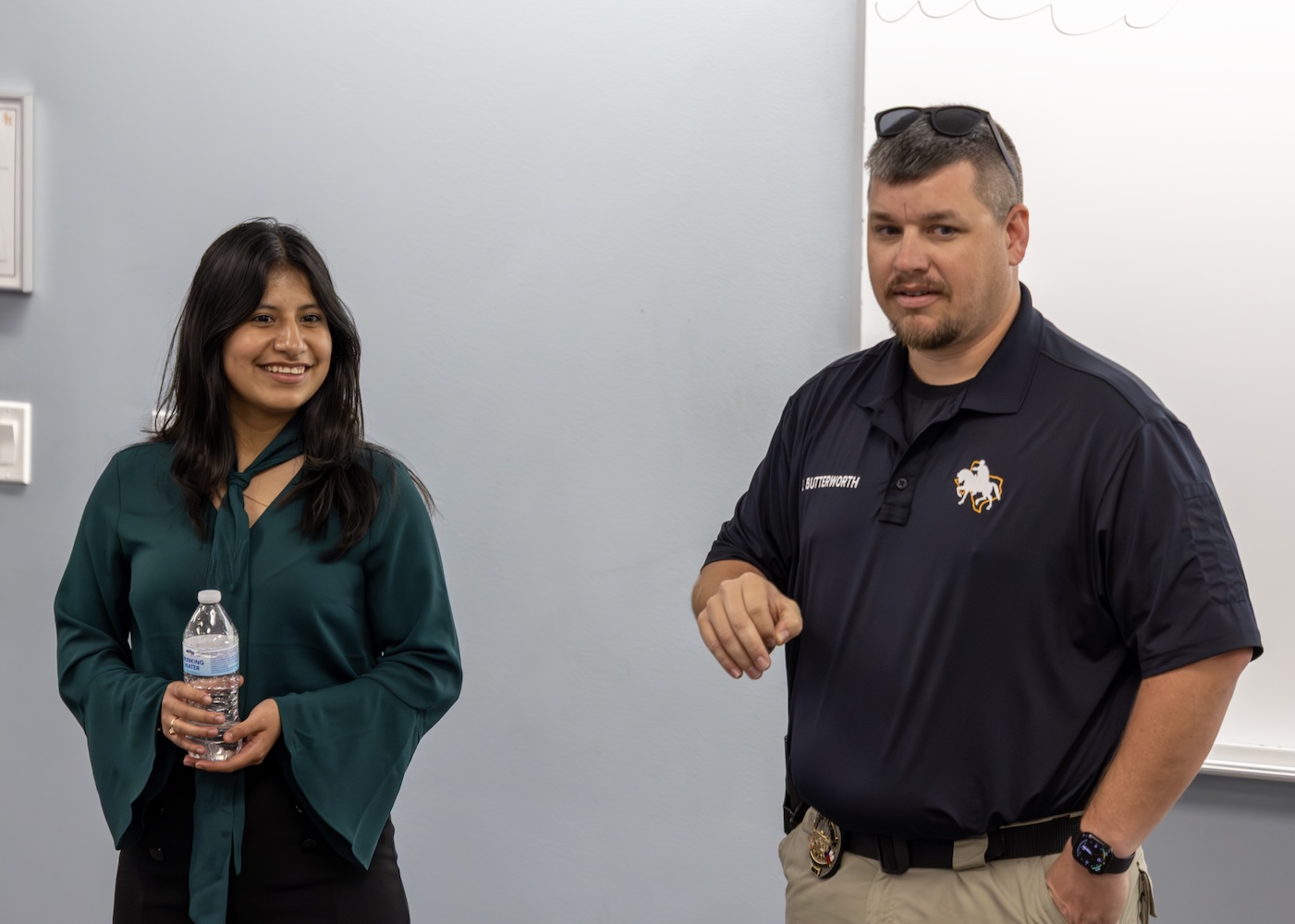
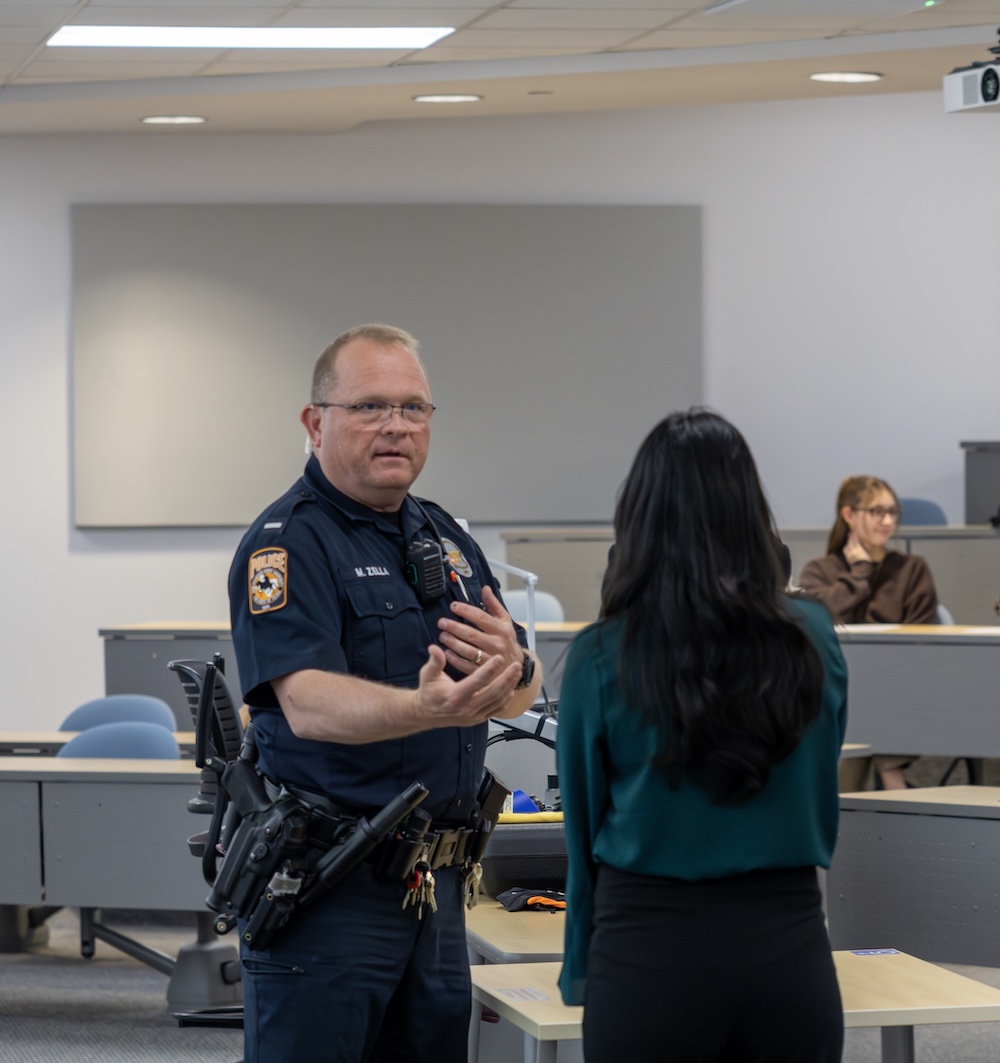
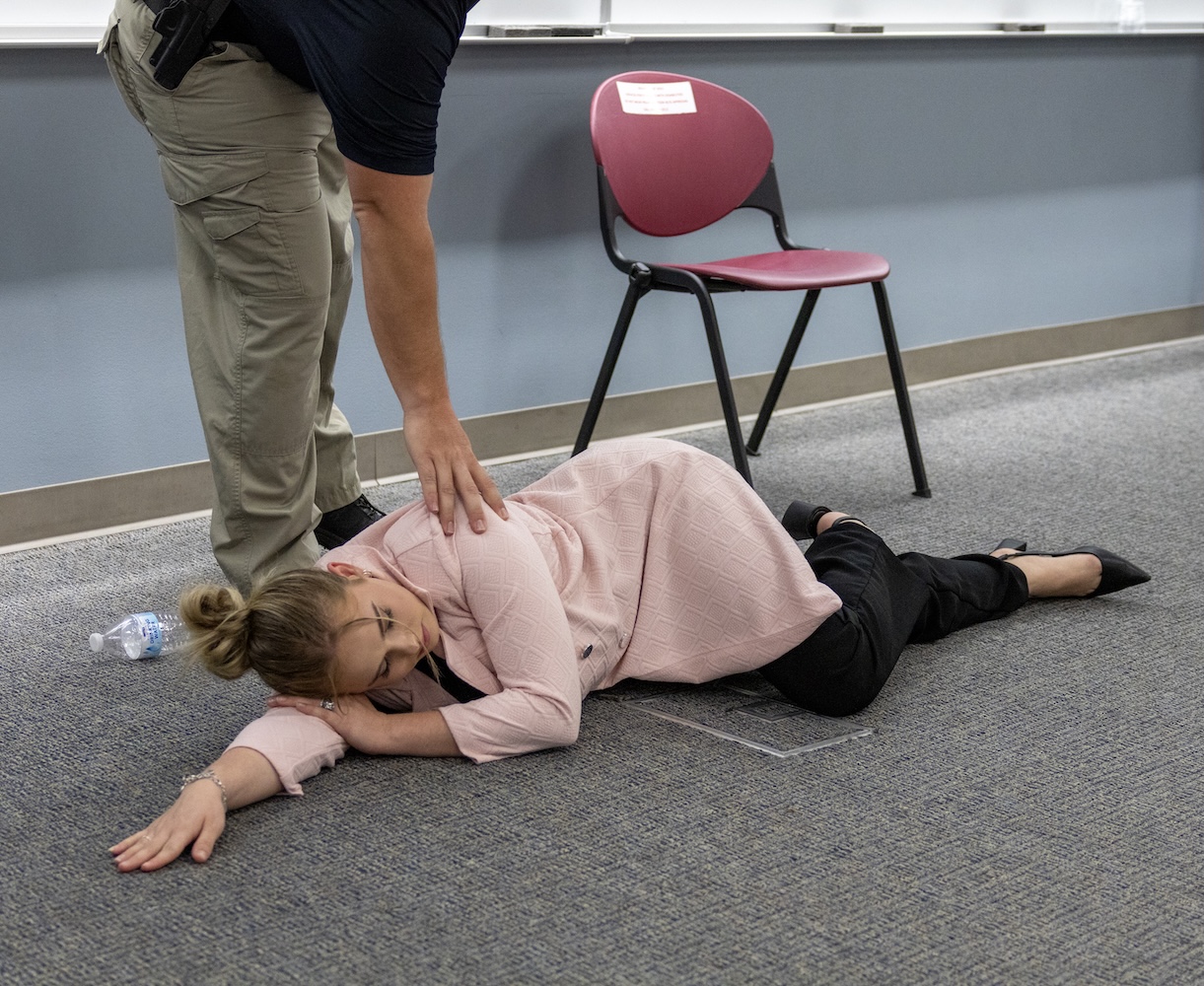
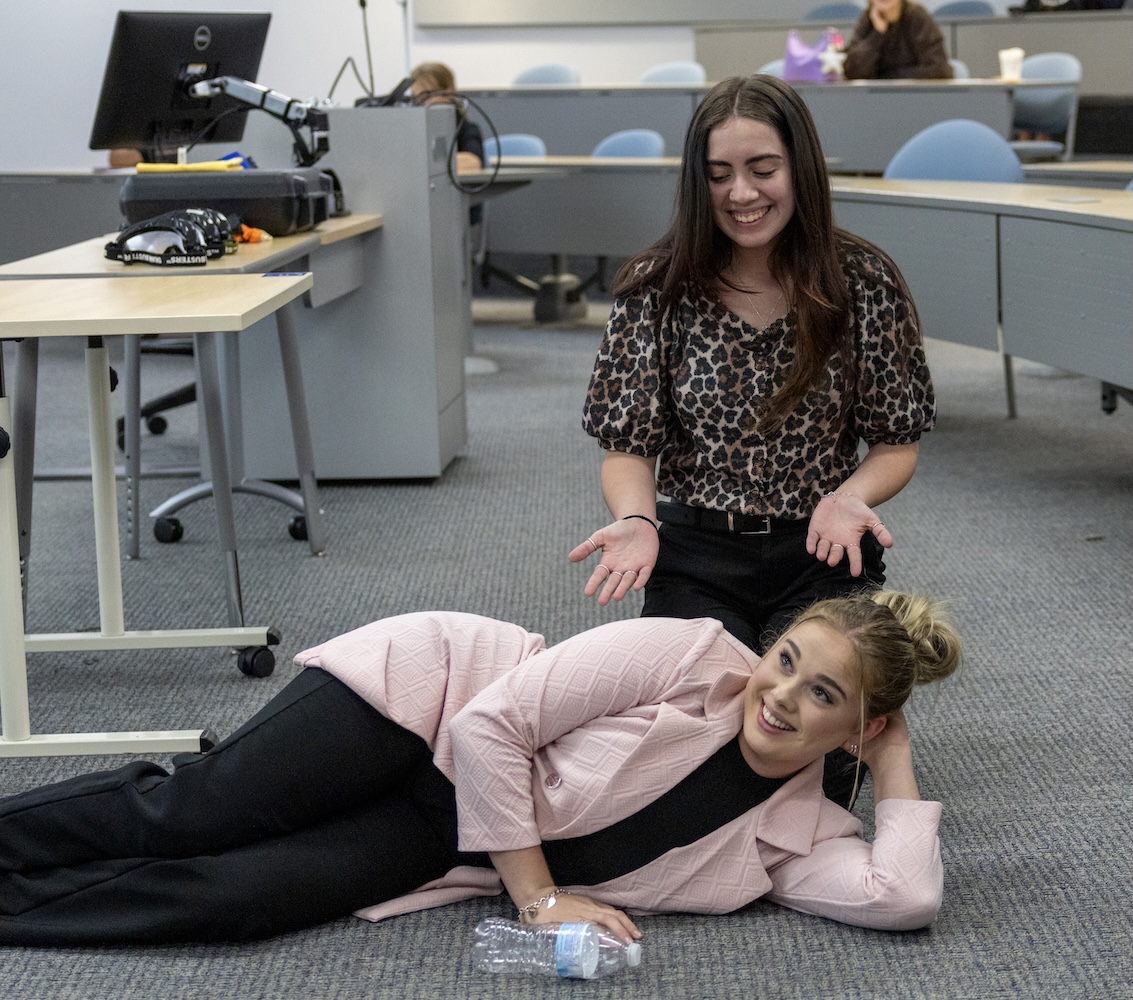
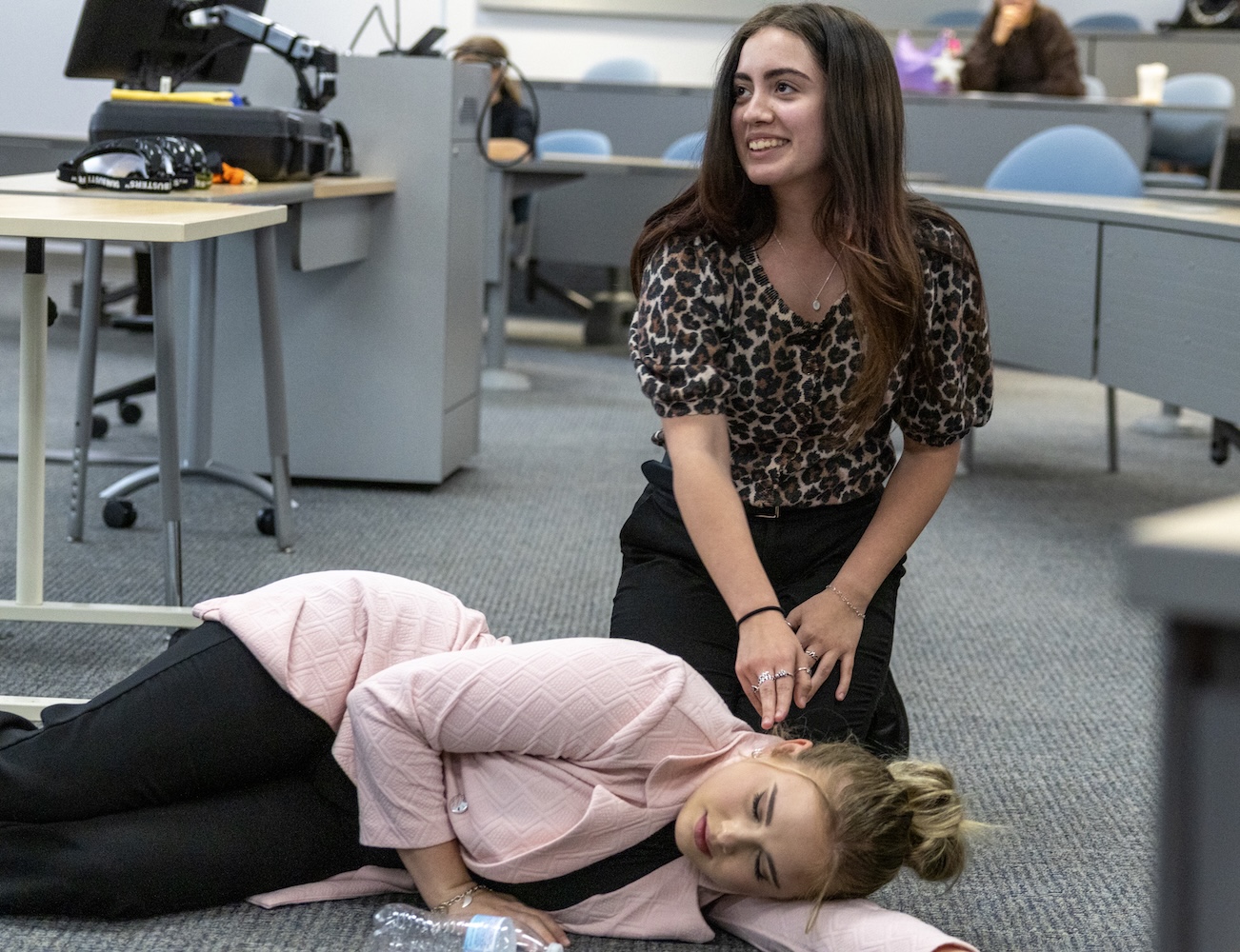
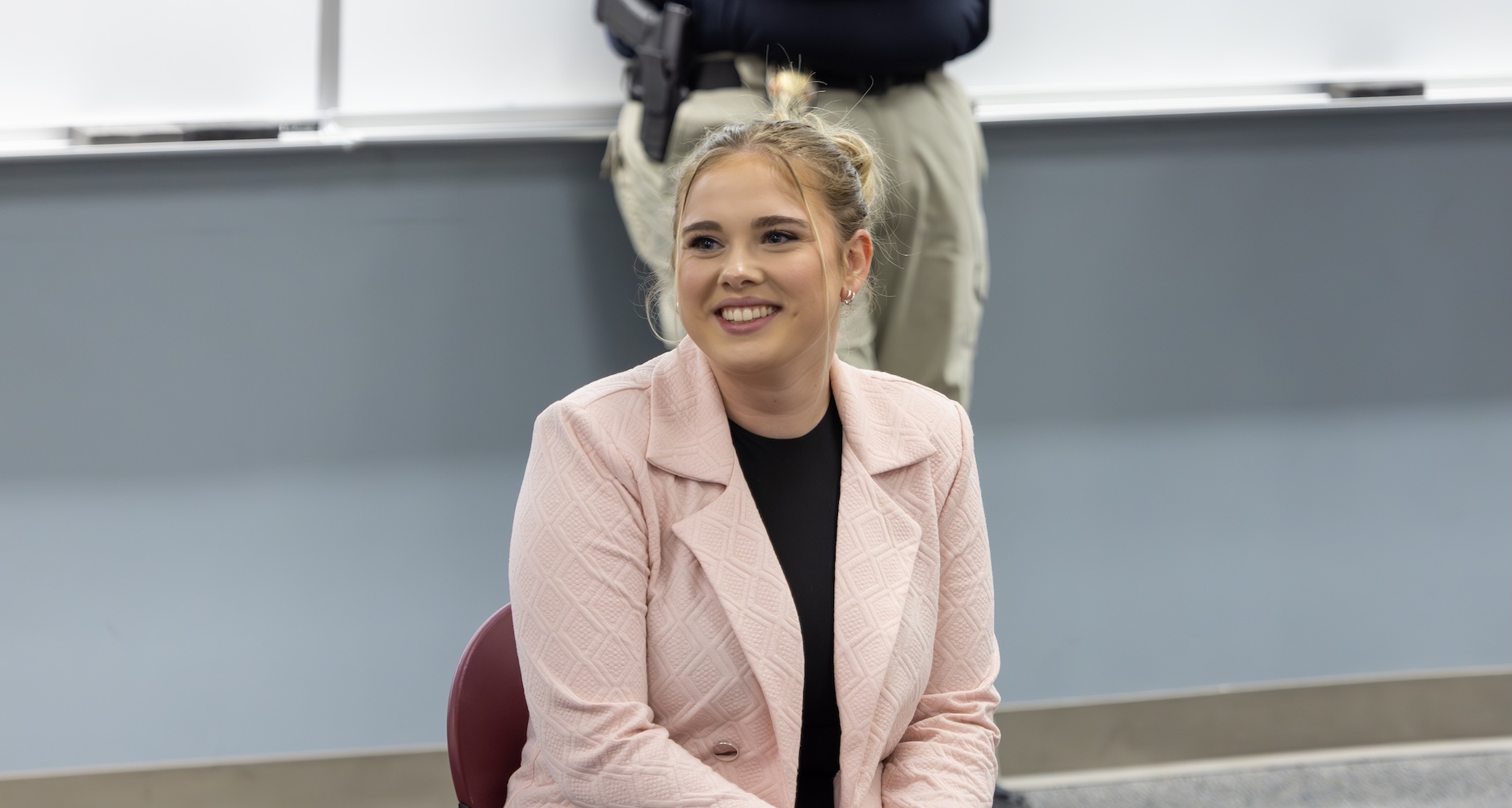
One of the most impactful moments came during a scenario involving someone who had clearly had too much to drink. The question wasn’t just “what’s illegal?” it was “what do you do in case of an emergency?” Students talked through what it means to take care of someone in that situation, from recognizing the signs of alcohol poisoning to physically placing someone in the correct position for safety. Our very own Brittlyn Jackson was eager to take the role of the incapacitated person, which she took on with uncanny verisimilitude!
Various people in the audience made suggestions about how to help Brittlyn, but the most helpful and obvious of choices–calling 911–was not immediately volunteered. But this is crucial, and for those worried about getting in trouble, there is a “Good Samaritan Law” to protect individuals (under specific conditions) who call in such an emergency.
The next scenario played out involved a traffic stop with the potential for DWI and DUI. Gabriel Kranz-Danet played our “drunk driver,” and we learned about the best ways to pull over safely and swiftly. Unfortunately for Gabriel, his almost immediate confession brought this scenario to a quick conclusion!
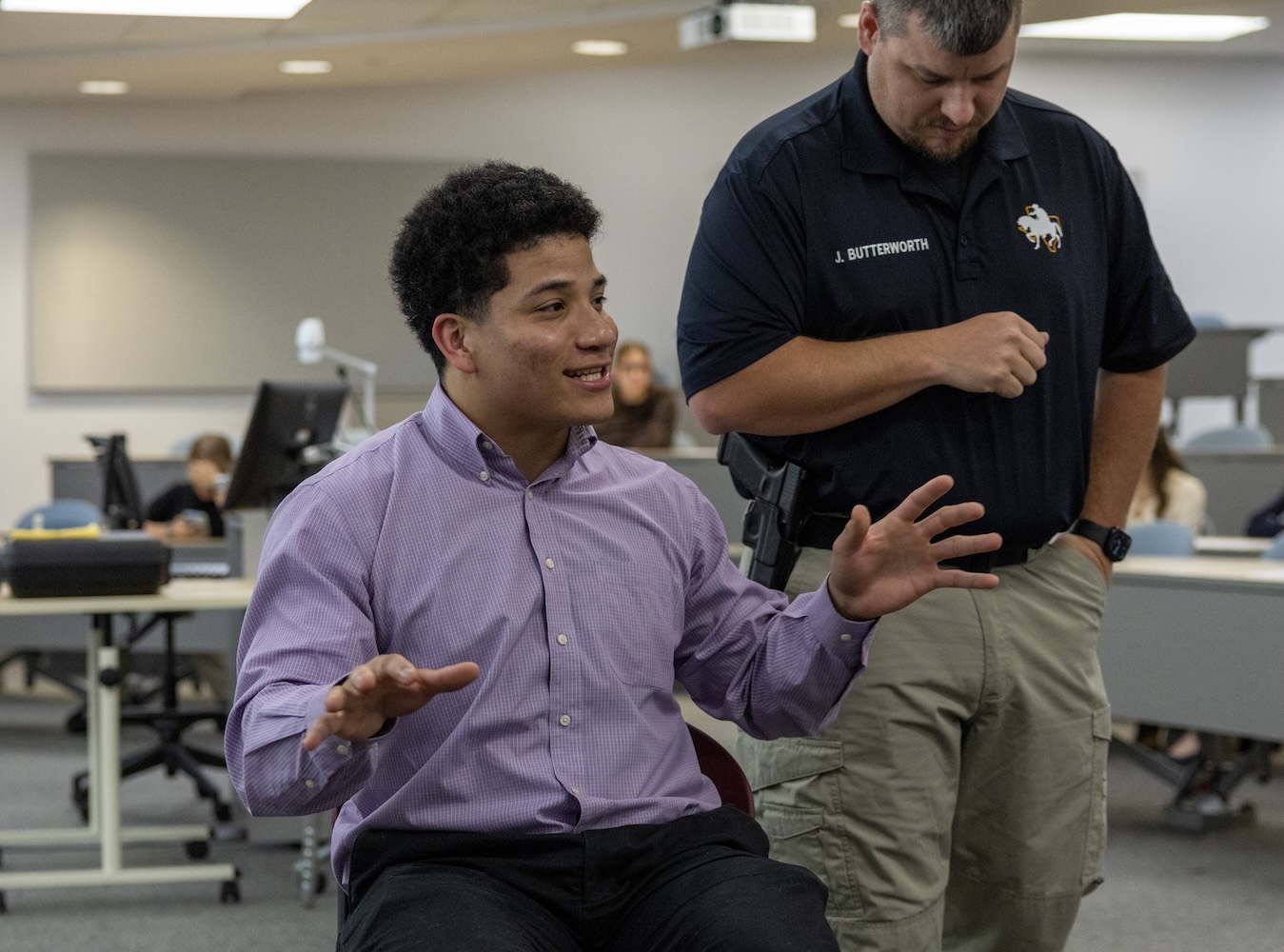
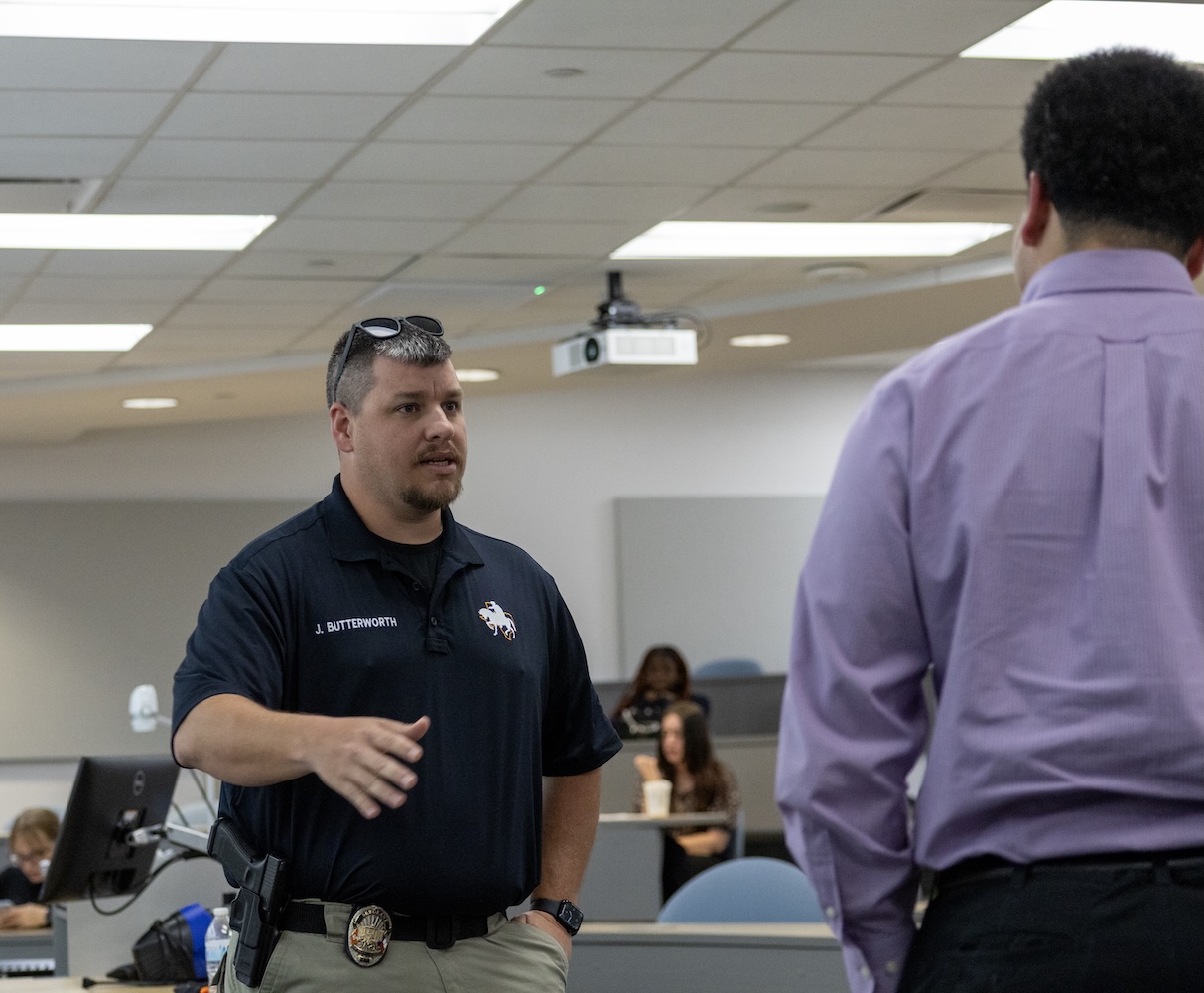
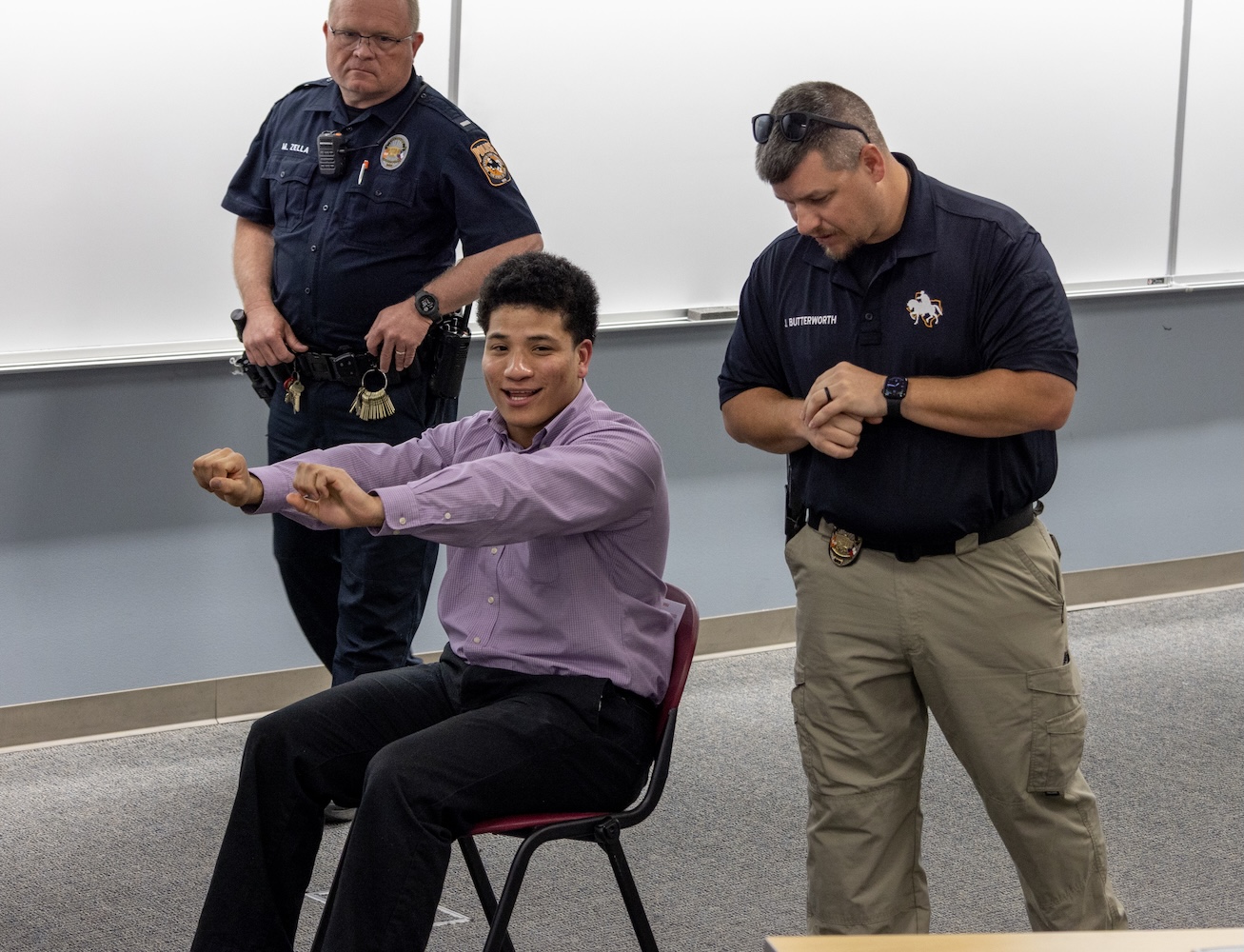
We then shifted to what would occur after a traffic stop to determine whether someone is under the influence: Standardized Field Sobriety Tests (SFST).
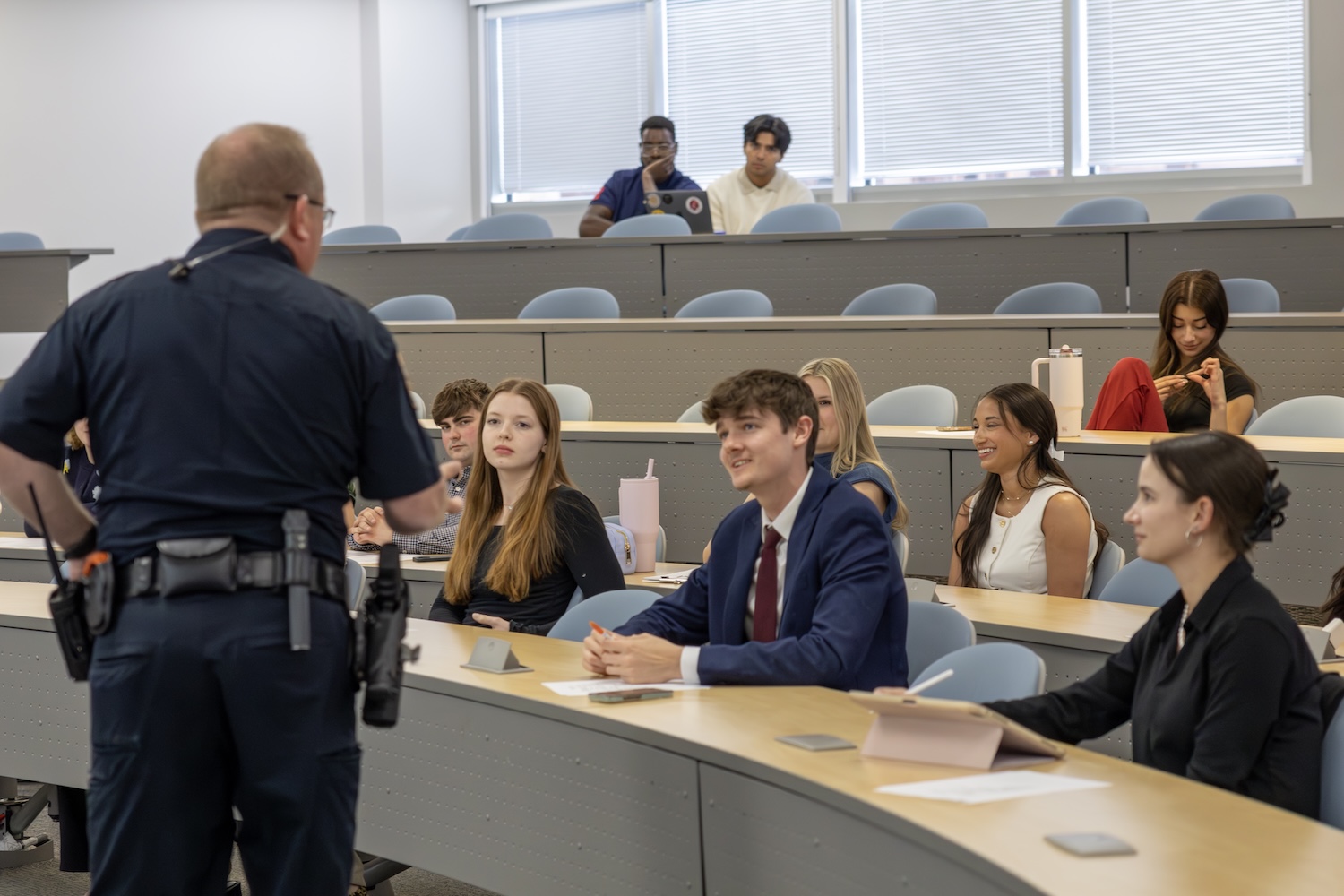
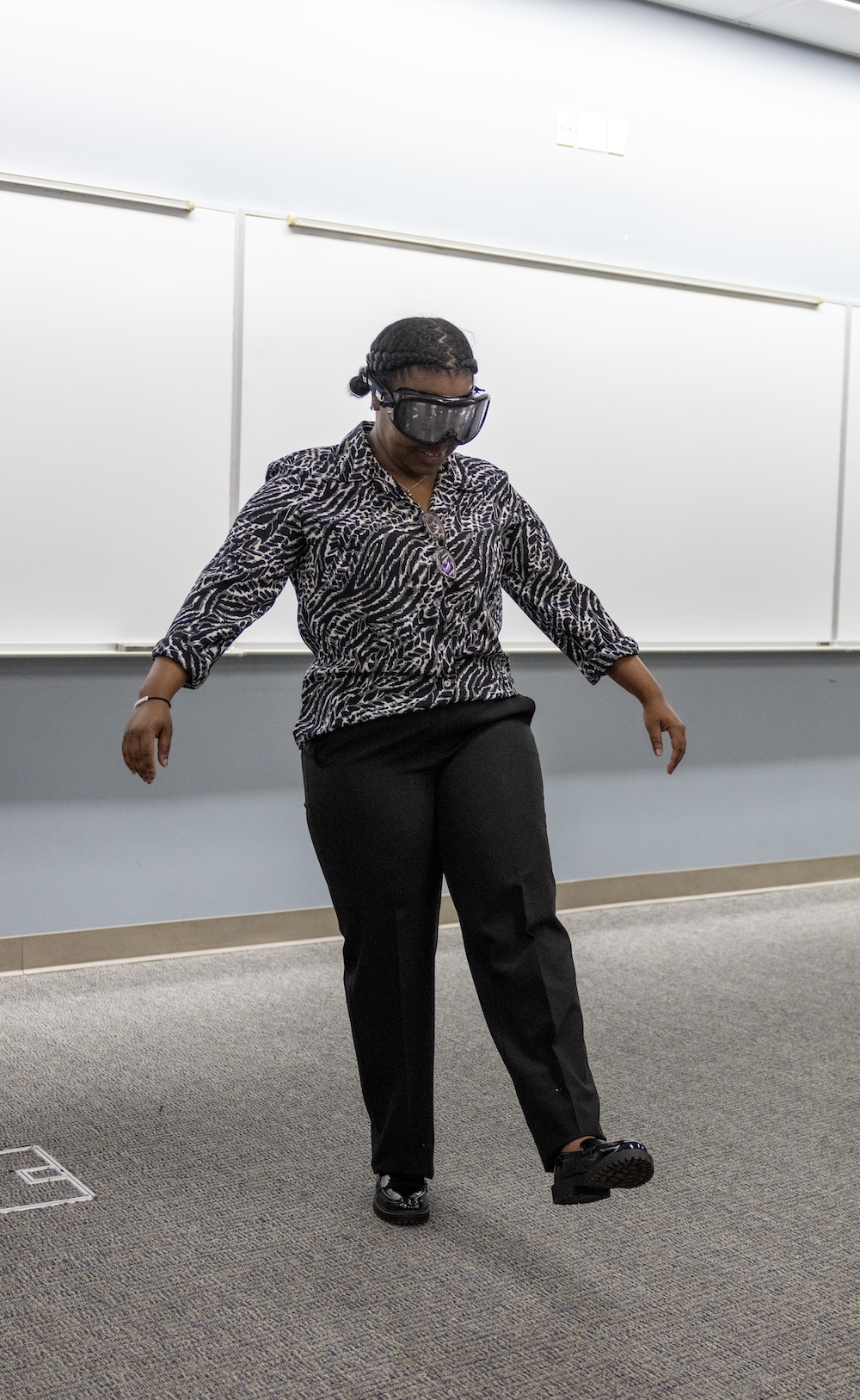
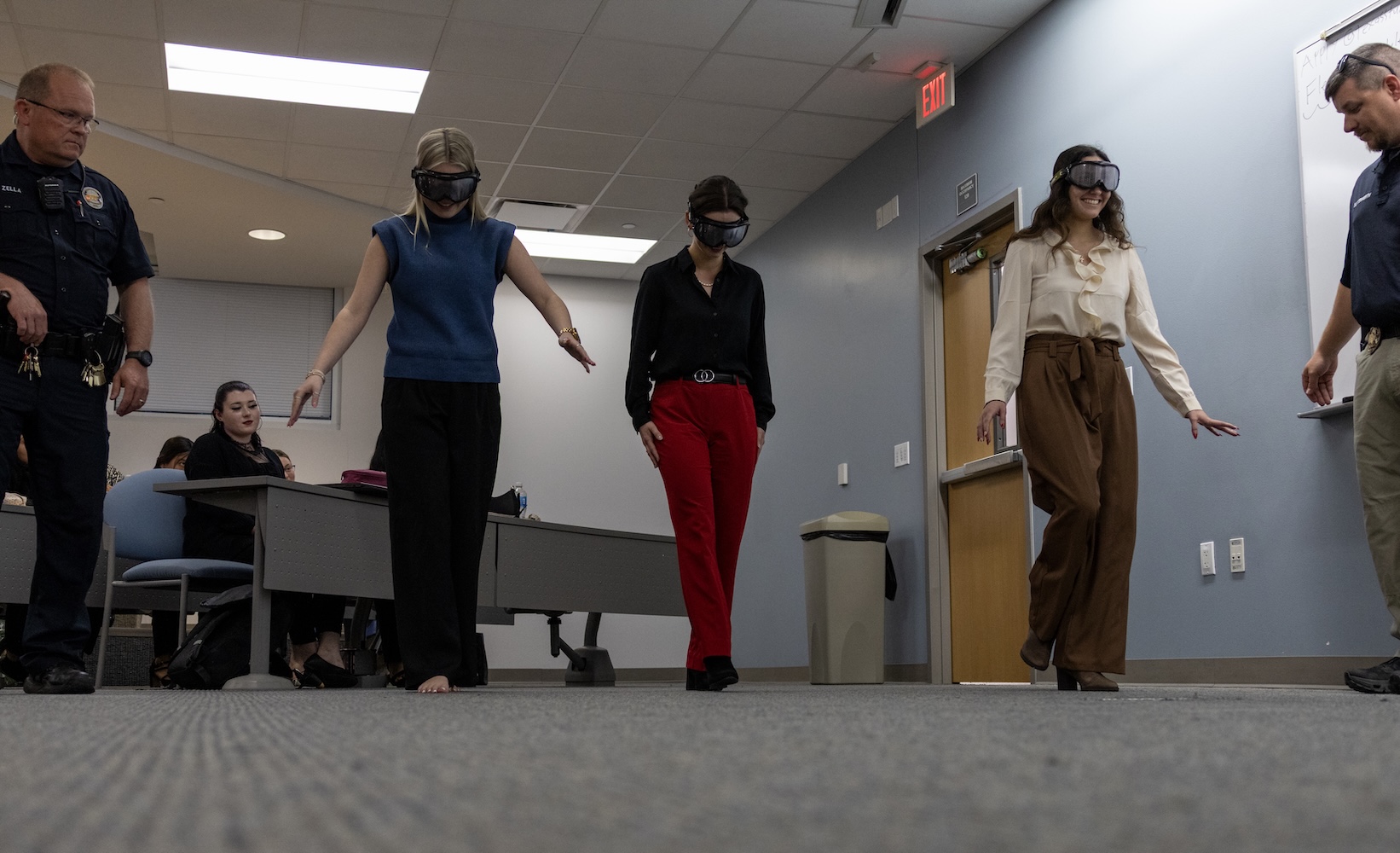
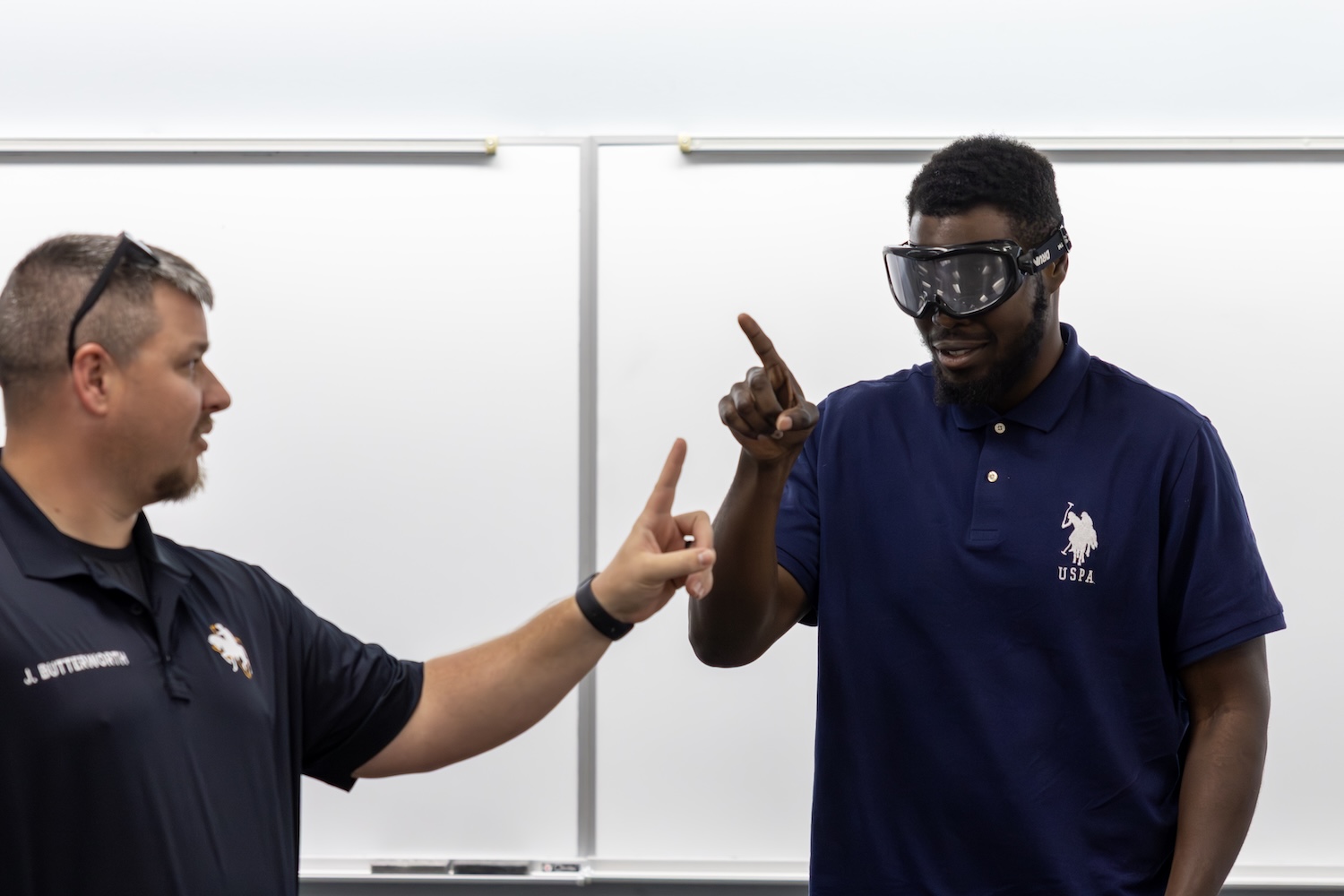
To best simulate the experience, various students put on goggles that distort vision, and for some, balance and coordination. As the students made their best attempts to “pass” the test, several good questions about their careers, hypotheticals, and explanations about the process occurred. It was quite fun to watch the students struggle to catch an eraser, walk in a straight line, or stand on one foot. Of course, we discourage any student from drinking and driving, but we would like to note that, based on their performances with drunk goggles, this would be particularly disastrous for Eva Killande rand La’Kia Tilley.
Another way we learned that police officers can determine impairment was the Horizontal Gaze Nystagmus test. It is the physiological phenomenon that occurs when someone is under the influence of alcohol, causing involuntary jerking of the eye as it follows the movement of objects. We simulated this sensation by spinning Victoria Reich, PLS member and employee of Student Legal and Mediation Services in an office chair. Though it was brief compared to true alcoholic impairment, we were able to see Victoria’s eyes shift quickly which was quite interesting!
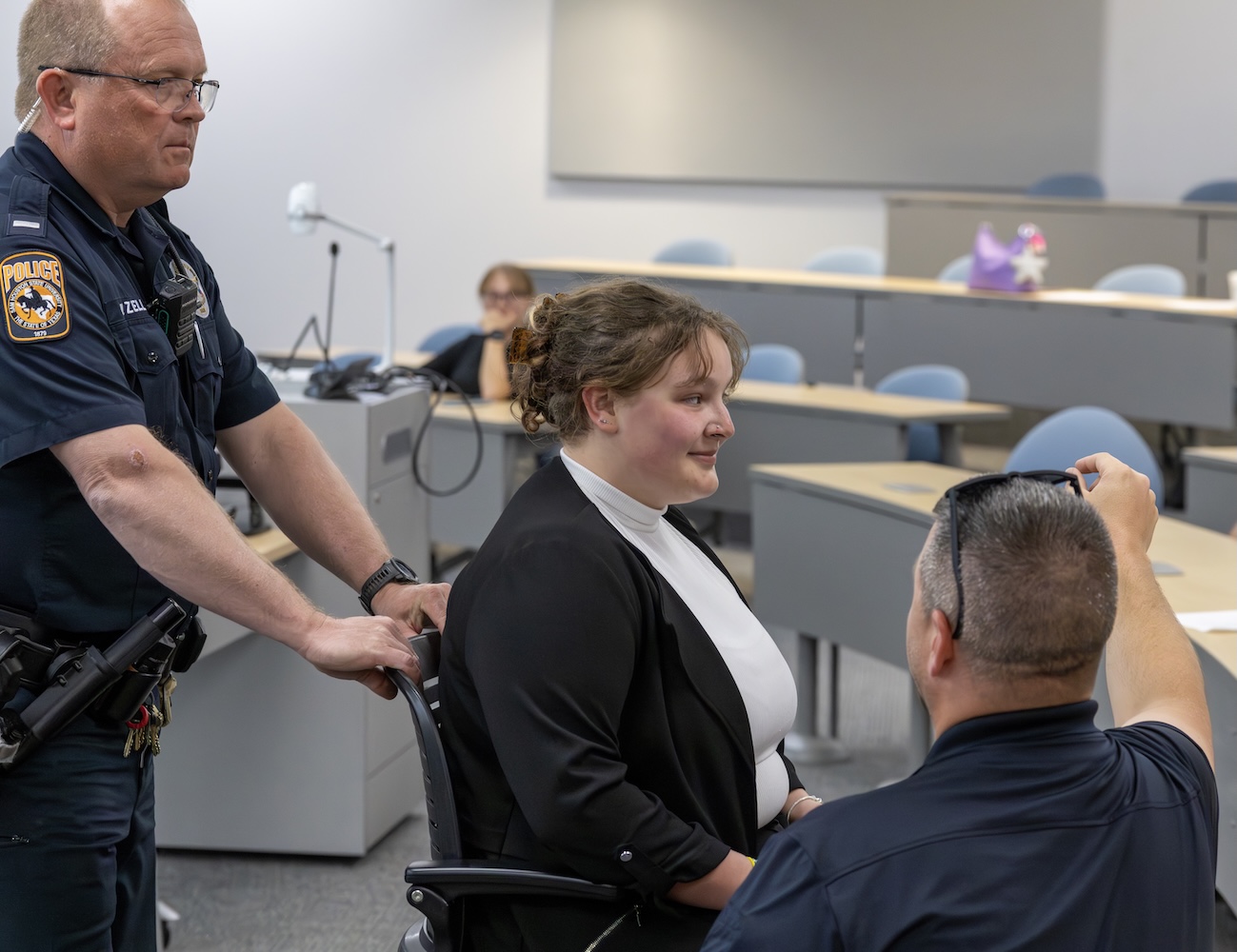
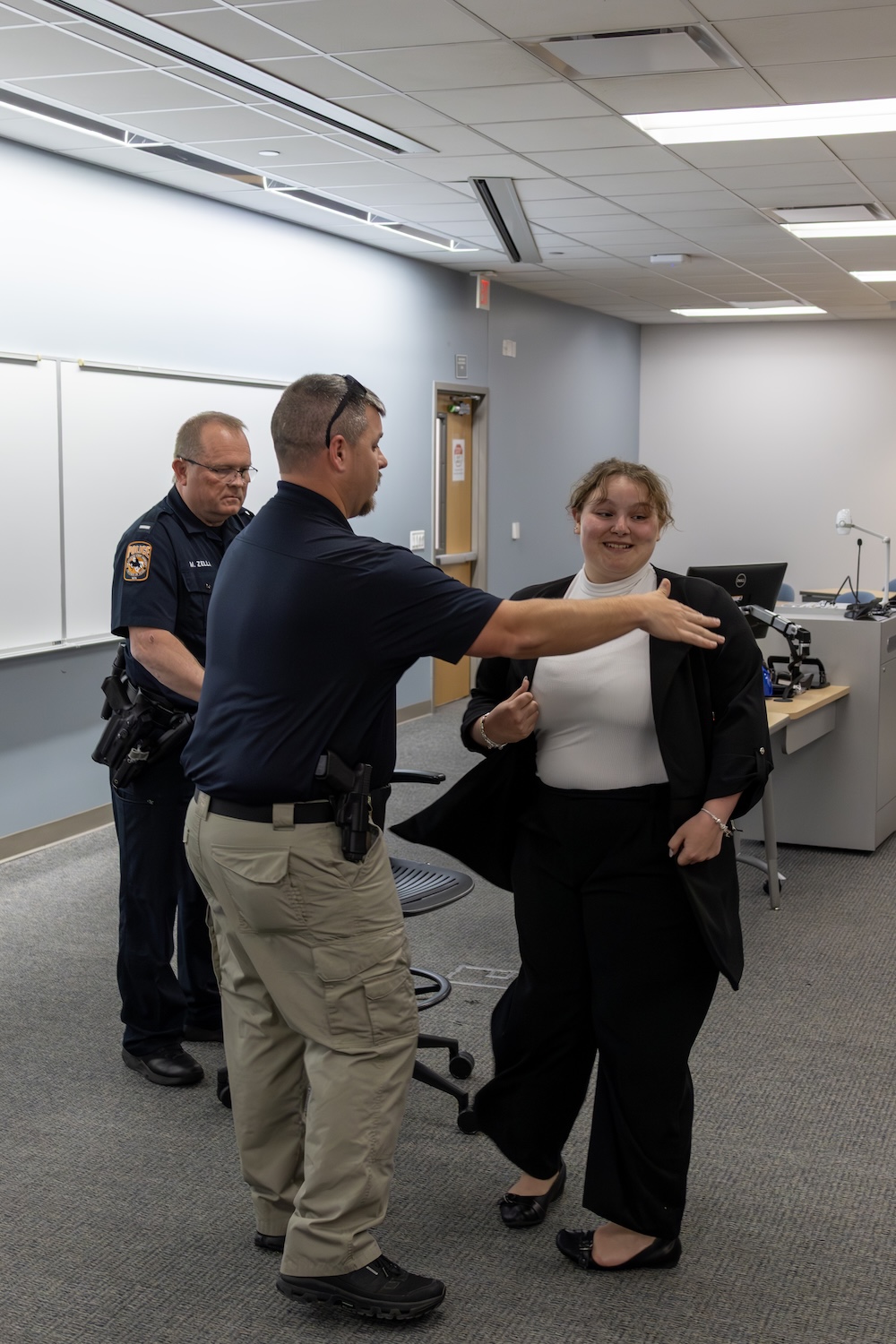
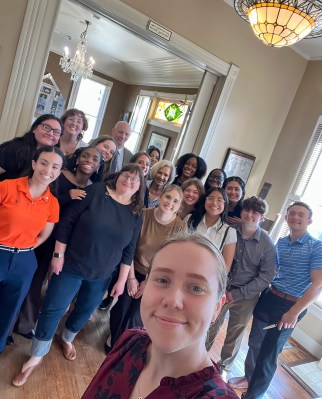
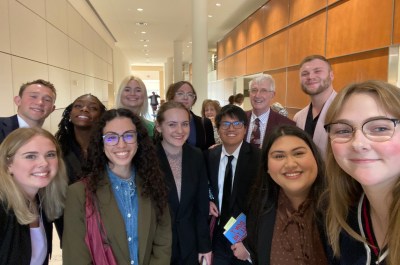
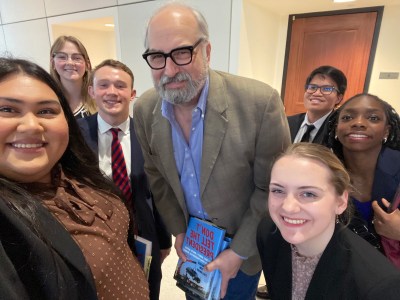
Our group thoroughly enjoyed this event. Many thanks to Jayden Shoellhorn, Sergeant Butterworth, and Lieutenant Zella for joining us and for their service to the SHSU and broader Huntsville community.
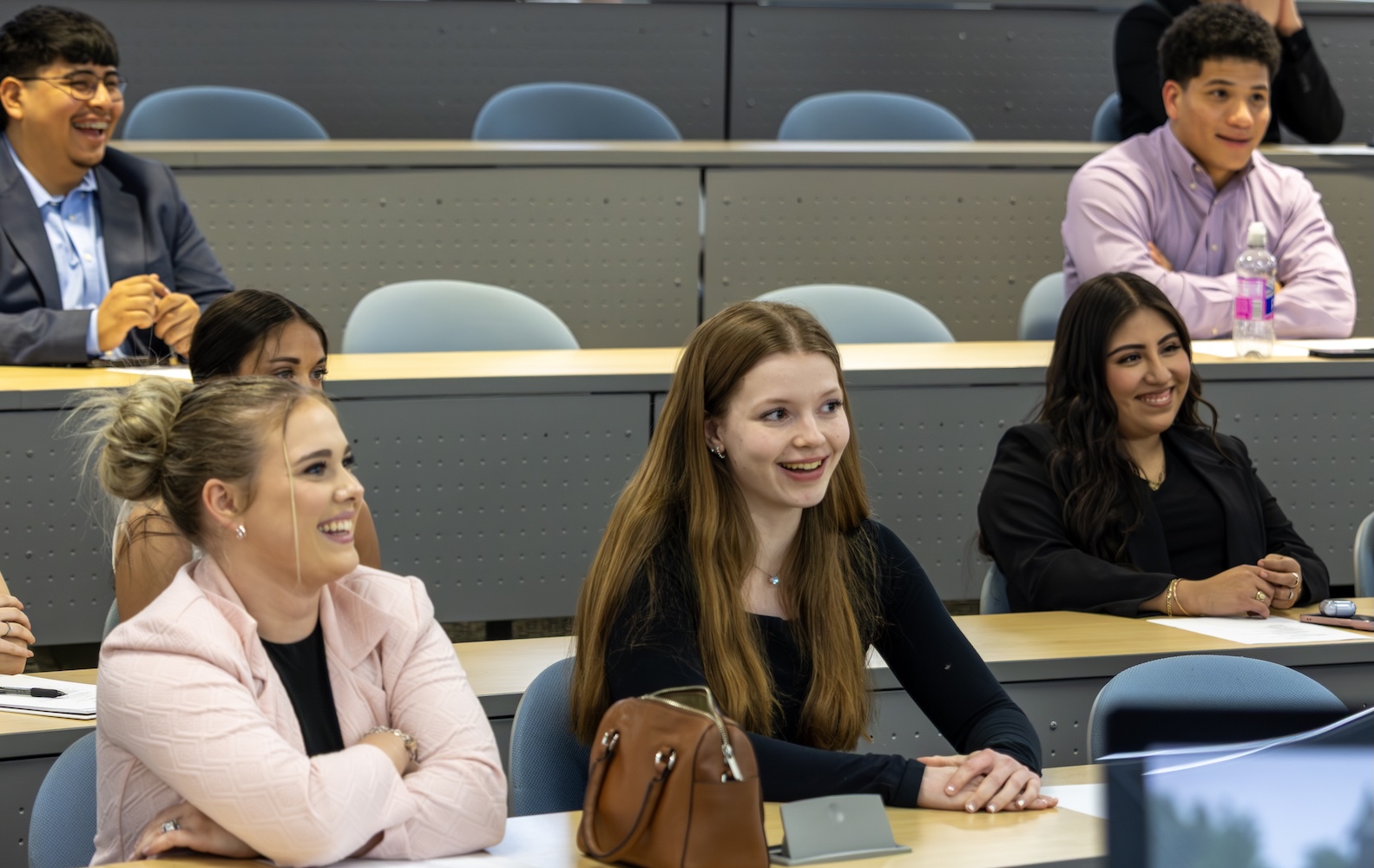
The meeting then transitioned into more general business. Nataly Elizondo provided the finance update, Olivia Discon shared social media and membership updates, and Madison Cawthon presented meeting minutes. Olivia then introduced upcoming events, including the Mock LSAT (deadline to register is April 1), 10th Court of Appeals, and a Spring Social on April 22.
Overall, this meeting stood out because it didn’t just tell us what the law is but also how it plays out in real life. This meeting was a reminder to all of us that setting ourselves up for success isn’t just about future careers in law, but about the decisions we make right now.




















 Center for Law, Engagement, and Politics