Exploring O’Henry’s Home: A Trip Through Literary History

This past month, I toured the O’Henry Home. Upon entering, I was greeted by Spike Gillespie, a kind and knowledgeable staff member from the City of Austin’s Museums and Cultural Programs. She shared key details about William Sydney Porter’s life, explaining that he lived in this house from 1884 to 1894 before fleeing to Honduras due to corruption allegations at his workplace, the First National Bank of Austin. A few years later, he returned to the U.S. under an alias—O’Henry—the pen name that would bring him literary fame.

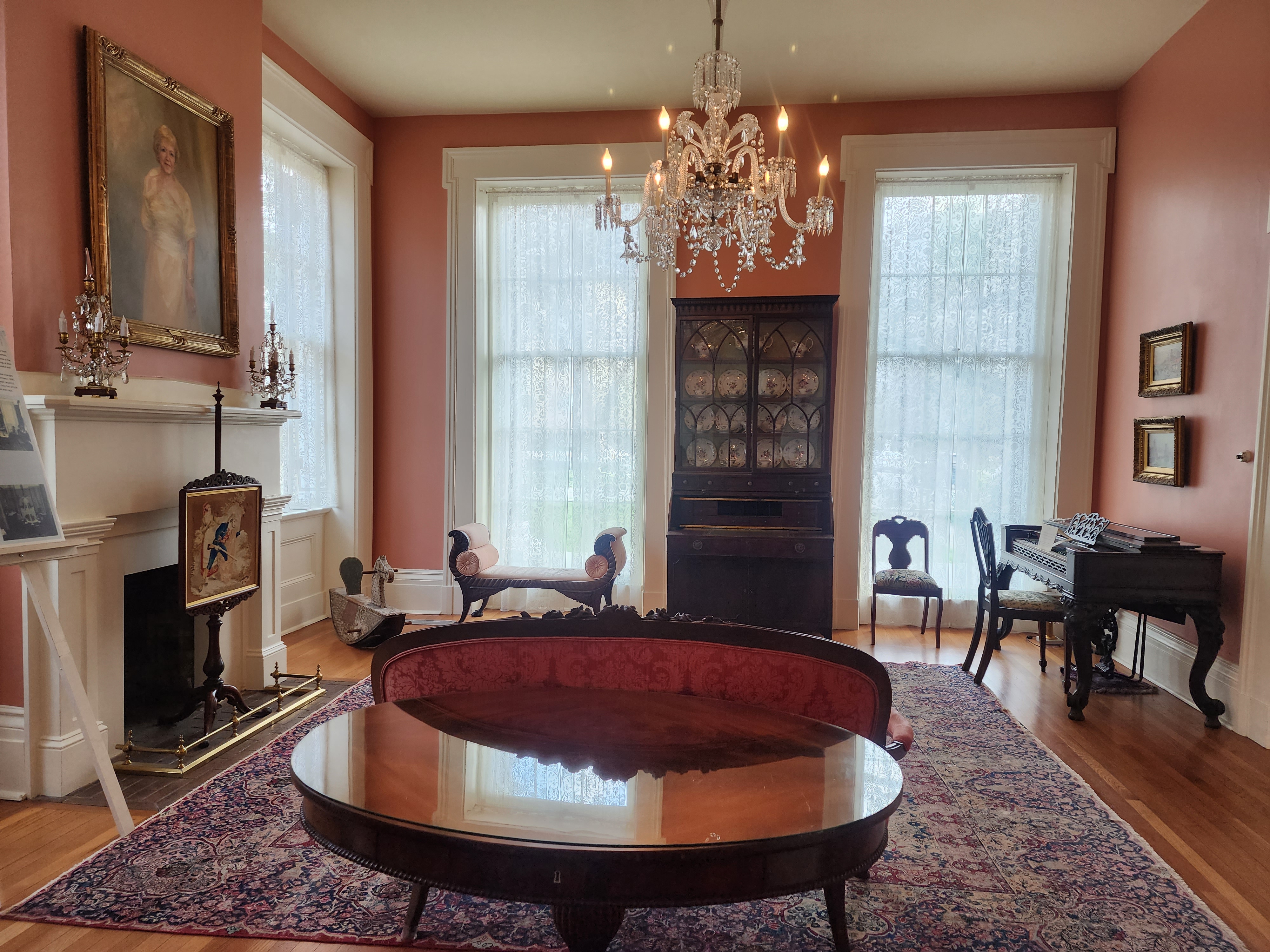
The small home consists of three main rooms: the living room…

…the bedroom…

…and O. Henry’s office.

As I walked through, I enjoyed learning fascinating tidbits about his life and work. His experience drafting maps at the General Land Office in Austin resonated with me, as I’ve encountered the GLO while assisting the Land and Resource Committee in my office.

Although modern technology has replaced hand-drawn maps, I appreciated the small connection I felt while standing in O’Henry’s office.

As I continued walking through the home, I found myself amused with framed sketches located right outside O’Henry’s office. Later, Spike informed me that during his lifetime, O’Henry became a self-taught artist, focusing largely on political cartoons, which were featured in The Rolling Stone magazine. Most of his artwork throughout the home feature a mixture of political cartoons and the life of American settlers.

Spike also shared insights into how his time in Austin shaped his storytelling. Many of his short stories reflect themes of redemption, irony, and human nature, qualities that may have been influenced by his own struggles. His most famous work, “The Gift of the Magi,” showcases his signature twist endings, a style that would make him one of the most celebrated short story writers in American literature.

Beyond his literary contributions, O’Henry’s influence on Austin is still evident. His home, now preserved as a museum, serves as a reminder of the city’s rich cultural history.

Creative writing workshops hosted by individuals like Spike encourage Austinites to expand their writing skills and explore writing techniques utilized by famous writers such as O’Henry.

Visiting the O’ Henry Home provided me with insight that was much greater than a historical tour, it was a glimpse into the life of a man who turned adversities into art, which brought people together. His legacy lives on not only in his stories but also in the continued appreciation of his wit and literary style.

Holmes and Hounds in Houston

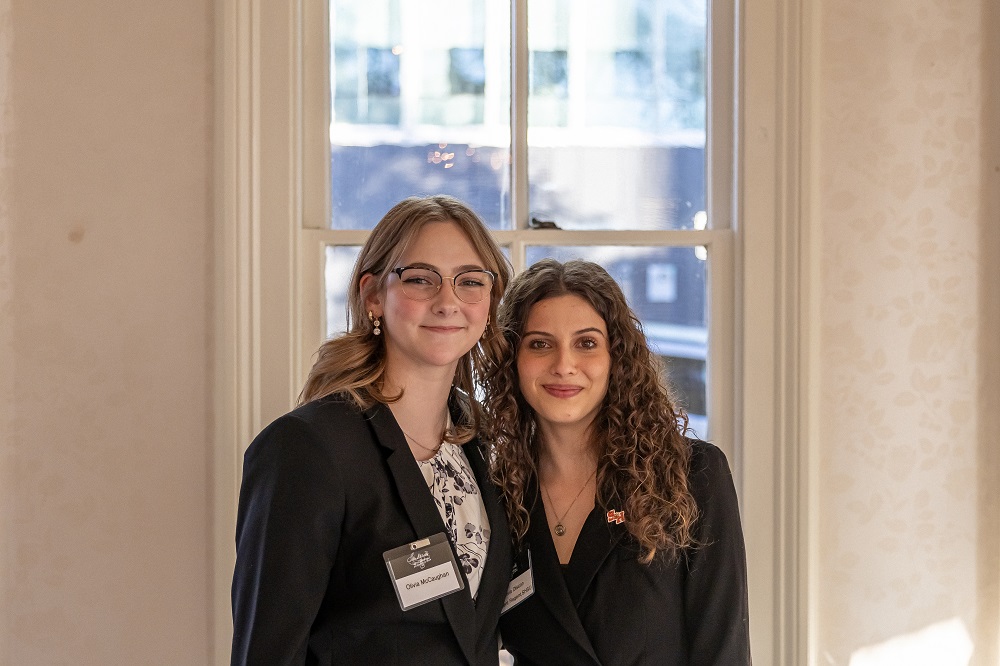
by Olivia Discon

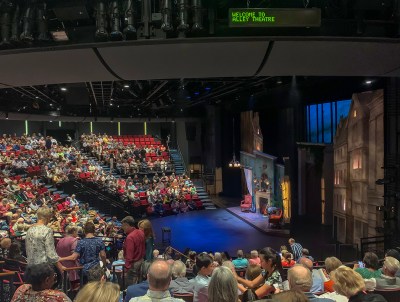
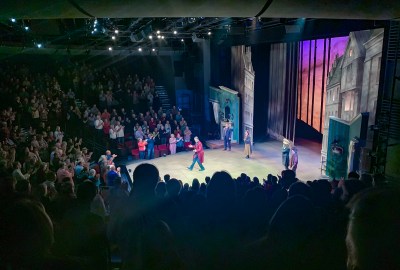
A mysterious death. A howling hound. A suspiciously Texan heir. What do all these things have in common? Chaos, comedy, and the incredible Todd Waite in his final bow as Sherlock Holmes at the Alley Theatre.

With only five actors and 36 characters flying in and out of scenes, The Hound of the Baskervilles was a theatrical juggling act, with a few wig, costume, and accent changes. Which is to say: it was impressive, ridiculous, and a lot of fun.

Before diving into the fun, we primed ourselves with a little chaos of our own: lunch at Post Market. In the spirit of the show’s variety, we went for food from all corners: noodles, rice, sushi, and African inspired power bowls— none of which appeared to be from the same restaurant. 

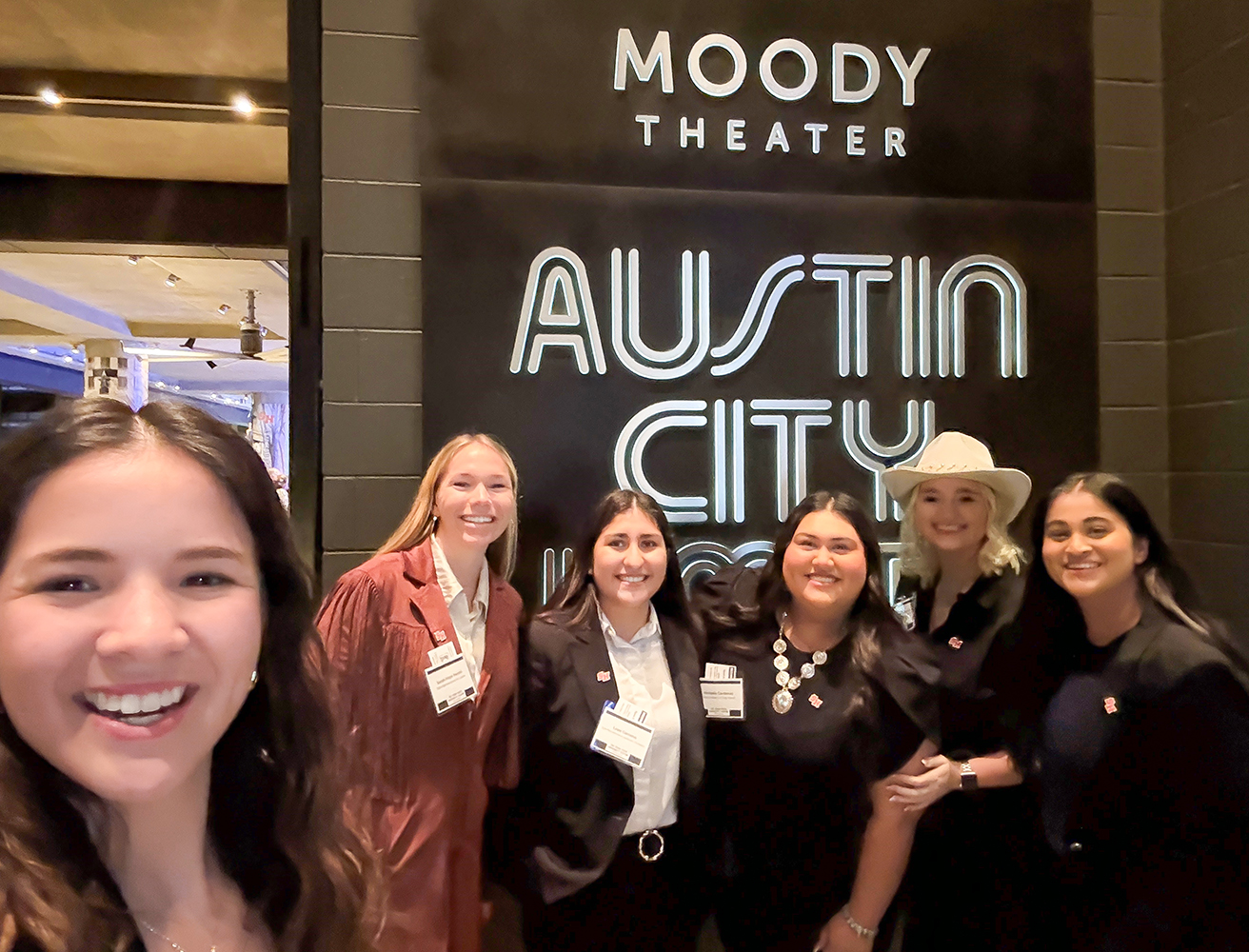
Our group included LEAP friends Bill and Carol Hyman and Wayne and Andrea Scott, along with students Macey Schank, Jacob Wessels, Chrissy Biello, Michelle Moya, Mikaela Baires, and Austin intern Cinthia Villarreal. We showed up full and ready for whatever the Alley threw at us.

The Hound of the Baskervilles follows Sherlock Holmes and Dr. Watson as they investigate the mysterious death of Sir Charles Baskerville and the legend of a supernatural hound that haunts his family’s estate. In this version, five actors take on dozens of characters, adding a fast-paced, comedic twist to the story.

When we saw Todd Waite last month at Murder by the Book, he mentioned how Sherlock Holmes is, frankly, a smart aleck, but one you can’t really get mad at, because he’s always right on the nose. Having heard him talk about the role made seeing him perform it even better. His timing, his wordplay, and even his smallest asides all landed with precision. He clearly knows Sherlock inside and out.

Dylan Godwin was another fan favorite in this show among our group. As the Texan heir to the Baskerville estate (among a dozen other characters), he was constantly shifting personalities and finding ways to distinguish the hilarious traits for both a grumpy street cop and a simple minded Texan—even when they are both in the same scene! 

In all, this was a great experience for the LEAP Center to share with some amazing community friends. 

Book Talk with Lise Olsen: The Scientist and the Serial Killer

Michelle Cardenas

Even with the busiest time of the legislative session in full swing, the LEAP Ambassadors always find ways to stay engaged and keep learning. After a long day at the Capitol, we made our way to BookPeople in downtown Austin for an author event featuring Lise Olsen and her latest true crime book, The Scientist and the Serial Killer.

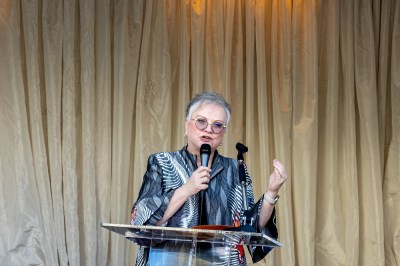
As true crime fans and students focused on criminal justice and pre-law, this event was right up our alley. Lise Olsen, known for her investigative reporting and current work with the Texas Observer, has spent her career uncovering the truth behind long-forgotten crimes. The conversation was moderated by Michelle Pitcher, one of Olsen’s colleagues who also covers criminal justice topics.

The book centers around Dean Corll (Nicknamed Candy Man), a Houston serial killer responsible for the abduction and murder of over 27 teenage boys in the 1970s. Despite the scale of the crimes, police negligence allowed Corll to operate undetected for years. After the crimes were uncovered, the investigation was shockingly mishandled. The Houston Police Department sent inmates with trash bags and shovels to dig up remains from a boat shed where the victims were buried—no forensic experts, no proper evidence collection, and very little communication with the victims’ families.

That’s where the heart of the book lies. Olsen reported on the findings and the work of Sharon Derrick, a forensic anthropologist who became deeply invested in identifying the unnamed victims. Derrick took on the challenge of reexamining the case, believing at first it might be simple but she quickly realized she was wrong. Many of the families were gone, DNA matches were limited, and records were scarce. Still, Derrick worked to connect the dots, uncovering overlooked evidence, personal items, and even previously unidentified remains. Olsen followed and reported on this journey, often reaching out to families herself to gather clues and piece together the victims’ stories along the way.

Pitcher asked Olsen about how she was able to capture not just the investigation but also the social and institutional failings of the time.

The book dives into what policing looked like in 1970s Houston: limited resources, no communication systems, and almost no understanding of serial killer patterns. Authorities often dismissed missing teens as runaways or troublemakers, even blaming parents. There were rumors that some had fled to avoid the draft. And the juvenile crime division? It consisted of officers who would write a one-page report/description and move on.

Olsen interviewed hundreds of people—friends, family members, investigators—and gave space for those who had been grieving in silence for decades. Her mission wasn’t to glorify a serial killer, but to give voice to the nameless victims and to honor the hard work of investigators still trying to bring justice and closure. The book is haunting, especially as a Houston native who’s grown up hearing stories about the Candy Man.

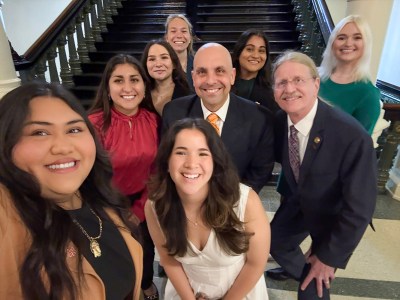
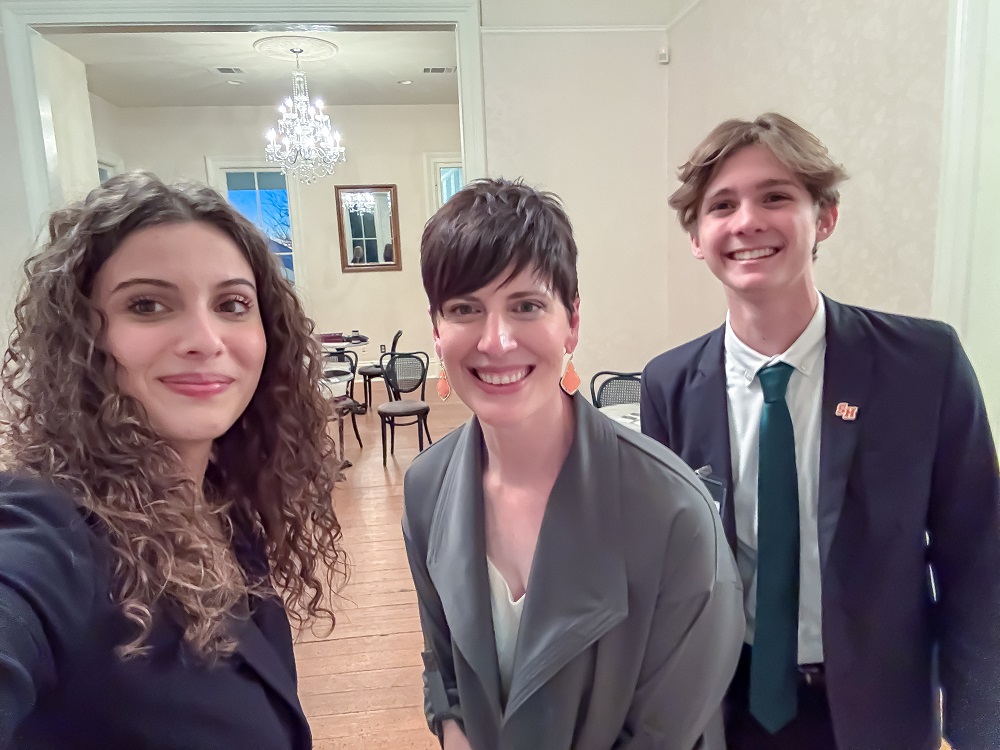
After the talk, we got the chance to chat with Ms. Olsen for a bit about criminal justice and let her know how much we enjoyed the event. It was a great way to end the night—getting to meet someone who’s doing meaningful work and hearing firsthand how much time and care goes into telling these stories. We snapped a quick selfie and left BookPeople feeling a little more curious, a little more inspired, and definitely glad we made the time to go.