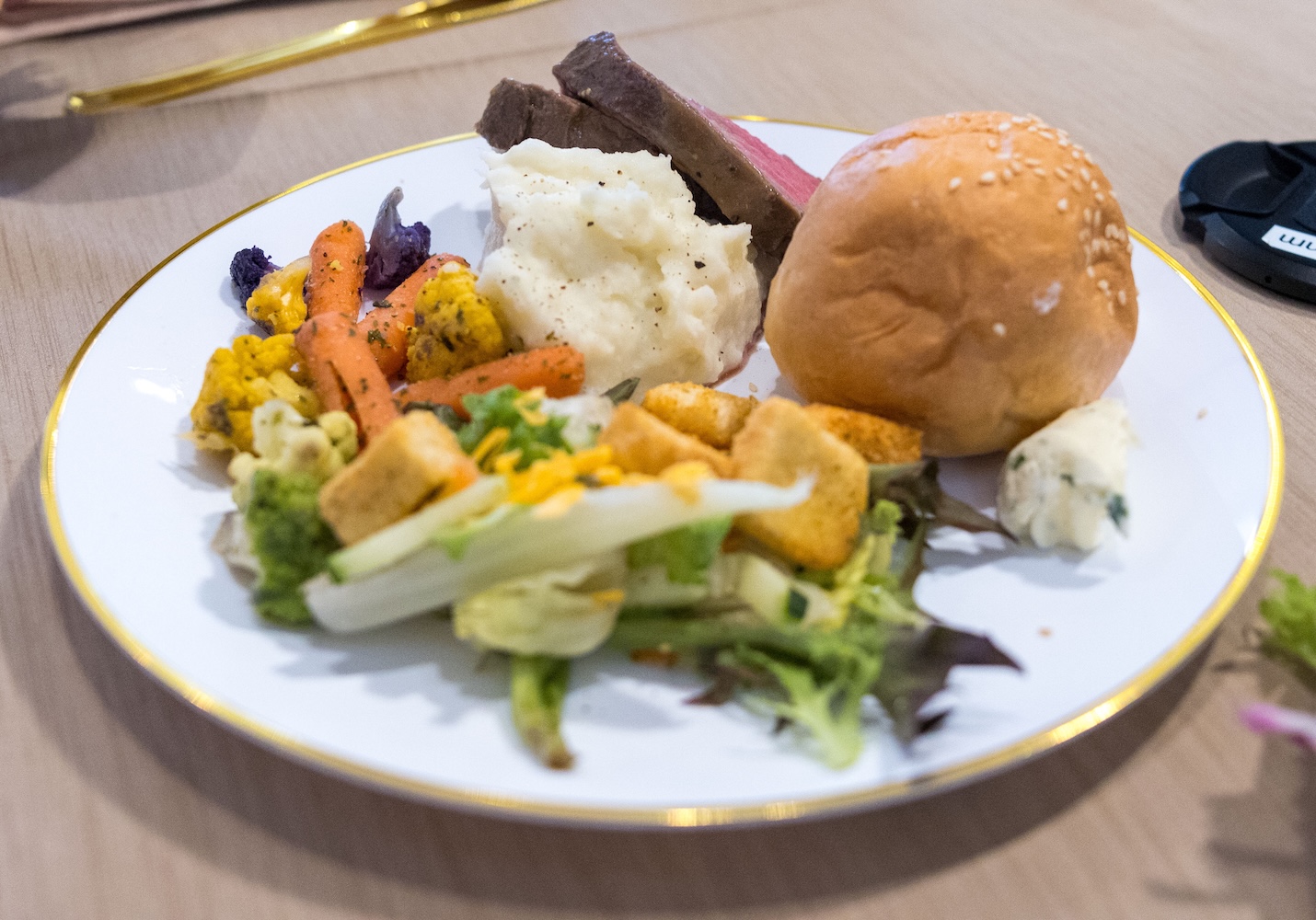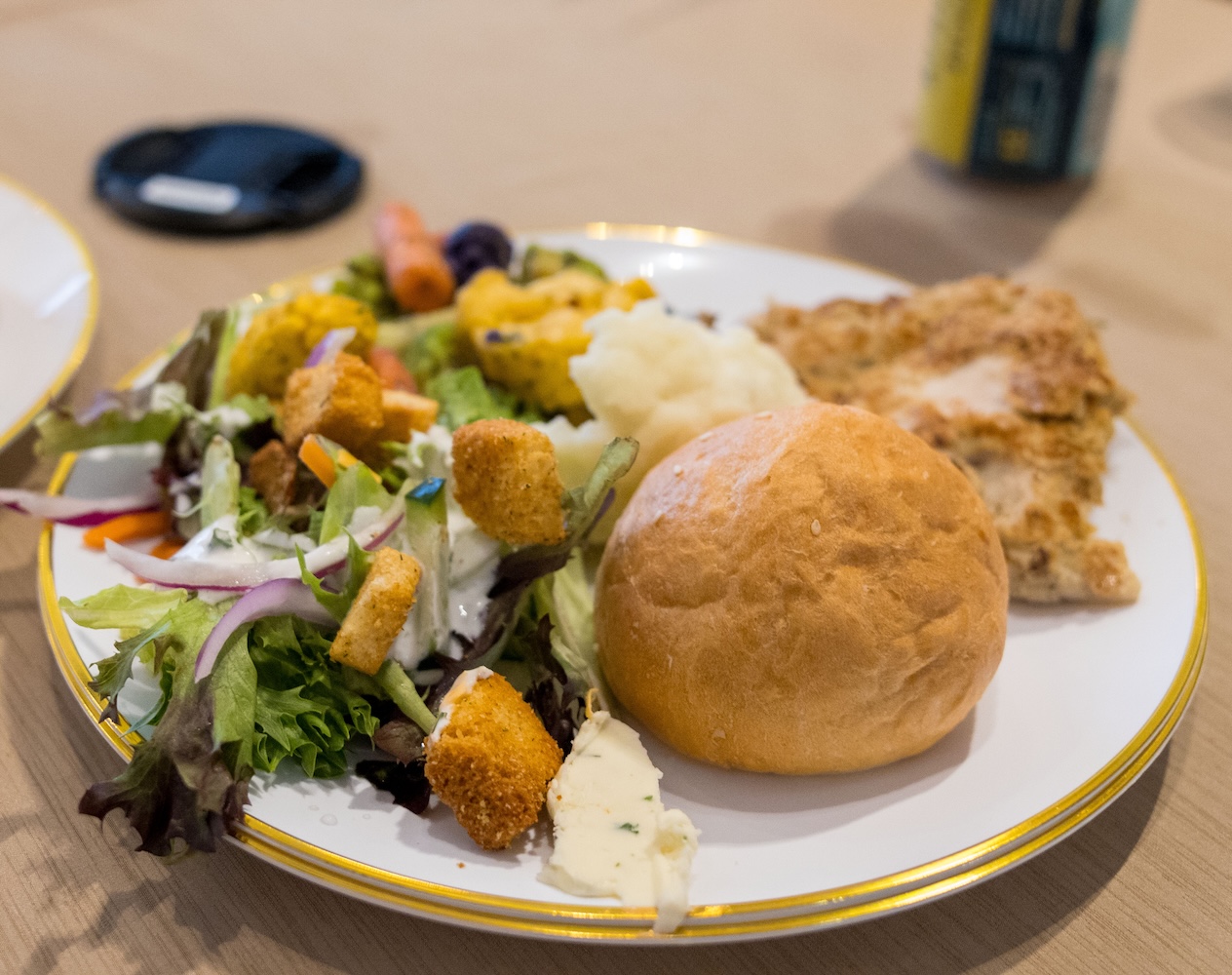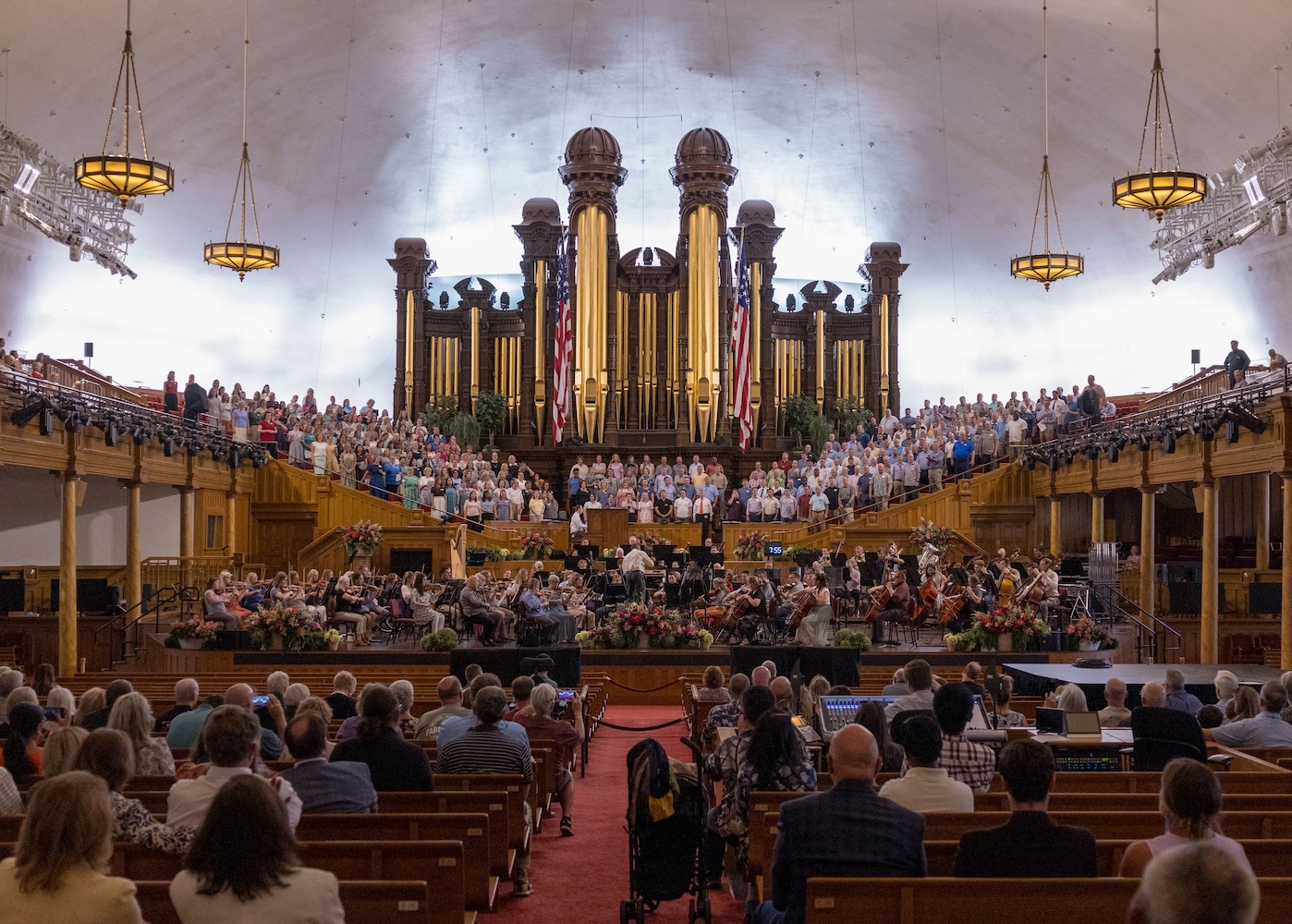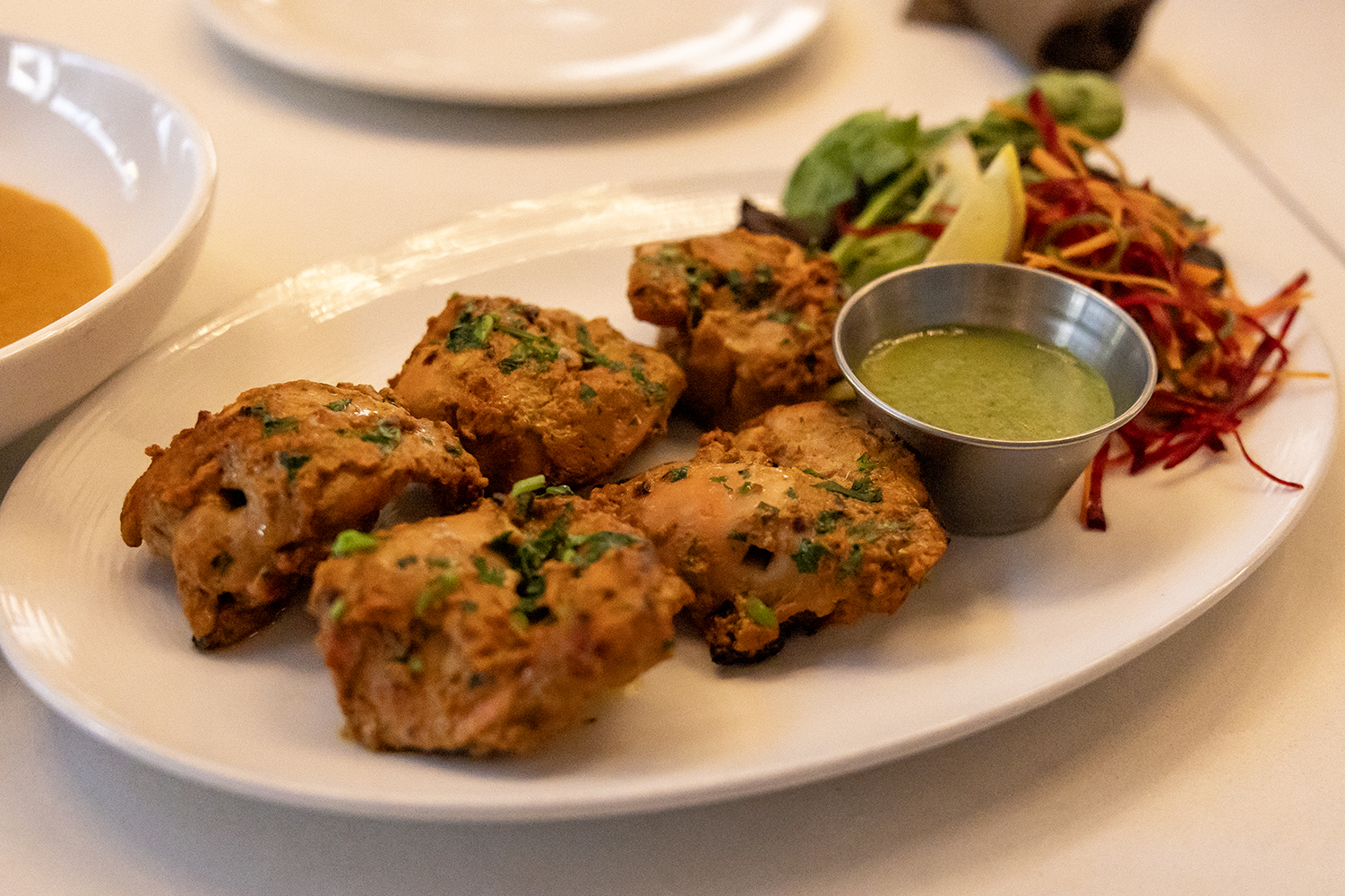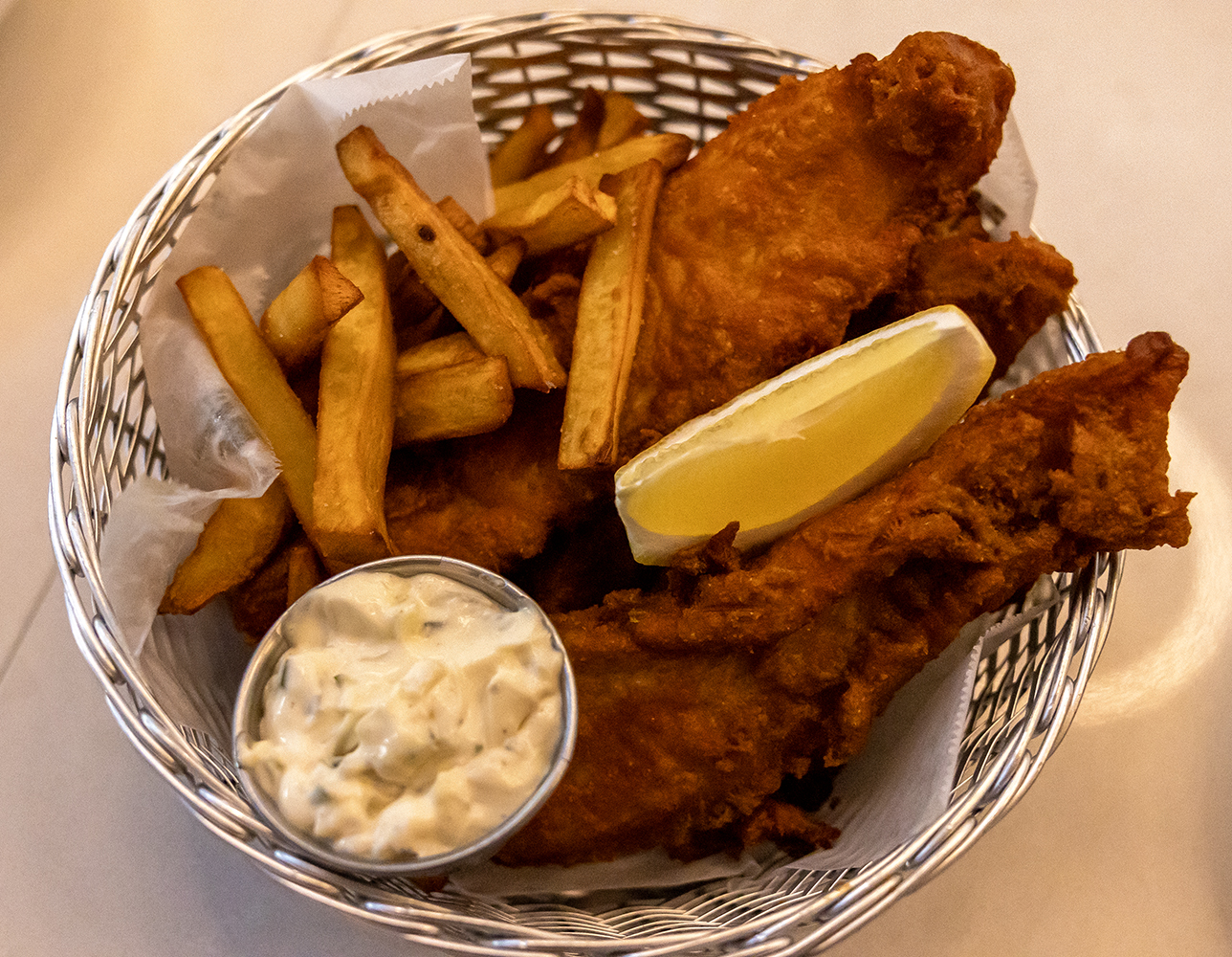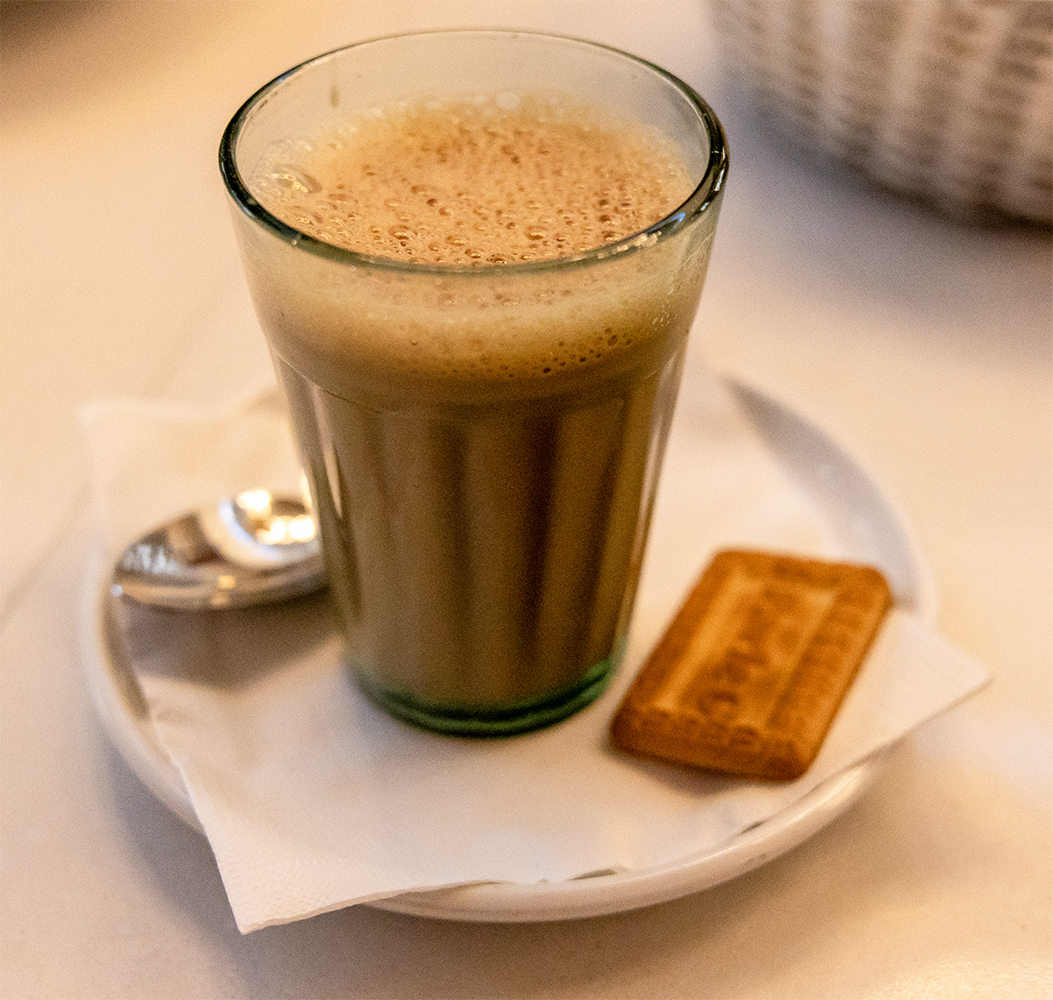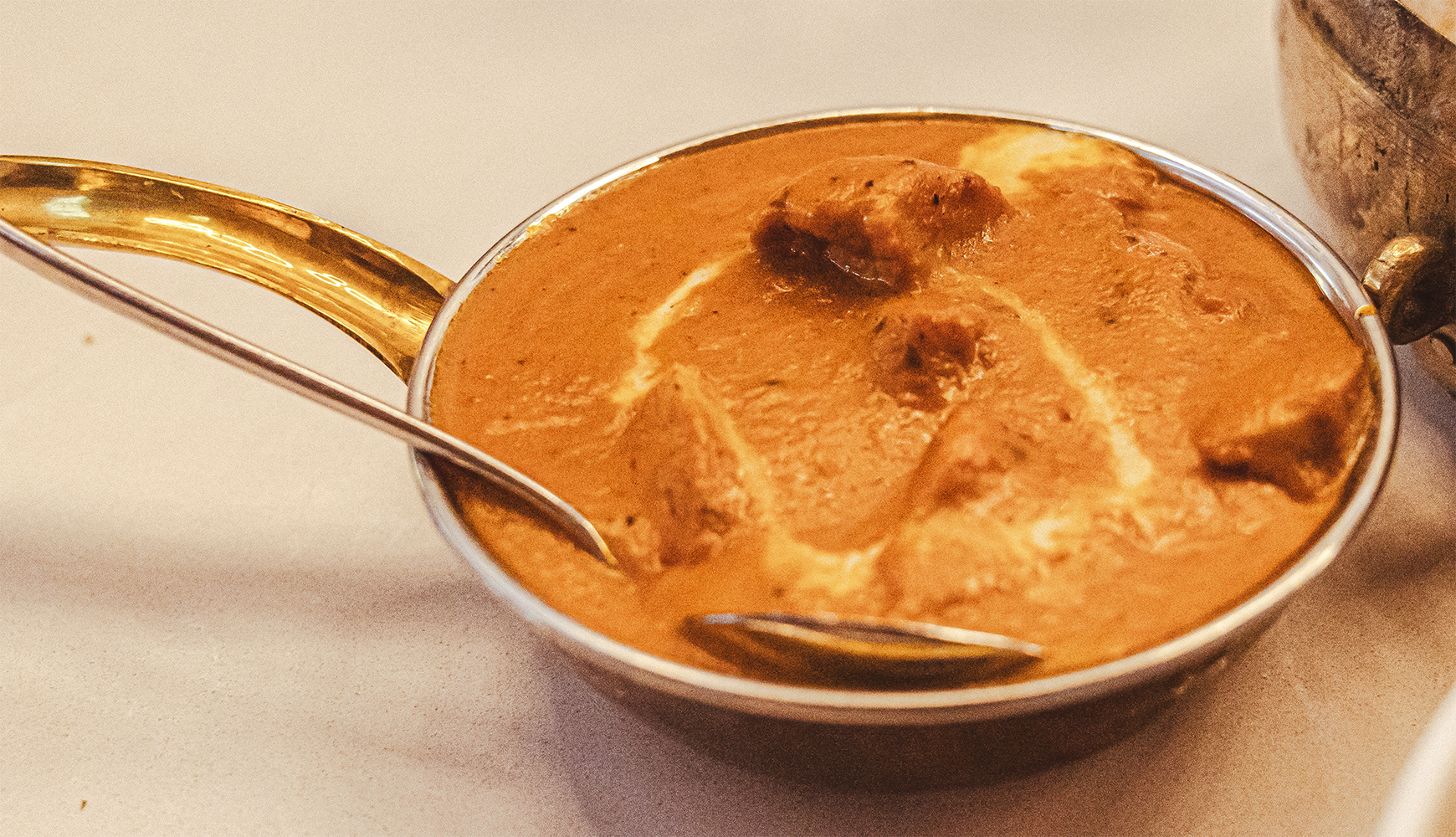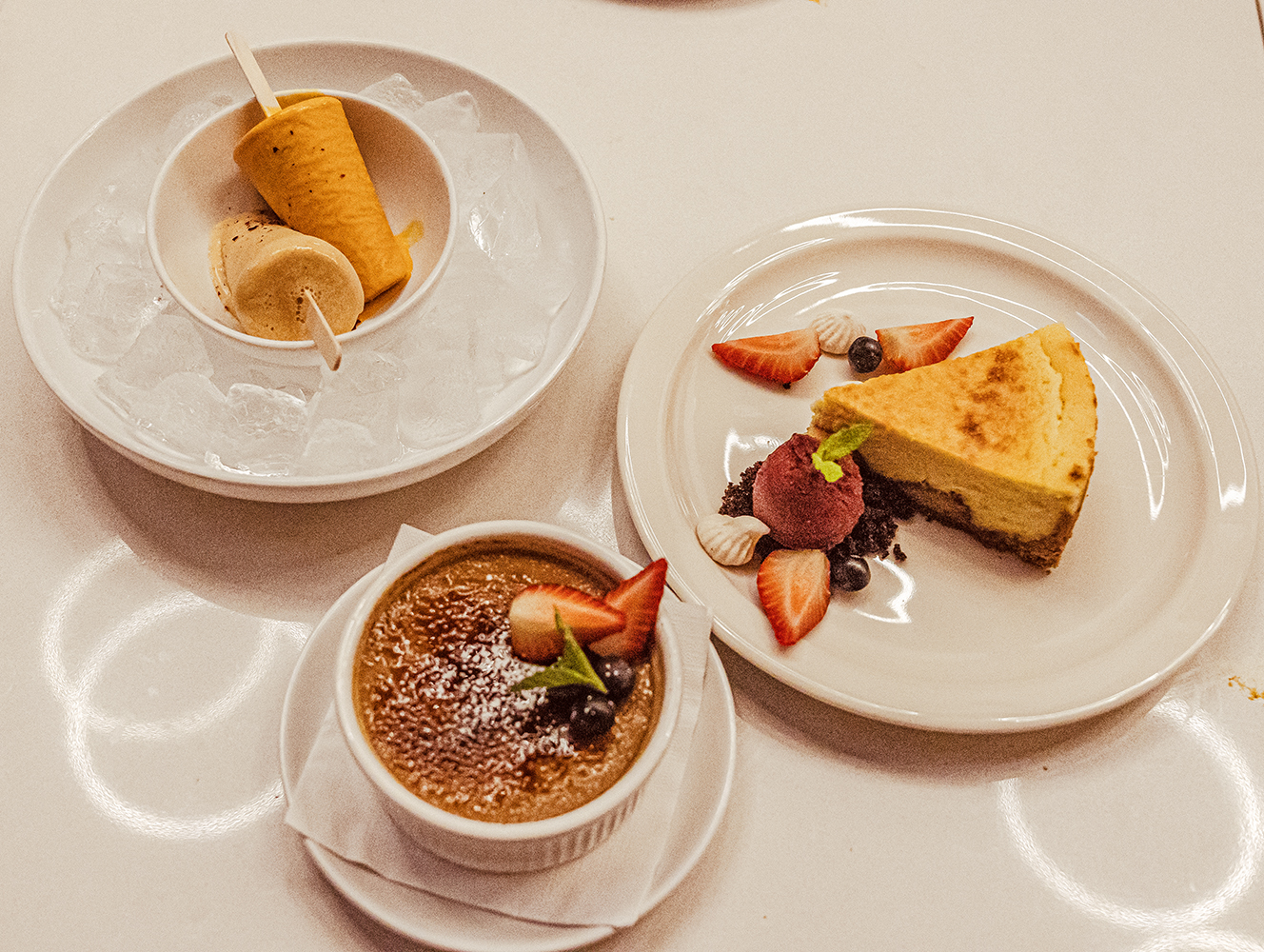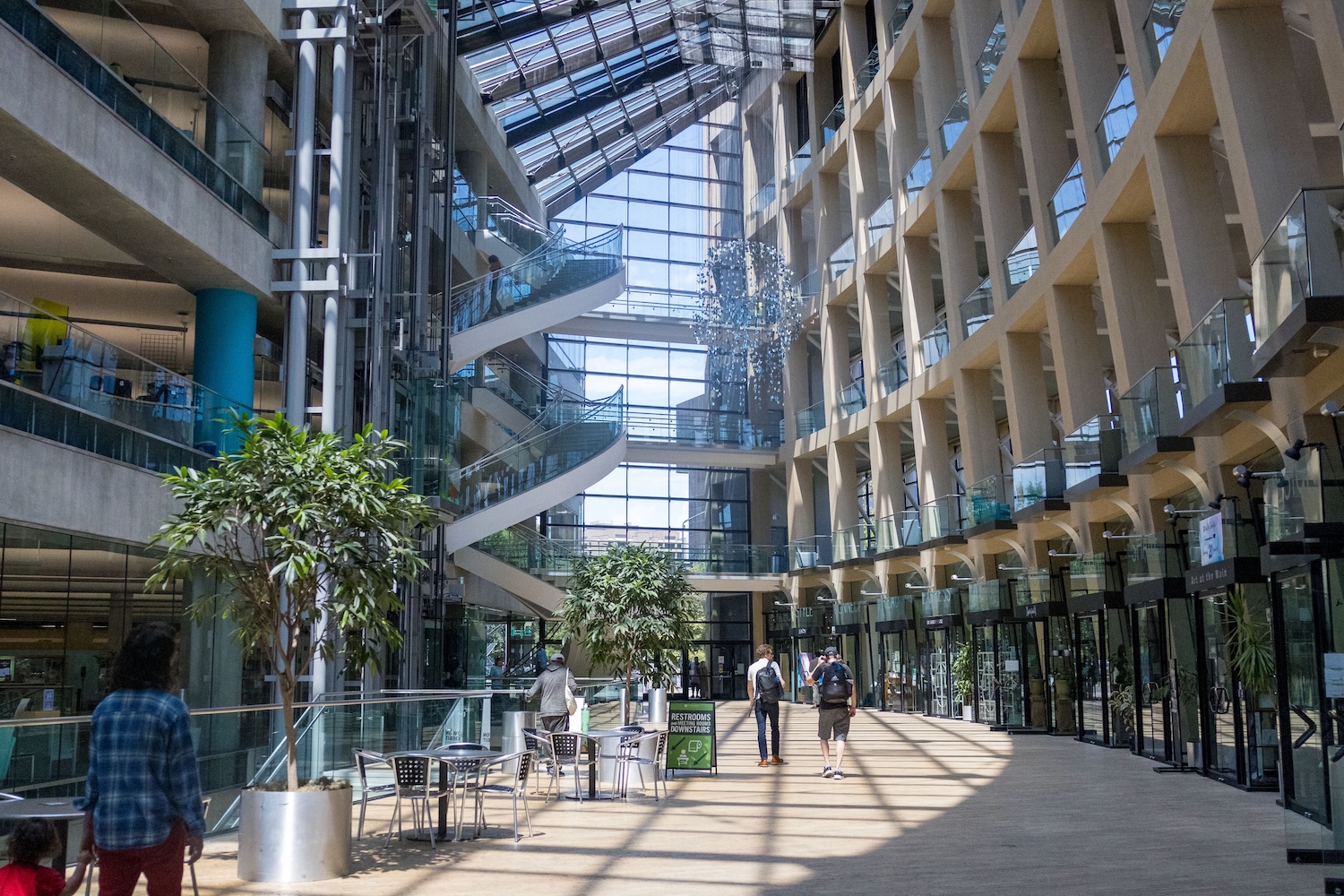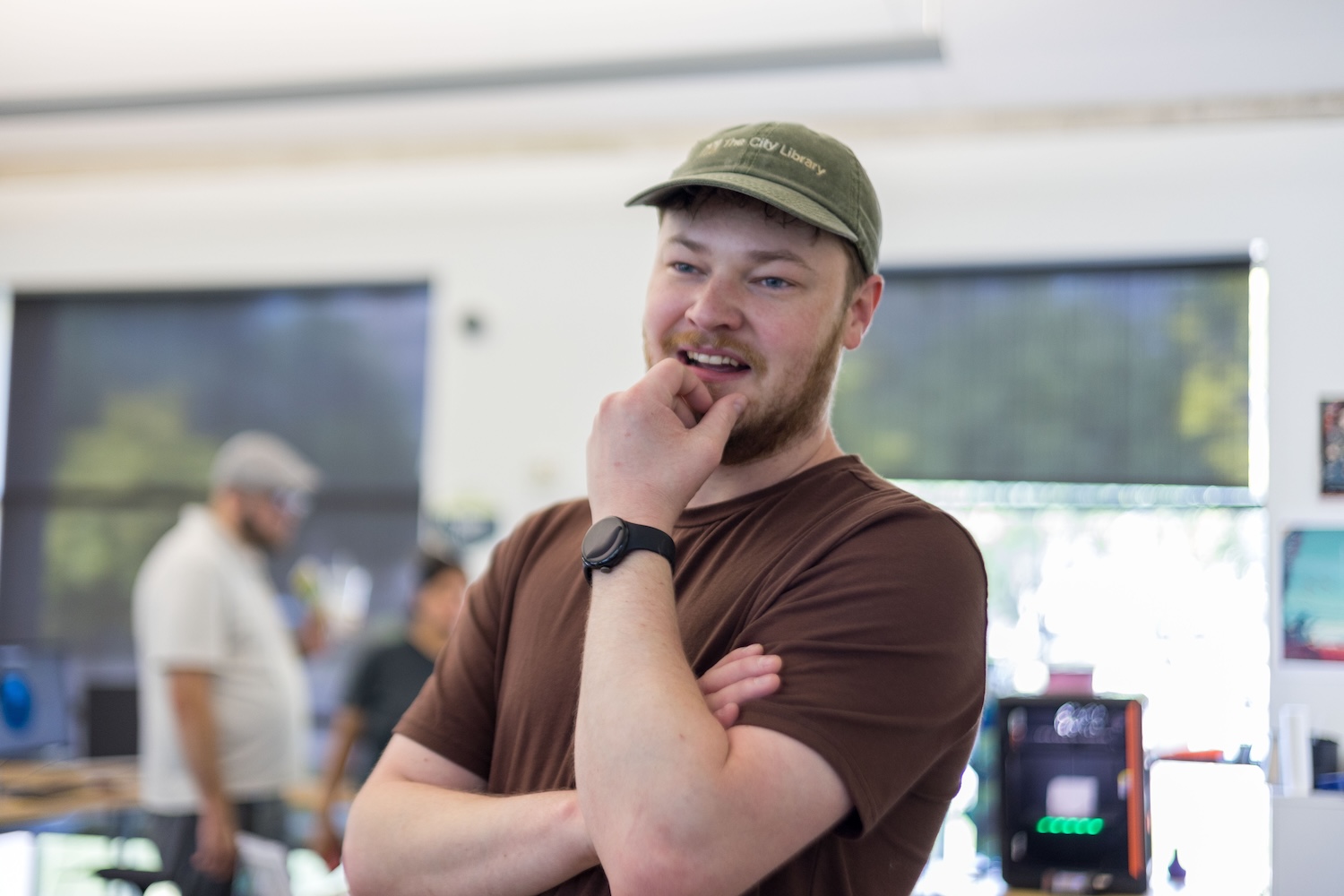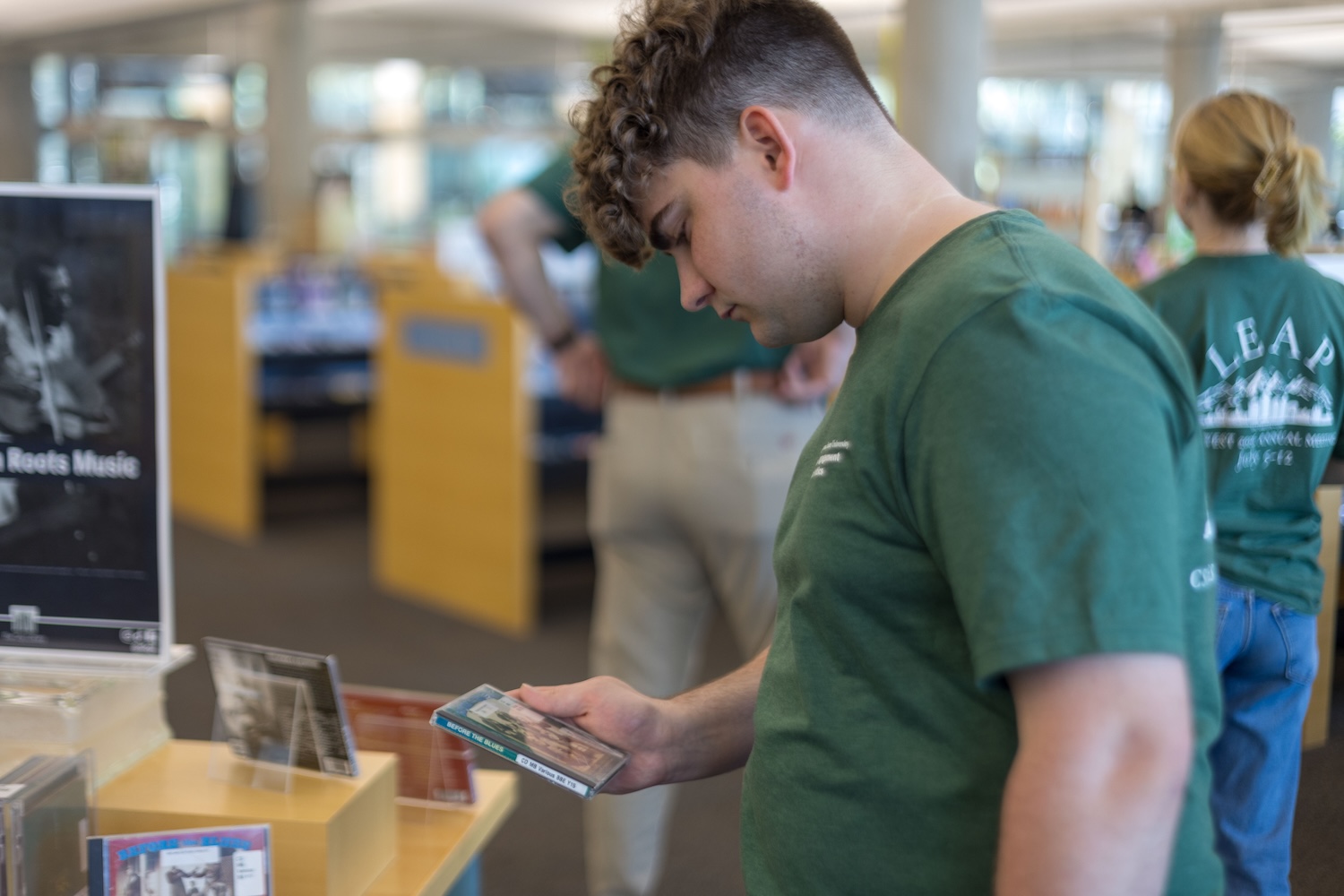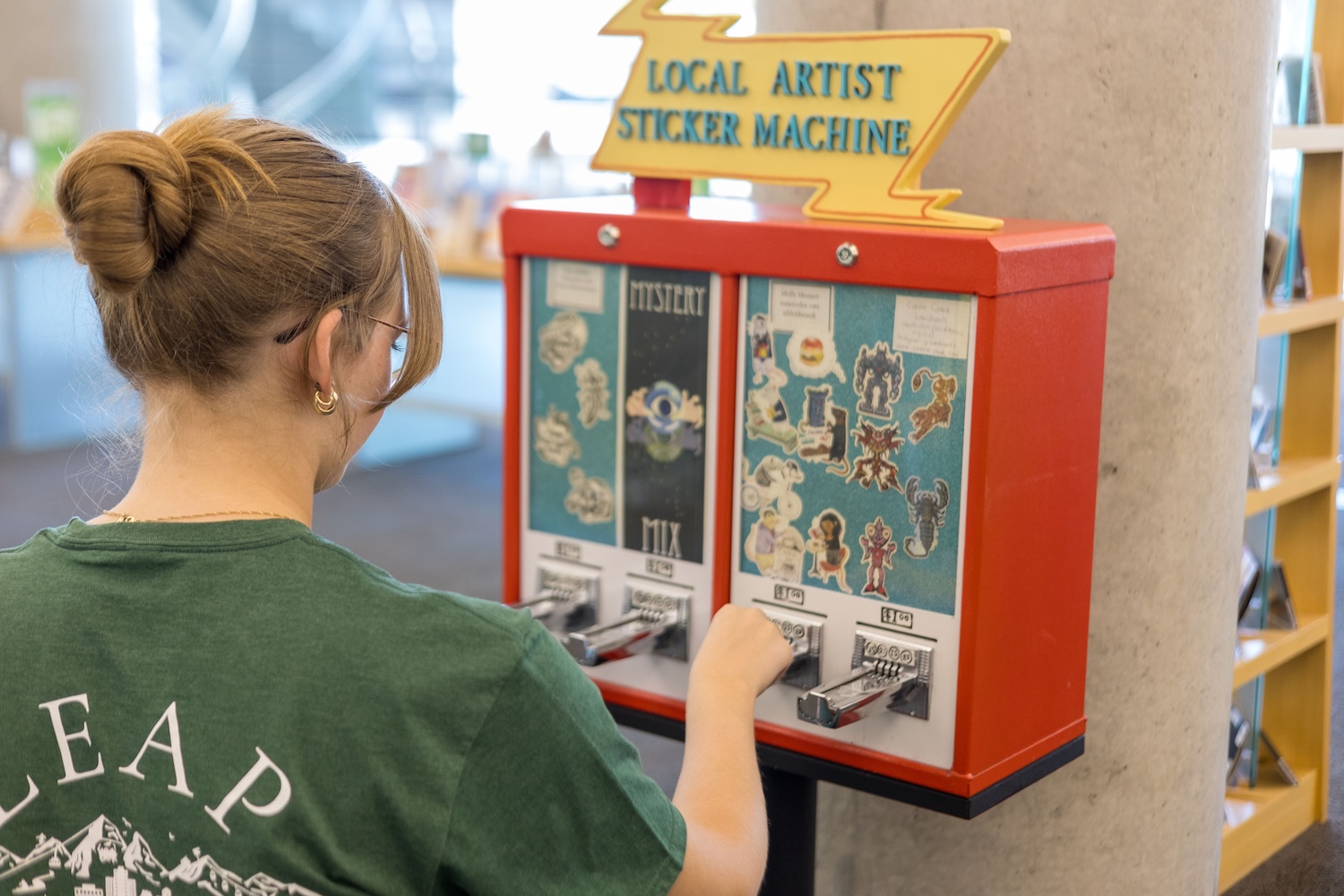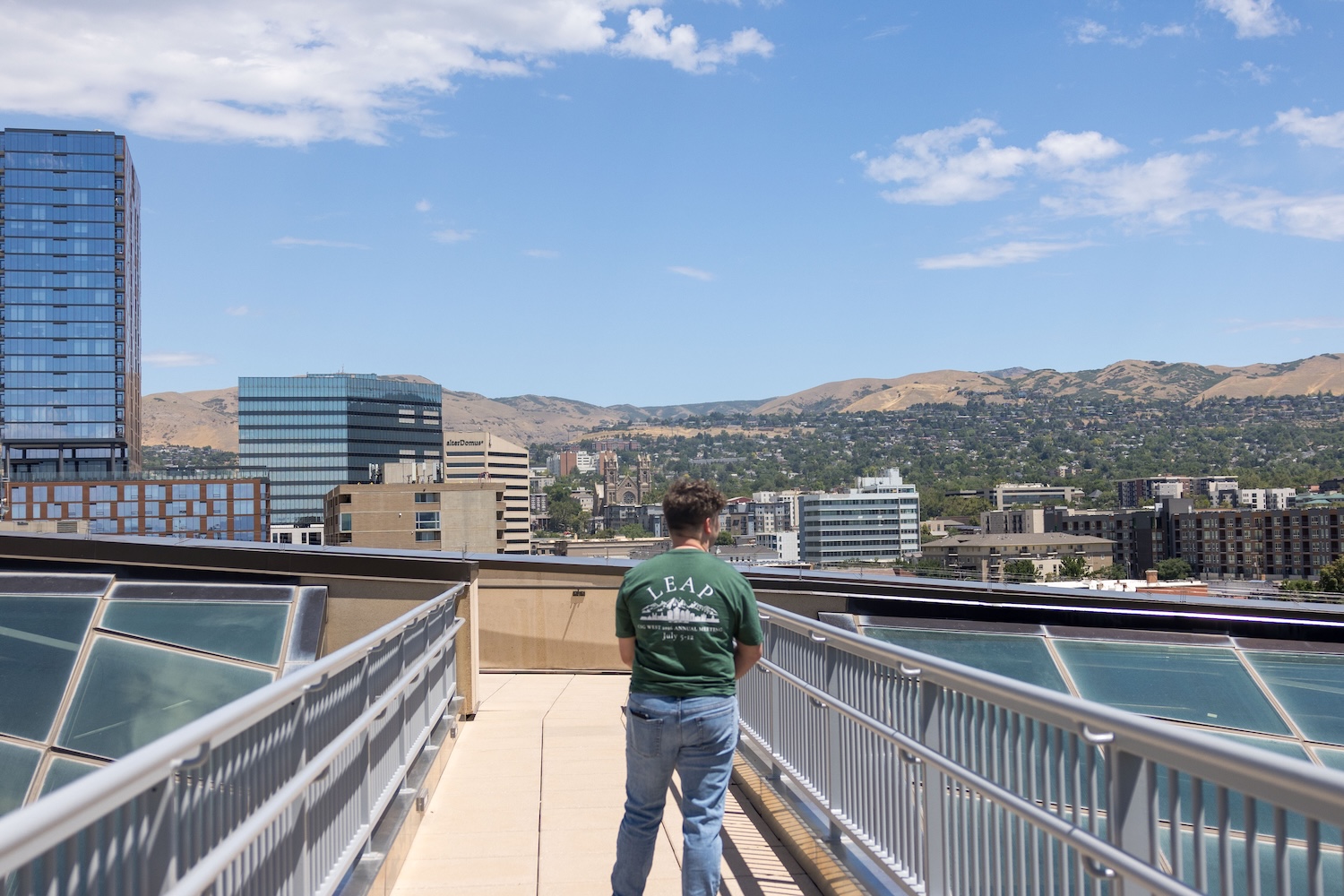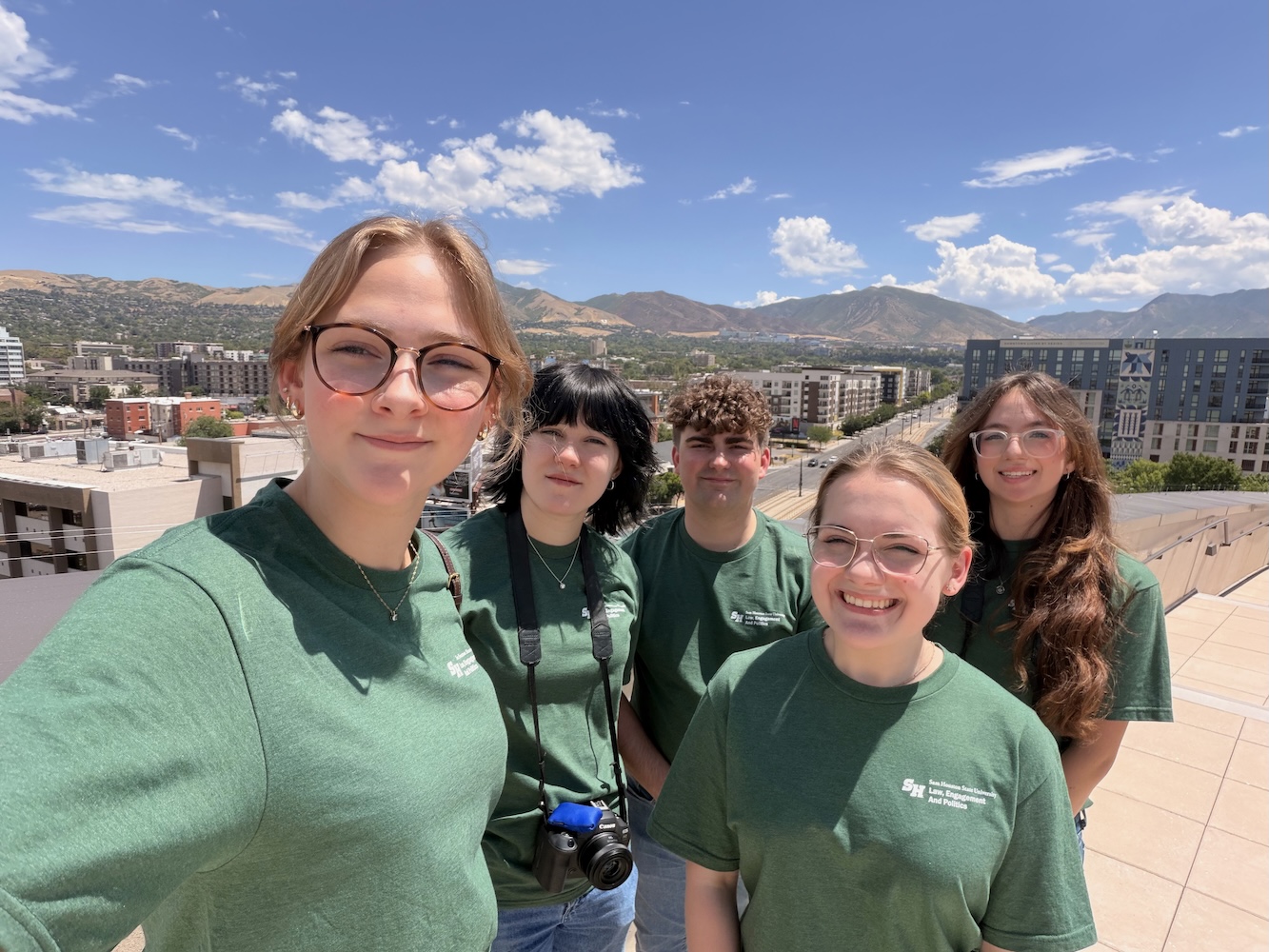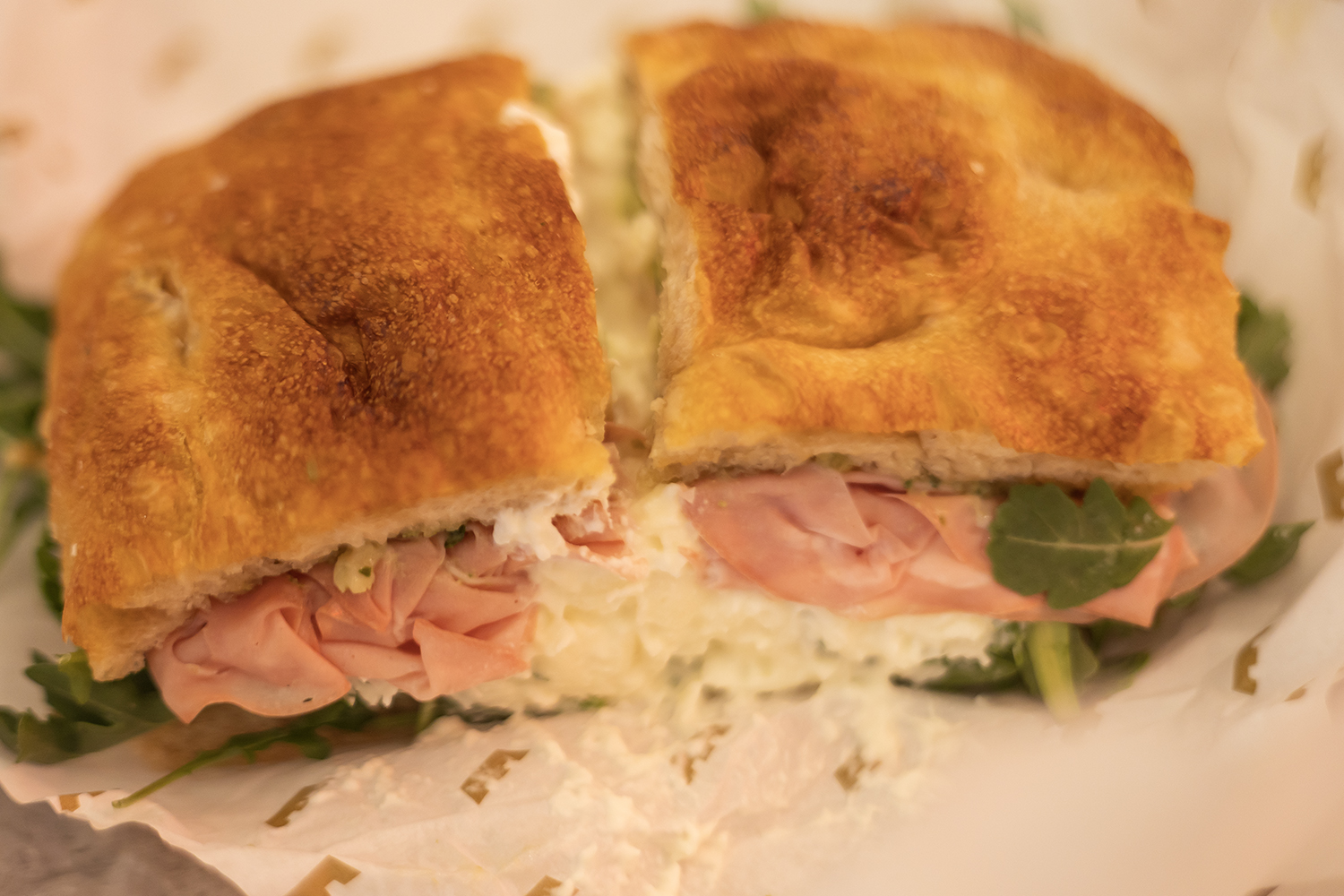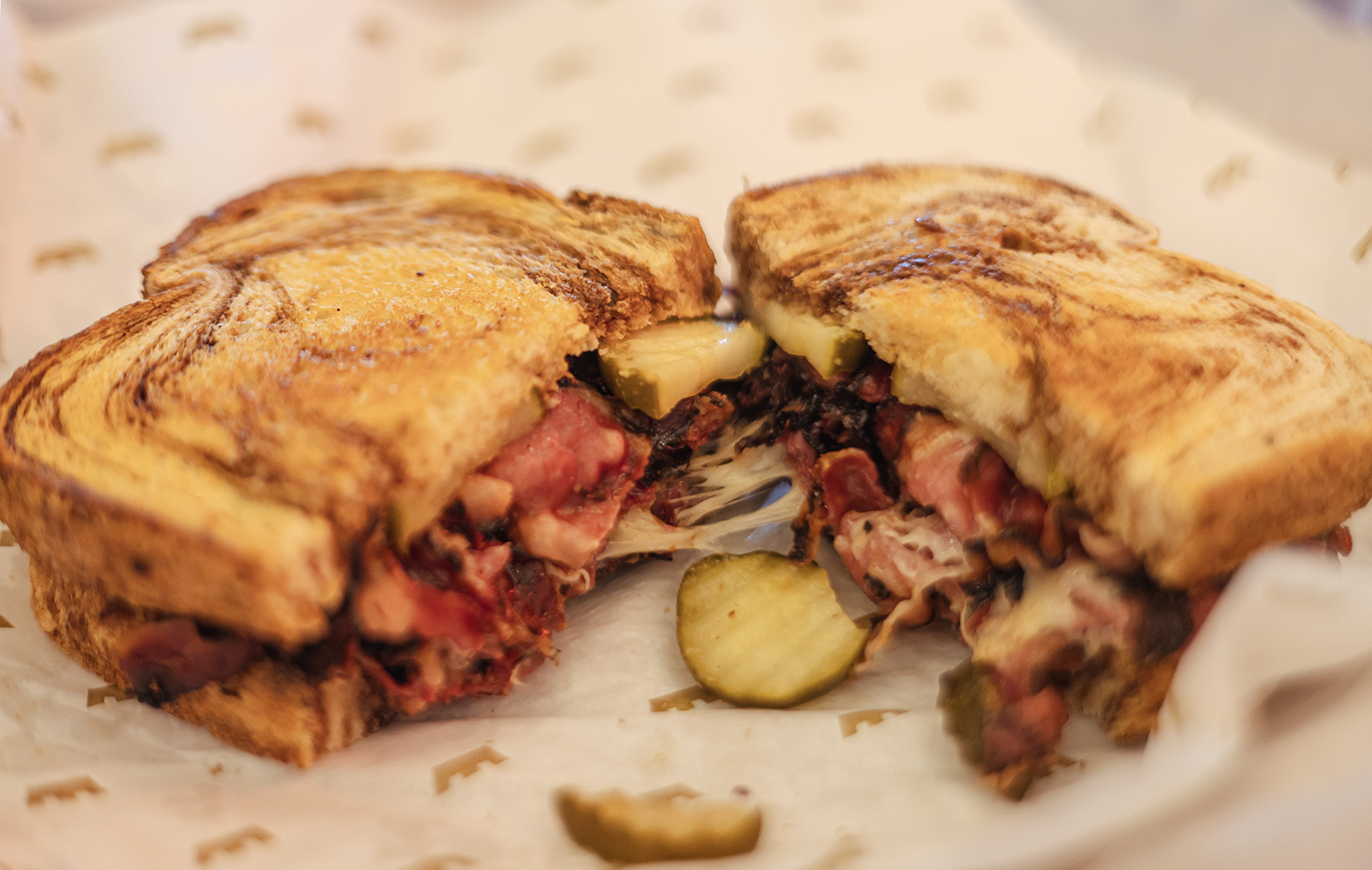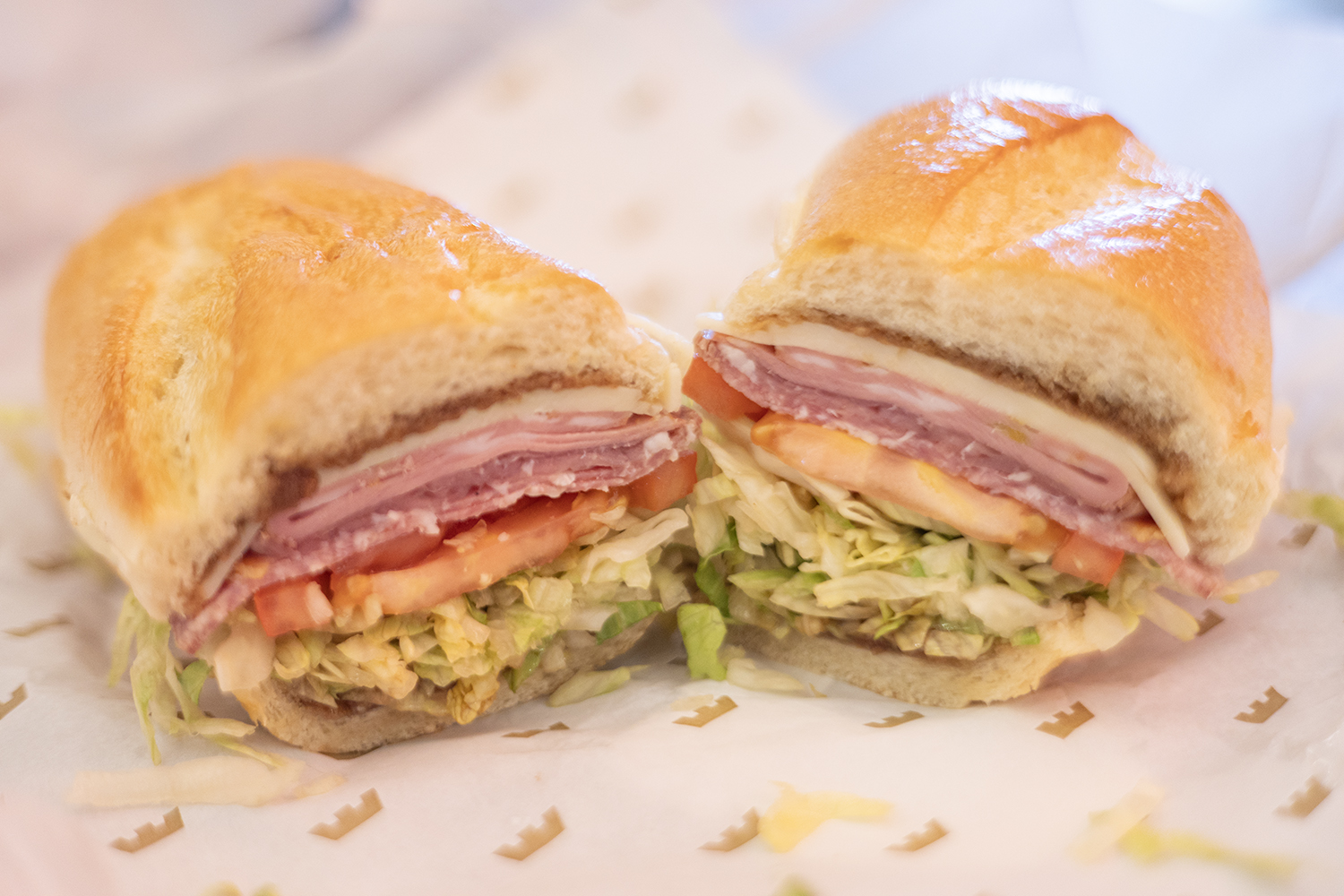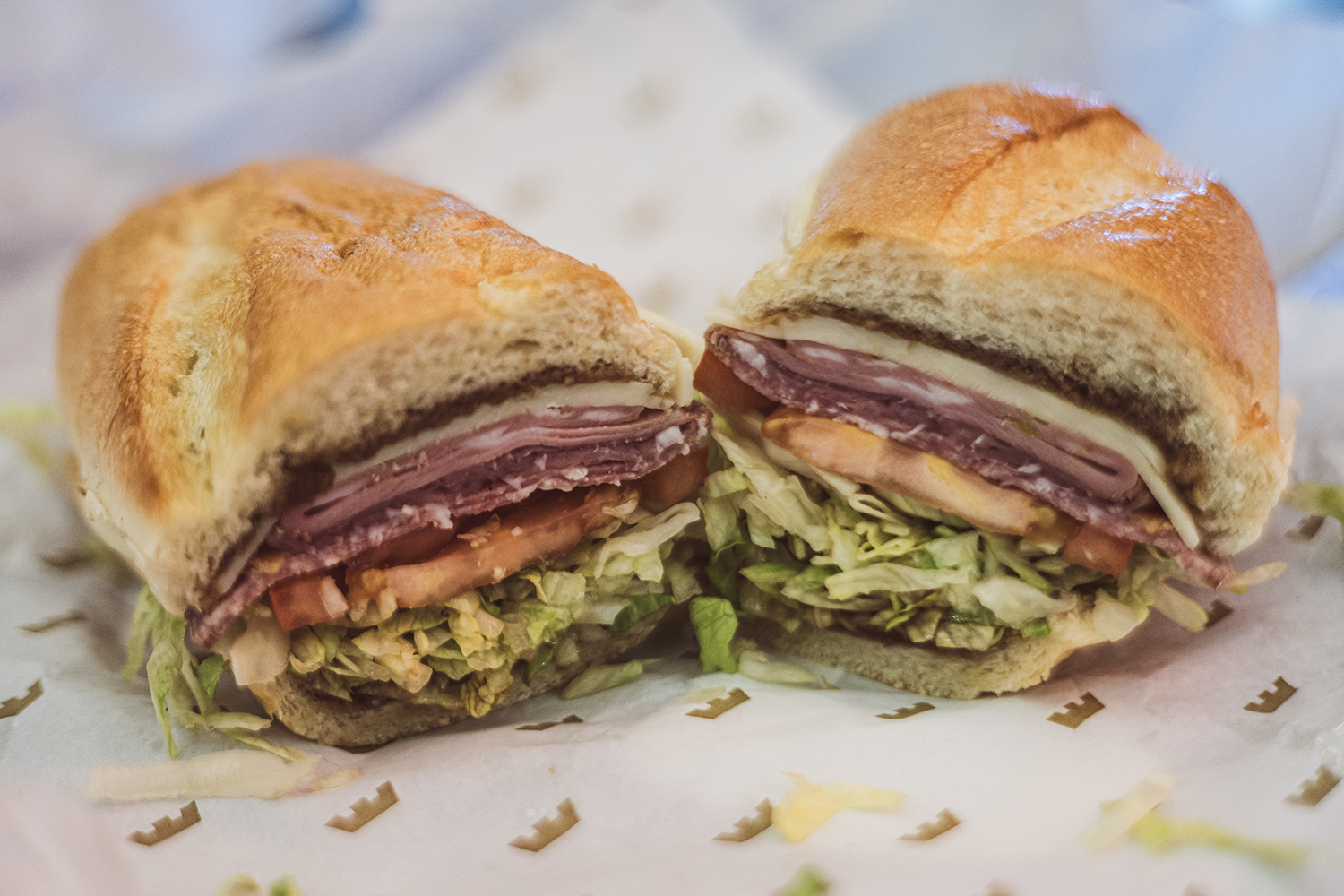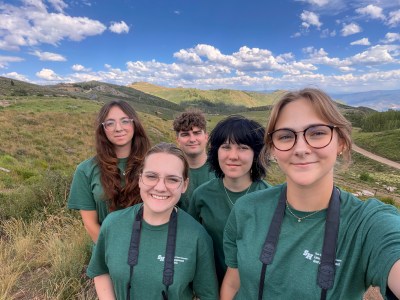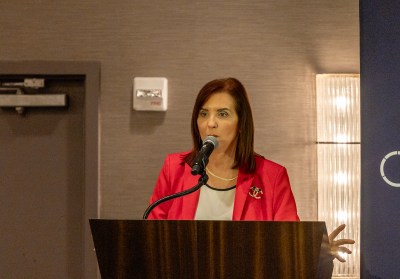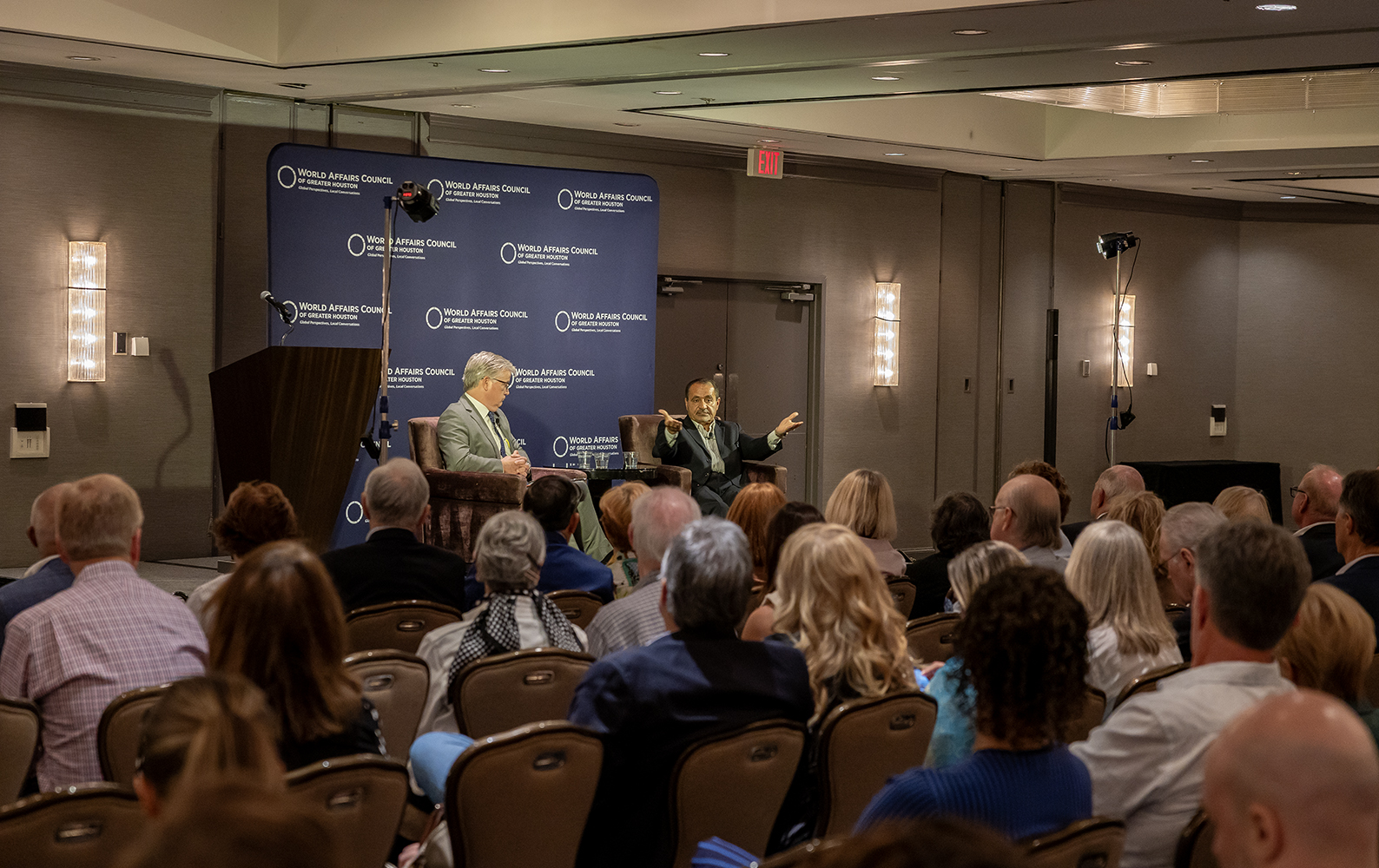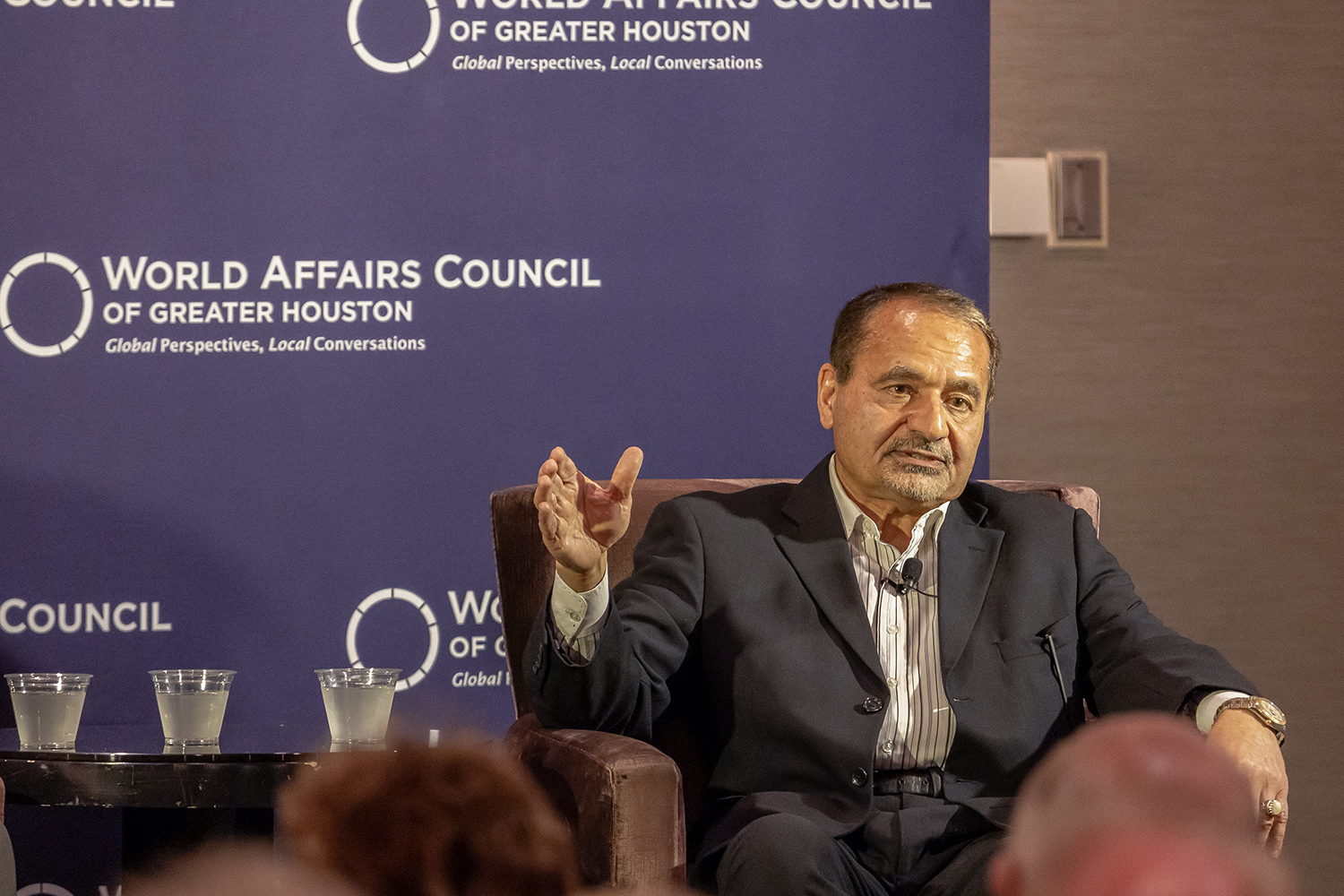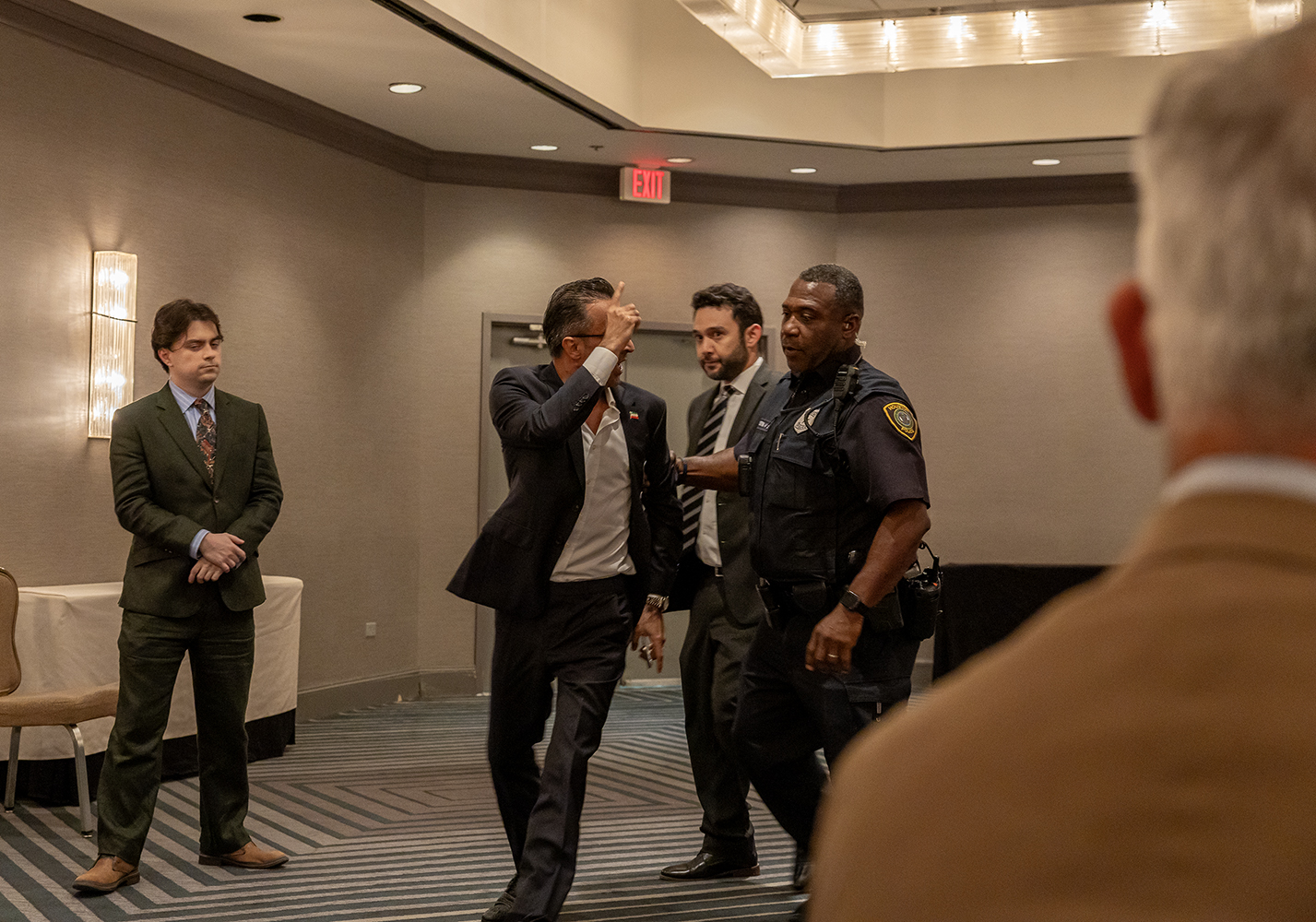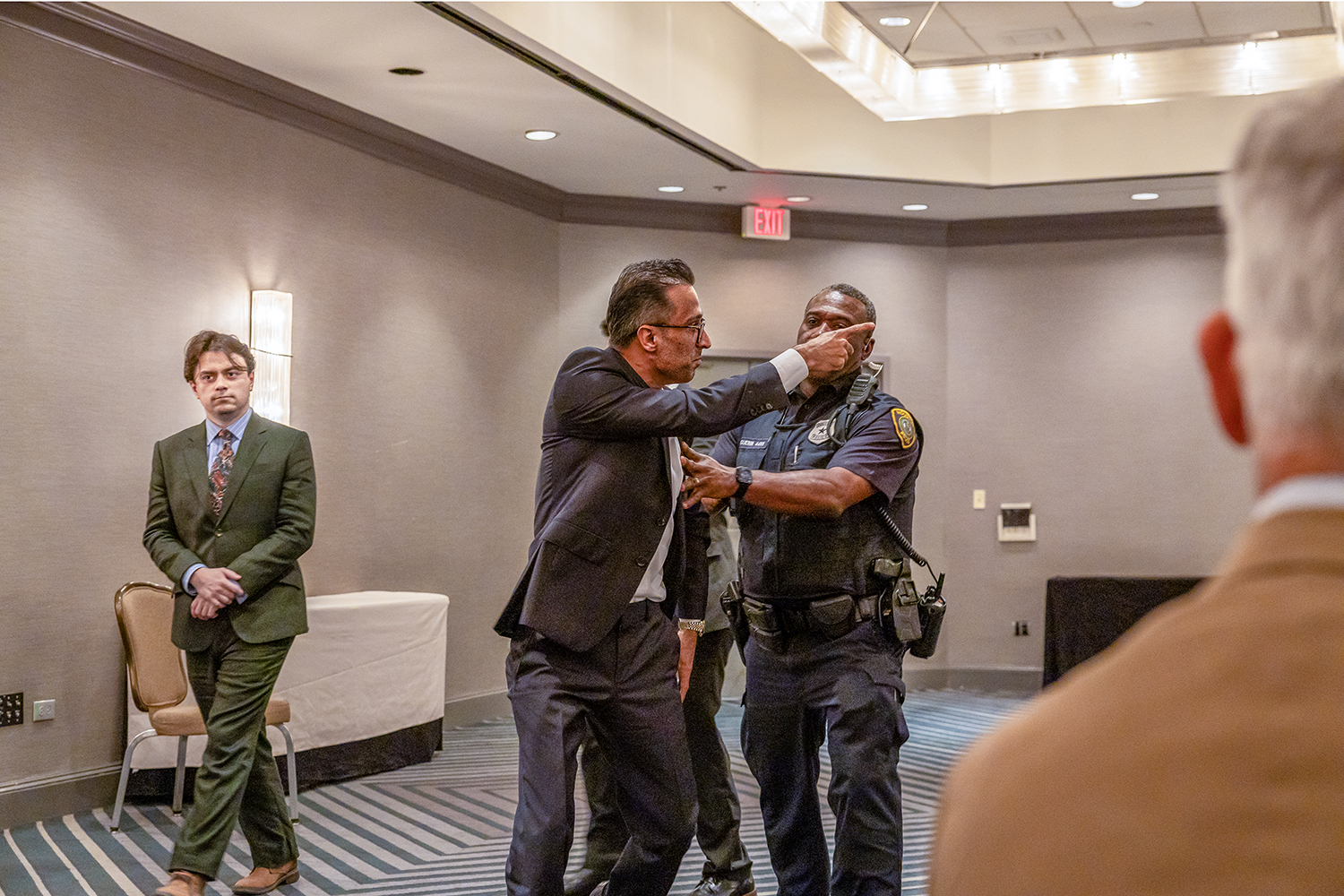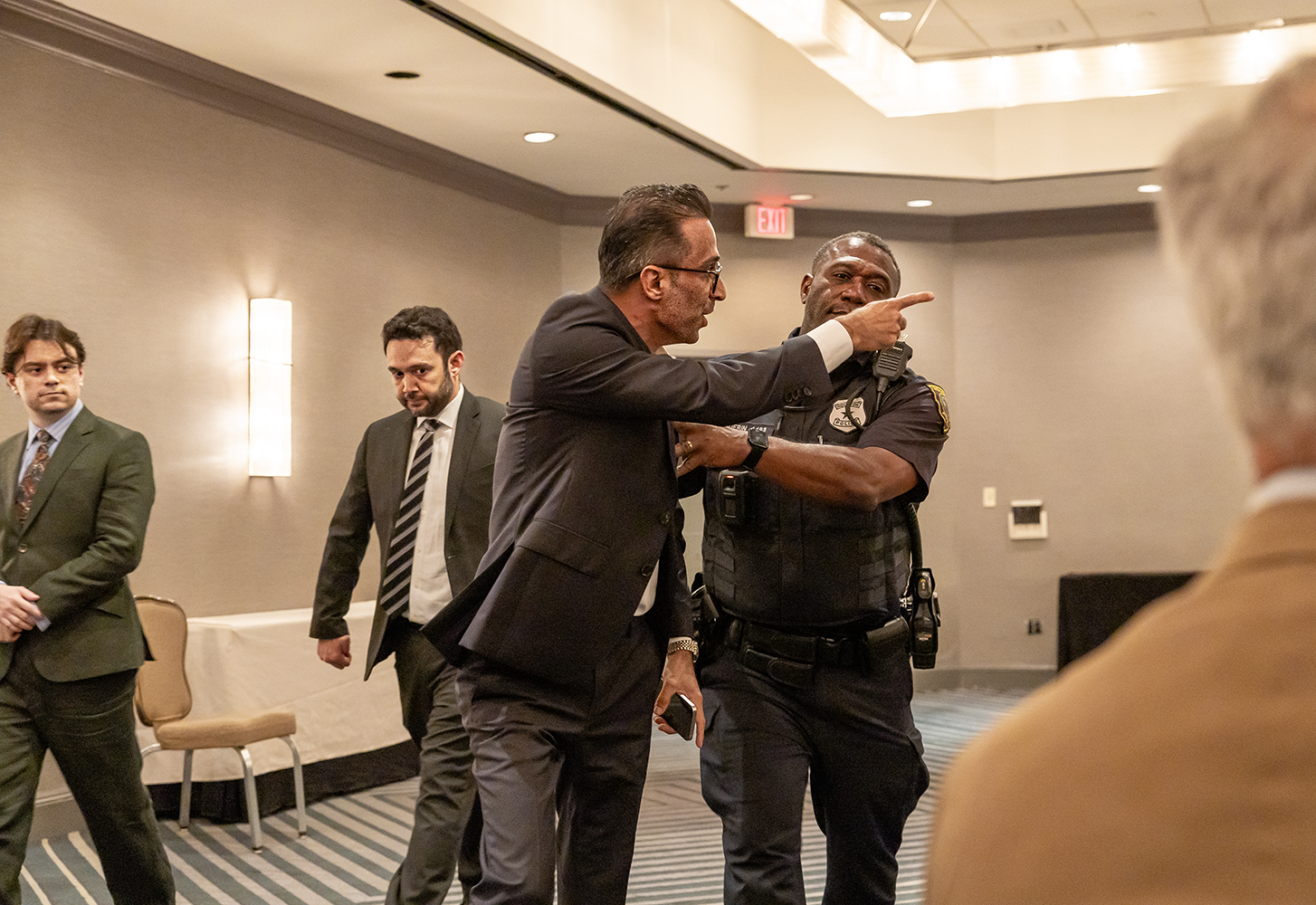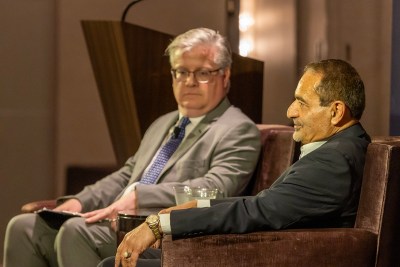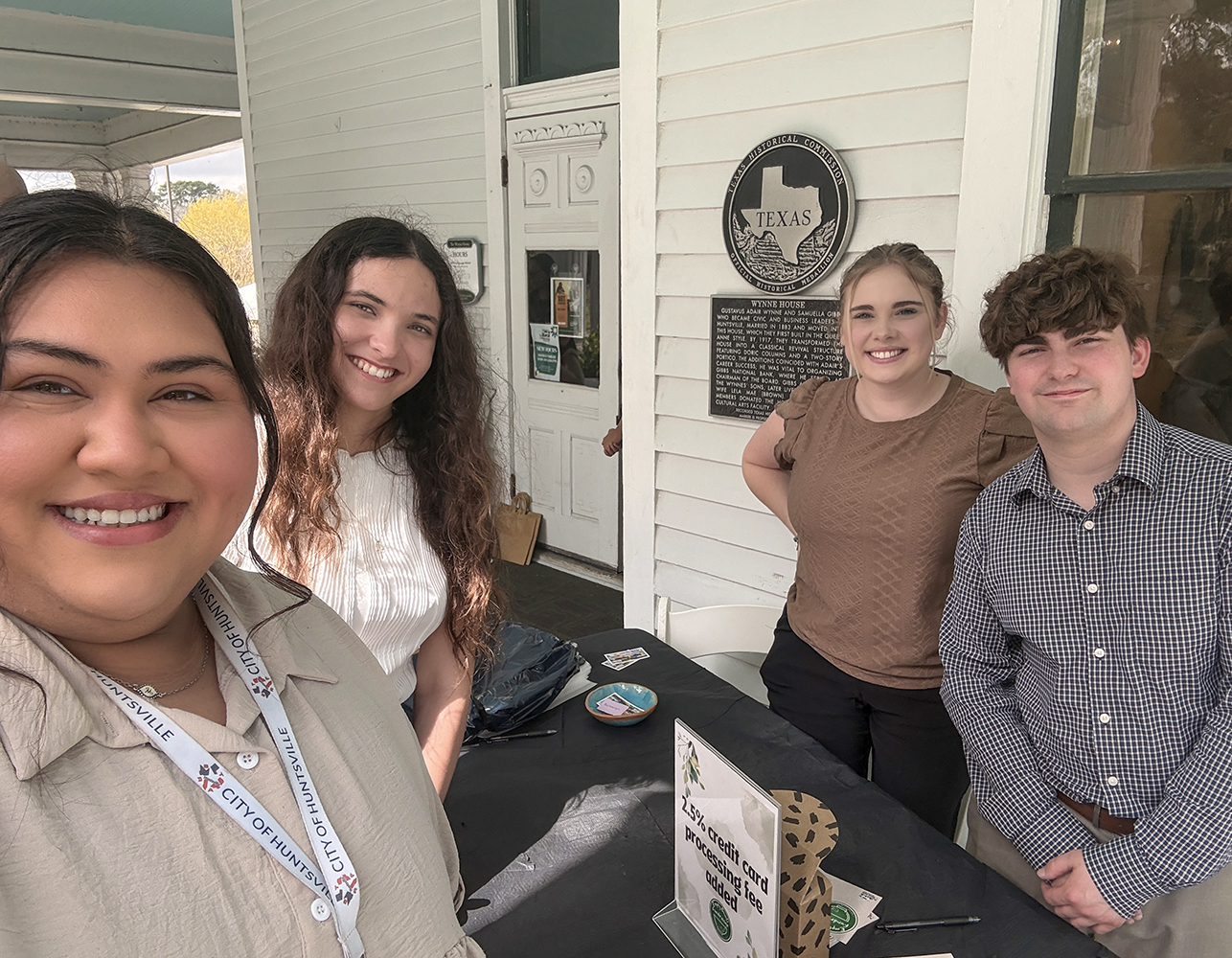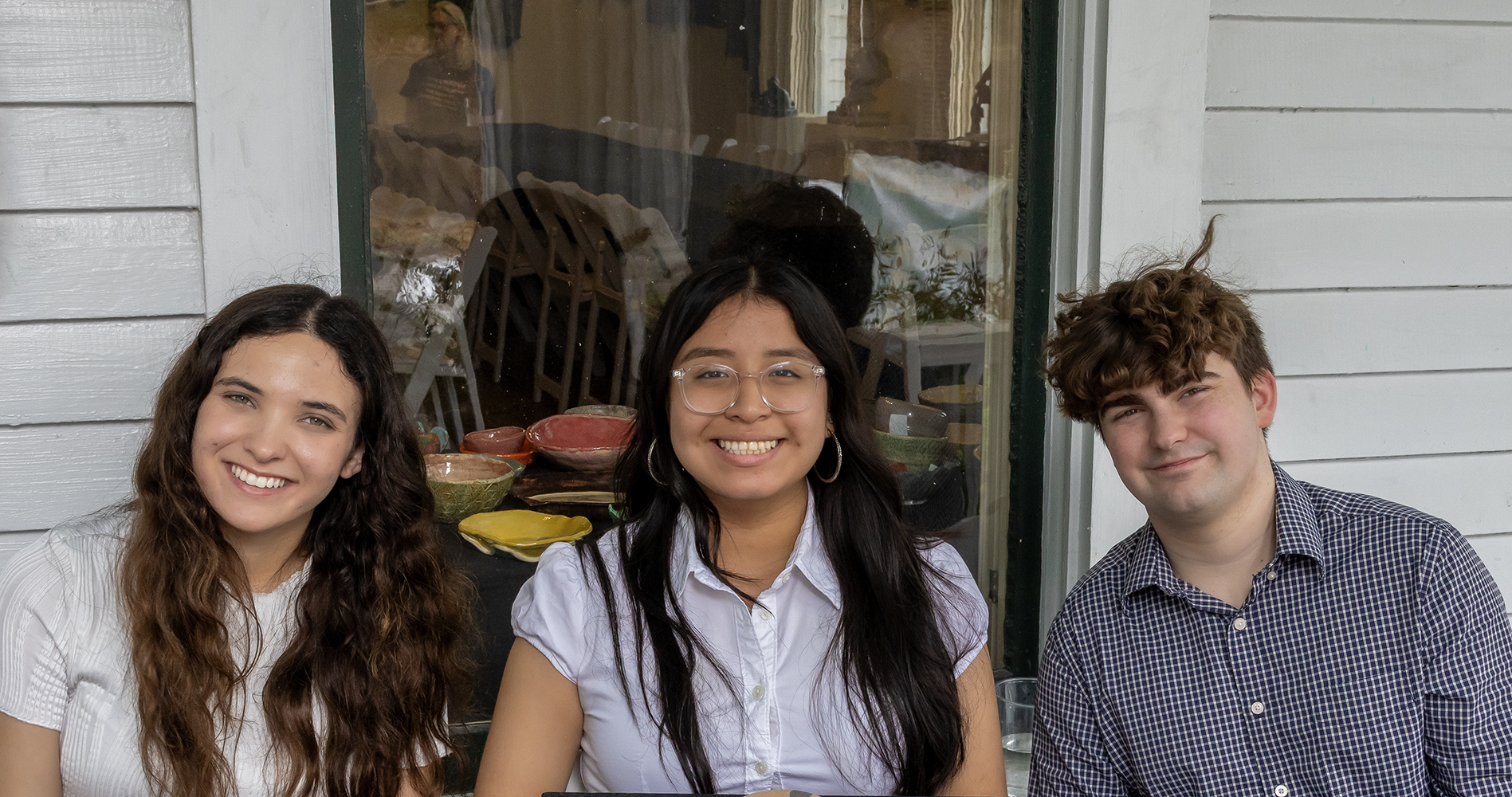
LEAP students added another country to its World Affairs Council culinary passport: Italy. While Italy is most known for pizzas, pastas and their ketchup-despising attitude, it is also known as the wine capital of the world. We learned more about wine and its profound impact on people’s lives.
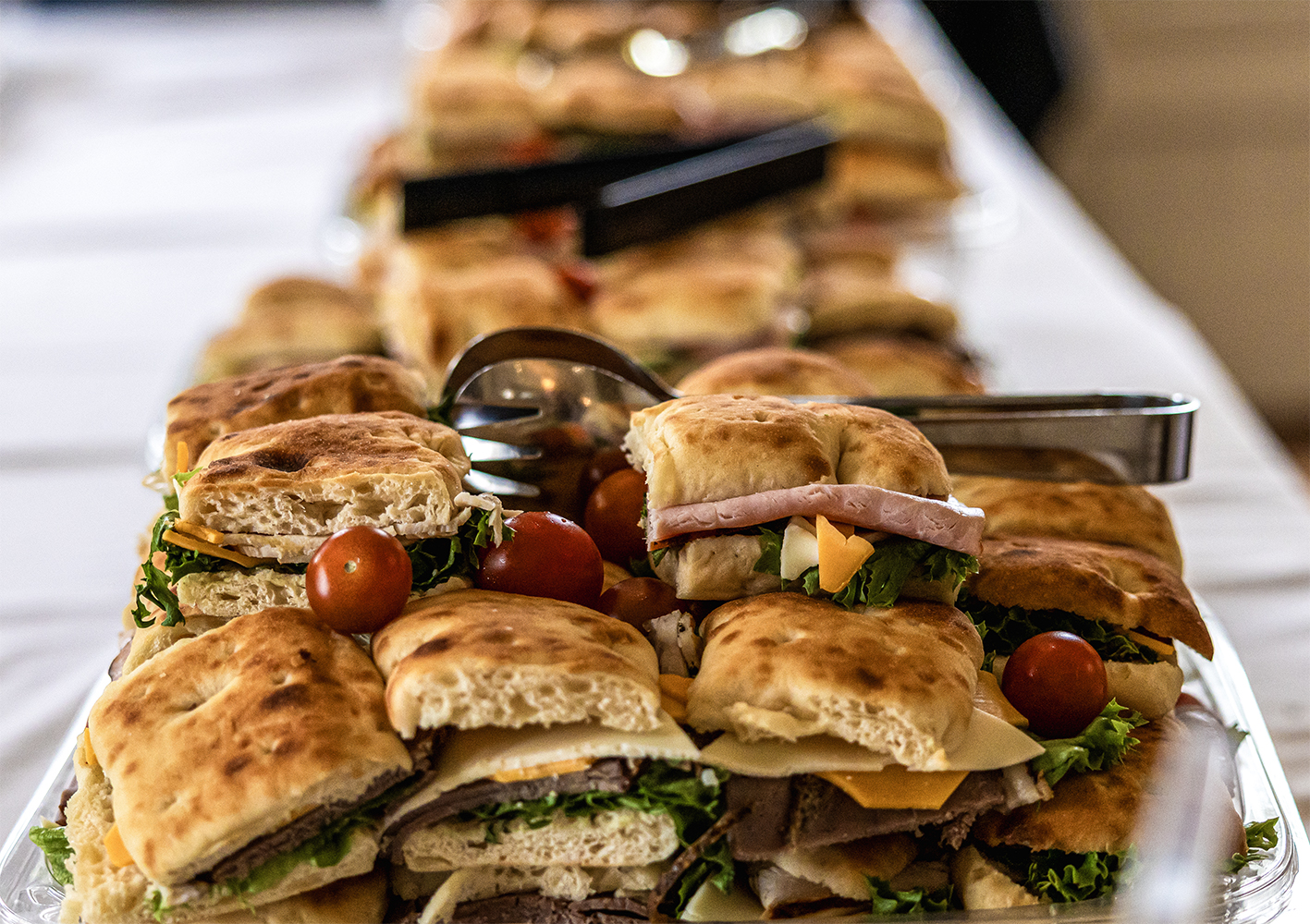
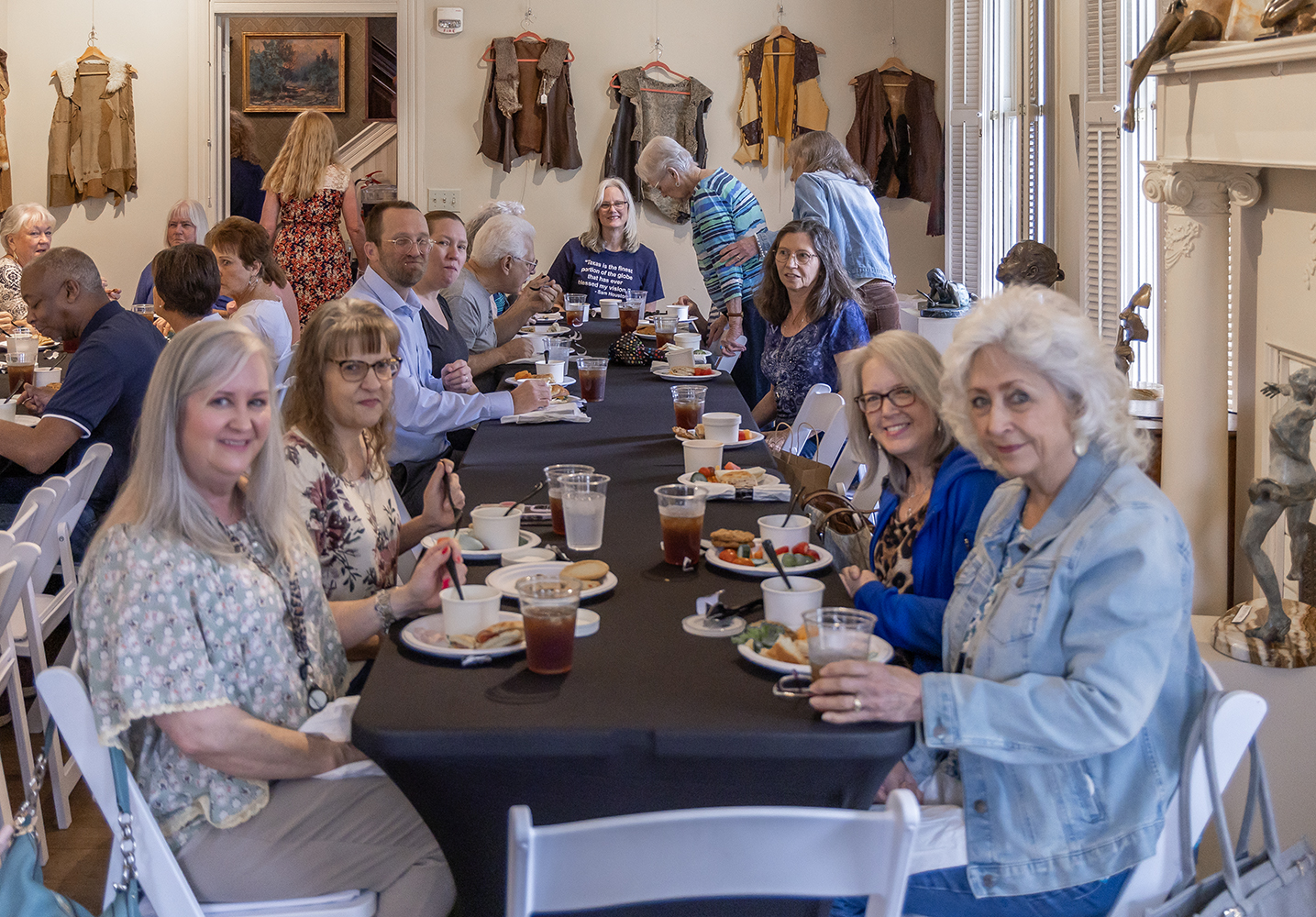
In true European fashion, there was plenty of snacking to be had, rather than a full-course meal. A variety of cheeses and meats ensued, and we spent time conversing in the beautiful Italian Cultural and Community Center.
The speaker for the evening, Ferdinando Favara, has grown up appreciating this aspect of Italian culture his whole life. His family, who has longstanding roots in the wine industry, have a vineyard in Sicily–which we came to learn is on the up-and-up in terms of regional “quality”. Favara helped his grandmother in the wine fields starting at just 14 years old.
Ferdinando spoke about how wine helps to bring people together. His “philosophy”, so to speak, is that wine creates stories, keeps stories alive, and connects people in a vital way. While LEAP students didn’t personally indulge in any wine tasting, it was fun to partake in the storytelling and learn about the many intricacies that come with a high-quality experience. Much like the efforts of the LEAP Center!
He also talked about the deep history of wine which started 3,000 years ago in Sicily. Sicily, which is the largest island in the Mediterranean, uses a terrace-type farming technique. It uses this form of farming because it has the largest active volcano in Europe! Our discussion then traveled to Piemonte, once the land of the King of Italy. While on the verbal excursion, we learned the king entrusted his vineyard to one of his servants (who was rumored to be one of his lovers!), a legacy that lives on today. This region is home to one of the oldest vineyards in all of Italy.
LEAP students truly appreciated attending another World Affairs Council program which has helped broaden our understanding of the world around us. While we didn’t engage in the wine component of the evening, we definitely appreciated Italy’s culture, history and significance in the wine industry.
The LEAP Center is known for its interdisciplinary adventures, and today was no different, as we visited another state capitol, the estate of literary lion, and a Guatemalan restaurant–in Hartford, CT, no less!
Connecticut State House
Nestled in the 41-acre Bushnell Memorial Park in Hartford, the Connecticut State Capitol first welcomed the General Assembly in January 1879 after eight years of planning and construction. A commission formed in 1871 selected architect Richard M. Upjohn, whose father also worked on the Boston Commons, providing us with generational and geographical continuity, even as we visit different sites built in different locations.
James G. Batterson supervised construction, and he significantly altered Upjohn’s design. Using marble and granite from New England, he built a beautiful sculpture that prompted the New York Times to note, that in the sun, the building “sparkled like a fairy palace of frost work.”
It didn’t sparkle on the day we visited; it rained, which also discouraged us from getting a shot of the exterior, but the LEAP Ambassadors of 2018 took a photo on a similar trip.
The building features a gold-leaf dome, and the structure is sometimes referred to as “high Victorian” and sometimes as “Eastlake,” a confusion caused, in part, by the competing visions of the architect and construction supervisor.
Both the exterior and interior feature emblems of the state’s past. One of the more interesting of these is the Charter Oak. Connecticut had a royal charter that largely gave it control over its own governance, but this was threatened in the late 1600s, when King James II tried to revoke the Charter and exert more control. When the King’s men tried to take the Charter, the colonists–Captain Joseph Wadsworth, in particular–took the document and hid it in a white oak tree, which is, not surprisingly, the state tree.
That tree became known as the Charter Oak, and although a storm toppled the tree in 1856, the wood was used to create other items, some of which can be found in the capitol. Its image is also featured on the state’s quarter and on a stamp.
Of course, the Capitol also houses both legislative chambers—the State Senate Chamber and the Hall of the House of Representatives—as well as offices for the Governor, Lieutenant Governor, and Secretary of the State.
It also houses “The Genius of Connecticut,” a 17 foot, 10 inch statue created by Randolph Rogers. The winged figure holds immortalis in her right hand; a mountain laurel (the state flower) in her right; and her head is wreathed in leaves from the white oak.
Formerly, “The Genius of Connecticut” was perched atop the capitol, but she was removed following a hurricane. The statue was melted to make ammunition during World War II. Fortunately, however, the original plaster model was found, and in 2009, a replica of the original was returned to the capitol, albeit in the rotunda rather than in the cupola/dome.
Aurora’s Restaurant
Texans believe that eating Latino cuisine outside of a border state is questionable at best and potentially dangerous. But we are not faint of heart, and we know that immigrants who know food are not limited in where they settle, so we happily braved the rain to visit Aurora’s Restaurant, which serves Guatemalan food, in Hartford, Connecticut.
The staff were welcoming and courteous. They spoke Spanish when not speaking to us, adding to what would prove to be a rewarding an authentic culinary experience.
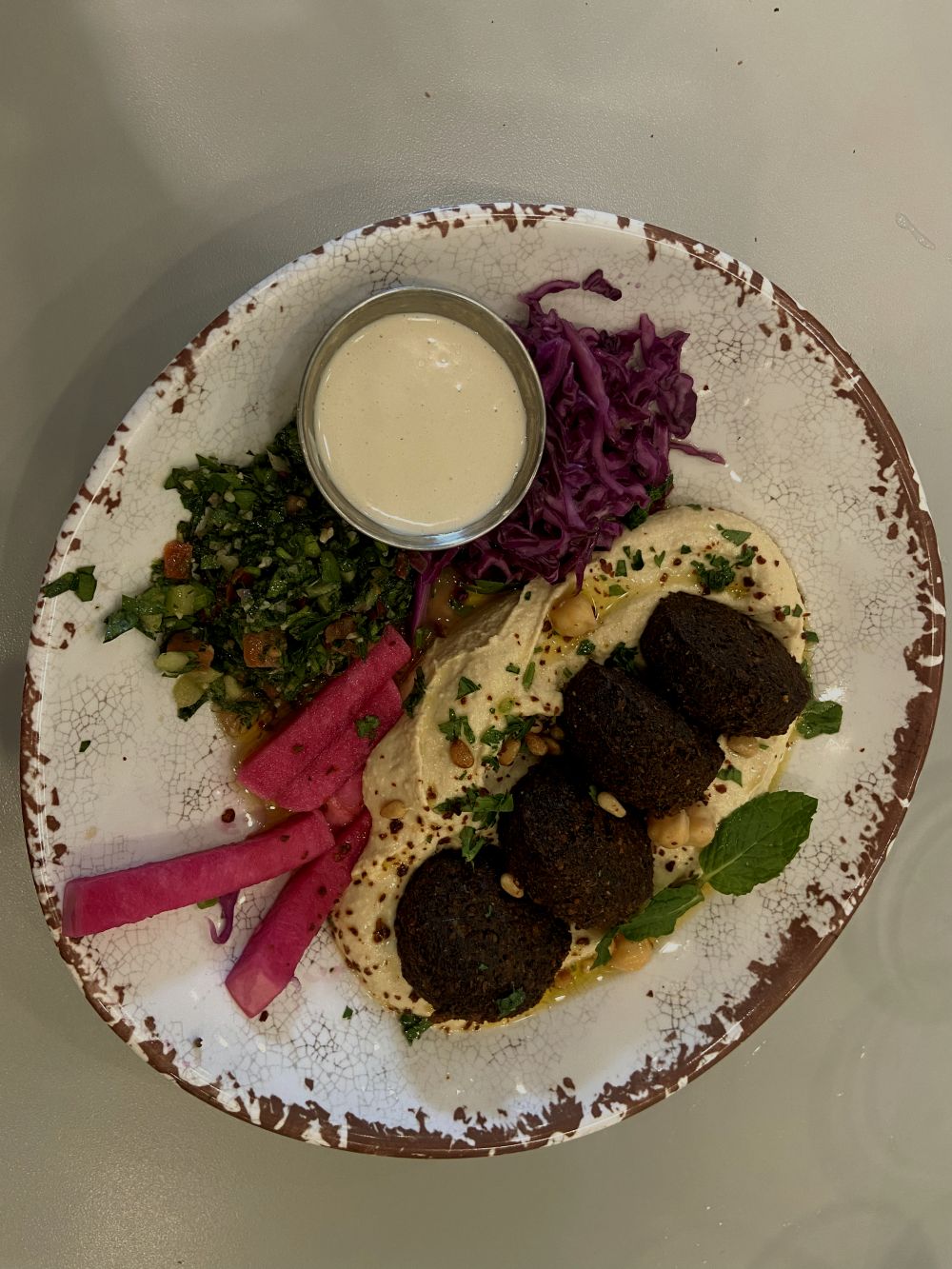
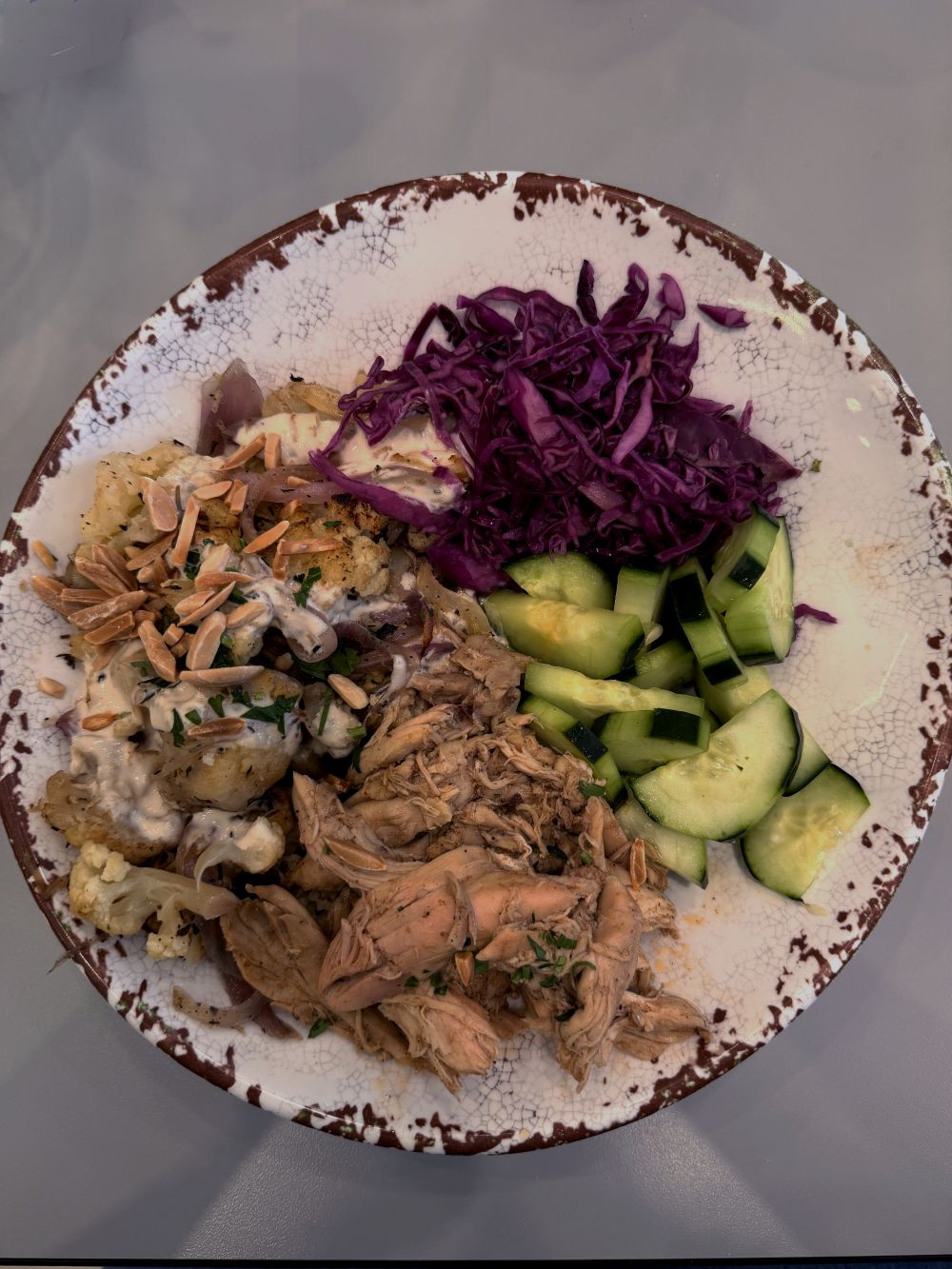
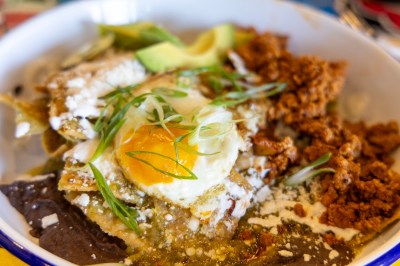
We sampled a variety of dishes, including the Burrito Bowl, Tortillas con Chorizo, an Aurora Bowl, and plantains–the latter drizzled with crema and topped with queso fresca. All of the dishes were excellent, but the plantains were among the best we had ever had.
We left with full stomachs, and also ever more aware that, to paraphrase Mark Twain, travel is fatal to preconceptions.
Mark Twain House
by Olivia Discon
Samuel Clemens—better known as Mark Twain—was one of America’s most influential authors and storytellers. His works such The Adventures of Huckleberry Finn and Life on the Mississippi are classics. But while his writing is widely known, fewer people know about the man himself, the life he led, or his stunning Victorian home in Hartford, Connecticut.
We weren’t allowed to take photos inside, but our tour guide, Josh, brought the house to life with vivid stories. The home has had many lives—at one point an apartment building, later a school, and even a library—before being restored as a museum. Over time, renovations stripped away original touches, including designs by Louis Comfort Tiffany (which, to my dismay, were once considered unfashionable). Thankfully, the museum has worked to restore the home as closely as possible to how it looked when the Clemens family lived there, guided in part by the memories of their daughter, Clara.
The library was the most charming room. Its mantelpiece, a hand-carved work from Ireland, is extravagant. Whimsical portraits—a cat, a rabbit, and a woman in blue affectionately named Eveline by the Clemens daughters–hung on the walls. Each night, Twain would spin bedtime stories using these characters. If he ever repeated a storyline, his daughters would call him out, forcing him to start fresh. According to Josh, Twain may have done this intentionally just to test whether they were paying attention. The library also included a small conservatory filled with greenery, along with a decorative frog—a playful nod to Twain’s famous short story, The Celebrated Jumping Frog of Calaveras County.
We also visited Twain’s office, which doubled as his billiard room. It was here that he wrote, smoked cigars, played pool, and paced while working through drafts. A shelf of cubbies held his unfinished manuscripts—something I secretly envied.
The house also carries the weight of the family’s tragedies. Their daughter Susy died of meningitis in the home at just 24 years old. And, owing to financial difficulties, the family eventually had to sell the home, much to Twain’s chagrin.
Even with its history of sorrow, Twain often described the Hartford house as the setting for some of the happiest years of his life. It was, he noted, “the loveliest home that ever was.” Walking through its cozy, richly detailed rooms, we found ourselves understanding that sentiment.
Photo Ops
Following our day in Hartford, we headed north, toward Stockbridge, MA, preparing ourselves for another full day tomorrow. But along the way, we stopped to see Herman Melville’s home, “Arrowhead”…
Herman Mellville’s “Arrowhead,” (Photo by Daderot)
…and “The Mount,” the home of Edith Wharton.
Edit Wharton’s “The Mount” (Photo by David Dashiell)
Concluding Thoughts
It’s difficult to organize disparate adventures into a memorable and cohesive learning experience. But through some preparation, a desire for new experiences, and an open mind, we managed to see quite a lot and assimilate almost as much. A beautiful state capitol designed by Richard M. Upjohn, a great Guatemalan restaurant in the heart of Hartford, and the “loveliest home that ever was” by the quintessential American author–all in the day of LEAP Ambassador.
It was a day to remember: we had already luxuriated in the extravagance of the Newport Mansions; enjoyed the sun, the wind, and the rush of parasailing. And still we had much to do. We wanted to spend a little time on the beach on Aquindeck Island, seeing wildlife and enjoying the coastal breeze; trying some of Rhode Island’s tastier dinner spots; and witnessing first-hand the famed installation art Waterfire.
Aquindeck Island
You might be forgiven if you think that Rhode Island is surrounded by water. That is, after all, the definition of an island. But the state of Rhode Island isn’t an island. Originally, Rhode Island consisted of settlements such as Newport and Portsmouth, which are, in fact, on an island, plus the territory on the mainland (Providence). This, then, is the Rhode Island in the State’s name, which was technically, “Rhode Island and the Providence Plantations.”
No one, however, used the full name of the island. Still, the State stuck with “Rhode Island and the Providence Plantations” for some 300 years, only changing its name officially in 2020.
Nonetheless, Rhode Islanders do have quick access to the shore; in fact, by our calculations, everyone in the state can get to the ocean or a bay in less than 35 minutes. It may not be an island, but it can fairly call itself “The Ocean State.”
Accordingly, as part of our Rhode Island explorations, we spent considerable time alternating between land and sea–and, as we noted in our prior blog, the air.
But we also wanted a closer, more tactile feel of the Rhode Island Coastline. So we drove along Ocean Drive, walking on the rocks; traipsing along the shore, where the wet waves tickled our feet; and overall gaining a different sensory perspective of Rhode Island.
We saw more evidence of the wealth that populates the coastline…
…and we observed and listened to some of the coastal wildlife.
It was, as the photos attest, a very different experience than the beaches with which we were familiar (e.g., Galveston).
All this touring, parasailing, beachcombing, and wildlife watching helped us build up a hunger, which made (most of) us think of seafood. To that end, we researched restaurants en route to our evening conference destination, and we found Track 15, a food court on the river.
Track 15
What kind of dining establishment, you ask, is named “Track 15?” In this case, it is a dining destination at the former Union Station (1898), which housed 14 separate railroad tracks. The food court, then, is an extension of a key transportation hub in Providence’s history, the 15th Track.
The 15th Track doubles as a “third place,” a place that brings people together while also allowing the past and present to intermingle. The restaurants are adjacent to Providence’s Waterplace Park, an urban park where the land and sea merge and people gather, coming together. Even the experience of dining is reimagined, bringing the past to the present: some of the eating establishments offer menus in the shape of arrival/departure boards of the old railroad stations; and the table tops on which we and others ate were made from wood recycled from the old rail cars.
True to Rhode Island’s proximity to the sea, we enjoyed an excellent (small) seafood platter (clams, mussels and shrimp), fish, and a lobster roll.
But we mixed it up a bit, and we also tried some pasta; true to the spirit of being in a former transportation hub, we also wanted some food more common to other places.
The food was excellent. The pasta was hand-rolled and featured subtle flavors that came together just right. The lobster was creamy and fluffy; the fish buttery and flaky; and the seafood platter a surprising variety of flavors: the clams were sweet and light; the mussels more tender and briny; and the oysters clean and less salty than one would imagine.
We also enjoyed the people watching. There is both indoor and outdoor seating, and the latter features games, versatile seating, and alcoves. People played cornhole; mothers danced and laughed with daughters; and others just relaxed and listened, delighting in the nice weather.
Following this enjoyable sensory experience, we ambled on to our next stop, Waterplace Park.
Waterfire
To end our day, we attended a reception in downtown Providence organized for us by the Council of State Governments and operated by WaterFire , a nonprofit dedicated to revitalizing city life through visual and performance art.
We set up stations and split into two groups to capture different photos and videos of the evening. Hundreds of people were in attendance, including legislators, conference participants, local residents, and passersby.
As the crowd filled the beautiful space, the event began with a ceremonial gong. An eclectic playlist emanated from speakers in the park. Myriad musical styles were represented: African, Latino, 60s Rock, Classical, Rap, and Alt-Contemporary. The music was selected consciously, offering a global scope to the ceremony, reflecting the goal of bringing people together.
The installation sculpture incorporates the world’s four elements. humans sit on the earth surrounding the water. The Fire Dancer enters…
…while fire starters and fire tenders light logs on fire, and as the wind sweeps along the river, sparks fly in the air.
Conceived as performance art, the ceremony is multi-sensory: the sound of the music, the touch of the wind and the heat on the skin, the smell of the fire, and, of course, the visual spectacle of a fire coming forth from water.
The event was effective in stimulating our senses, while also playing with our expectations. What we all agreed on was that it was a thought-provoking and interesting event that brought strangers and friends together while highlighting the beauty of Providence, Rhode Island.
It was a sense-sational way to end a full day in Providence, Rhode Island.
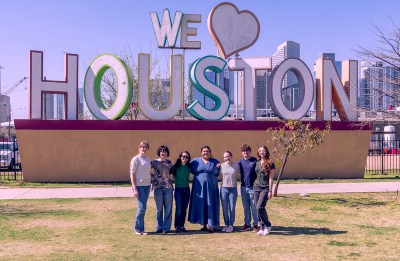
During the summer months, LEAP students are a far-flung bunch, with students across the state of Texas–and beyond. But, when possible, we get together for education, conversation, and, of course, food!
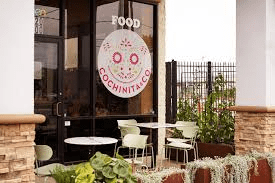
At the right restaurant, food can also be a learning opportunity, and that was certainly the case when we visited Cochinita & Co, led by Chef Victoria Elizondo. Indeed, we were fortunate to visit when Chef Elizondo was there, and she graciously spent a generous amount of time with us.
Chef Elizondo specializes in Mexican “comfort food,” but it’s a misleading appellation. The food is made with quality ingredients, technical skill, and a commitment to tradition, with more presentation than would be expected at a typical comfort food restaurant.
Perhaps that is why she has twice been nominated by the James Beard Foundation as the top Chef in Texas–a huge honor. It was, she told us, a surprise. Ten years ago, she was working as a pop-up chef, and then a food-truck chef. So, even when she had a storefront and had published her book, “Taco-Tastic”…
…she was not prepared for the texts coming in telling her she had been nominated. It wasn’t, she noted, on her radar.
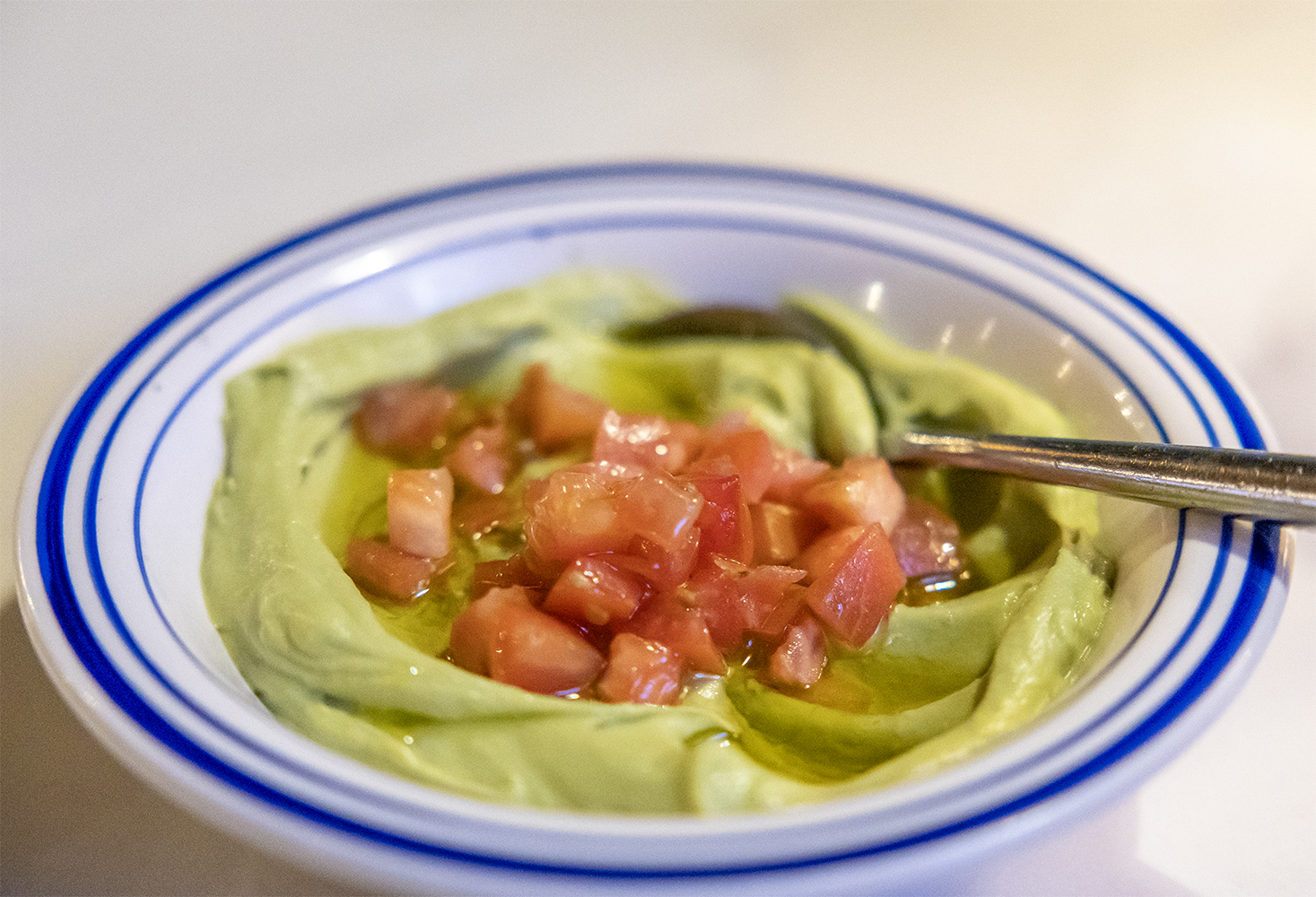
The quality of her food, however, makes it clear why she was on the James Beard Foundation’s radar. Knowing her reputation and responding positively to the restaurant’s excellent service, we tried a broad variety of food. We began with the Guacamole and Chips (savory, with a little kick, and “addictive”)…
…and the Elote. The latter had less of the cream often used in restaurants, but it had more flavor, and it was a table favorite.
Among the eight of us, we had five different entrees: Shrimp Tacos (very good, a chef’s recommendation)…
…Black Bean Tamales (“the most tender masa I’ve had,” noted Mikaela)…
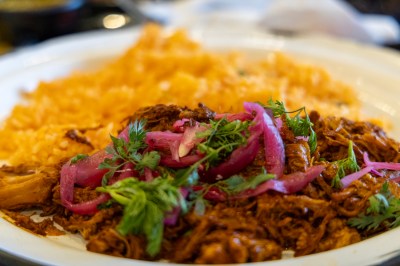
…Cochinita Pibil (Michelle and Mike’s vote for best entree on the table)…
…Chicken Adobo Bowl, the El Arcoiris bowl, and the Pineapple Shrimp Bowl.
For dessert, we had a cookie (large!) and Tres Leches, the latter being another immensely rewarding standout.
It was a pleasure to sample Chef Elizondo’s concoctions, which combined the traditional and the creative. It was an even greater pleasure to meet and speak with her, to hear about her story, and to see–and taste–the love and passion she puts into each dish.
Over the years, the World Affairs Council (WAC) has exposed LEAP students (and many other students) to new cultures, concepts, and speakers, greatly enriching our education. Last week, WAC did it again, offering an intriguing look at the culture of the Philippines in another of their “Culinary Passport” series featuring moderator Saege Anzueto; Dr. Riza Mauricio, a Professor at UTHealth Houston; Cybil Pallugna-Saenz, President of the Filipino American National Historical Society; Nathaniel Uy, President of the Filipino Graduate Student Association at Rice University; and artist Nixxio Castrillo.
The event was held at Houston’s Gerry’s Grill, a restaurant that originated in the Philippines, then migrated to California, before reaching its apex in Houston. With approximately 40 guests for this event alone, the restaurant provided a wonderful menu that included Lumpiang Shanghai (Filipino eggrolls), Chicken Skewers, (probably) Bistek Pinoy, Pancit Bami, and Chop Suey. The food was wonderful; the restaurant did a great job curating the food choices. Although everyone expressed satisfaction with all the meals, there was probably a consensus that the Bistek Pinoy was especially good, both tender and flavorful.
The speakers offered perspectives that were as diverse as the food. Professor Mauricio, not surprisingly, stressed the importance of Filipinos in health care, noting the large numbers and impressive contributions that Filipinos have made in nursing, particularly at the Texas Medical Center.
She noted with pride that May 13 of this year was named “Filipino Nurses Day,” while also noting with some regret that it took so long for these contributions to be recognized.
Pallugna-Saenz discussed the contributions the Filipino American National Historical Society has made in archiving Filipino contributions, while also expressing a desire to grow the organization.
Nixxio Castrillo made note of his approach to art, highlighting some of the materials he uses (copper, brass, stainless steel) which require a detailed, nuanced approach–much like that of fine jewelry–to achieve the desired effect.
And Nathaniel Uy spoke specifically to the young professionals in the audience, encouraging them to build a foundation for their future careers, take risks, and to treat the world “as [their] oyster. He knows of which he speaks.
When he left the Philippines to attend Rice, he scheduled a visit with the Filipino consulate. He wanted help adapting to a new country, but he also, as he put it, “just wanted the Consul to know who I was.”
As we have come to expect at WAC events, the evening was informative, interesting, and not least, tasty. We enjoyed meeting the distinguished speakers, other guests, and, of course, seeing our friends at the World Affairs Council.
It’s always fun at a World Affairs Council event, especially when food is involved, and tonight was no different.
Now, with my professional excursions at the Capitol finally coming to a close, I tried to make the most of my time in the state’s capital. It wouldn’t be a good LEAP experience if I hadn’t tried to make the most of my time.
With it being Juneteenth, it only made sense to begin with the state capitol’s Texas African American History Memorial by Ed Dwight. It is not only a beautiful statue, but a thought provoking one.
A Tour of University of Texas Campus
There’s no denying that UT’s campus is beautiful. But I don’t think I fully appreciated just how stunning it is until this visit. I knew they had a strong art presence, but I didn’t realize just how much until I found out there are five different suggested paths for an art walk. The variety alone is sort of insane.
I cherry-picked some of the pieces that I wanted to ensure I saw before I left, being that I couldn’t decide on a path.
Indeed, the theme for this part of the day was indecision.
I started at the Littlefield Fountain, which I learned will be part of a larger beautification effort to emulate the National Mall in D.C. One detail I especially loved: the statue of Athena was commissioned by a former UT Regent and sculpted by Pompeo Coppini—the same artist who designed Sam Houston’s grave in Huntsville. And no, I’m still not done talking about Huntsville.
What I liked most about this was that closer to the Main Building Tower, there is a statue of George Washington staring directly across to the Texas Capitol. Talk about a well-intentioned plan!
As I kept walking, I saw pieces by Mark di Suvero, Charles Umlauf (more on him later), and Willard Boepple, all of which added to the sense that this campus is part gallery, part institution.
I made my way over to the UT Law School. While I couldn’t go inside, I stumbled upon something unexpected: a statue of the school’s longest-serving dean—sculpted by none other than David Adickes! It was a comforting, serendipitous moment.
The law school path is no joke, and with so much uncertainty, taking the LSAT can feel like this unsurmountable force that tests your capabilities as an intellectual. I am trying to let that feeling pass, and focus on what matters, which is my commitment to serving and learning in everything I do. It might be a grueling path, but I imagine it’s a meaningful one. And while the statue couldn’t talk, I took it as a gentle nudge to keep pushing forward.
Taquero Mucho Austin
I do have a weird affinity for the color pink—but even I wasn’t prepared for Taquero Mucho. This place is very pink. It came highly recommended by a former LEAP ambassador, and after seeing it in Texas Highways, I had to give it a try.
I started with a flight of salsas (all good), paired with a slightly-magenta Jamaica, and went with a taco wrapped in a pink tortilla and a side of elote.
I thought it was pretty good, and definitely really pink.
Umlauf Sculpture Garden
This was, without question, one of the highlights of the trip. I hadn’t really heard of Charles Umlauf before spotting one of his pieces near UT Law, but after that, I was curious. The garden itself is tucked away in a quiet, green pocket of the city, and it just works so well with his style—there’s something peaceful about seeing his sculptures in a setting that doesn’t compete for your attention.
What I noticed almost immediately was how many of his figures seem to be looking upward—heads tilted, eyes cast toward the sky.
I’d seen that same pose earlier in The Family near the Business School and The Torch Bearers on campus (which also had smaller versions here in the garden). I couldn’t tell exactly what it meant, but there was clearly some intention behind it. It felt reflective, maybe even spiritual, though it wasn’t heavy-handed.
Some of my favorites were The Kiss, Prometheus, and The Poetess—each had its own tone, but they all fit into the broader theme of searching or reaching toward something. I found out later that Umlauf taught at UT for decades and leaned into themes like faith, human connection, and morality, so maybe that upward gaze wasn’t accidental after all.
Toward the end of my visit, I saw one statue that broke the pattern. Instead of looking up, this figure was looking down—almost like she was weighed down by something. She wasn’t in the center of the garden but off to the side near the parking lot, which made the whole thing feel even more intentional. It stood out, so I checked the placard—and of course, it was Eve with Apple.
I couldn’t help but feel giddy about that.. I’m not claiming to have “decoded” anything profound, but it was one of those moments that made the visit so pleasant to me.
There’s something satisfying about taking things in slowly and letting your mind wander a bit. I didn’t expect to enjoy the Umlauf Garden as much as I did, but it turned out to be exactly the kind of quiet, thoughtful stop I didn’t know I needed.
We stamped our passports once again—this time for Brazil—at the World Affairs Council of Greater Houston’s Global Young Professionals “Culinary Passport” series. Held at Tourão Brazilian Churrascaria, this experience gave us the chance to explore Brazilian food and learn more about the country’s growing role in clean energy.
For about half of our group, it was the first time at a Brazilian steakhouse. We were joined by Dr. Elise Herrmann and Dr. Jamile Forcelini, both professors at Sam Houston State University. Dr. Hermann recently completed our Citizenship Prep course (and just this week, earned her citizenship!), and it was great to have her with us for an evening that touched on both international culture and policy.
During dinner, we heard from two speakers involved in the energy sector: Fernando C. Hernandez, who founded the Society for Low Carbon Technologies…
…and Taís Soares, who works in business development at Vallourec.
Their focus, through moderation by Eli Quezeda, was on carbon capture, utilization, and storage (CCUS)—a process that removes carbon dioxide from the air or from industrial sources and stores it underground to keep it from entering the atmosphere.
One of the main ideas they touched on was being part of “Track 1.5”: a policy and technology goal aimed at keeping global temperature rise below 1.5°C, which is seen as a critical threshold to avoid the worst impacts of climate change.
To hit that goal, they emphasized the need for both policy and private-sector innovation to move fast, which is where projects like Brazil’s carbon storage law come in.
Their innovative carbon capture methodology is actually quite interesting: emissions are captured from factories or plants, compressed, and then injected into rock formations deep underground where they can stay for centuries. It’s not a silver bullet, but paired with other strategies, it can make a real difference. The speakers explained that these technologies are already being used and expanded in places like Brazil, which is becoming a global leader in this space.
Although some of the science went over our heads, it was a good reminder that global issues depend on people from many backgrounds and countries working together–while also having the chance to interact and enjoy great food.
As always, we’re grateful to the World Affairs Council of Greater Houston for putting together events that are both fun and informative. And we’re glad to keep expanding our knowledge (and our palates) one country at a time.
Throughout the evening, there were multiple conversations taking place, some filled with friendly laughter, while others centered on the cases scheduled for the following day. Some exchanged thoughts on the legal questions involved, as some of the cases have some interesting aspects that could have greater implications on the legal field.
Clerk of the Court Sherry Williamson shared stories from her early career, including her time serving as clerk of the Eleventh Court of Appeals in Eastland, Texas. While reflecting on her time there, she mentioned “Ol’ Rip,” the legendary horned toad that Eastland is known for. According to local lore, Ol’ Rip survived a thirty-one-year hibernation, only to later pass away from pneumonia. The toad is now on display at the Eastland Courthouse!
Ol Rip in a custom-made coffin at the Courthouse
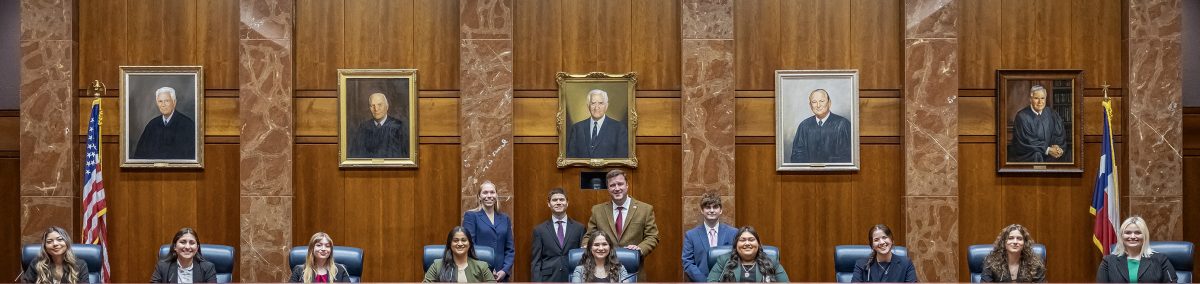
While speaking with SHSU LEAP students, Chief Justice Johnson shared his journey into law. He spoke about his early career as a practicing attorney and the transition into becoming a judge. He first served as Justice of the Peace in McLennan County, then as Judge of the 54th District Court for fourteen years, before being elected to the Texas Tenth Court of Appeals in 2020. During the conversation, he emphasized the importance of gaining trial experience for those who aspire to serve on the bench.
Judge David Moorman also spoke highly of the opportunity for students to observe the appellate court in action, calling it a unique and valuable educational experience.
The event served as both a warm welcome to the visiting court and a reminder of the strength and collegiality within the local legal community. The justices will hear three cases at SHSU tomorrow, including two driving while intoxicated cases and one involving injury to a child. The Center for Law, Engagement, and Politics continues to be grateful that the Texas Tenth Court of Appeals visits Sam Houston State University each year. The event offers a multitude of valuable learning experiences. You can read more about the event here.