Intermediate Grassroots Politics: Election Day

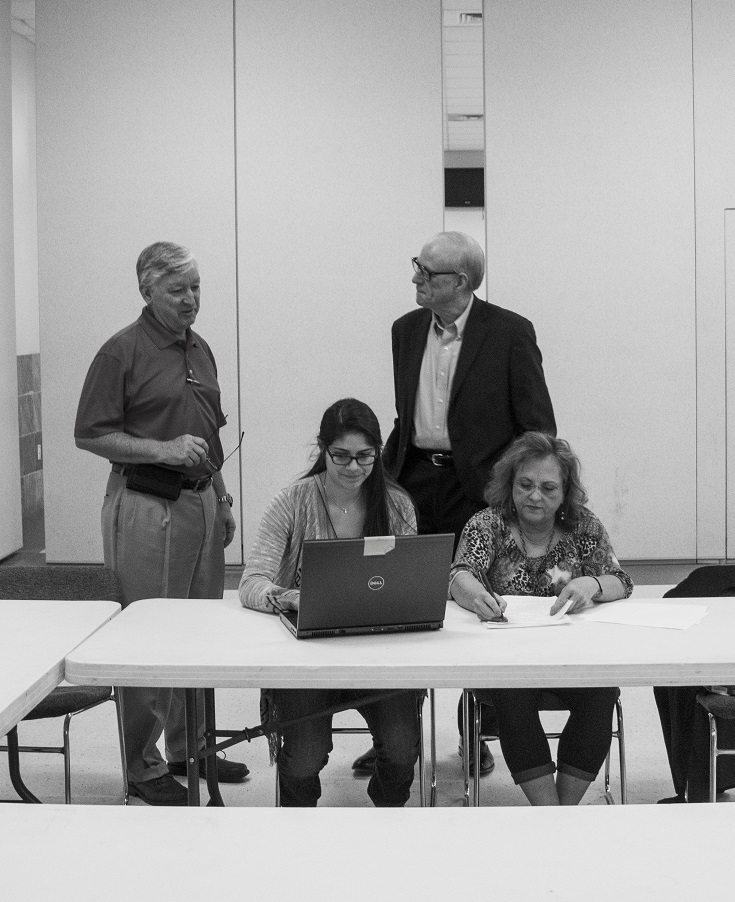
Often, we hear politicians talk about revolutions that must start on the grassroots level, but most of us either do not know what that means, think its political jargon, or we wonder if it means the people holding signs and handing out pamphlets in front of the voting office door. To find out the meaning of grassroots for ourselves, we (Alex, Megan, Austin, Brittany, Bella, Casey, Jessica, Christina, Alex, Jasmine, and Bryan) took part in various election-day roles.

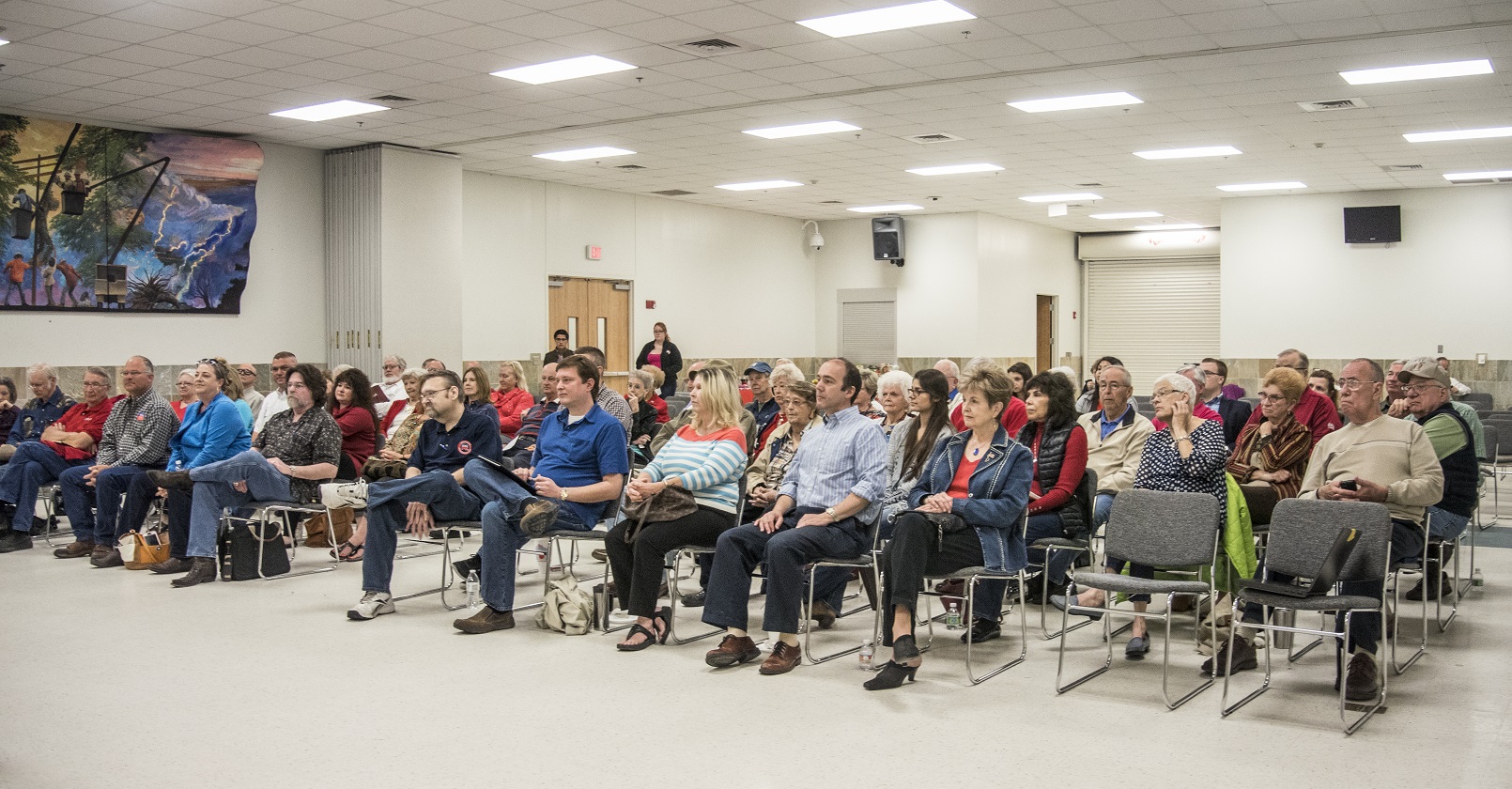
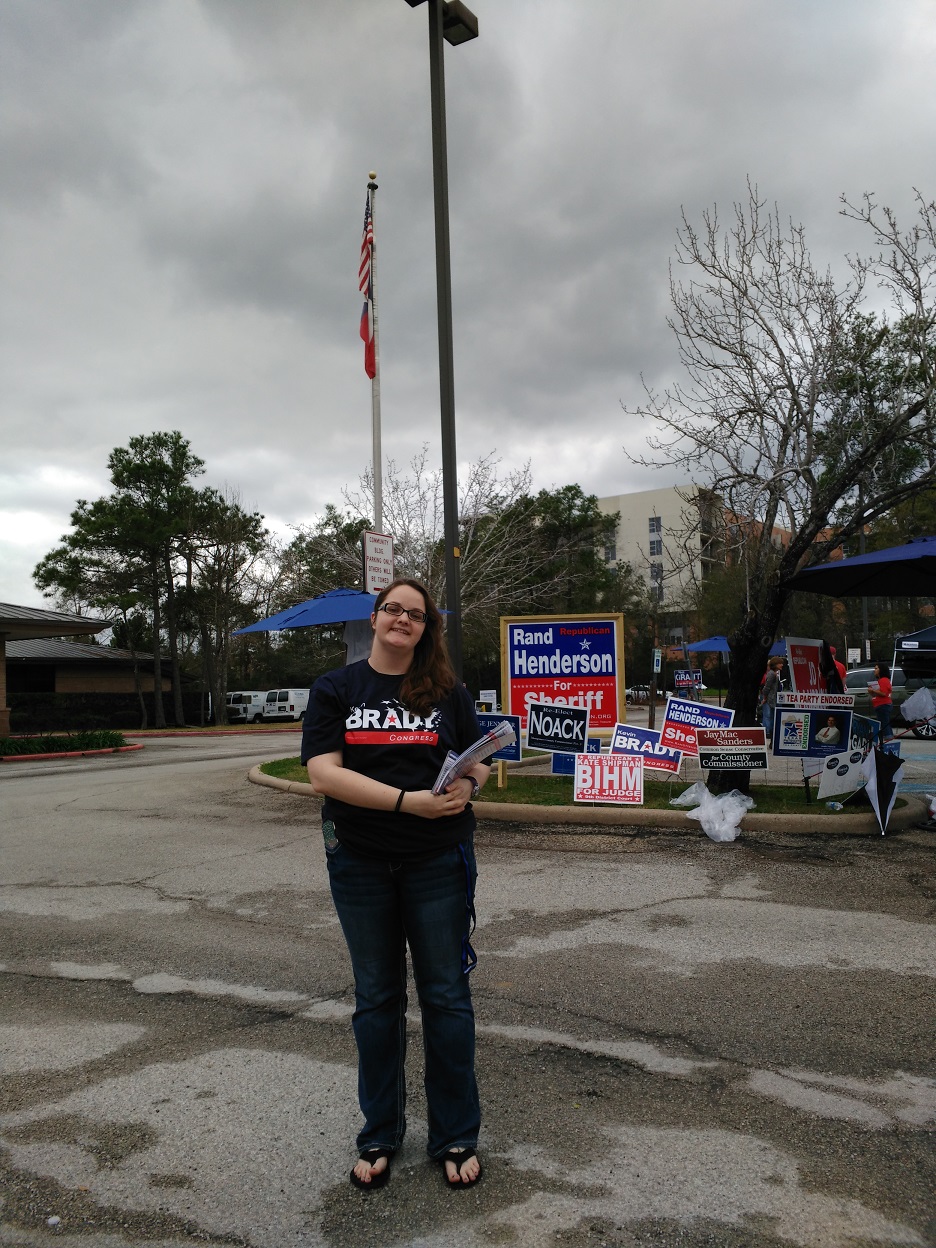
On March 1st, one of the biggest elections days nationwide with eleven states holding their primaries, I rushed from my class in Huntsville all the way to Conroe, where I was stationed outside Greystone Hills Community polling center, a neighborhood along I-45.  Surprisingly, I soon found out that there are rules to what exactly can be handed out to voters and the very important rule that there has to be a 200 ft. arc around the door that we had to stay out of while speaking with potential voters.  Within the first hour, I learned the ritual I was to adhere to in order to successfully distribute our message.

Casey Janda Distributes Literature

The strategy was a friendly smile, a good-natured tone, a confident voice, and the ability to anticipate both welcoming and not-so friendly reactions from the voters. We quickly learned that when it comes to politics, people will show their true emotions. Essentially, this meant getting accustomed to hearing “no” and other negative feedback when approaching voters with pamphlets, or voter guides, about certain candidates. For Austin Campbell, he claimed that the hardest “no” he received came from a senior citizen lady who decided to let him know how she not only did not like the candidate whose pamphlet he was trying to give to her, but also how she strongly did not approve of the parking situation. Austin said it was one of the hardest tongue-lashings he had ever received, including his years as a football player. However in my experience this negativity of some voters did not deter me from continuing my task with the positive energy that I had started the morning with.

“In all, I was glad I volunteered on primary election day. I had the opportunity to participate in yet another part of our political process.  I admired the will of every day citizens to spend time from their busy schedules to exercise one of the most valuable rights of our democratic nation .” –Austin Campbell

We’d like to thank the many campaigns, workers and candidates that gave us advice, training, and this opportunity. 

Election_Day_Signs_Web


For Megan Chapa and Bella Abril, it was also a long and exciting day, albeit one that unfolded in a different location. They were both election clerks at the Walker County Annex. They were not just thrown to work on Election Day; the two attended trainings leading up to their electoral duties.

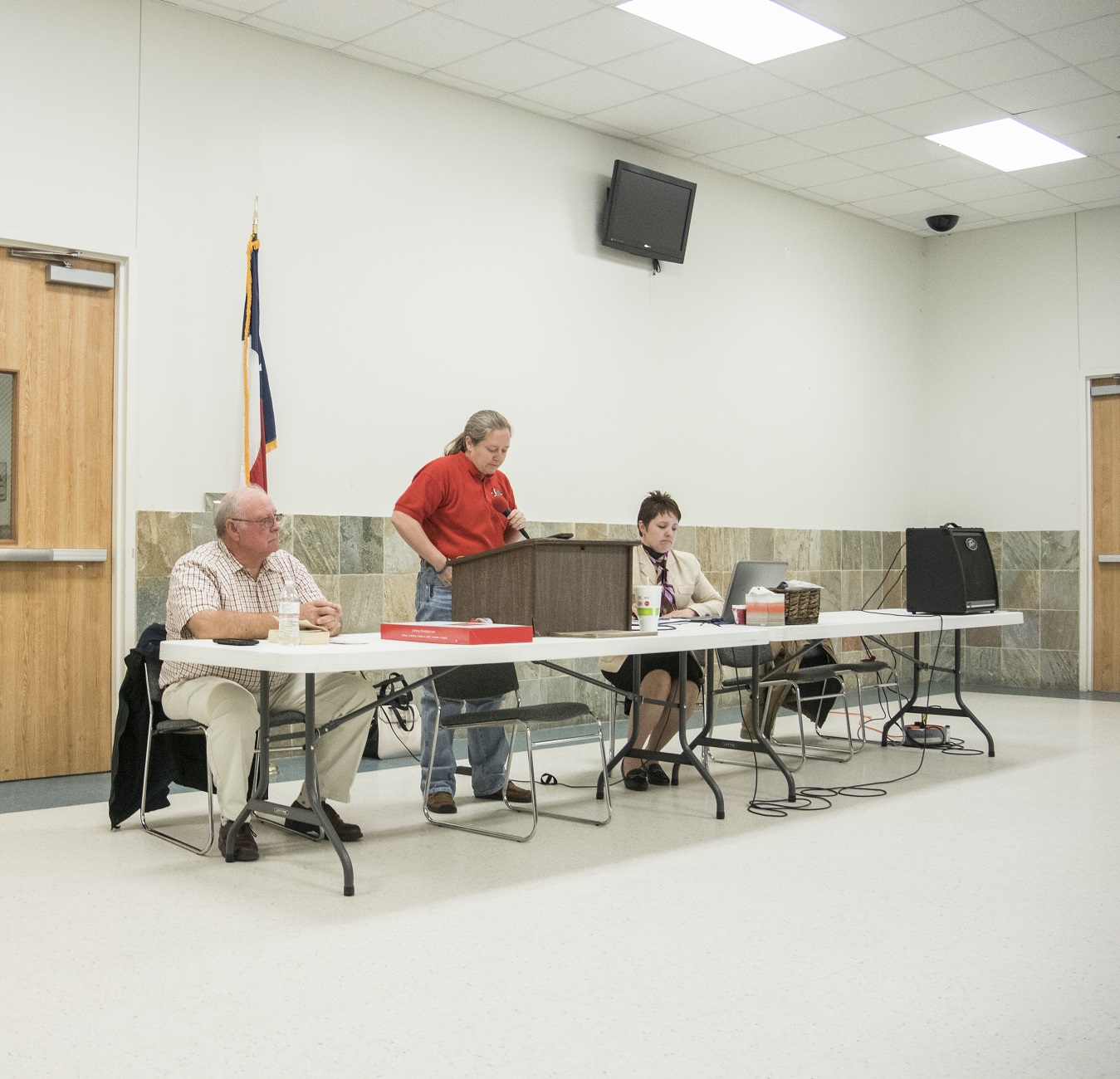
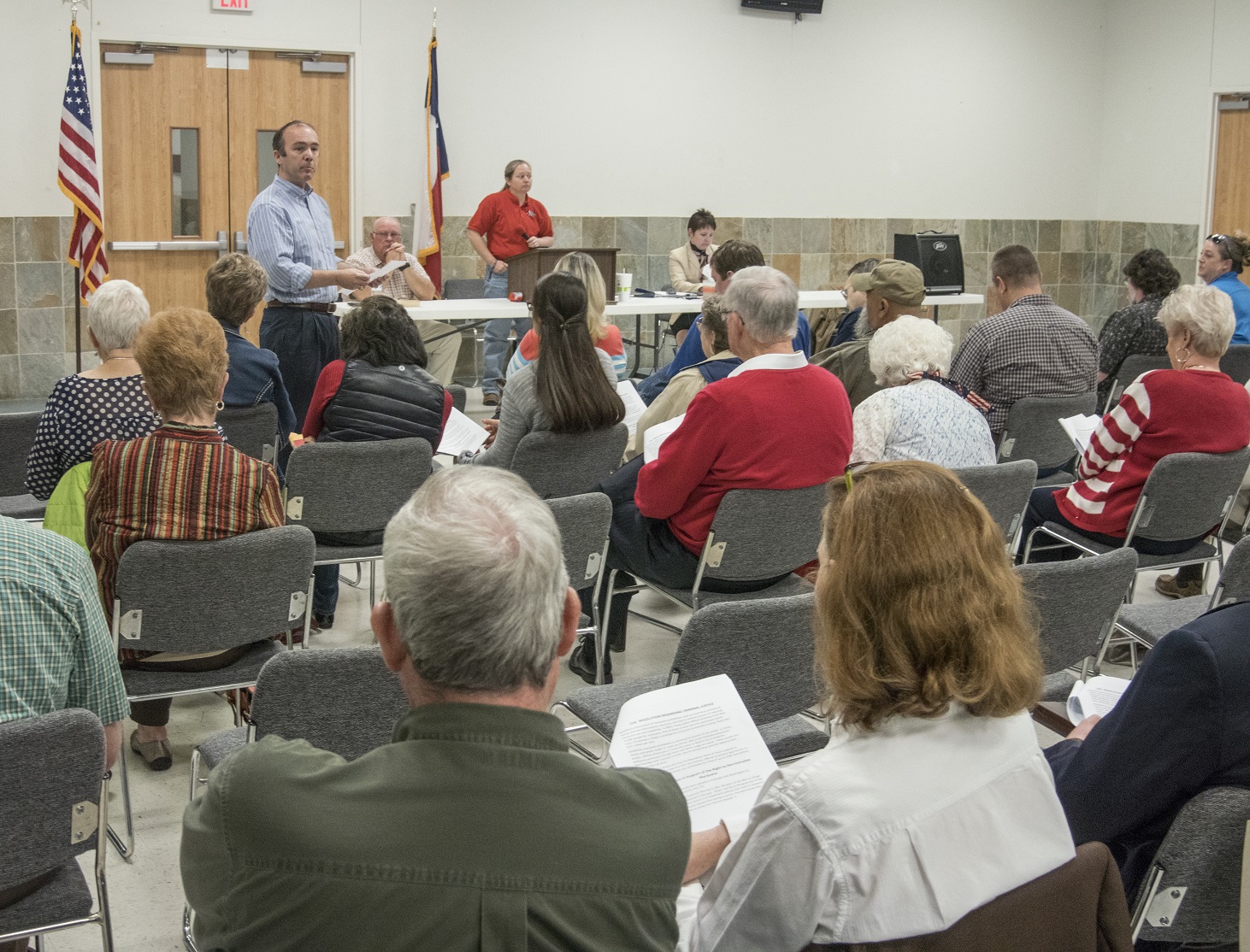
The polls opened at 7 a.m. and closed at 7 p.m. so they committed half a day to serving Walker County. Their duties included checking people in, handing out ballots, securing the voting grounds, redirecting folks who were at the wrong voting poll, and working with the election judge at the end of the night to count and turn in votes.

Following her long day, Chapa summarized her experiences, “Election day was really hectic! We ran out of ballots halfway through and we had to help our election judge get new ballots for the voters.  But it was a great experience, and even as Political Science majors, we learned so much.  It is a hands-on democratic workshop.”


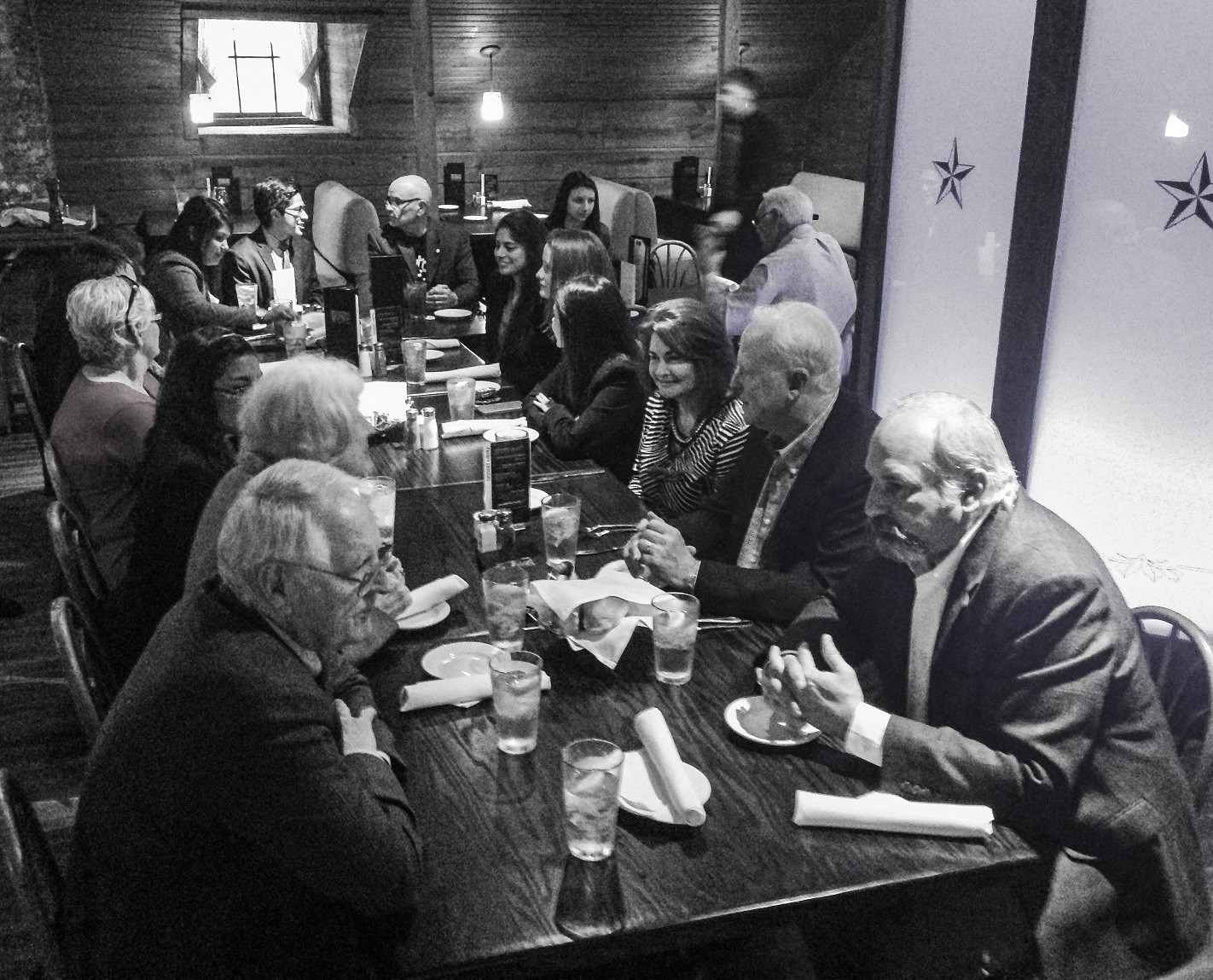
As the thirteen-hour day came to an end, the LEAP Ambssador team decided to reflect on their day at an Election Day party with the other Ambassadors, Professor Mike Yawn and Former Mayor Woodward and Mrs. Woodward. As the local and state level election results from early voting were gradually released, we passed time by sharing our experiences of working at the polls. For Alex, Austin, and I, we shared our continuous rushing from voter to voter that left our feet sore and blistered. As for Megan, she shared her experience as a poll worker and the range of voters whom she had to assist. Even though some of the ambassadors were unable to participate in this political process, they got to witness the toll of this tiresome day in our weary expressions and captivating anecdotes.  Soon we knew who had won the various Walker County government positions that were up for election and Ted Cruz’s victory in Texas.

The ambassadors felt really good about the work they did, and the role that they played in the political process. Although the day was long, it was an amazing experience to see what exactly grassroots politics was all about and how it could impact communities.

This point was driven home repeatedly  in our experiences, but perhaps most impactfully by the election returns.  One candidate in Walker County made a runoff by only two votes, reminding us of the importance of campaign get out the vote efforts and of accurate, professional poll workers.


Leaving Little Rock

Following a whirlwind tour of Little Rock and central Arkansas, it was departure day.  But before we left, we had a couple of sites left to see.

First, we did a quick photo op of the Capitol building…


Capitol_Ambassadors_2_Web

…where the LEAP Ambassadors visited (by unofficial count) their 18th state capitol building.  Bill Clinton’s office was here in the late 70s, most of the 1980s, and the very early 1990s.  They also have an interesting set of statues paying tribute to the Little Rock Nine and, in apparent contradiction, a monument to the confederate soldiers as well.

We chose to focus on the Little Rock Nine, so shortly after visiting the capitol we made our way to Little Rock Central High.  LRCH is the original school that the Little Rock Nine first attempted to integrate in 1957, and it is very large.

LRCH_Ambassadors_Web

It’s a humbling experience to stand where the Little Rock Nine stood.  They faced taunts, hatred, and ignorance and, in the process, made major progress for the country.

On the front of the school are four pillars, each representing a quality crucial to success…

LRCH_Ambassadors_2_Web

…ambition, personality, opportunity, and preparation.  Interestingly, these four qualities are also stressed by the LEAP Center, and that added an extra dimension of interest.

Spurred on by this interest, we went to the LRCH Musuem, located across the street.  This is a small museum, but it has an intimacy with its subject matter that makes for a compelling experience.

LRCH_Brian_Kaitlyn_Web

The Museum begins with an overview of the Civil Rights experience, which is described along the left wall.  Toward the rear of the Museum are videos with headsets telling the stories of each of the Little Rock Nine.

LRCH_Museum_3_BW_Web

Intriguingly, the video screens are facing Little Rock Central High, which brings the experience home with greater impact.  Even sixty years later, it’s difficult to listen to the turmoil that these heroes went through…

LRCH_Museum_Kaitlyn_Karla_Phones_Sad_Cropped_Web

The right side of the Museum is dedicated to other civil rights struggles…

…..LRCH_Museum_Alex_Web

…and the center of the Museum is a fairly in-depth story of the integration of Little Rock Central High.

LRCH_Museum_9_ BW_Web

They give an overview of the events, with video of Eisenhower discussing the importance of the rule of law, as well as journalists and the original Little Rock Nine looking at these events retrospectively.

LRCH_Museum_8_BW_Web

It captivated our group.

We ended the tour with a film from 1964, which was shown to foreign audiences and detailed the experiences of the Little Rock Nine six-seven years after the integration.

LRCH_Film_3_Web

It was interesting to learn more about the integration process, and also interesting to see how these events were presented in the mid-1960s.

The LRCH is a can’t-miss site in Little Rock, in a City that is full of fun and interesting attractions.  It was a sobering but fitting way to end our trip, and our departure was made more acceptable knowing we’d be making a return visit in July.

Ambassadors_Little_Rock_1_Web

Arkansas PSA: Little Rock and Monticello

The first two days of exploring Little Rock were filled with adventure and knowledge. However, our adventures were not yet complete. Even after a fully loaded two days in the state, we continued on to the Arkansas Political Science Association Conference in Monticello, setting out at about 6am to make the 1.5 hour trip.

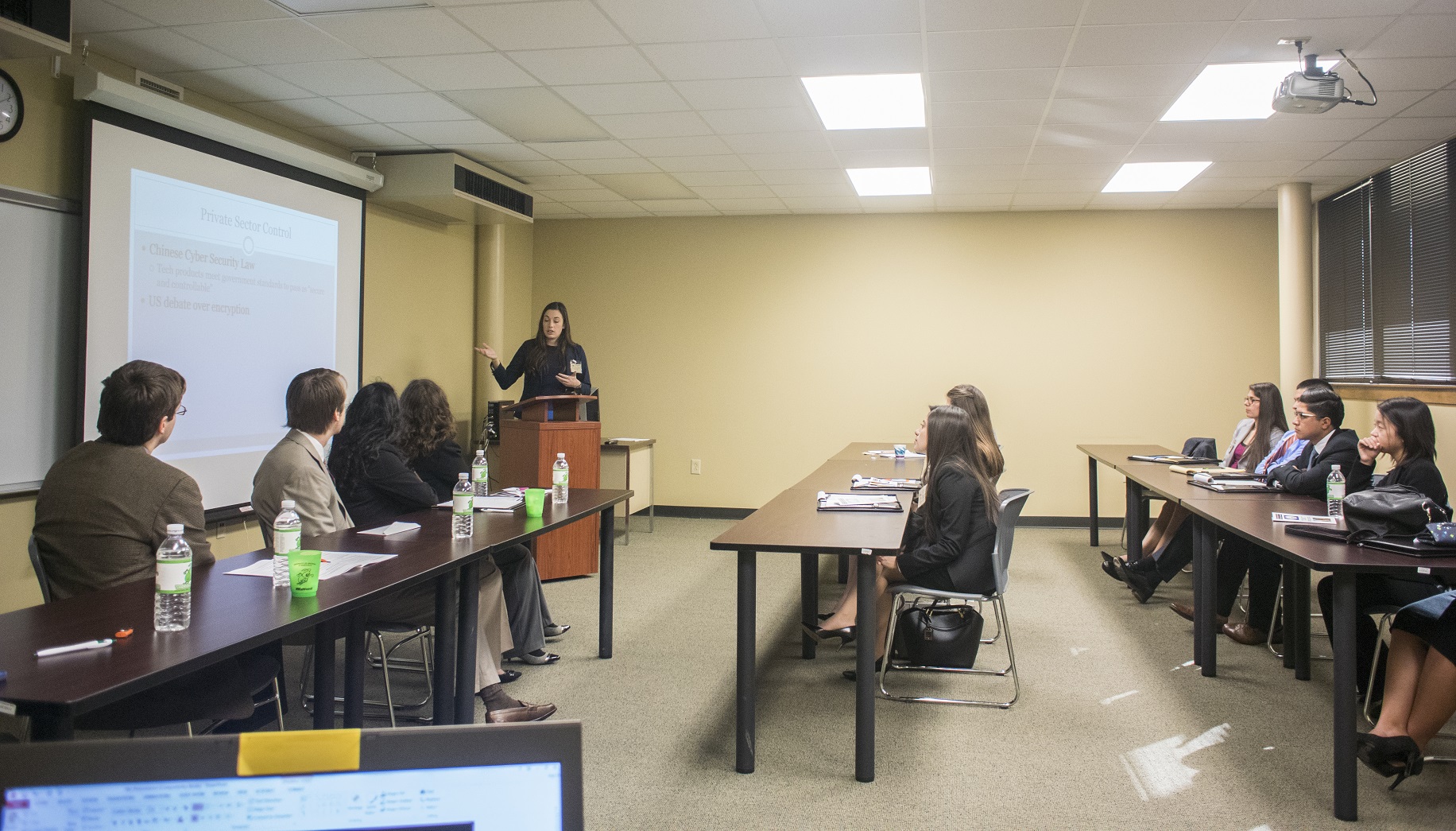
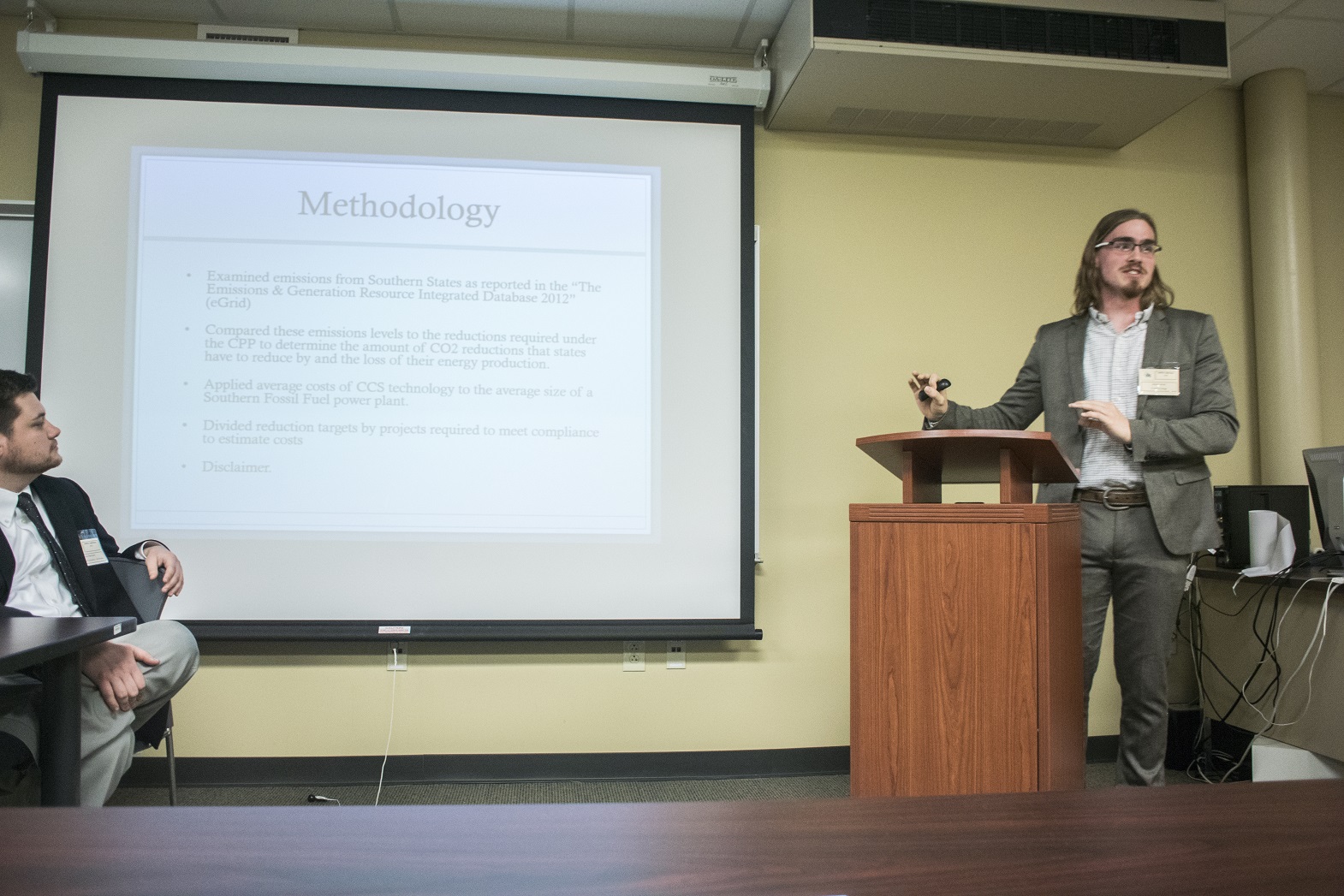
At the conference our very own Professor Yawn served as a discussant for the Undergraduate Research on Public Policy panel and later presented his own research. We were also excited to be there to support our fellow LEAP Ambassador Megan Chapa, who would later present her research paper on “Maquiladoras, NAFTA and their Consequences.” Upon our arrival we were graciously welcomed by Dr. Strong and the staff of the University of Arkansas at Monticello, then made our way quickly to the room where Professor Yawn’s panel discussion would be. The panel room was a cozy fit, much like any classroom you would find on campus at Sam Houston.  This made the presentations of the research  engaging and a personal. Subjects of the research ranged from the cyber security in the United States by Shannon Abbott…
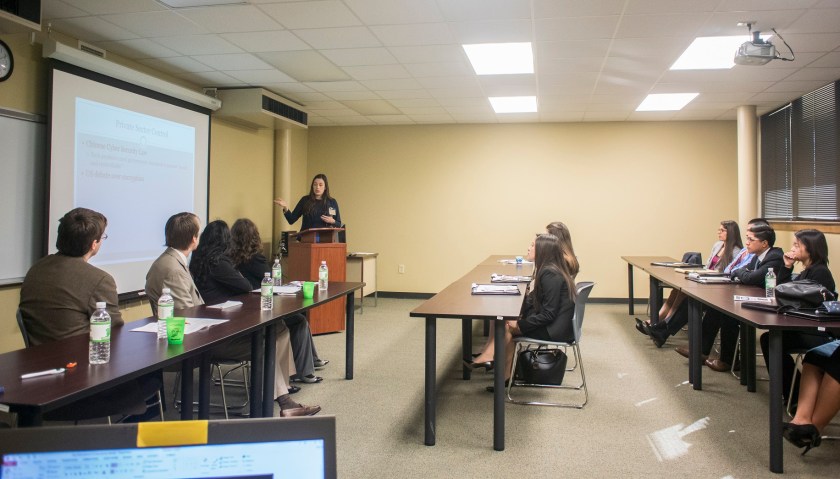
Presenting_Shannon_Abbott_Web

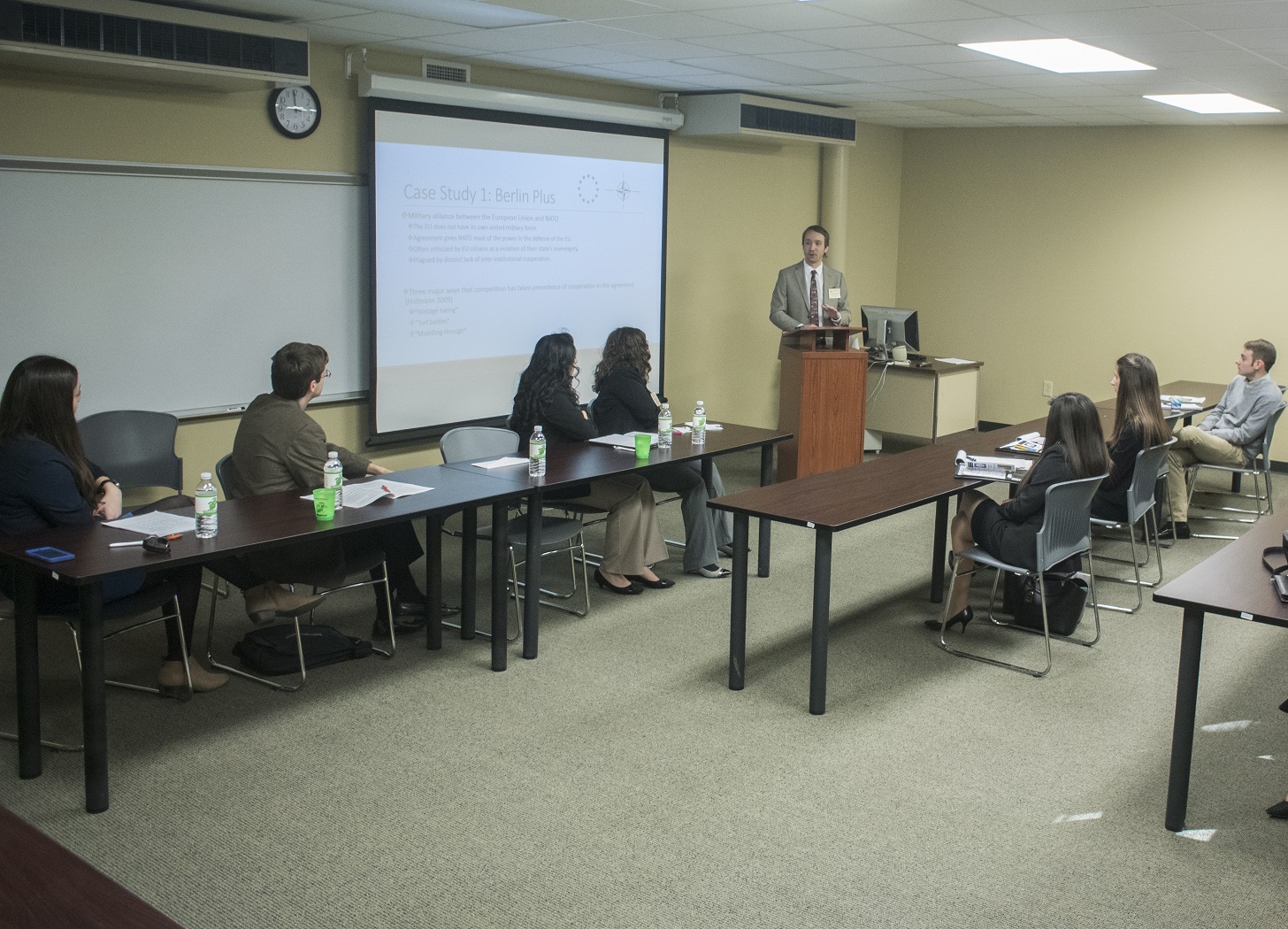
…to the study of multi-lateral agreements by Nicolaas Harrington…
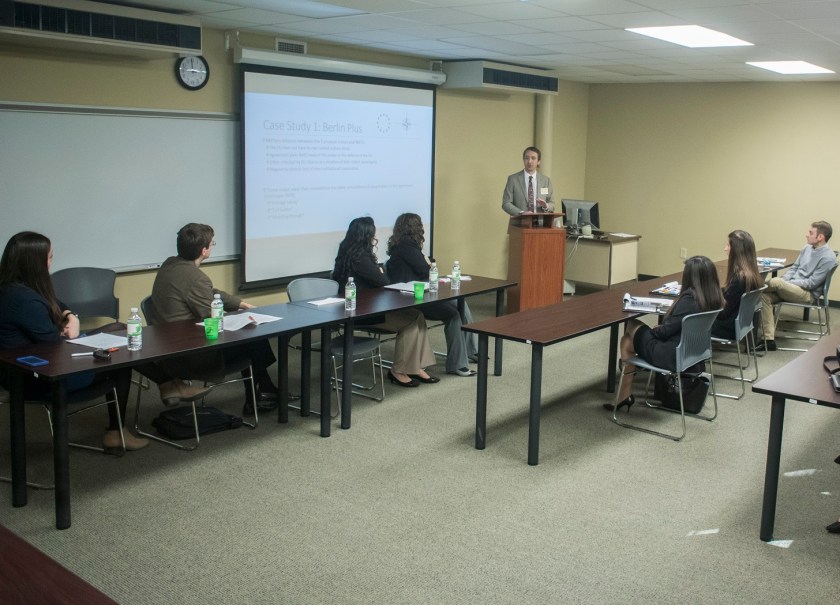
Presenting_Harrington_Web

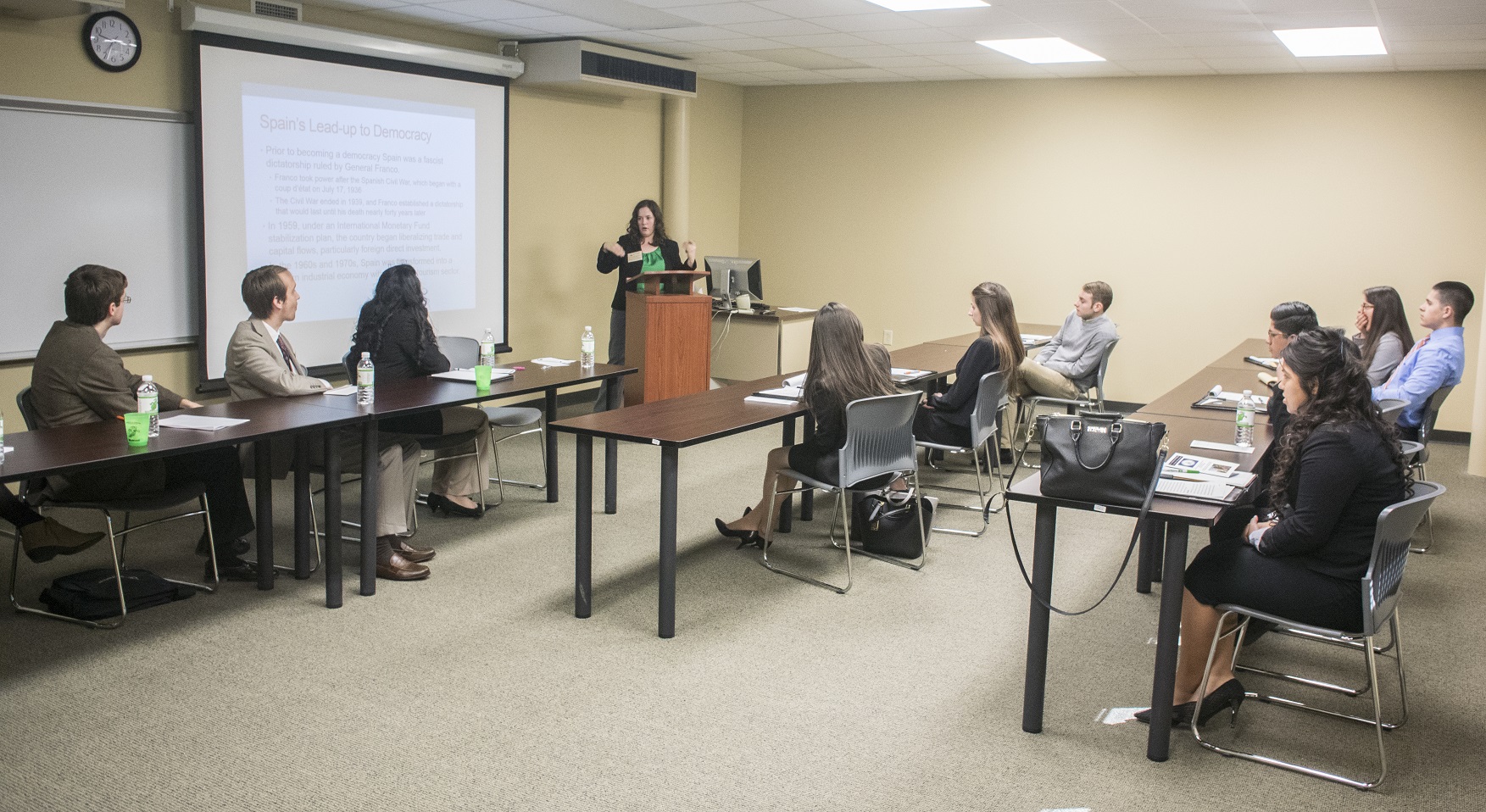
…to the development of Spanish democracy by Sarah Phillips…
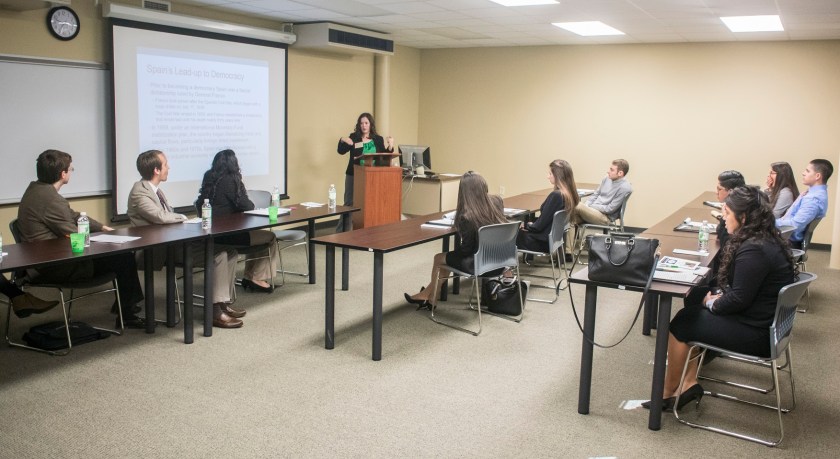
Presenting_Sarah_Phillips_Web

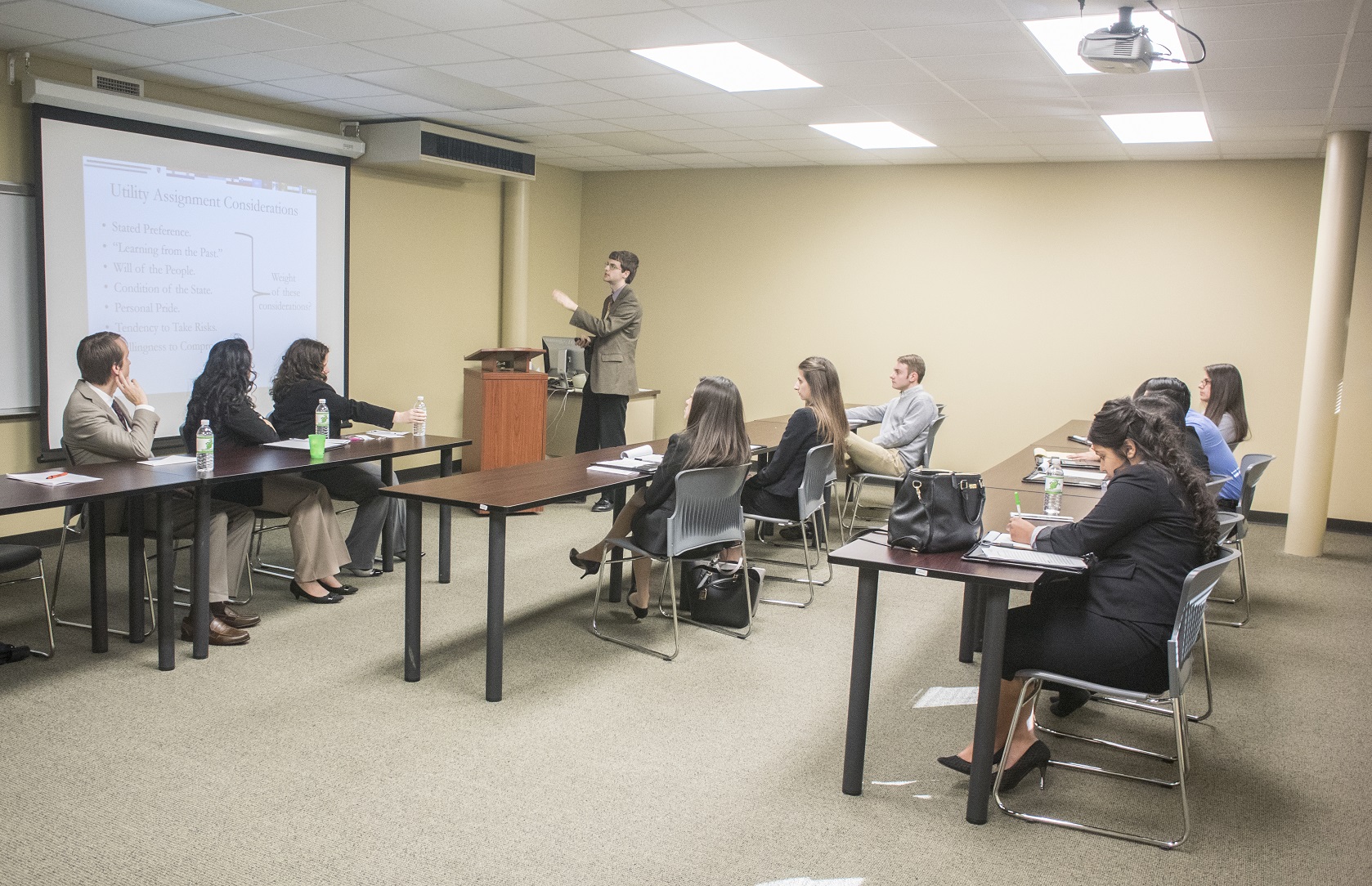
to the study of game theory by William O’Brachta…
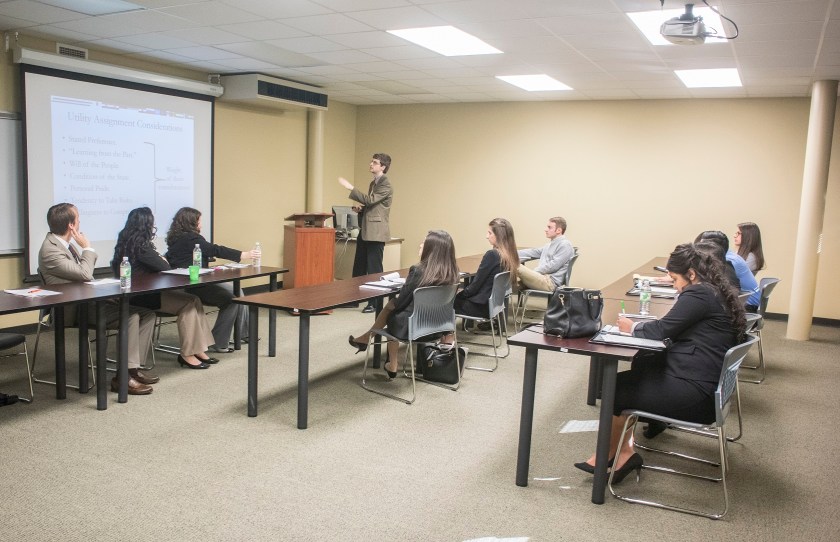
Presenting_Obrachta_Web

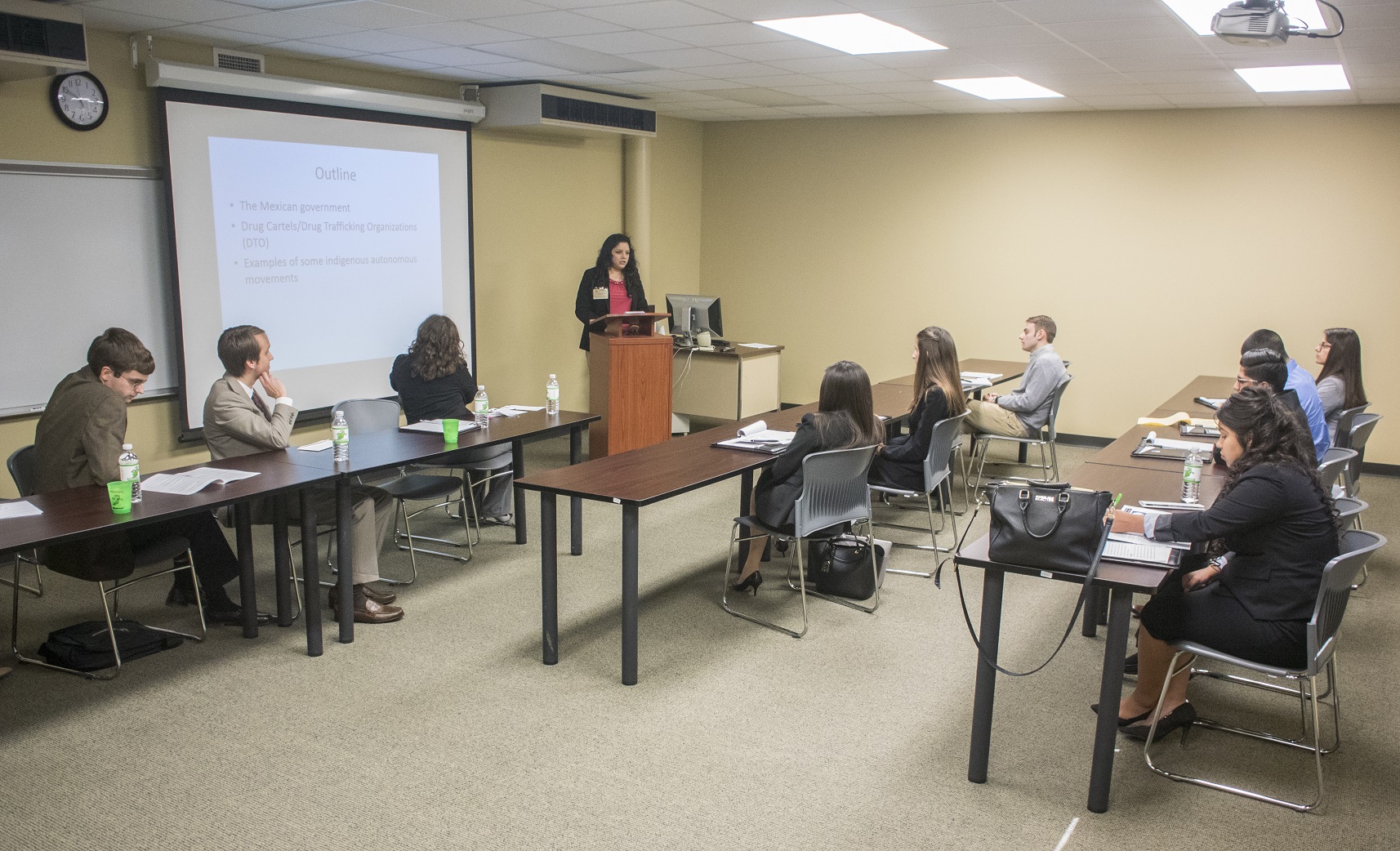
…to an examination of indigenous autonomy by Emily Mendiola…

Presenting_Emily_Mendiola_Web

Watching other students in the political science field present research encouraged and energized the students of LEAP to one-day present research at future conferences nationwide.

After sitting in on an undergraduate discussion panel on public policy, chaired by Professor Yawn, we waited for Megan to present her research on the impact of NAFTA on the social and economic status of Mexican “maquiladora” laborers. As part of an American Politics panel, Megan presented research alongside four other passionate undergraduate students.

The panel was chaired by Karen Sebold, a professor of public policy at the University of Arkansas at Fayetteville, whose responsibility during the session was to direct the presentation of everyone’s research papers and lead the discussion in regards to the papers after the presentation of every student.

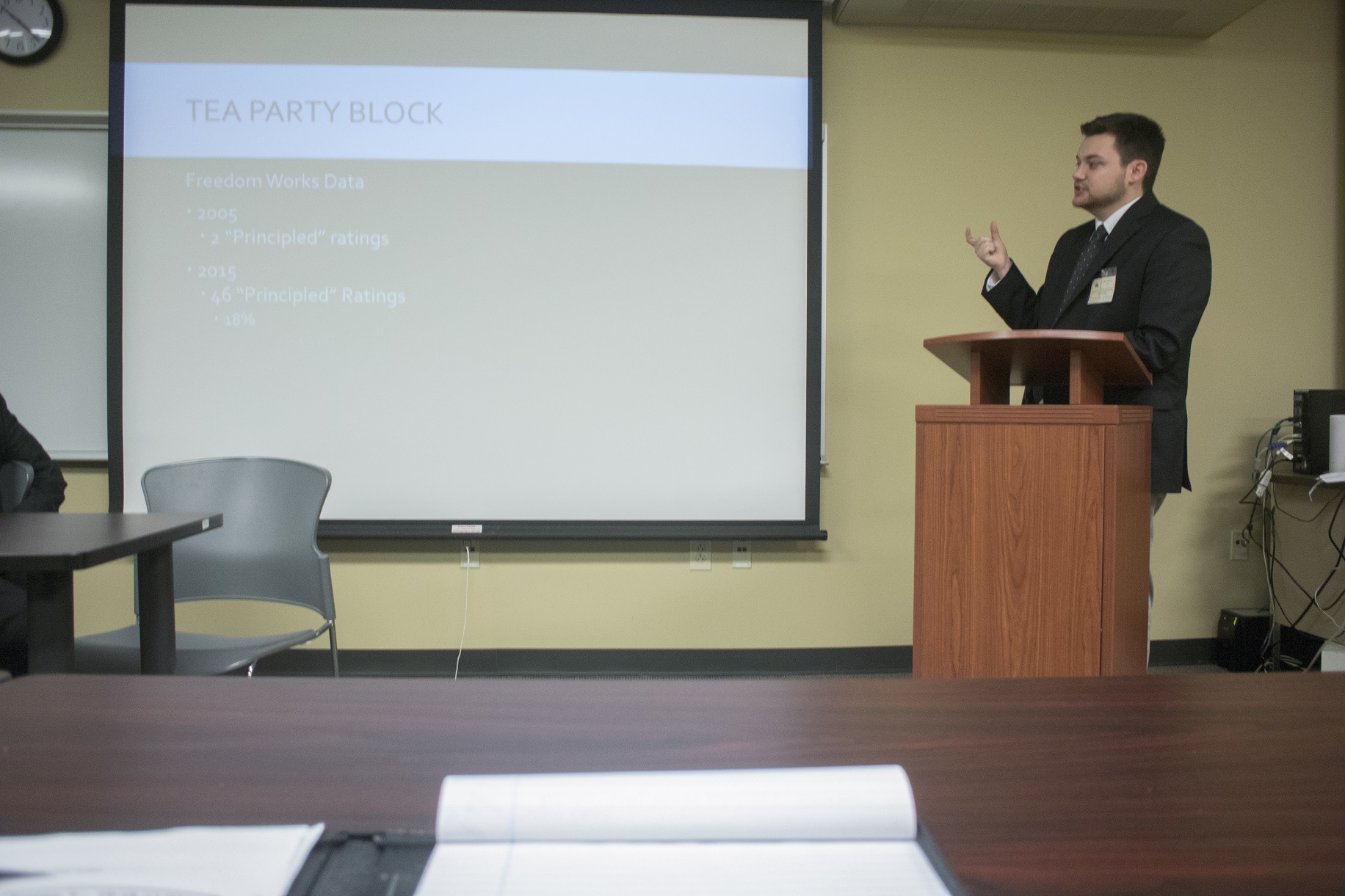
The session began with a presentation on the Tea Party’s influence on the current Republican Party. With a most timely topic in regards to our political atmosphere, Tyler Harrison of the University of Arkansas at Monticello offered an in depth analysis of the Tea Party’s freedomworks rating system.
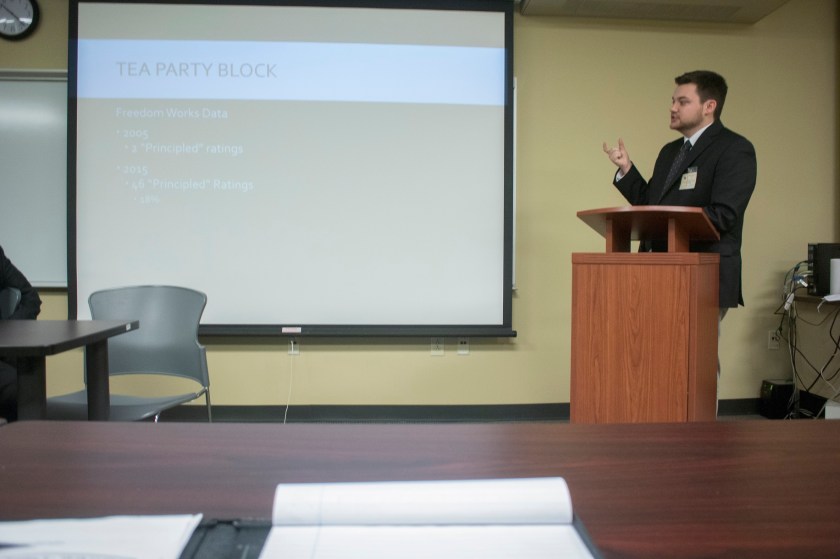
Presenting_Tyler_Harrison_Web

Followed thereafter Robert Fletcher, also a University of Arkansas at Monticello undergraduate student, presented his paper on the benefits of promoting bicycle friendly road policy that could stimulate the economic and social prosperity of a small community’s transportation system.
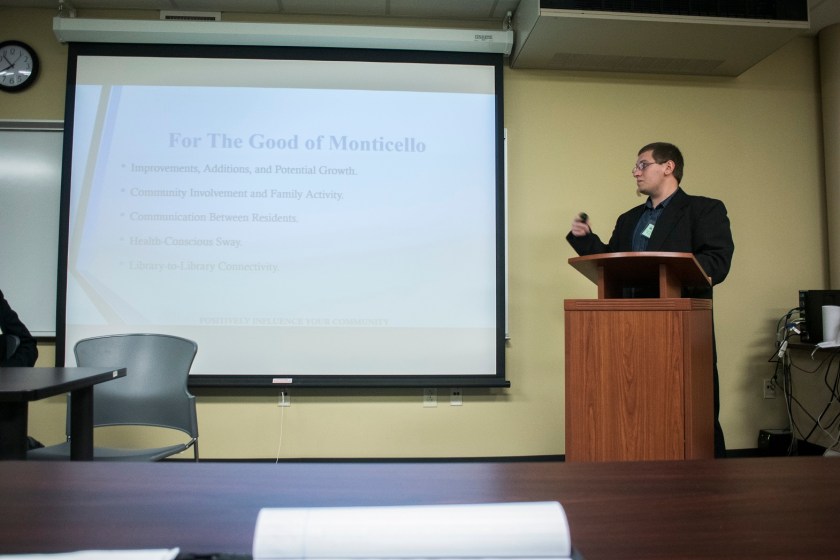
Presenting_Robert_Fletcher_Web

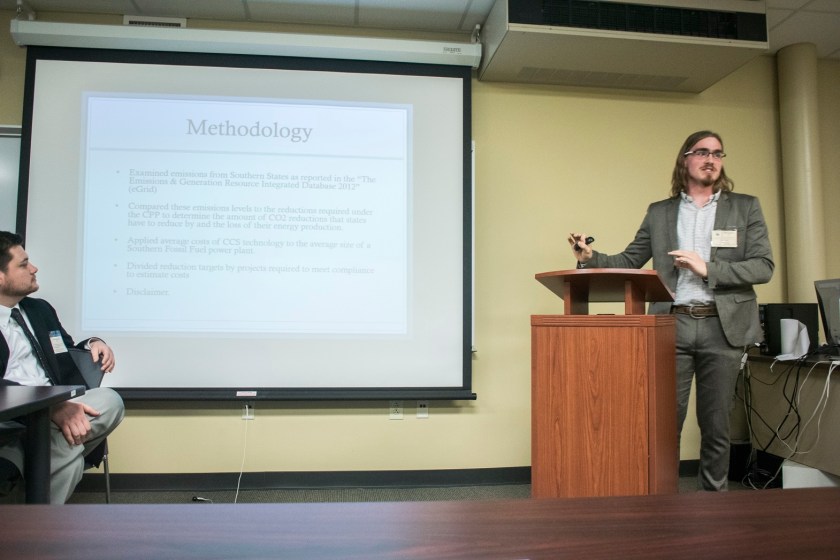
As the third student to present, Jolyon Larson of Hendrix University provided his thesis on the best way for waste plants to cut down on harmful emissions.
Presenting_Joylon_Larson_Web

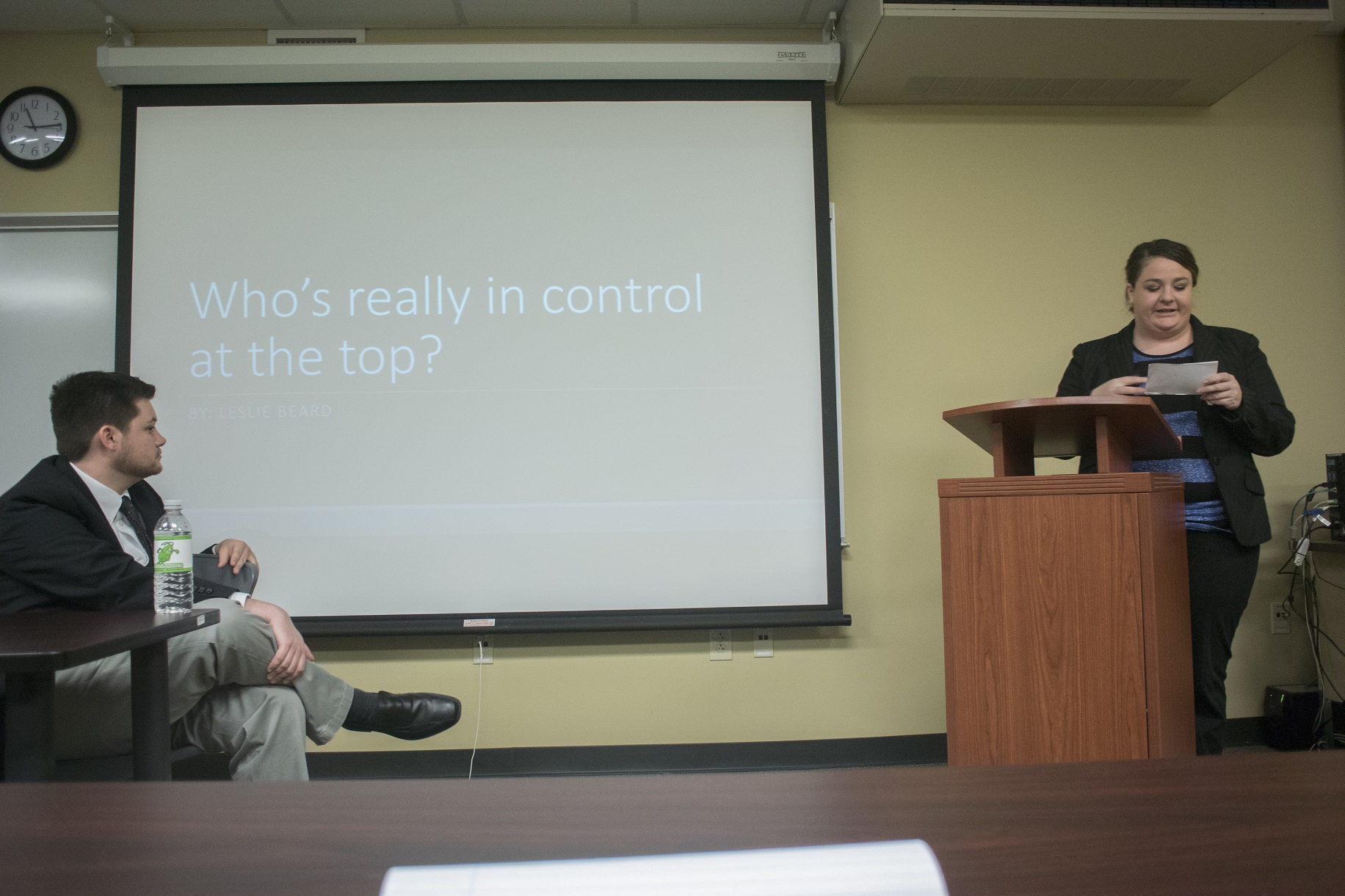
Lastly, Leslie Beard of the University of Arkansas at Monticello expressed her fears regarding our nation’s political structure in her paper “Who’s really in control at the top.”

Presenting_Leslie_Beard_Web

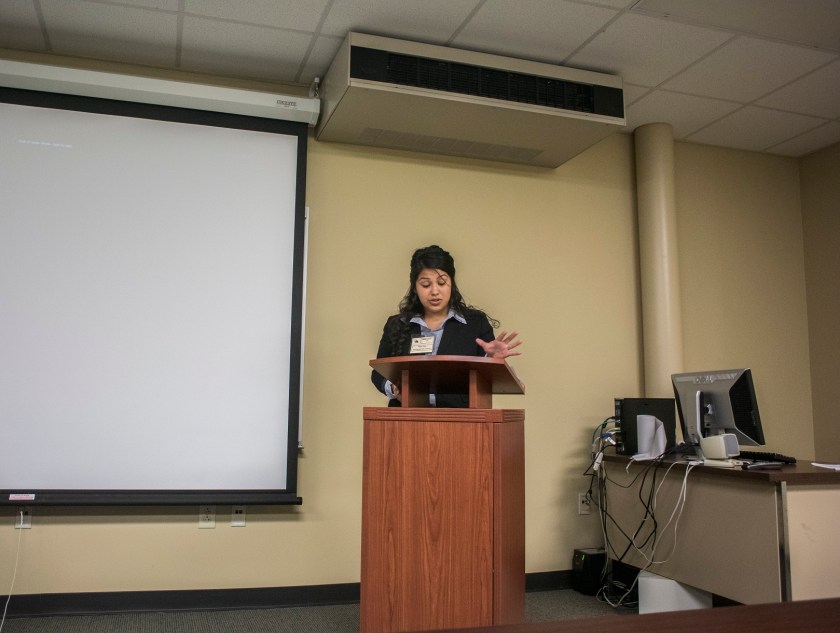
With Megan as the fourth presenter in the panel, we attentively clung to every word of her research on Mexican social issues presented by NAFTA. She focused on the exploitation and harassment of women maquiladora workers, the environmental violations of these industries, and the widespread human trafficking encouraged by these multinational agreements.
Presenting_Chapa_1_Web

It was clear that her, and all the other panelists, were passionate about public policy and a more successful government structure. The conducted research in each presentation was further example of what passion for a noble cause can yield.

We also got feedback from Megan, who presented at her first conference:

I was nervous, but nonetheless confident and excited to represent SHSU and the LEAP Center at the conference. Before our panel began, our discussant informed us that another student had joined our Undergraduate Research Panel and that our presentation time would be cut short by about 5 minutes. I was more nervous about going over my allotted time because I had prepared my presentation to be 15 minutes. I was scurrying through my paper trying to take out 5 minutes of information that wouldn’t take too much away from my research. What I enjoyed most was the constructive criticism I received from my discussant, Dr. Sebold of University of Arkansas-Fayetteville. She was helpful in providing suggestions that will improve the research I am working on. I am thankful for the opportunity to expand my horizons outside of home (Texas) and meet students who are striving to make a difference in the political arena.” -Megan Chapa

We all agreed that this chance to support our fellow LEAP ambassador’s passionate delivery was worth the limited sleep.

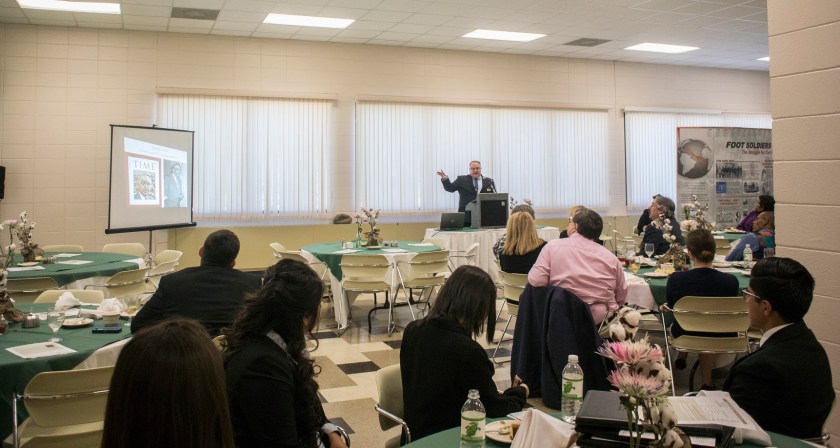
The ArkPSA topped off the conference with a lunch and presentation by John Kyle Day, who presented his work on Civil Rights in Arkansas, particularizing on the Southern Manifesto.
Presenting_John_Day_Civil_Rights_Web

It was interesting research and, although we didn’t know it at the time, we would hear echoes of his research the next day, when we visited the Little Rock Central High Museum (see tomorrow’s blog!).

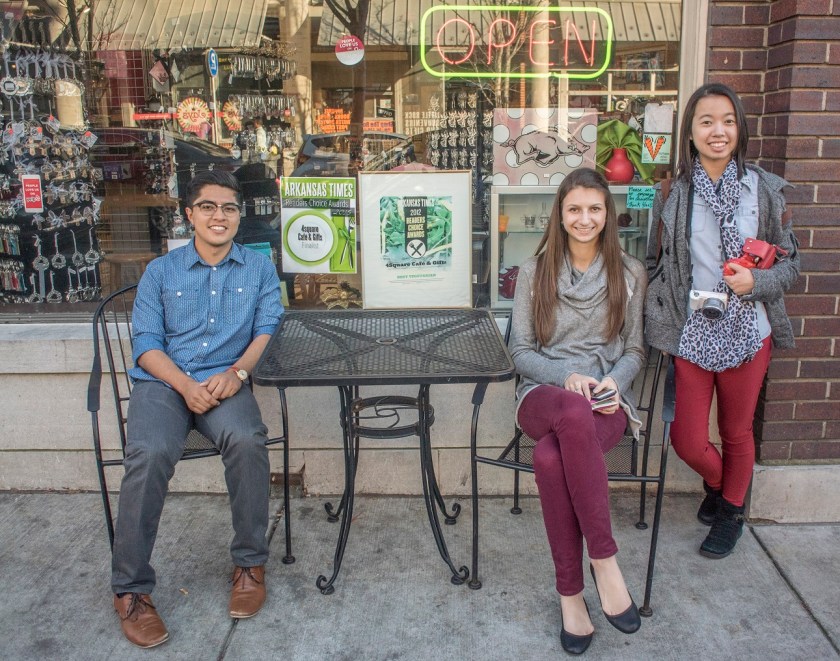
Following the conference in Monticello, we drove back to Little Rock to do some shopping before our adventurous Segway tour. We took the opportunity to explore some of the quaint shops near the River Market and downtown area.
Aldaco_Tyra_Abril_Web

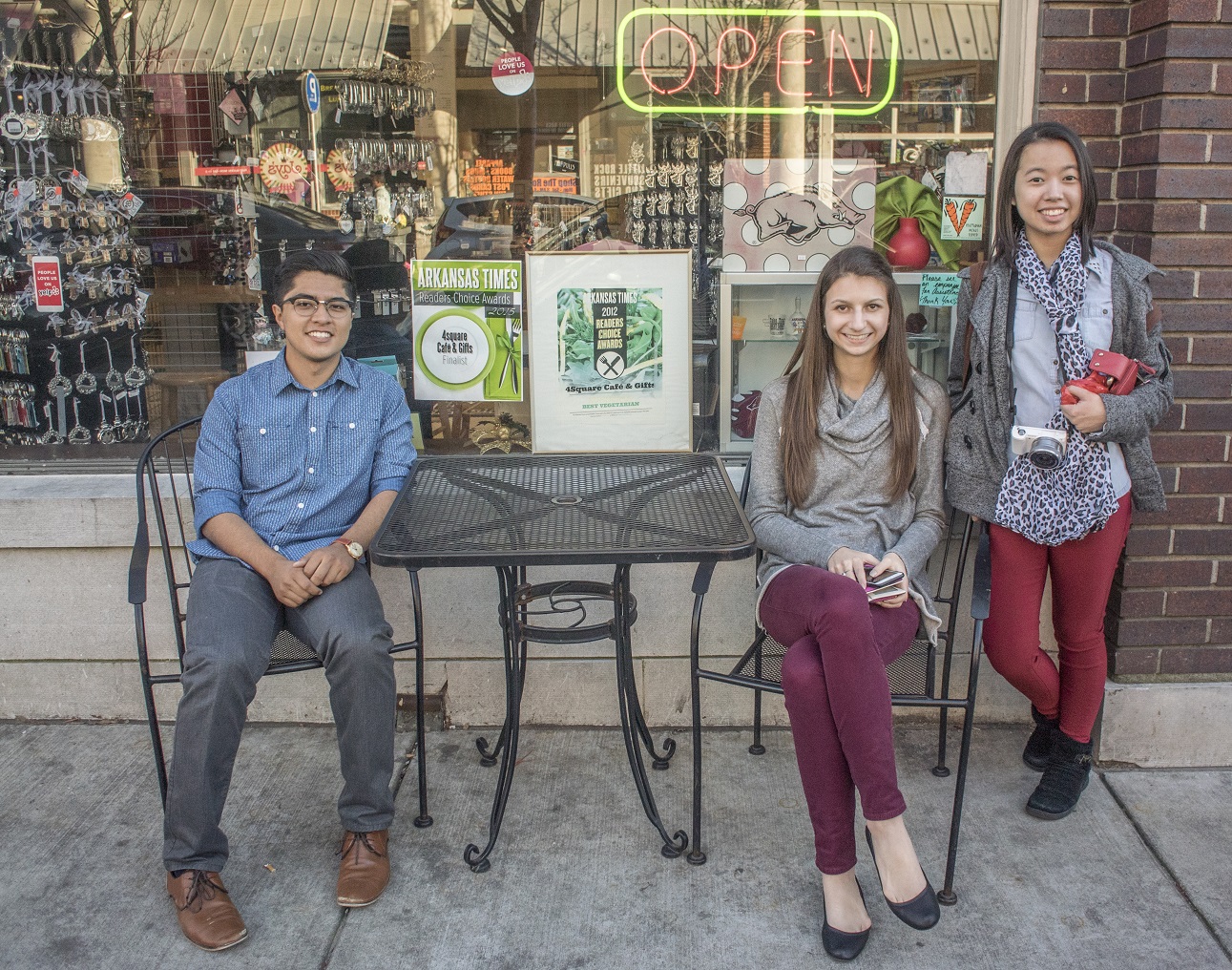
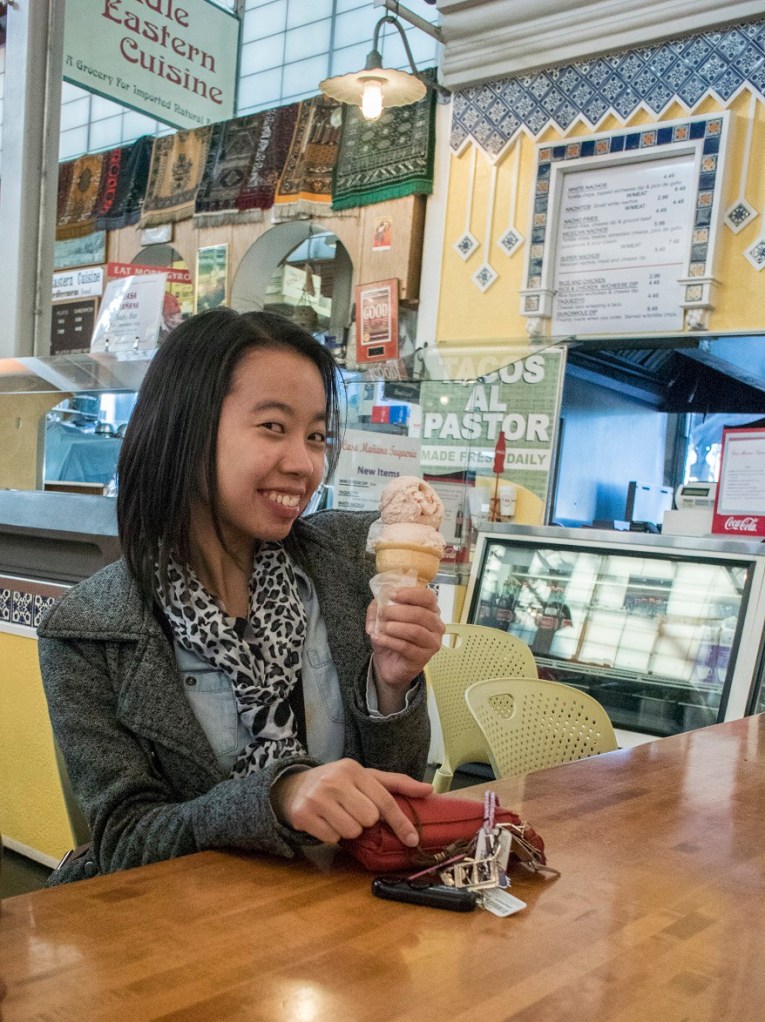
Visiting the local shops, we wandered through shops such as The Freckled Frog, Discovery Museum Gift Shop, and 4Square Café and Gifts. We enjoyed browsing through the shops, but eventually ended up at one of our favorite places, the River Market!
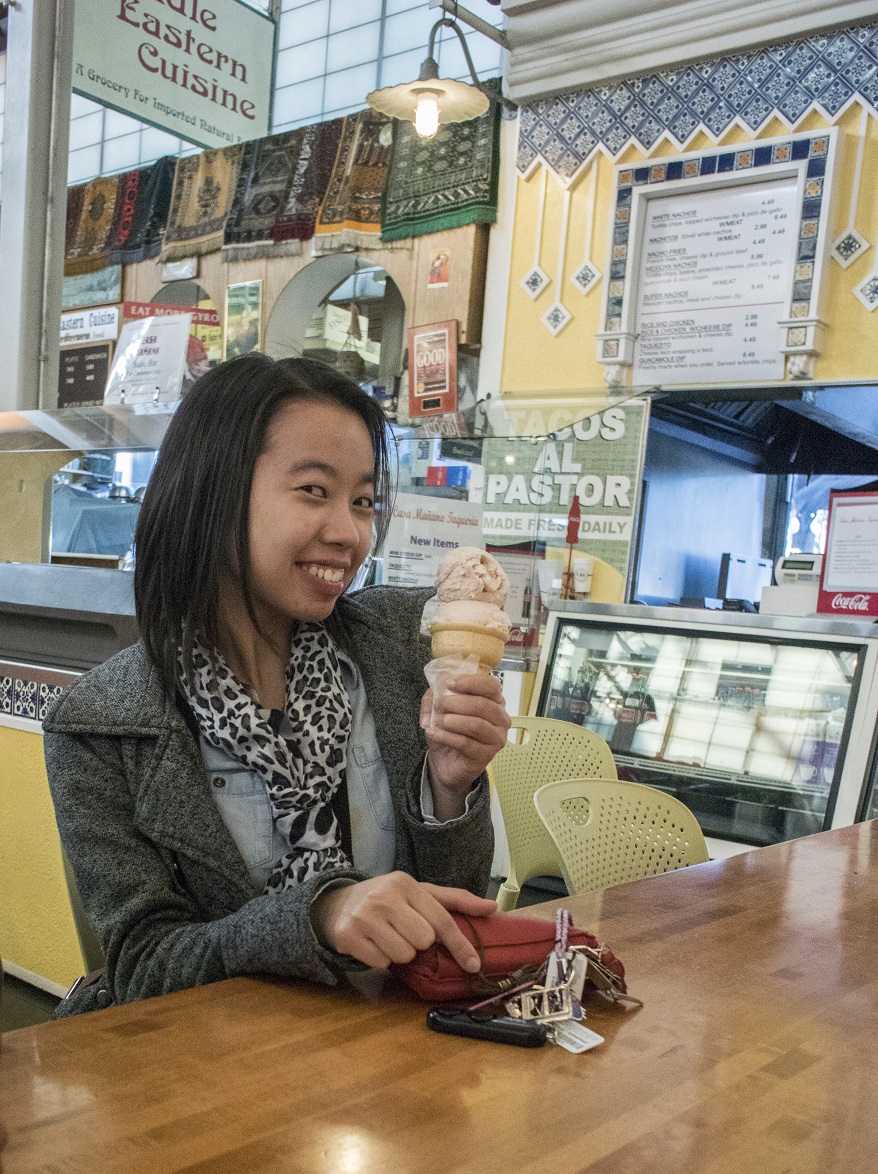
Abril_Ice_Cream_Web

The group refueled with a small snack before heading off to our Segway tour of Little Rock!

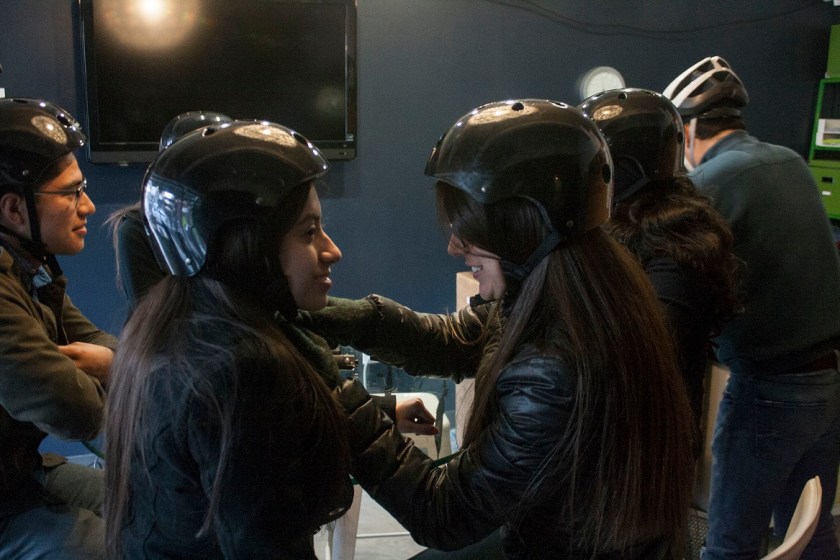
We were excited to continue touring more of downtown Little Rock, but this time we were on a Segway! Most of the group have had some experience with riding segways – actually, all except me (Bella Abril), and the others were quick to get with the program…
Karla_Alex_Teamwork_Web

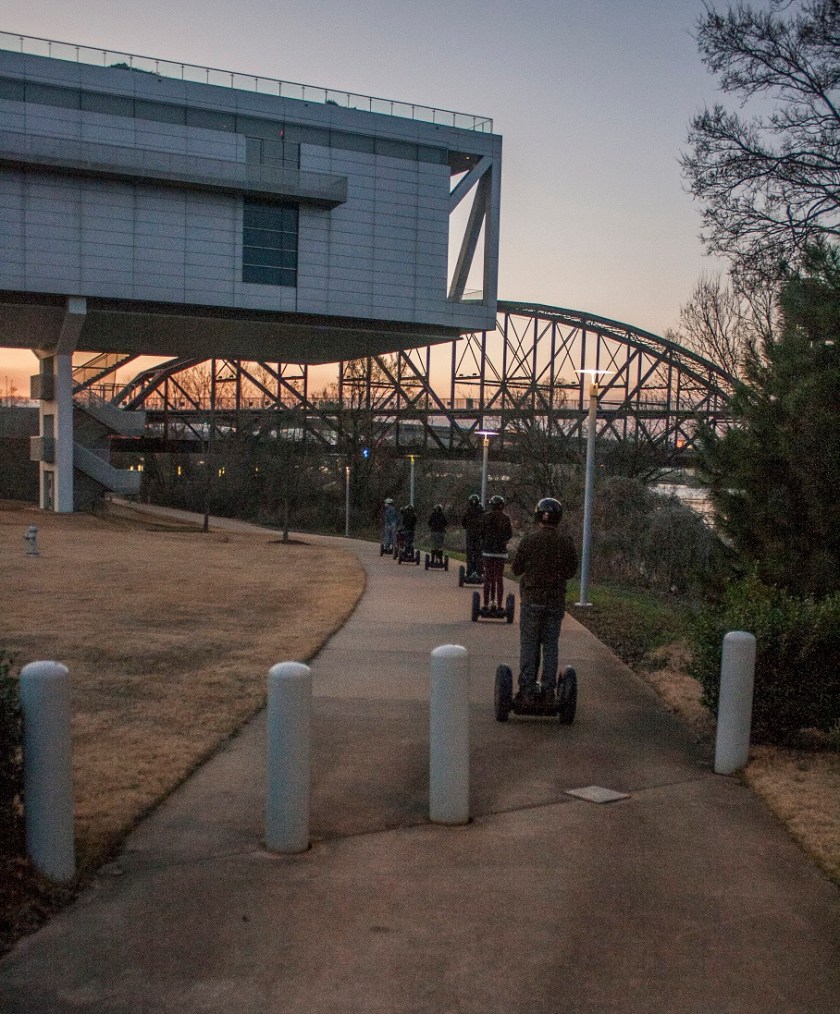
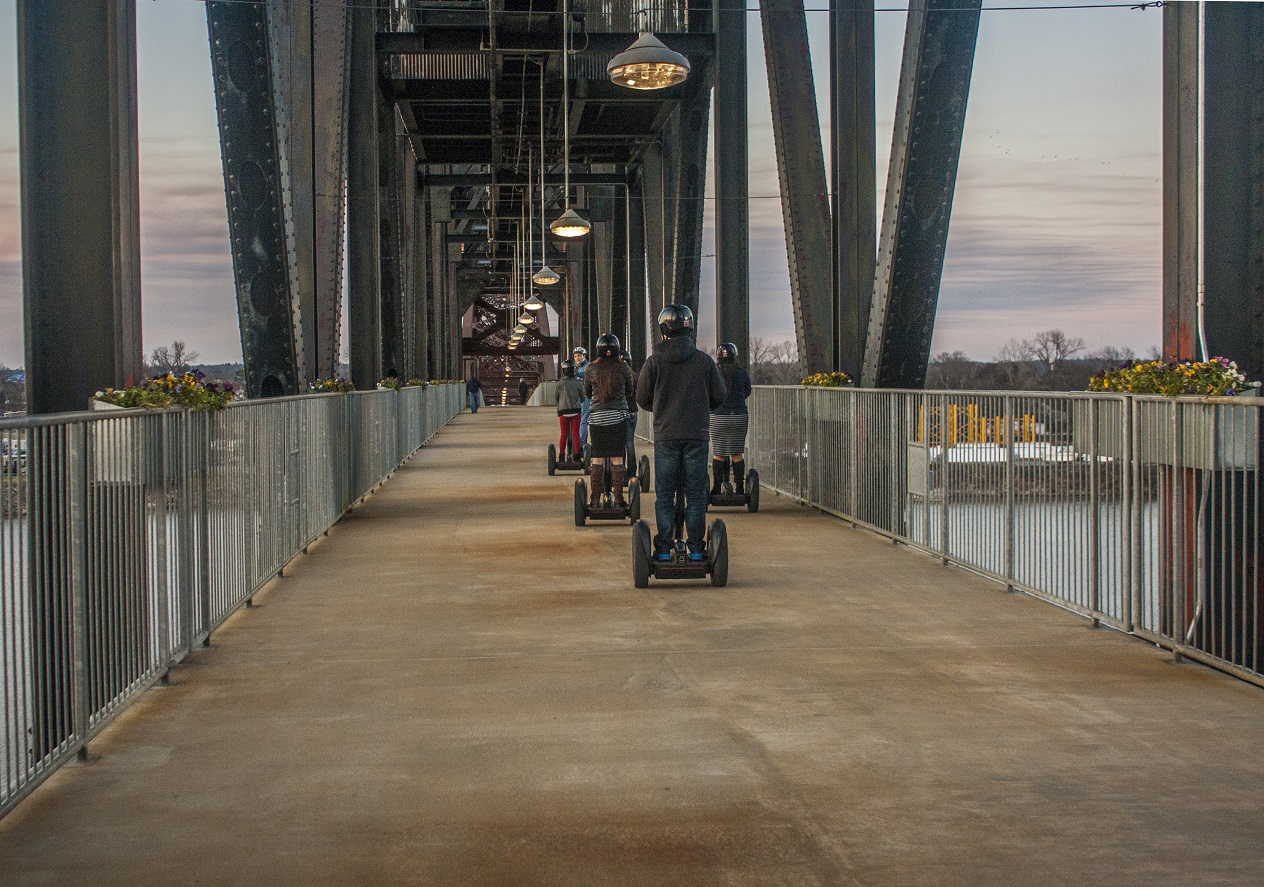
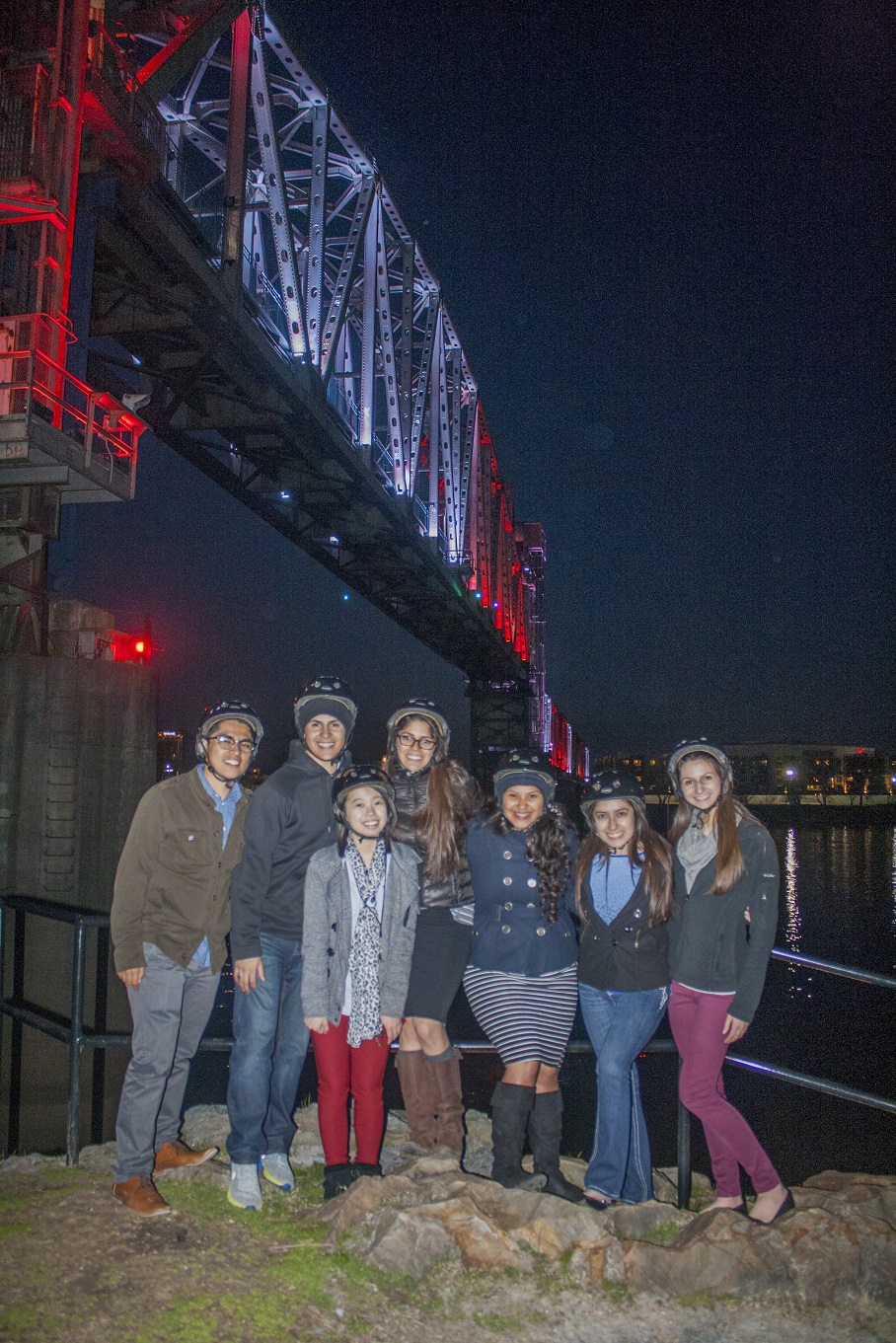
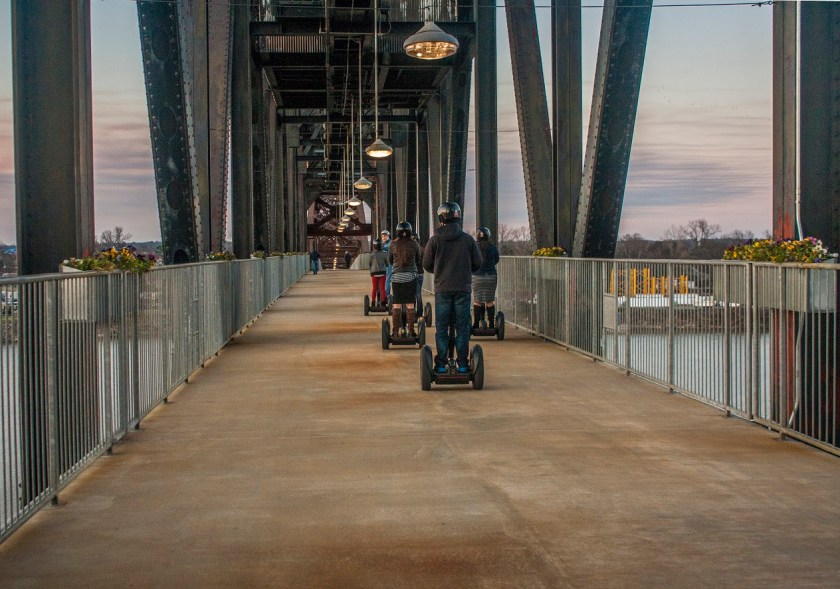
As clumsy as I am even with just walking, however, I was a bit hesitant on trying it out at first. I was scared I would embarrass myself by falling on my face. However, our Turkish tour guide, Nez Erkman, trained us in such a detailed manner with much emphasis on safety that I found myself easing up. Plus, seeing everybody ride it so calmly gave me confidence that maybe I could do the same. Thankfully, I did! The first step was the scariest part, but the rest was exhilarating. Throughout the tour, we were able to segway through The Clinton Bridge…
Segway_Bridge_Web

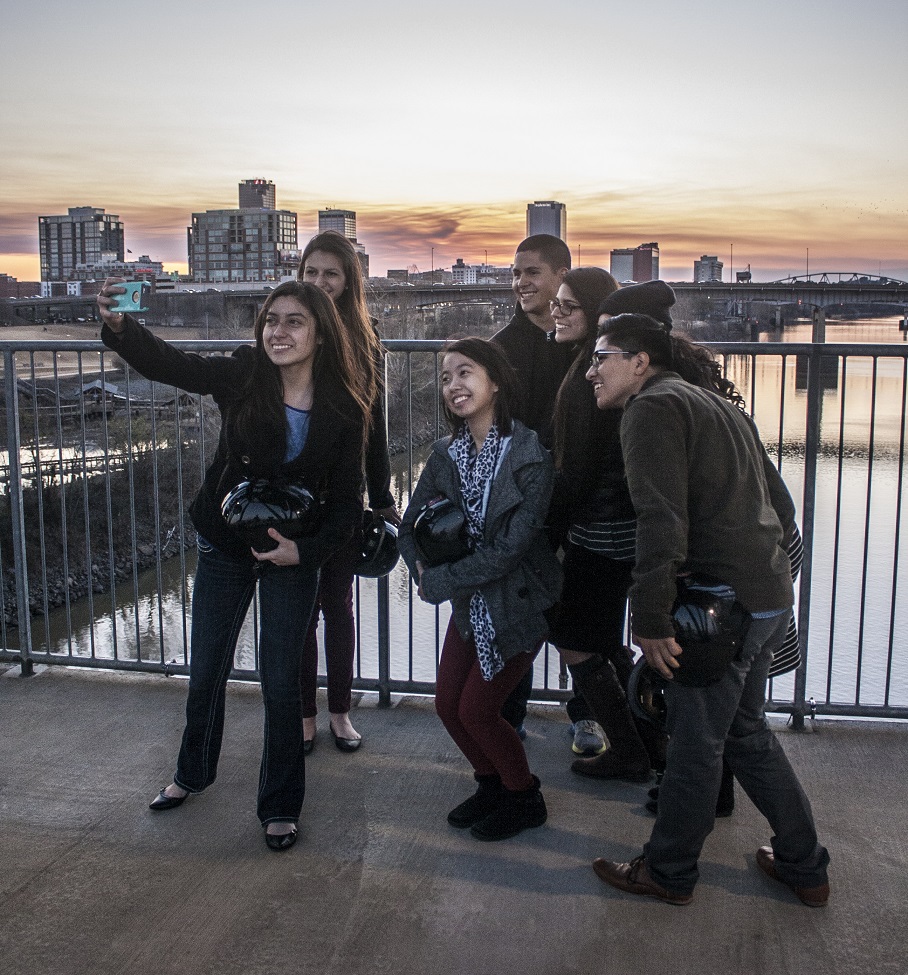
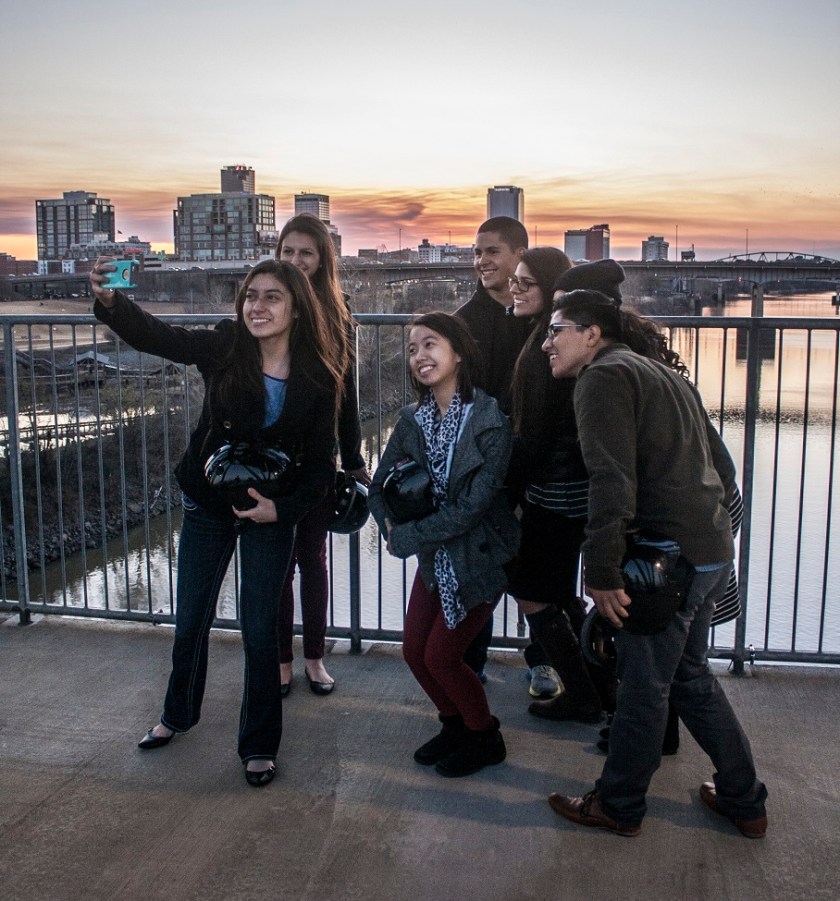
…which held a nice view of the sunset…
Segway_Bridge_Sunset_2_Web

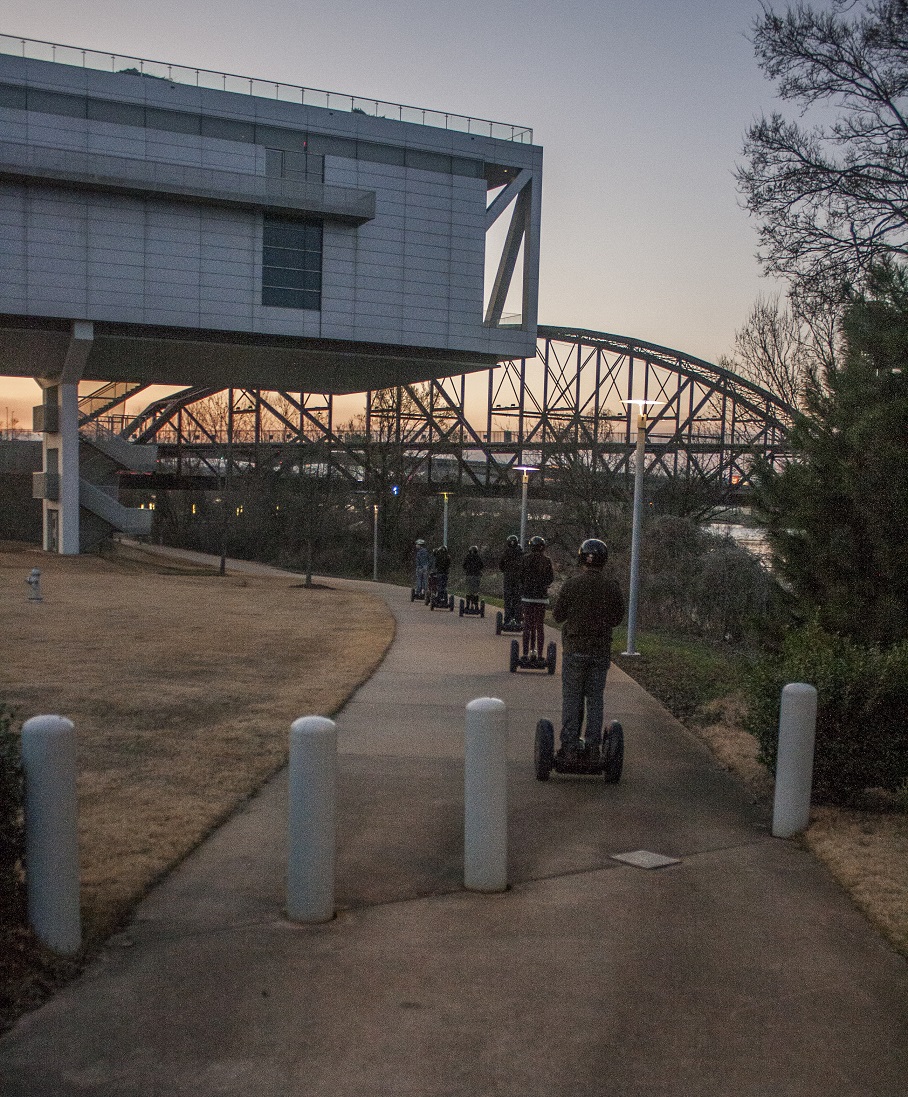
The Clinton Presidential Library…

Segway_Clinton_Library_River_1_Web

and Heifer International. Also, we passed through the Riverfront Park, where we were able to take pictures on the rock that Little Rock derives its name from…
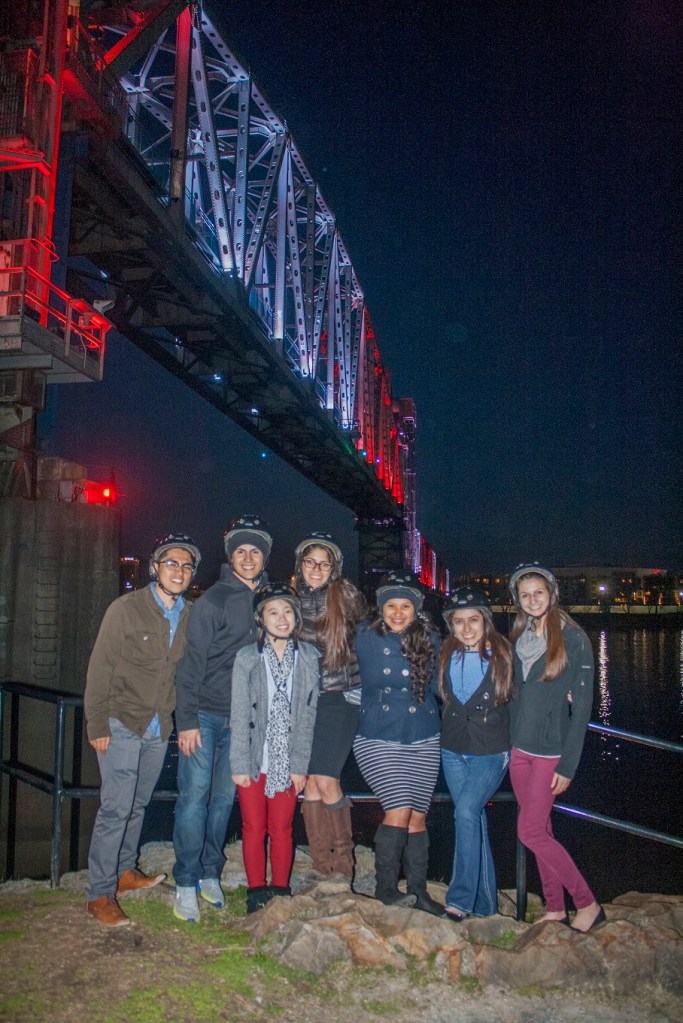
Segway_Bridge_Little_Rock_Web

as well as observe interesting historic markers and creative sculptures. From a total newbie segwayer to part of the veteran segwayers of LEAP, the tour definitely deepened both my interest in Arkansan culture and the graceful art of segwaying.

The segway tour not only fueled our desire to learn about Little rock, but also fueled our appetites!  We walked a couple of blocks to get to the well-known Sonny Williams’ Steak Room. We started with a turtle soup and a wild game sausage and cheese plate as appetizers. The wild game sausage and cheese plate consisted of rabbit, elk, and boar sausage. Some of us were particularly hesitant to try the turtle soup and rabbit sausage because it was something completely new for most of us, but we chose to go with our adventurous side and taste each appetizer. For our entrees we all chose a type of steak. We ordered a 12 oz. Filet to a Bone-in Cowboy Ribeye and a New York Strip. As soon as we each took the first bite of our steaks, we all agreed that these were the best steaks we have ever tried. It was clear to us why Sonny Williams is so well known for its steaks. After being extremely satisfied with both the appetizers and the entrees, we tried a couple of deserts. The Bread Pudding with Whiskey Sauce and the Chocolate Orange Cake were rich enough, but also light enough to kept our satisfaction rating high.

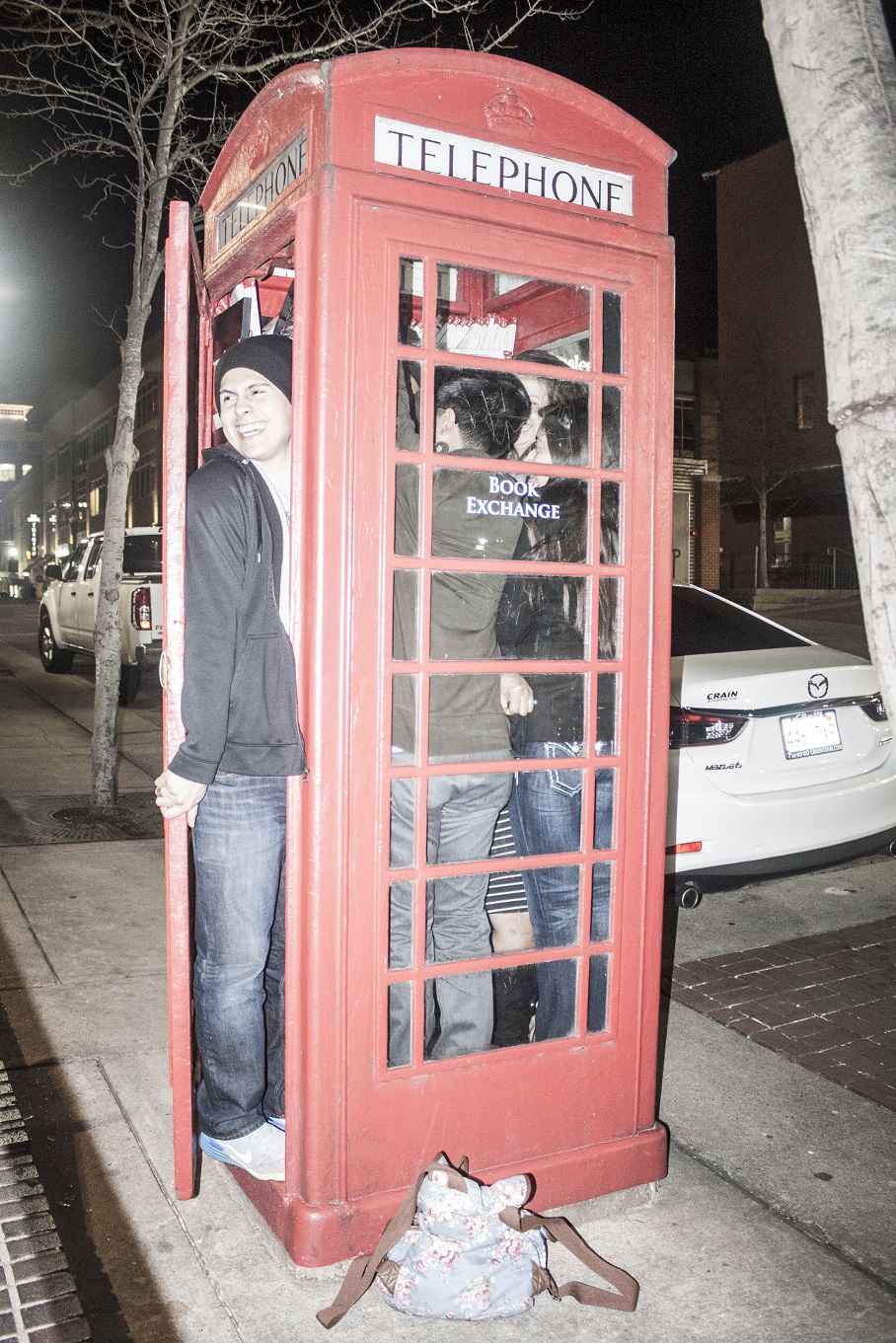
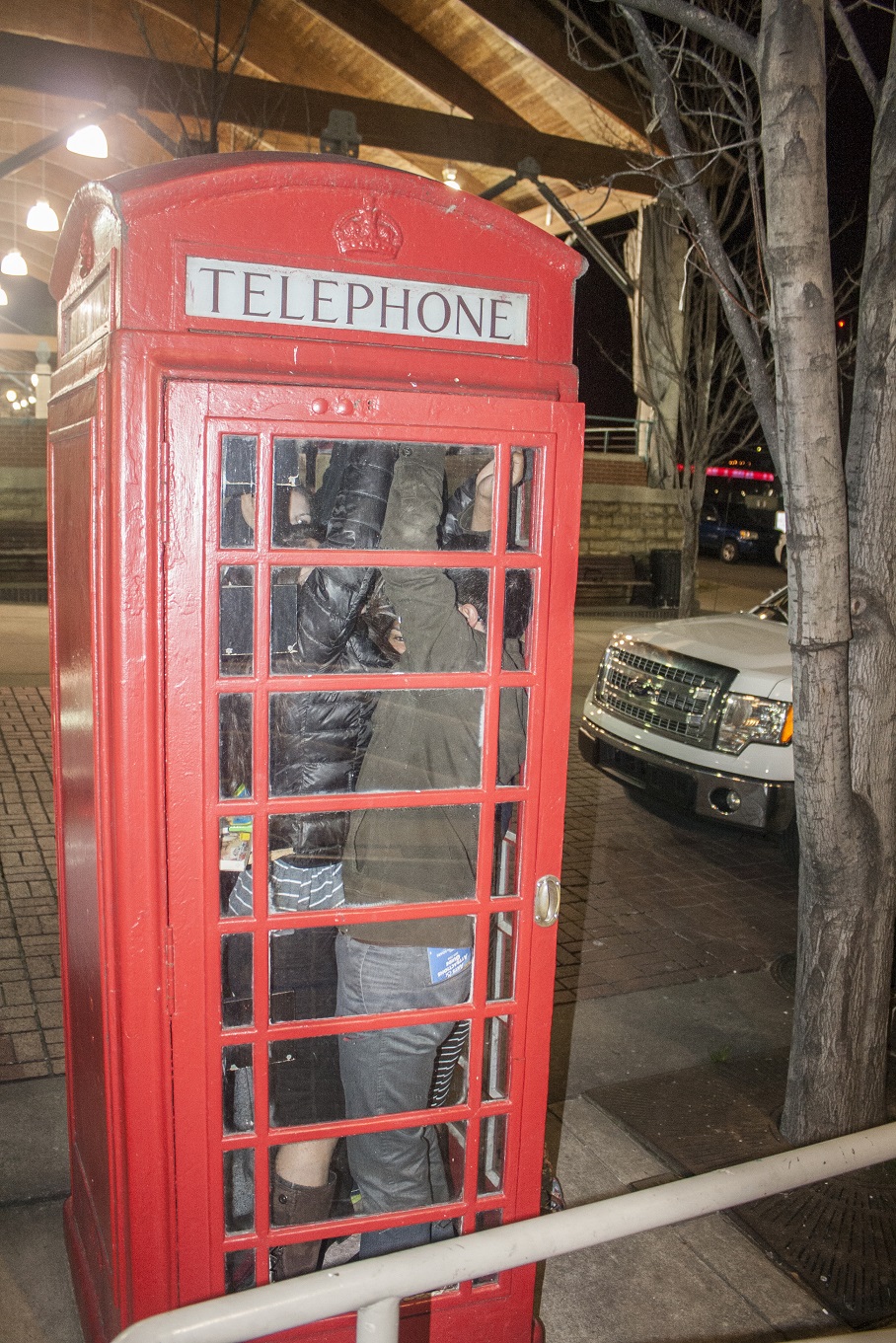
On our way back to the car, we squeezed in a bit more adventure by taking a short detour to an old telephone booth that is now used as a community book exchange. Professor Yawn challenged us to see if we could all fit in the telephone booth, and of course we accepted his challenge.
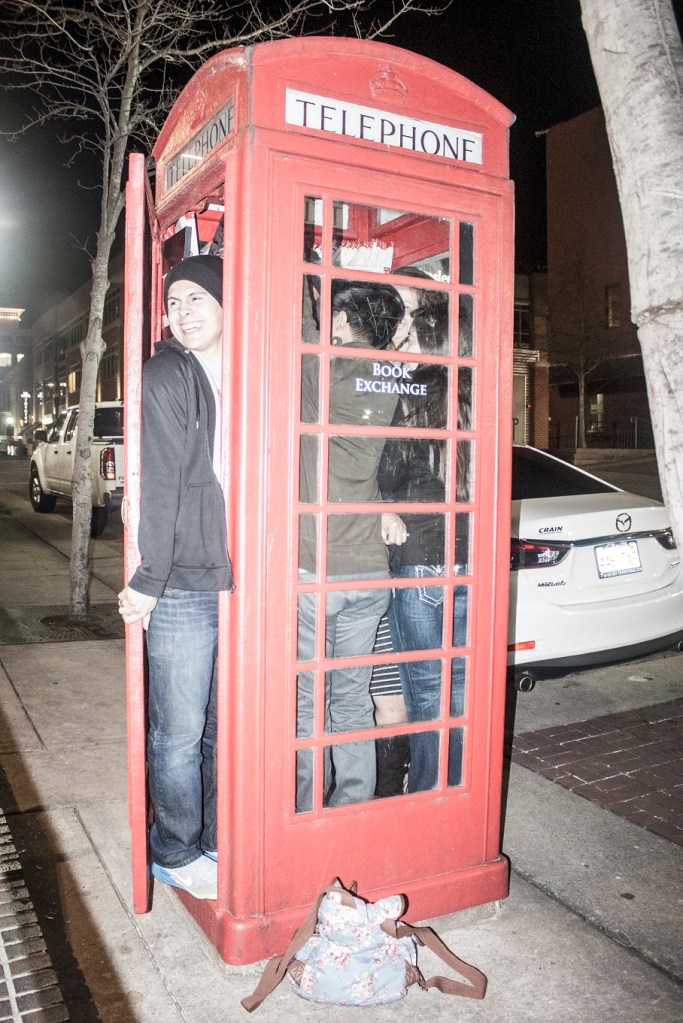
Telephone_Booth_Stuffing_Web

It was a tight squeeze, especially right after our filling dinner, but we all fit (more or less)!
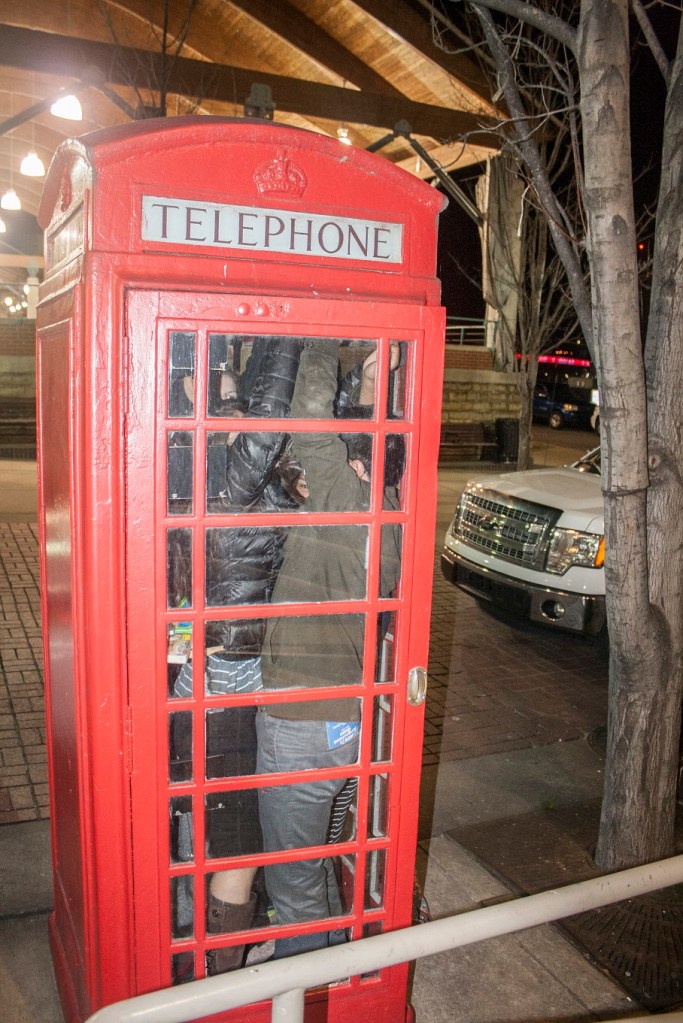
Telephone_Booth_Stuffing_2_Web

And, after a bit of a detour to walk off some of dinner…
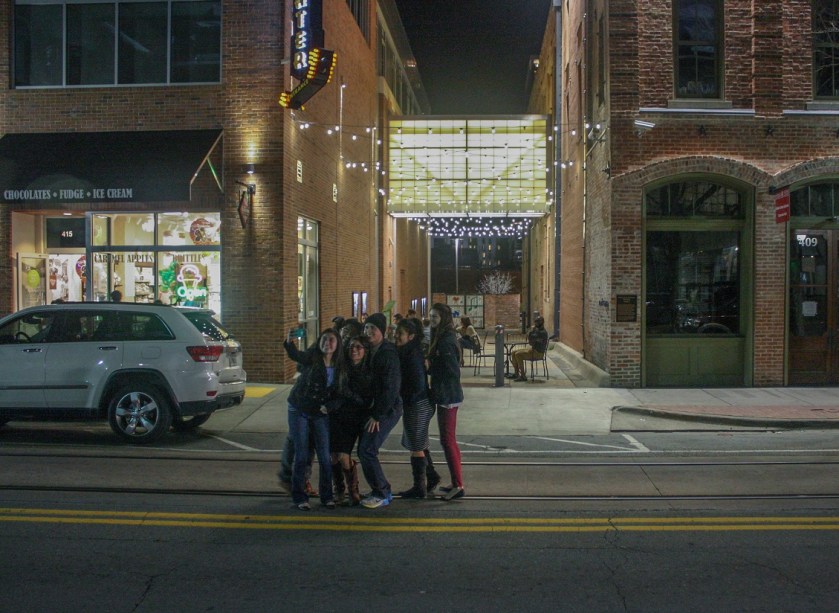
Little_Rock_Downtown_Street_Web

…called it a night and made our way back to the hotel for a much-needed night of rest.
 

Law, Art, and Pork: The Heart of Little Rock (Day 2, Morning Edition)

After a quick coffee stop to help wake us, we were fortunate enough to visit the Supreme Court of Arkansas.

We met with the public education coordinator, Cara Fitzgerald, who earned her law degree from Southern Illinois University and who passed the bar in at least three states!
AR_SC_3_web

She started the tour by teaching us more about the history of the building. Like the Old State House, the Supreme Court building has undergone changes throughout the years. The first building to house the Supreme Court was actually The Old State House, the second is at the location it is now and then it was remodeled a third time, which is the current building that houses both the Supreme Court and the Appeals Court.

We continued the tour of the west wing, where they display the portraits of the previous justices who have served on the Supreme Court…

AR_SC_1_web

…and as we moved along we were shown the portraits of all seven presiding justices.  The first thing that stood out to some of us was that the majority of the Justices currently on the Supreme Court of Arkansas are women.

After learning more about the current Justices and the recent death of their Chief Justice, Ms. Fitzgerald introduced us to Associate Justice Robin F. Wynne who joined in on the tour! Once in the courtroom, we introduced ourselves to Justice Wynne and he then introduced himself and told us about his journey to becoming a Supreme Court Justice.

AR_SC_Wynne_2_web

He then asked us the simple most important question that he asks all of his students, “Why do you want to be an attorney?” Many of us had not been asked this question before, which led us to really reflect on why we wanted to go down that career path. Our answers to the question ranged from helping people and having a say in our society to solving puzzles and upholding the law.

AR_SC_Wynne_1_web

After Justice Wynne was able to get to know us more based on our answers, he and his law clerk, John Webster gave us great advice on how to get the best out of law school.

AR_SC_Wynne_5_web

John Webster explained to us exactly what a law clerk does and why, if we get the chance, it is an opportunity to take advantage of in law school. They also explained to us what they look for in applicants for their office, and one of the most important things was a “hook”. Justice Wynne explained that he not only looks at grades, but also the substance of the applicants’ character. After the very informational discussion with Justice Wynne and Mr. Webster, they took us on a very personal tour of his office where he explained what his typical week at the office consists of. Oral arguments are on Thursday; opinions are on Wednesday; and Monday and Tuesday are much-needed reading days. Each justice is assigned five cases a week and one of those is considered a primary case in which they take a leadership role. After discussing this process, he showed us the conference chamber where the seven justices meet after oral arguments to talk about the reasons they dissent or support each others’ opinions.

AR_SC_Wynne_Conference_Room_BW_web

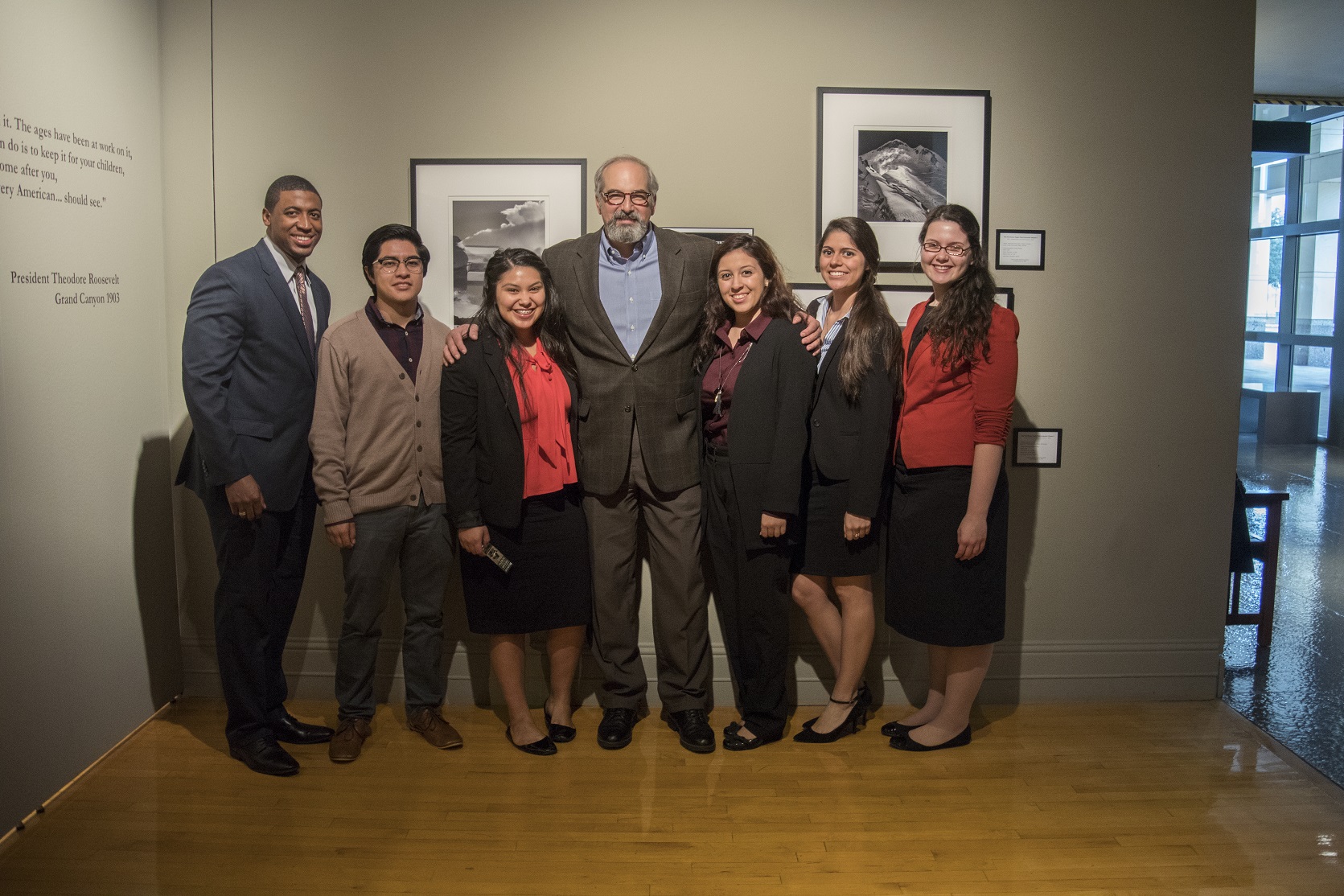
Justice Wynne even let us take a picture in the conference chamber with him!

AR_SC_Wynne_Conference_Room_2_web

After the private tour, we asked Ms. Fitzgerald how often tour groups get to go up to see the Justices offices and the conference room, to which she replied that she couldn’t recall it ever happening before! We were all extremely grateful for the hospitality that Justice Wynne showed us while teaching us an immense amount about the ins and outs of the Supreme Court of Arkansas.

During the last portion of the tour we dressed in black robes and acted as Justices of the Arkansas Supreme Court. The tour of the Supreme Court of Arkansas was an amazing way to learn more about the court system, and left us all in awe of how great of a time we had while we were visiting. Once everyone had their turn banging the gavel, it was time to go onto our next adventure.

This slideshow requires JavaScript.

Our next adventure was the Arkansas Arts Center.  Although  not as large as the major Art Museums, they have a nice permanent collection, much of which was donated by the Rockefellers (Winston Rockefeller was Governor of AR in the 1960s).  The collection contains works by Miro, Picasso, and Monet…

AAC_Monet_1_web

…among many others.

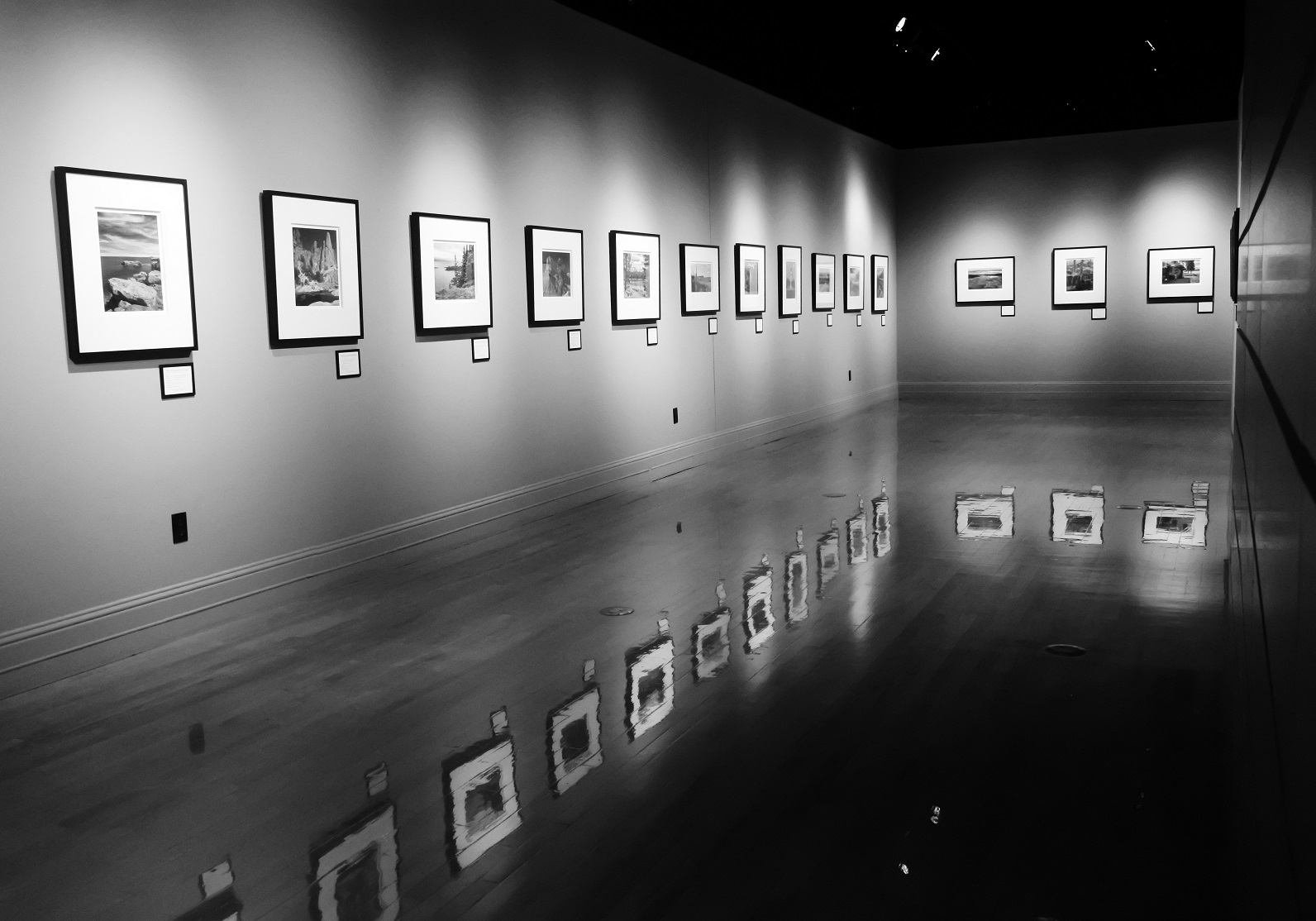
This time, however, the real treat were the special exhibits.  One featured the photography of Dortothea Lange, the photographer who captured the Great Depression and the plight of the migrant workers so perfectly.

AAC_Lange_Photo_1_web

Another exhibit featured the work of Charles Burchfield, who focused on the mixed blessings of urbanization.

AAC_Burchfield_Bella_BW_web

Both art collections were created near the same time period, but they were very different in medium and subject matter. Charles Burchfield’s art depicted “Industrial Beauty” using watercolor paints. Black Iron, the exhibit centerpiece, was inspired by the port of Buffalo on Lake Erie.

AAC_Burchfield_Ambassadors_1_web

According to the exhibit, Burchfield saw the bridges as part of an industrial complex spewing poisonous chemicals into the river; yet he found the massive structures irresistibly beautiful.” The paintings and drawings used darker colors to convey emotion.

Dorothea Lange is known for her black and white photography during the Great Depression Era. Each photograph captured emotion that strikes viewers immediately. Her works had great impact on legislation during the time period and even in the way films depicted people of the Great Depression Era. One of her most famous photographs, Migrant Mothers, was showcased along with a variety of other photos that were new to many of us.

AAC_Lange_Brian_web

Each person left with a favorite photo from her collection.

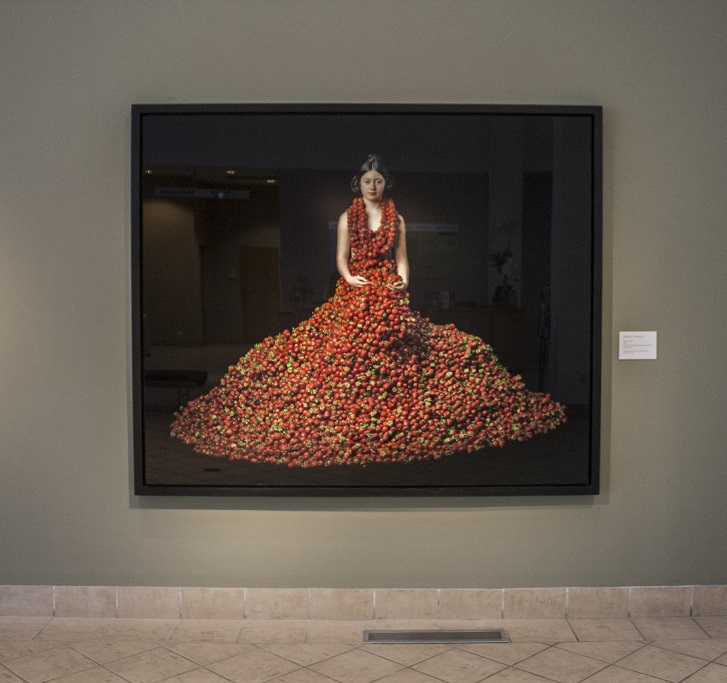
A third,  smaller special exhibit featured the work of Nathalia Edenmont, who makes dresses from flowers and other produce.

AAC_Edenmont_Tomatoes_web

This theme tied into a discussion Megan and I have had in our art class, which revolved around the question of whether the Ag Department’s “Floral Design” class should be considered an art class.

The Arkansas Arts Center was the perfect place to learn about a large variety of art because it explained the distinguishing characteristics of each genre. The art ranged from small, detailed, and complex paintings to intricate, colorful, and sometimes puzzling statues.

AAC_Wizard_Bella_web

Overall, the LEAP Ambassadors enjoyed gaining new knowledge of art in Arkansas.

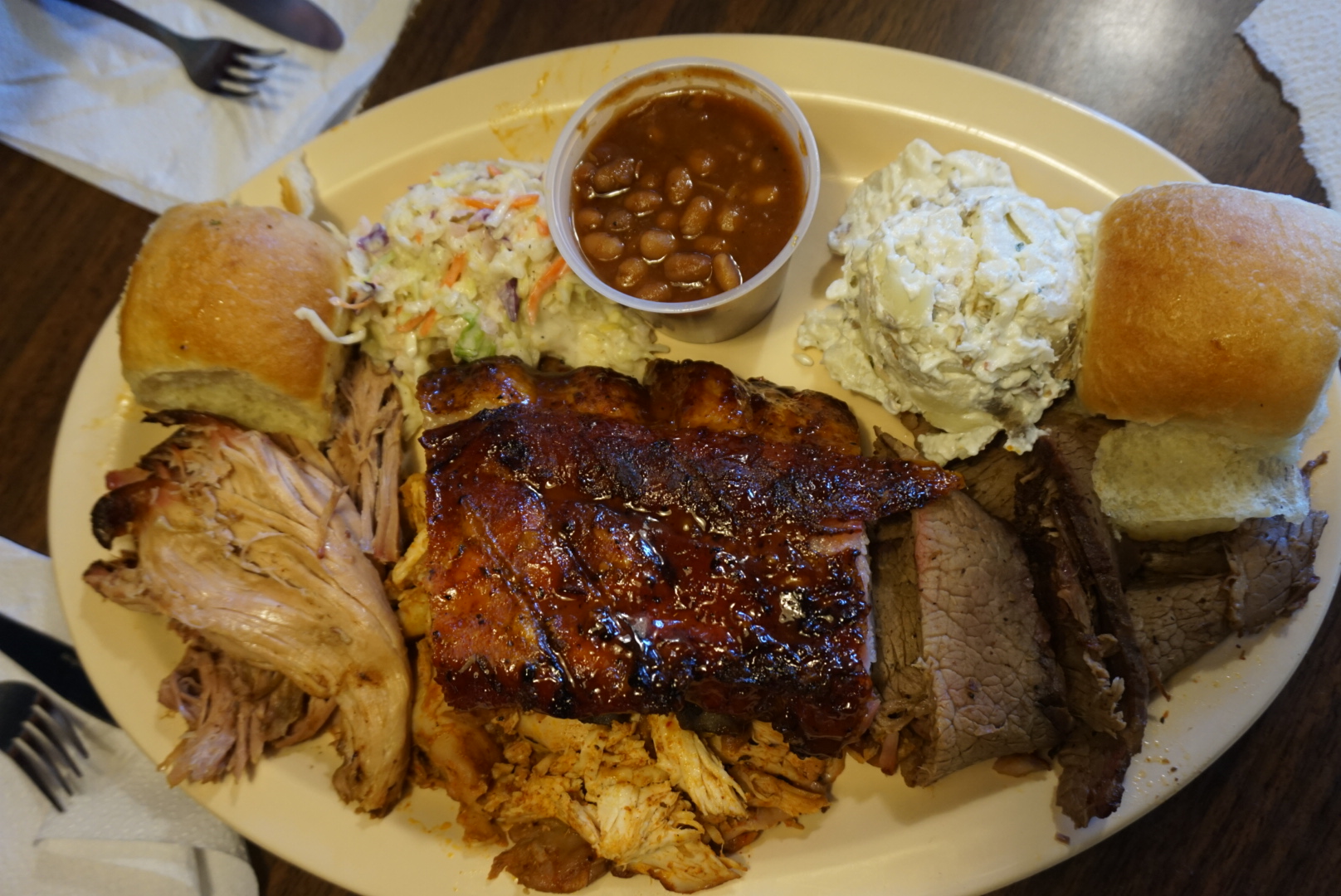
Lunch was a treat for us avid meat-lovers as we decided to fill our stomachs at The Whole Hog Cafe, a LEAP Center tradition. Catering a country style atmosphere while offering a variety of award-winning meat (as indicated by the line of trophies displayed near the entrance of the cafe), we knew we were going to be satisfied! To get the most out of our experience, we ordered three plates of The Ultimate Platter, which consisted of pulled pork, beef, chicken, ribs as the main course, and coleslaw, beans, potato salad, and rolls as sides.

Food_Whole_Hog_Platter

Enhancing the overload of finely cooked meat were the six diverse choices of barbecue sauces, ranging from sweet to spicy to slightly tangy.

Food_Whole_Hog_BBQ_Sauce

Each sauce was unique and each person had a chance to pick a favorite. The top three according to our collective preferences were Sauce No. 1 (sweet, mild, molasses flavor), Sauce No. 3 (spicy, traditional tomato, vinegar flavor) and Sauce No. 5 (sweet, heavy, molasses flavor) tied for 2nd place, while for third was Sauce No. 2 (a less spicy version of Sauce No. 3). We also indulged in the best (according to Alex) chocolate brownies for dessert. The service, the platter, the BBQ sauces and the fun conversations that filled our table made for a great experience at Whole Hog Café.

Food_While_Hog_Group