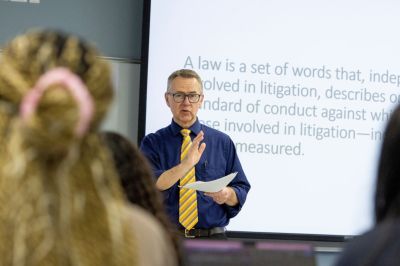
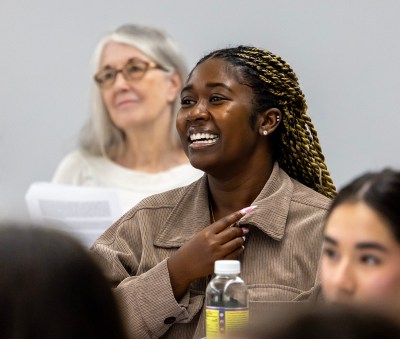
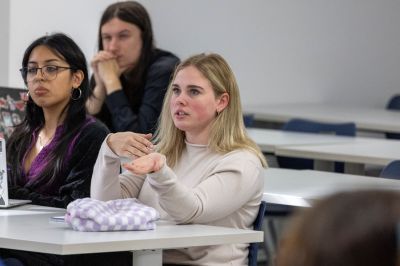
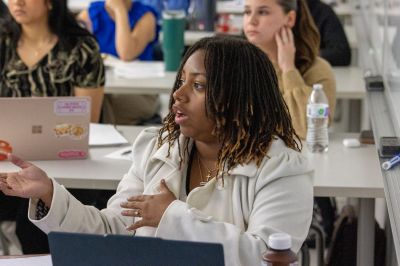
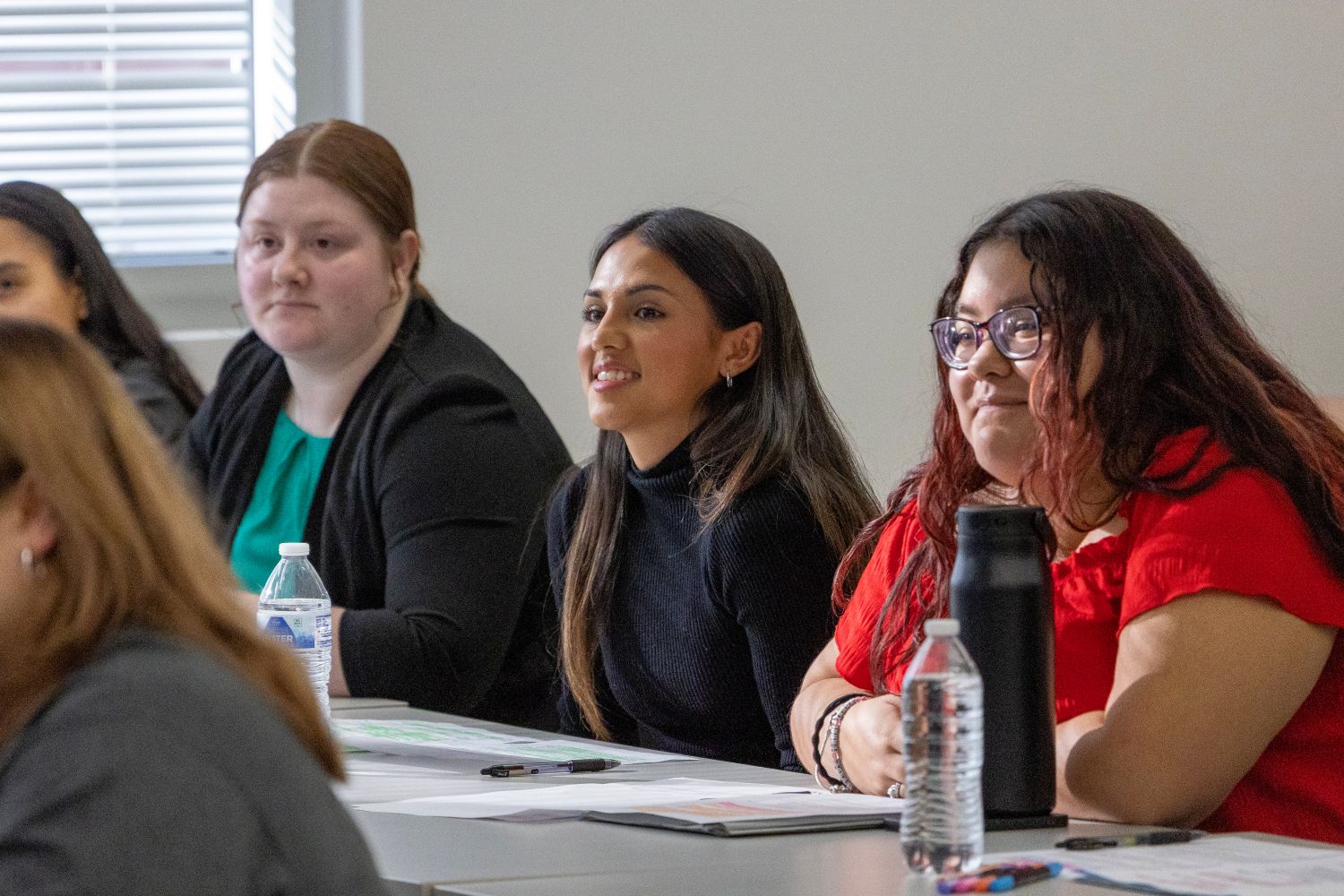
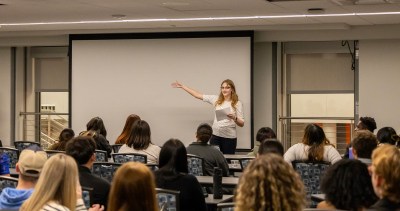
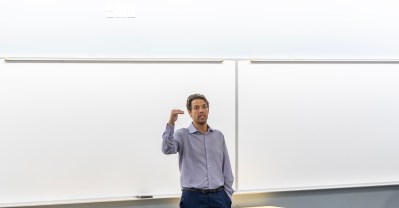
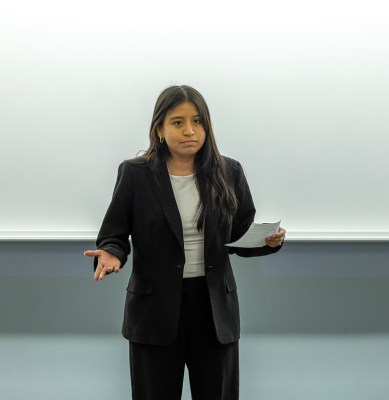
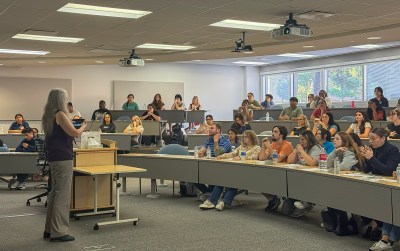
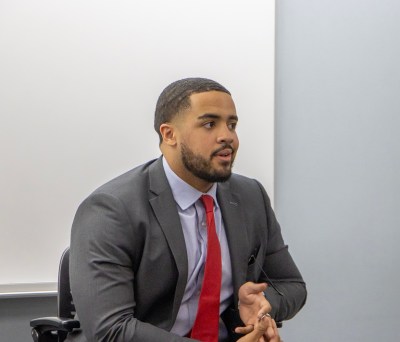
Last week, LEAP students had the opportunity to experience what it’s like to be in a law class led by Professor Val Ricks at South Texas College of Law Houston! From cold calls that made us lean in with anticipation…
…to deep dives into Promissory Estoppel, Professor Ricks left us all with new knowledge and a new way of viewing words.
The mock class started with defining what law is, specifically:
Law: a set of words that, independent of anyone involved in litigation, describes or establishes a standard of conduct which against the actions of those involved in litigation — including the judge — may be measured.
Why do humans form law? Would law exist if humans didn’t? The simple answer is: Law is just a standard of conduct humans use to govern themselves. Even though we write them down, without us here to interpret those words, they would have no value.
Professor Ricks related law to a game of Chess, each piece on the board is affected by a rule, that, in turn, influences the sequence of the game.
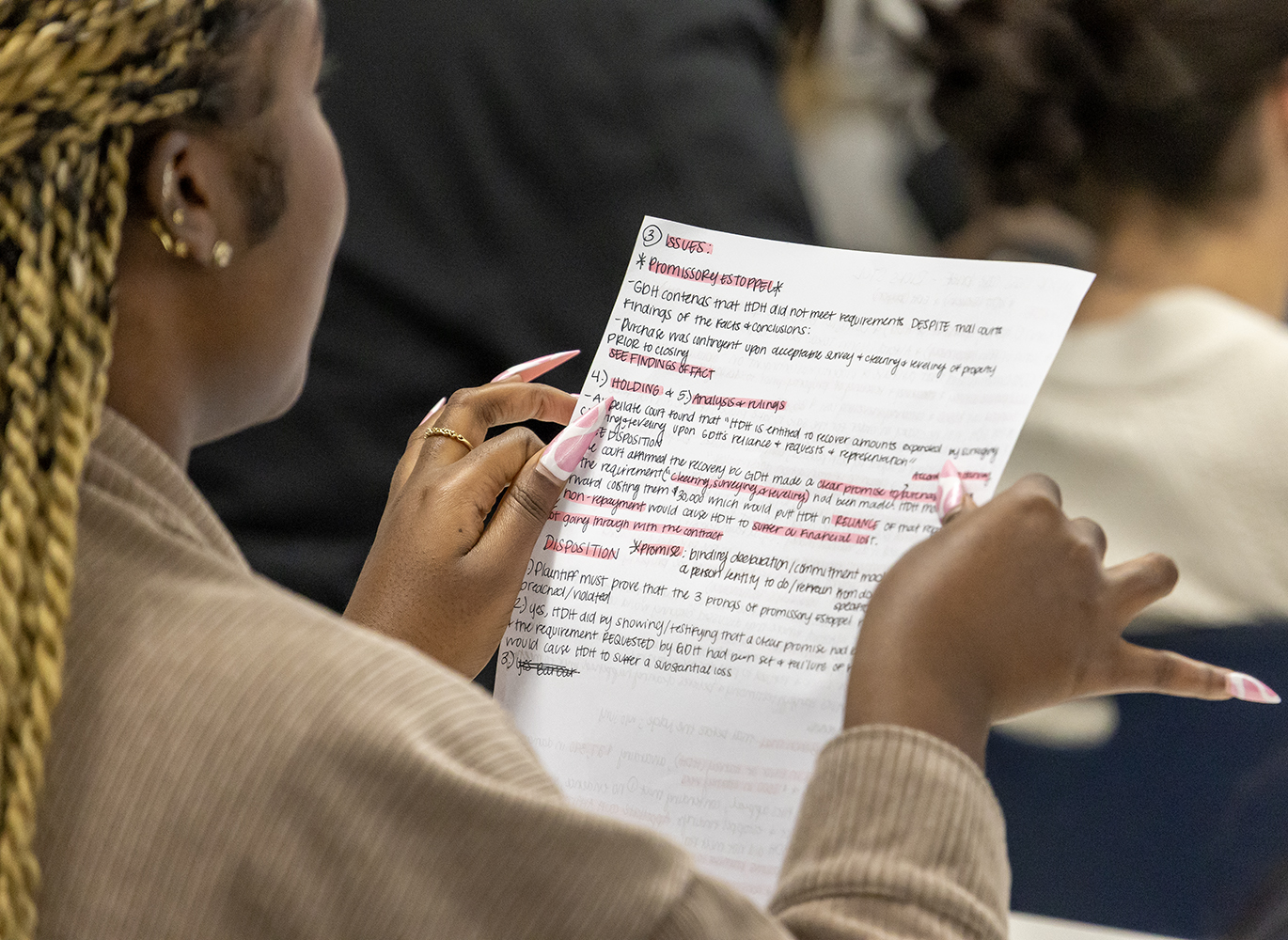
Then it was time for the case: G.D. Holdings, INC. v. H.D.H. Land & Timber, L.P., a civil case revolving the transaction of 300,000 dollars in exchange for nine acres of land IF the land were to be surveyed, cleared, and level. Professor Ricks provided us with the facts of the case and turned it over to us, cold calling on students…
…to give the other aspects of their case briefs.
Learning from each other, we began to apply the rule of Promissory Estoppel, re-defining its three requisites.
As a class we came to understand that Promissory Estoppel is when a promise is made and the person making the promise can reasonably predict that the person agreeing to the promise will rely on that promise in a detrimental way.
In the example case, the promise was the purchase of land by G.D. Holdings from H.D.H. once the land got cleared.
We also learned that even though both parties signed a contract, because one party crossed out a clause in the contract before signing, the law considers that to be two different contracts meaning there wasn’t ever a valid contract.
After we dissected the case and the language used in it, we got to practice our application with a few examples and found that Professor Ricks (to no one’s surprise) did an excellent job at teaching us the concepts so we all properly applied the learned rules to other cases.
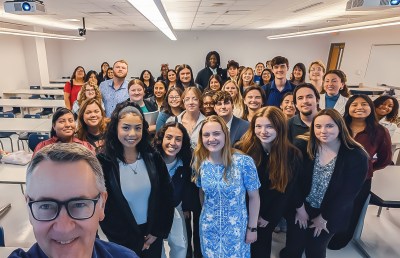
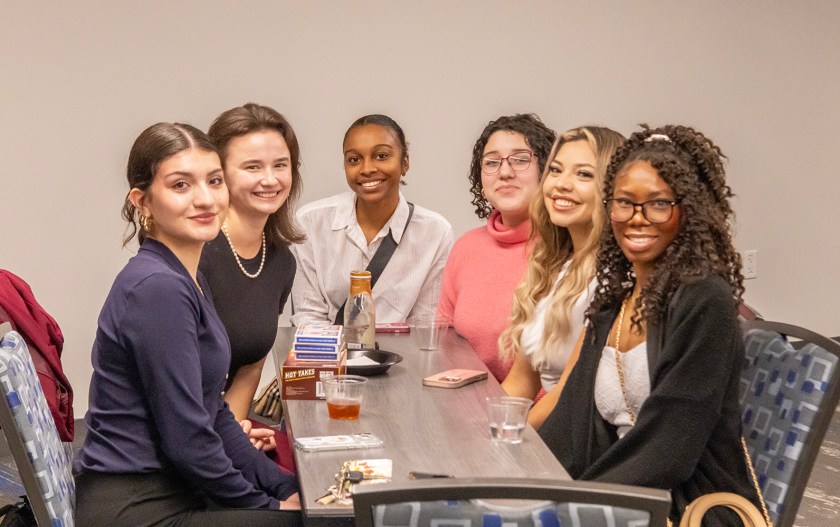
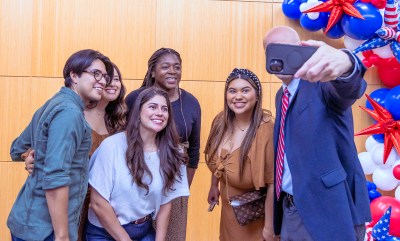
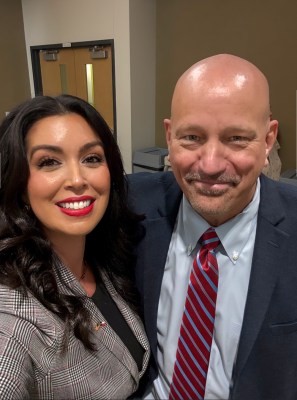
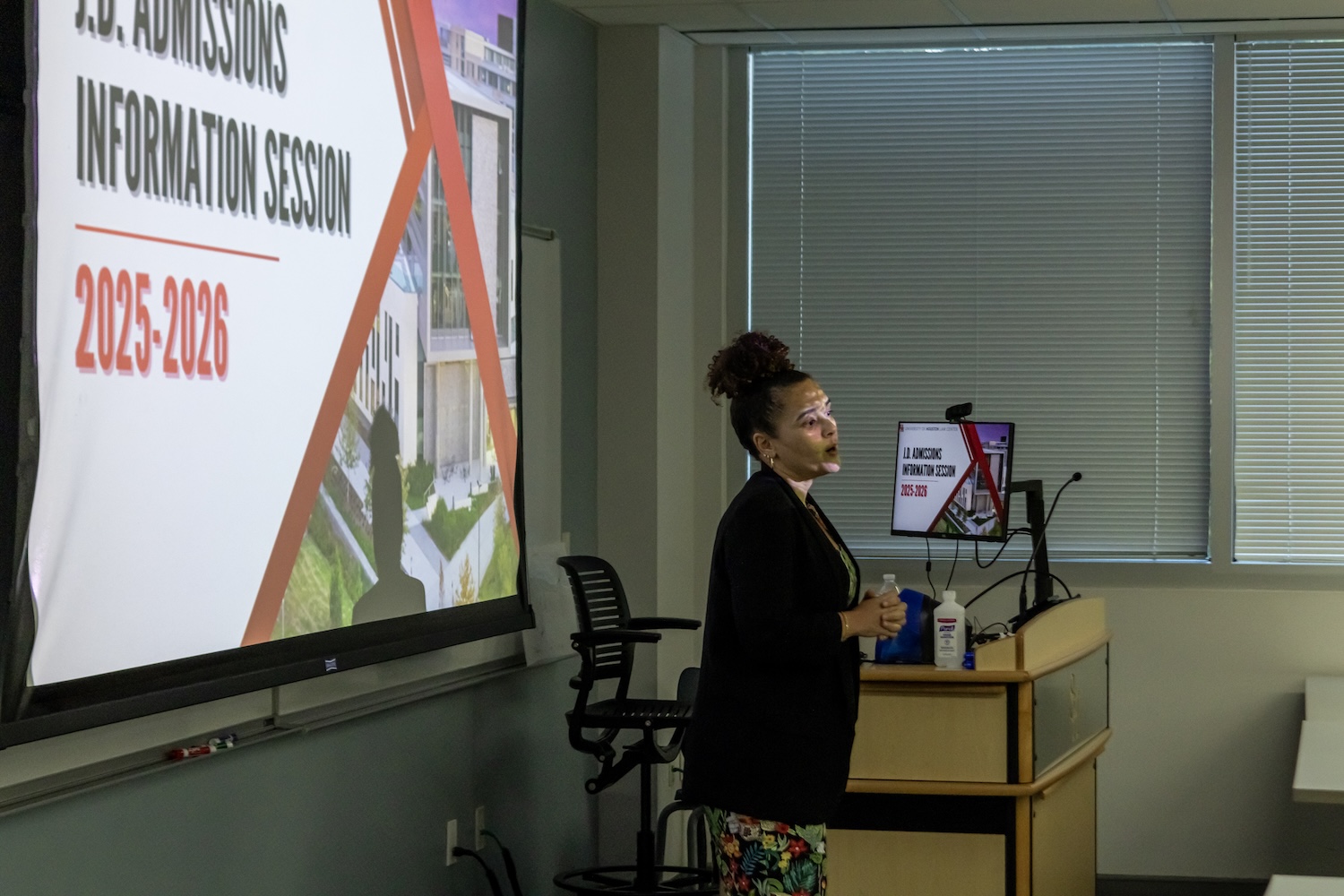
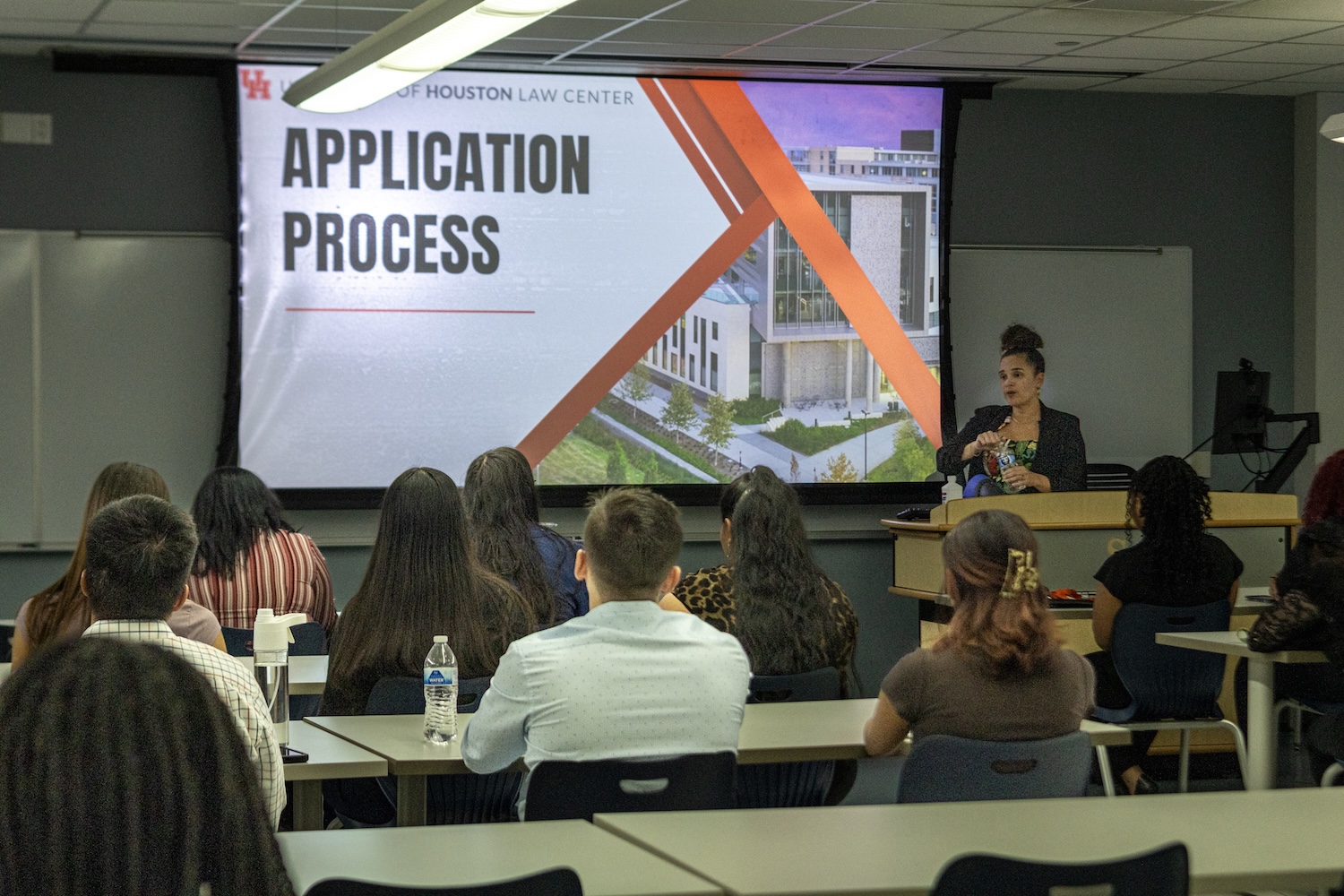
We also got the chance to ask Professor Ricks about law school admissions, grading, as well as what to expect in similar law school classes. Of course, we had to get our signature selfie to finish the class, but the learning didn’t stop there as even afterwards, all of us were beaming with a new passion for contract law and hopes for what future knowledge lies ahead.
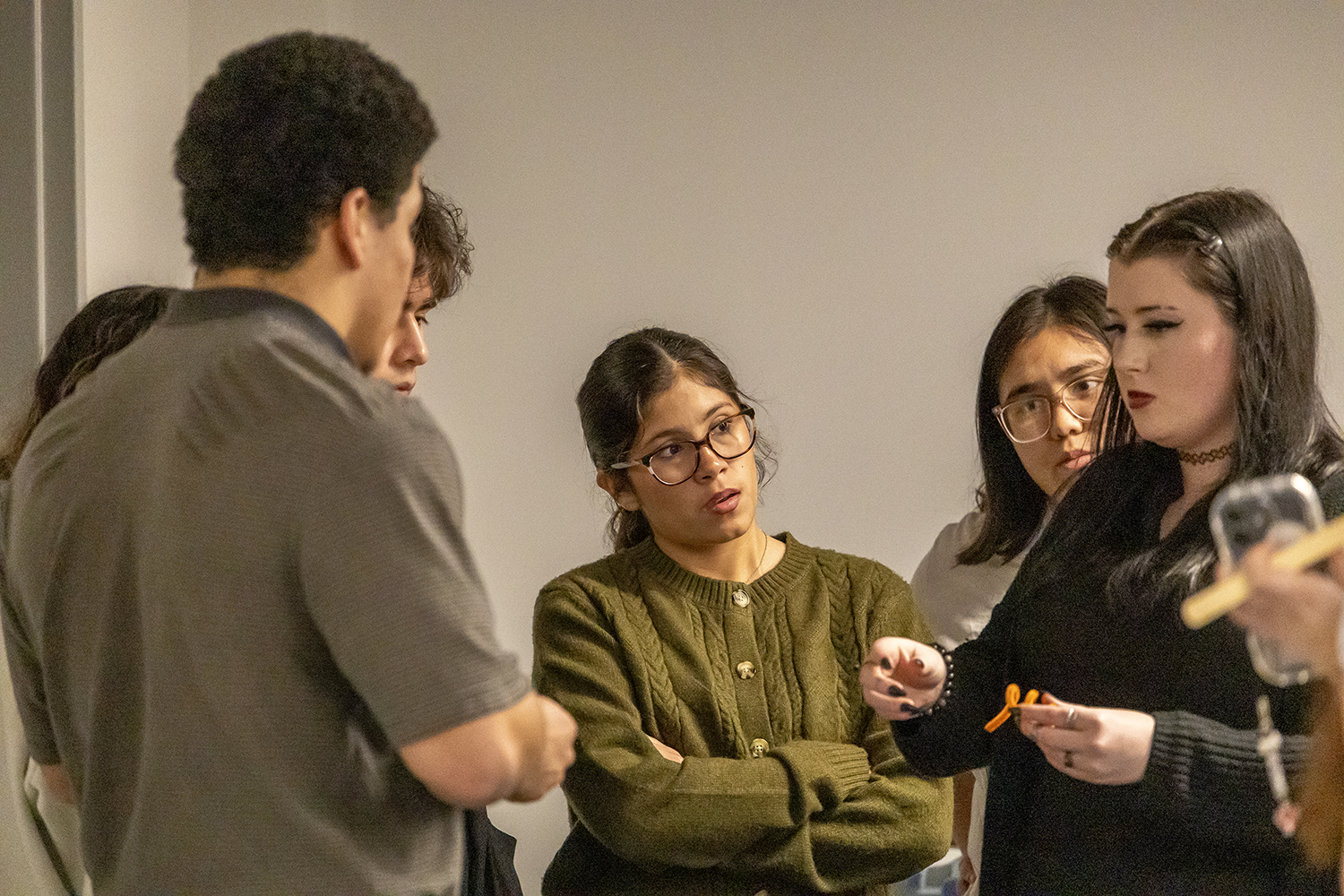
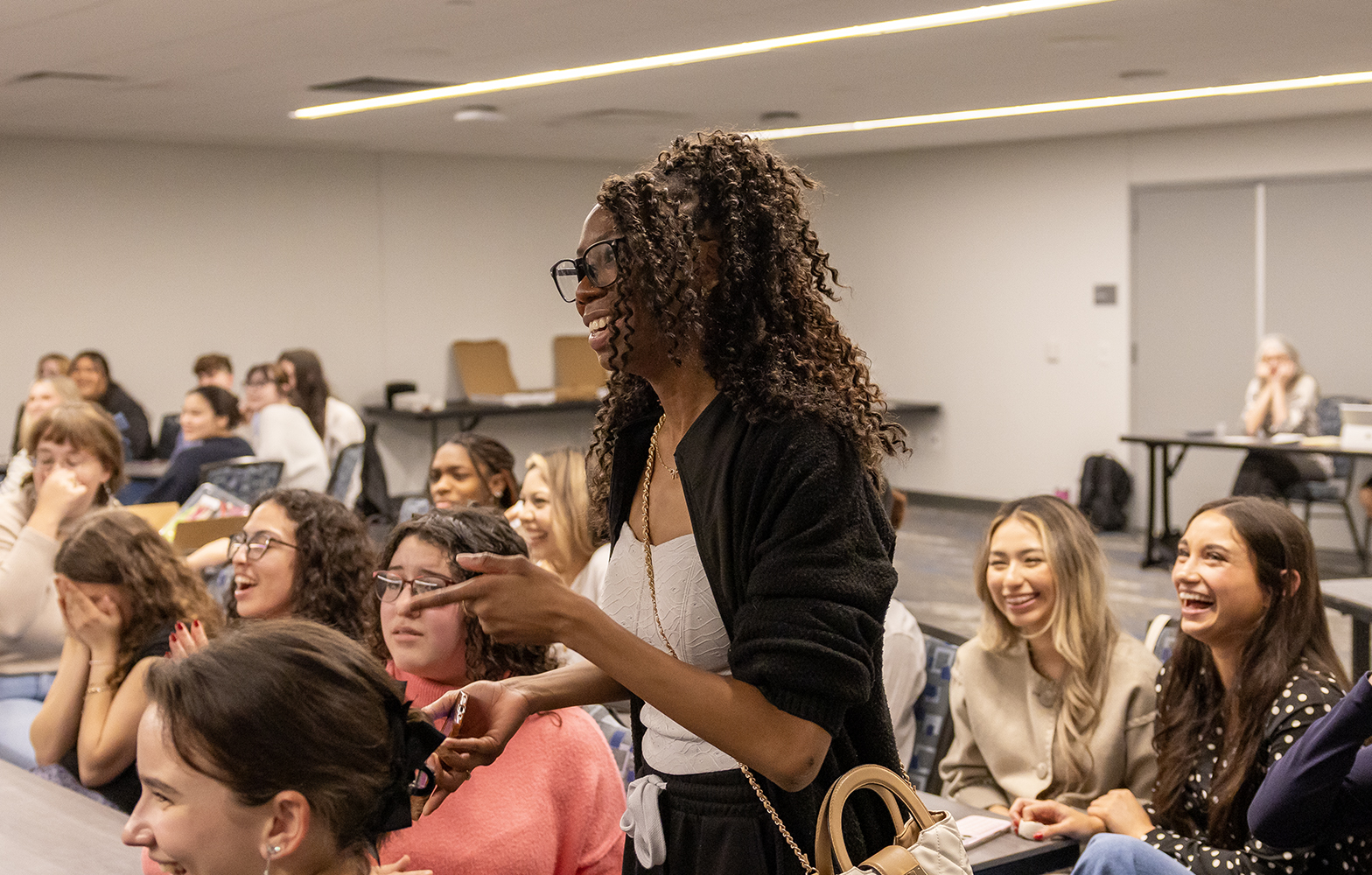
On January 21, Student Legal & Mediation Services, the Pre-Law Society, and the LEAP Center hosted “Legal Jeopardy” in the LSC, bringing together students for an evening of learning, connection, and friendly competition.
The evening began at 6pm, with check-in and networking while students enjoyed pizza and dessert. Upon arrival, each attendee was assigned to one of four teams, each led by our team leaders: Brittlyn Jackson (Team 1), Jacob Wessels and Allie Plunk (Team 2), Elizabeth Werts and Abigail Wilmot (Team 3), and Isis Hollis and Robin Houghton (Team 4), while our logistical managers, IT Directors, and Sergeant-at-Arms prepared for the evening.
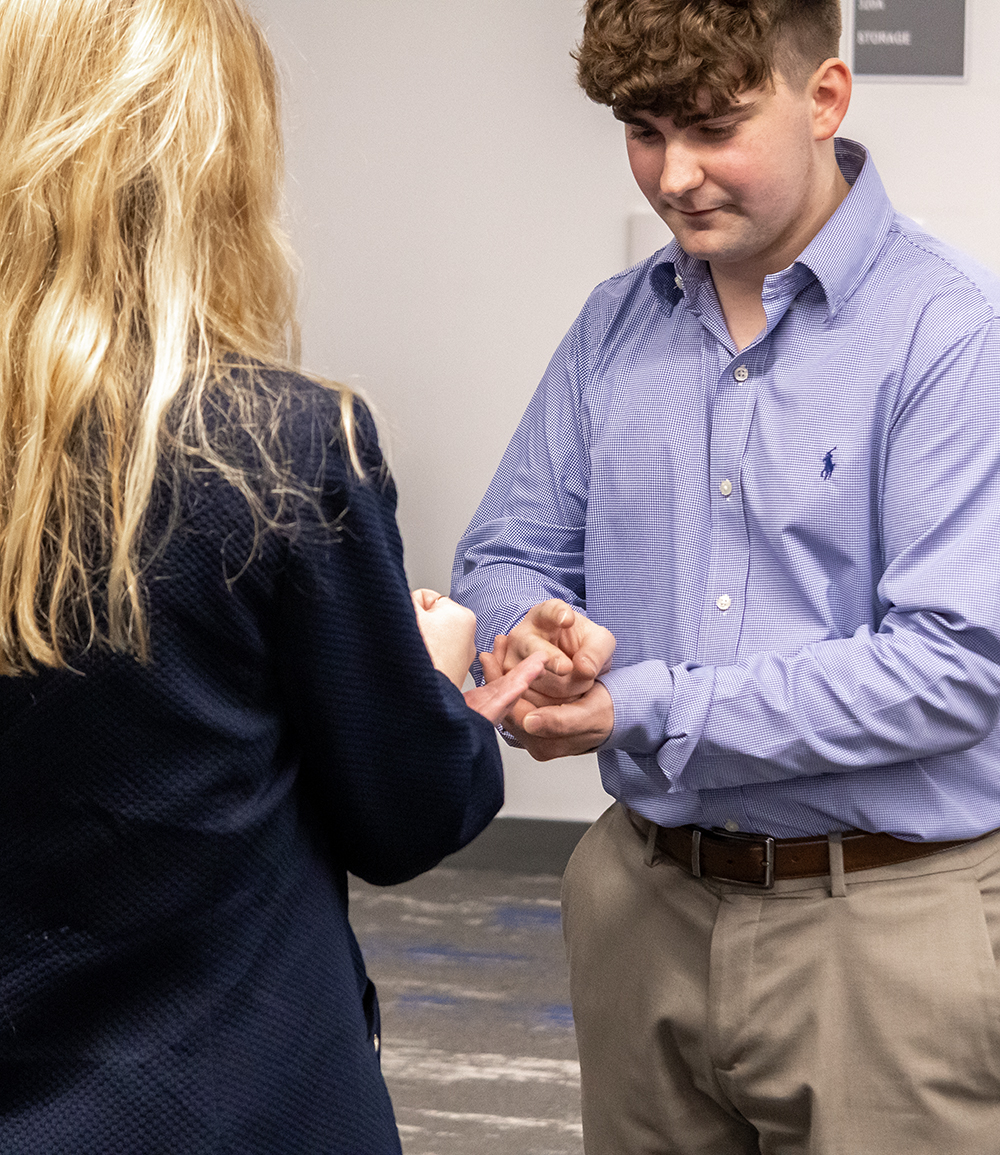
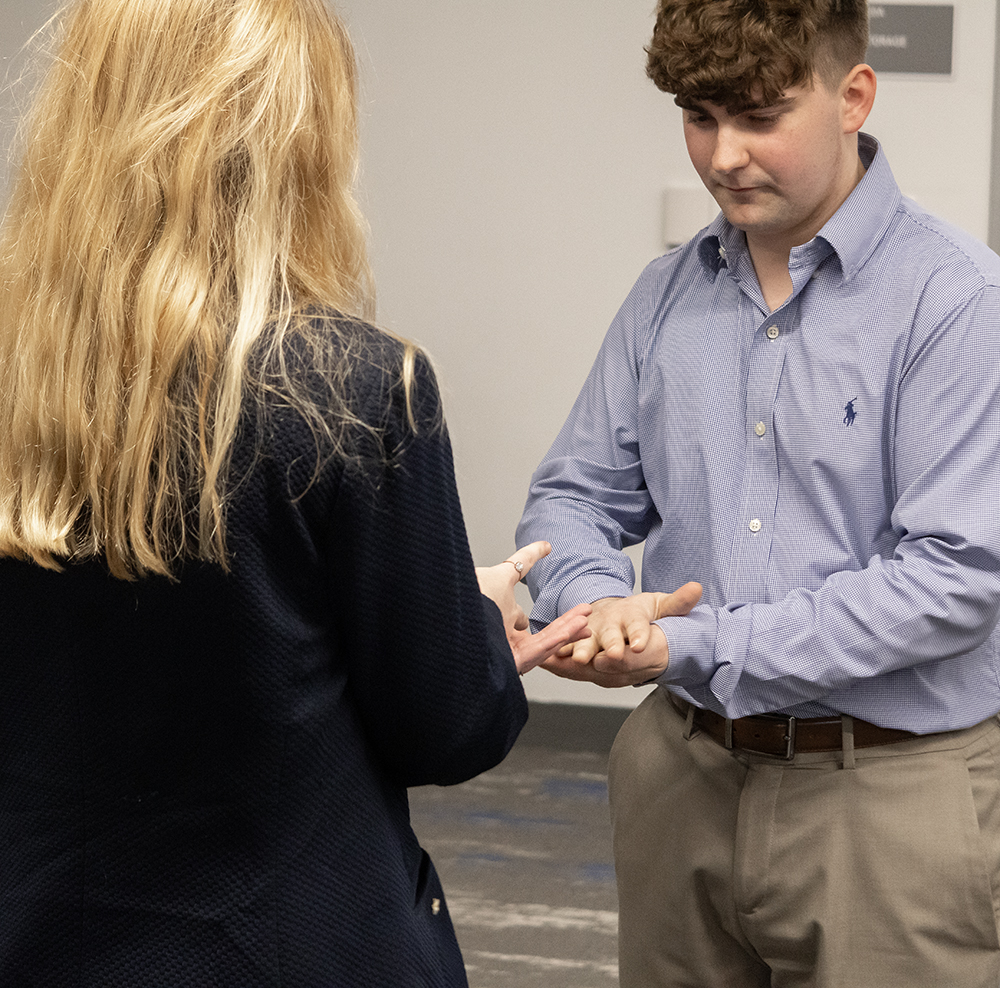
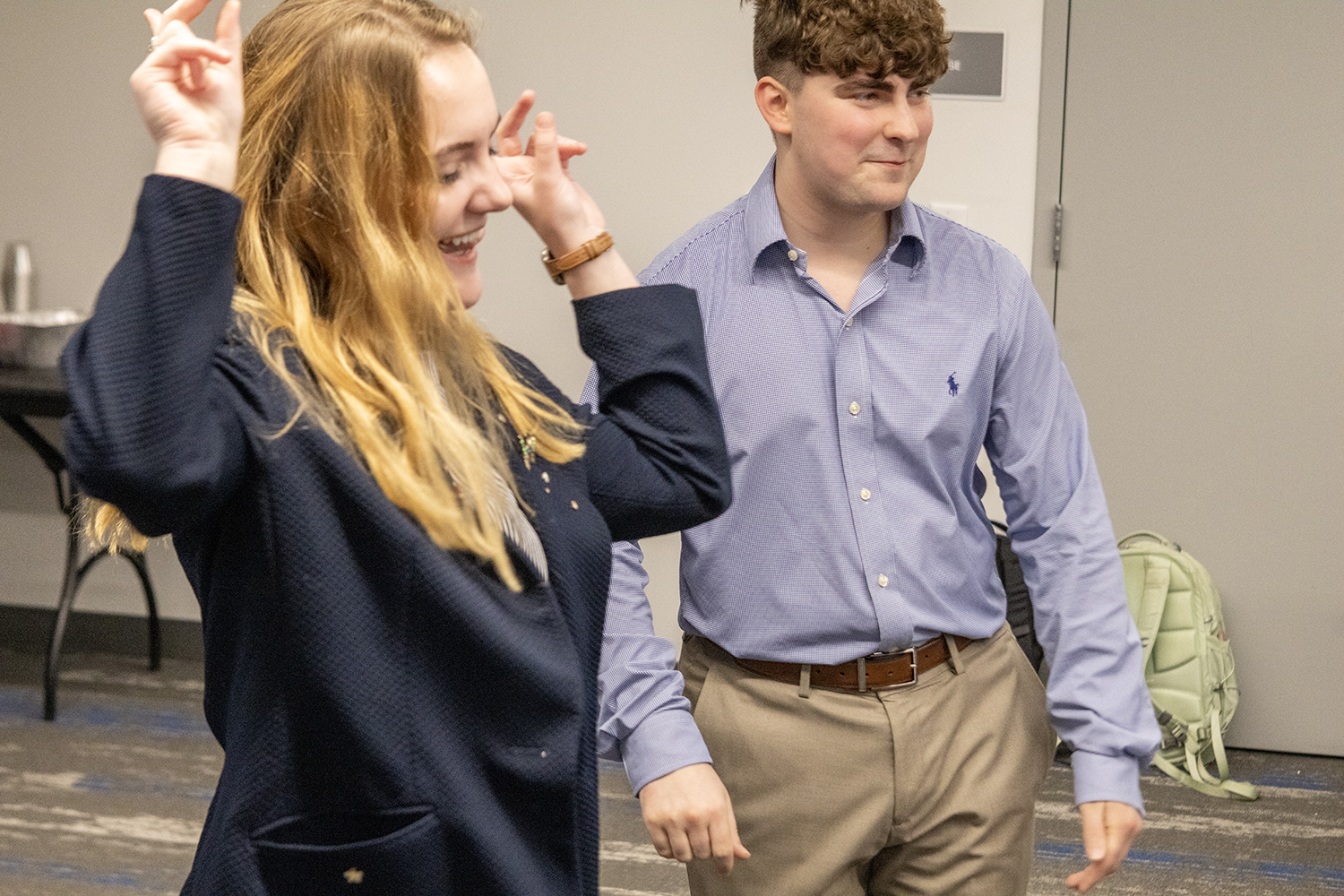
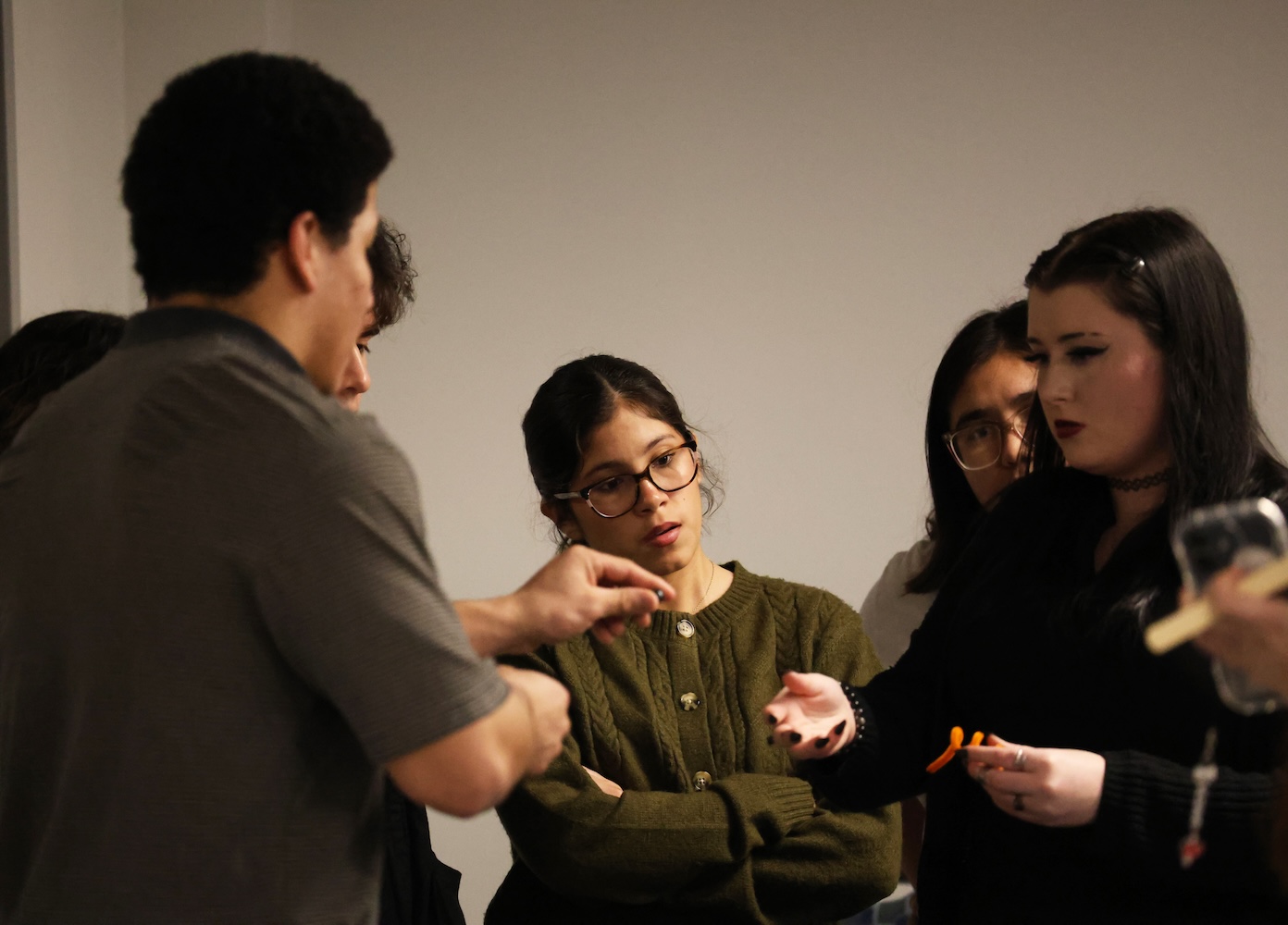
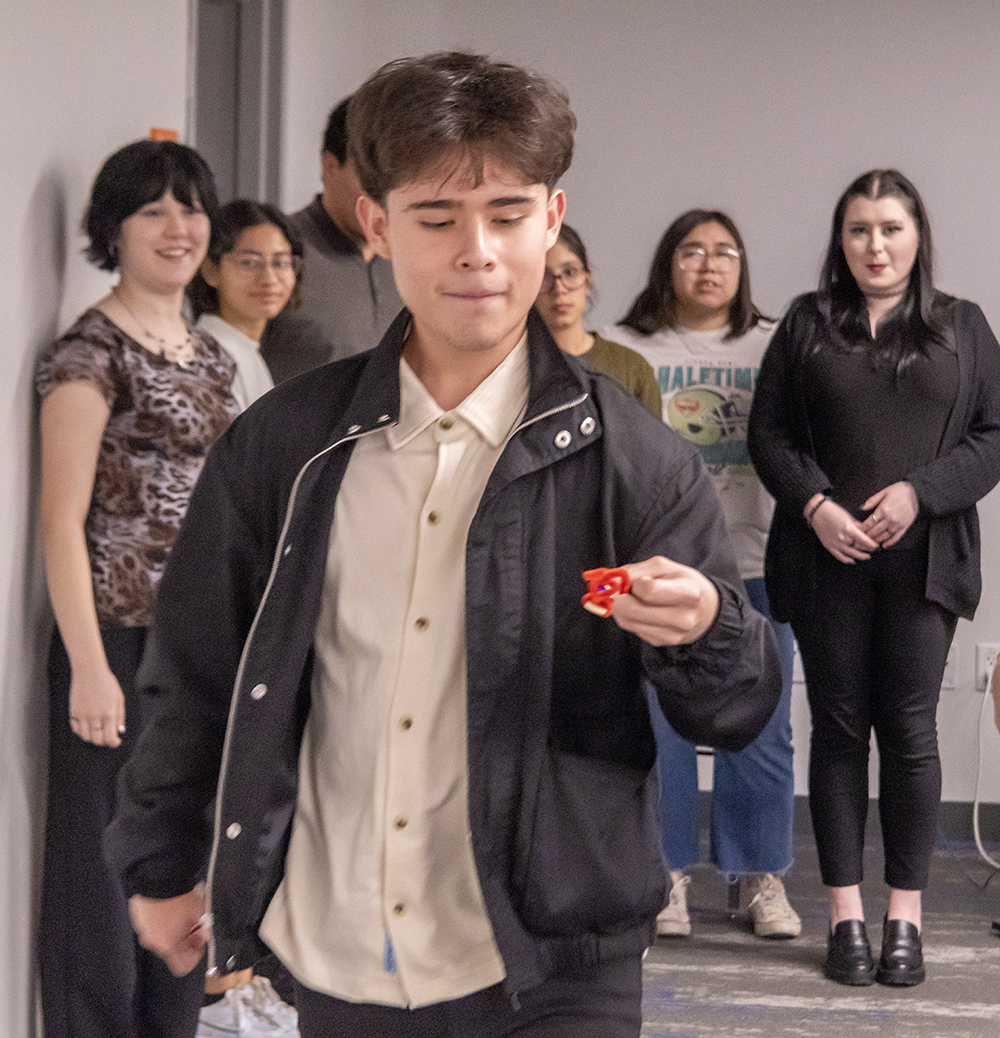
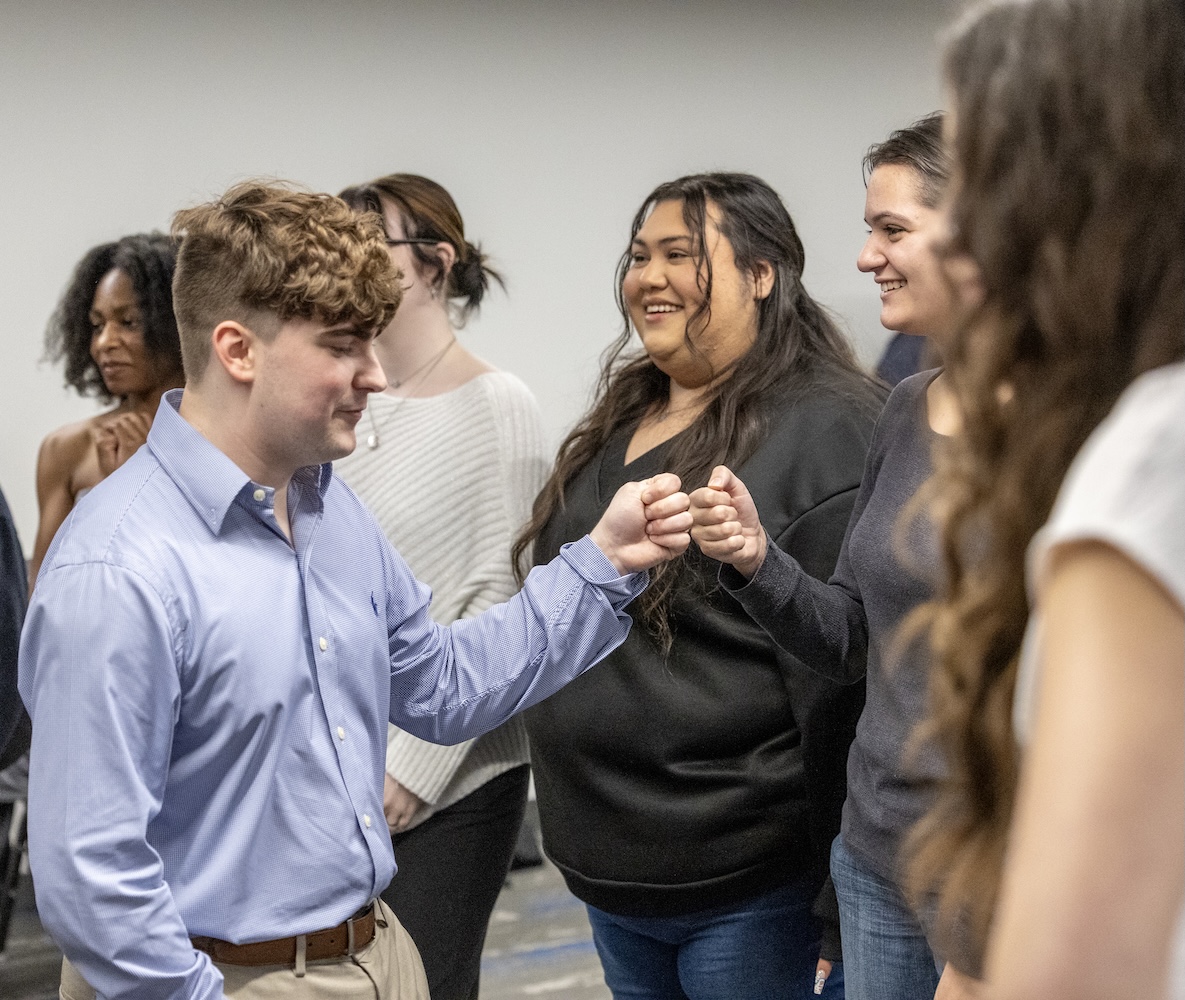
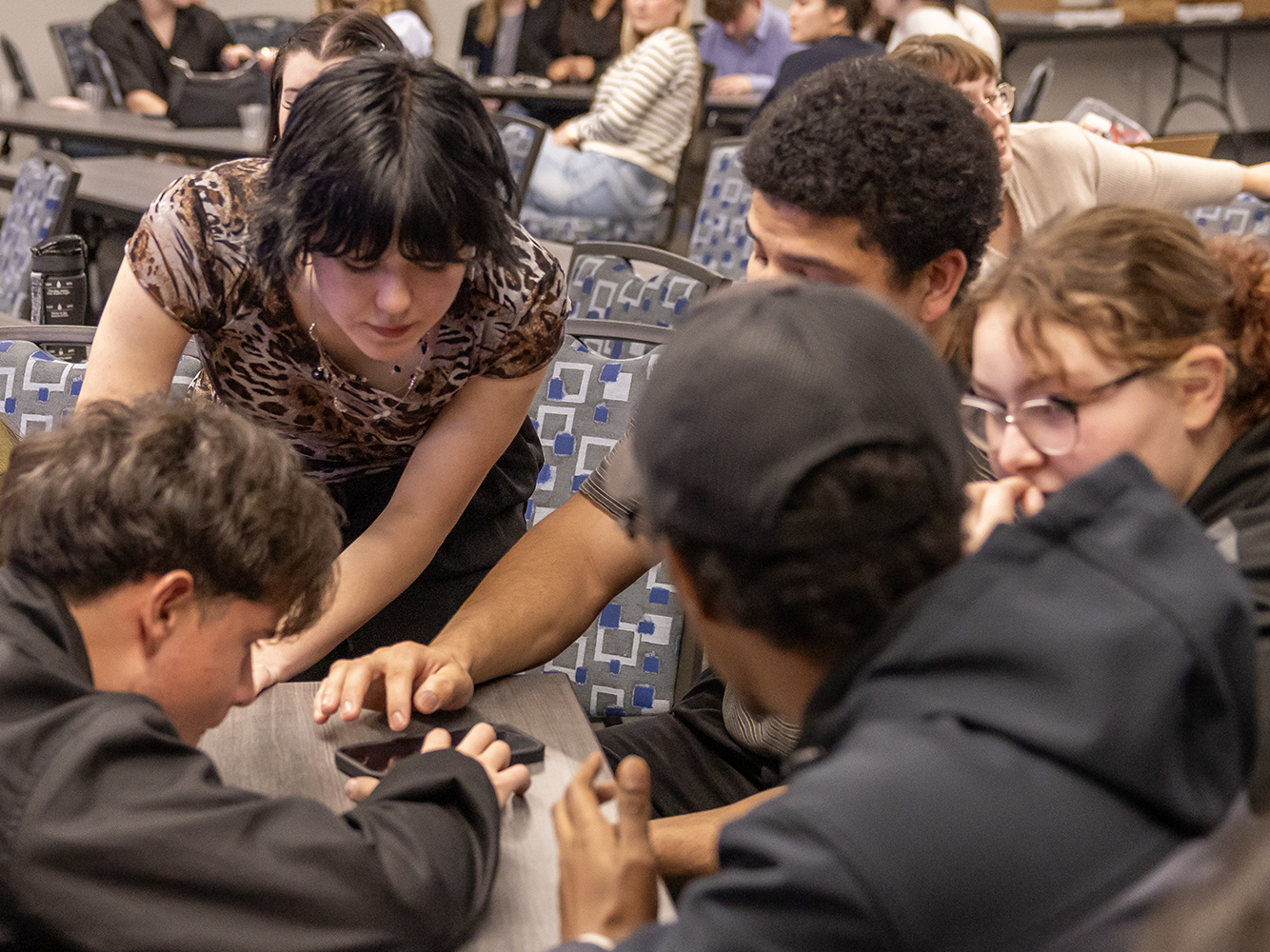
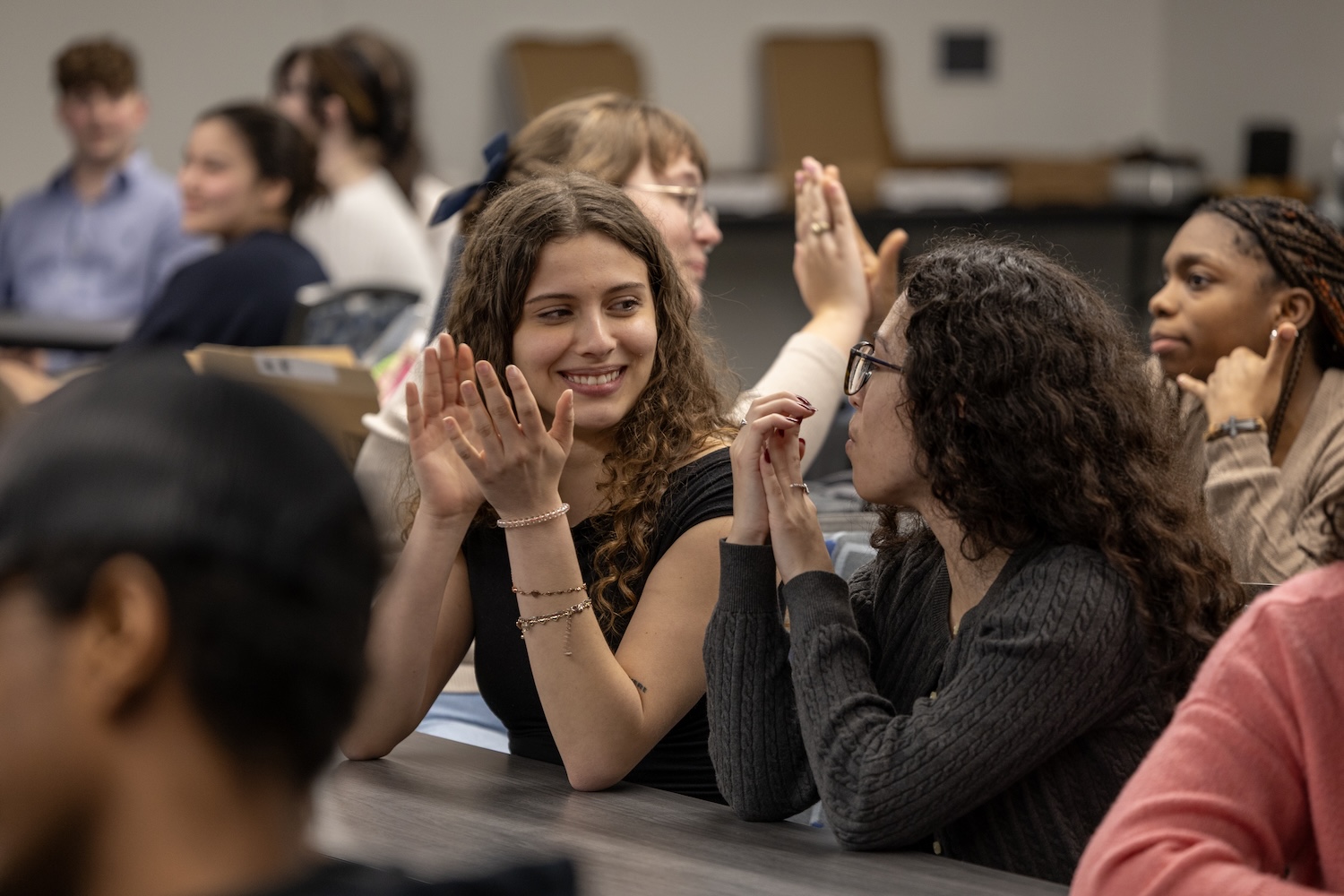
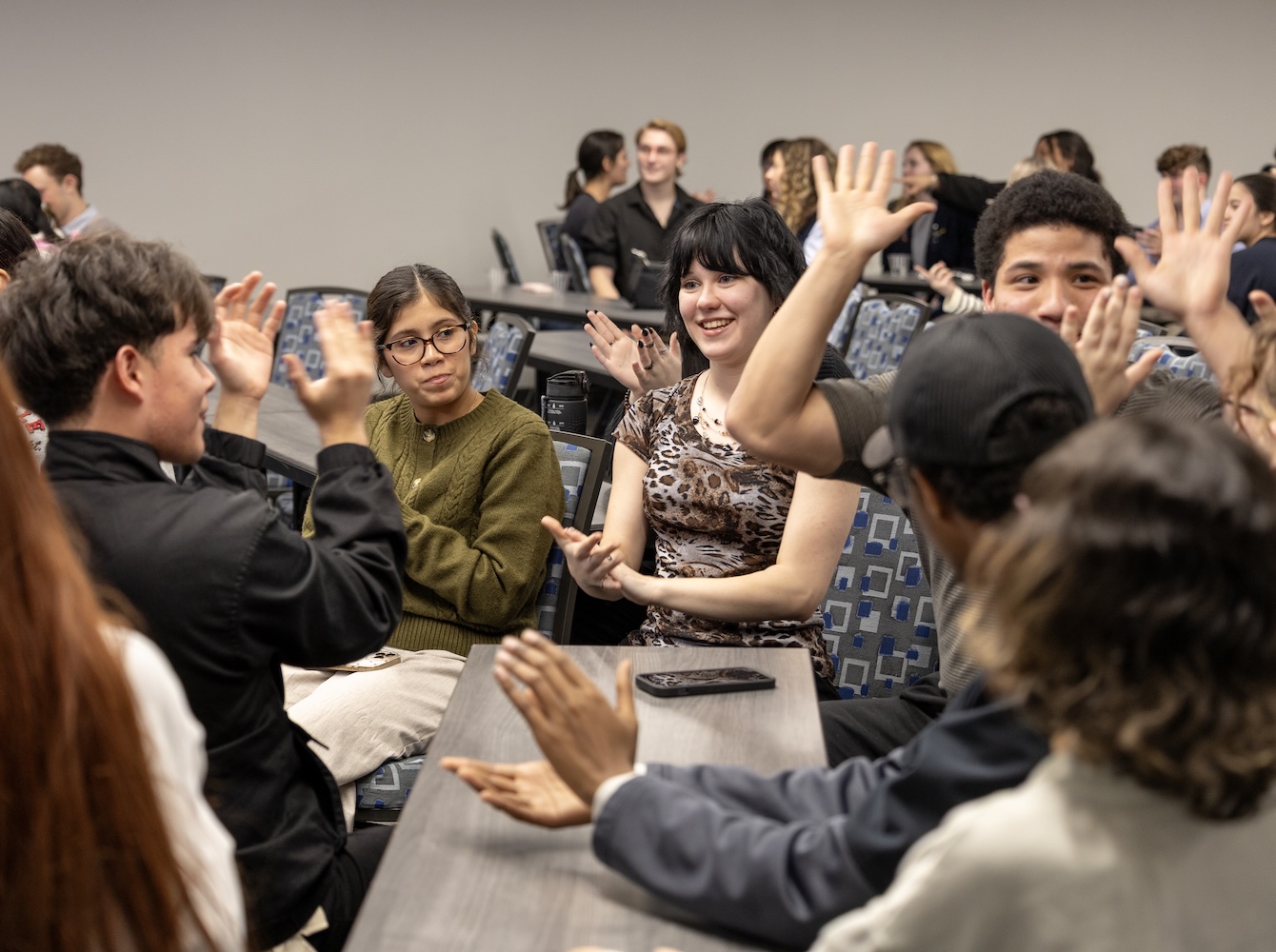
With games ranging from spoon races (with crafted spoons) to rock-paper-scissors to “Hot Topics” and more, the students engaged various levels of fun and sportsmanship.
The team-building brought people together, while also providing cues to the teams who they did–and didn’t–want to represent them in the official jeopardy contests.
Jeopardy officially began at 7pm, with Logistics Manager Olivia McCaughan introducing our host, Dr. Gene Roberts, our IT Director Kayla Fleming, and our Sergeant at Arms, Matthew Bocanegra and, most important, explaining the rules of the game.
The first round of Jeopardy featured categories such as:
Famous Speech and Expression Supreme Court Cases
Famous Supreme Court Criminal Cases
Legal Terminology
Supreme Court Chief Justices
Legal Thrillers (Film)
The US Constitution
With each team having a designated spokesperson and buzzer pusher, the games commenced!
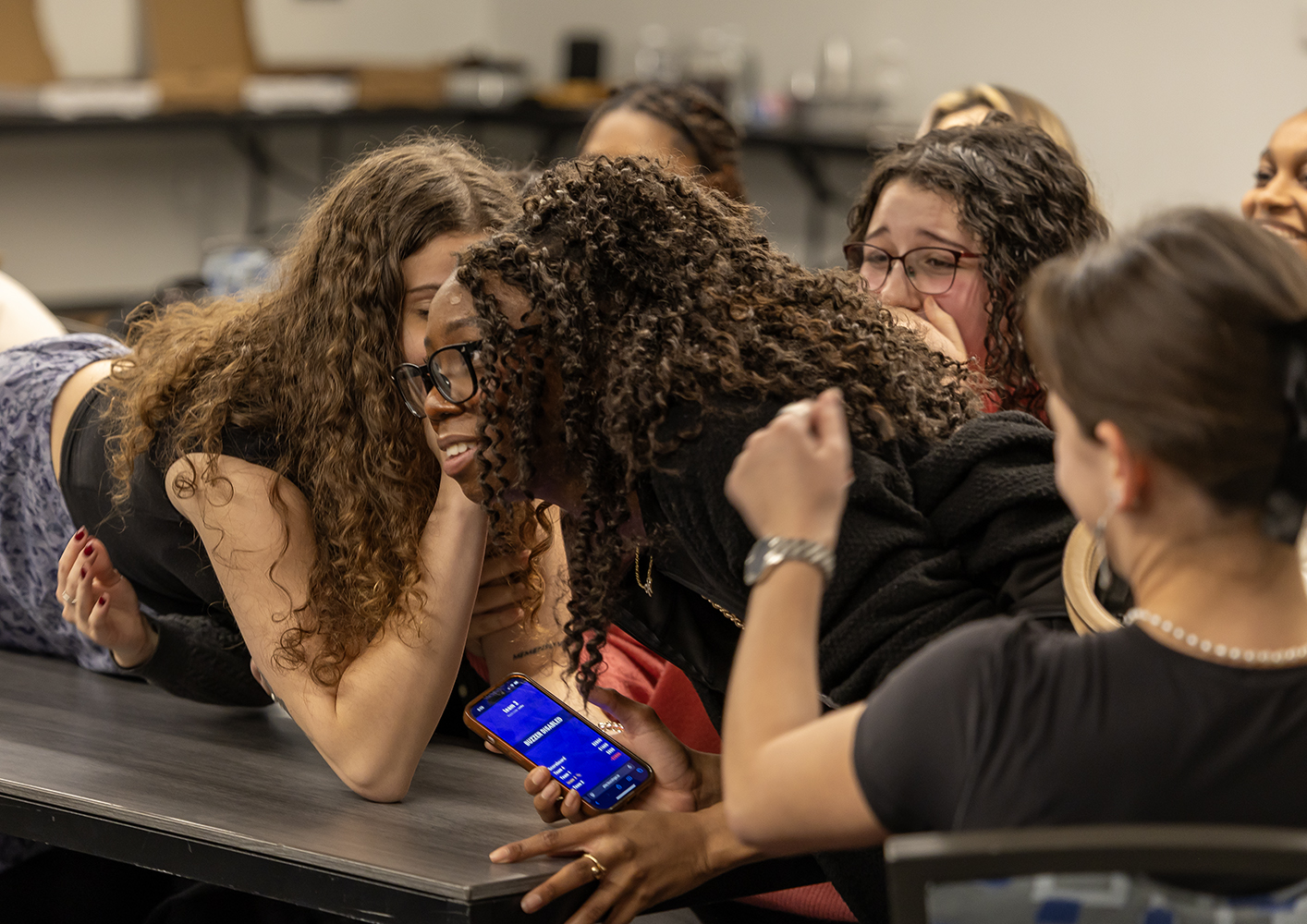
The room soon erupted in cheers, groans, and laughter, as teams deliberated and tried to be the first on the buzzers (which could measure differences up to a millisecond).
Ultimately, Team One came out the winner, armed with the talent of Brittlyn Jackson, Makenna McDaniel, Luke Hempfling, and Eduardo Maia, and they were definitely among the most animated. They won Orange Lululemon belt bags as prizes, courtesy of Student Legal & Mediation Services.
A second round, purely for fun, ensued, with lighter categories such as SHSU, Pop Culture Mashup, State Capitals, Things Pre-Law Students Should Know, and Things You Should Have Learned in High School. For this round, the entire group was able to participate, and this time, Team Four won.
With almost seventy people in attendance at this event, we needed a lot of help. Makenna McDaniel and Brianne Barclay did a great job checking people in; PLS Treasurer, Nataly Elizondo, accepted dues for the organization–bringing in some new members in the process; and Jackie Balbuena took video for some follow-up marketing.
The event highlighted the contributions that the Pre-Law Society, the LEAP Center, and the Student & Legal Mediation Services make across campus, while also bringing people together for a night of a lot of fun and a little bit of learning, too.
This Wednesday’s last Pre-Law Society meeting of the semester ended up being one of our most helpful and interesting ones yet. We started with our usual updates: finances, social media, minutes, and spring-semester dues, before going over upcoming events and ideas for the rest of the year.
Once we wrapped up business, Olivia Discon introduced Attorney Michael Foreman, a Baylor Law graduate and trial lawyer at Haney Paschal & Romoser right here in Huntsville, Texas. Foreman works in family, personal injury, contract and property disputes, and trusts and estates law. From the moment he started speaking, it was clear he had a lot of real-world experience to share.
He began with a question many of us think about: “Does mock trial really prepare you for the courtroom?” Foreman didn’t hesitate. “It’s as close as you can get to actually being in a courtroom,” he said, and encouraged anyone considering law school to get involved. That immediately set the tone for how honest and practical he would be throughout the night.
He also walked us through how he made it onto law review at Baylor. Students can qualify by being in the top 5% of their class or by submitting a strong writing sample. He explained how law review improves your writing, your ability to read cases deeply, and your confidence going into legal practice.
When he talked about law school itself, Foreman didn’t sugarcoat anything. Most classes come down to one final exam, but everything you do during the semester prepares you for it. He stressed how important class rank is your first year, saying, “Your first year is very important. It dictates your speed to success.” Hearing that from someone who has lived it made everyone sit up a little straighter.
Foreman also shared stories from his internships and clerkships, and gave advice that many of us needed to hear: if you get accepted into multiple law schools, choose the best one you can, even if another feels more comfortable. “The first ten years of your career are shaped by the path you choose,” he said. Everyone took a second to process their reality, and most even would say that motivated them even further.
He then talked about the difference between big and small firms. While large firms may seem impressive, he reminded us that new lawyers often don’t get meaningful hands-on work there. Smaller firms, like Haney Paschal & Romoser, give young attorneys real opportunities to learn the entire process, from meeting clients to preparing for trial. It made the legal world feel a little less intimidating. It gave us insight that we would not be able to find on our own as undergraduates.
One of the most interesting parts of his talk was when he described a Texas Renaissance Festival contract case involving $72 million. He used that case to explain what depositions are and why they matter. “Depositions are your first chance to question witnesses under oath,” he said, adding that you often learn the most when you take action early in a case. He also shared the heartbreaking detail that the festival’s owner later committed suicide, which reminded everyone just how much stress clients can be under. “Everyone you work with is under stress,” Foreman told us. “Your job is to give peace of mind and manage expectations.”
From there, he covered probate, personal-injury billing, and the emotional nature of family law. He explained that while the legal part of family law may be straightforward, the challenge comes from guiding clients through tough, emotional situations. “Emotions do not determine decisions,” he said, “but they determine how you communicate.”
He ended the night with a line that stuck with almost everyone: “Law school is ultimately betting on yourself.” For many of us, that was the reminder we needed, that pursuing law is a commitment, but also an investment in who we want to become.
Overall, the meeting was encouraging, honest, and incredibly helpful. We left with a clearer picture of law school, the profession, and the responsibility lawyers carry. It was exactly the kind of meeting that motivates future law students to keep pushing forward.
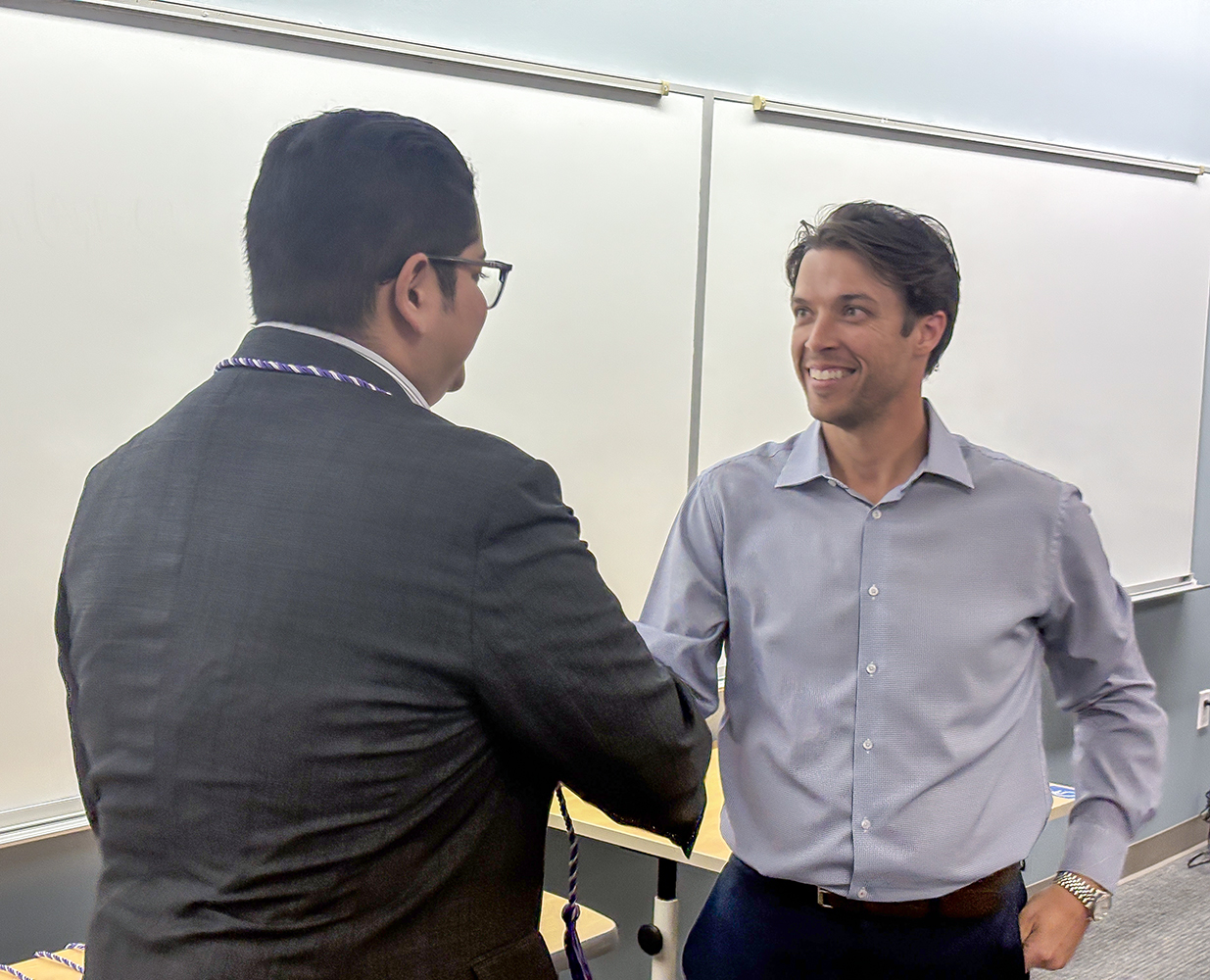
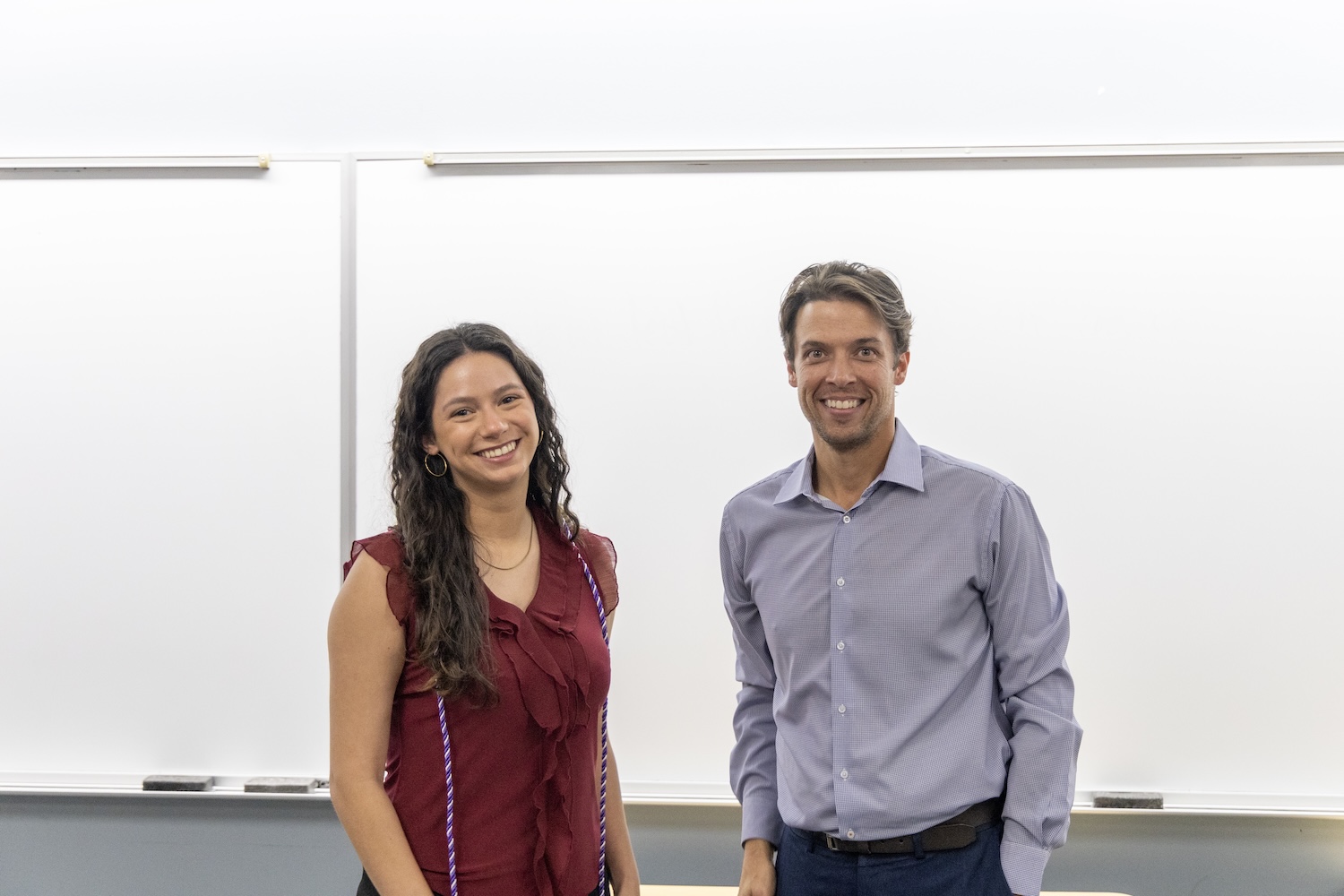
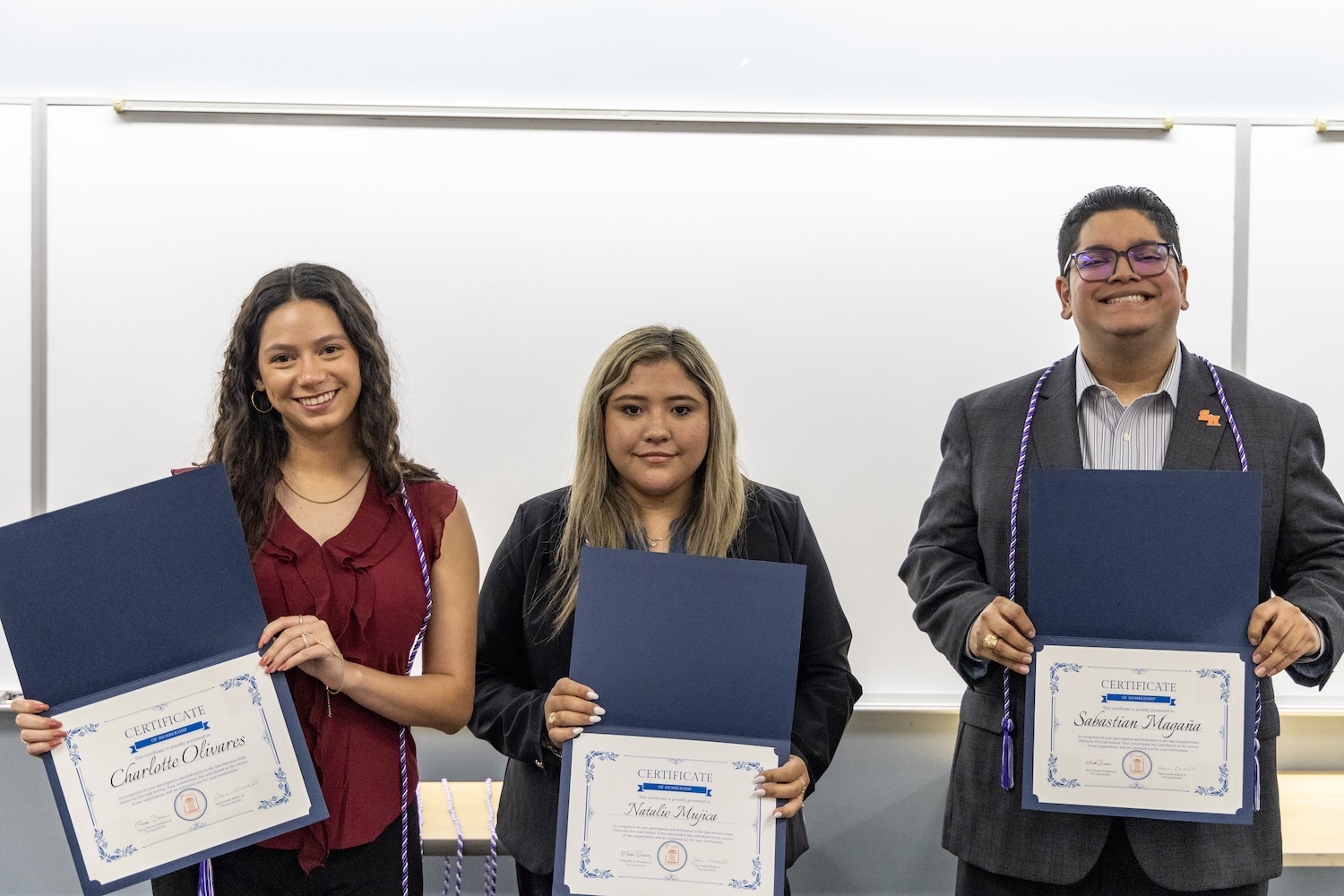
To finish off the night, the Pre-Law Society and Micheal Foreman had the honor of giving our graduating seniors their cords and PLS certificates.
We are sad to see them go, but grateful to have seen these individuals grow. We wish the best of luck to them and their journeys as aspiring attorneys!
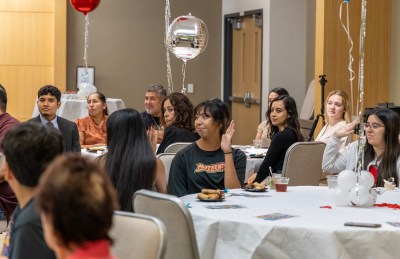
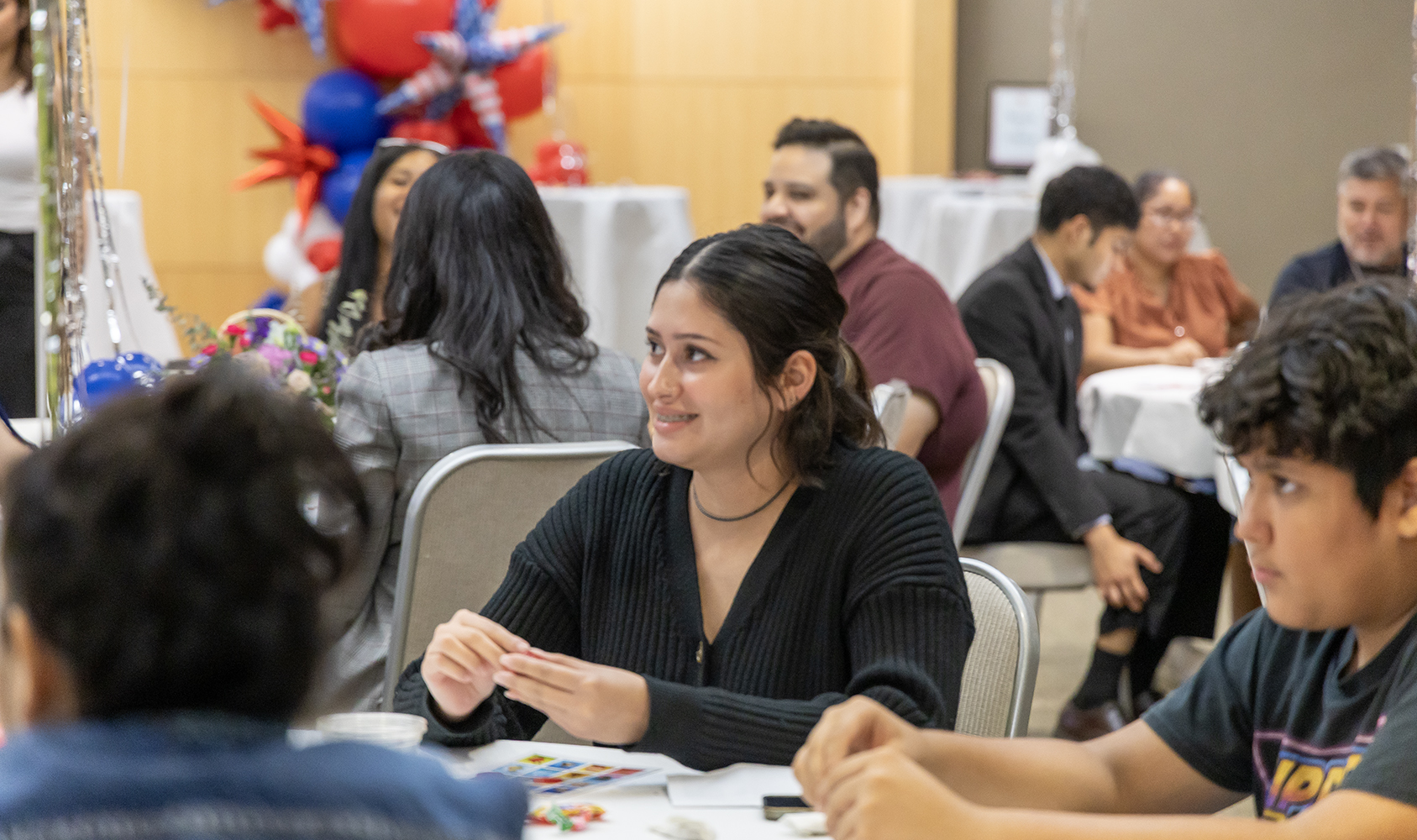
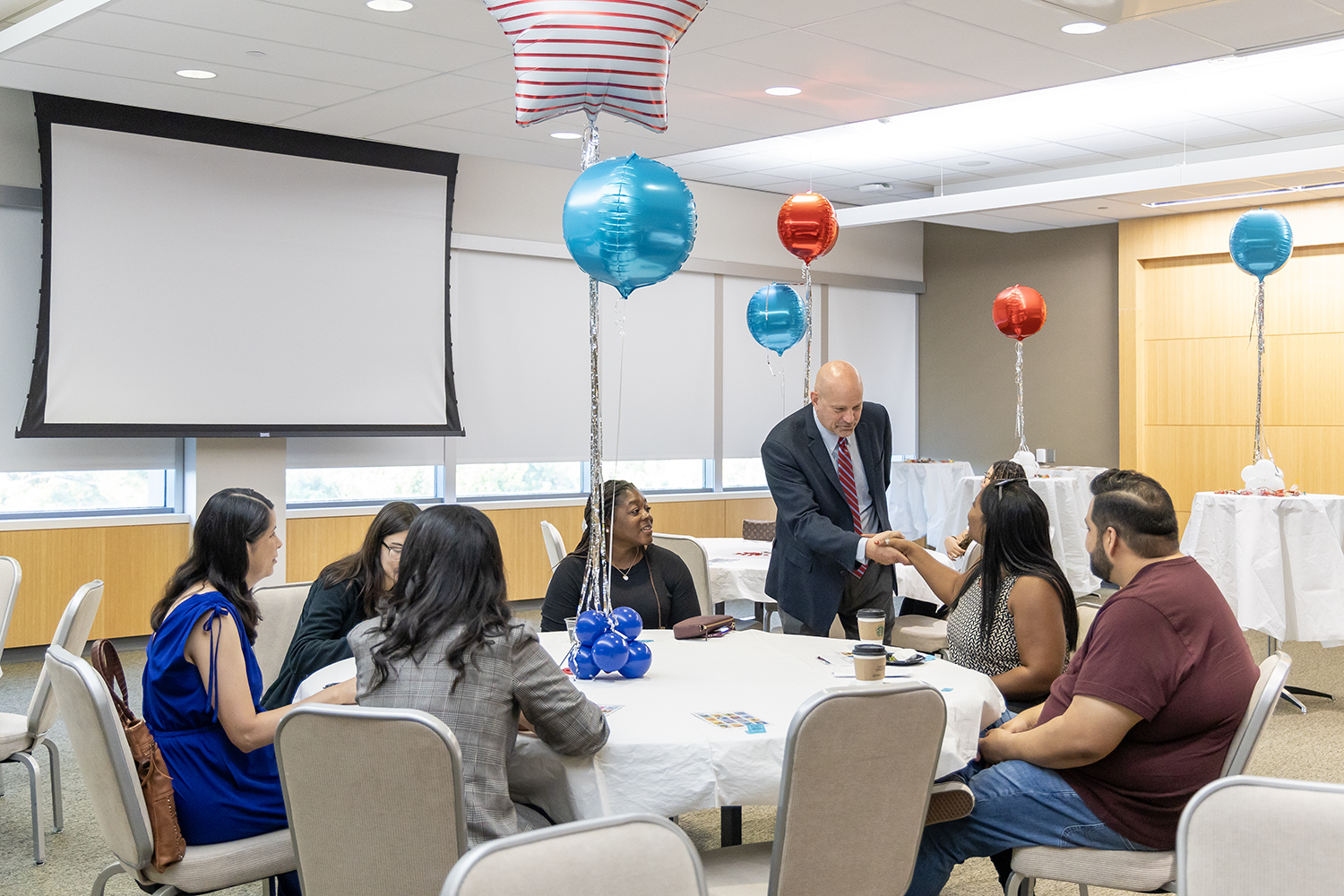
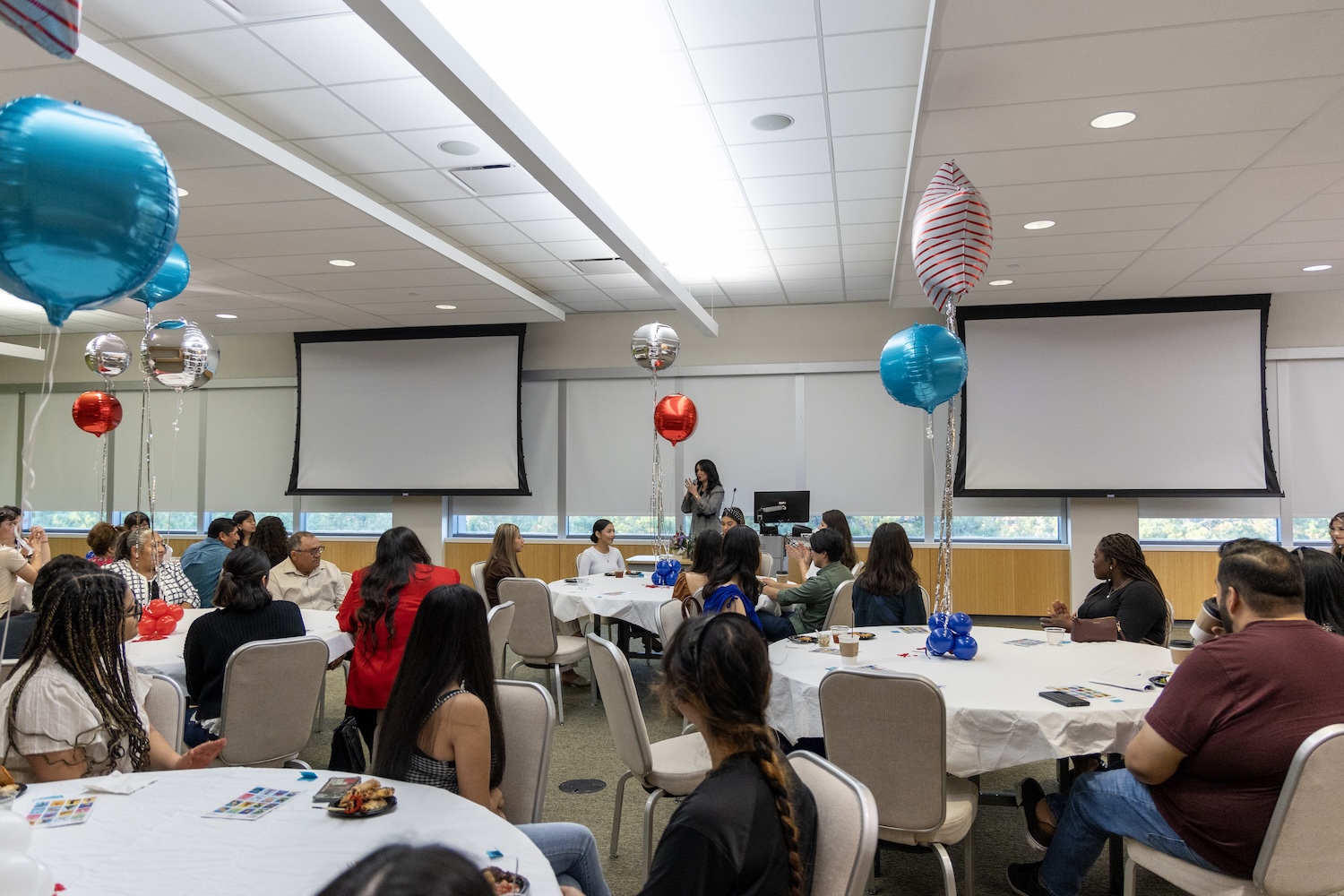
After months of anticipation and careful planning, we opened the doors to our Citizenship Celebration at The Woodlands Center–an evening that marked not just a milestone, but the launch of an exciting new chapter for our existing citizenship program.
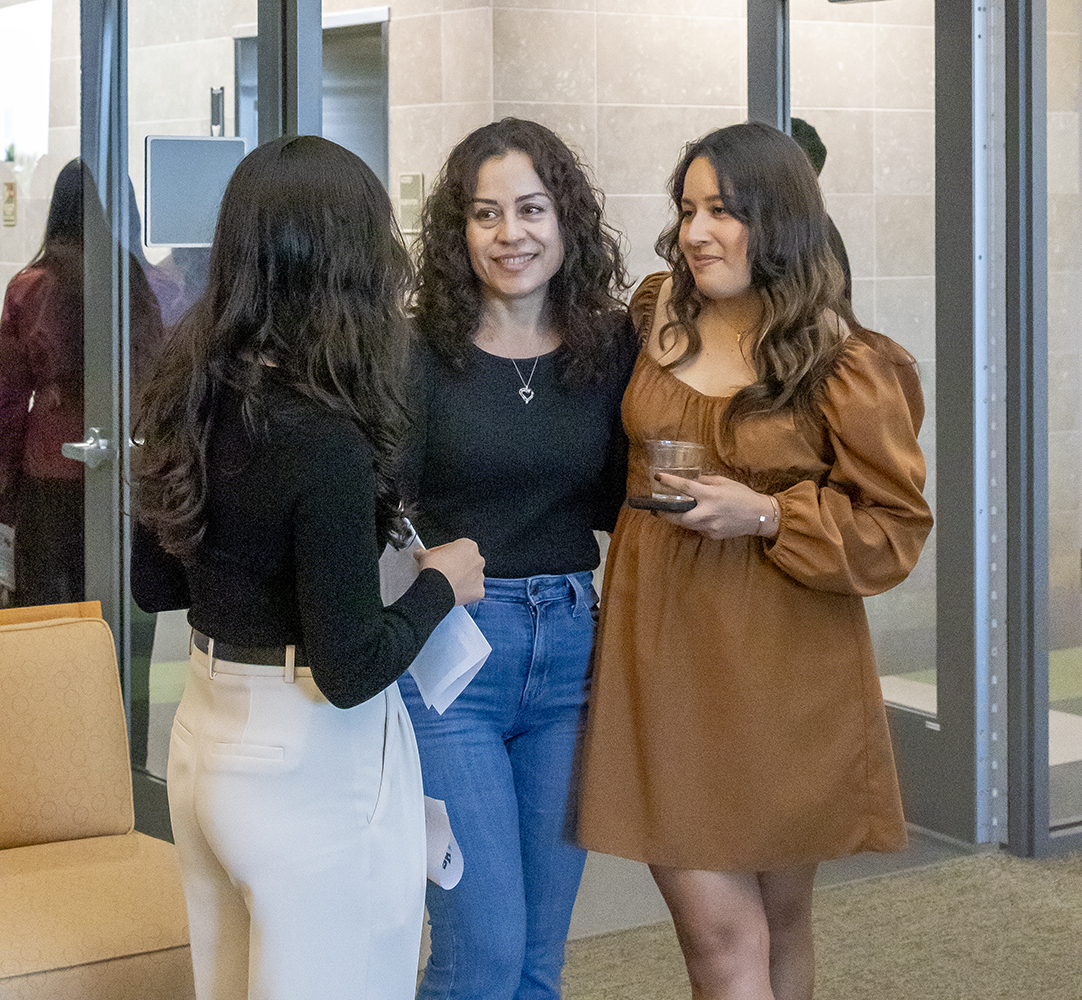
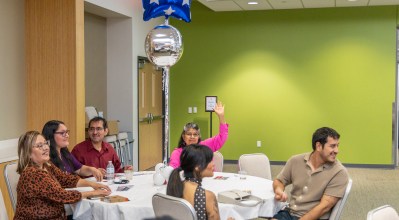
The celebration brought together naturalized citizens, aspiring citizens, LEAP friends and alumni, all united by a shared support for those on their journey toward citizenship and the program.
What began in 2008 as a local initiative in Walker County has grown far beyond its original scope. Thanks to National Partnership for New Americans, the program now reaches into Montgomery County, creating new connections and expanding the community in meaningful ways.
One of the many goals for this celebration was to ensure every guest left with a meaningful takeaway. This is always easier when everyone shares a common purpose. For us, this growth brought new connections in the Montgomery area, including volunteers from Caney Creek High School…
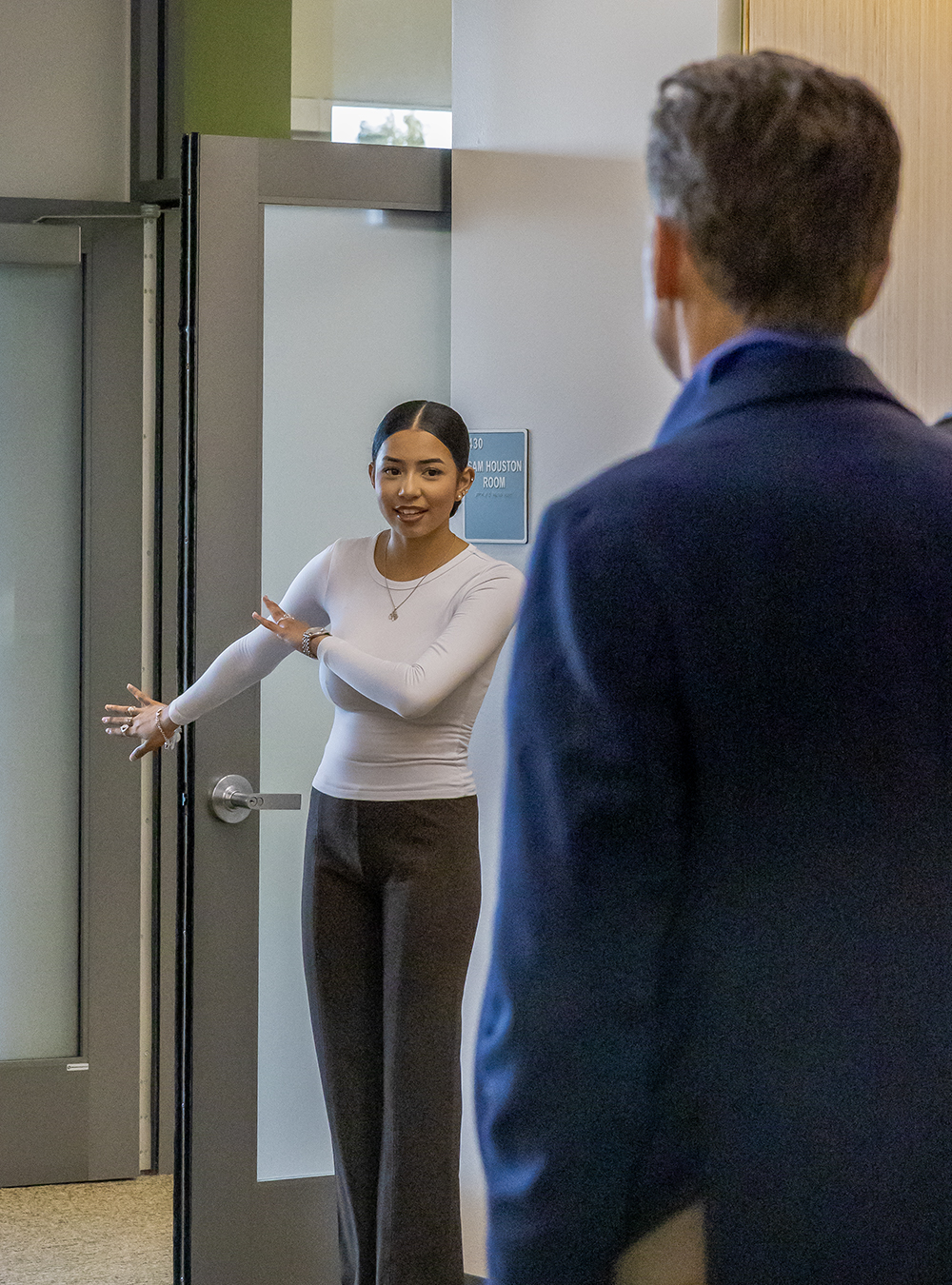
…who joined SHSU students to create a welcoming, vibrant atmosphere for the guests as they arrive.
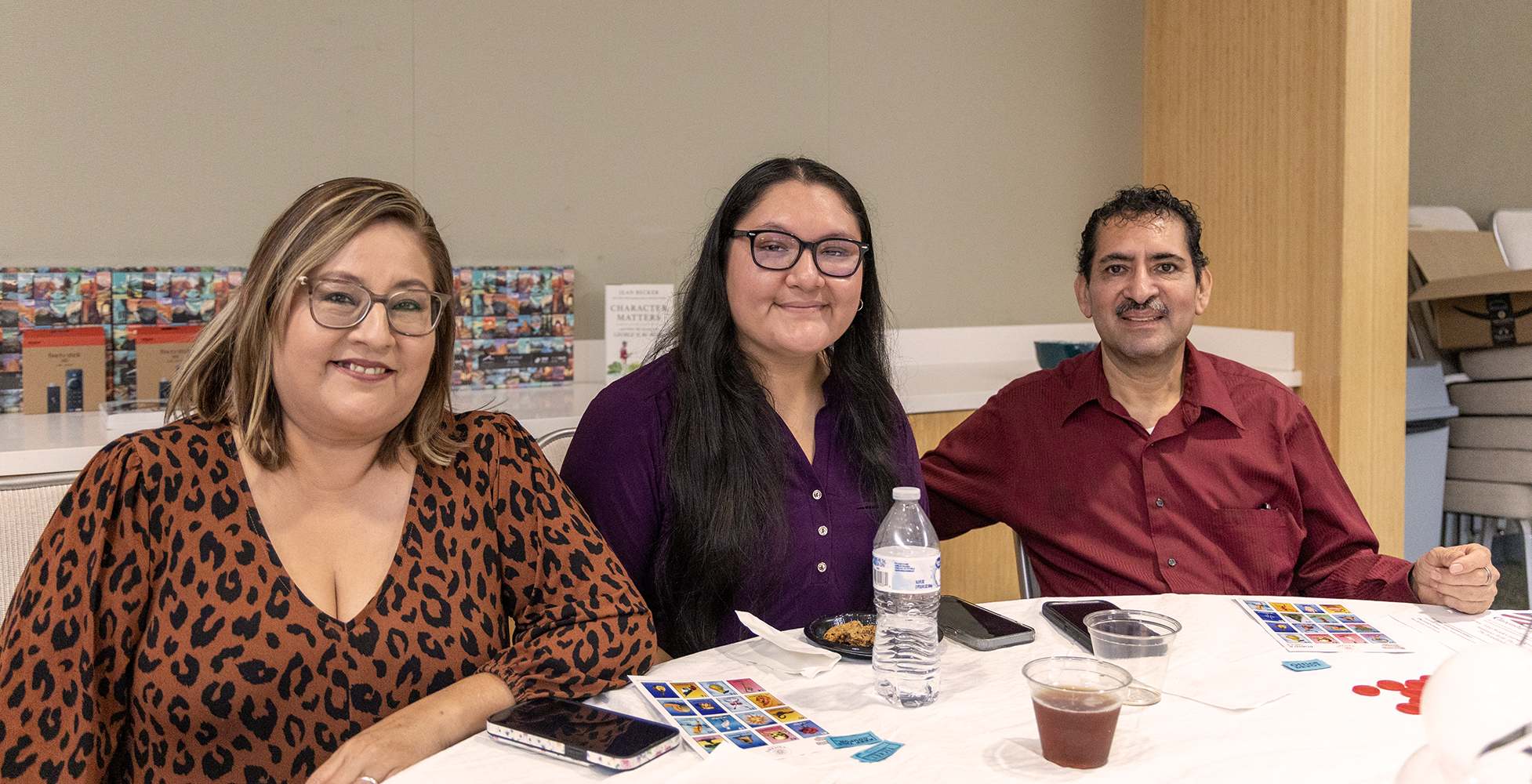
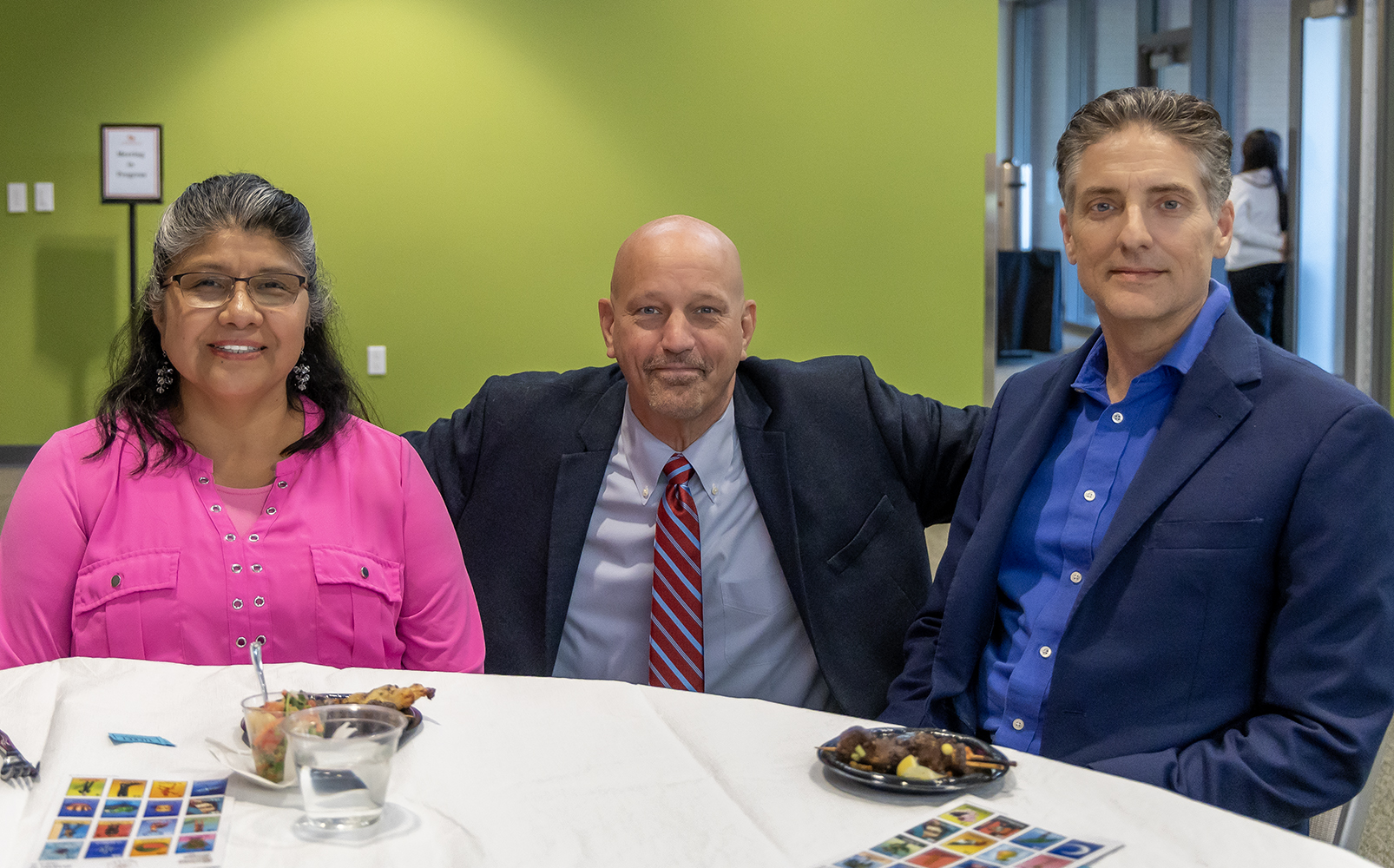
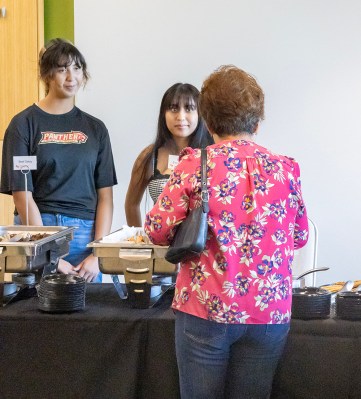
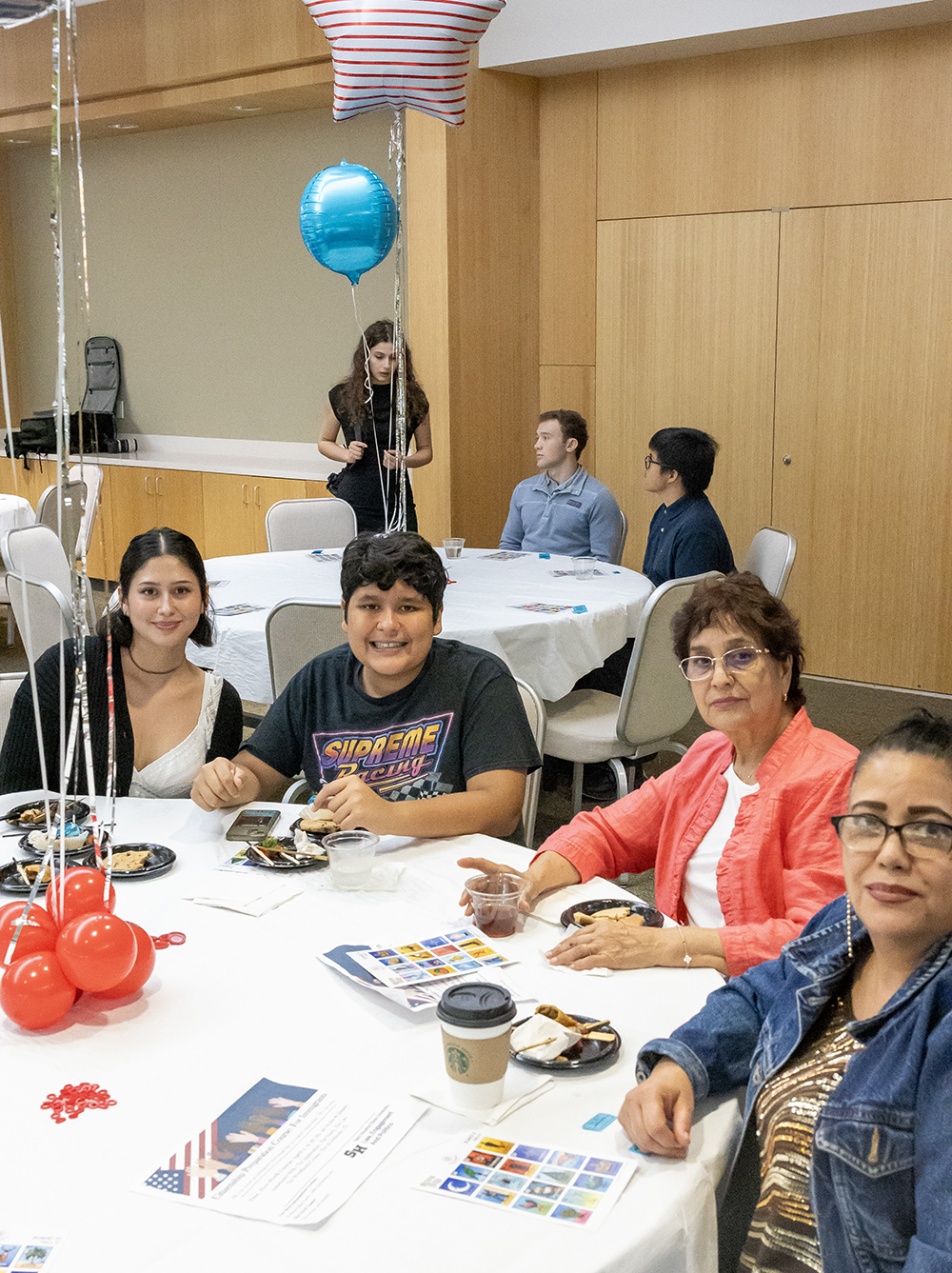
As guests arrived, they settled in with plates of delicious food–empanadas, beef satay, ceviche, and an array of other cultural dishes–setting the stage for an evening of culture and connections. The room itself was beautifully decorated with a patriotic theme symbolizing the civic pride and sense of belonging that come with citizenship.
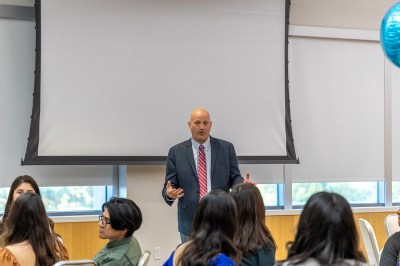
The ceremony began with Professor Yawn, who welcomed attendees and explained how LEAP’s citizenship program is expanding beyond Walker County.
The audience included familiar faces like Gregoria McGuire and Roxana Woychesin, former course participants, alongside eager newcomers ready to begin their journey.
LEAP alumni–Brian Aldaco, Bianca Saldierna, Ademide Adedokun, and Megan Chapa–also in attendance, perfectly timed to coincide with LEAP’s upcoming 20th anniversary celebration and the launch of new initiatives.
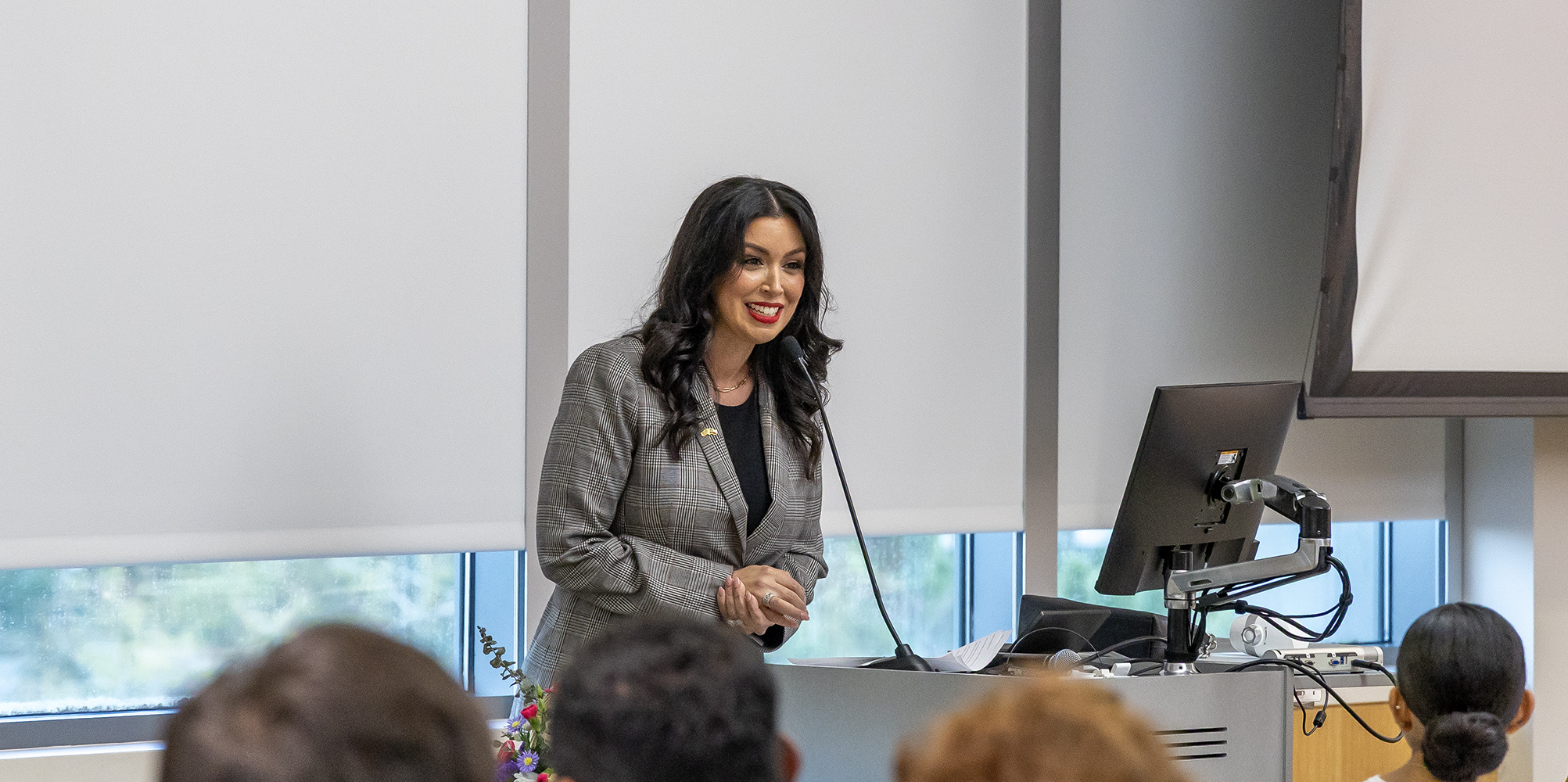
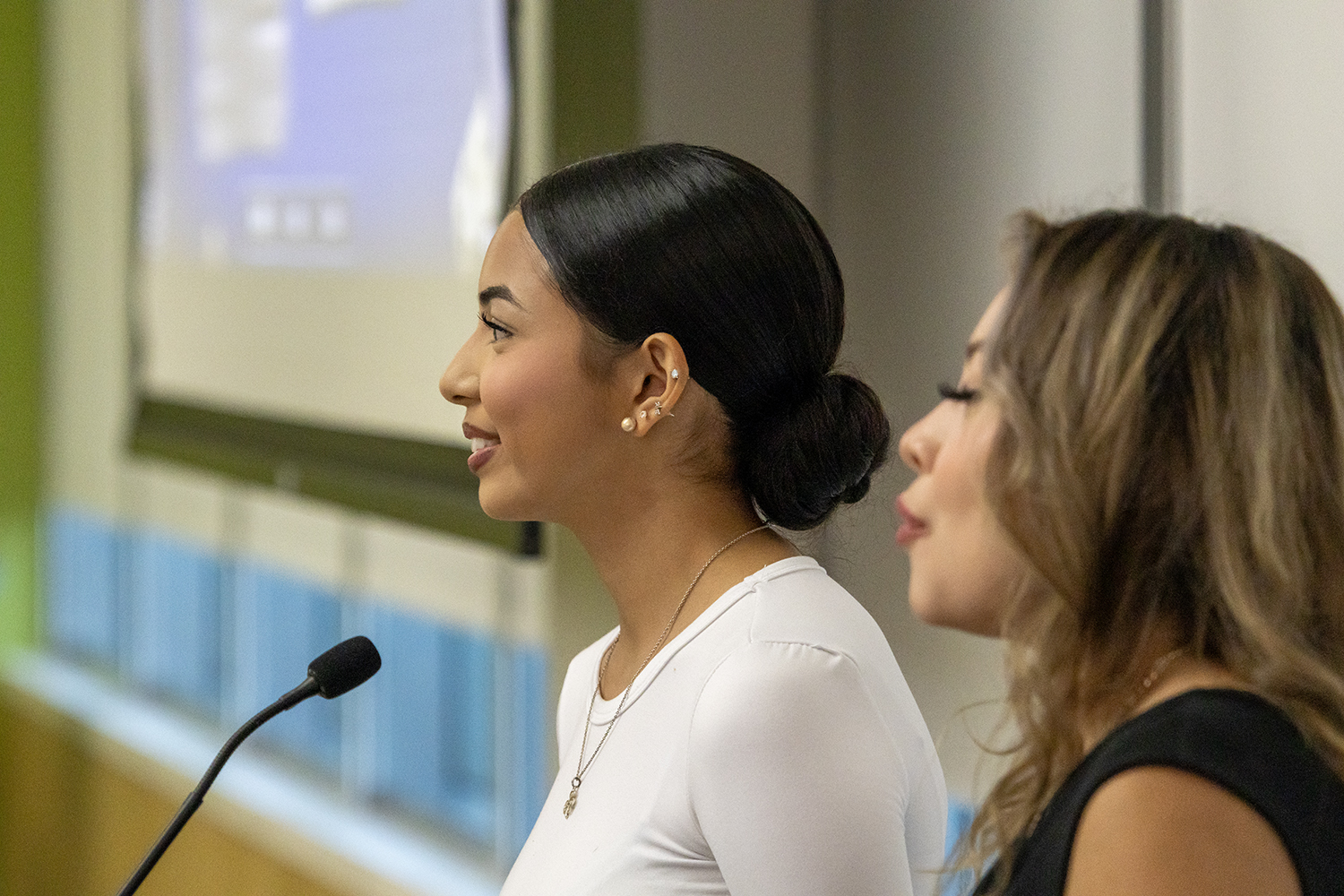
I then had the chance to offer my own words of welcome — thanking everyone for their incredible support and emphasizing that this event was truly a celebration for all: those who had been naturalized, those beginning the journey, and those supporting this civic milestone.
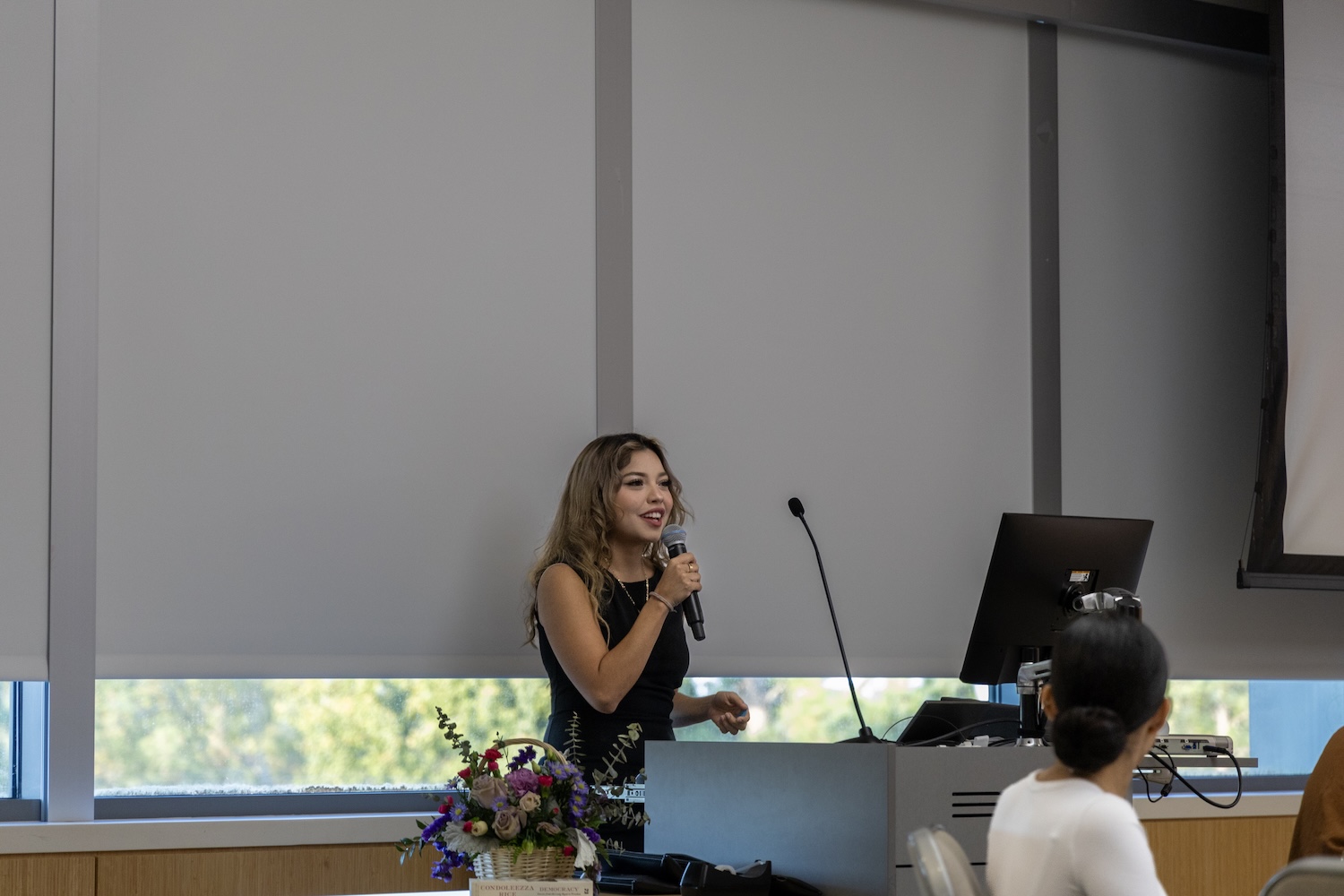
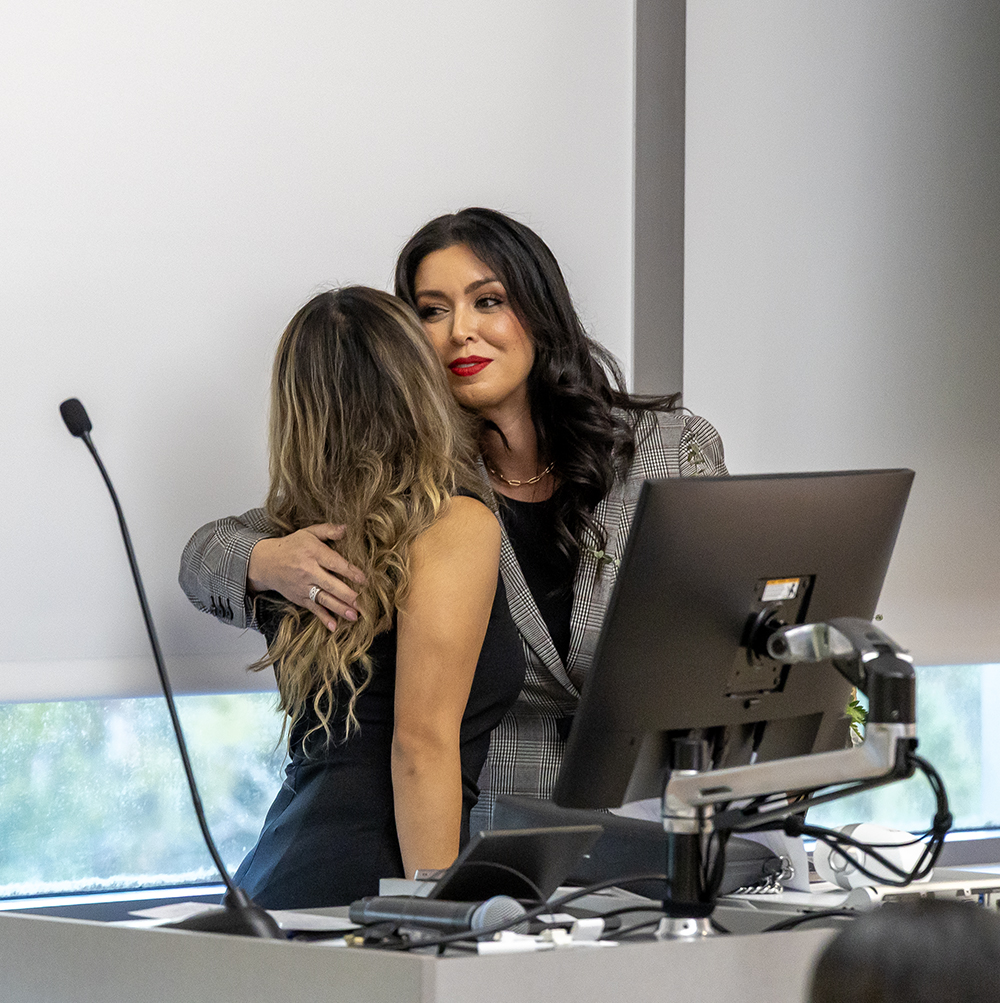
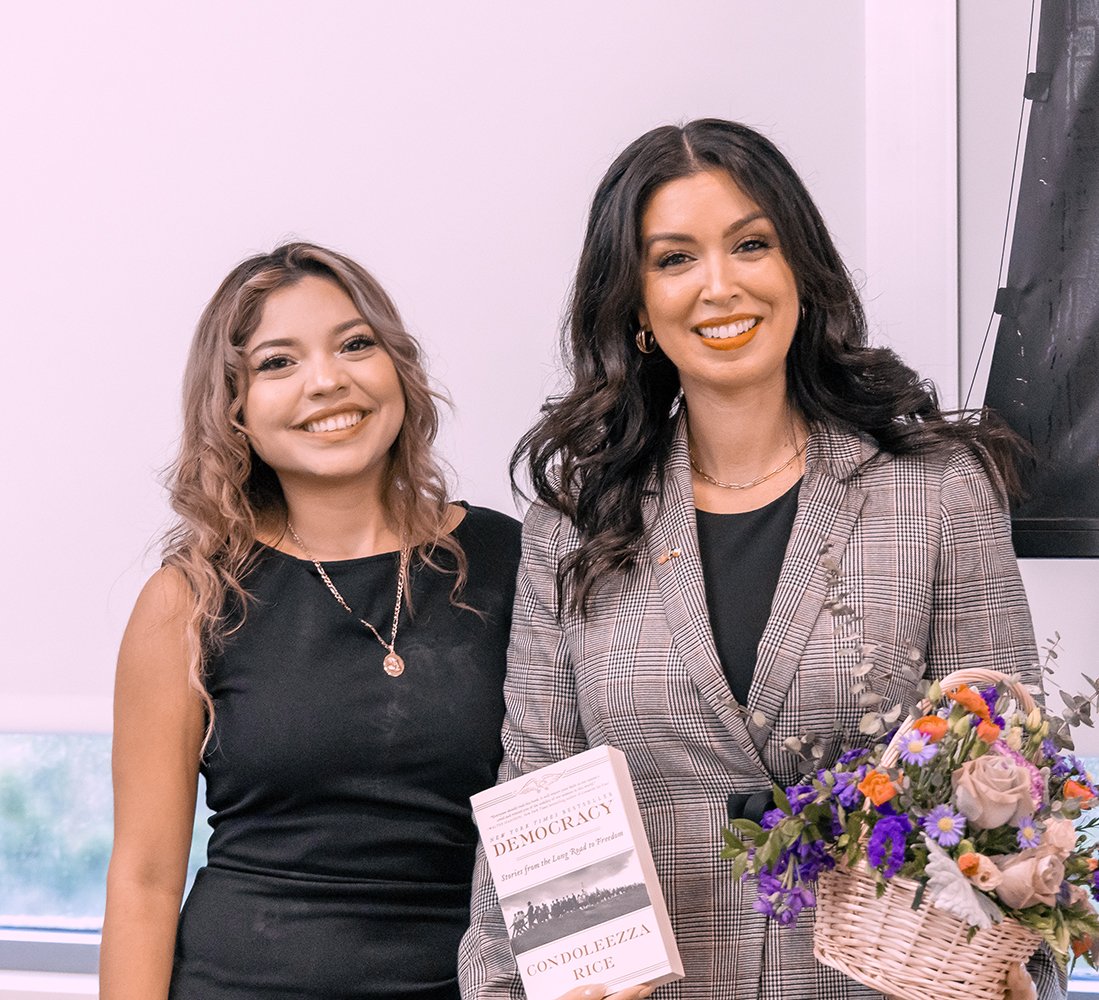
Then came the moment I’d been looking forward to — introducing Christina Sato, who so graciously agreed to share her journey and beautiful words with us. Christina Sato is an accomplished actress, singer, and University of Texas at Austin graduate who interned for former U.S. Senator Kay Bailey Hutchison and has built an impressive career bridging entertainment and public service.
Christina spoke beautifully about three important themes, with one particularly powerful message about the importance of an invitation…
…recalling that she first met Professor Yawn in an elevator, three years ago. That chance meeting, followed by some networking, led to the invitation to speak at this event.
She tied this concept perfectly to the crowd and their purpose, making everyone feel the significance of being present and being welcomed into community.
Her story was one of unexpected turns and beautiful detours. Sato shared how she began her career with aspirations in public service, only to find life taking her down different paths-through entertainment, through various roles and opportunities that she never initially imagined. Rather than viewing these changes as setbacks, she embraced them as part of life’s natural rhythm. Her journey wasn’t linear, and she owned that truth with grace and authenticity.
For the naturalized citizens in the room– many of whom had taken long, winding roads to reach that point–her story struck a personal note. For those still on their journey toward citizenship, her message offered hope, encouragement, and a reminder that every experience brings us closer to where we’re meant to be.
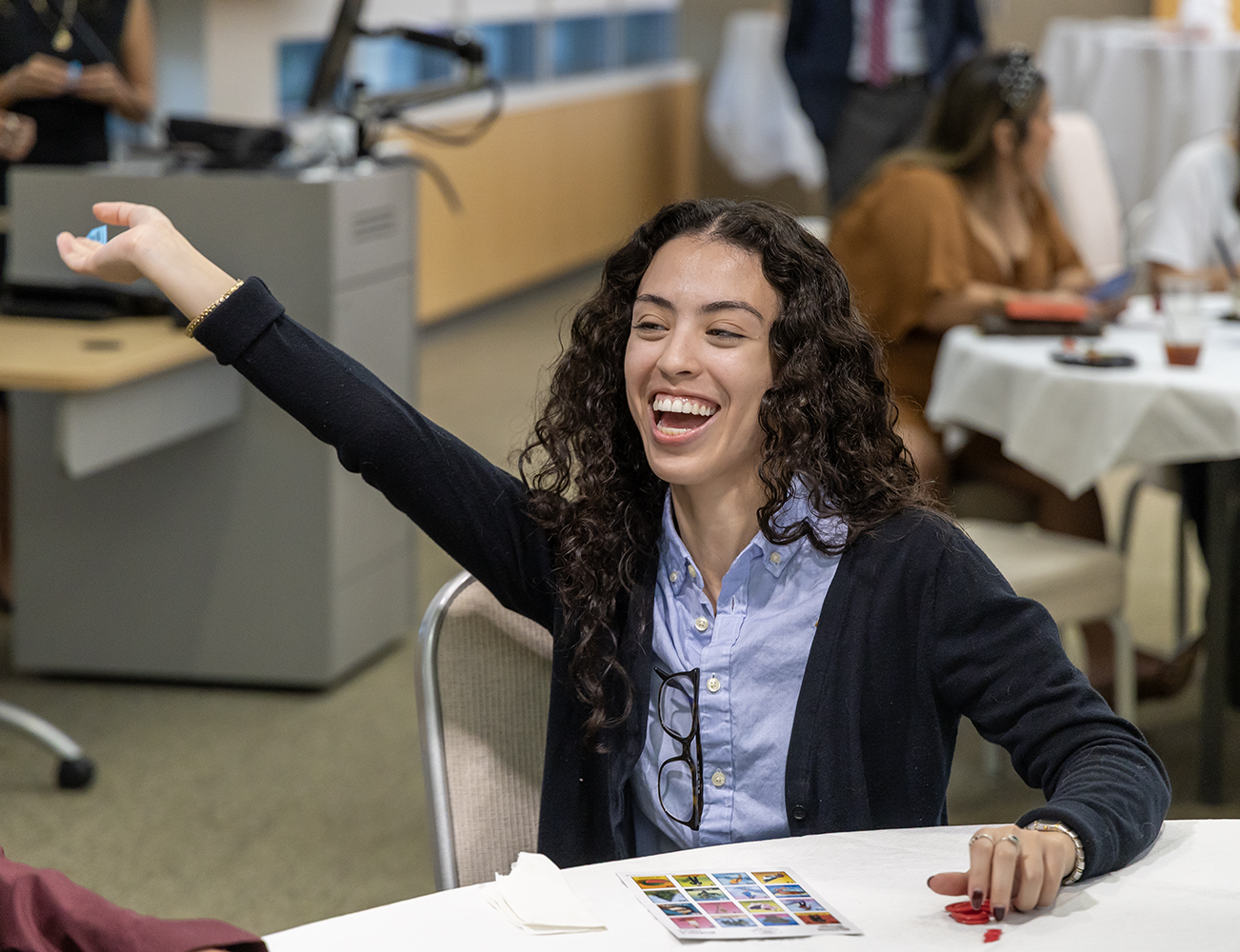
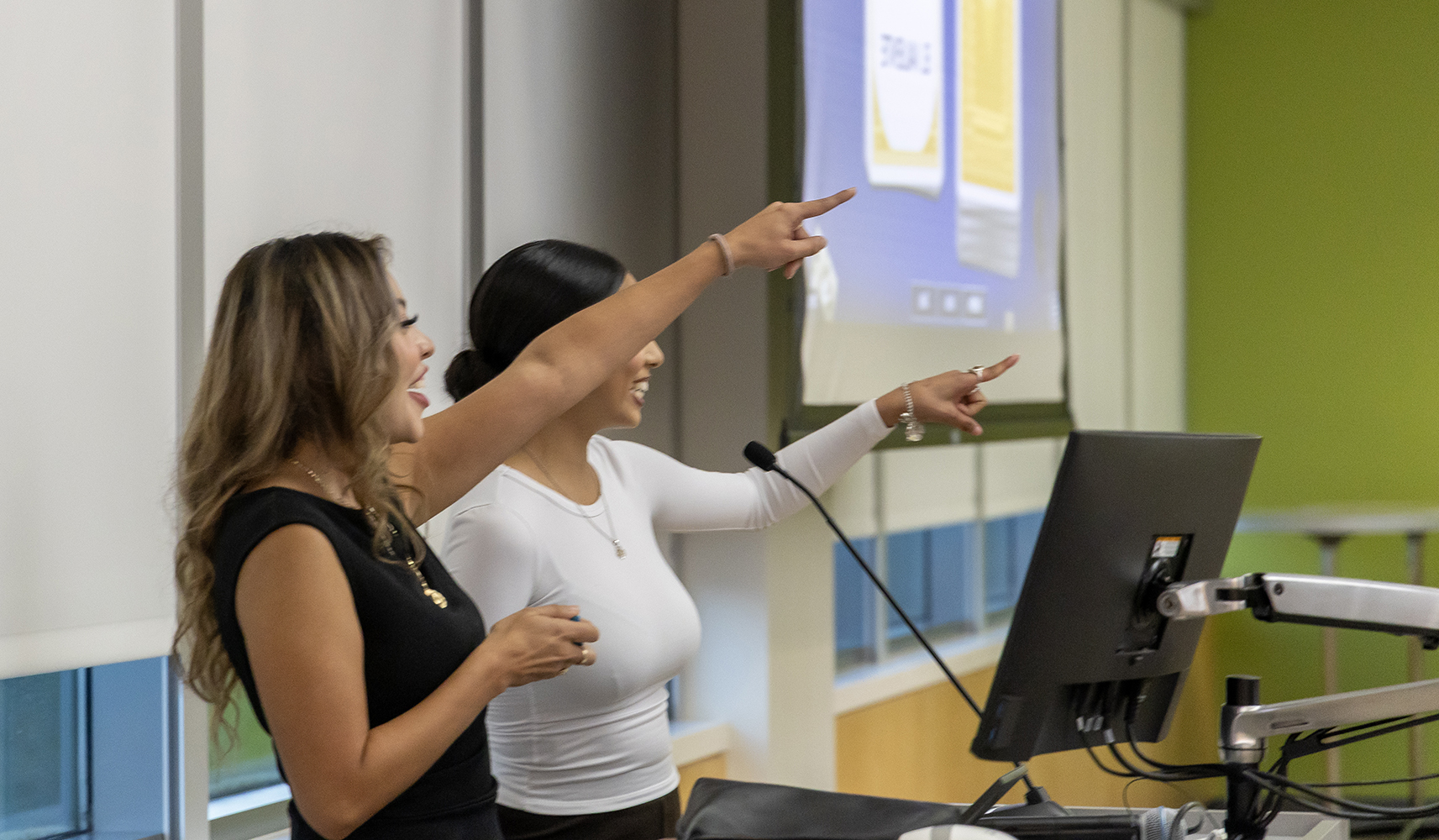
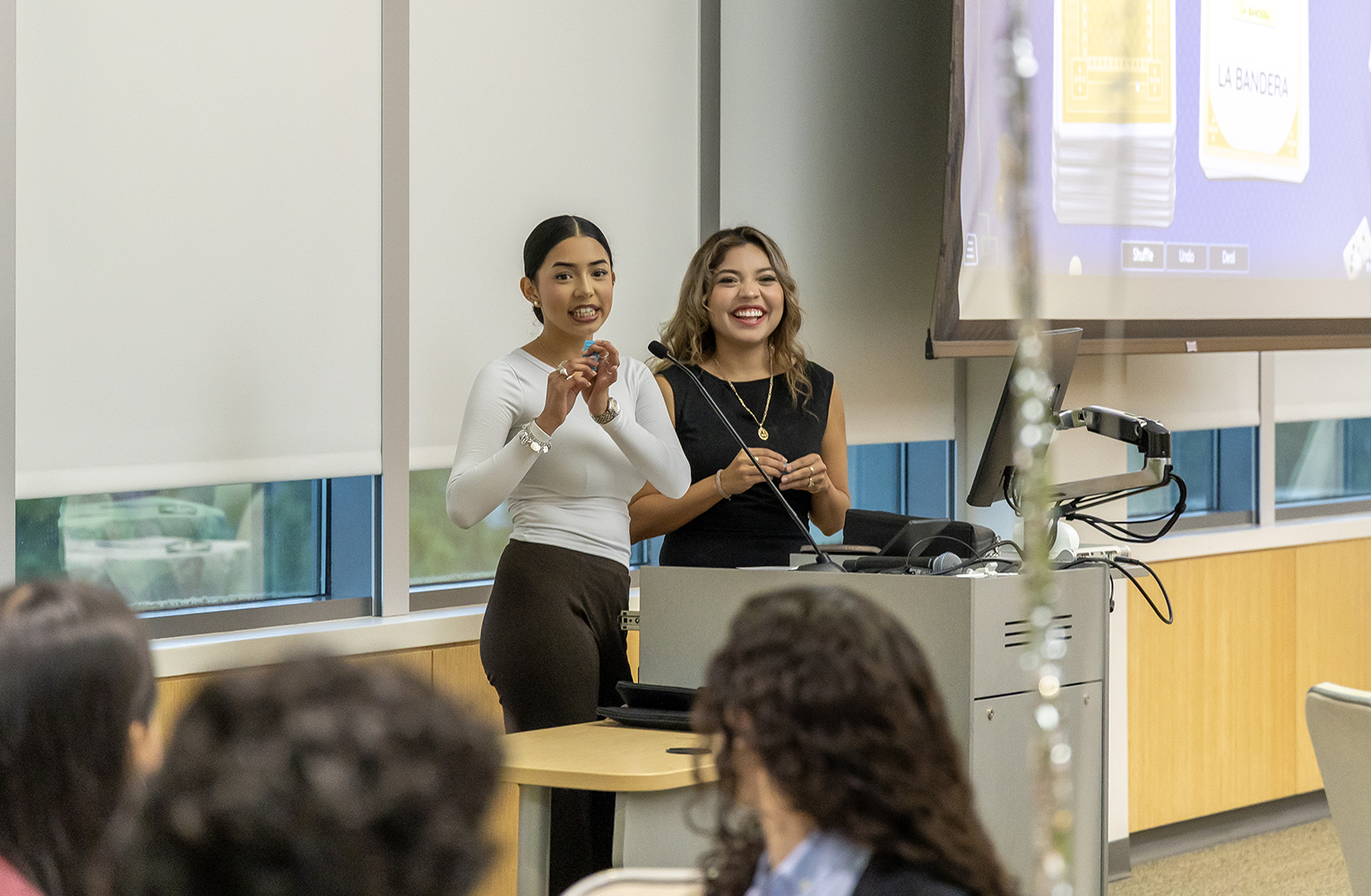
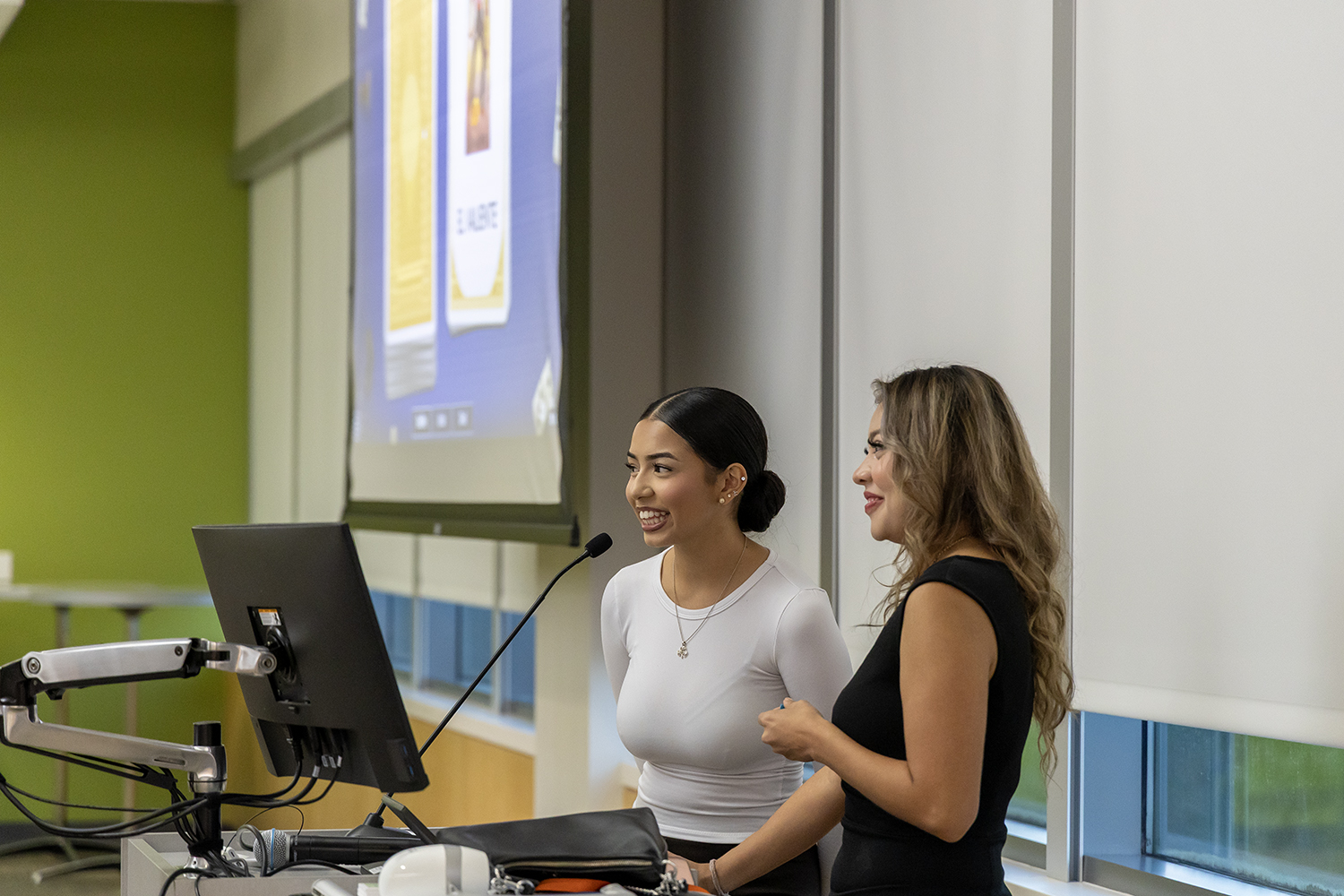
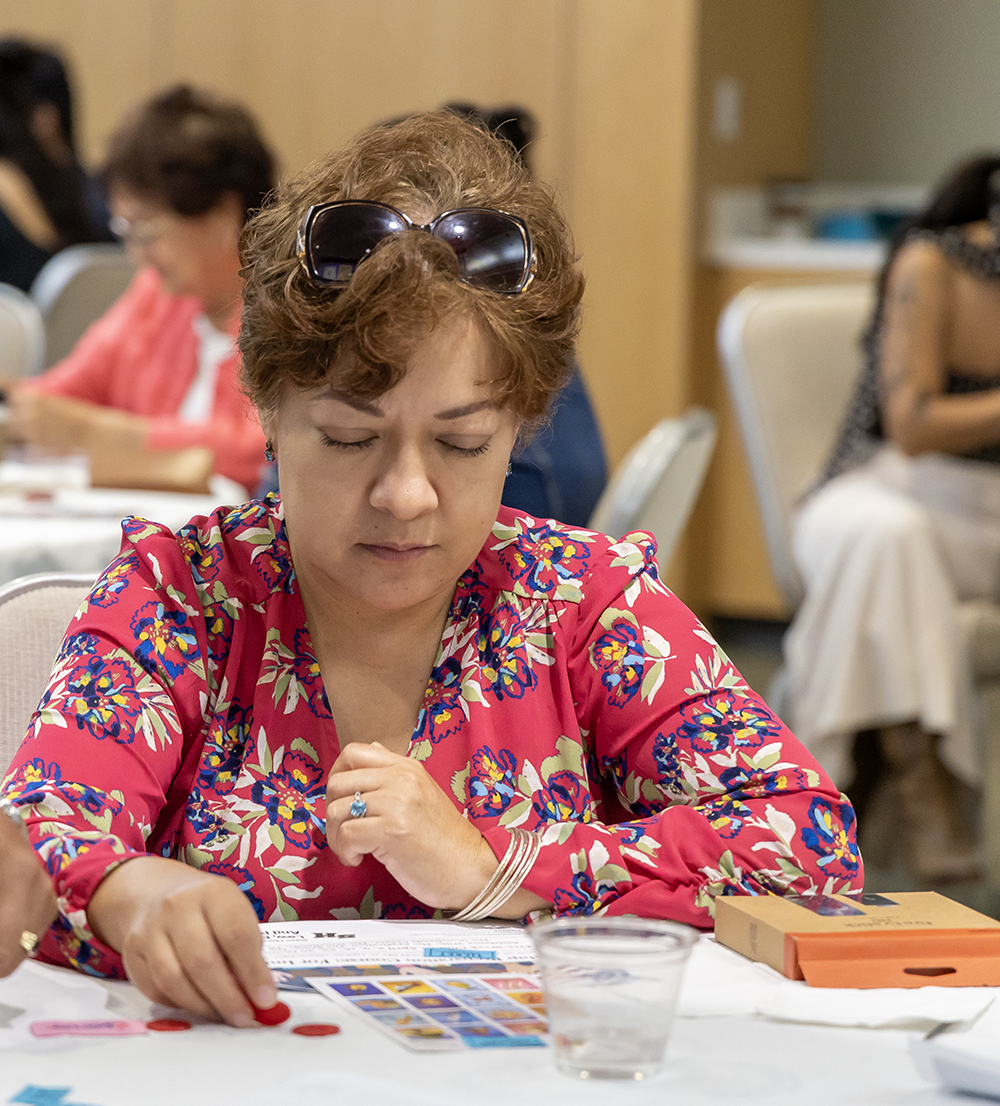
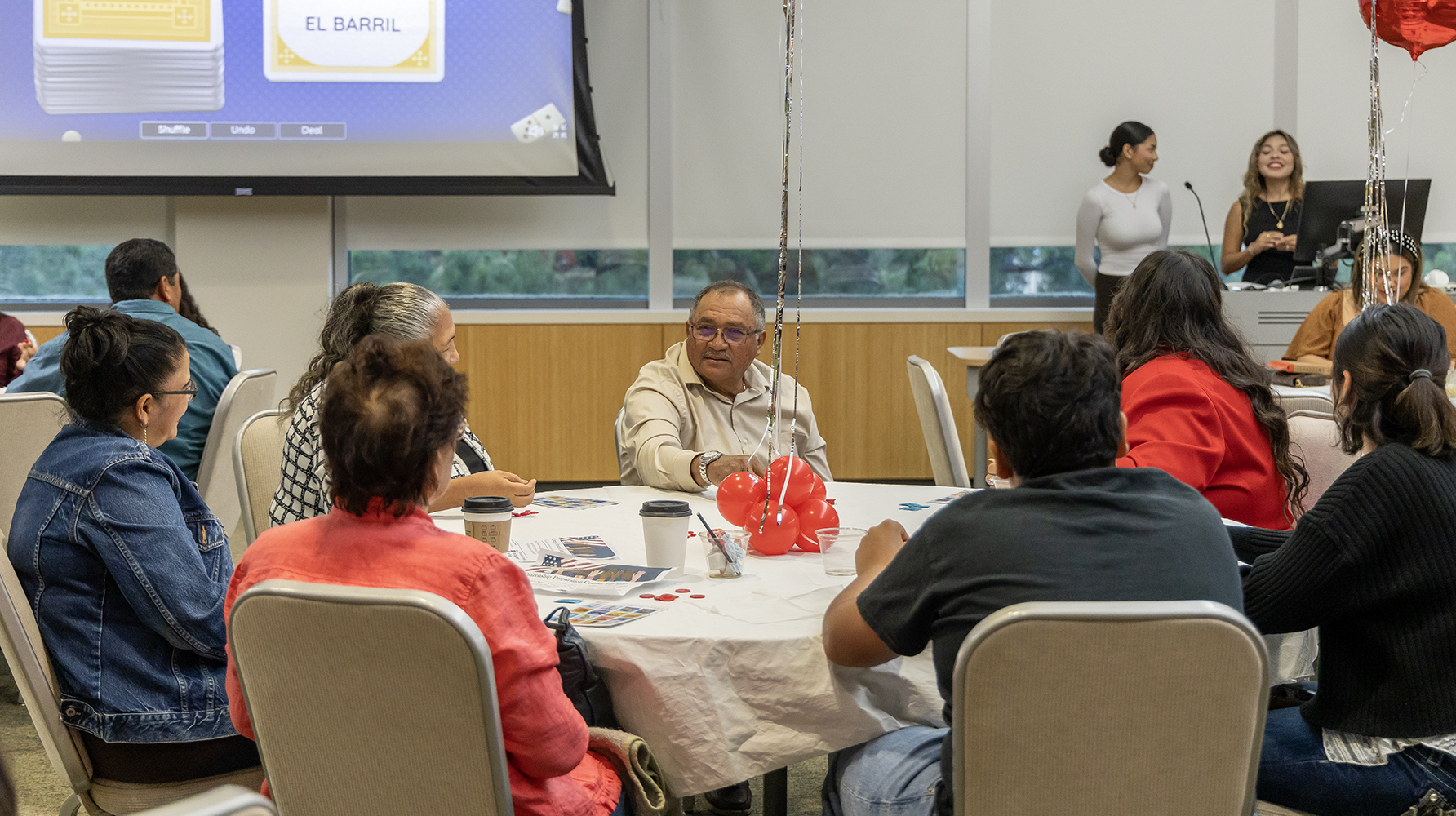
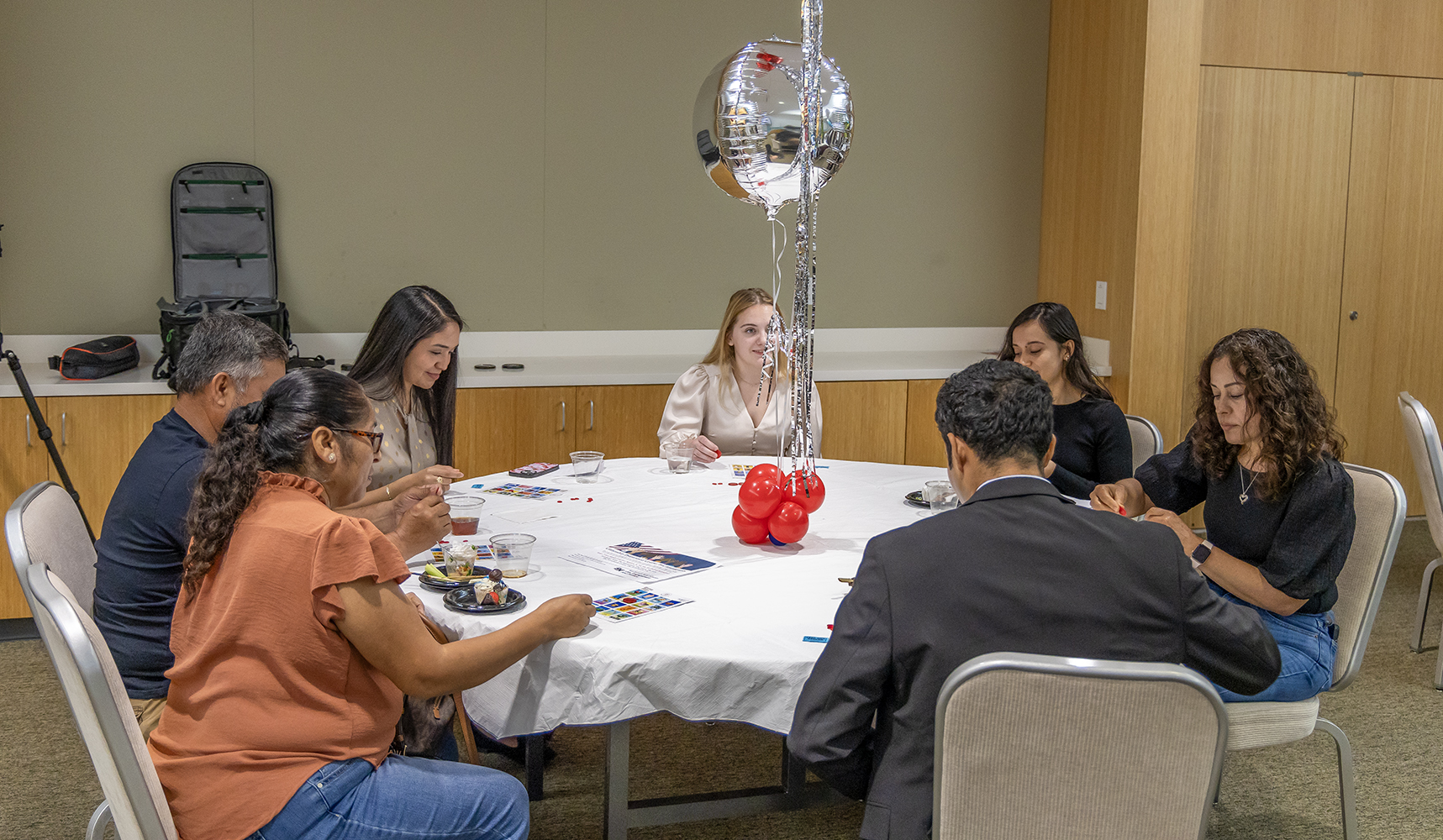
The evening then shifted to something wonderfully fun–Lotería! For those unfamiliar with this traditional game, it’s similar to bingo but with a uniquely cultural twist.
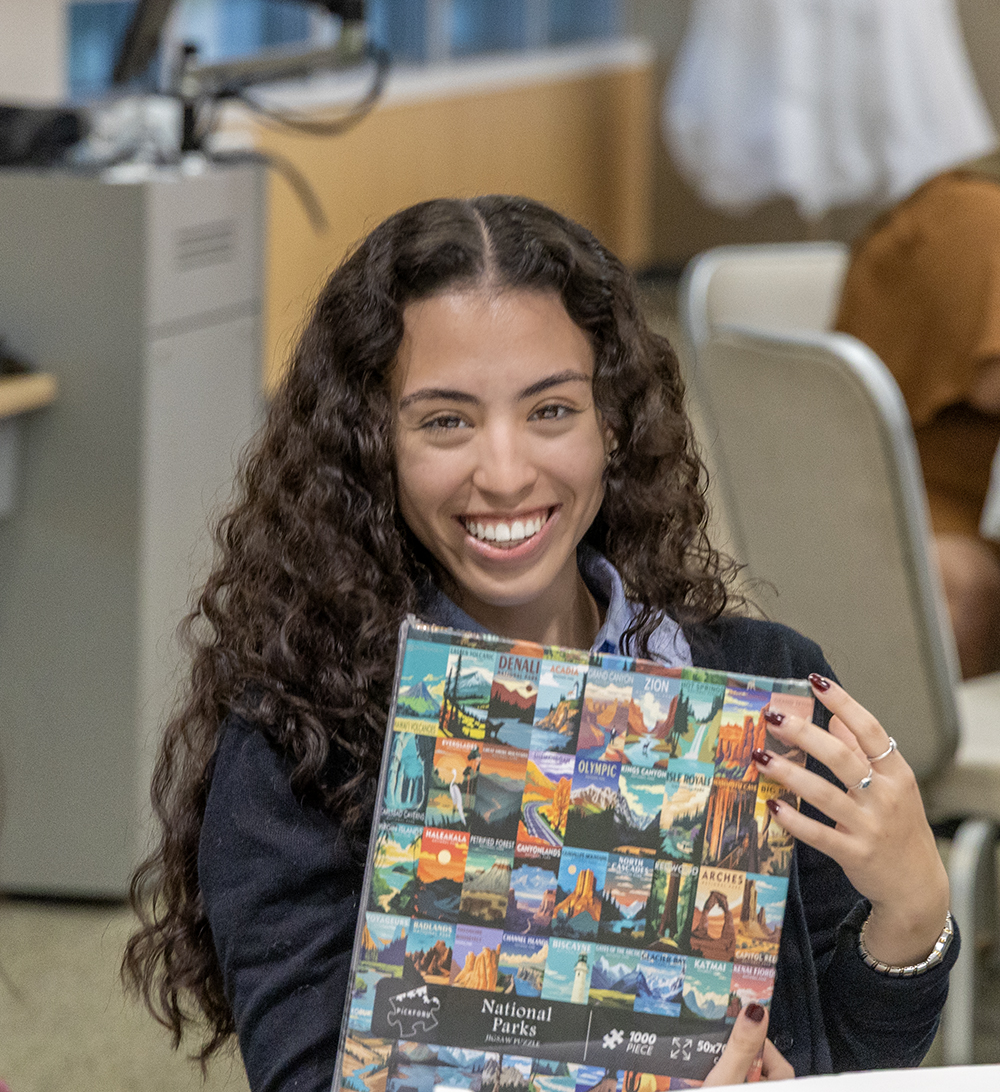
We played a couple of rounds, giving away prizes to lucky winners throughout the evening, with the help of volunteers Andrea Torres, Olivia Discon, and Laura Juarez Ordonez.
It was a beautiful reminder that while we gather for serious purposes – citizenship, community, growth – we also come together to celebrate, to play, and to enjoy each other’s company.
As the celebration concluded, we announced the next phase of our program: our Spring 2026 Citizenship Course. This course will be held on April 2nd, 9th, 16th, 23rd, and 30th at The Woodlands Center, to support immigrants as they work toward their citizenship, providing the resources, guidance, and encouragement they need to succeed.
A heartfelt thank-you to everyone who made this evening possible: thevolunteers and LEAP alumni whose ongoing support sustains the program, Christina Sato for generously sharing her time, inspiring story, and wisdom, and most importantly, the naturalized citizens and immigrants whose journeys continue to inspire this program and remind us of why it initially started.
Here’s to the journey ahead–and to all the events yet to come!
For more information about LEAP’s citizenship program or our upcoming Spring course, email Professor Mike Yawn at mikeyawn@shsu.edu.
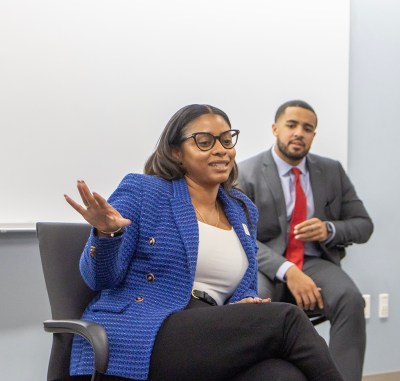
Ever wondered what it’s like to serve as a judge in your own community? The SHSU Pre-Law Society had the chance to find out firsthand during a moderated Q&A with Judge Devan Dawson, Municipal Judge for the City of Huntsville, and Judge Kim Webb, Justice of the Peace for San Jacinto County, Precinct 4.
From balancing private practice with public service to campaigning for elected office, both judges offered honest insight into the realities of serving at the local level and the unique paths that brought them to the bench.
Judge Devan Dawson, a Baylor Law alumna, shared how her path to law began unexpectedly. Originally an English major planning to teach, a family connection introduced her to the legal field, and she never looked back. Today, she divides her time between her private practice and her duties as a municipal judge, where she handles fine-only misdemeanors and civil cases. Her advice to aspiring law students was simple yet meaningful: “You can help people in countless ways, even something as small as a traffic ticket.”
Judge Kim Webb offered a different but equally inspiring journey. A graduate of Sam Houston State University and the University of Houston, she began her career in law enforcement and worked her way up to captain before pursuing public administration, and eventually, the bench. As a Justice of the Peace, she oversees fine-only misdemeanors, civil cases up to $20,000, inquests, and evictions. Judge Webb emphasized how women bring valuable communication and empathy skills to both law enforcement and the judiciary, qualities that strengthen fairness and trust within the community.
Above all, both judges reminded us that justice must not only be done but be seen to be done, and that every person should leave their courtroom knowing they were treated fairly.
The students were inspired by their humility, perseverance, and commitment to public service. It was a reminder that pursuing law is not just about cases and codes, but about people, integrity, and making justice visible in every community we serve.
With that renewed sense of purpose, our Pre-Law Society turned their attention to organizational business.
and to the big issue of the night: elections. Ten candidates, both new and returning, presented thoughtful speeches about the positive changes they hoped to bring to the organization.
We are proud to introduce of our newly elected PLS Officers: VP of Marketing, Jackeline Balbuena;
VP of Finance/Treasurer, Nataly Elizondo;
…and Secretary, Madison Cawthon.
Congratulations to our new officers, and PLS is ready to make this an incredible year.
Sam Houston State University’s Center for Law, Engagement, And Politics offers numerous programs for those interested in legal careers. One of the most popular is our Mock LSAT, which is offered every fall (open to all) and spring (open to Pre-Law Society members).
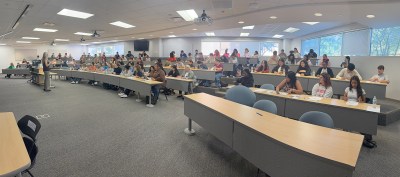
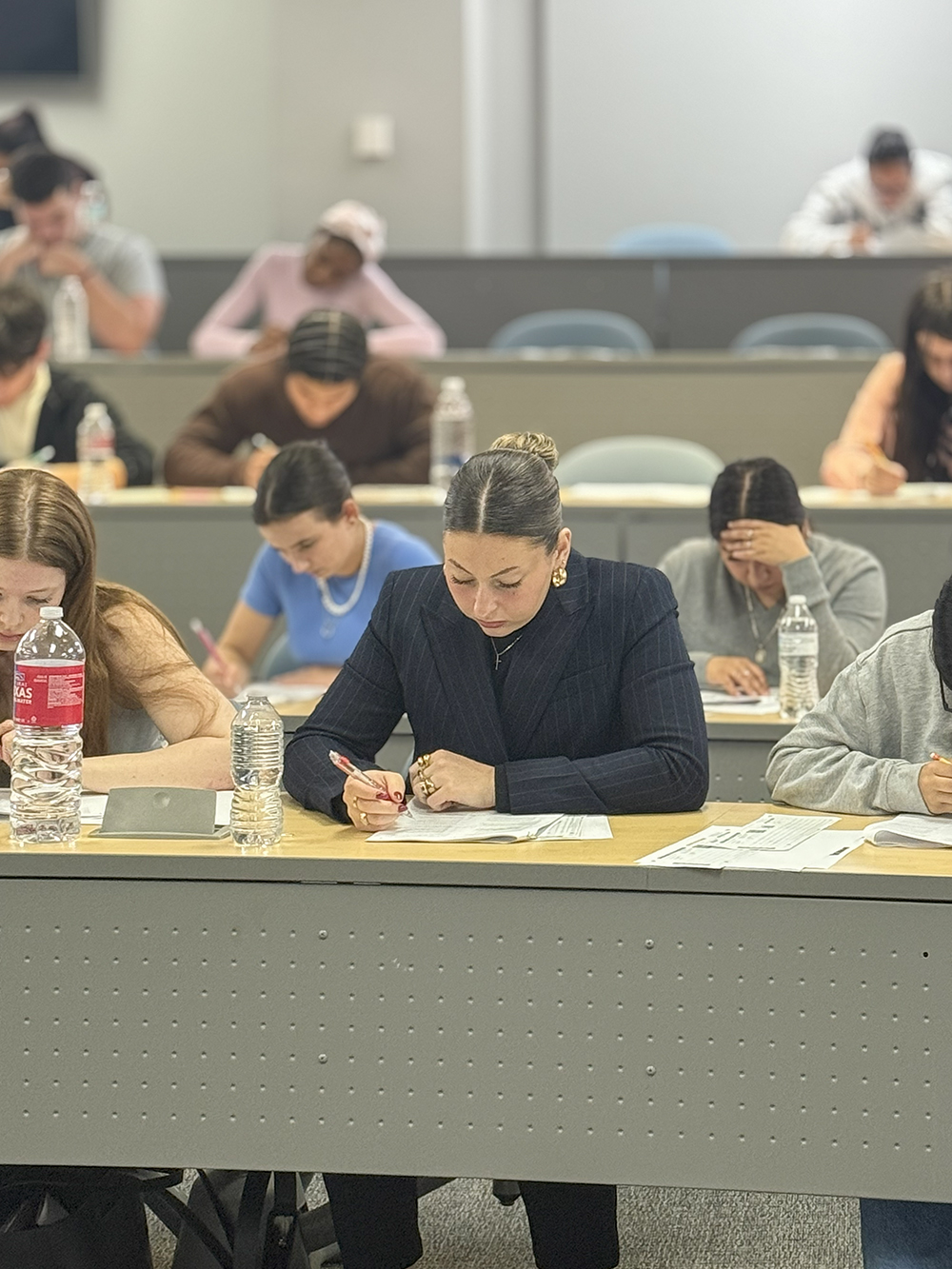
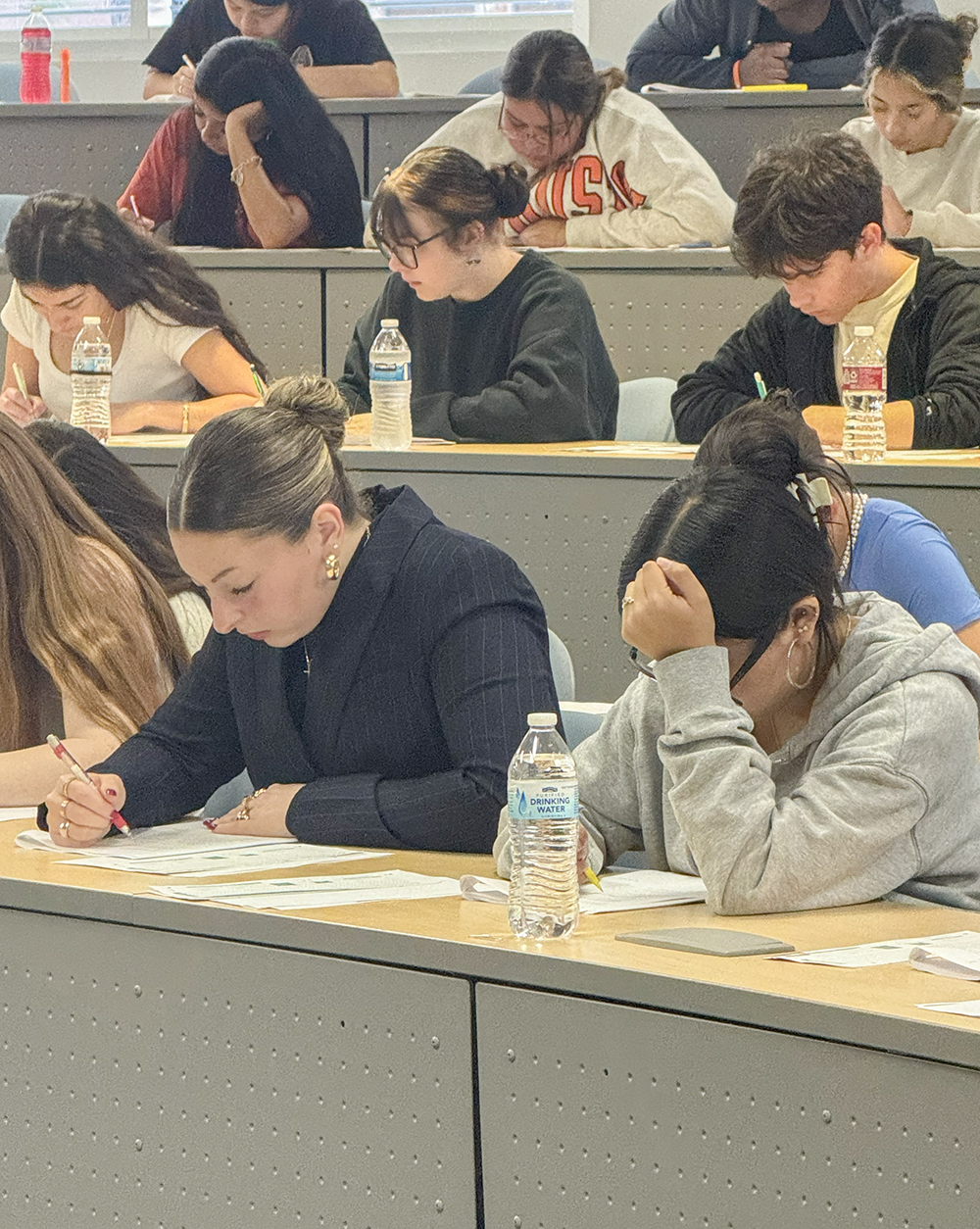
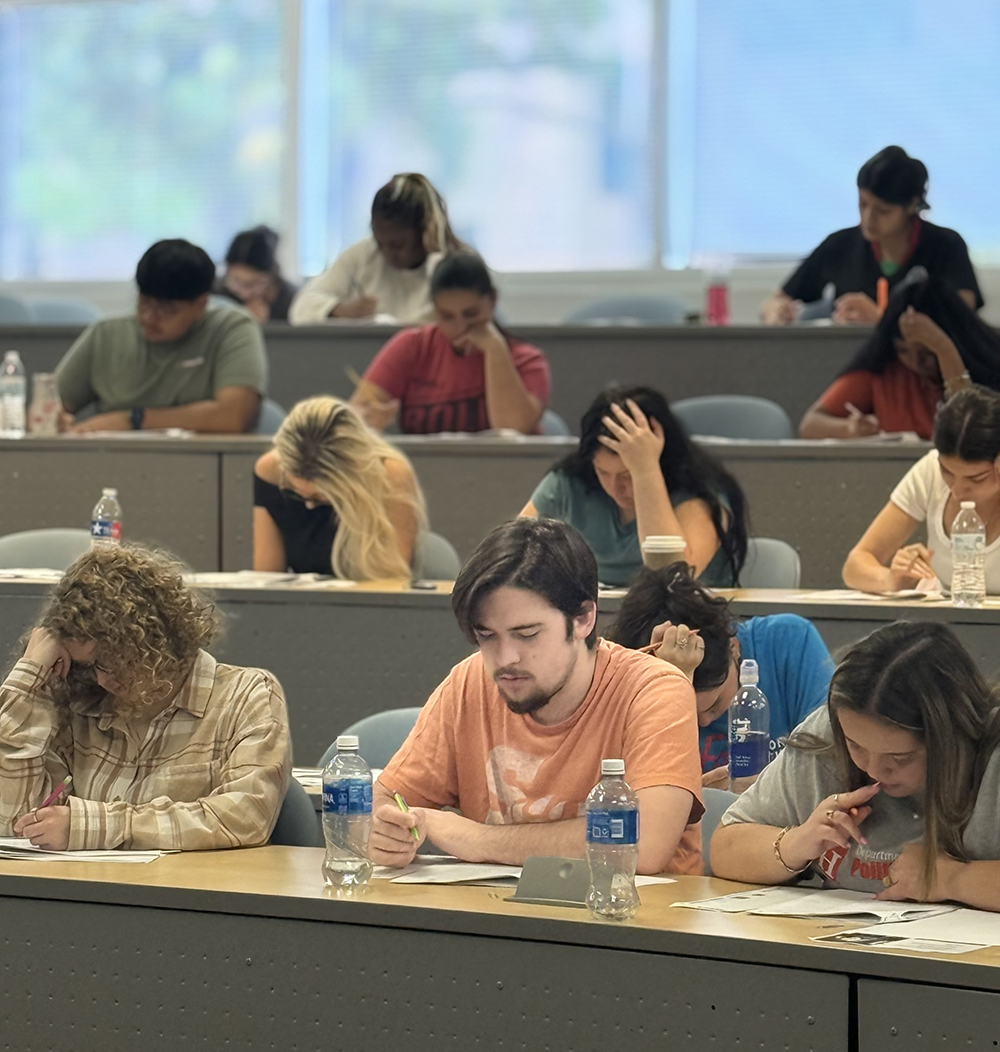
This fall’s practice test occurred yesterday, with Olivia Discon and Michelle Moya coming up early on a Saturday to volunteer, student worker Gabila Flores working, Mike Yawn helping, and Jean Loveall leading the event. To accommodate the record-setting 125 people signed up, the bustling band set up the test in each of the room’s chairs while also providing flyers for a pre-law class in the spring (“Negotiation,” by Professor Chris Thompson).
As people began rolling in around 9am, guests were checked in, pencils and scantrons issued, and soon rules were covered.
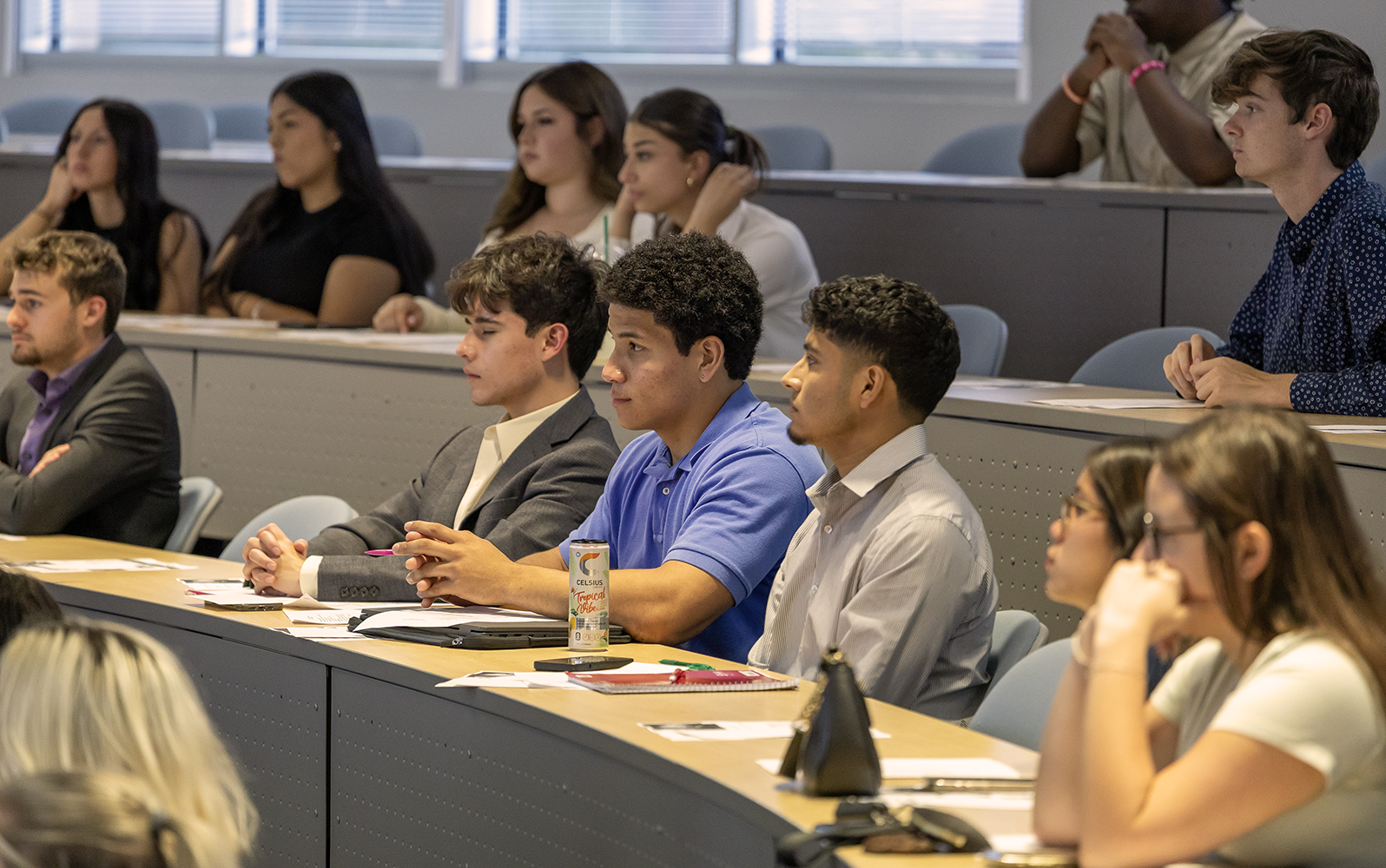
Like the real test, the Mock LSAT is given in four sections, each 35 minutes. There are two Logical Reasoning sections, one Reading section, and one experimental section. Over the course of the morning, you could see the students’ energy fade a bit, as the test took its toll.
Getting to law school requires more work than the average post-graduate career or program of study, but with the right mindset and the willingness to take advantages of the resources that the LEAP Center offers–such as the Mock LSAT–law school is within your reach.
It’s always exciting to begin a new semester in the Pre-Law Society, but this was especially the case this year, when we set a new record for members with 144! The lines delayed the meeting a bit…
…but the wait was worth it: we had Deans of Admission from South Texas College of Law (Nakita Wanza), University of Houston Law Center (Pilar Mensah), and Texas Tech University School of Law (Danielle Saavedra). With a general session moderated by President Olivia Discon and breakout sessions that followed, it was a semester’s worth of information into one record-breaking meeting.
General Body Meeting
Not wanting our minimal business reports to get in the way of the main program, President Discon and the officers moved rapidly through the business.
It was, however, the panelist’s evening. President Discon did an excellent job moderating the event, and we learned information that is useful for pre-law students everywhere.
How important are grades and the LSAT?
Very important! While this is to be expected, many students may not realize that (1) law schools look at your cumulative GPA–grades from dual credit, community colleges transferred in, repeated grades (the original grades are factored back into the GPA for law school)–and (2) the LSAT is the only indicator they have that is common to all students who apply. Keep those grades up and make appropriate plans to spend the necessary time on LSAT studying–the latter of which demonstrates times management, a much needed skill in law school.
What do law schools look for in personal statements and letters of recommendation?
All three Deans emphasized the personal statements, noting that they were looking for authenticity. This is the chance for the students to provide information provided only by a personal statement and to provide an insight into the applicant’s true self. For those who wish to present their true selves through AI, Deans of Admissions can tell. Moreover, applicants should (1) follow instructions and (2) proof read. You’d think this would be common sense, but every year, law schools receive personal statements addressed to other schools, longer than the permitted length, or responsive to prompts not provided by the school.
Similar care should be taken with letters of recommendation. Some students may be tempted to ask the professor they liked the most, or they thought was “cool,” or someone whom they spoke with often. But law schools want to hear from professors who have seen the student’s writing, (critical) thinking skills, and reading ability. If the class didn’t require any of these things, or if you didn’t earn a strong grade in the class, seeking letters elsewhere might be your best bet. Dean Mensah also encouraged students to have their letter writers identified by their junior year, rather than waiting to the last minute–another time management lesson!
Additional Information
The schools emphasized the importance of taking this process seriously and the importance of character. Of course, character can reflect a student’s priorities–such as grades and the LSAT–dedication to those priorities, and those who possess integrity will carry that trait with them into law school, and one hopes, to their career beyond.
President Discon also introduced Michael Chambers, an SHSU alum (class of 2023) who is a 2L at South Texas College of Law. He emphasized the importance of hard work, asking questions when needed, and applying oneself in an area of interest.
With this foundation, the general body meeting was adjourned, and students left for breakout sessions, each of which featured a presentation from a different school.
South Texas College of Law (STCL)
by Katherine Burnett
The South Texas College of Law session was led by Associate Director of Admissions, Ms. Nakita Wanza, along with 3L law student and SHSU alum, Michael Chambers. Ms. Wanza began by walking students through the “holy trinity” of law school applications: the LSAT, the personal statement, and letters of recommendation. She emphasized the importance of researching every school you’re considering—especially their median LSAT scores—and setting that as a target when preparing.
Once the basics were covered, the discussion shifted to opportunities available at STCL. These include internships, legal clinics, student ambassador positions (which Michael called the “best job ever”), moot and mock court, journals, and more. Michael shared personal insights about his law school journey, noting that success comes from daily study habits but also from keeping a flexible schedule. He reassured students that “cold calling” isn’t as terrifying as it’s made out to be—it feels more like a conversation once you get used to it.
Michael also discussed how summers in law school are “what you make of them,” whether through internships, travel, or taking a break. On the topic of grades, he explained that law school’s suspenseful grading system makes it harder to track progress, but the best indicator of understanding is whether you truly know what’s happening in class.
The session wrapped up in just thirty minutes with Nakita and Michael encouraging students to study hard, stay open-minded, and remember that law school is within reach.
University of Houston Law Center
By Madison Cawthon
In another breakout session, we heard from Pilar Mensah, Assistant Dean of Admissions at the University of Houston Law Center–which we toured on August 1! Dean Mensah shared valuable details about UH’s programs, starting with the flexibility of part-time and full-time options, as well as the availability of dual degree pathways alongside the JD.
She also highlighted UH’s wide variety of legal courses, student organizations, and other opportunities for involvement, along with the amenities and on-campus housing available to law students.
These resources, she explained, help foster both academic and community life at UH Law.
Toward the end of the session, Dean Mensah offered insight into what admissions officers are really looking for in applicants, sharing her perspective on how to stand out in the process. She then opened the floor to questions, giving students the chance to engage with her directly about both law school in general and the UH Law experience specifically.
Texas Tech School of Law
by Madison Thurkettle
Danielle Saavedra, Assistant Dean of Admissions and Director of First-Generation Resources at Texas Tech Law School, brought an encouraging perspective to the session.
For many, applying to law school can feel daunting, but Dean Saavedra worked to replace that sense of intimidation with confidence and motivation.
She began by highlighting the importance of undergraduate years in the admissions process. Law schools carefully consider your GPA from the first three years of college, but she reminded us not to view “median numbers” as immovable barriers. While GPA and LSAT scores matter, Texas Tech looks beyond the numbers, valuing the strengths, experiences, and qualities that make each applicant unique.
On the LSAT, Dean Saavedra stressed preparation and time management but also reminded us that the exam does not define who we are—it’s simply one more step toward a legal career. She also shared practical admissions advice: timing is critical, and applying in the fall helps your application stand out.
Dean Saavedra highlighted the personal statement as one of the most important components of an application. She urged students to follow instructions carefully and to write authentically, rather than trying to predict what admissions officers want to hear. She even admitted that she wished she had reached out to admissions when she was applying, encouraging us not to hesitate with questions.
She closed with a reminder to adopt a growth mindset. Law school, like the application process itself, comes with challenges, but each obstacle is an opportunity to learn and improve—a mindset that will serve us well far beyond admissions.
Concluding Thoughts
With 144 members–one of the largest organizations on campus–and a top-notch panel, members left the meeting with a bounce in their step, despite the late hour. They also have a renewed sense of mission, understanding the importance of committing oneself to a course of study, behaving with integrity, and managing their time and energy toward their highest priorities–qualities that, incidentally, are valuable in all courses of study, careers, and in life.
LEAP students added another country to its World Affairs Council culinary passport: Italy. While Italy is most known for pizzas, pastas and their ketchup-despising attitude, it is also known as the wine capital of the world. We learned more about wine and its profound impact on people’s lives.
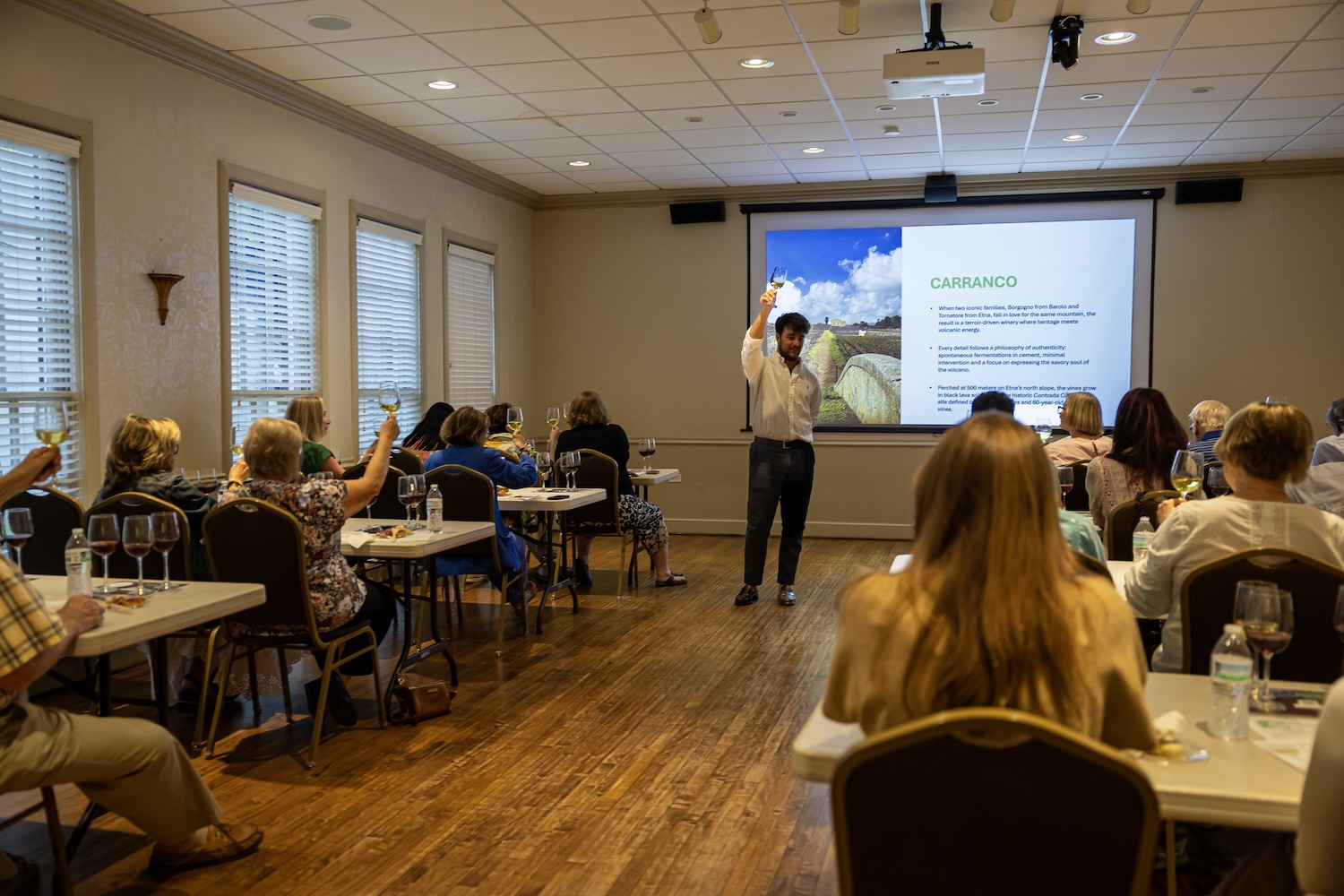
In true European fashion, there was plenty of snacking to be had, rather than a full-course meal. A variety of cheeses and meats ensued, and we spent time conversing in the beautiful Italian Cultural and Community Center.
The speaker for the evening, Ferdinando Favara, has grown up appreciating this aspect of Italian culture his whole life. His family, who has longstanding roots in the wine industry, have a vineyard in Sicily–which we came to learn is on the up-and-up in terms of regional “quality”. Favara helped his grandmother in the wine fields starting at just 14 years old.
Ferdinando spoke about how wine helps to bring people together. His “philosophy”, so to speak, is that wine creates stories, keeps stories alive, and connects people in a vital way. While LEAP students didn’t personally indulge in any wine tasting, it was fun to partake in the storytelling and learn about the many intricacies that come with a high-quality experience. Much like the efforts of the LEAP Center!
He also talked about the deep history of wine which started 3,000 years ago in Sicily. Sicily, which is the largest island in the Mediterranean, uses a terrace-type farming technique. It uses this form of farming because it has the largest active volcano in Europe! Our discussion then traveled to Piemonte, once the land of the King of Italy. While on the verbal excursion, we learned the king entrusted his vineyard to one of his servants (who was rumored to be one of his lovers!), a legacy that lives on today. This region is home to one of the oldest vineyards in all of Italy.
LEAP students truly appreciated attending another World Affairs Council program which has helped broaden our understanding of the world around us. While we didn’t engage in the wine component of the evening, we definitely appreciated Italy’s culture, history and significance in the wine industry.

































































 Center for Law, Engagement, and Politics