“We Only Talk When There’s a Crisis”: Q&A with Dr. Peter Hotez

By Quinn Kobrin,

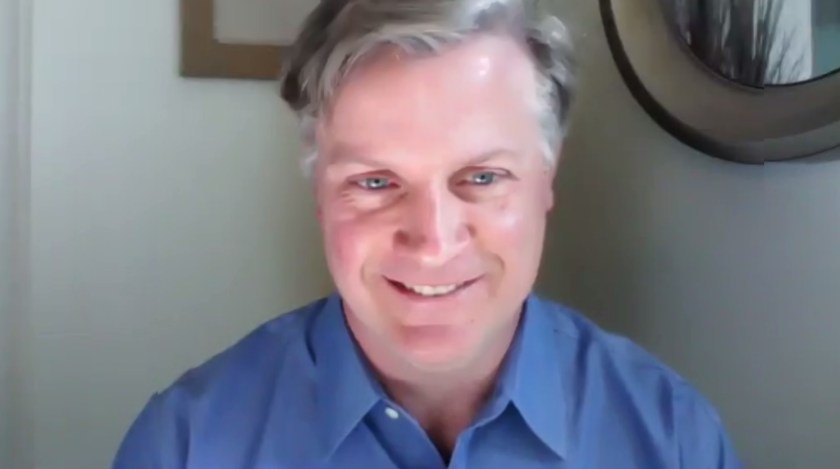
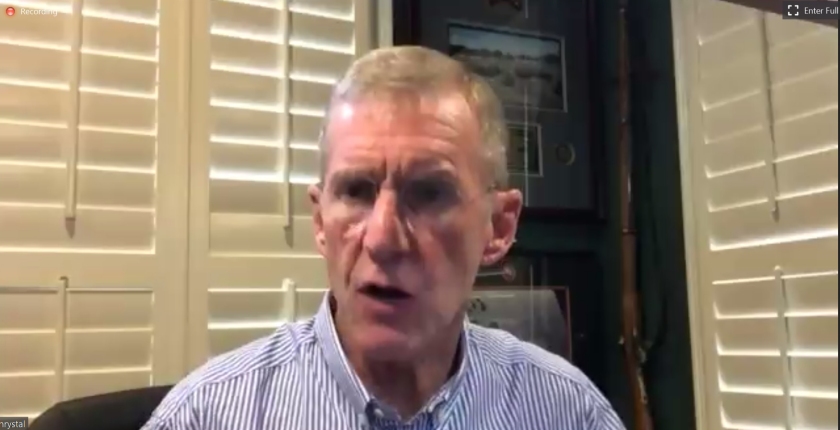
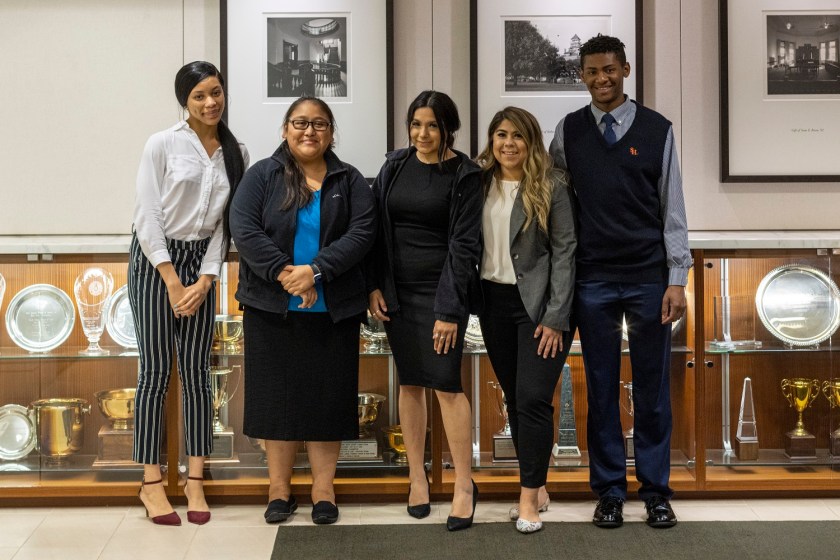
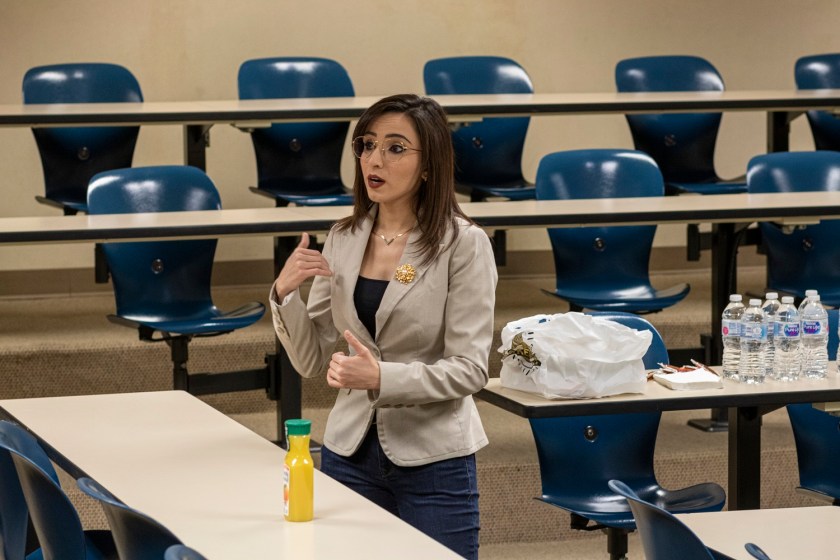
On Wednesday, LEAP Ambassadors and alumni signed on for another virtual event hosted by the World Affairs Council, featuring Dr. Peter Hotez to discuss his take on COVID-19, including what we’ve learned from this pandemic, and how to proceed.

After a greeting from Maryanne Maldonado…
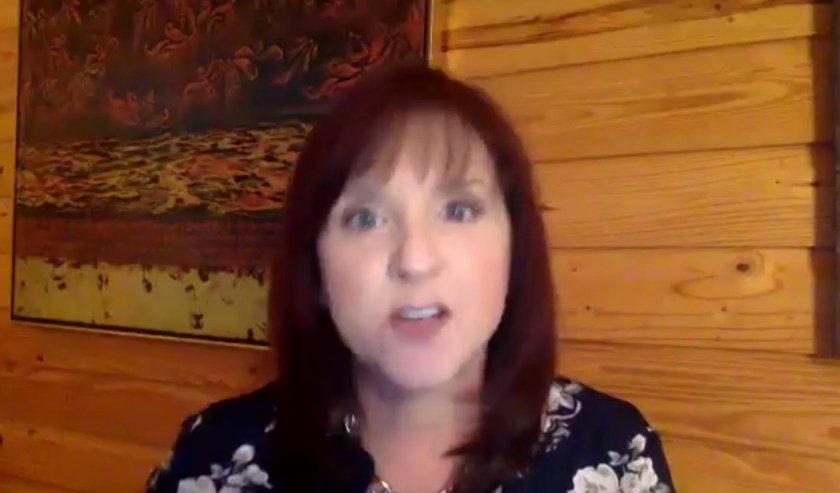
SHSU, LEAP Center, Center for Law Engagement And Politics, World Affairs Council--Greater Houston, Dr. Peter Hotez

…Ronan O’Malley…

SHSU, LEAP Center, Center for Law Engagement And Politics, World Affairs Council--Greater Houston, Dr. Peter Hotez

…gave a brief introduction of Dr. Hotez…

SHSU, LEAP Center, Center for Law Engagement And Politics, World Affairs Council--Greater Houston, Dr. Peter Hotez

which included Hotez’s fine work at the Baylor School of Tropical Medicine.

Dr. Hotez started off by telling Mr. O’Malley with some amusement, “We only see each other when there’s a crisis.”
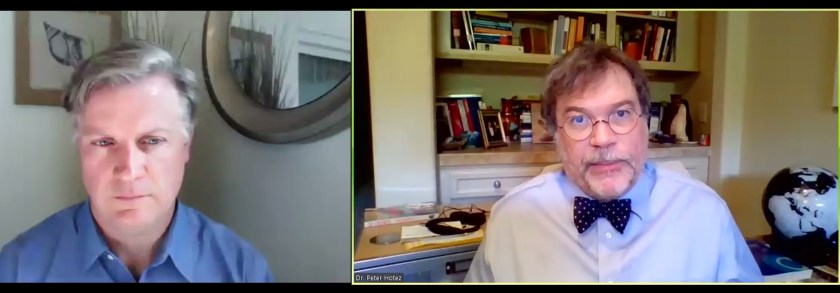
SHSU, LEAP Center, Center for Law Engagement And Politics, World Affairs Council--Greater Houston, Dr. Peter Hotez

He then proceeded to discuss what he knew about the virus so far. He said that he first heard about the virus in January, when reports were released on the website bioRxiv. According to Hotez, people did not pay much attention to coronaviruses in general until about 2003, when SARS-CoV-1 emerged. When that happened, unlike now, if a person got infected, they had to go to the hospital  Worldwide, only 8,098 people got infected.

Coronavirus, unlike SARS and, later Ebola, is asymptomatic in some people and has a longer incubation period, allowing seemingly healthy people to pass on the disease to more people.  And that is one reason this disease has resulted in, and will continue to result in, more deaths.

Mr. O’Malley then asked if we should be concerned if China or other nations repress information about deadly diseases in the future. Dr. Hotez said he did not care to speculate or place blame at the moment, but rather said that now is the time to save lives. He reminded us that whether or not missteps by officials, governments, or scientists occurred, we should be patient, because “things always go wrong at the beginning of a pandemic.”

SHSU, LEAP Center, Center for Law Engagement And Politics, World Affairs Council--Greater Houston, Dr. Peter Hotez

Dr. Hotez then spoke about the spread of transmission, which I found both intriguing and informative. He explained that COVID-19 is the name of the disease, while SARS-2 is the name of the virus. This distinction is important, because you can be a carrier of the virus without being affected, and transmit the virus and the disease to someone else unwittingly. He compared this to being HIV positive versus having AIDS.

It was at this point in the online seminar that I heard the most inspiring statement of the evening. Dr. Hotez explained that, when he first learned about COVID-19, and the possible consequences of inaction, he decided to lead the charge of people talking about it and informing people about it. Because of his work and research on SARS, and various other diseases and viruses, he anticipated that the impact of this virus would be great. He shared with us a quote from Winston Churchill – a frequent resource for inspiration in these troubling times – saying, “I was not the lion, but it fell on me to give the lion’s roar.” From my perspective, I can see this being true of everyone who has stepped up to act out of duty, and personally, I am grateful for those calls to action.

SHSU, LEAP Center, Center for Law Engagement And Politics, World Affairs Council--Greater Houston, Dr. Peter Hotez

In discussing the possibility of a second wave hitting the U.S., and how we might respond as a nation, Dr. Hotez voiced his concerns both about whether or not companies would be willing to comply with work from home standards again, and if people would be able to overcome the trauma of this initial wave. As we prepare to reopen as a nation, and being cognizant of the likelihood of a second wave, Hotez recommended that we open only a few states at a time, observe how well that works, and proceed from there.

As always, it was a treat to hear from an expert brought in by the World Affairs Council…

SHSU, LEAP Center, Center for Law Engagement And Politics, World Affairs Council--Greater Houston, Dr. Peter Hotez

…and we look forward to next week’s event. Thanks to the WAC, LEAP Ambassadors and so many others can stay informed and hear a variety of facts and opinions by experts and leaders, and we are grateful for the opportunity to keep learning despite these uncertain times.

Listening to Author Kate Murphy

By Miranda Estrada

Kate Murphy, a New York Times contributing journalist, writes on various topics but was inspired to write her novel based on conversations she was having with complete strangers. She spoke about how often strangers would dive into to telling her personal details in conversation all because they wanted someone who would listen to them.  Her new book is about why this happens and what to do about it.

Before the event, the Brazos Bookstore staff indicated that Kate Murphy requested that no photographs be taken.  So, we have no photographs of the actual book discussion.

SHSU, LEAP Center, LEAP Ambassadors, Center for Law Engagement And Politics, Brazos Bookstore, Kate Murphy, "You're Not Listening"

With the everyday usage of social media and cellphones often, we find ourselves distracted and always wanting to control the narrative. “You’re Not Listening” takes a unique approach to how to combat this issue incorporating a mix of psychology and science (not that those are mutually exclusive…).

During one of her first interviews (by phone) for the novel, Ms. Murphy recalled how construction on her street forced her to conduct the interview in her closet so that she could hear. During her interview, which was with Oliver Sacks, they began to exchange weather metaphors. She refers to this ability to connect with someone is called “snatches of magic”, but in science, these moments can actually be measured by watching the brain. During these moments, the brain releases chemicals that make people feel good and creates a bond. Ms. Murphy explained that without listening to one another, these moments are few and fleeting, which has caused loneliness all over the world (England recently appointed a Minister of Loneliness…).

SHSU, LEAP Center, LEAP Ambassadors, Center for Law Engagement And Politics, Brazos Bookstore, Kate Murphy, "You're Not Listening"

Although identifying a problem is the first step to a solution, the audience was eager to learn how we can become better listeners. In conversation, there are two kinds of people: shifters and supporters. Shifters are people who immediately shift the conversation back to themselves, and supporters are people who ask furthering questions about what the other person said. “Everyone is interesting enough if you ask the right questions”, Kate Murphy said, encouraging the audience to become supporters in every conversation. To be better listeners she also challenged us to ask ourselves two questions after every conversation, “what did I learn?” and “how did the other person feel about what we were talking about?”

Ms. Murphy acknowledged that not listening is pervasive, from personal conversations to congressional hearings (the audience laughed at the irony of that one). She spoke honestly that learning to listen is a skill that takes times to develop, like skiing or riding a bike, but one that is necessary to start regardless of age.

SHSU, LEAP Center, LEAP Ambassadors, Center for Law Engagement And Politics, Brazos Bookstore, Kate Murphy, "You're Not Listening"

After the talk, we had the opportunity to speak with Ms. Murphy and thank you for her advice as well as thank the Brazos Bookstore Staff for another great event.

Black Walnut Café

After a full evening of listening, we headed to Black Walnut Café for dinner. We started with a table favorite – chips and queso. Black Walnut Café offers something for everyone and our entrees were a true token of that. Our entrees include the Fiesta Jalapeno Chicken Pasta, Chicken Pesto Bowl, Turkey Croissant Club, and several others.

This slideshow requires JavaScript.

With full stomachs we headed back to Huntsville, eager to apply what we learned.