Reflections from the Capitol: A Day of Service, History, and Perspective in Austin

by Olivia Discon

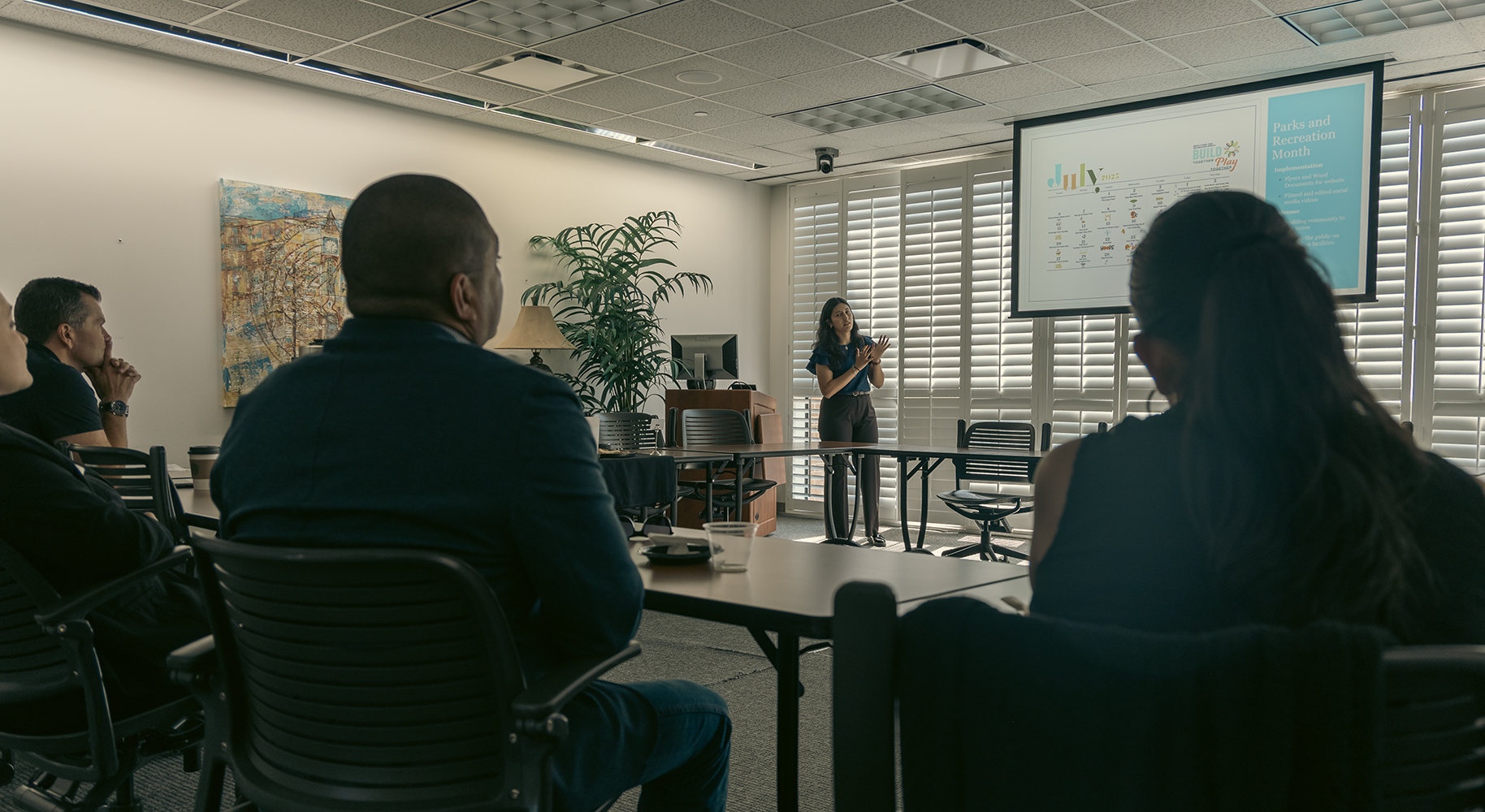
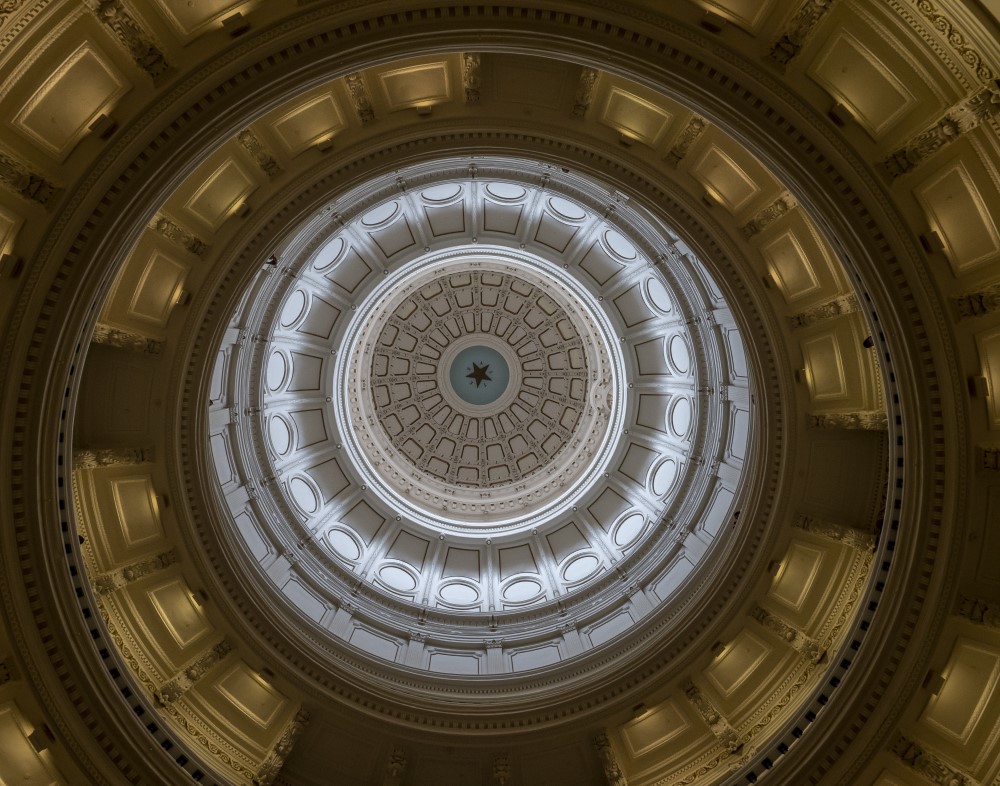
I recently had the opportunity to visit the Texas Capitol and share a few reflections from my term as student regent. I was invited by the Governor’s Appointments Office to speak to the newly appointed student regents, which was a real honor—and a full-circle moment I didn’t take lightly. I wanted to make the most of the opportunity and my time in Austin.

One of the biggest highlights of the day was being invited to the Governor’s Mansion. After a quick security check by DPS, I had the chance to tour one of the most historic and iconic buildings in Texas. The Greek Revival-style mansion was designed by Abner Cook—who, interestingly, also supervised the construction of the Walls Unit in Huntsville. That connection alone was enough to trigger my compulsive need to tie Sam Houston into everything.

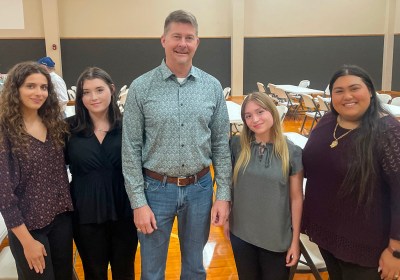
I’ll admit I was a little photo-shy walking through the mansion, but that didn’t stop a few photos from happening. To my surprise, I got to greet Governor Abbott again and take a quick photo with him—inside his house, no less. In that moment, I felt an overwhelming sense of gratitude. Being appointed as a student regent during my undergrad was an incredible opportunity, and I’ve felt supported at every level of my college experience. That support made moments like this possible.

As we made our way through the mansion, we passed through rooms filled with stunning 18th-century furniture—and, of course, nods to Sam Houston in almost every one. They even have a room named after him. Seeing this more glamorous side of Houston’s life, and then comparing it to his final years at the Steamboat House in Huntsville, was oddly moving. He was so committed to his principles that he gave up comfort for conviction. It’s just one of the reasons Huntsville has such a strange charm to me. Somehow, all roads in Texas lead back to it.
Even though the Governor’s Mansion is a historic landmark, it’s still a lived-in space. Just outside the window, we caught a glimpse of the Abbott family’s three golden retrievers playing in the yard. The timing of the visit couldn’t have been better—it was a great reminder of how historic homes can still be part of everyday life, thanks to organizations like the Friends of the Governor’s Mansion.
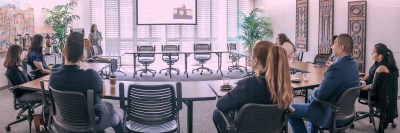
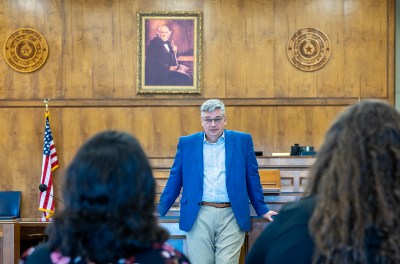
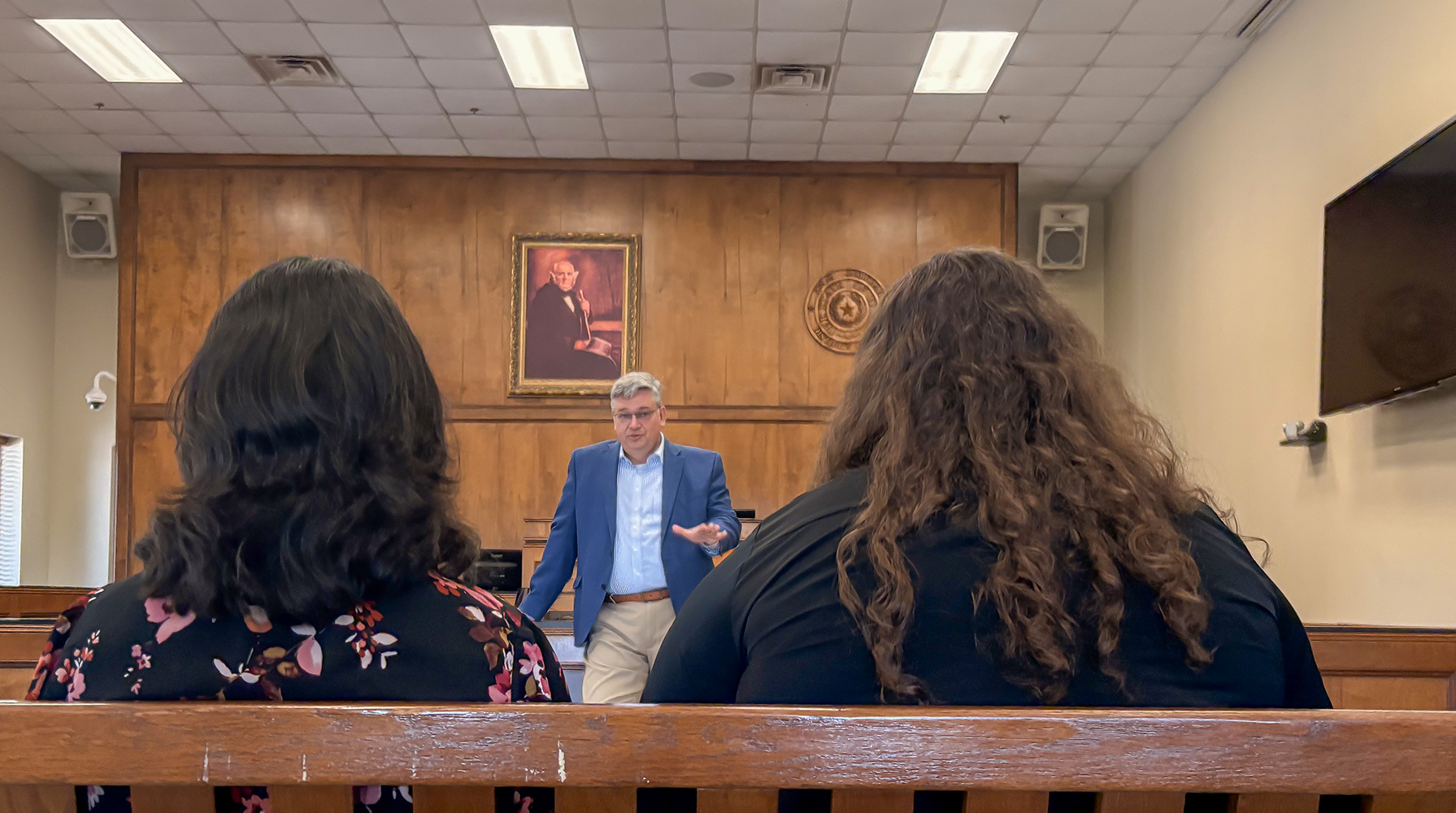
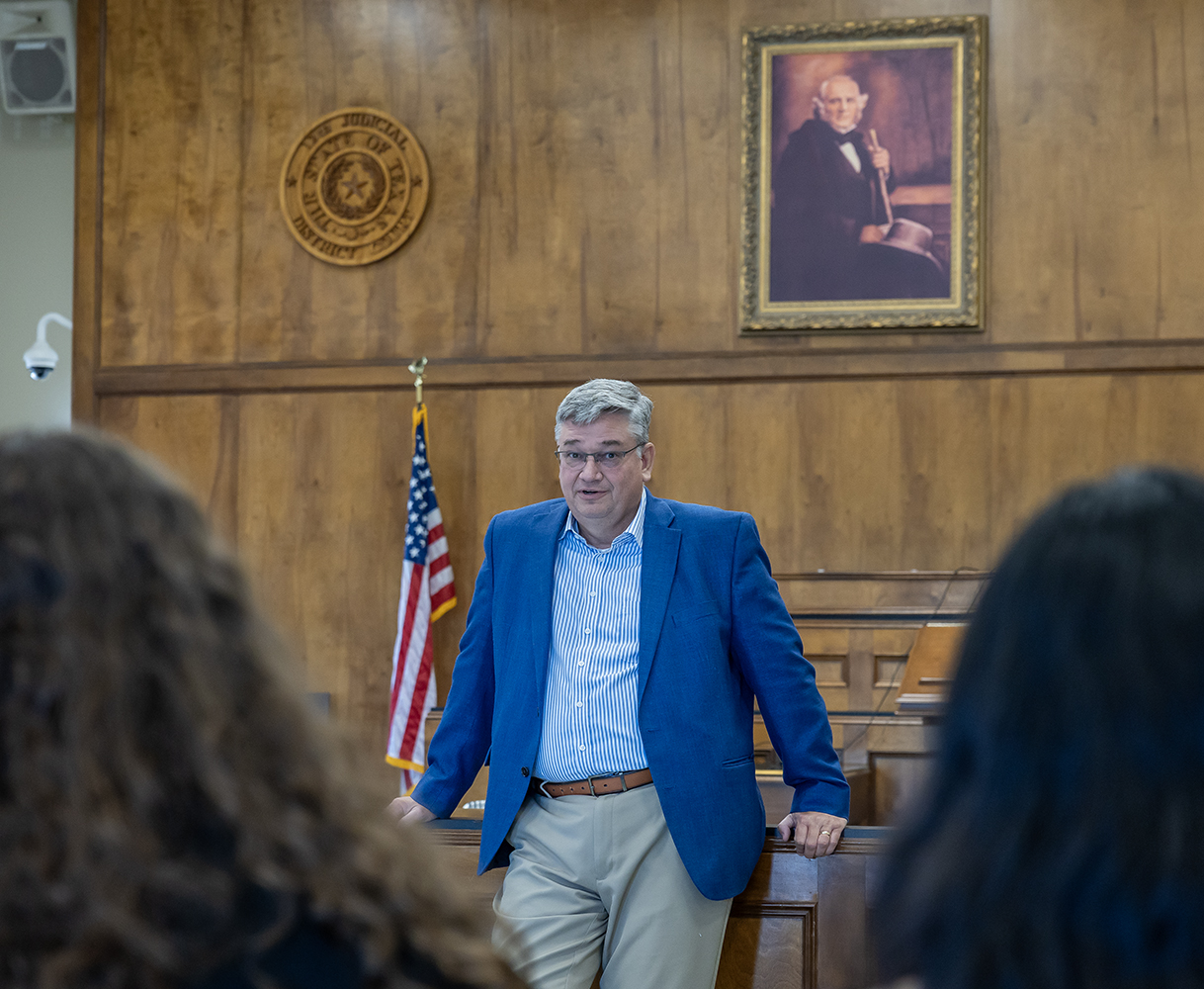
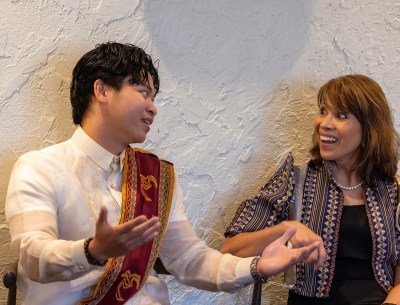
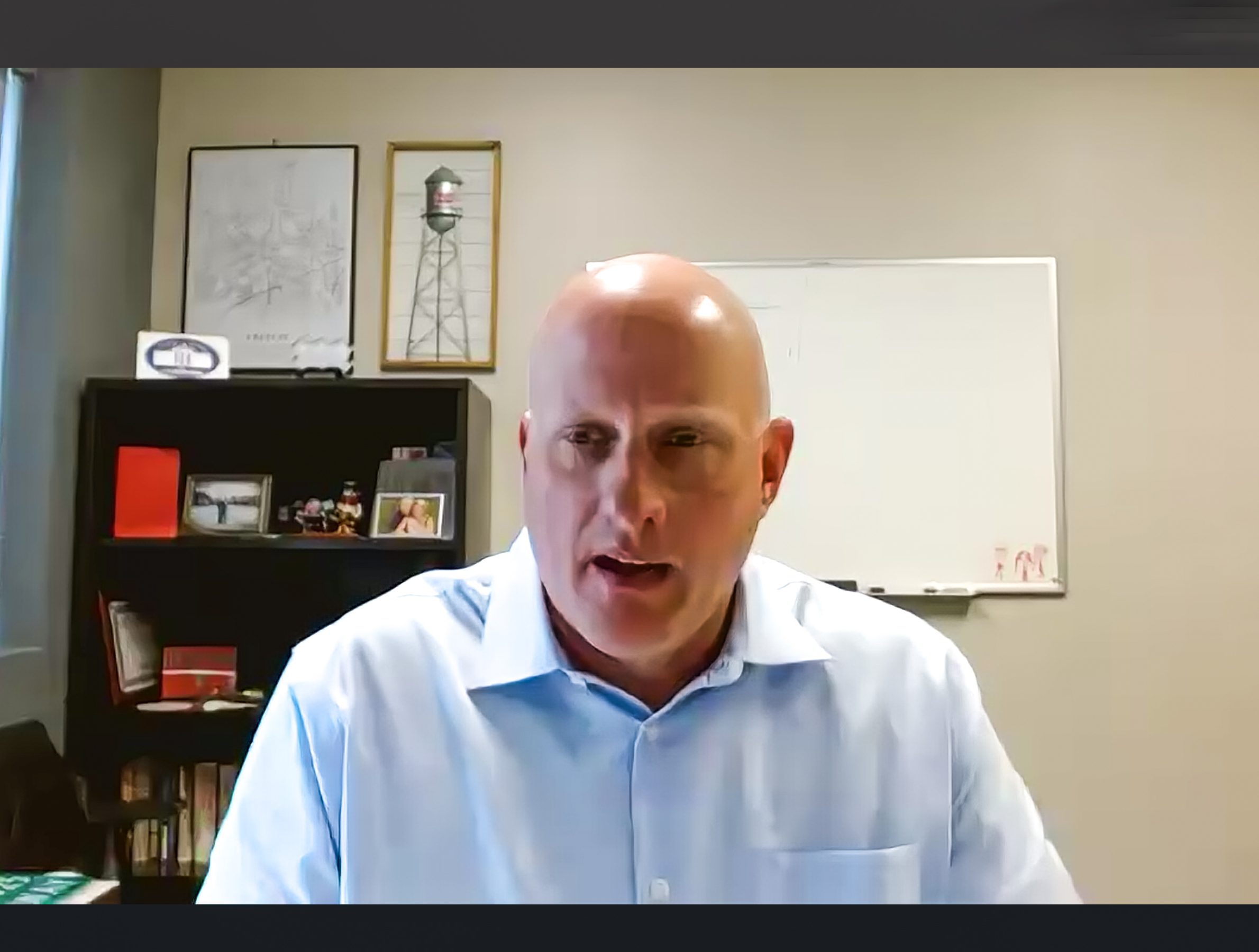
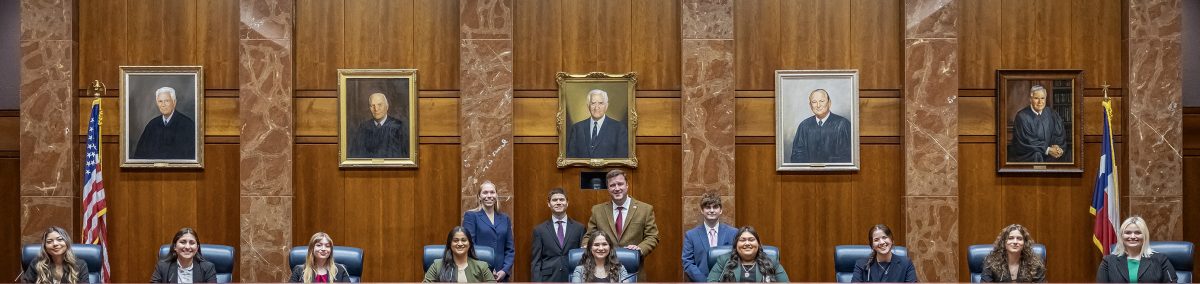
Later that afternoon, I joined Chris Covo, a former student regent for the Texas State University System, and Luke Shwartz, who was recently appointed student regent for the UT System (congrats again, Luke!). We sat down with Brent Connett for a moderated conversation about the role, what surprised us, and what advice we’d offer.

For me, the biggest takeaway was this: being a good representative can open more doors than you might expect. Investing in your professionalism, doing your research, and showing up prepared—not because you’ve “made it,” but because you’re serious about learning—goes a long way. When you present yourself as someone competent and curious, people take notice. You get to be in the room for real conversations and real opportunities.

After the panel, I stopped by to see my good friend Michelle Cardenas, who was deep in the legislative trenches as session wrapped up. She took a much-needed breather and walked me through the Governor’s Reception Hall. Watching her in action, compared to where we started—back when we walked into the Capitol for the first time with LEAP—was surreal. We’re in completely different places now, but there’s something meaningful about knowing LEAP brought us both here.

Electric Gravy
For dinner, I continued on my sappy tirade by joining Cinthia Villarreal and Michelle Cardenas at an Indian fusion restaurant—Electric Gravy.

It’s been getting a lot of local attention, including a recommendation from former LEAP Ambassador Saara Maknojia.

We started with the curry queso (which was excellent), and then I had the chicken tinga curry, Cinthia got the chicken masala, and Michelle went with the pork vindaloo. All of it was solid—definitely a fun place worth checking out.

Mount Bonnell
To wrap up the day, I visited Mount Bonnell for a great view of Lady Bird Lake. It ended up being the perfect spot to close out a long day—quiet, scenic, and full of the kind of quirky passersby you can only find in Austin.

The sun didn’t set until about 8:30 p.m., but once it started going down, it dropped fast.

I might be wrong, but I think this was the first time I ever intentionally watched a sunset. It was a nice experience!

Understanding Pharmacy Fraud: Lessons from the Houston ACFE Lunch

The Houston Chapter of the Association of Certified Fraud Examiners met last week to discuss medical fraud, particularly as it relates to pharmaceuticals. And with former LEAP Ambassador Bianca Saldierna on the Houston ACFE Board, LEAP students found themselves at the Tanglewood Ballroom alongside approximately 25 certified fraud examiners to discuss pill mills, pharmacy shopping, and the black market.

Following an introduction by Robert Rodgers, the Director of ACFE’s In-Person events…

…featured speaker Yasir Shakoor offered an interesting–and even entertaining–discussion of the diverse types of pharmacy fraud over lunch.

Mr. Shakoor has both a BA and an MHC in Health Care Administration, and he is also a Certified Fraud Examiner, and he was clearly qualified to discuss the different types of fraud.

Following a discussion of common myths and an emphasis on the costs associated with pharmacy fraud, Shakoor made a distinction among (1) fraud–falsely representing services rendered; (2) waste–not reasonably conserving resources; and (3) abuse–which may involve exploiting gray areas in laws or policies and, while perhaps not illegal, is unethical and costly.

The case studies were perhaps the most interesting component of the presentation.
Examples included (1) an individual who hacked into an e-prescription service and issued 18,500 prescriptions (in one day) to purchase sport cars, basketball tickets, and to be “entertained” at strip clubs, (2) a doctor who would offer opioids for the flimsiest of pretenses, and (3) underground organizations that offered substandard, black-market drugs (or, sometimes, just any substance available) in place of the specified medication. It is frightening, costly, and, often, deadly.
Apart from the educational aspects of the lunch, our major reason for attending was to see Bianca Saldierna.

A key LEAP Ambassador in 2016-2017, Ms. Saldierna has remained involved in her alumni years, and she generously invited us to attend this event. With many thanks to Bianca and to ACFE, we eagerly await our next such lunch!

Exploring O’Henry’s Home: A Trip Through Literary History

This past month, I toured the O’Henry Home. Upon entering, I was greeted by Spike Gillespie, a kind and knowledgeable staff member from the City of Austin’s Museums and Cultural Programs. She shared key details about William Sydney Porter’s life, explaining that he lived in this house from 1884 to 1894 before fleeing to Honduras due to corruption allegations at his workplace, the First National Bank of Austin. A few years later, he returned to the U.S. under an alias—O’Henry—the pen name that would bring him literary fame.

The small home consists of three main rooms: the living room…

…the bedroom…

…and O. Henry’s office.

As I walked through, I enjoyed learning fascinating tidbits about his life and work. His experience drafting maps at the General Land Office in Austin resonated with me, as I’ve encountered the GLO while assisting the Land and Resource Committee in my office.

Although modern technology has replaced hand-drawn maps, I appreciated the small connection I felt while standing in O’Henry’s office.

As I continued walking through the home, I found myself amused with framed sketches located right outside O’Henry’s office. Later, Spike informed me that during his lifetime, O’Henry became a self-taught artist, focusing largely on political cartoons, which were featured in The Rolling Stone magazine. Most of his artwork throughout the home feature a mixture of political cartoons and the life of American settlers.

Spike also shared insights into how his time in Austin shaped his storytelling. Many of his short stories reflect themes of redemption, irony, and human nature, qualities that may have been influenced by his own struggles. His most famous work, “The Gift of the Magi,” showcases his signature twist endings, a style that would make him one of the most celebrated short story writers in American literature.

Beyond his literary contributions, O’Henry’s influence on Austin is still evident. His home, now preserved as a museum, serves as a reminder of the city’s rich cultural history.

Creative writing workshops hosted by individuals like Spike encourage Austinites to expand their writing skills and explore writing techniques utilized by famous writers such as O’Henry.

Visiting the O’ Henry Home provided me with insight that was much greater than a historical tour, it was a glimpse into the life of a man who turned adversities into art, which brought people together. His legacy lives on not only in his stories but also in the continued appreciation of his wit and literary style.