Skip to content

Center for Law, Engagement, and Politics

Leap At SHSU!

  • About LEAP
  • LEAP Ambassadors
Center for Law, Engagement, and Politics

Category: Civic Engagement

The Future of Emergency Response: Technology in Action

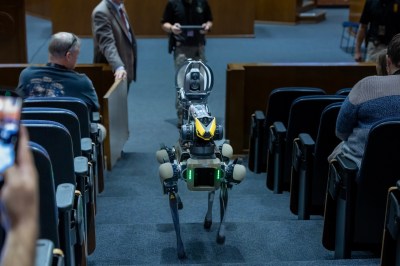
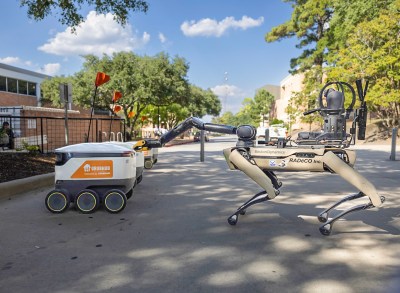
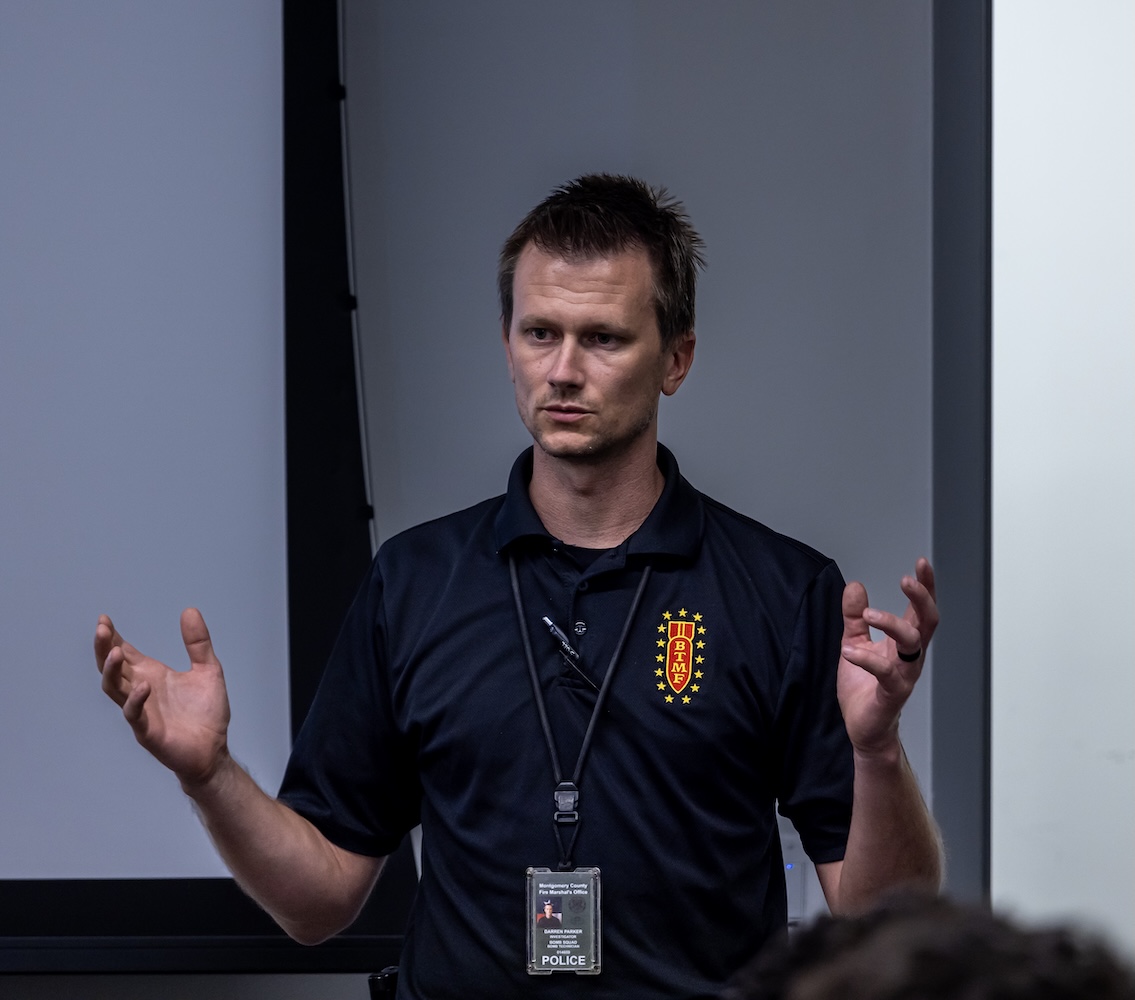
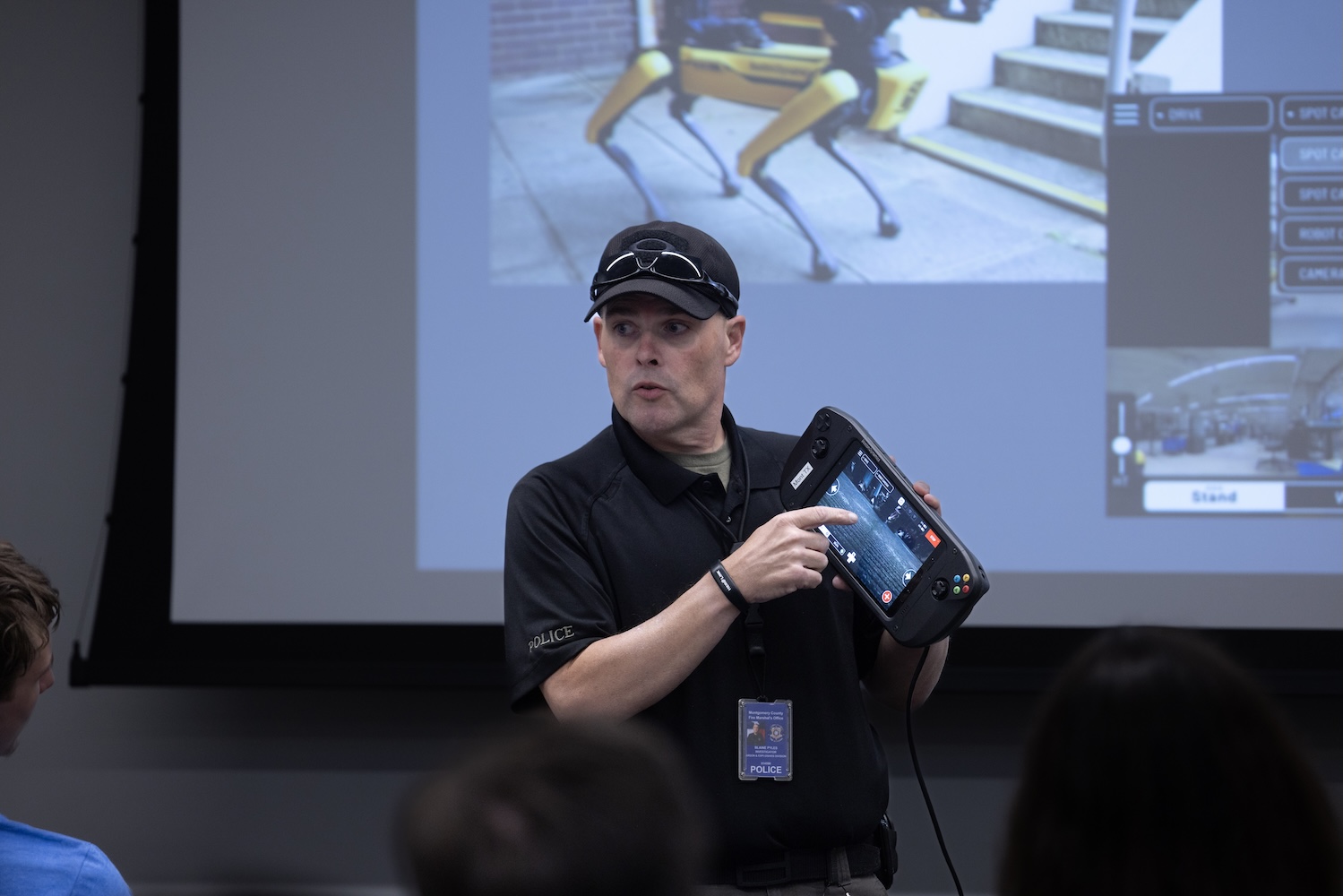
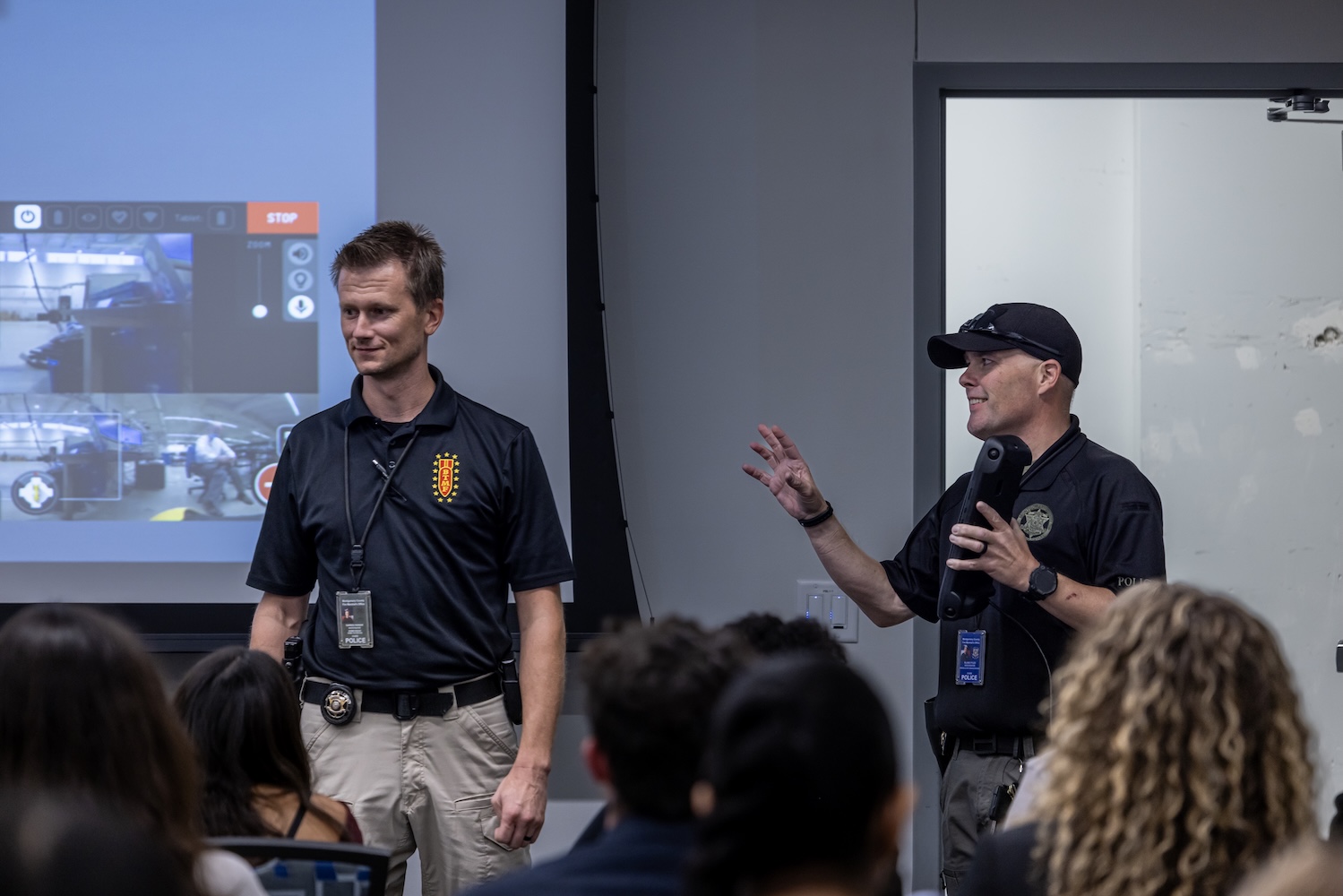
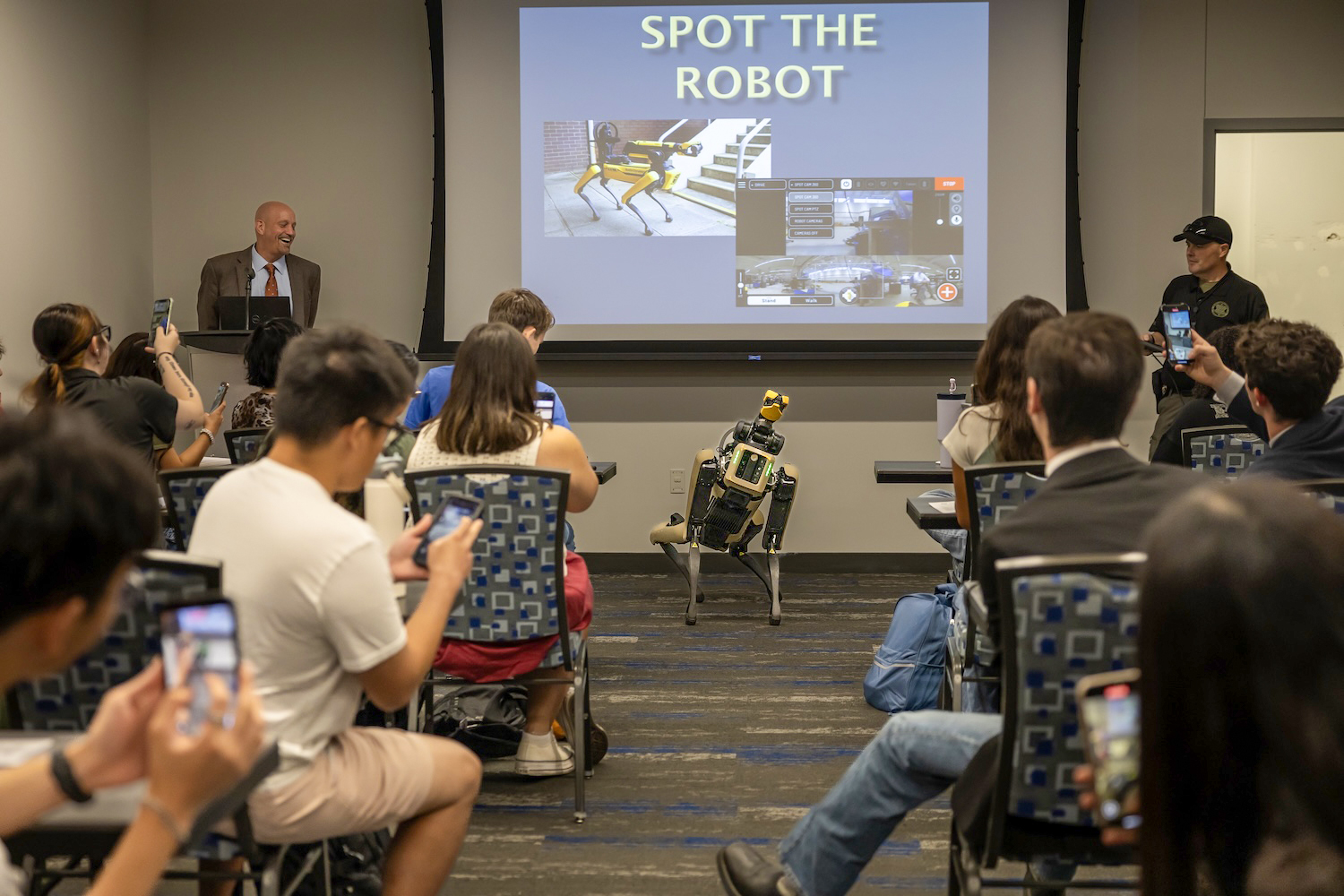
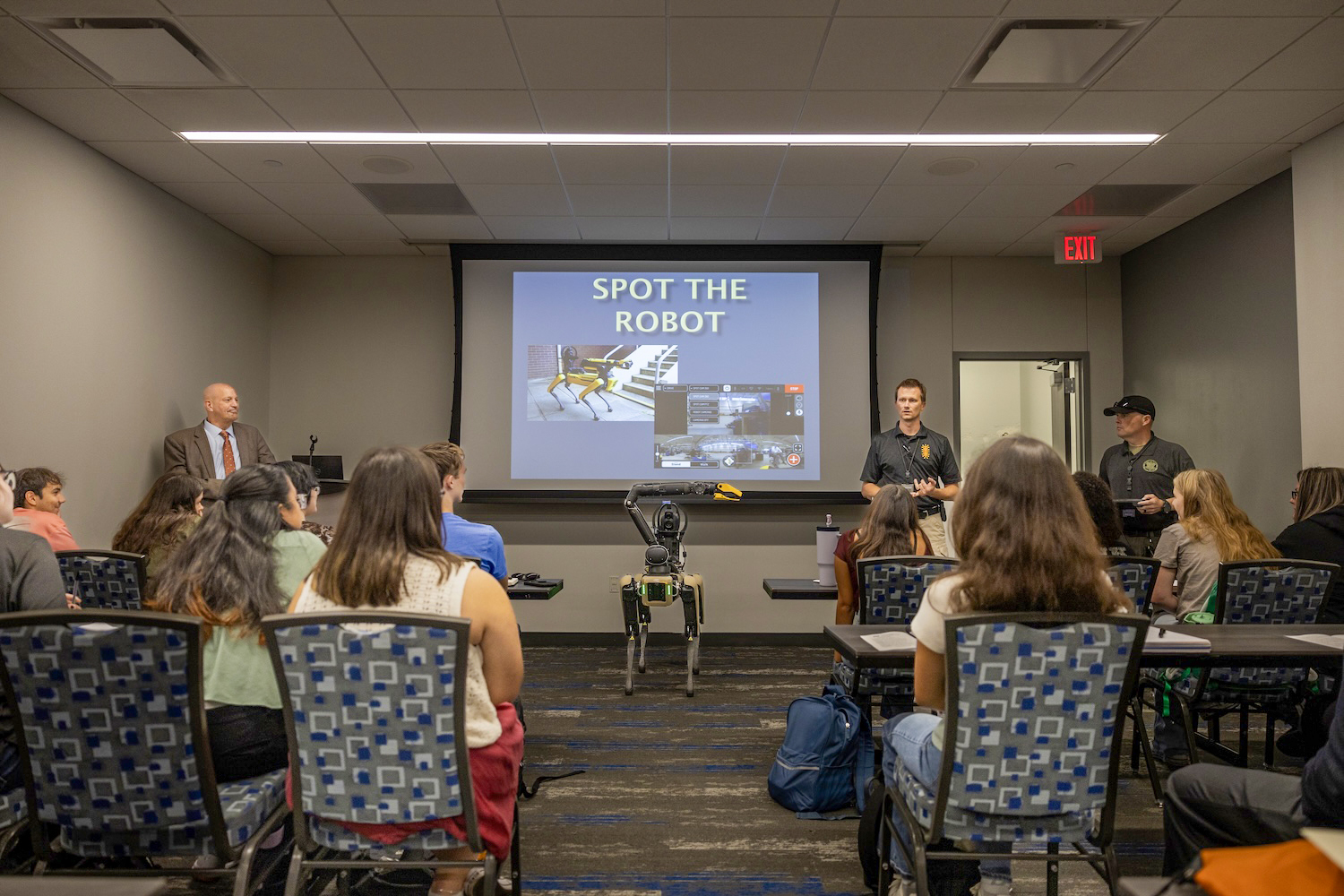
Real Time Crime Centers, bomb diffusion, robot dogs, and so much more! Today the LEAP Center had the opportunity to work with Blaine Pyles and Darren Parker from the Montgomery County Fire Marshal’s Bomb Squad to present the latest technology in emergency response: Spot, the robotic dog.

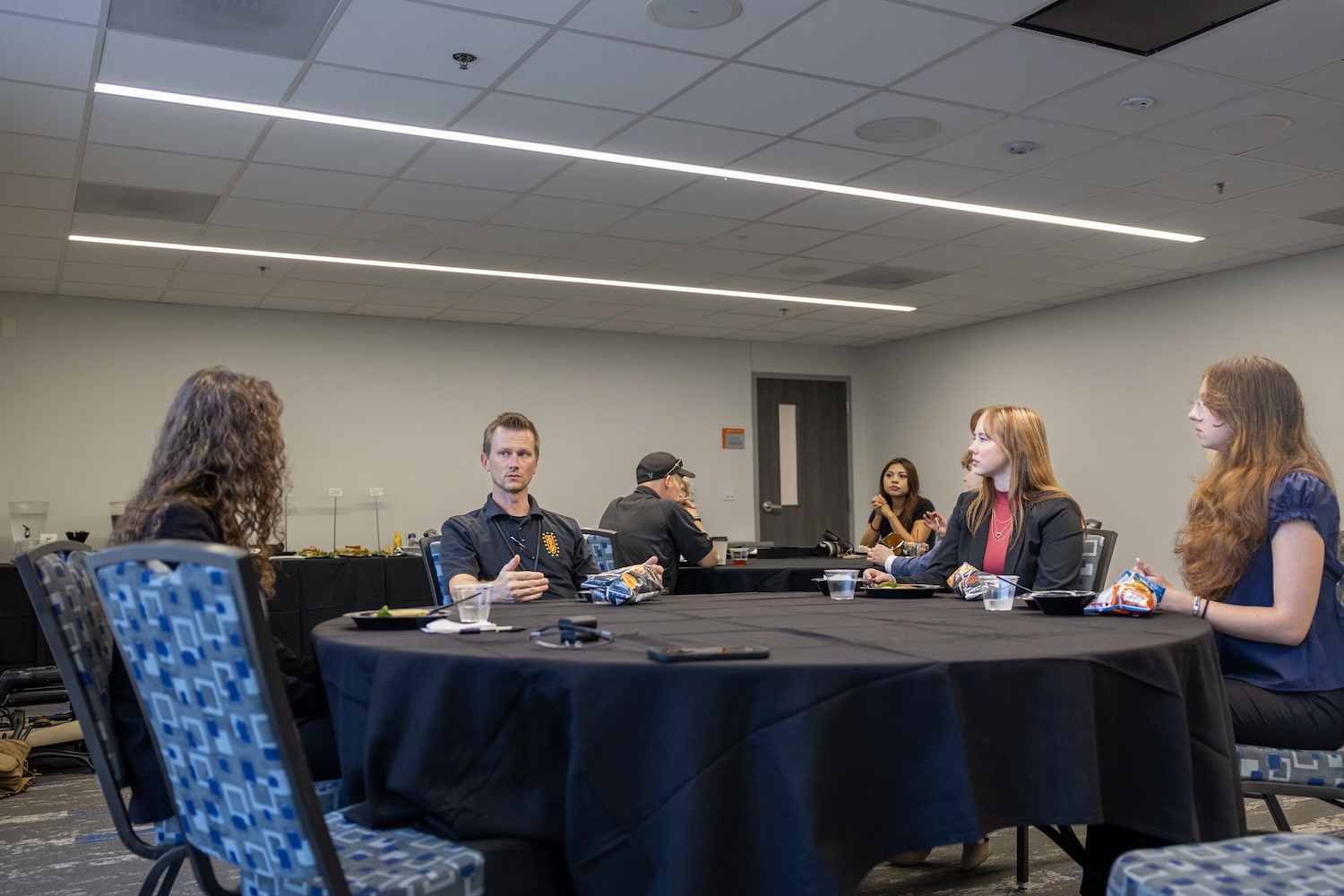
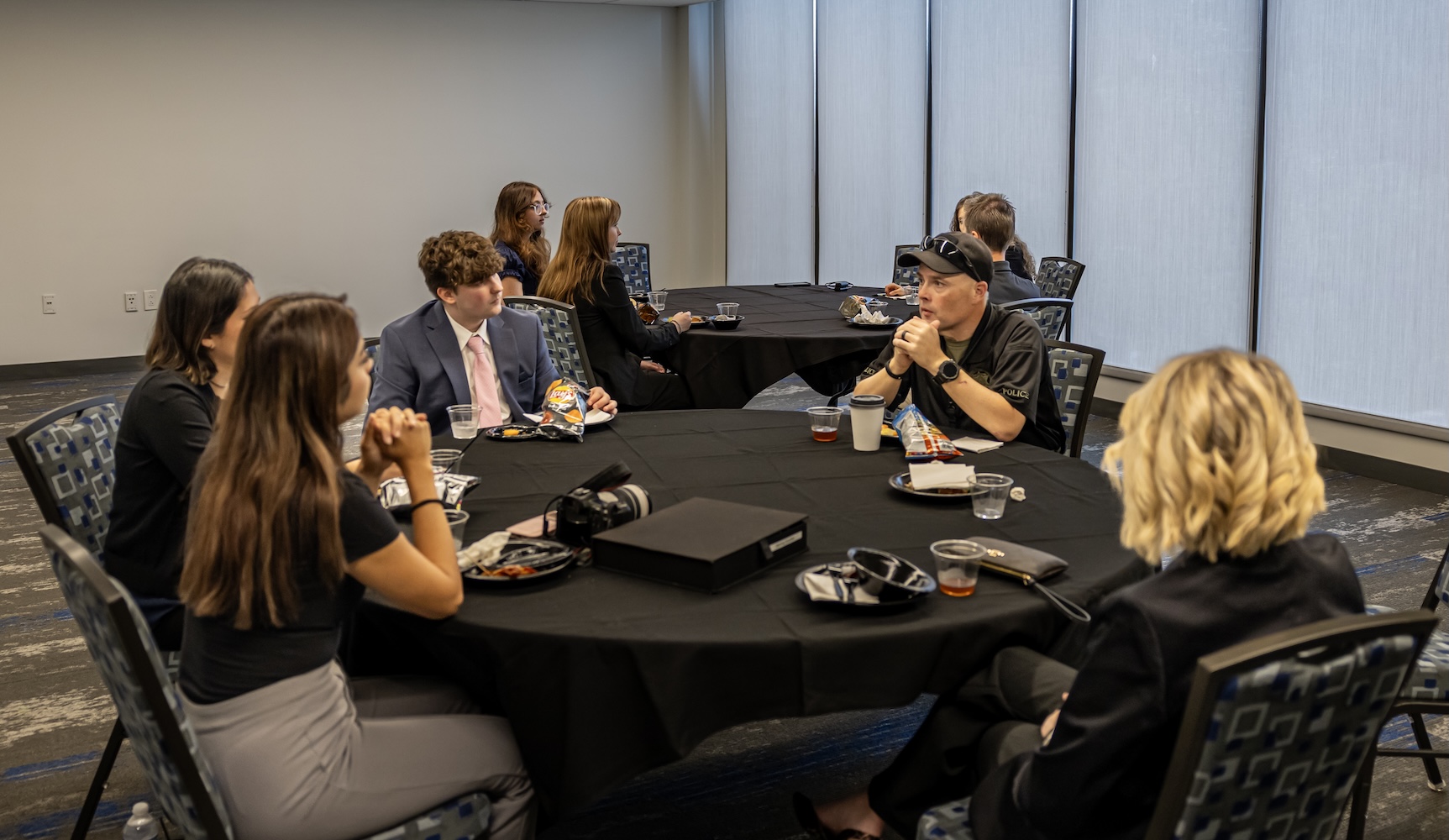
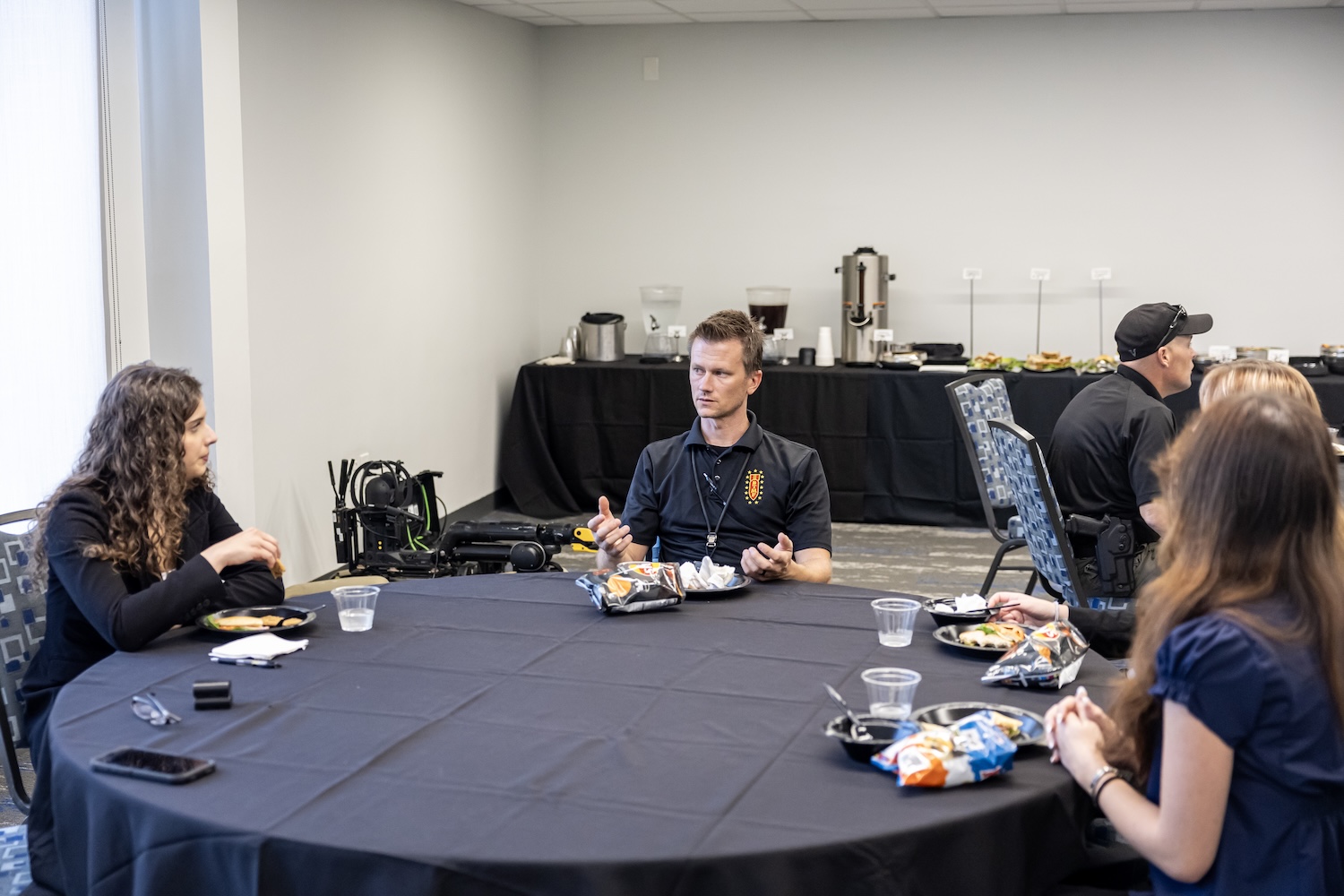
The LEAP Ambassadors and I, along with fellows students, enjoyed lunch with Mr. Parker and Mr. Pyles before the presentation. There, we learned about Parker’s time at SHSU, the use of high-pressure water cannons to set off bombs, and the use of Spot in crisis negotiations.

After the engaging lunch, we made our way to the presentation room, drawing interested stares from students and allowing Spot to make robotic friends.

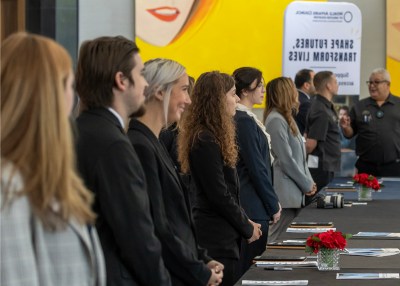
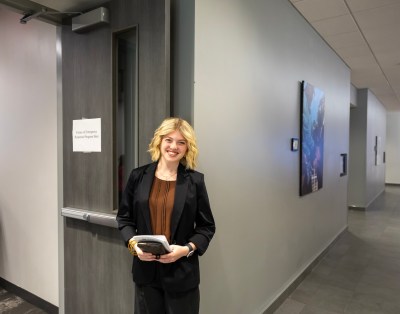
And after being greet by one of our volunteers, Bailey Hopkins…

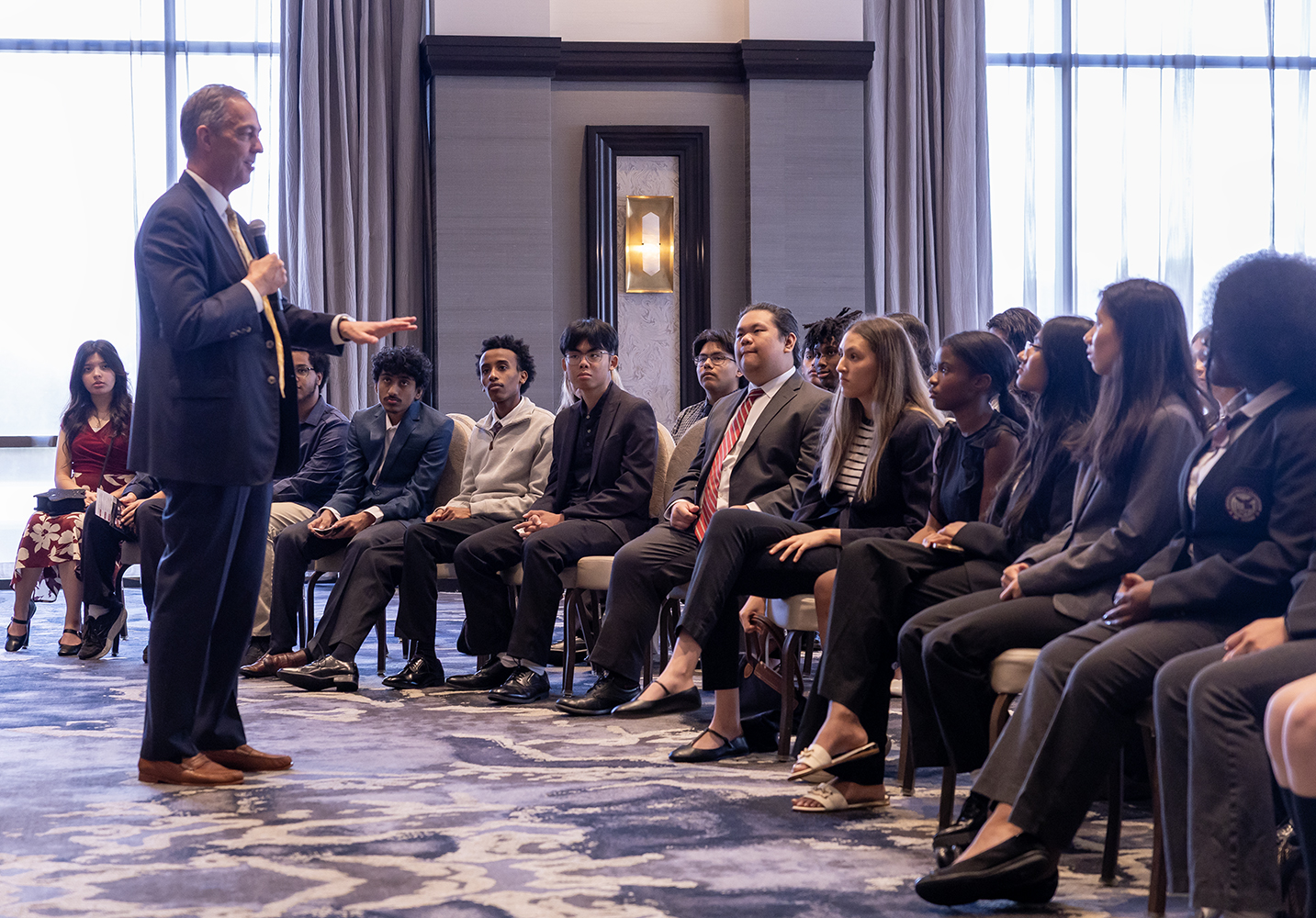
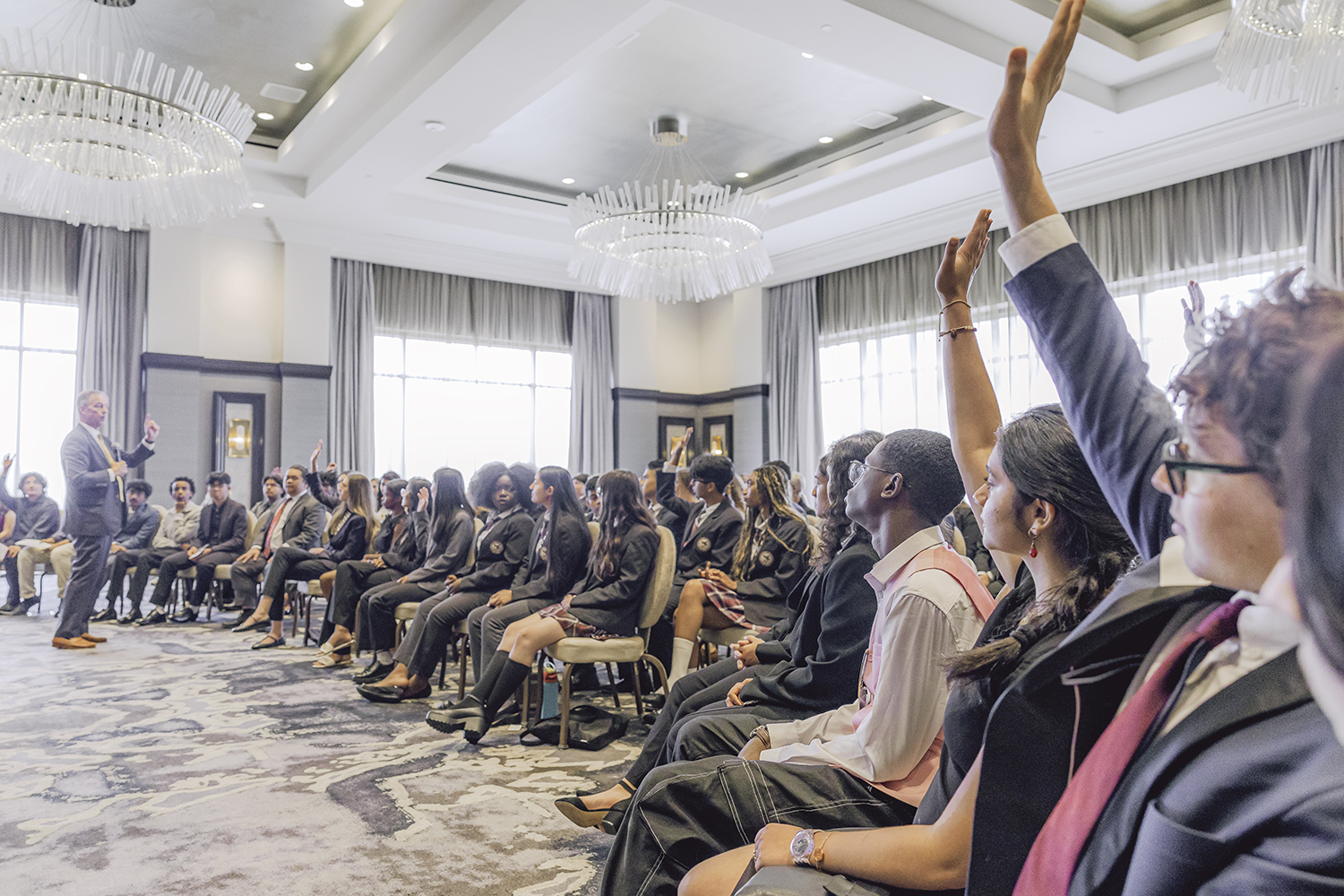
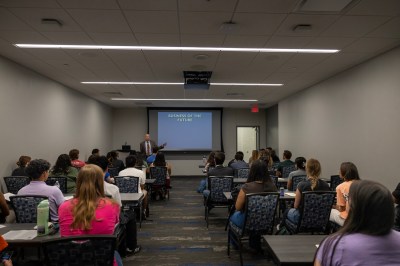
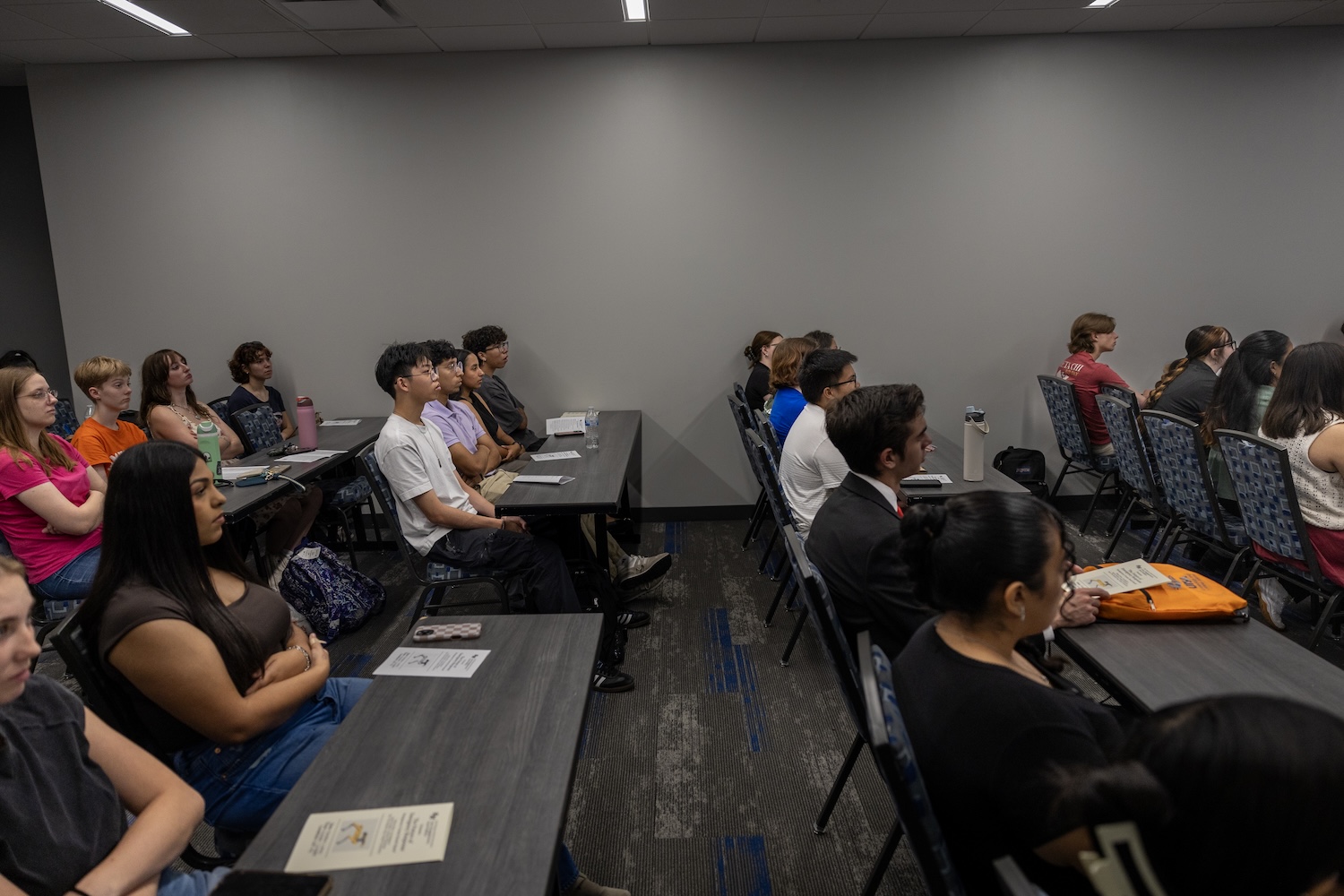
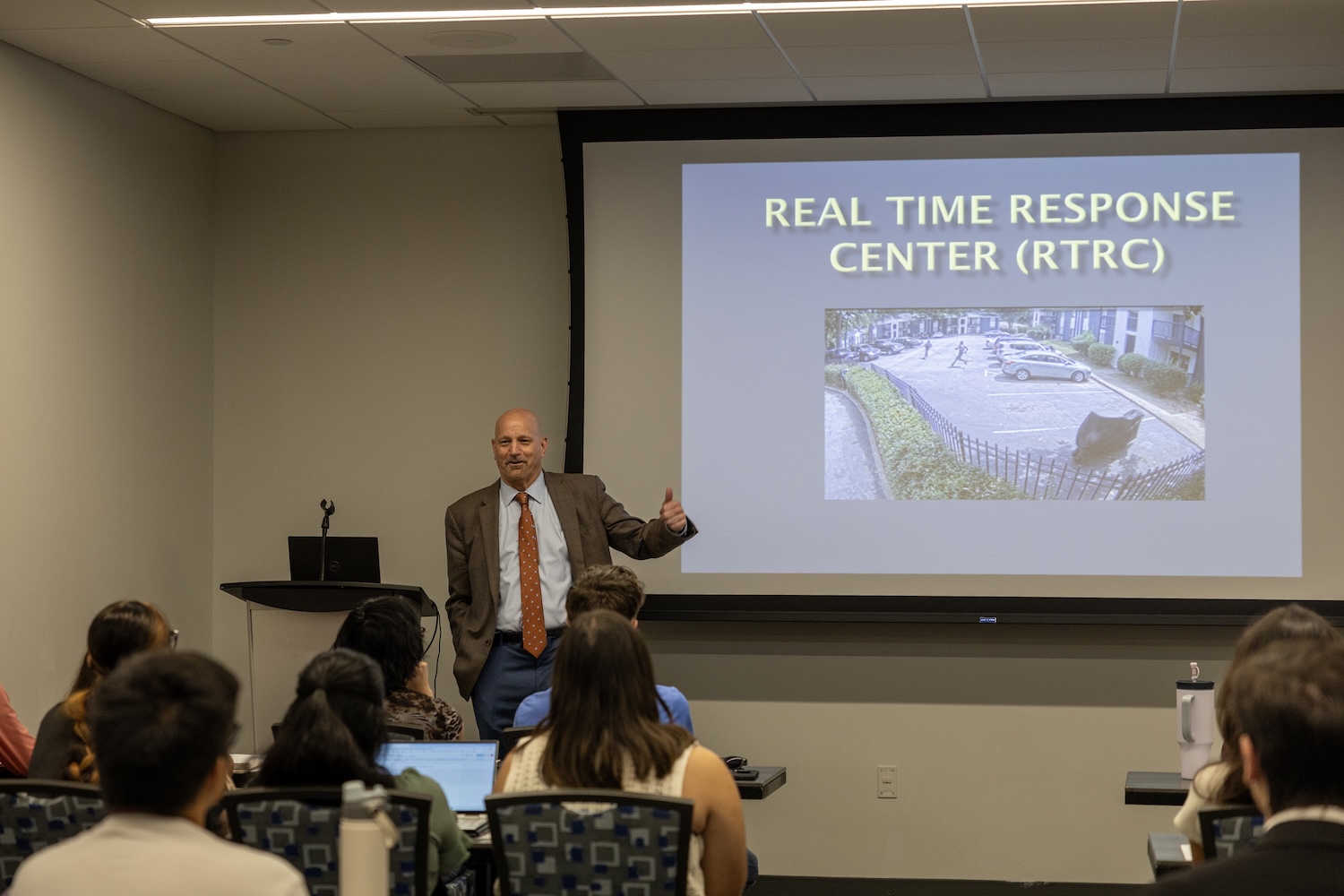
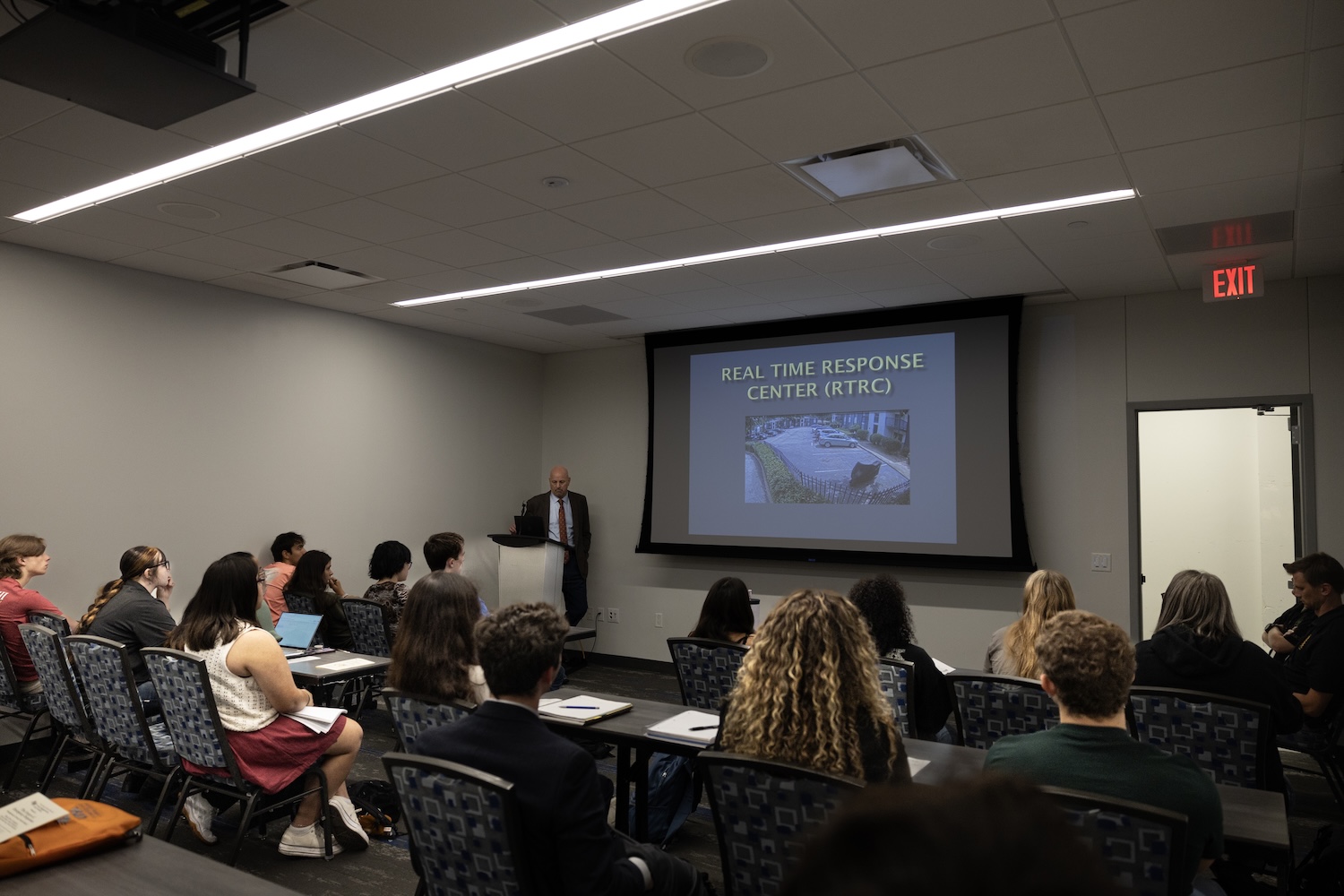
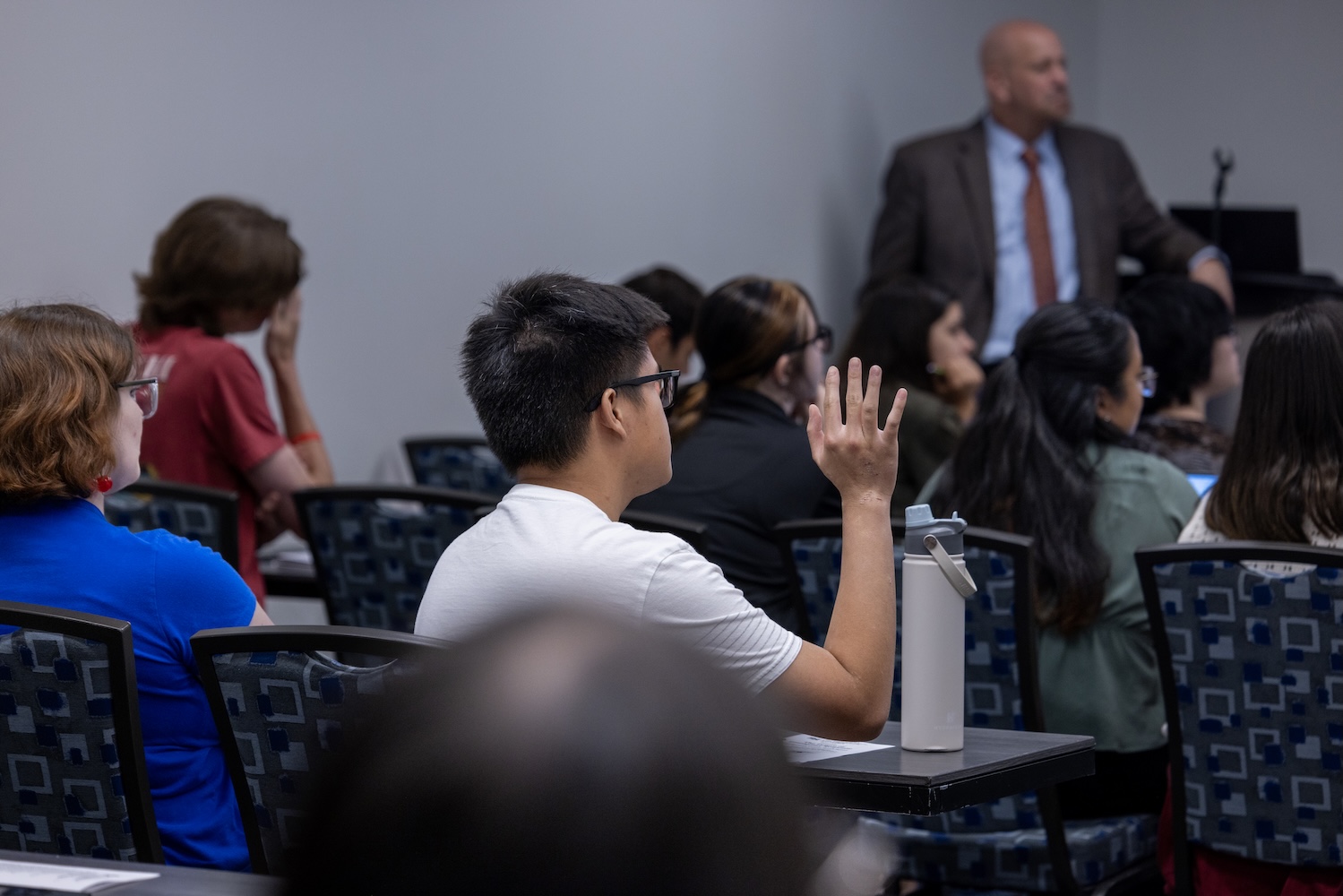
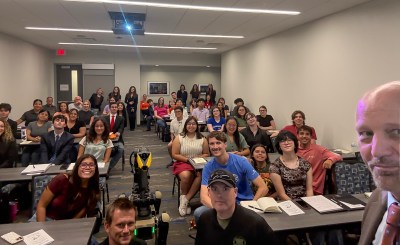
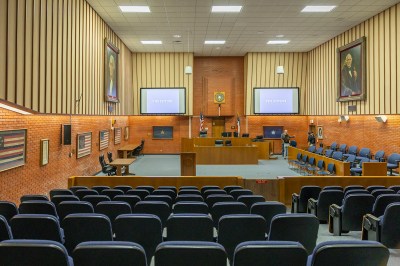
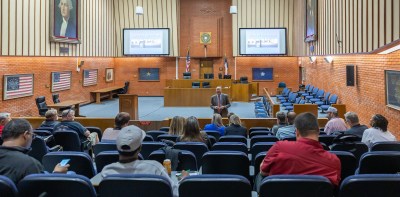
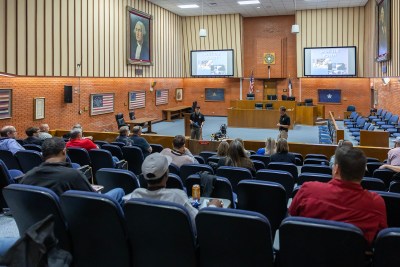
….Professor Mike Yawn gave a short introduction to the full house at the Future of Emergency Response presentation.

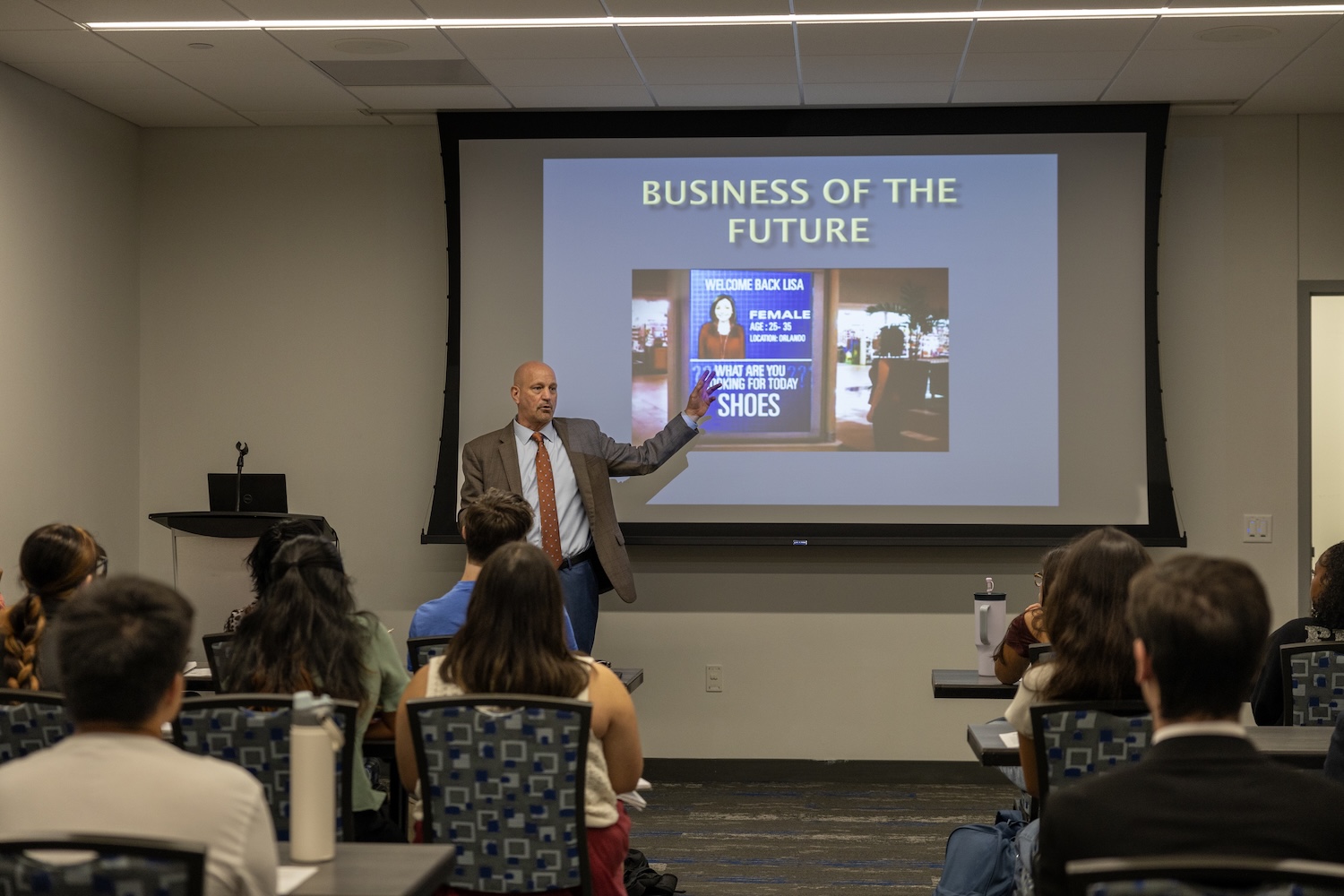
The introduction educated us on the use of Real Time Crime Centers as being good methods for actively recording and catching suspects of crimes. Information on the function of ALPR’s (Automatic License Plate Readers) was also shared. We learned how they assist in the processing of license plates, allowing officers to easily find those with warrants.

With that closing, it was time for Spot to have the “Spot” light.

He, along with his “handlers,” Mr. Parker and Mr. Pyles, provided an overview of his capabilities, which includes: picking up objects; dragging objects; “seeing” through cameras, which are transmitted to apps for the handlers to see; and even setting off combustible devices through the shooting of projectiles.

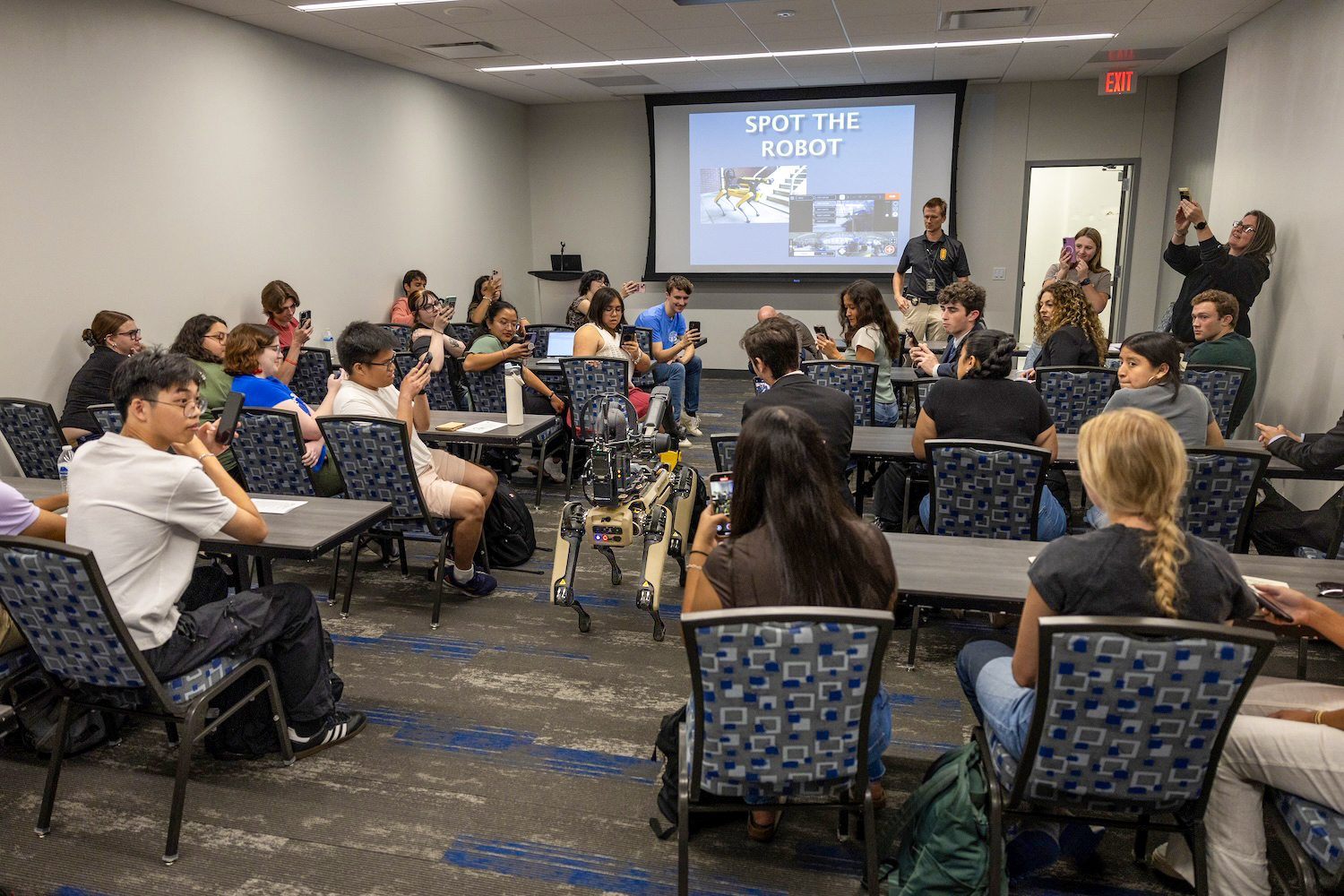
There was an audible reaction when Spot entered the room, and after permission to photograph was obtained, students took advantage of their phones. Spot did a series of pet tricks: pushups, a dance, a 360, sitting, and he even played dead.

Spot was also able to demonstrate his door-opening abilities, and he picked up a student’s backpack, giving us a glimpse of how he might operate in a crisis situation.

Mr. Pyles and Mr. Parker also discussed how Spot can assist with chemical emergencies: he can be equipped with a chemical reader, providing evidence of the levels of toxins in an environment.

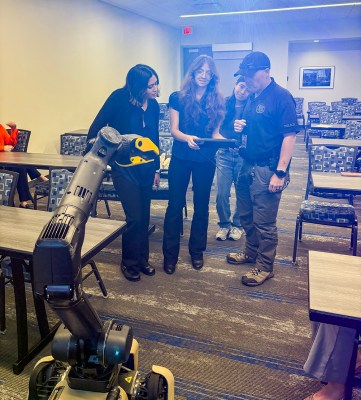
Overall, the experience was a fun and educational way to learn all the different ways technology is transforming all aspects of law enforcement, and I even had a chance to control Spot at the end!

Thank you to Mr. Pyles and Mr. Parker for sharing such amazing technology with us all!

Unknown's avatarAuthor mikeyawnPosted on October 6, 2025October 5, 2025Format AsideCategories Civic Engagement, Criminal Justice, Local Government, TechnologyTags Center for Law Engagement And Politics, LEAP Ambassadors, Montgomery County Fire Marshal's Office, Sam Houston State University, Spot the Robotic DogLeave a comment on The Future of Emergency Response: Technology in Action

Transforming Criminal Justice Education at HSCJIT 2025

There are times when the fields of political science and criminal justice intersect. Today was the case for such an event when Professor Mike Yawn, the director of SHSU’s LEAP Center, was asked to present to the High School Criminal Justice Instructor Training (HSCJIT) Conference held annually on SHSU’s campus and sponsored by the University’s excellent College of Criminal Justice and organized by the wonderful Doris Pratt.

Designed for high-school teachers in the fields of criminal justice, law enforcement, and forensic science, the conference features presentations by experts in myriad disciplines, including: criminal investigations, victimology, forensic DNA, cybercrime, forensic psychology, corrections, and serial murder.

Indeed, Yawn’s session came on the heels of Dr. Mitchel Roth…

…who discussed his research on serial murderers…

…and, following a 15 minute break, Yawn discussed the interdisciplinary use of technology, with an emphasis on first responders.

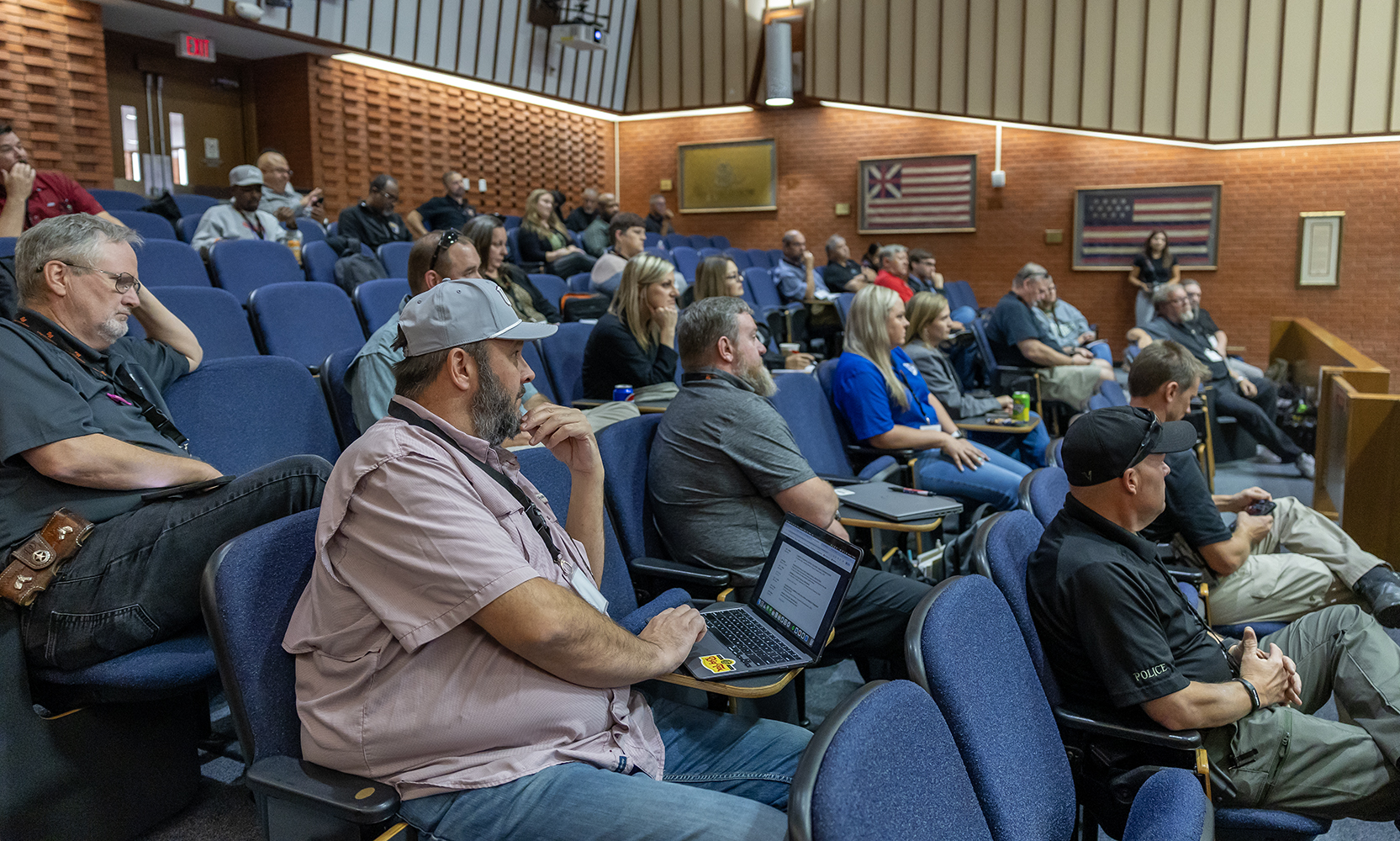
Covering topics such as smart businesses, smart health devices, smart cities, and Real Time Response Centers, Yawn presented for approximately half-an hour to the 40-plus educators present.

The audience was polite and managed to stay awake (!) during Yawn’s presentation, which involved how technology can be used across major sectors of contemporary life. From ALPRs tracking our vehicles’ movements to the facial recognition of animals so that lost pets can be found.

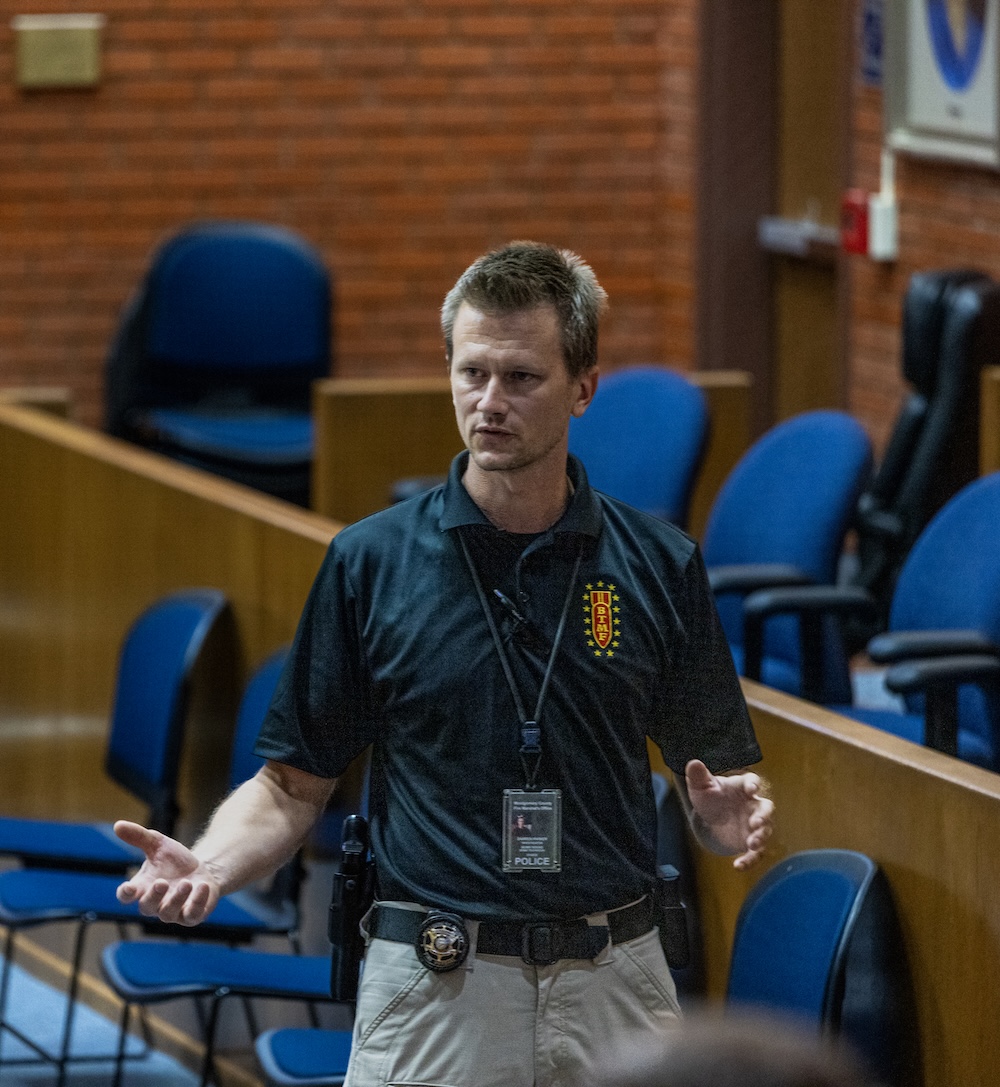
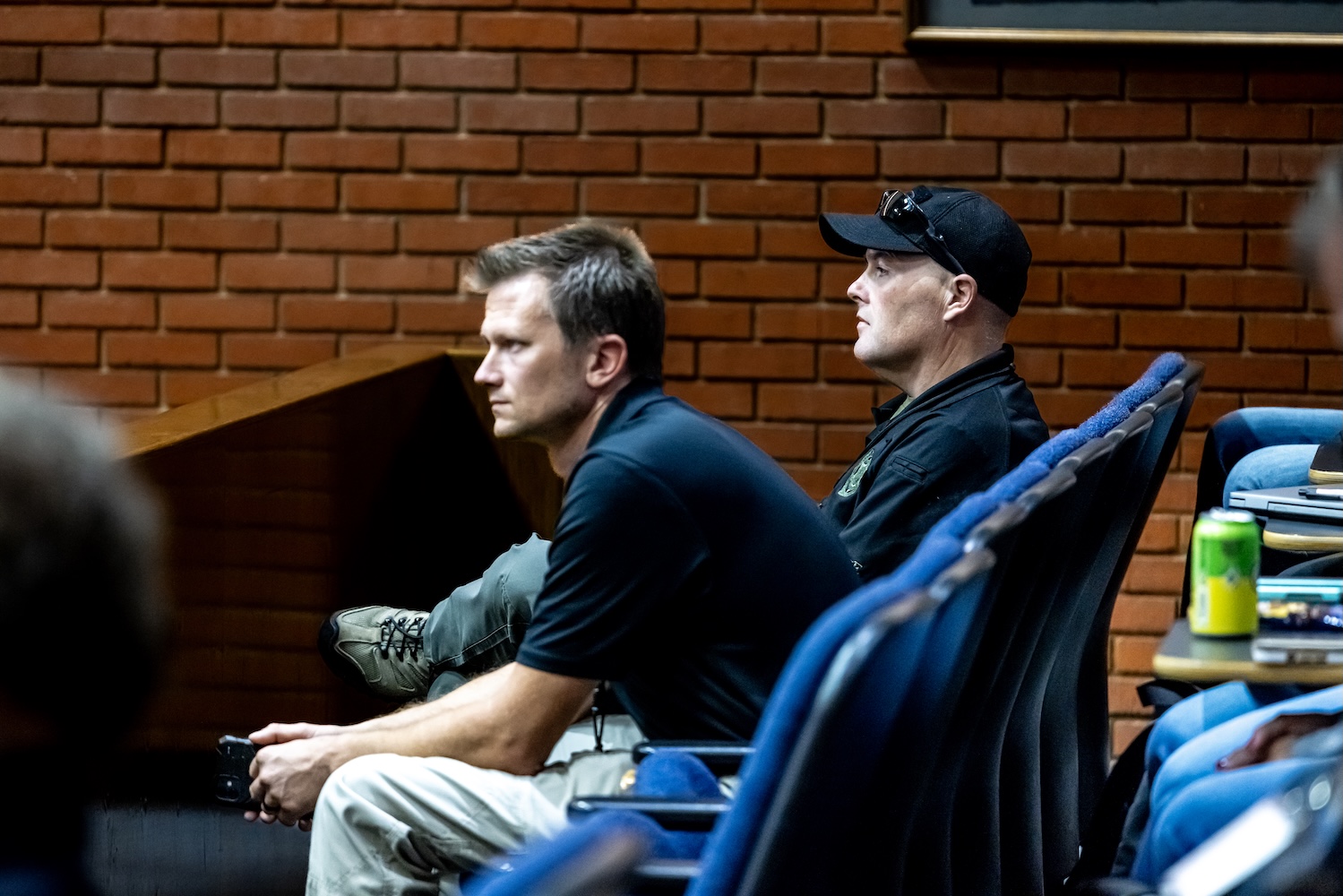
The teachers really came alive, however, when the Arson and Explosive Squad of the Montgomery County Fire Marshal’s Office came out to describe their jobs. The “bomb squad,” as they typically known, are licensed police officers–Darren Parker and Blaine Pyles–who specialize in explosives and arson.

Their work can take them to political events, where much explosive-sweeping is required, to large sporting events, to hostage situations and, of course, arson.

They have various equipment to assist with this, including separate robotic assistants, battering rams, state-of-the-art communications, drones, and more. The robotics were the hit of the show…

…but so were the bomb technicians, Parker and Pyles, who approach their job in the spirit of service, with courage, compassion, and competence, qualities on display throughout their presentation.

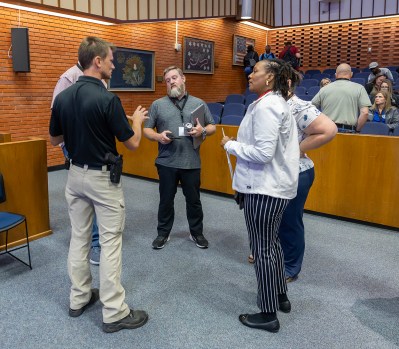
Indeed, following the event, many of the educators, Professor Yawn, and Parker and Pyles discussed future opportunities for collaboration–a way to benefit the public, higher education, and K-12, a win-win-win.

Many thanks to the College of Criminal Justice (and Ms. Doris Pratt), Darren Parker and Blaine Pyles, and the many high-school educators–all of whom are shaping the next generation of leaders.

The LEAP Center would like to thank LEAP Ambassadors Michelle Moya and Olivia Discon, who stepped up for this event; LEAP Center student worker Gabila Flores, who helped with photos and the blog; and volunteers Bailey Hopkins, Jacob Wessels, and Sofia Soto.

Unknown's avatarAuthor mikeyawnPosted on October 3, 2025October 3, 2025Format AsideCategories Civic Engagement, Criminal Justice, Local Government, TechnologyTags Center for Law Engagement And Politics, College of Criminal Justice, LEAP Ambassadors, Montgomery County Fire Marshal's Office, Sam Houston State UniversityLeave a comment on Transforming Criminal Justice Education at HSCJIT 2025

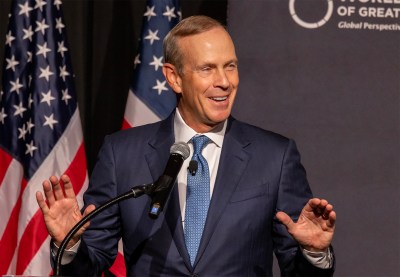
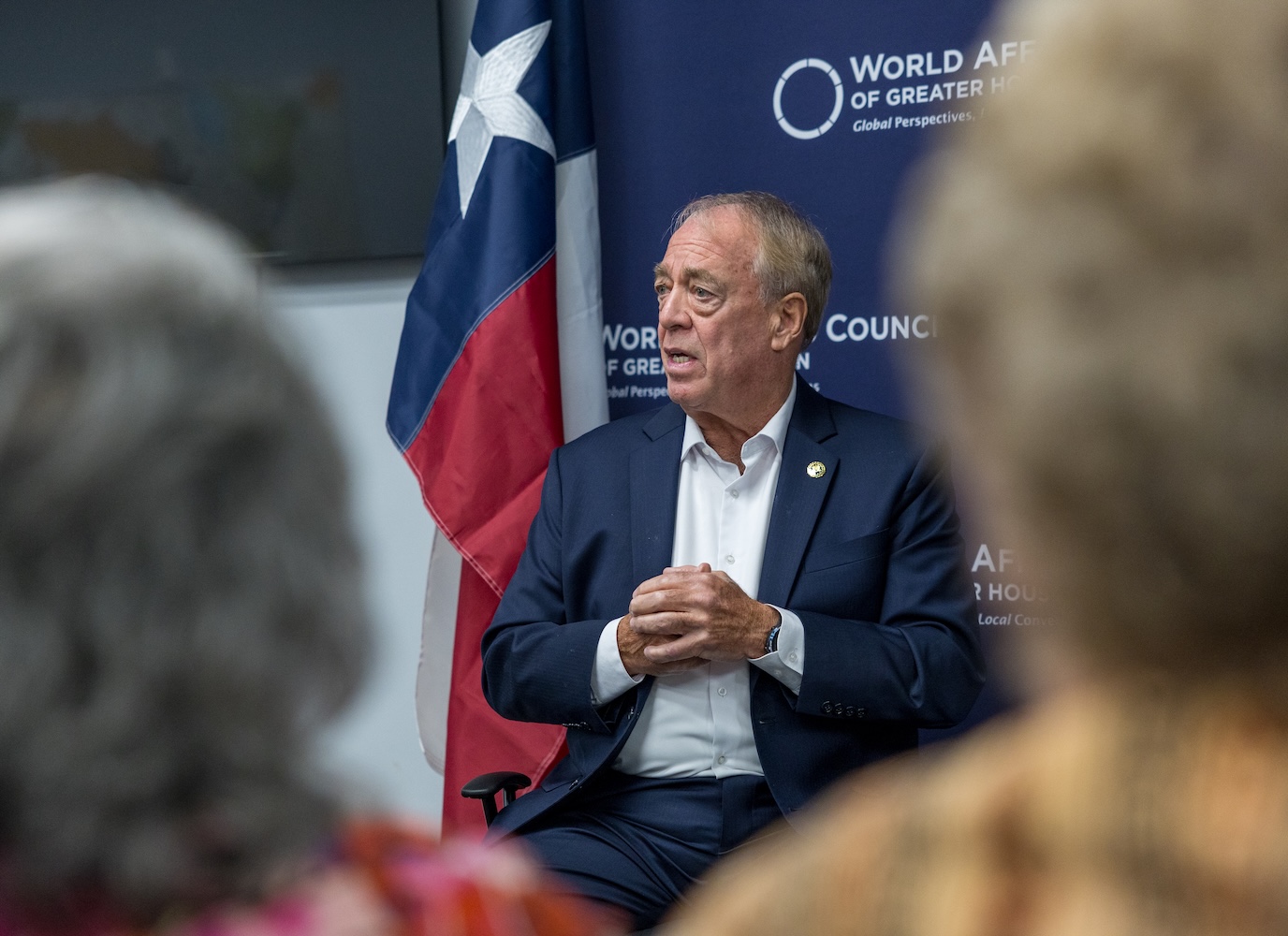
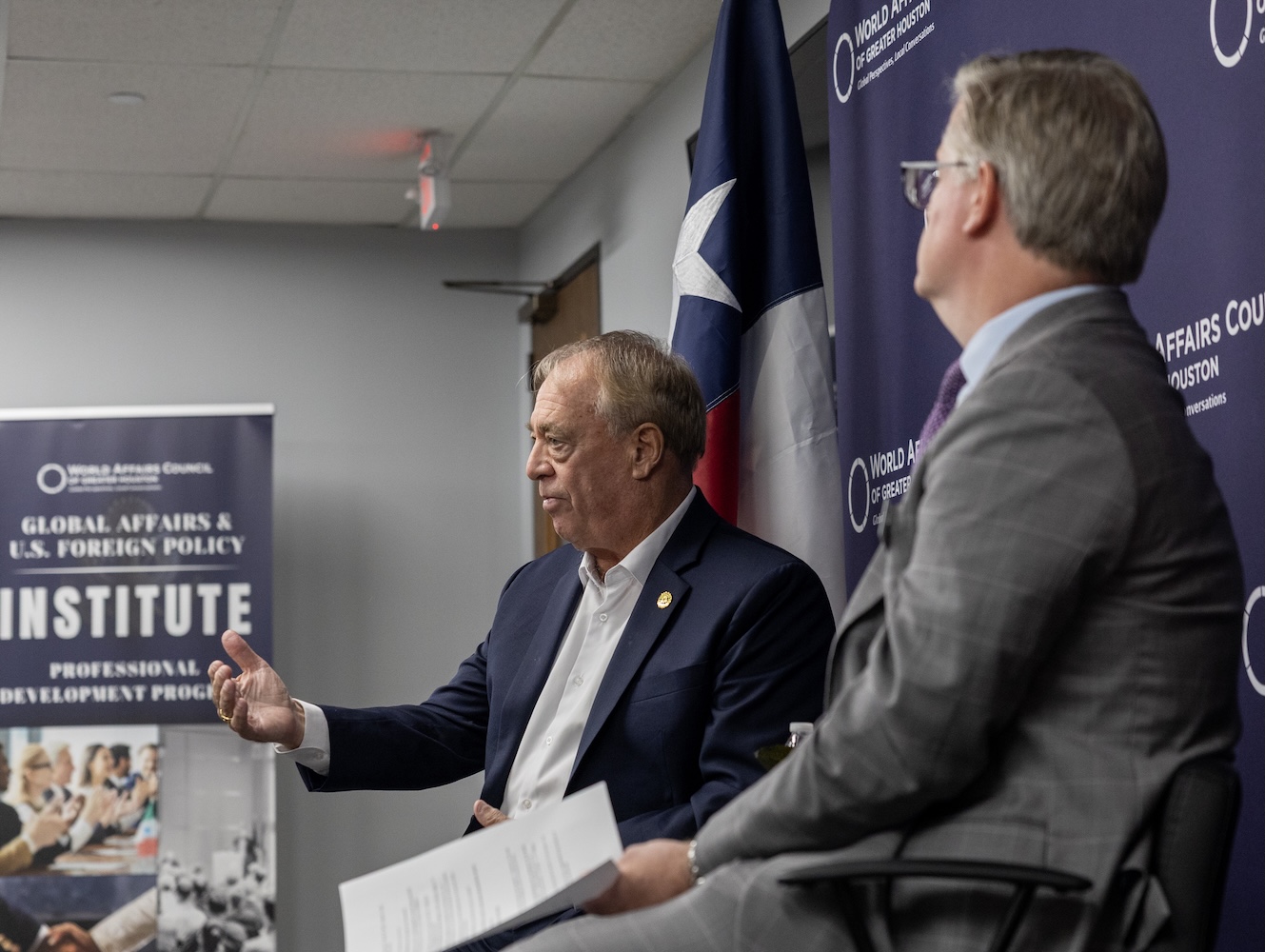
Bridging Military and Civilian Divides: Lessons from Admiral Kirby and the World Affairs Council

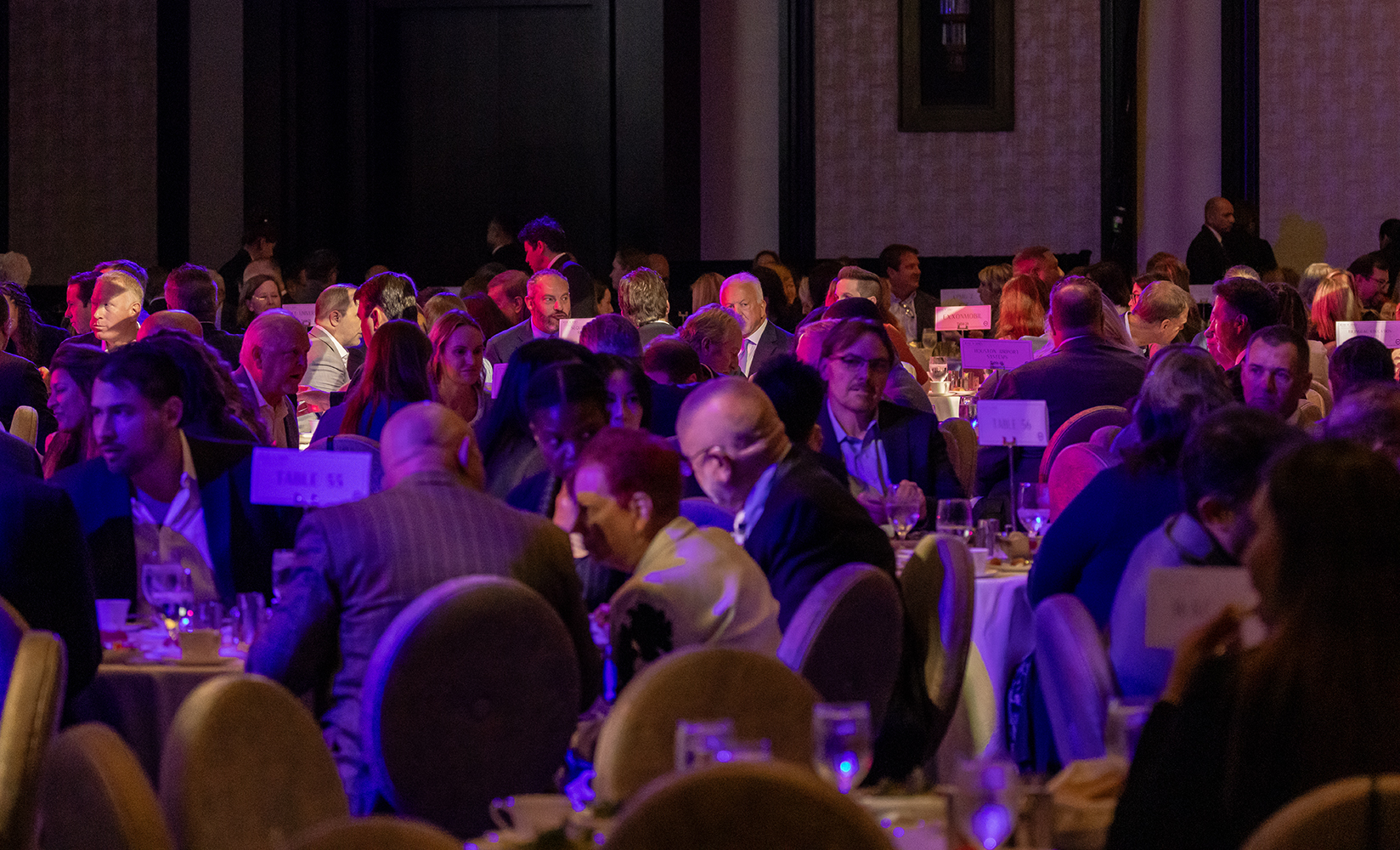
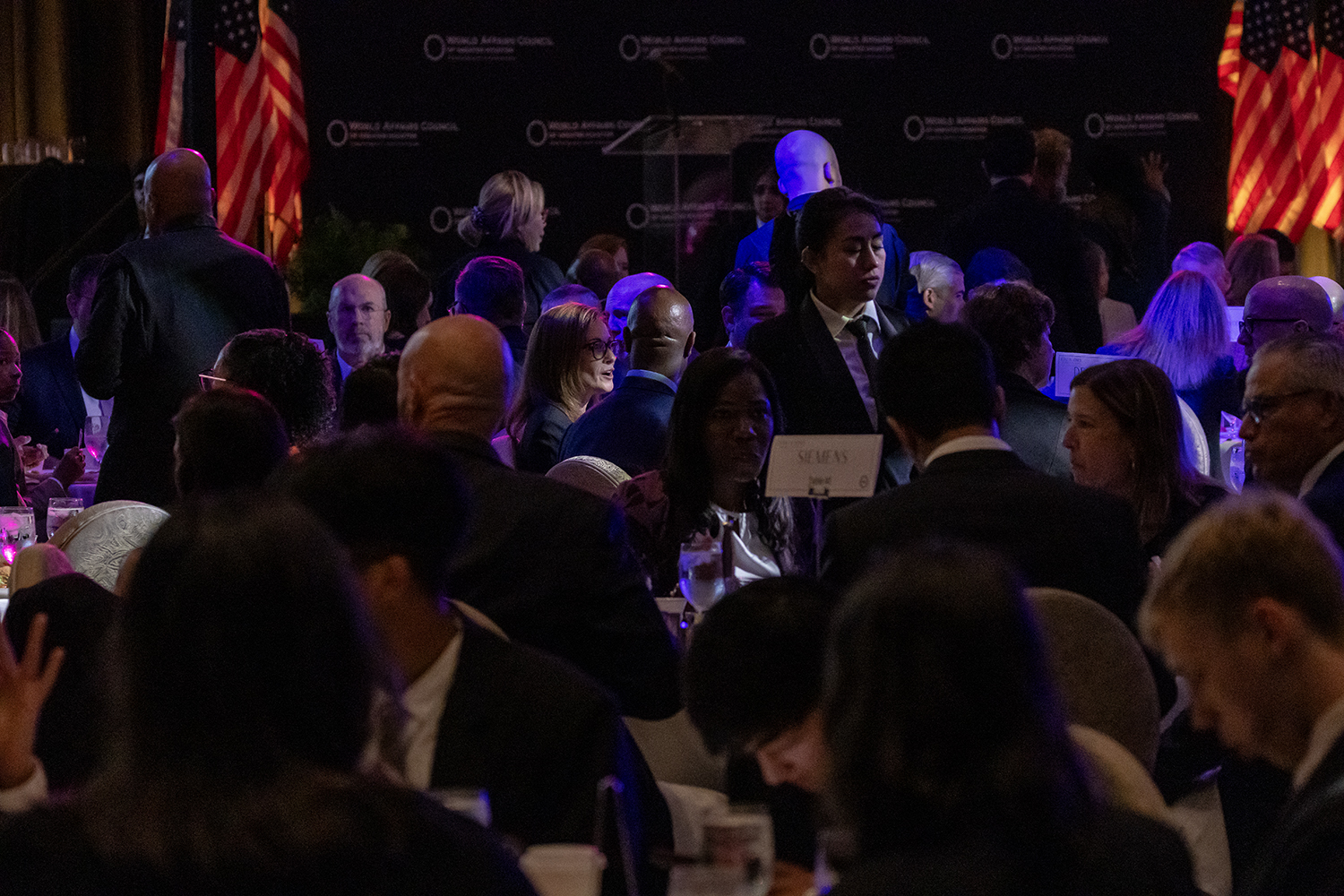
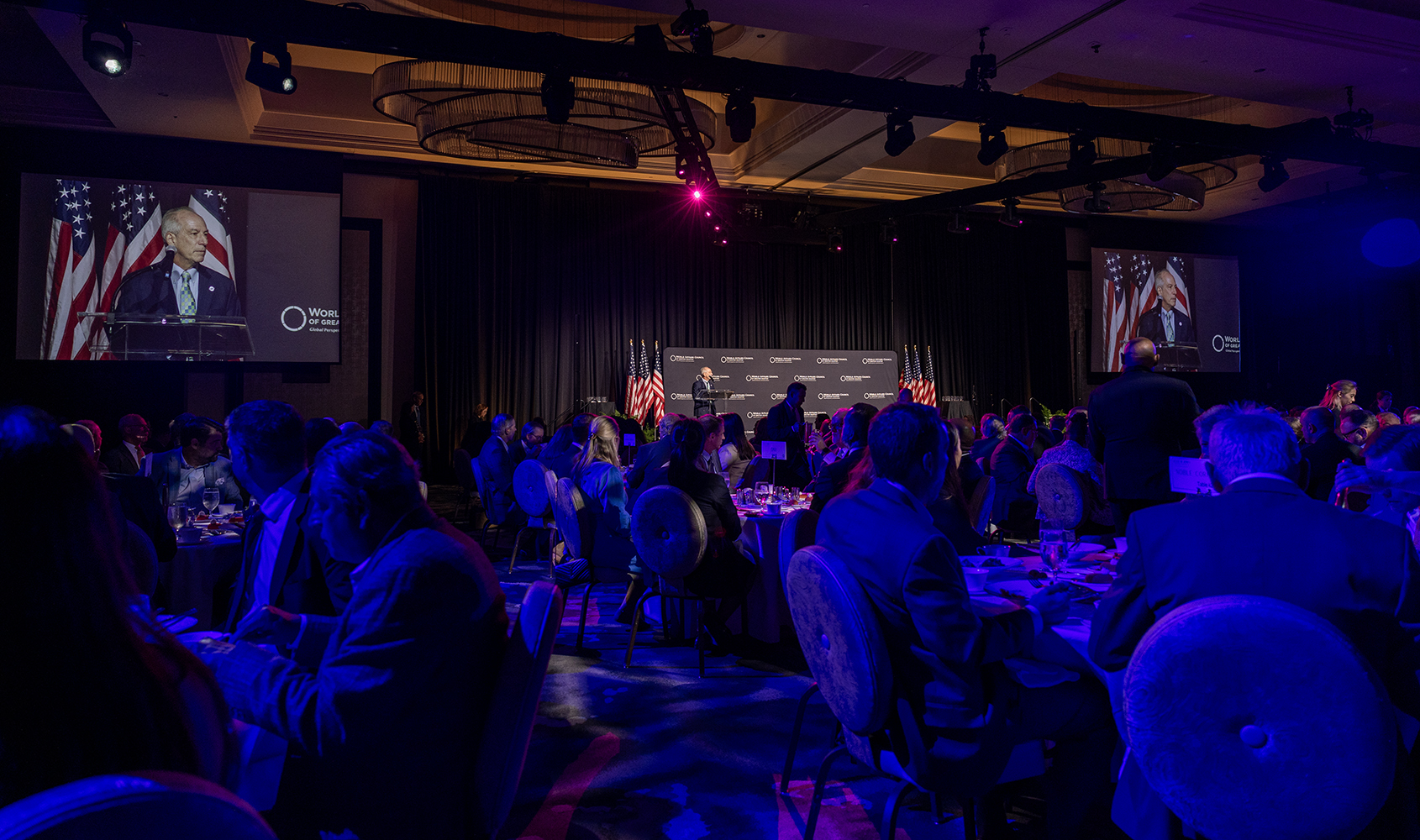
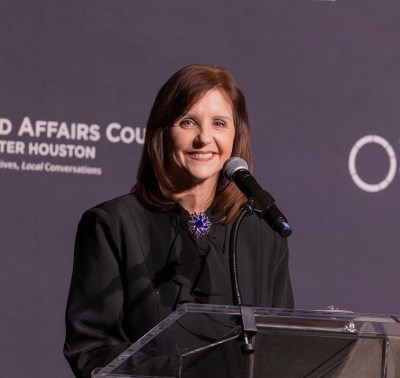
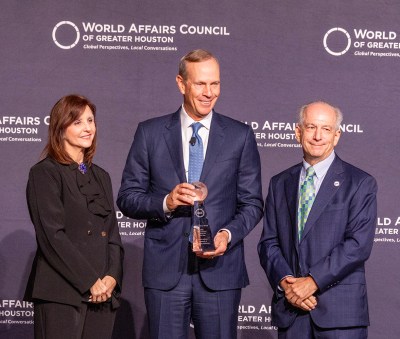
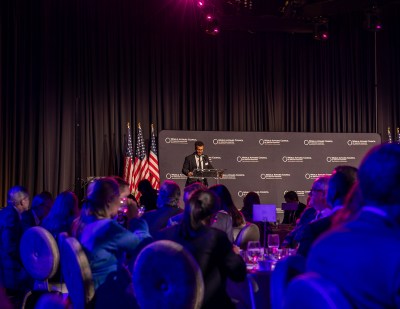
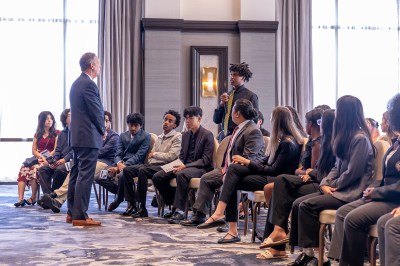
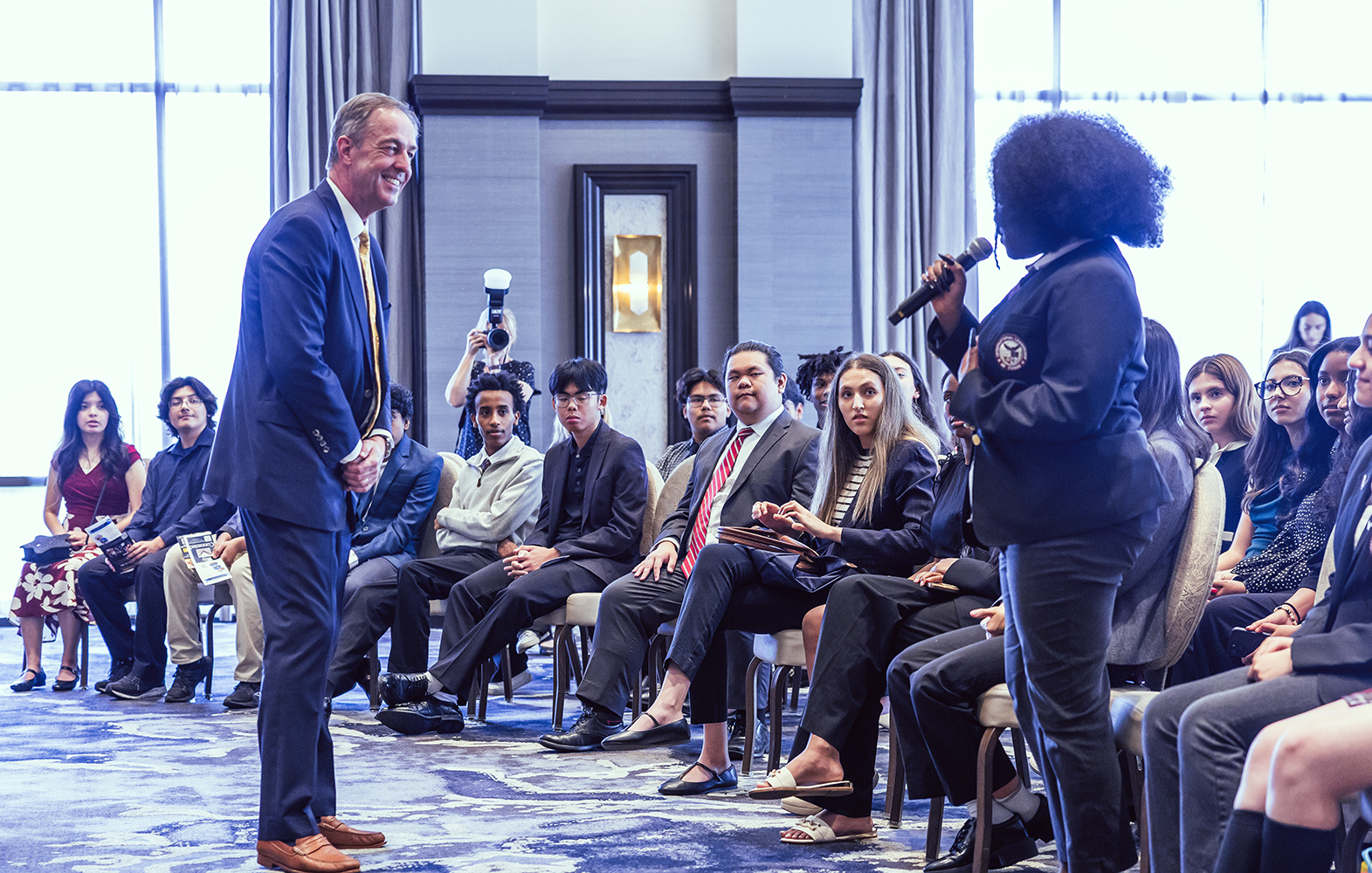
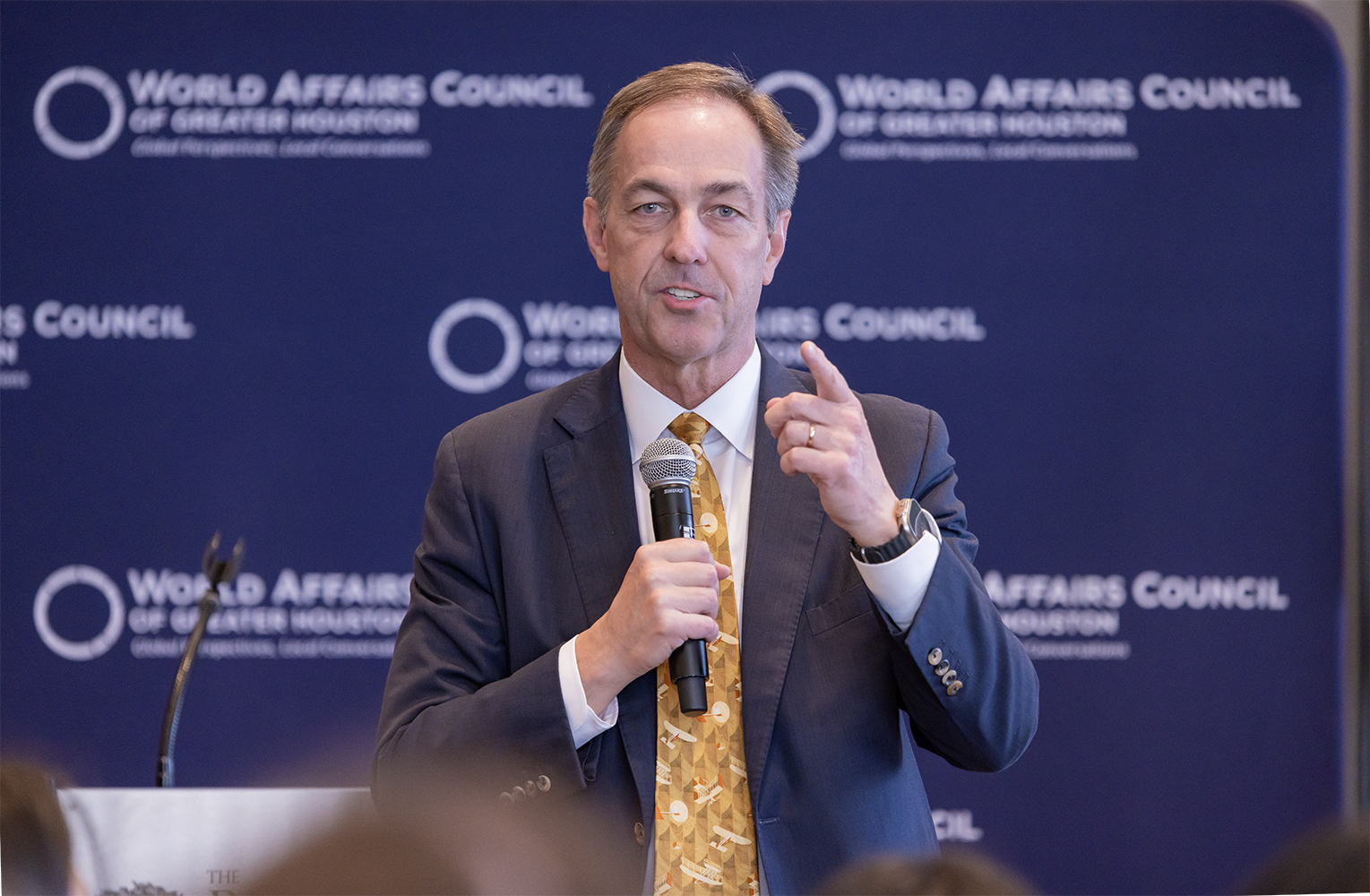
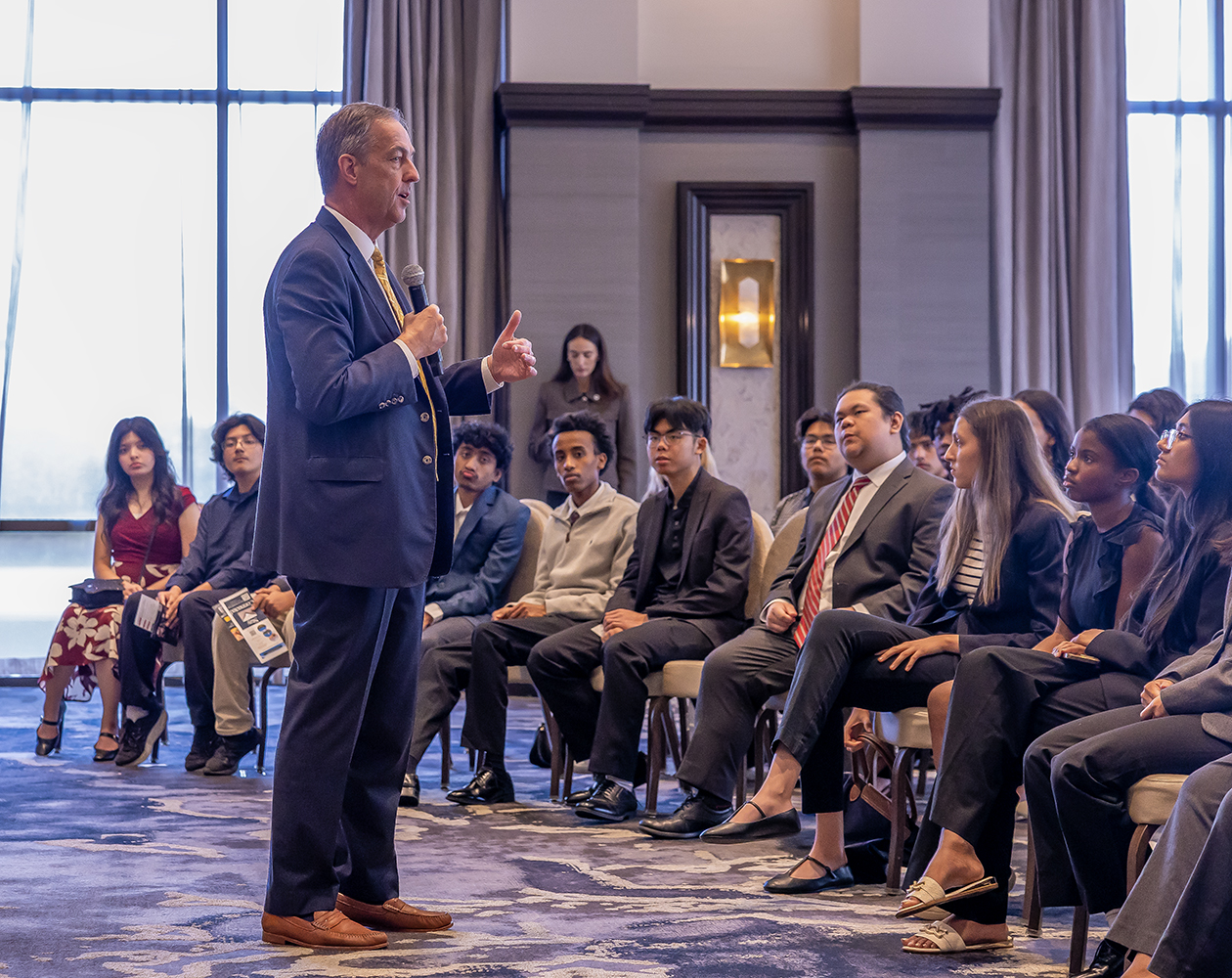
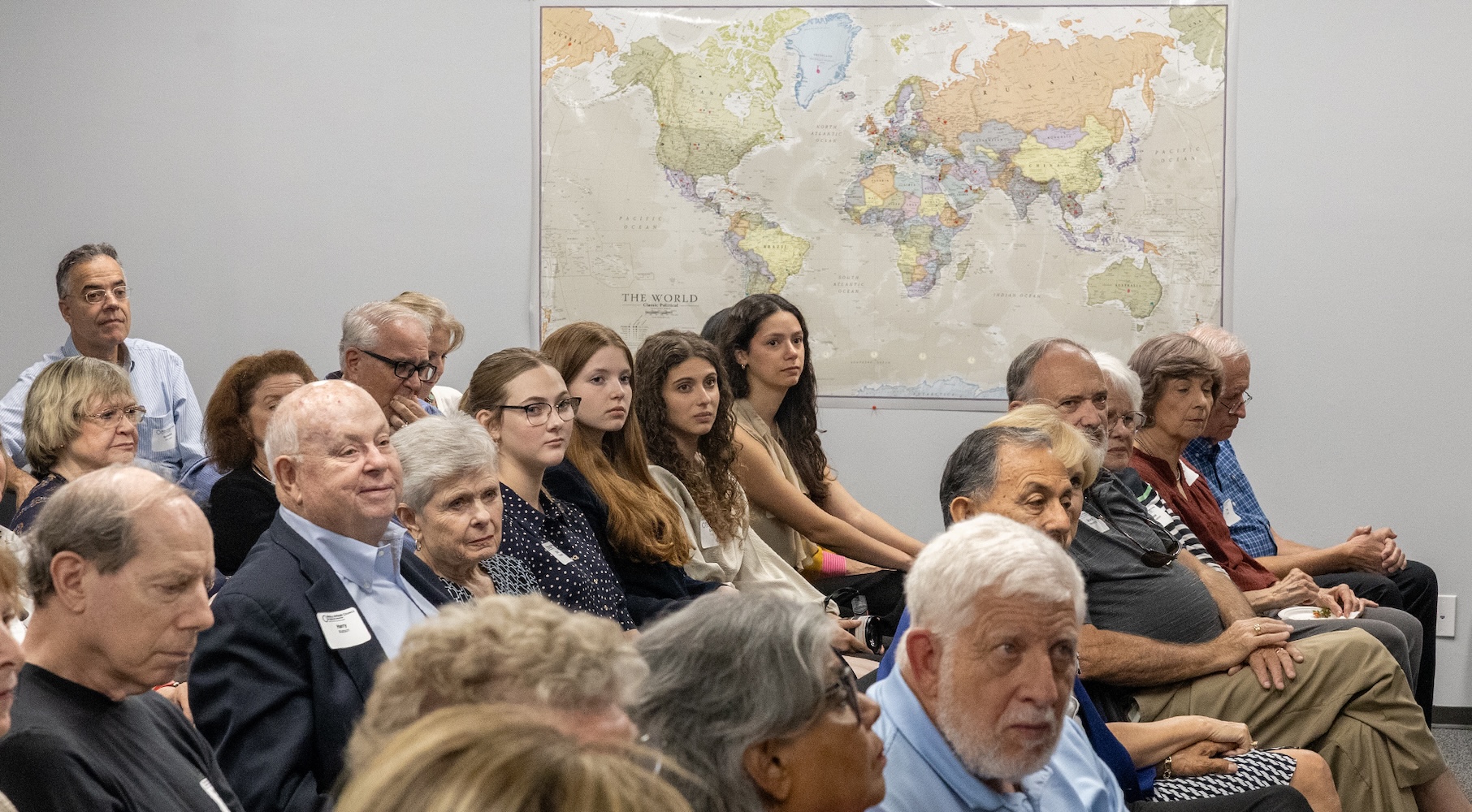
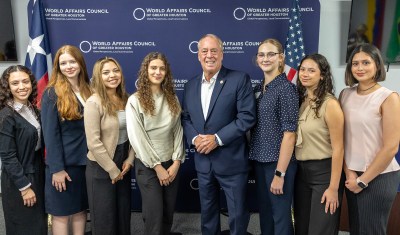
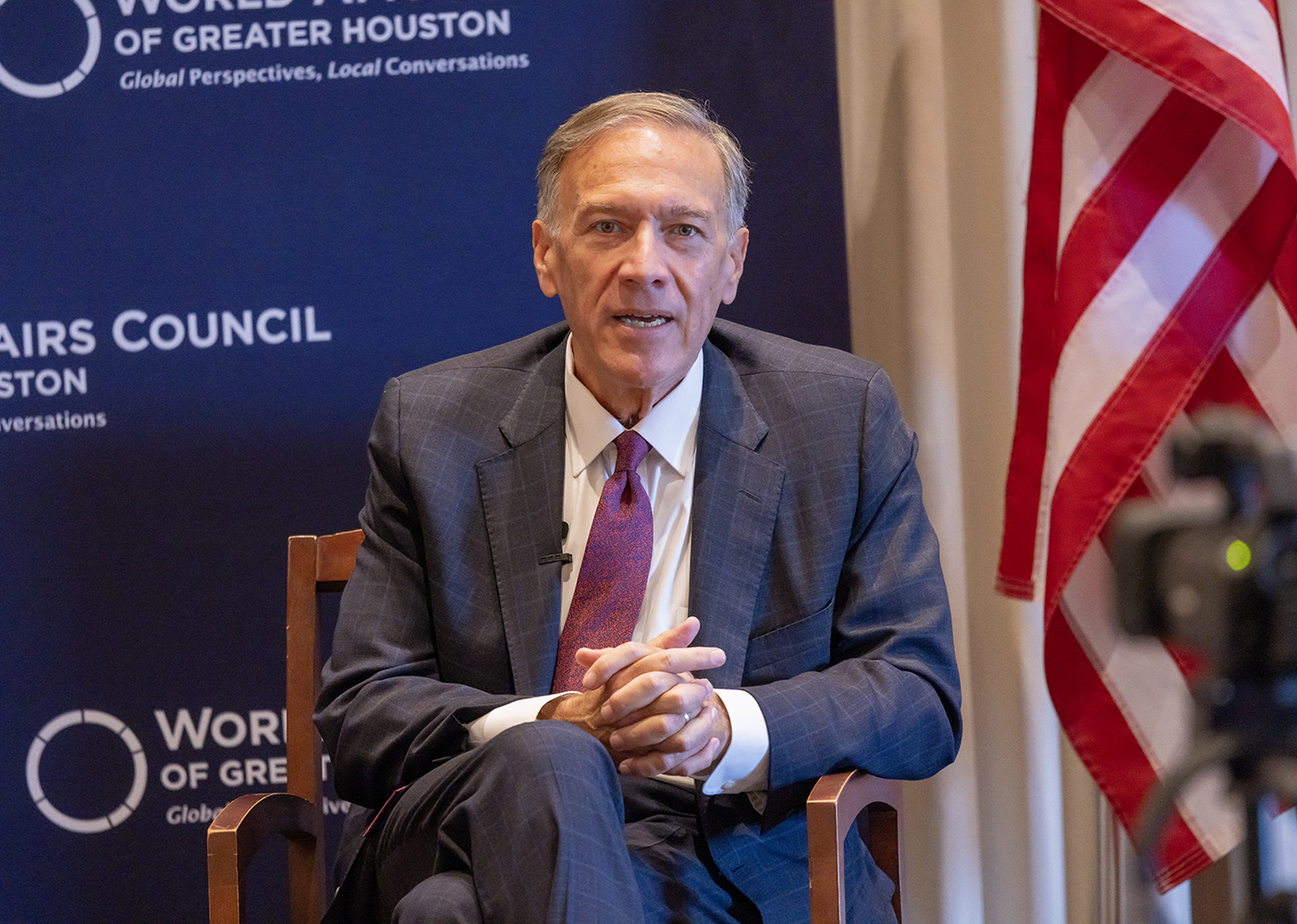
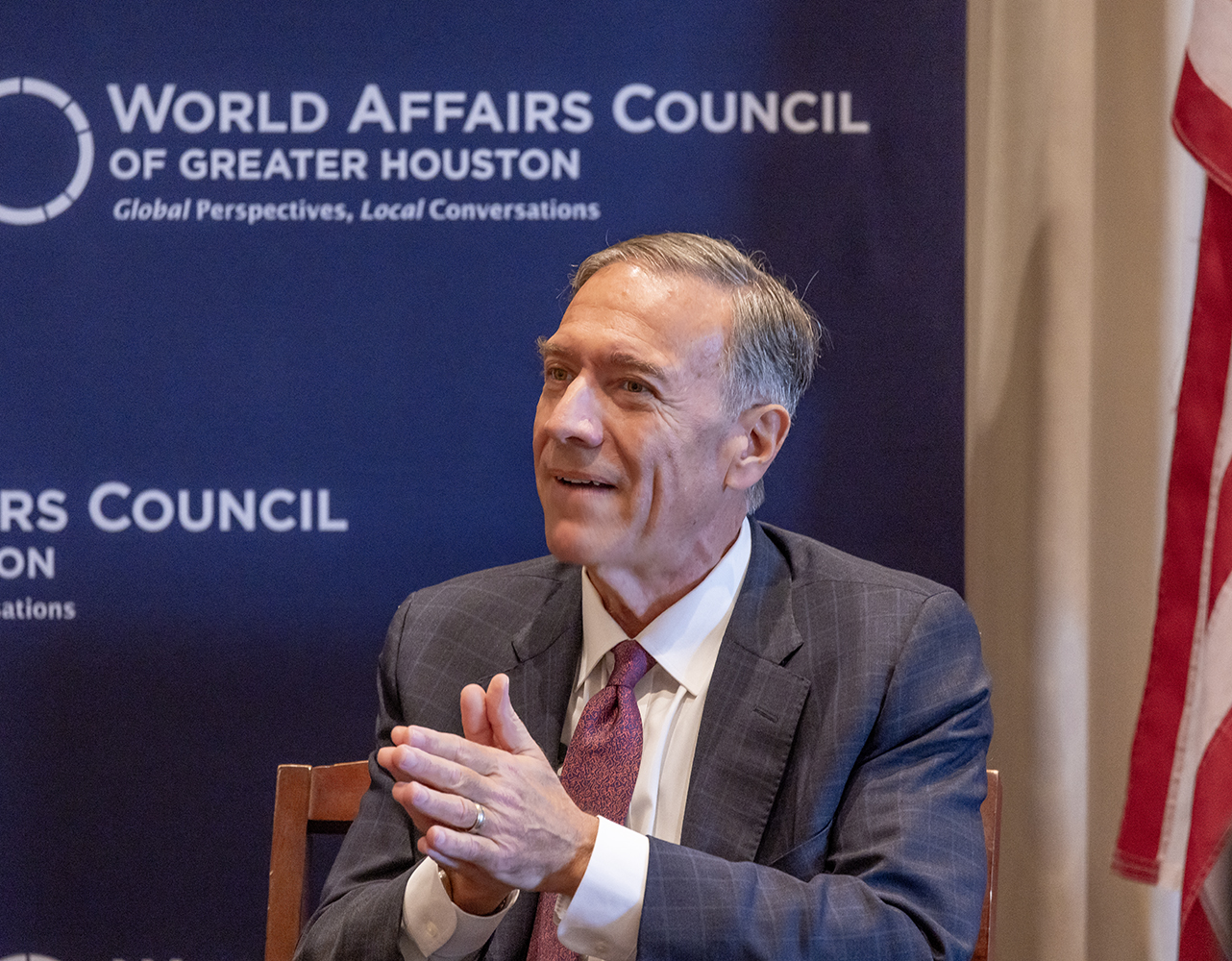
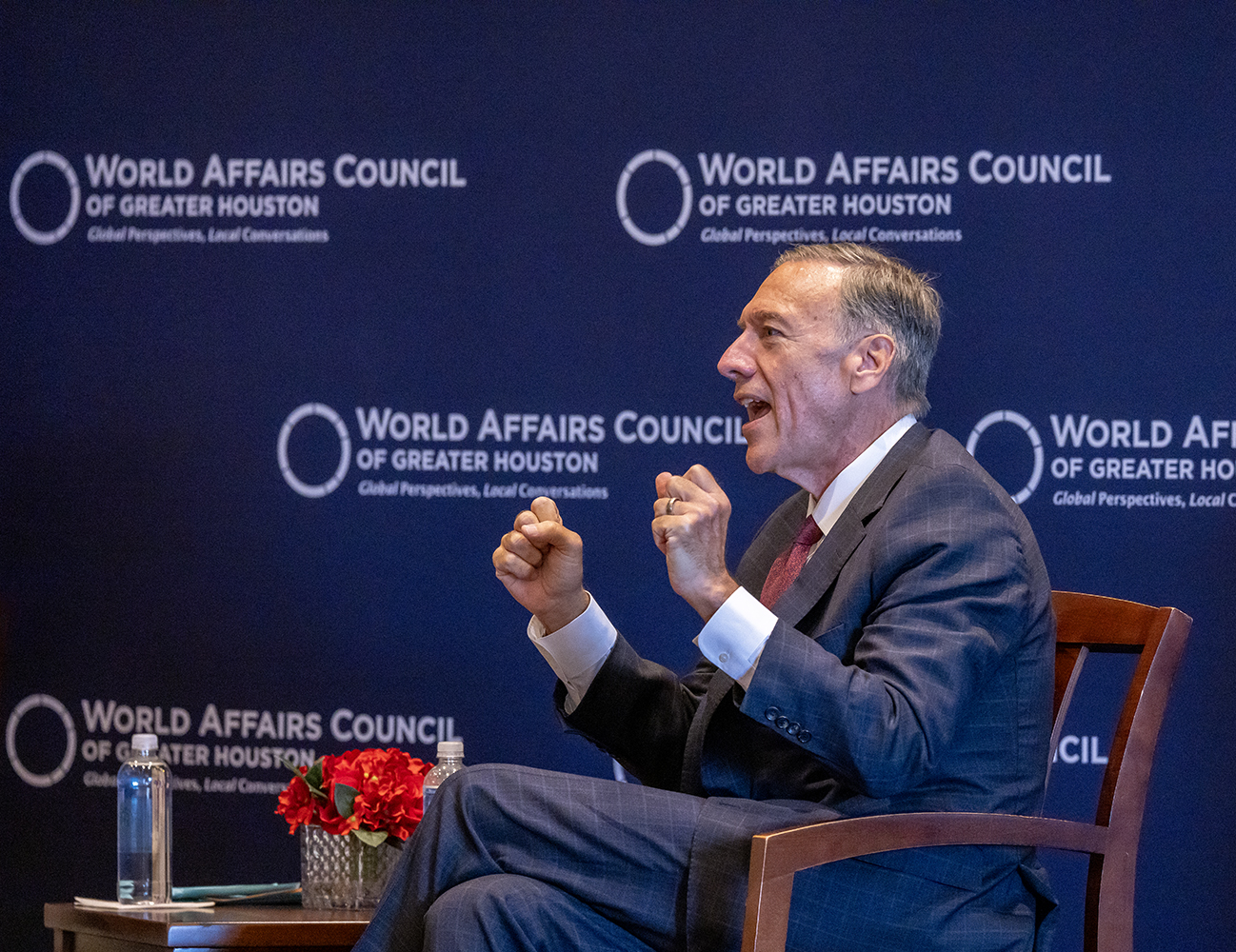
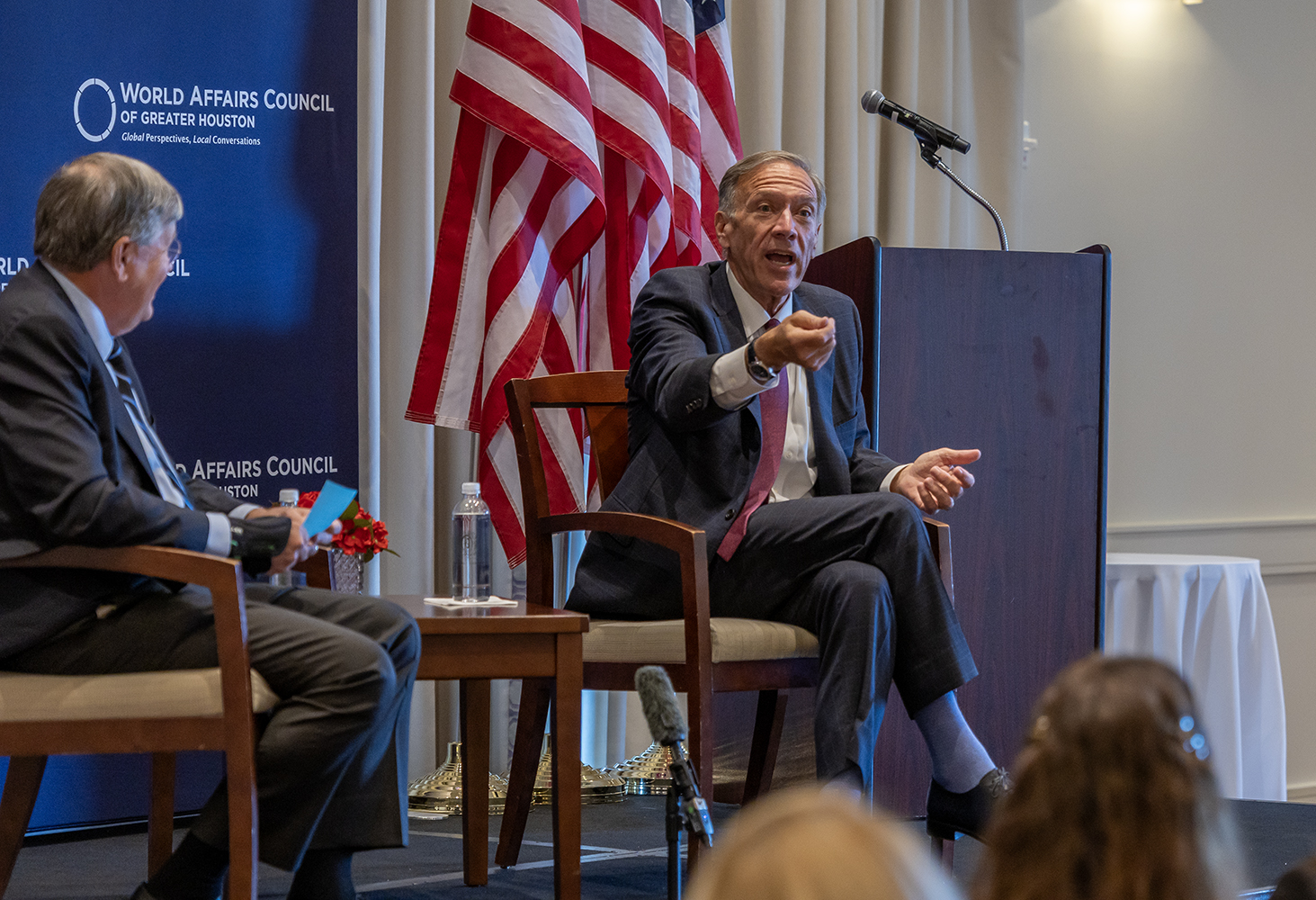
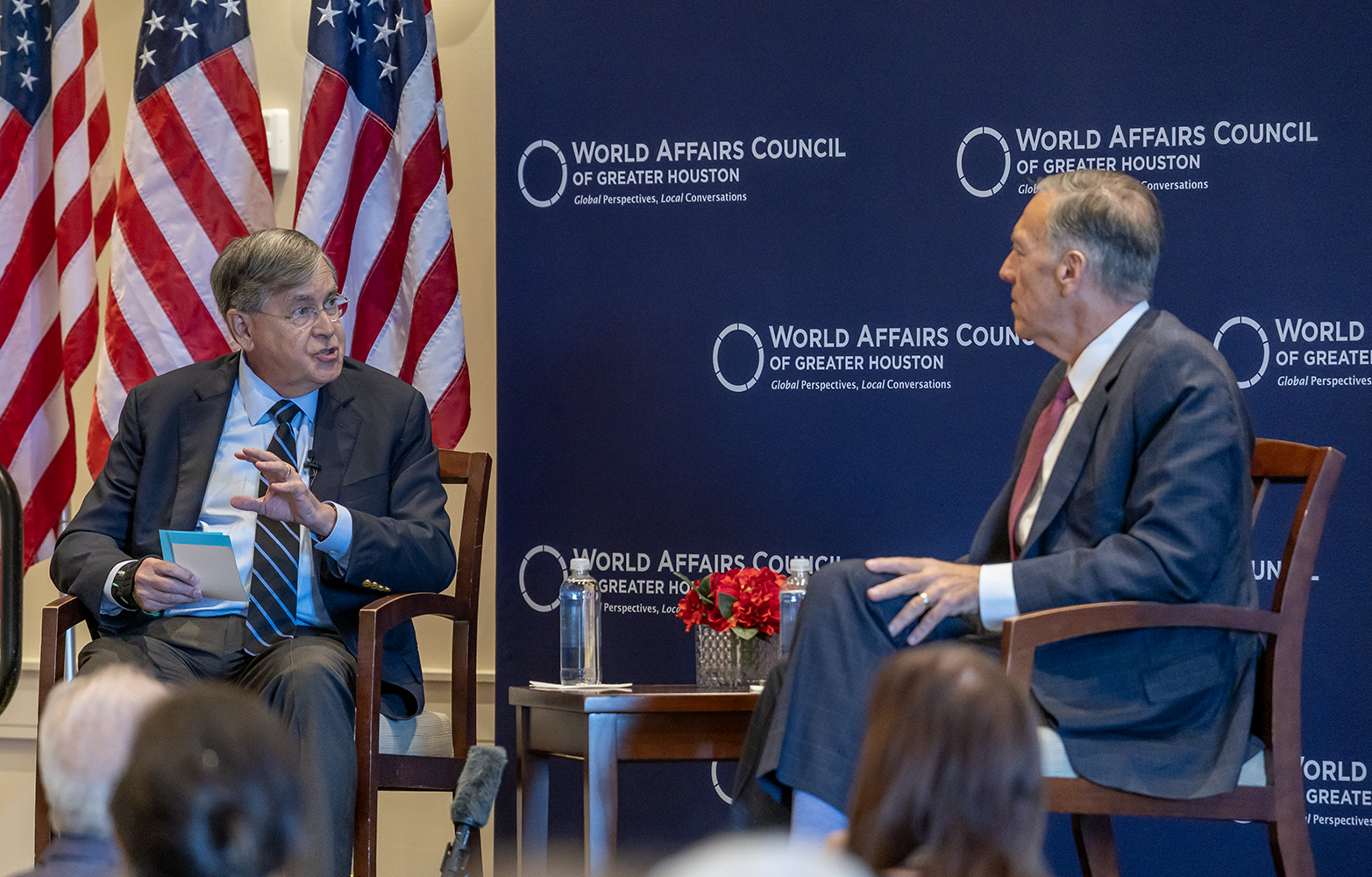
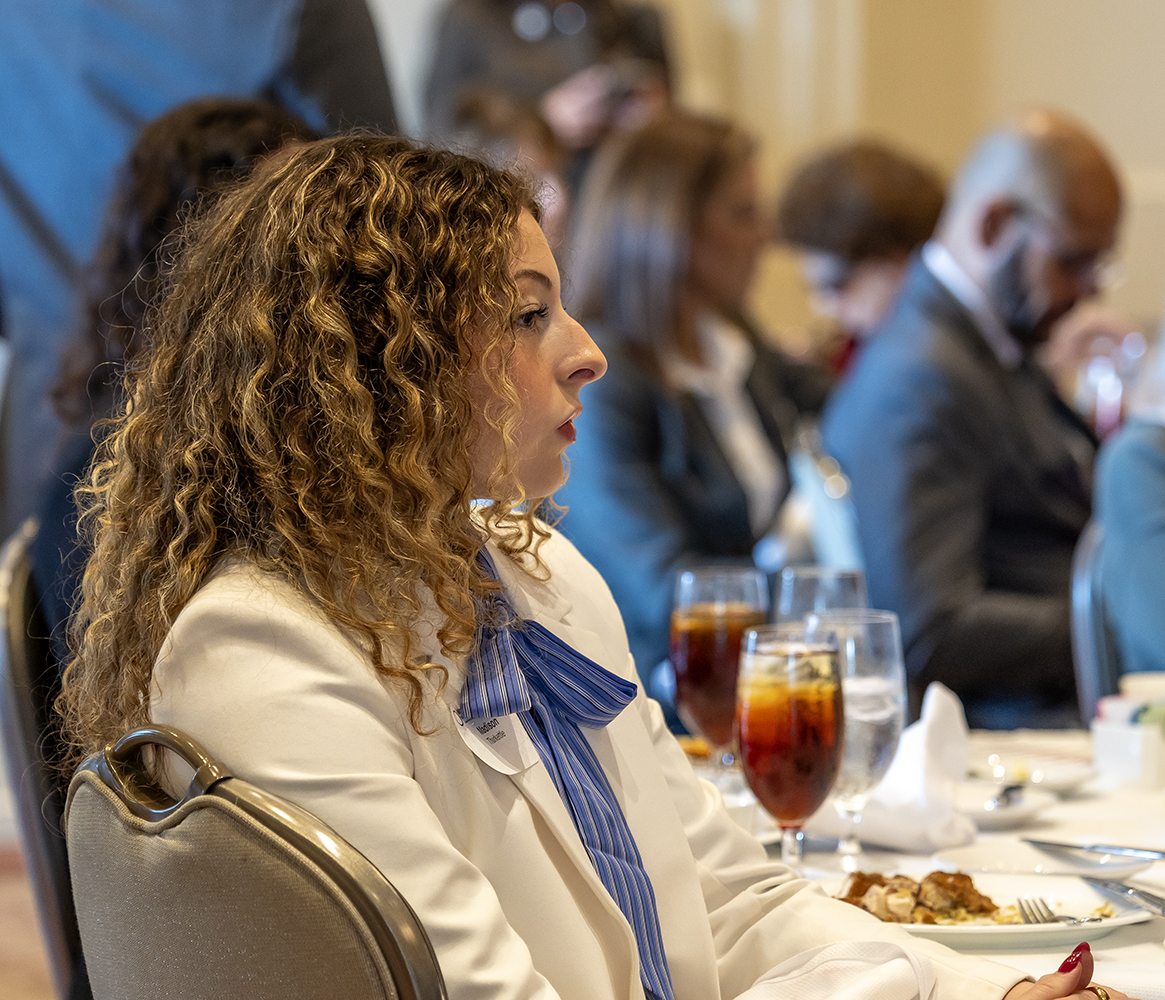
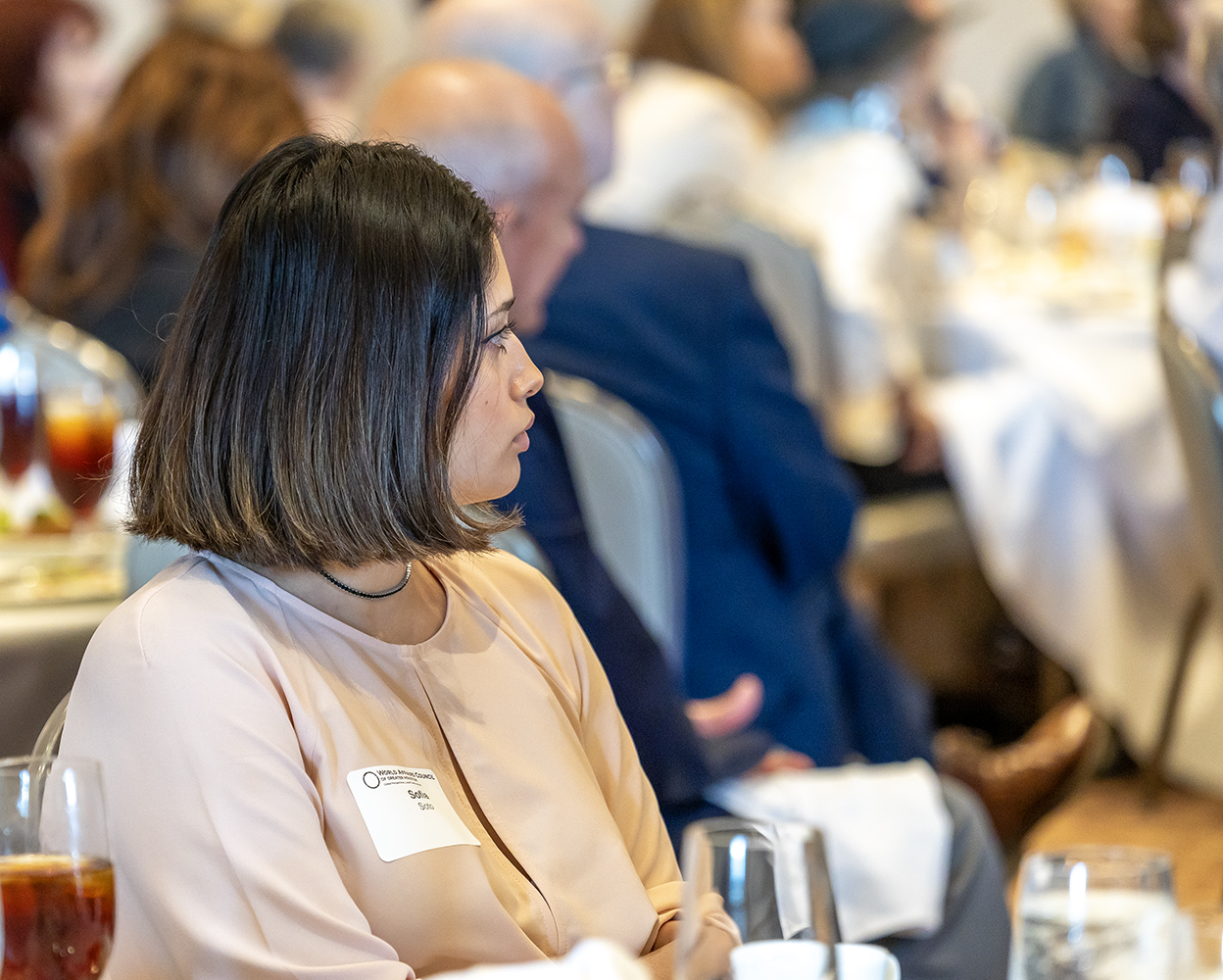
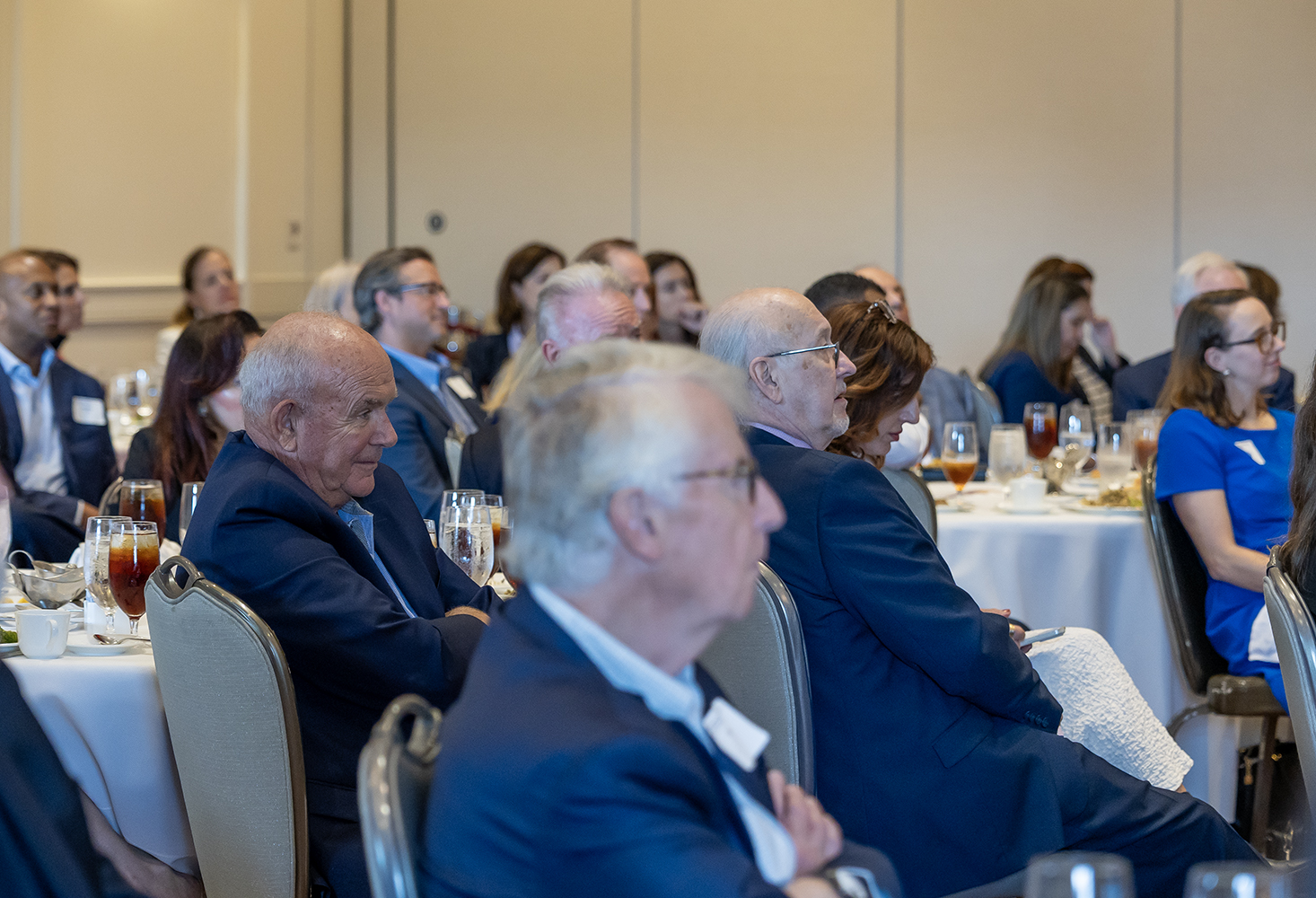
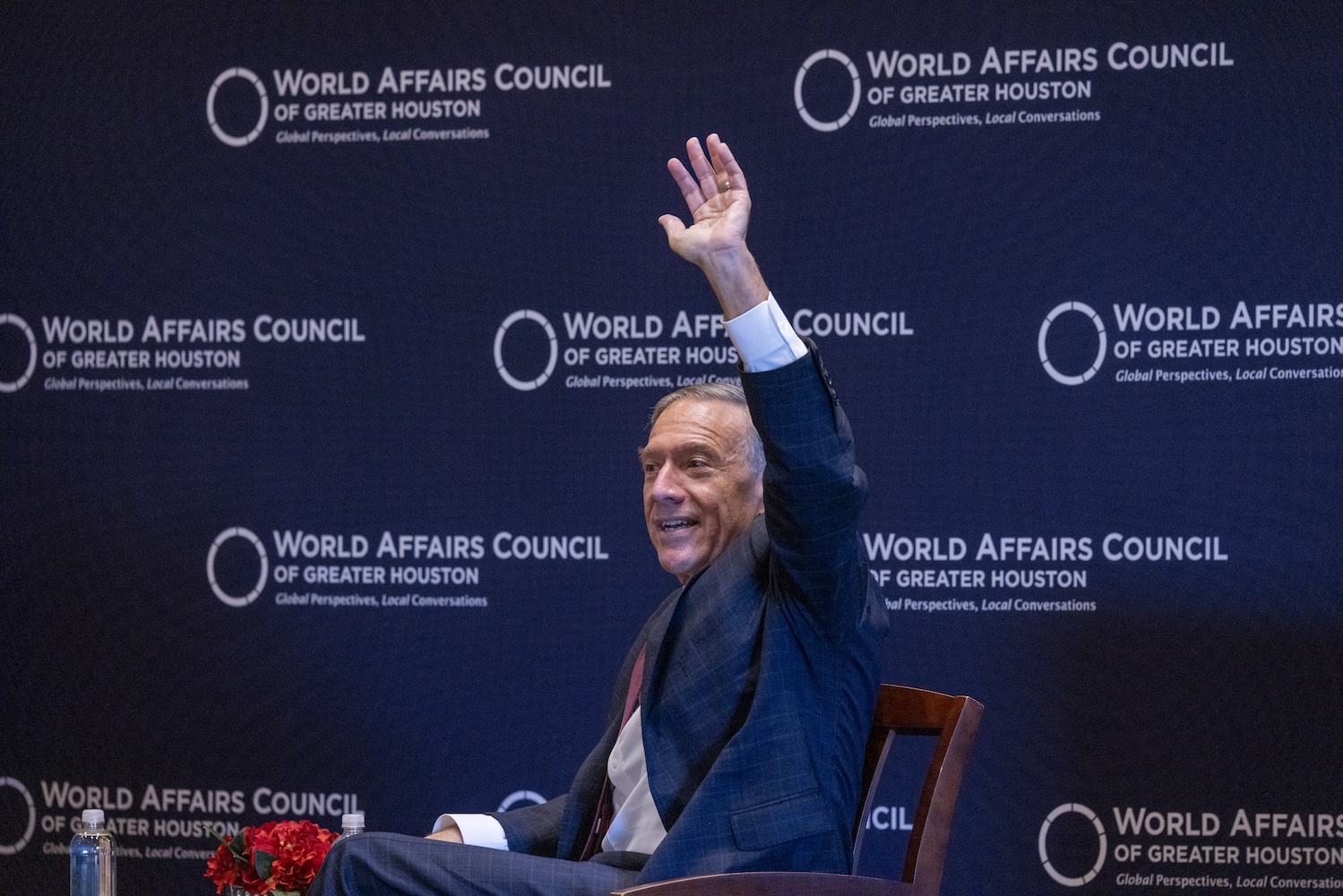
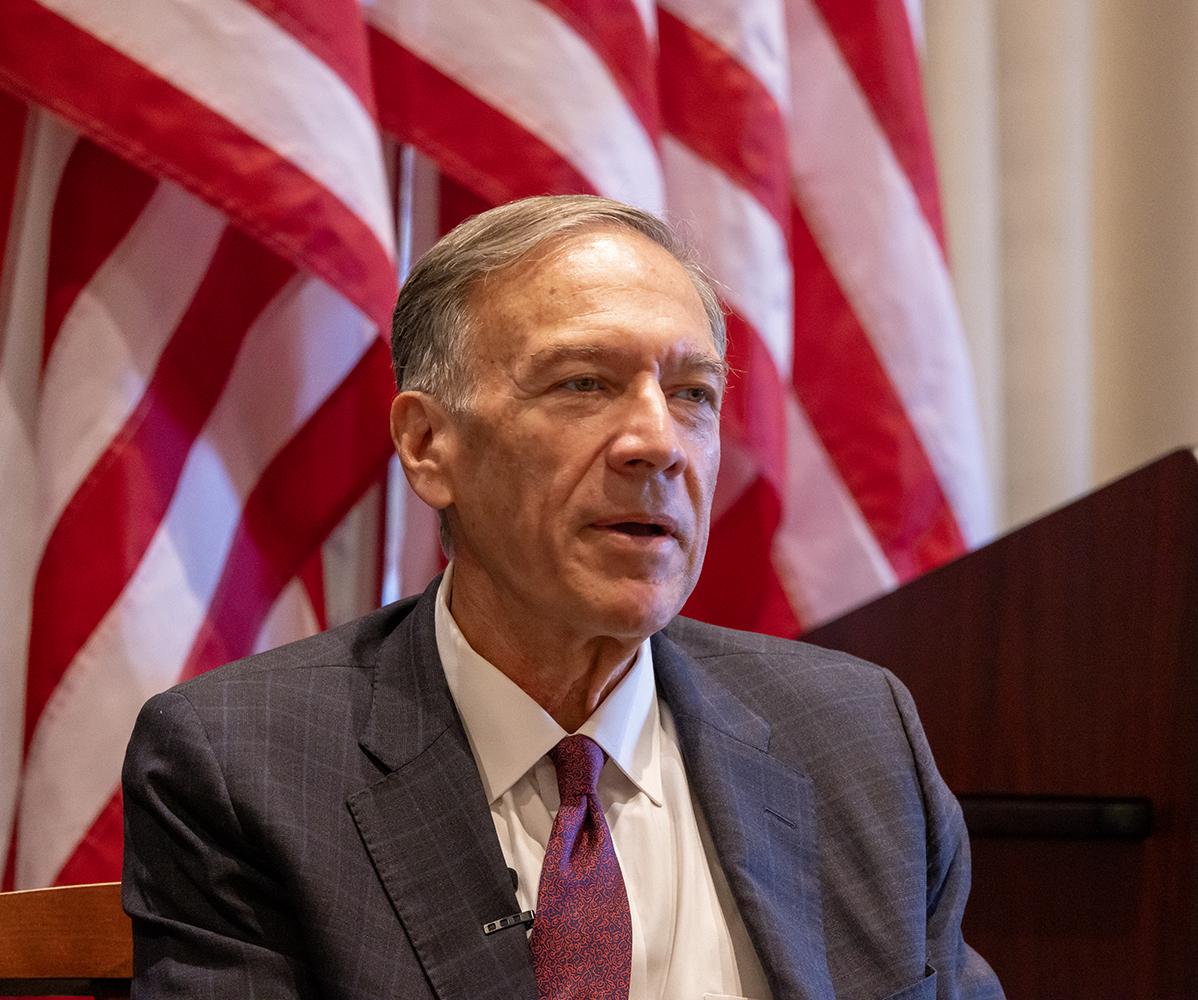
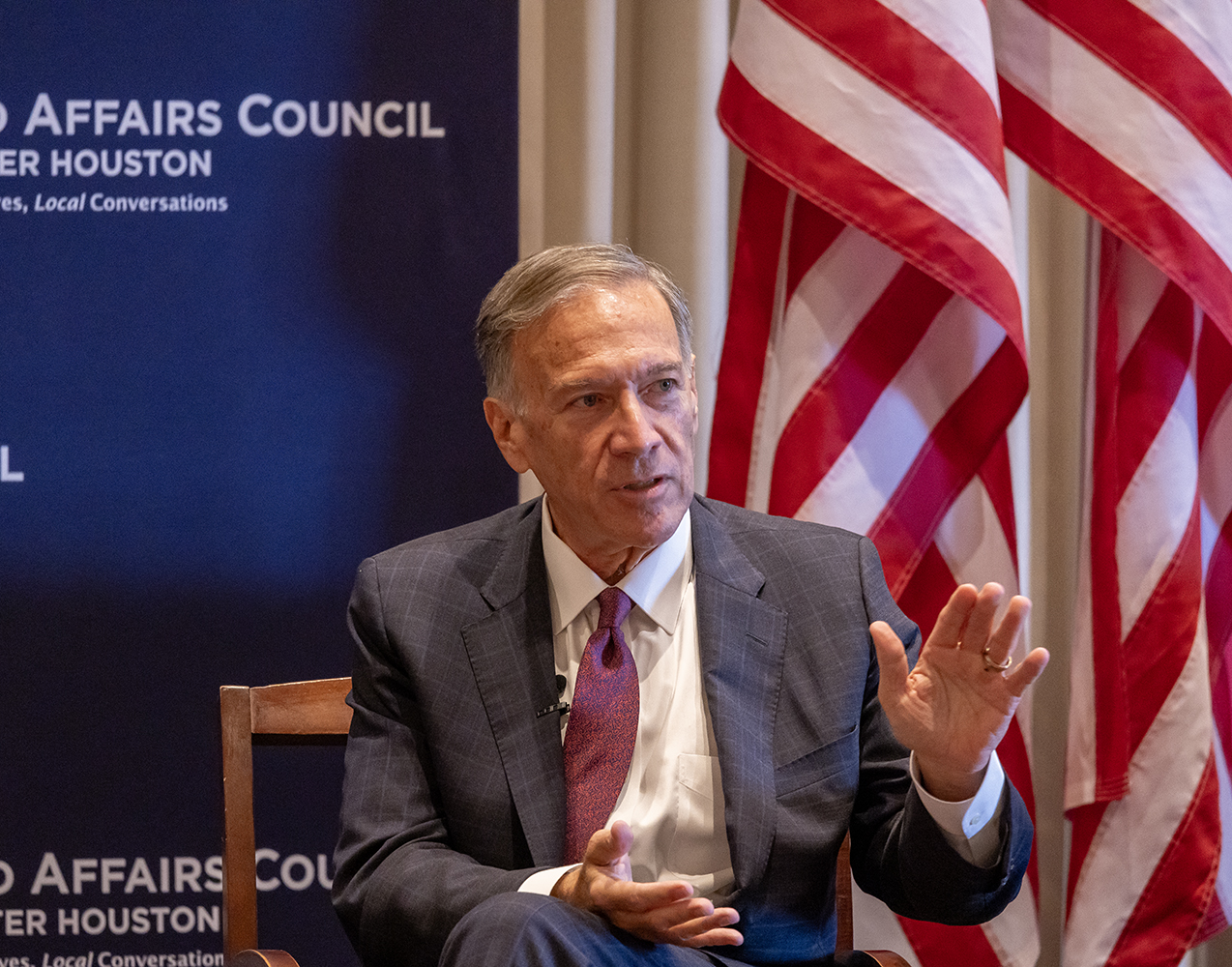
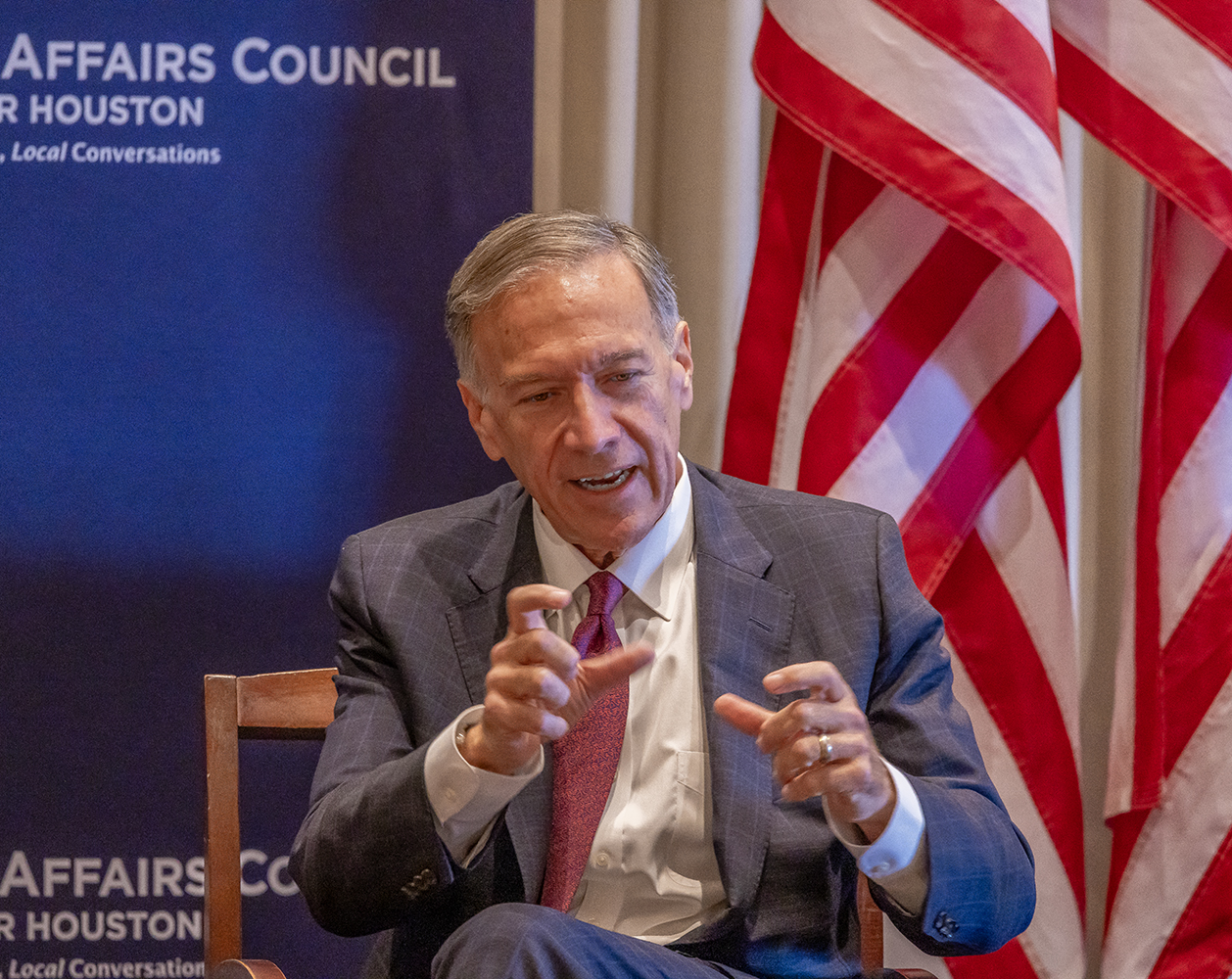
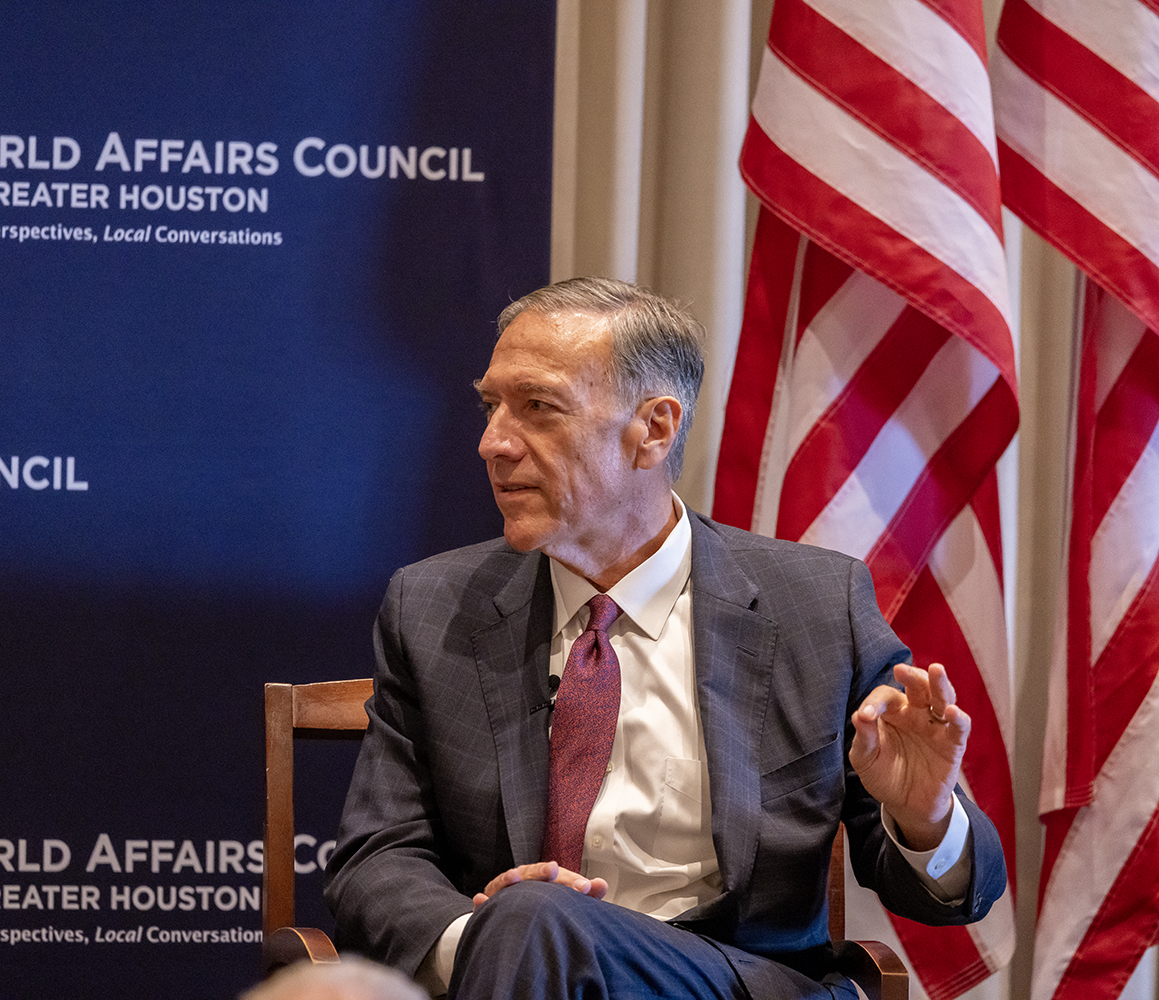
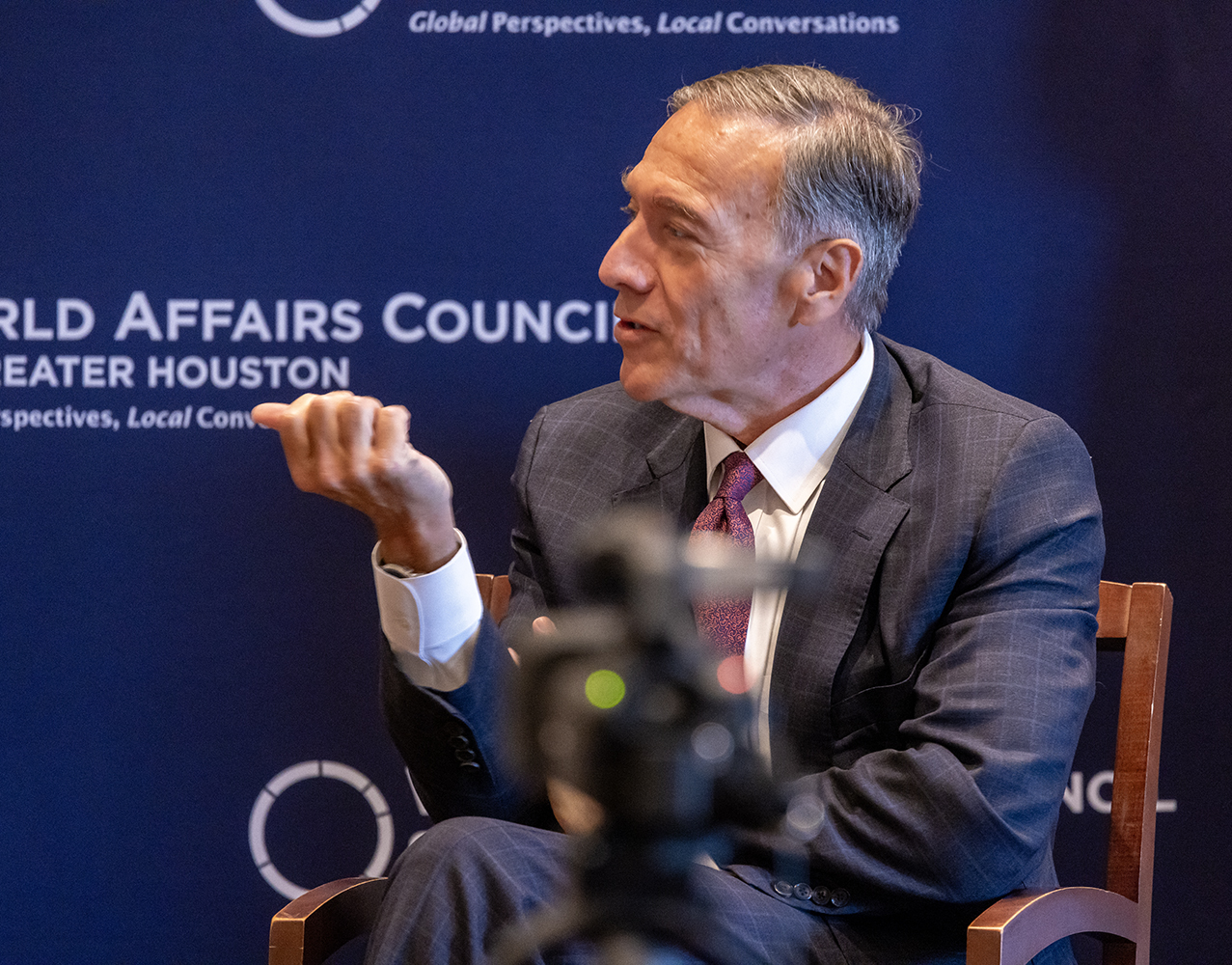
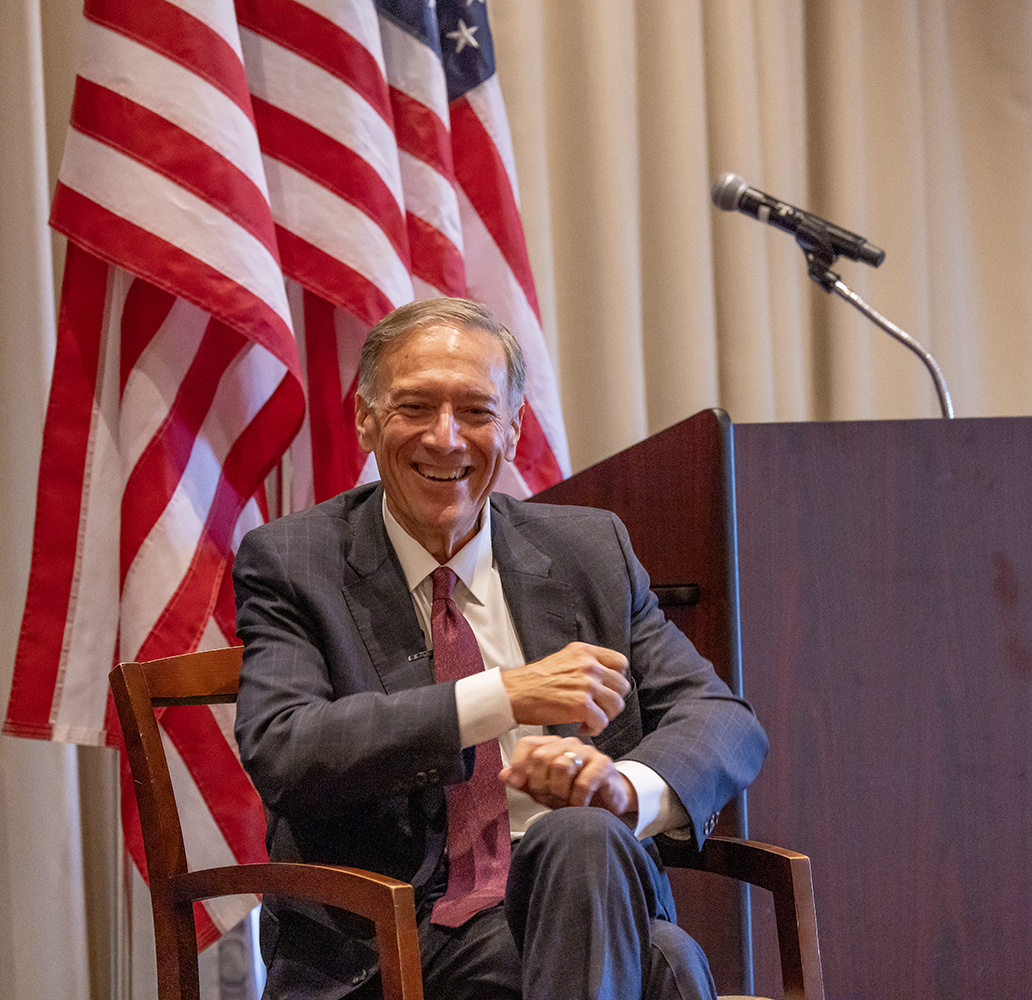
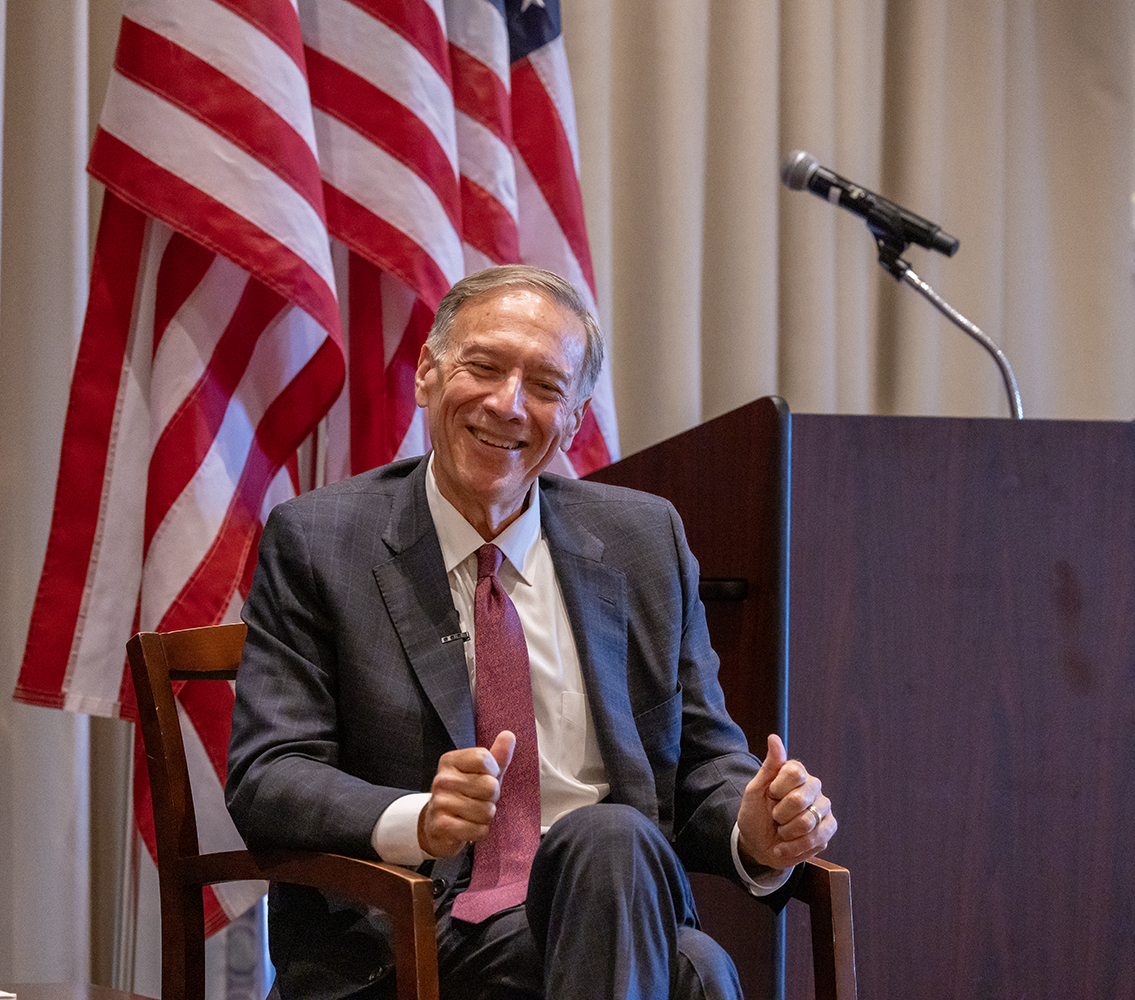
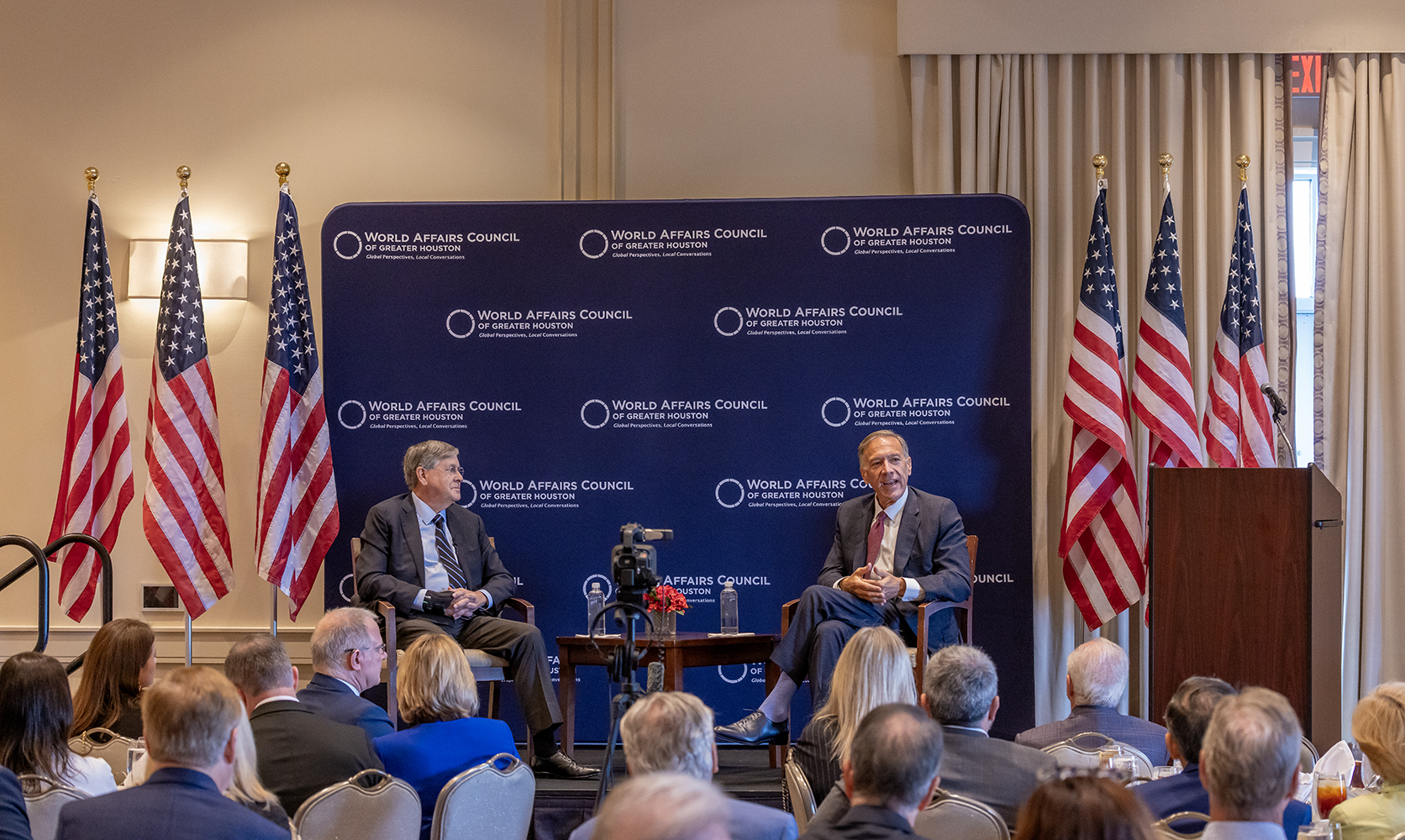
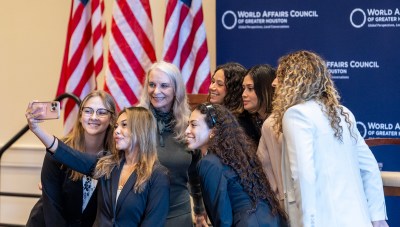
One of the most valuable aspects of the LEAP experience is the chance to learn from leaders who have dedicated their lives to public service. The World Affairs Council regularly provides such opportunities, and at the Royal Sonesta in Houston, we had the privilege of hearing from Admiral John Kirby.

Admiral Kirby began his career in the United States Navy as a Public Affairs Officer, which eventually led him to serve as Press Secretary for the Pentagon and later as Coordinator for Strategic Communications at the National Security Council. Having worked under both the Obama and Biden administrations, Admiral Kirby has long been at the center of national security, communications, and public affairs.

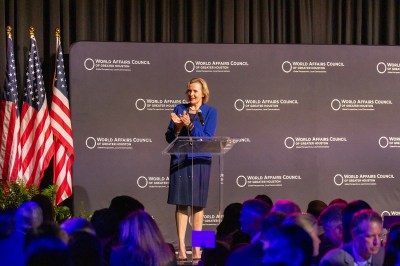
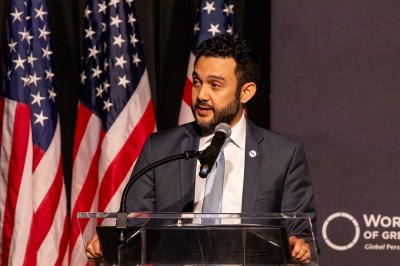
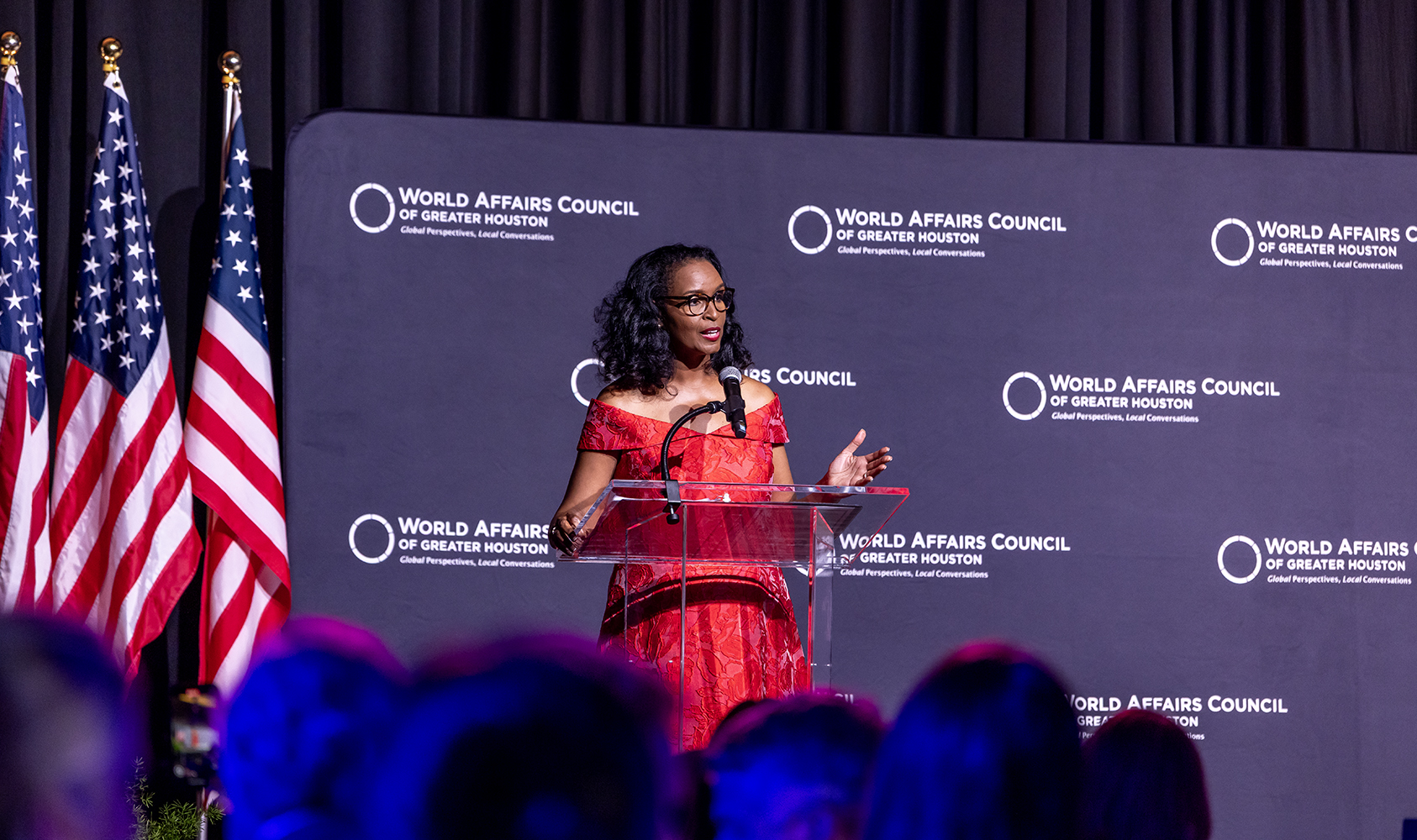
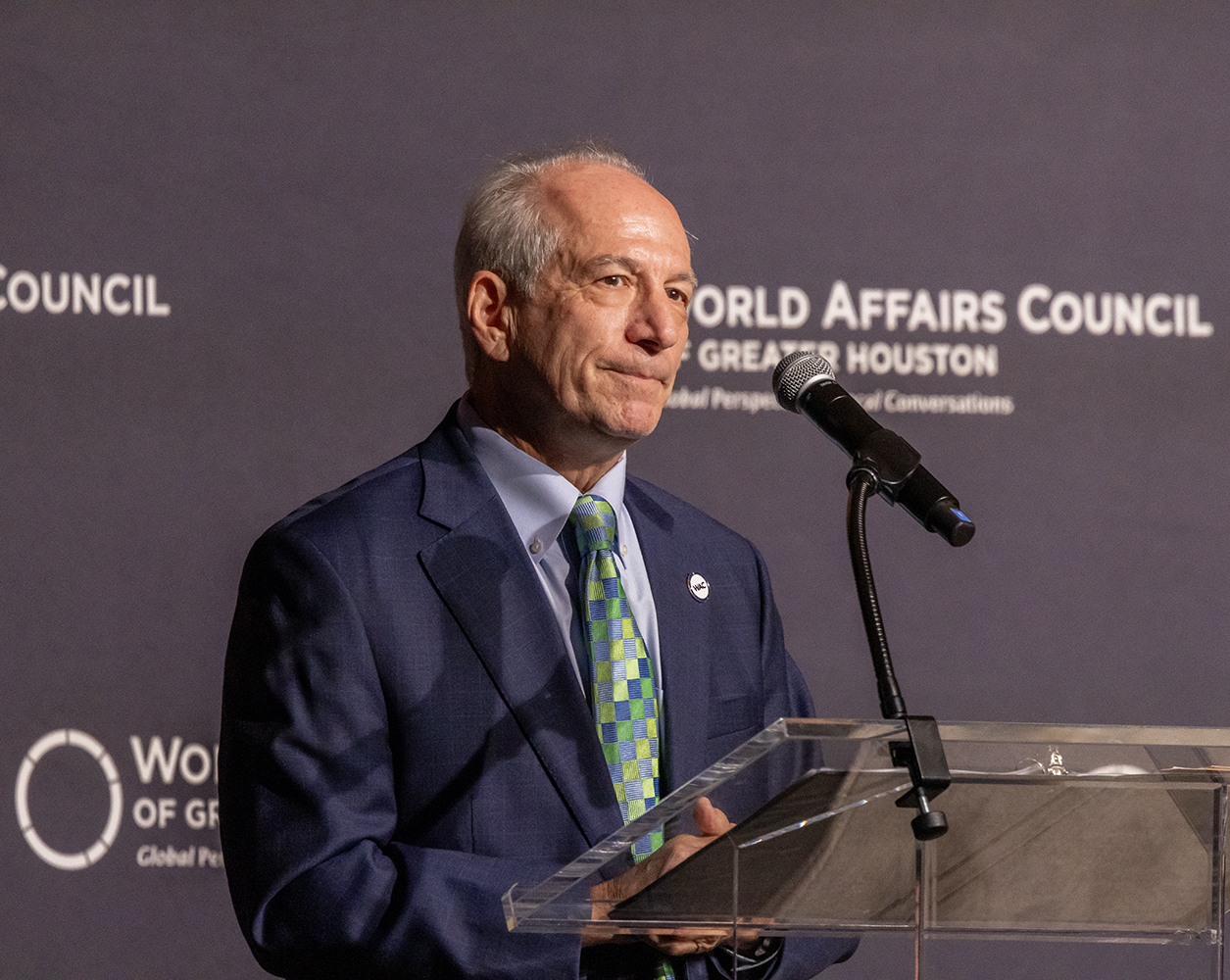
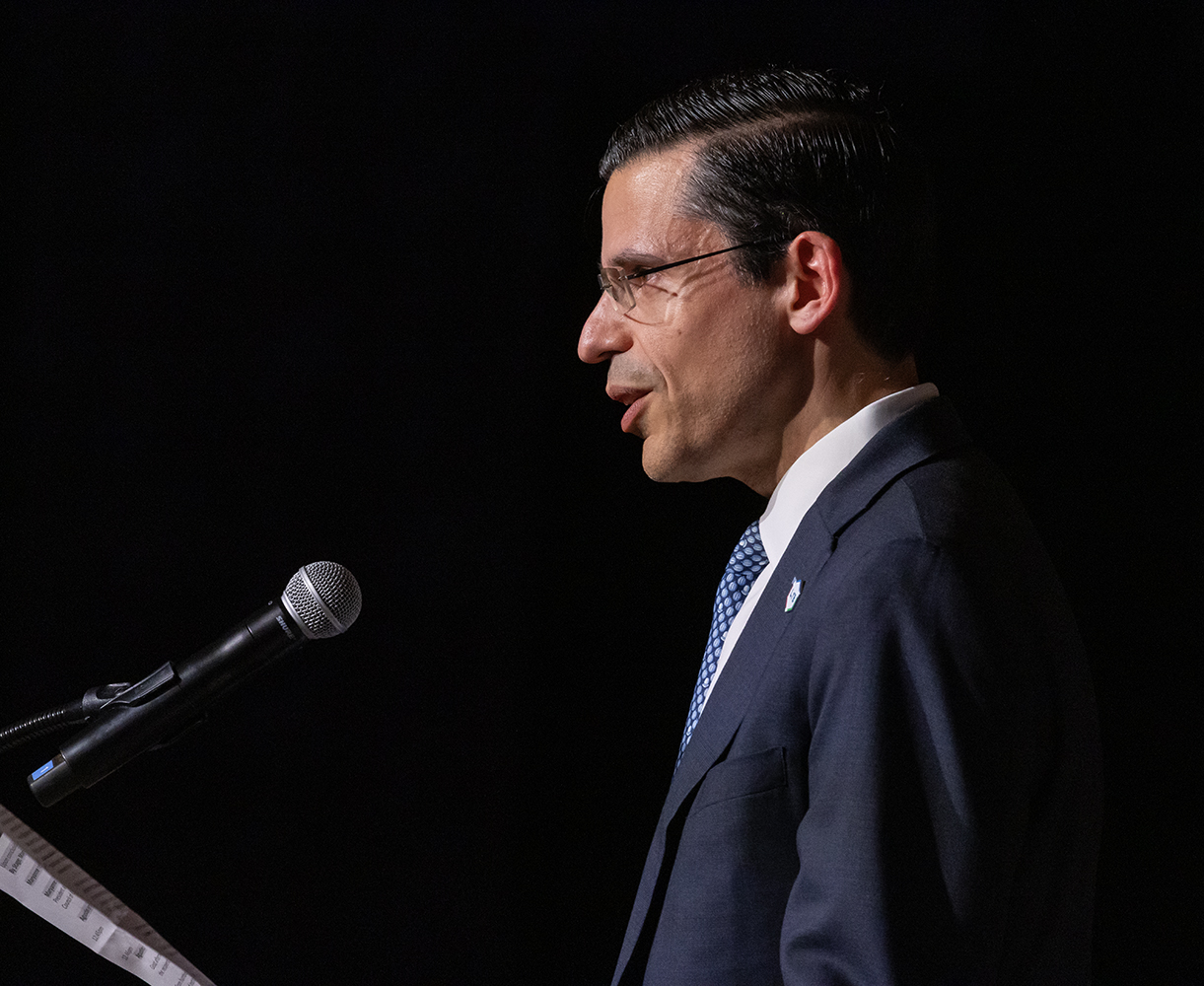
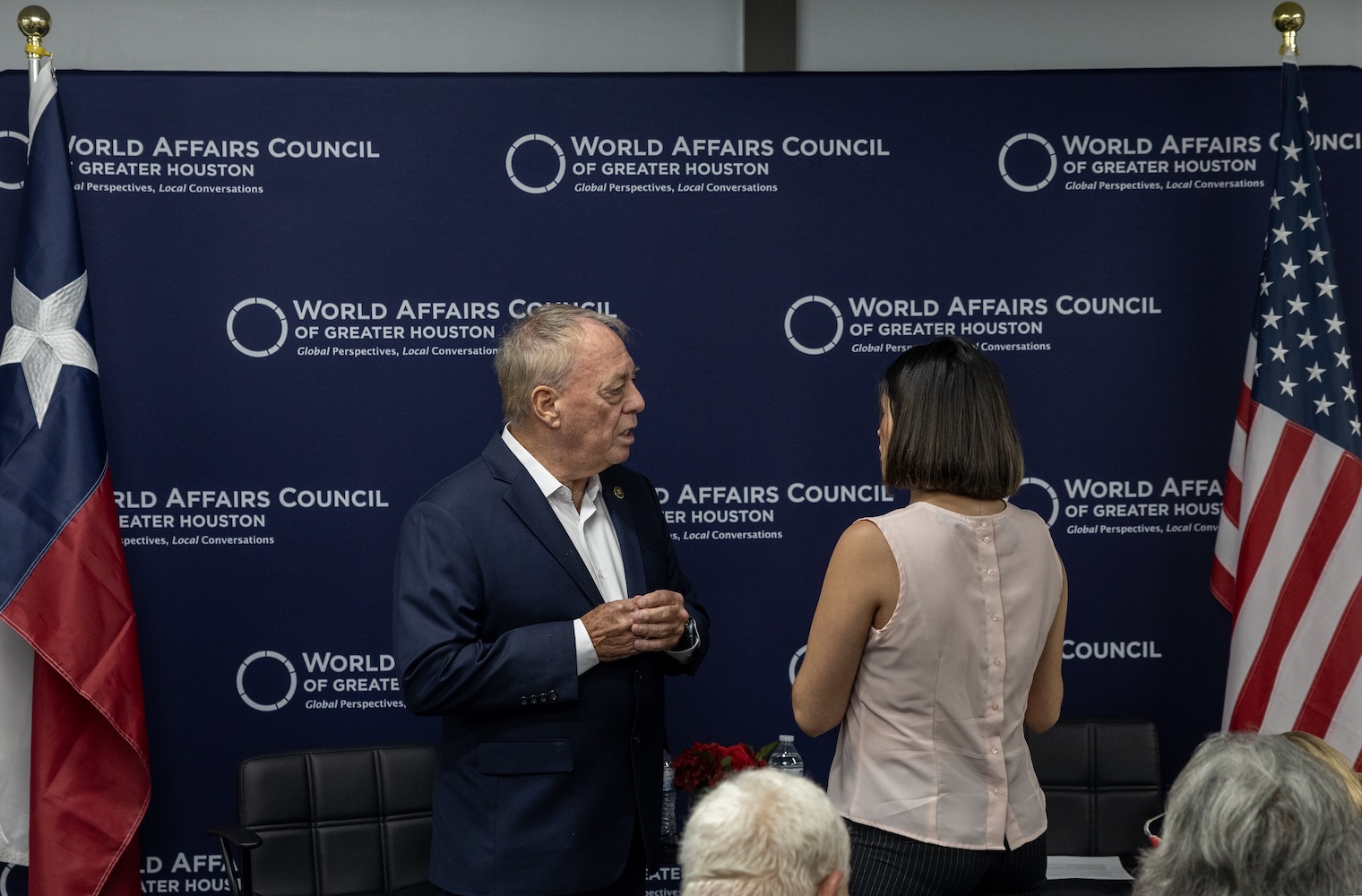
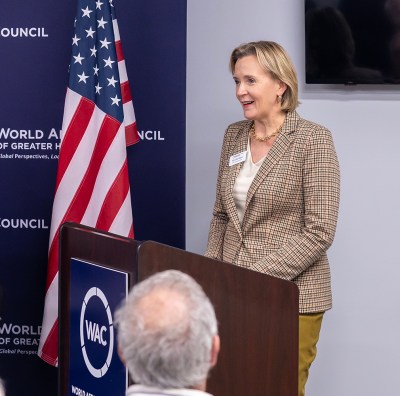
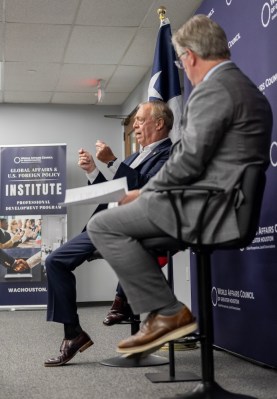
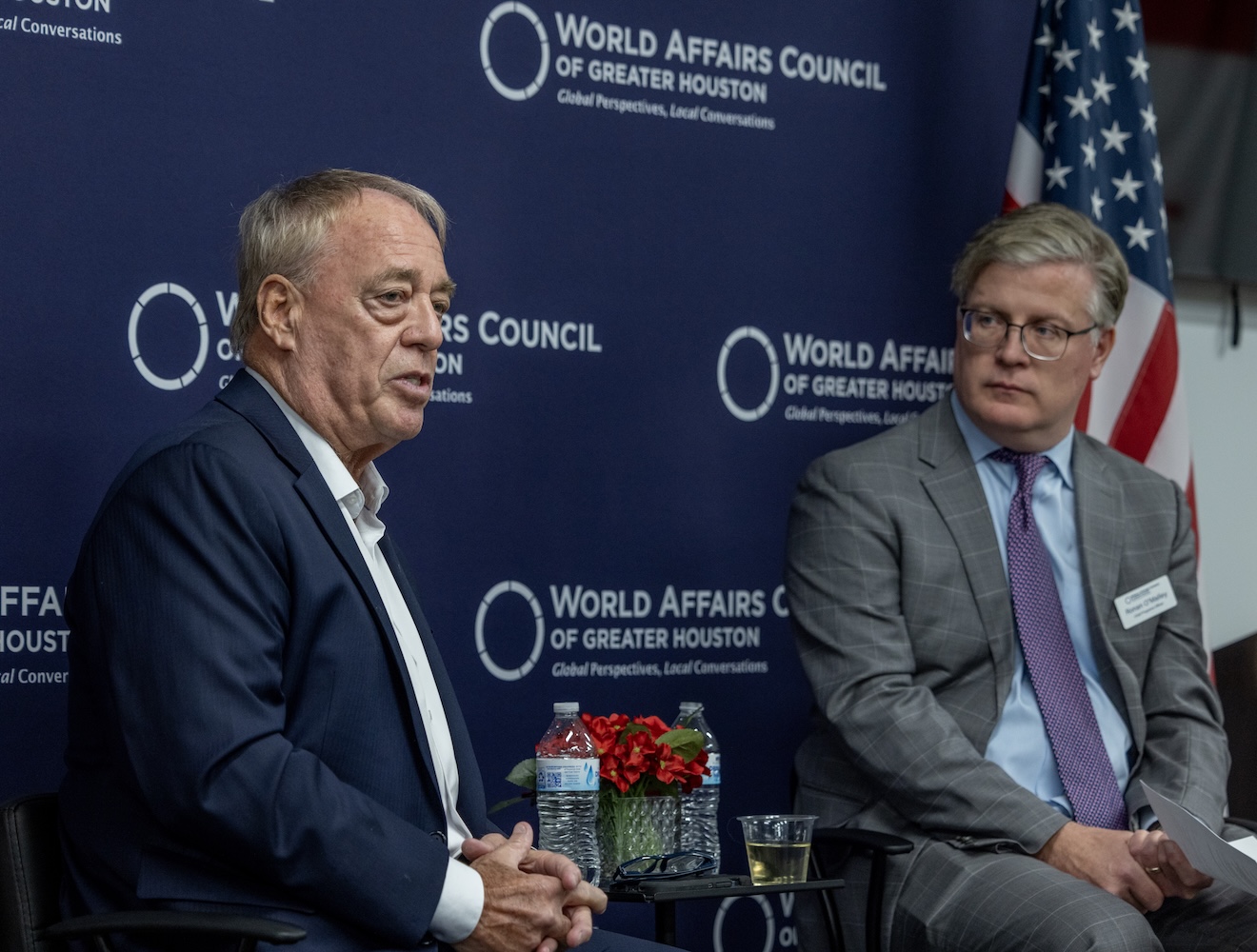
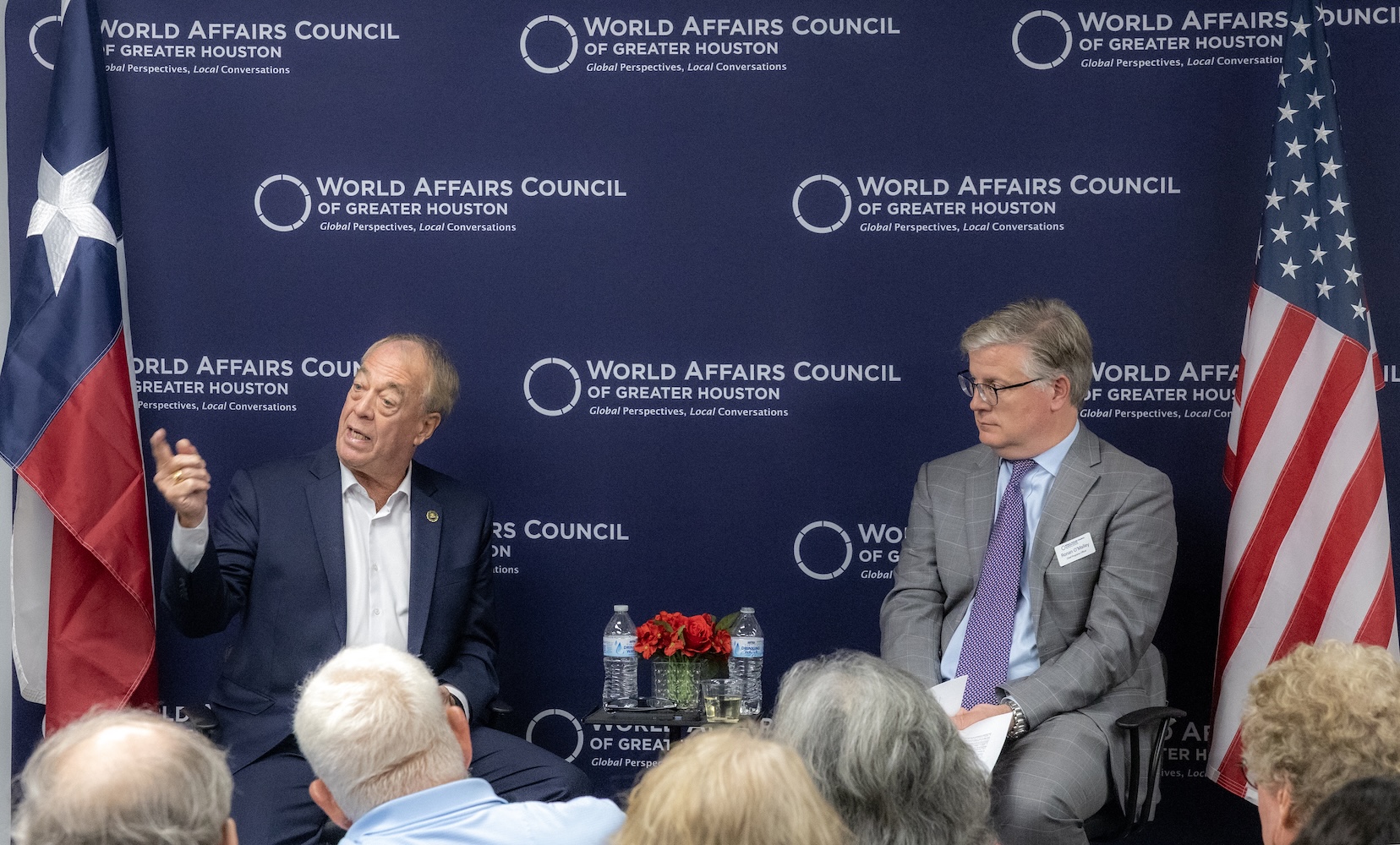
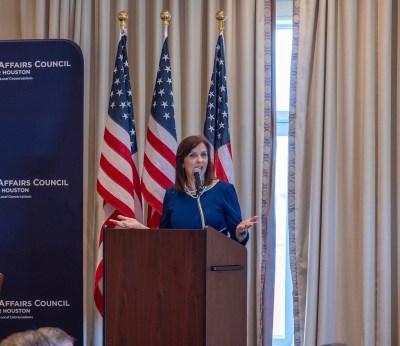
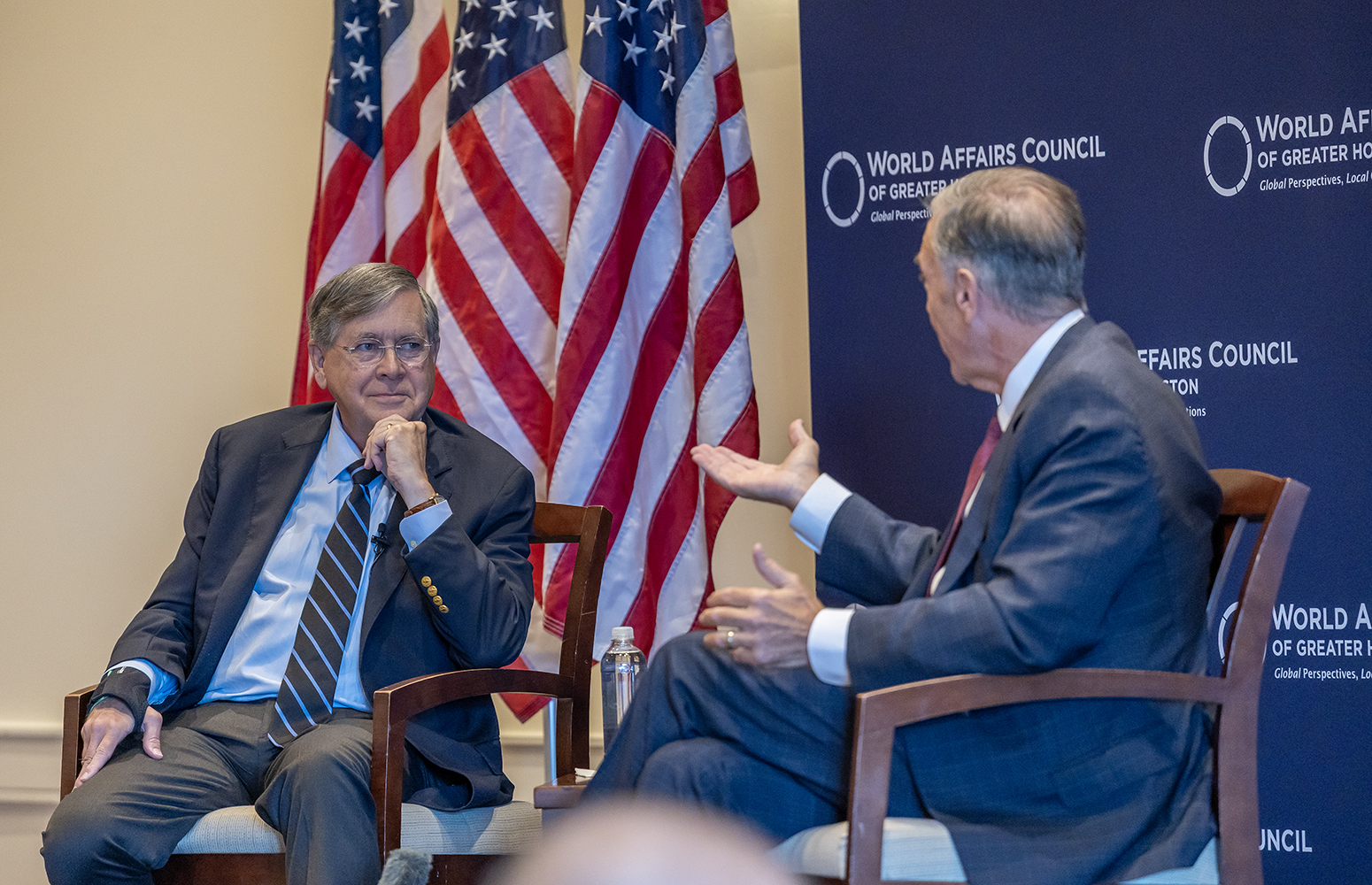
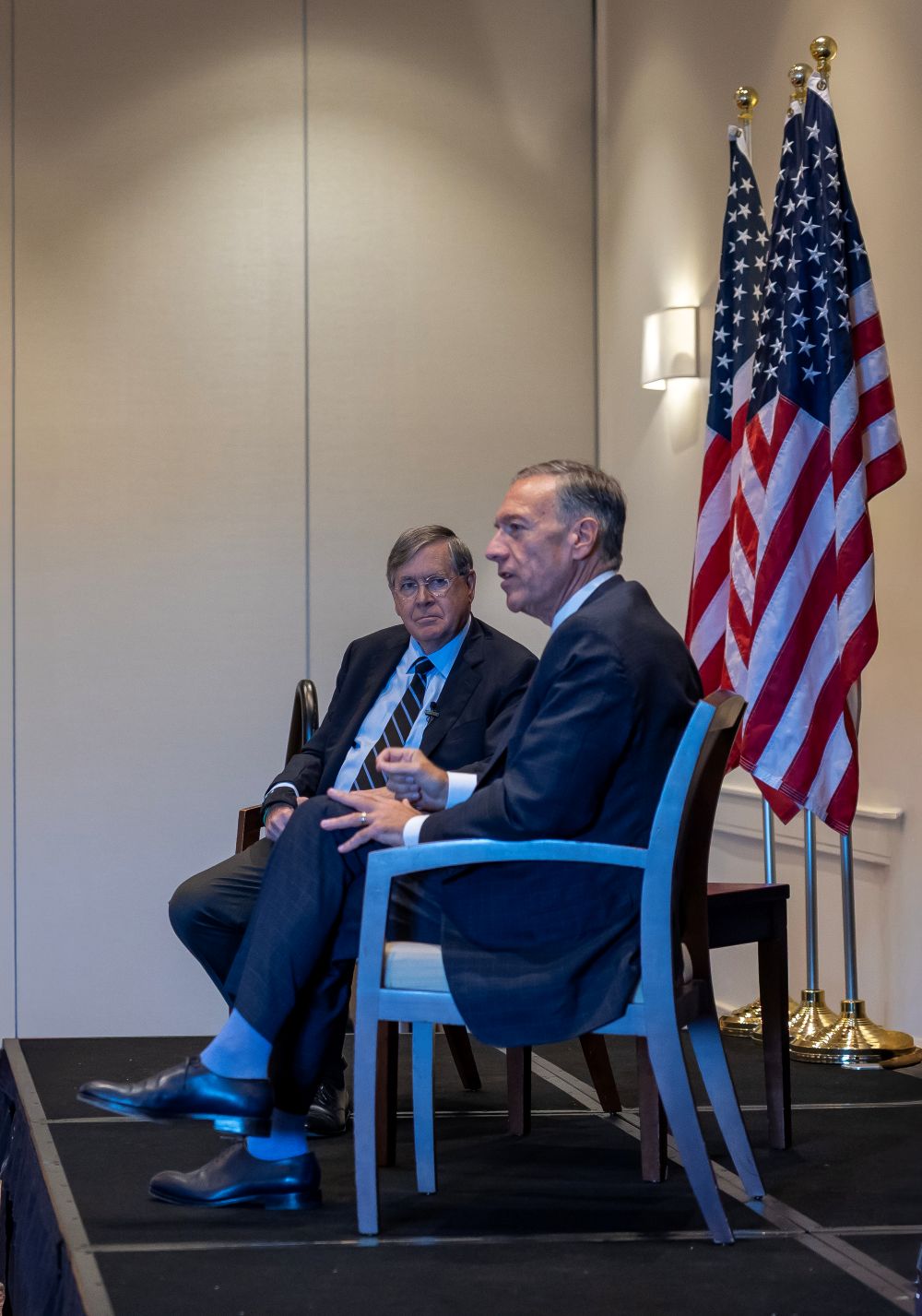
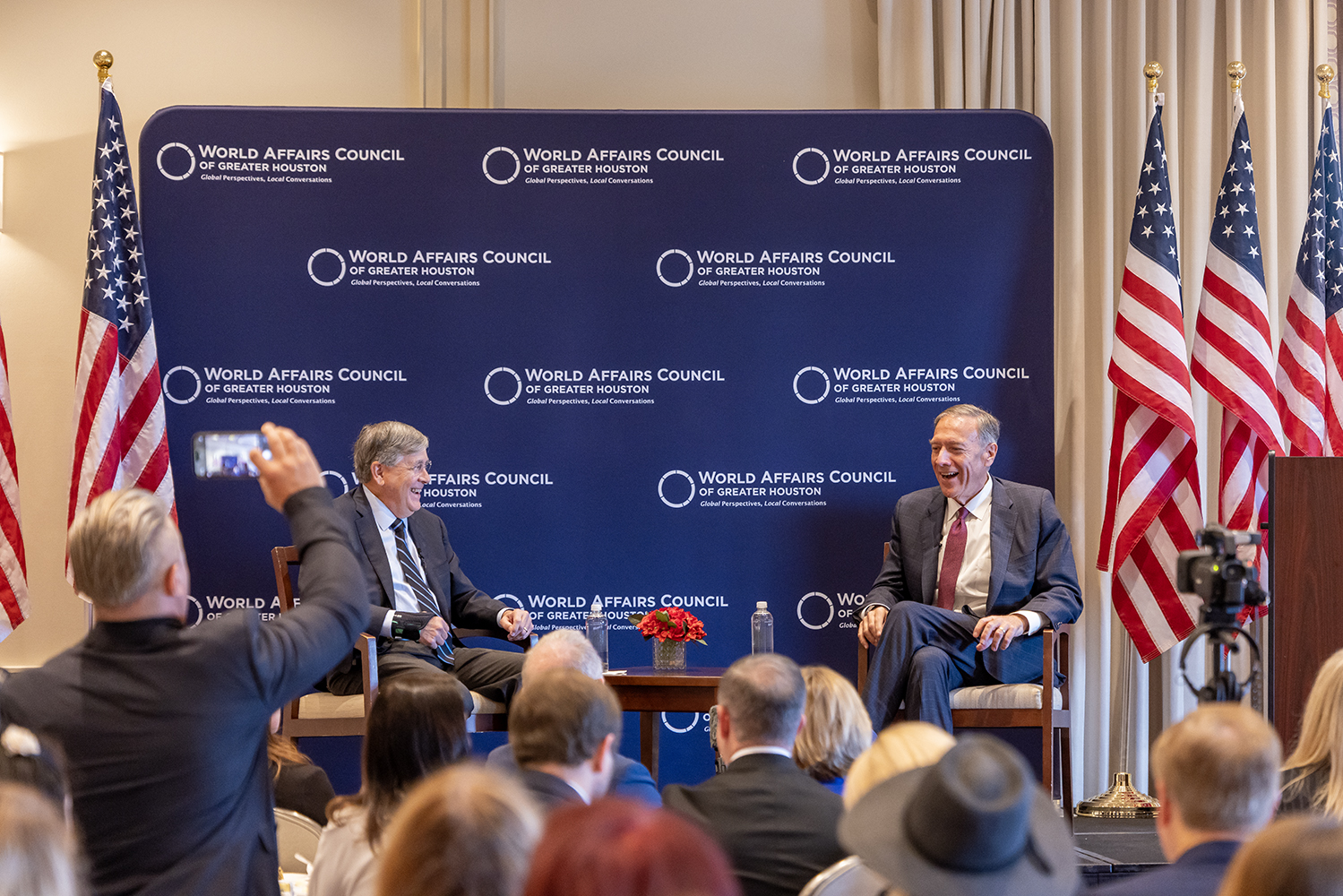
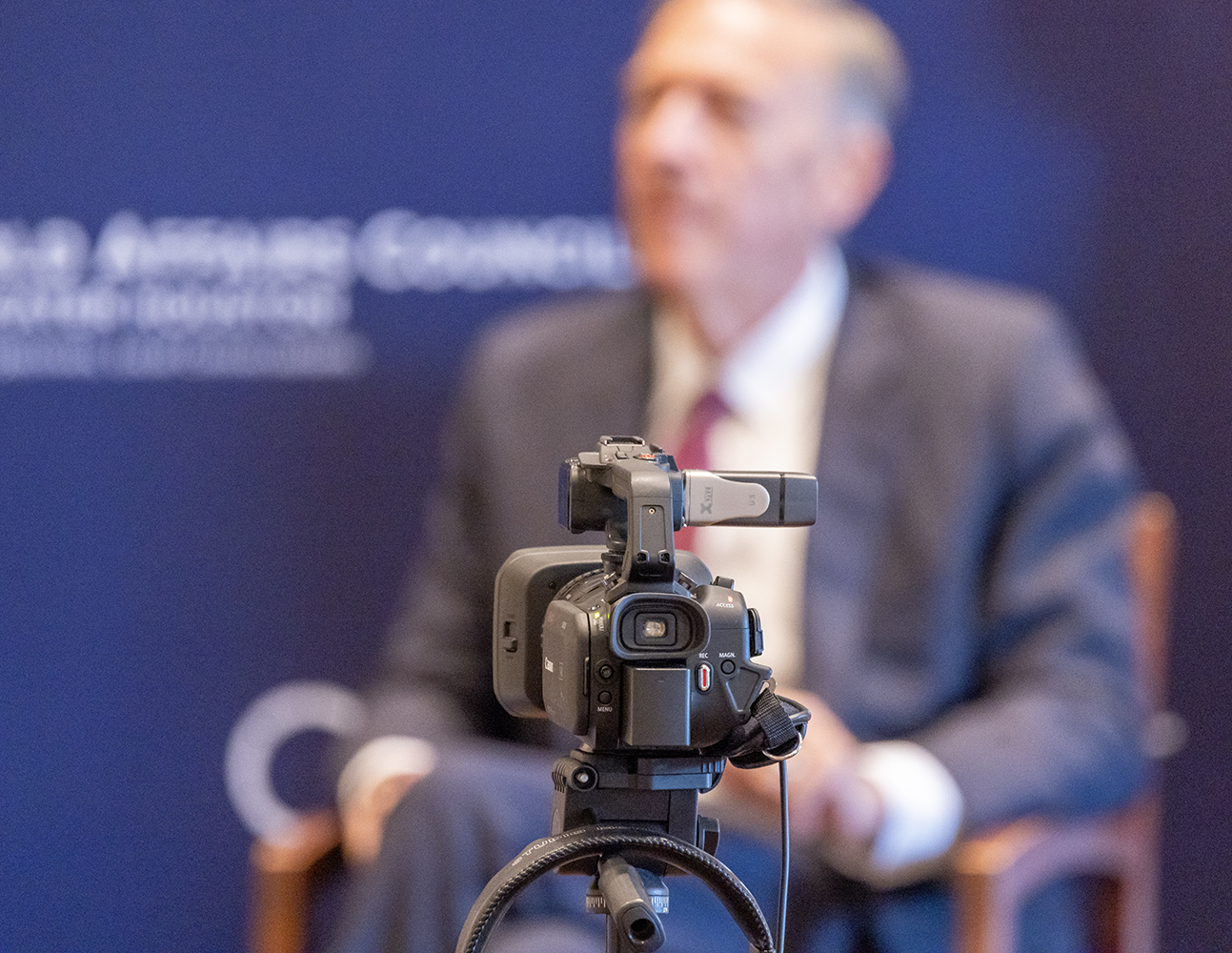
The evening’s conversation, emceed by Sandiya Bayot…

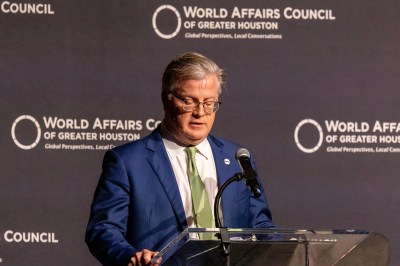
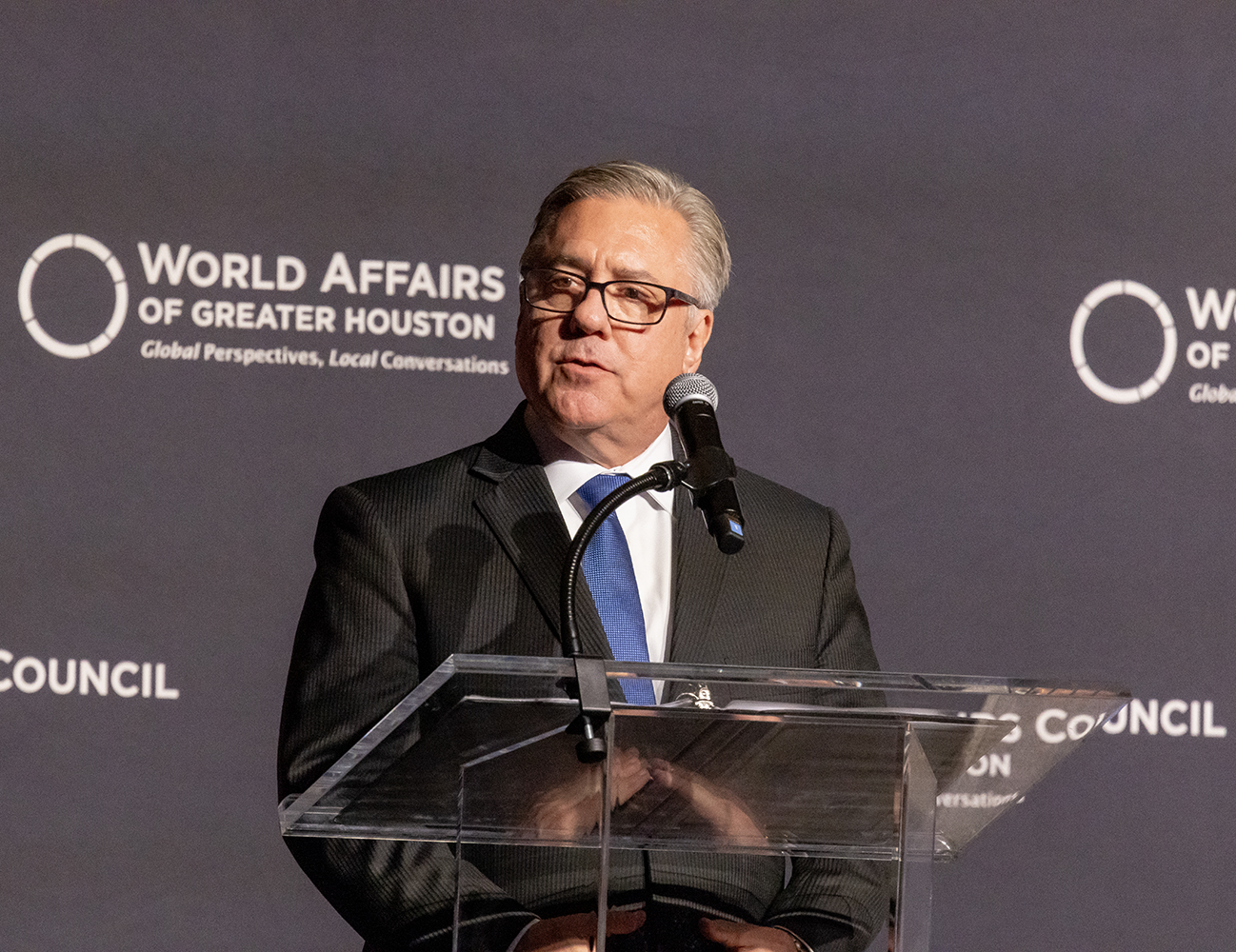
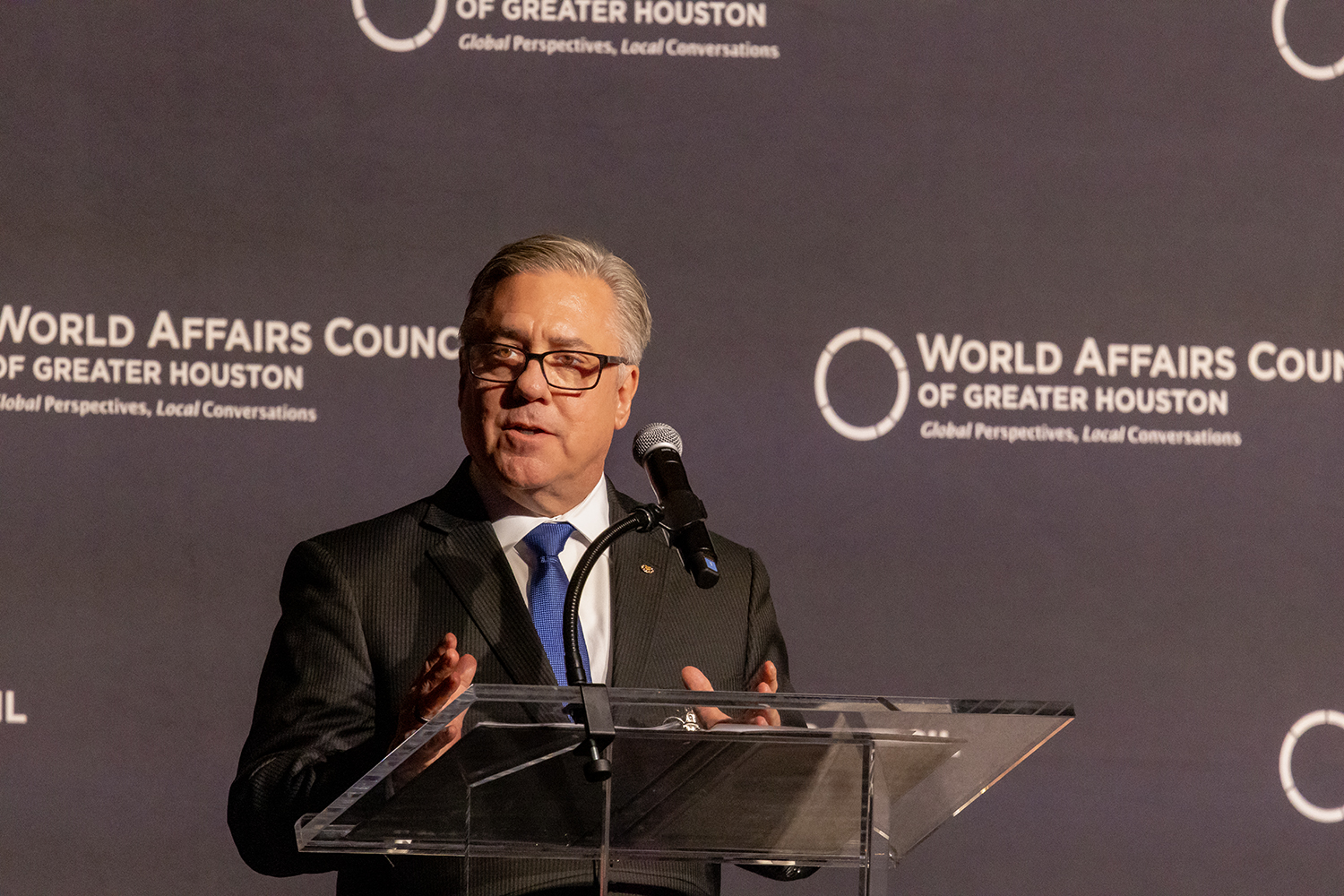
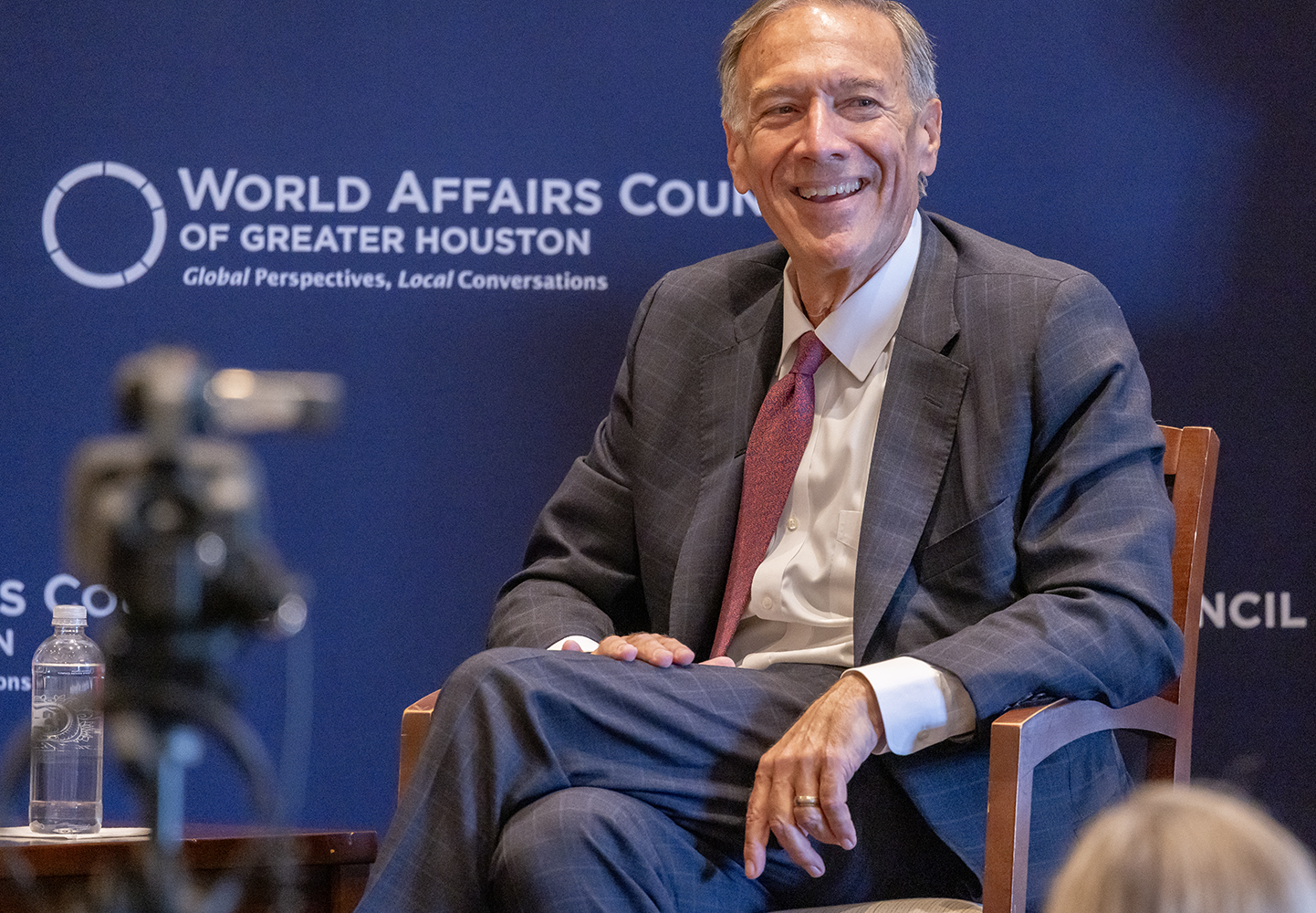
…and introduced by WAC Board Chair Ken Tubman (President of PPA Resources)…

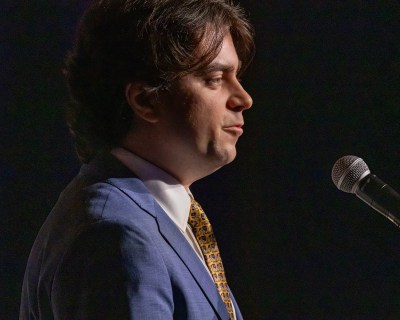
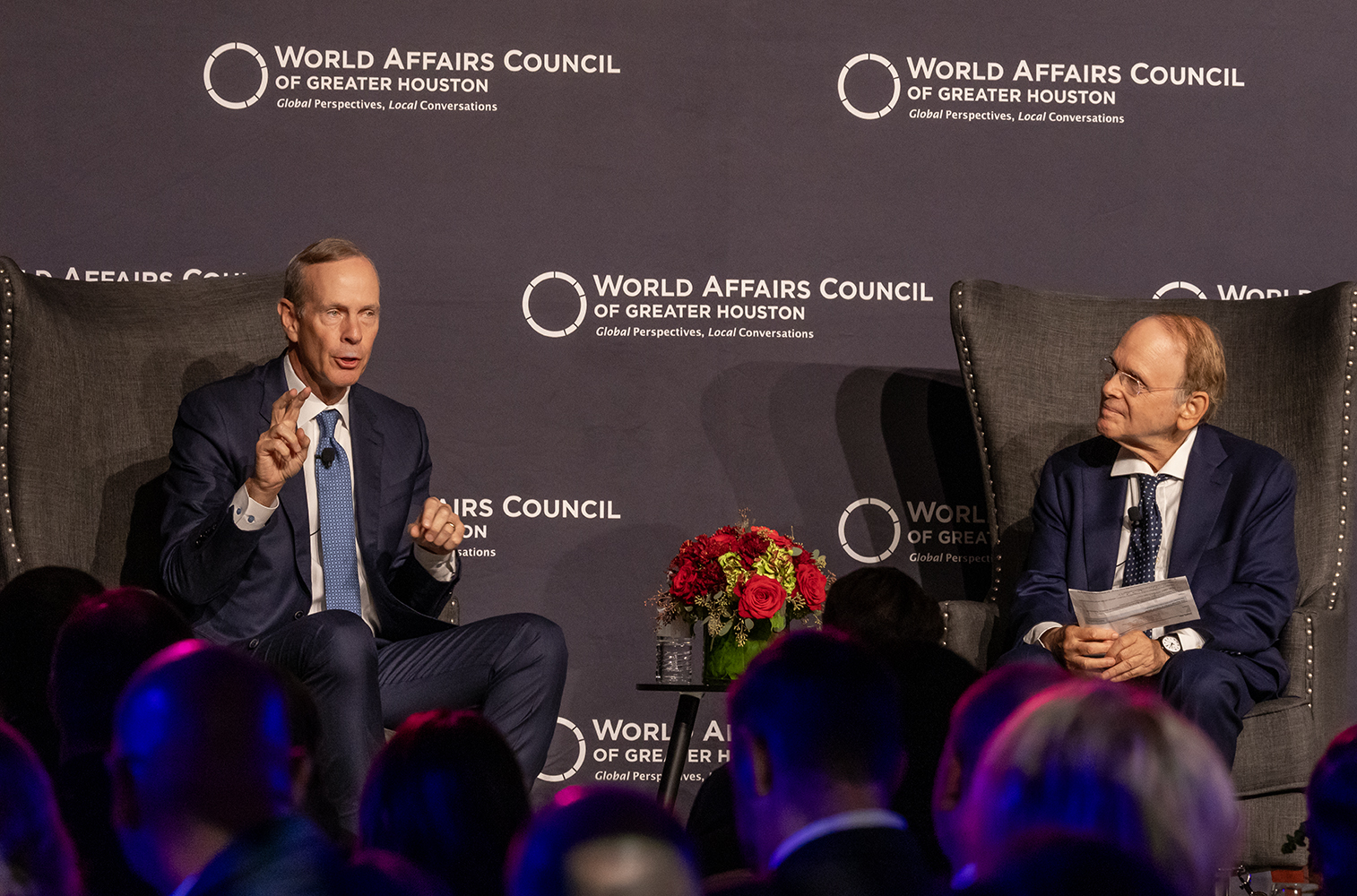
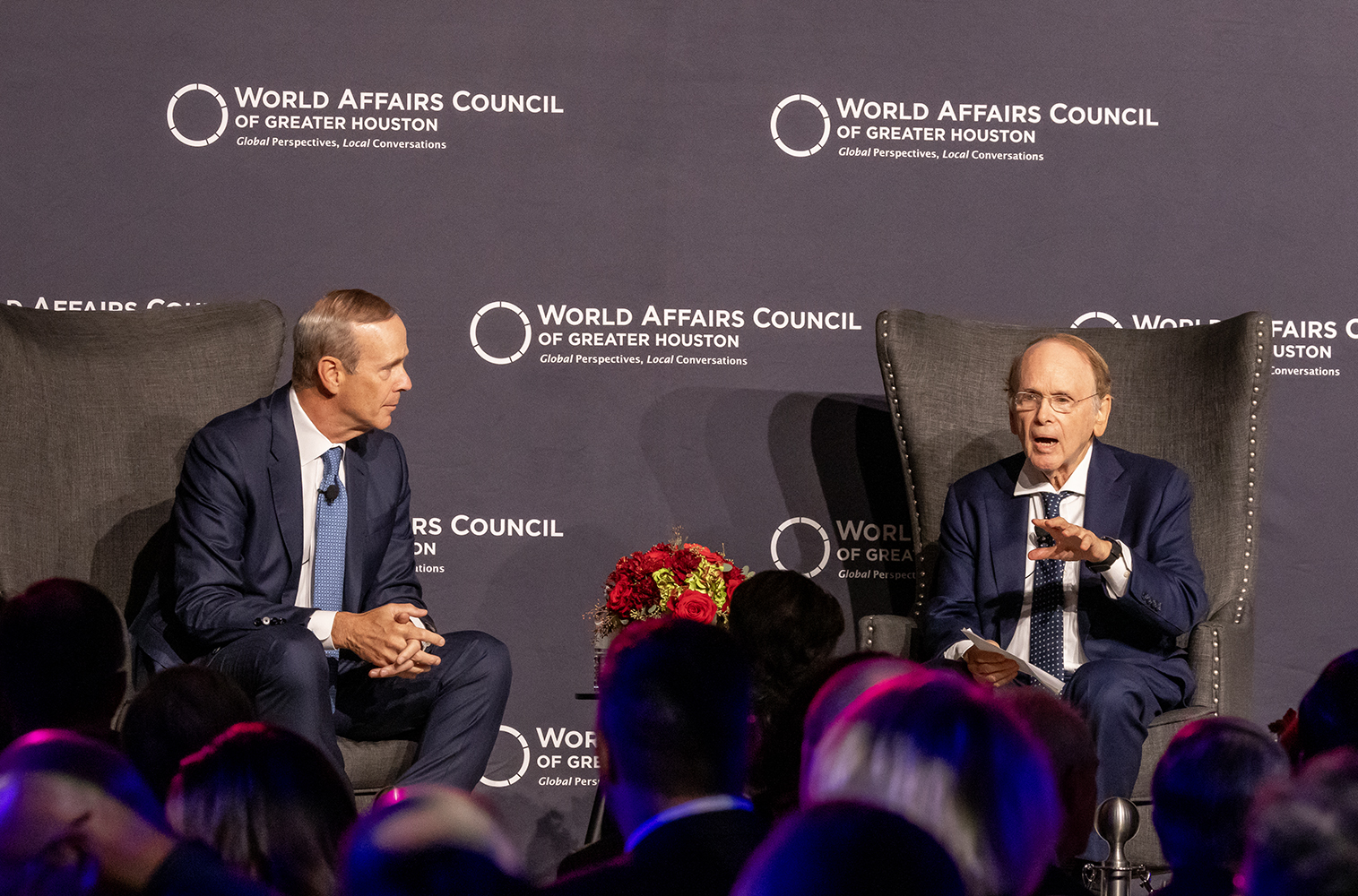
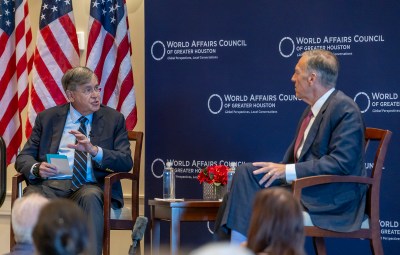
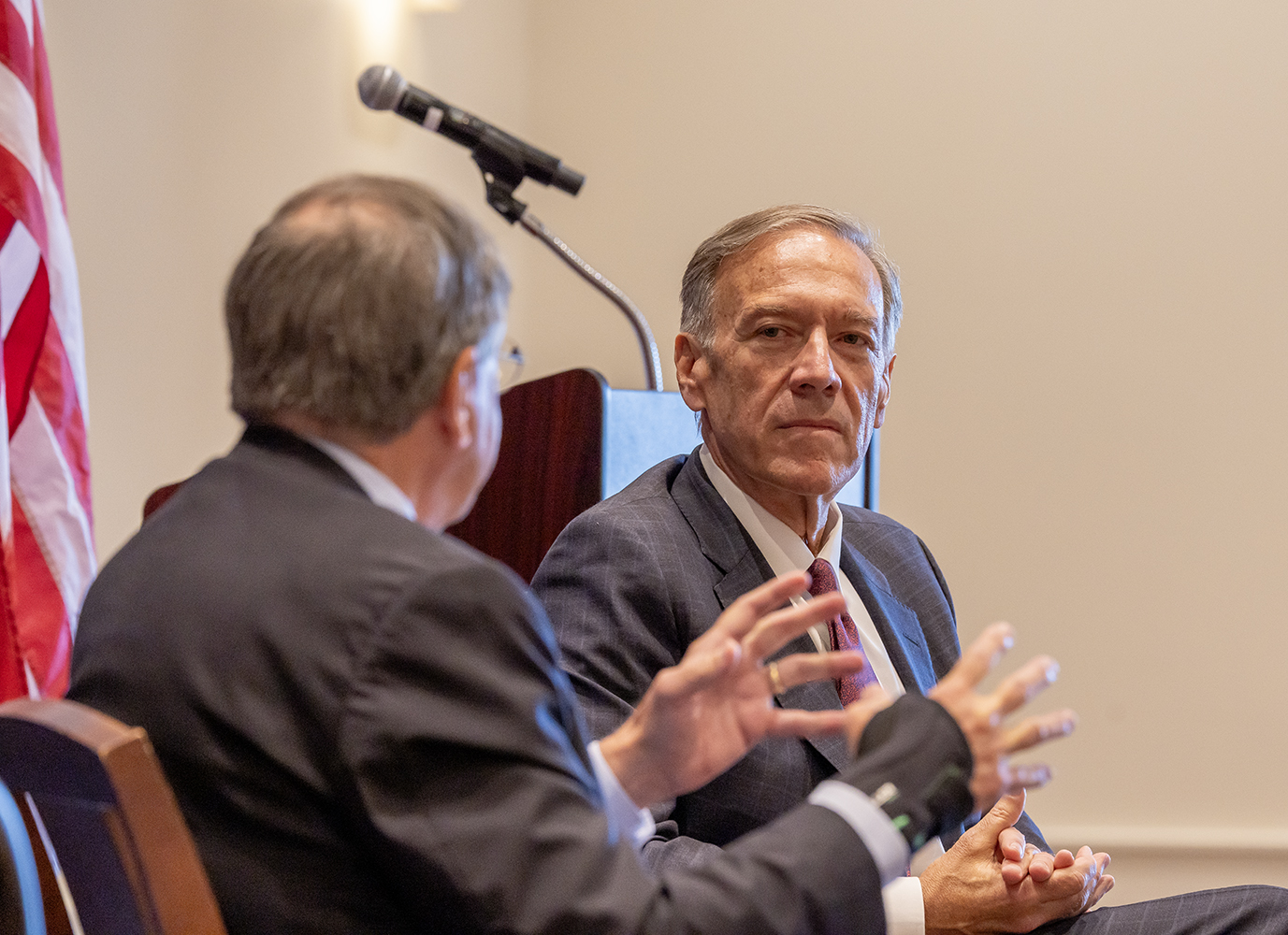
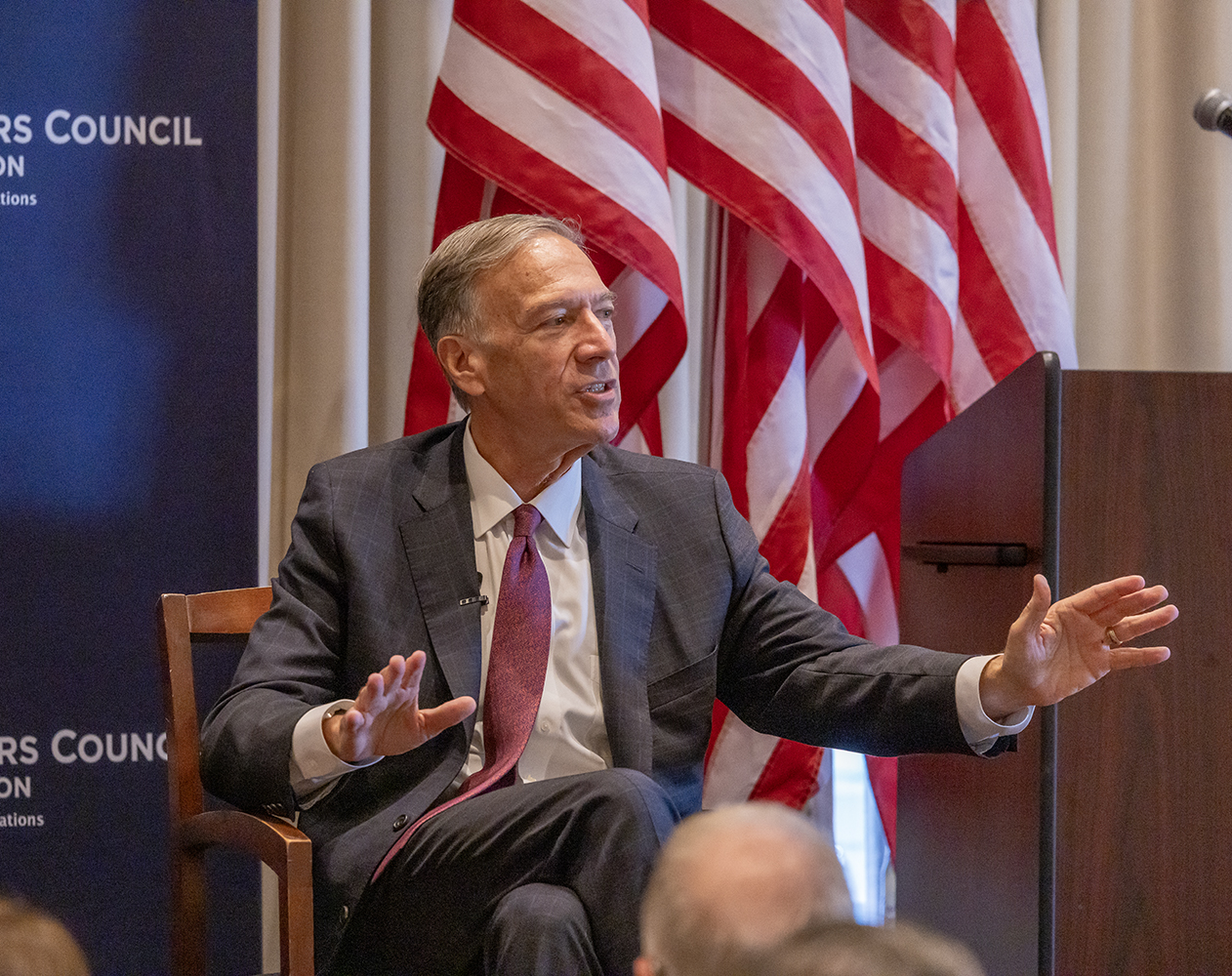
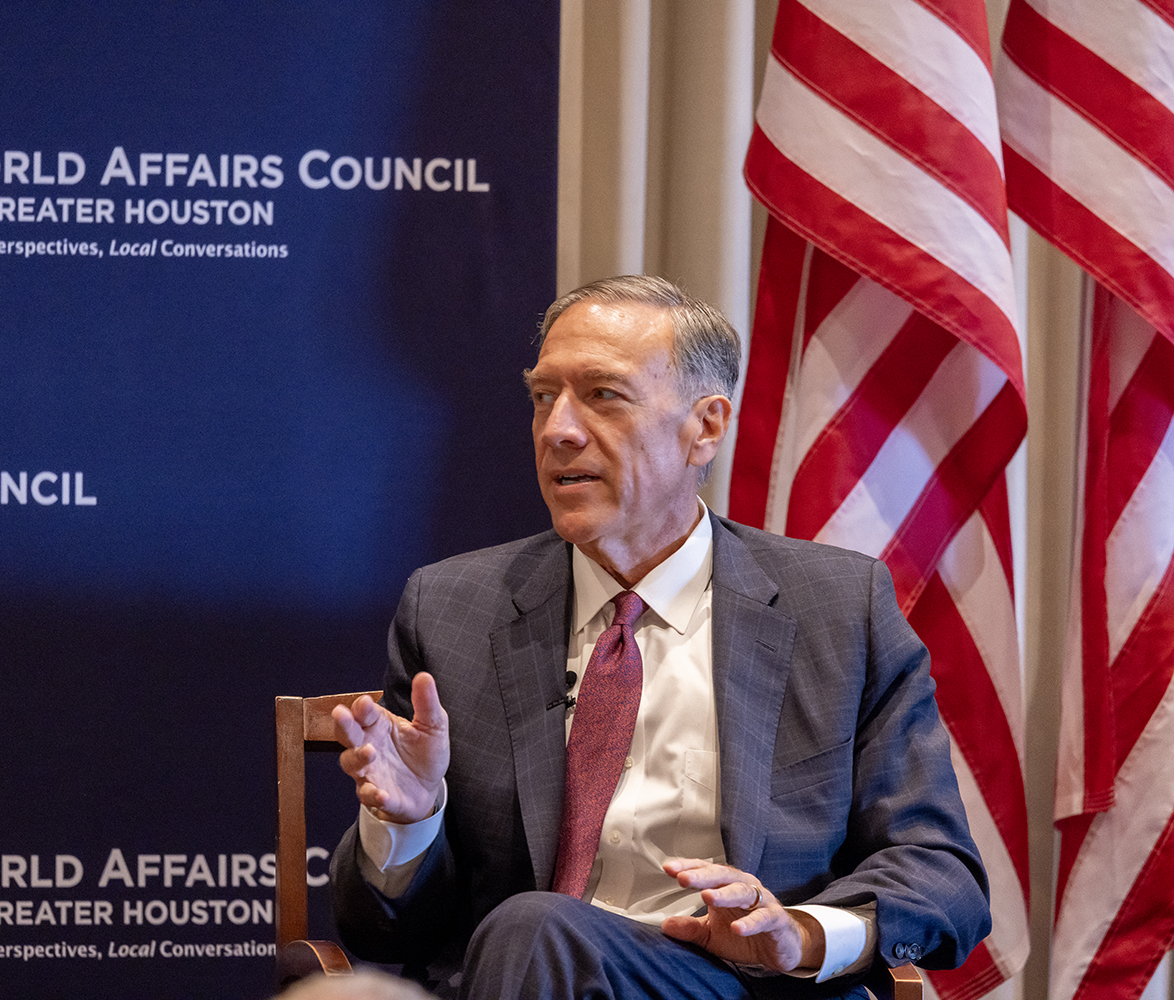
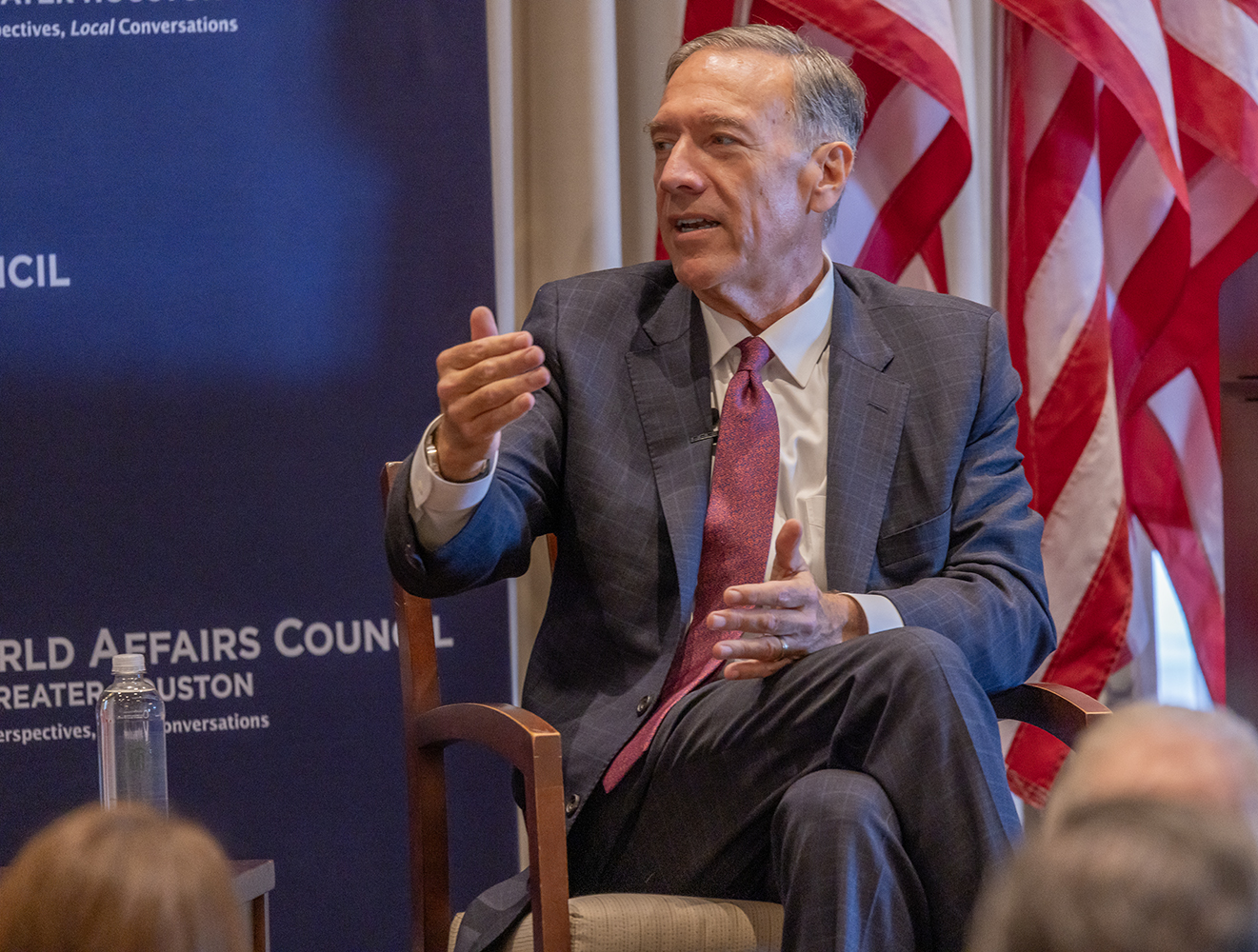
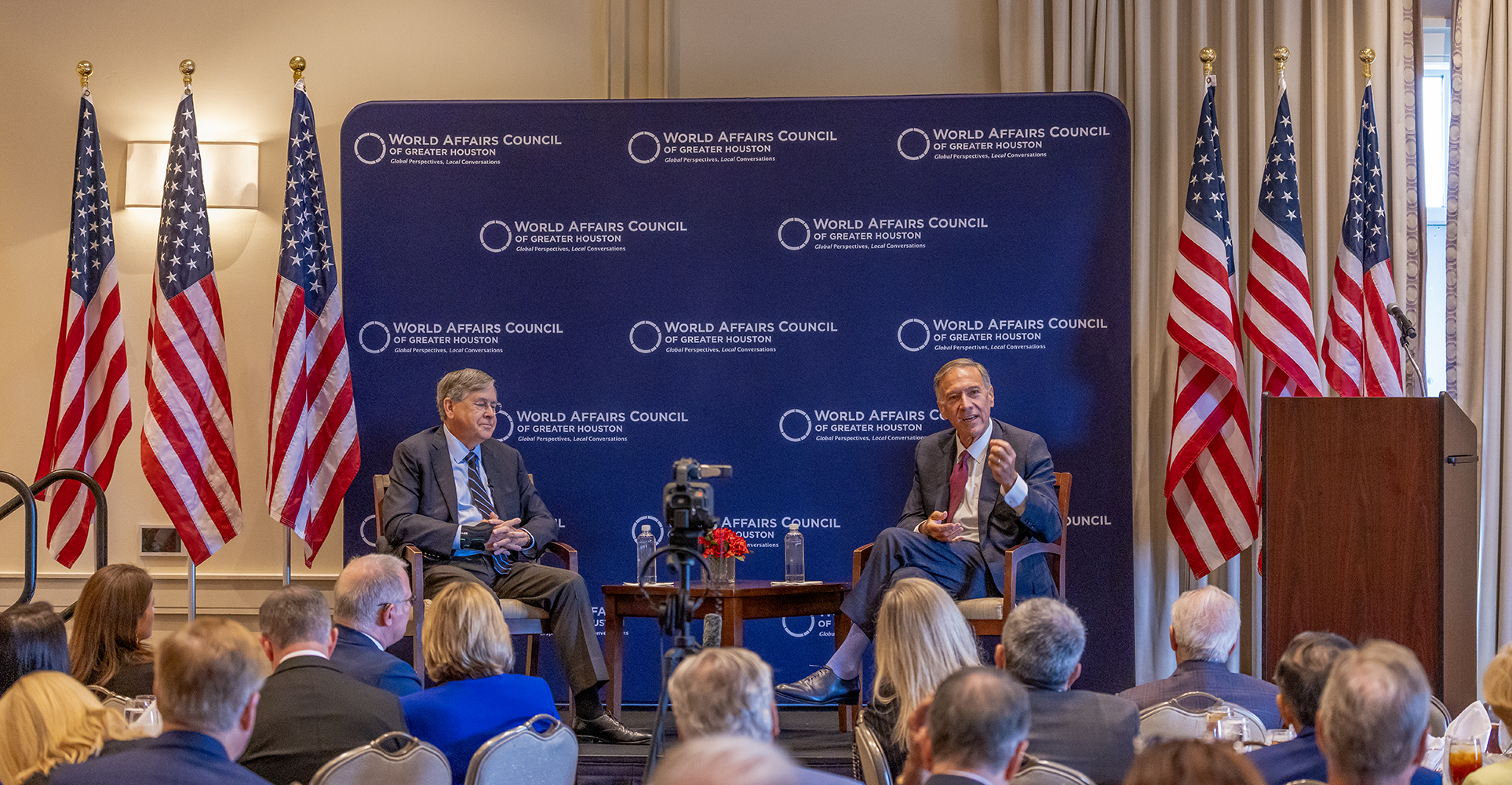
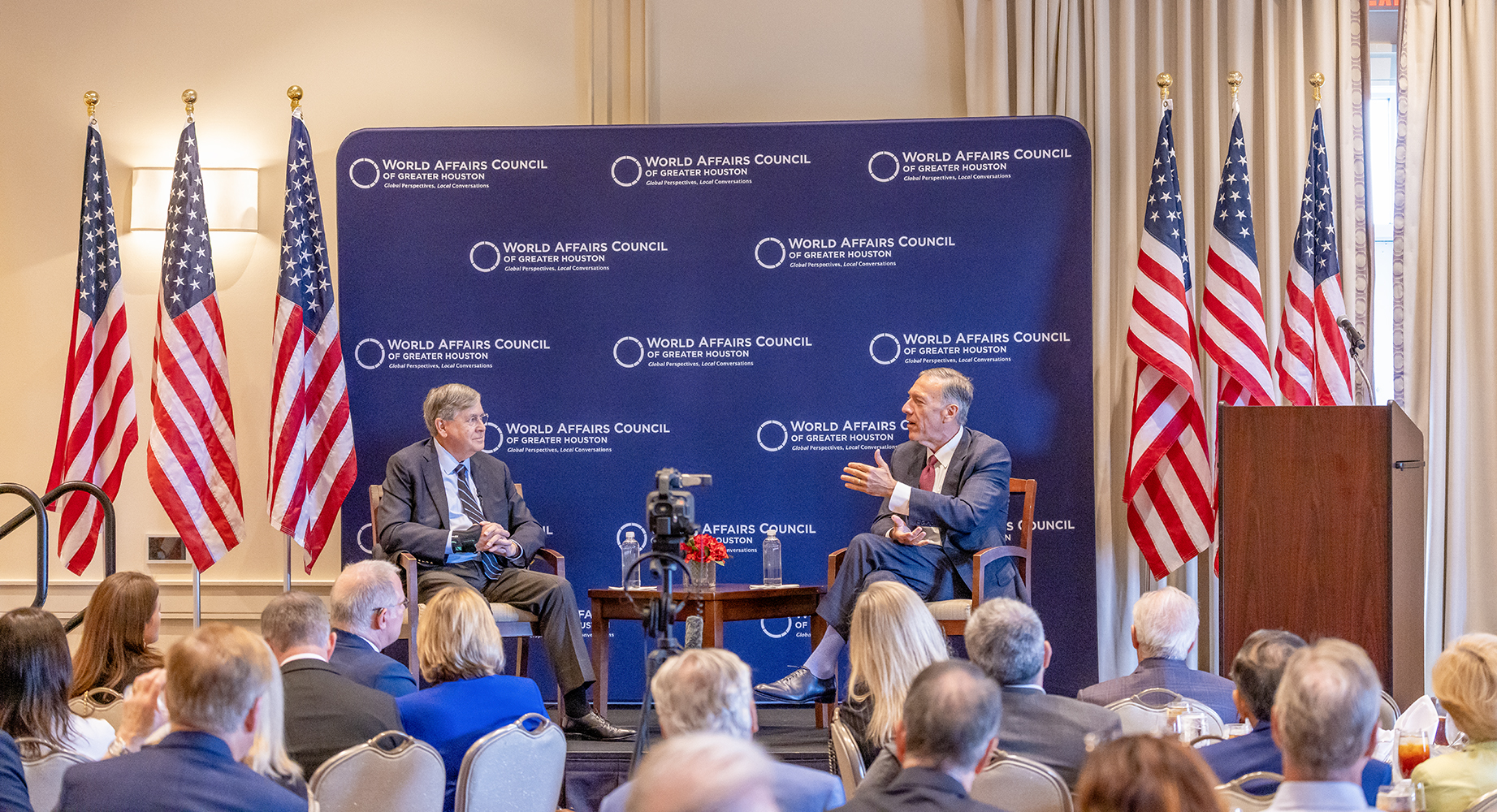
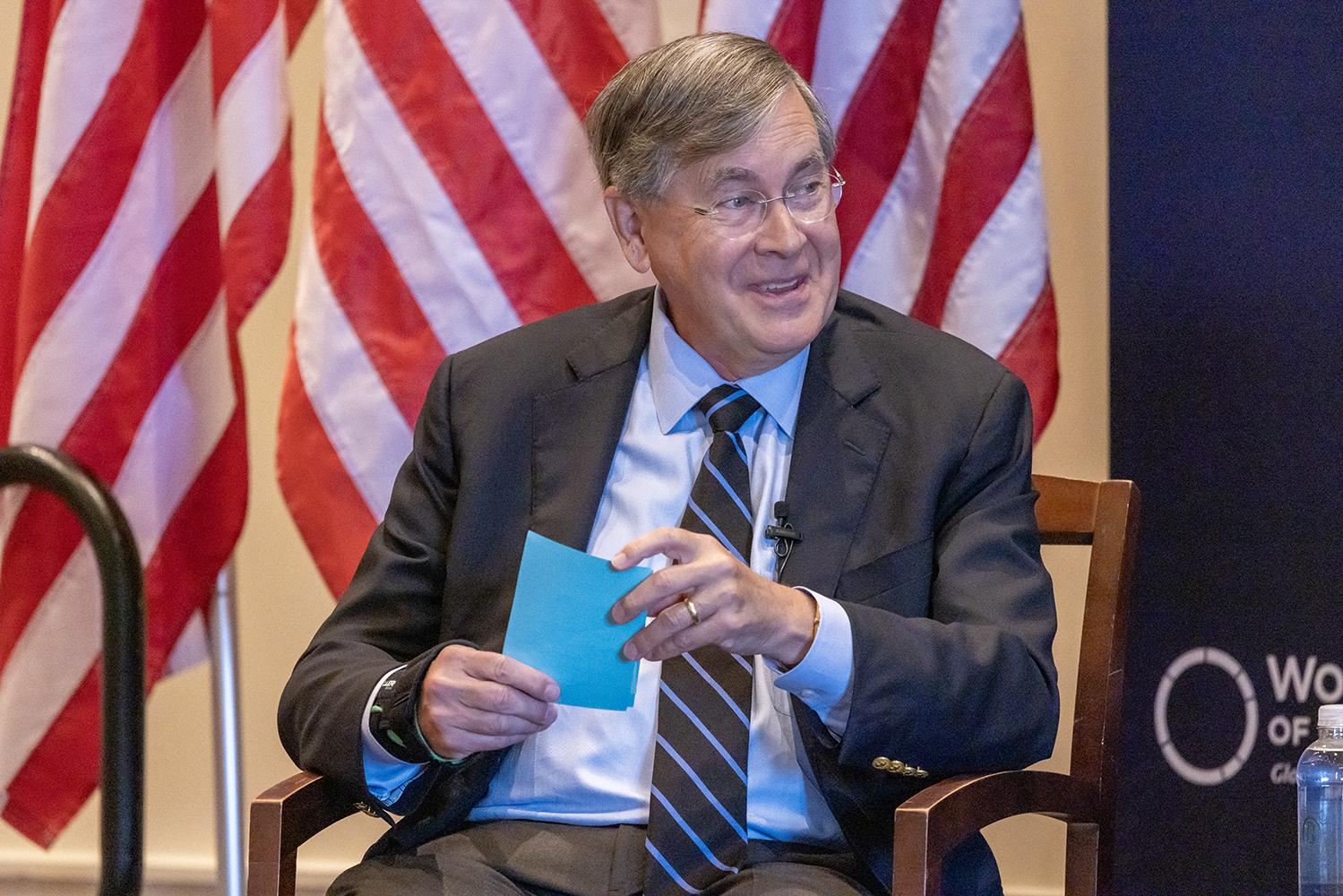
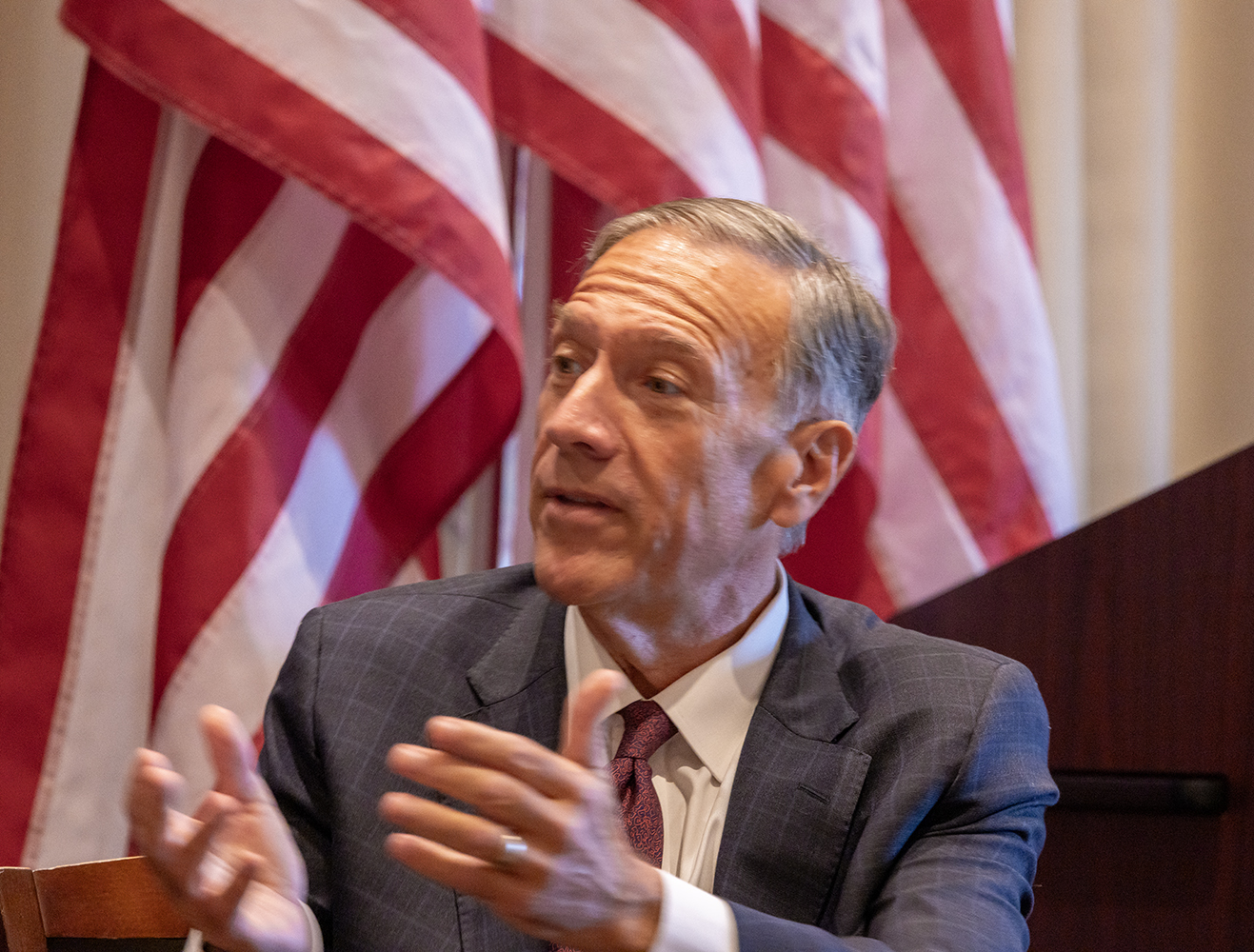
…and moderated by our good friend Ronan O’Malley, touched on a wide range of issues: foreign affairs with superpower nations, military missions and operations, the role of the media, and the importance of sharing information responsibly.

One of Admiral Kirby’s first reflections was on the difficulty of his role: explaining tough decisions to the American people. He emphasized that while he could not alter the facts or decisions already made, his responsibility was to provide clarity about why those decisions were in the nation’s best interest and how different choices might have carried heavier consequences.

On military matters, Admiral Kirby spoke about the Russia-Ukraine conflict, Afghanistan, and broader concerns about military culture. Regarding Russia, he explained how U.S. intelligence delayed some of Vladimir Putin’s plans and stressed the importance of declassifying information when possible. By making certain intelligence public, the U.S. can share insights with allies and citizens without compromising sources.

Reflecting on Afghanistan, he noted how the Vietnam War left a strained relationship between the press and the military. Later, steps were taken to rebuild trust, such as embedding reporters with platoons during the Bush administration. This gave journalists firsthand experience and allowed them to write more accurate, informed accounts for the American people.

Even with these improvements, Admiral Kirby expressed concern that military service is increasingly becoming “a family business,” passed down through generations. While traditions of service are admirable, he worries this could widen the divide between those who serve and the broader public. For him, bridging that gap remains essential.

A recurring theme throughout the evening was the power of stories and information. Admiral Kirby explained that every story matters, and sharing them connects the military to the people it serves. Stories, he said, keep the world turning.

The conversation then turned toward media and technology. Admiral Kirby noted that while the rapid spread of information makes misinformation difficult to contain, it also provides powerful opportunities when used correctly. He drew comparisons across history: President Kennedy mastering live television, Roosevelt using photography, and Lincoln embracing the telegraph. For today’s leaders, the revolutionizing force is technology and social media, and Admiral Kirby stressed the importance of adapting to it.

One of his most powerful points was that, regardless of political party, Americans ultimately want “information, not confirmation.” Rational decision-making, he reminded us, depends on honest, clear information.

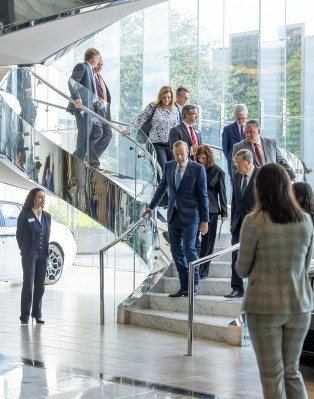
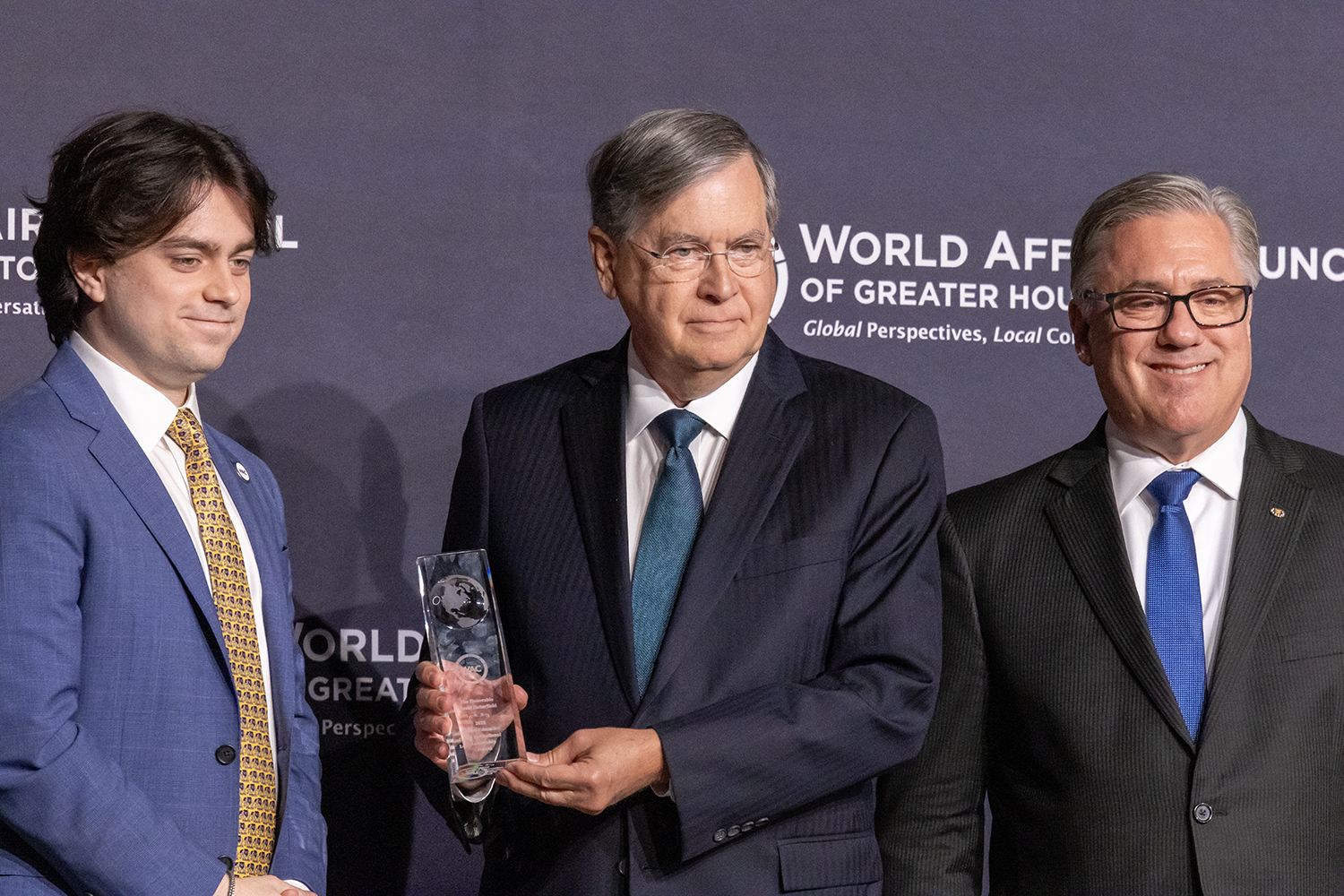
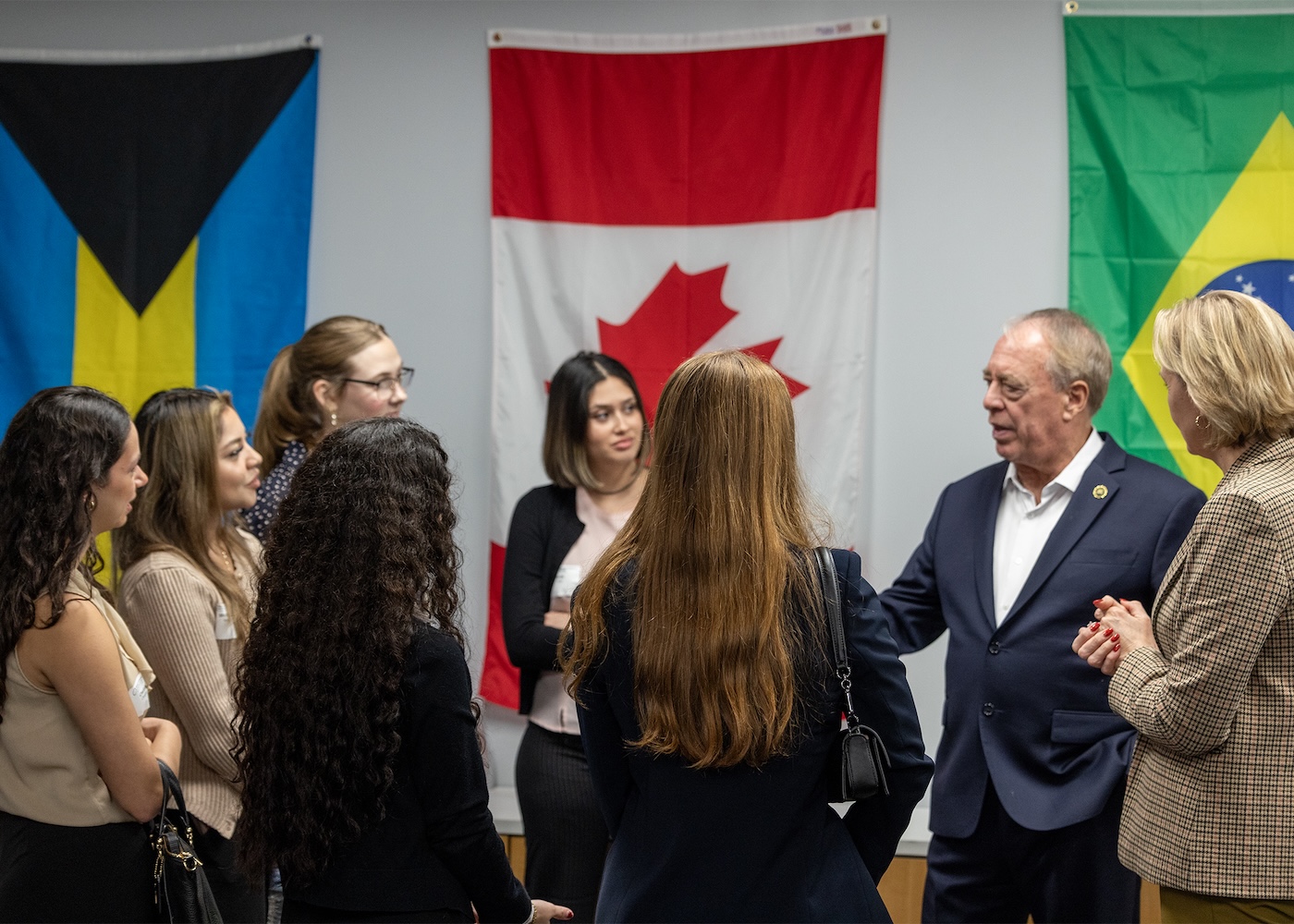
On a personal note, I had the chance to meet Admiral Kirby before the event. As we arranged for a group photo, he asked me about my studies and future goals. When I shared that I wanted to become an attorney and later involve myself in politics, he responded with a smile: “You’ve got it, go get ’em!” 

That moment reflected what made the entire evening so meaningful. Admiral Kirby has a rare ability to connect with people, whether addressing an audience of hundreds or speaking one-on-one. His insights were powerful, but it was his ability to inspire and make each person feel included in the conversation that left a lasting impression.

This event will remain one of my favorites from the World Affairs Council.

Unknown's avatarAuthor mikeyawnPosted on September 29, 2025Format AsideCategories Civic Engagement, Education, International Affirs, PoliticsTags Admiral John Kirby, Center for Law Engagement And Politics, LEAP Ambassadors, LEAP Center, Ronan O'Malley, Sam Houston State University, World Affairs Council HoustonLeave a comment on Bridging Military and Civilian Divides: Lessons from Admiral Kirby and the World Affairs Council

LEAPing into College: A Freshman’s Take on the LEAP Program

By Allison Plunk

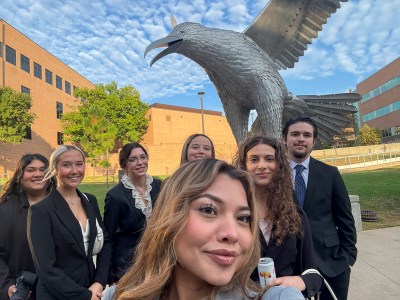
Being a part of the LEAP program isn’t just about preparing for a career in law –it’s about learning to see the world through a new lens. I came to understand this during a presentation in Professor Yawn’s UNIV 1101 Pre-Law class, where LEAP Ambassadors Olivia McCaughan and Michelle Moya outlined the program and highlighted the wide range of opportunities it offers.

Through LEAP, students gain access to experiences that prepare them for the future—ranging from civic engagement, like volunteering at the Main Street Program’s Scare on the Square (which I look forward to participating in this October), to hearing from special guest speakers, to interning in Washington, D.C., Austin, and local government. I was especially delighted to learn that LEAP is not limited to students pursuing law school, but is open to anyone interested in making a difference in their community through civic work. LEAP members don’t volunteer to meet a quota, but rather to get involved in ways that are meaningful, impactful, and connected to their communities.

My first-year experience has also been shaped by UNIV 1101, a pre-law course designed to introduce students to the field. Professor Yawn’s daily quizzes extend a vast array of subjects, from LSAT prep to Emotional Intelligence to LEAP Ambassadors Olivia Discon and Michelle Moya’s Parasailing trip. True to law school style, at the end of each short quiz, students are called on to announce their answers to the class! On a whole, Univ 1101 has proven to be a very detail-oriented class, reminding our group of prospective lawyers the importance of every detail, even those that seem menial.

This focus on preparation carried into another highlight of my week: attending my first Pre-Law Society meeting alongside several of my UNIV 1101 classmates. We learned about several prospective law schools, including the University of Houston Law Center, South Texas College of Law, and Texas Tech Law, directly from their admissions representatives. We even received Pre-Law Society t-shirts, signifying our official place in the program! I also had the chance to meet our organization’s leaders as they reviewed the agenda and introduced our guest speakers.

As Michelle Moya explained, the Pre-Law Society is just one branch of the broader LEAP program. I’m eager to explore each branch throughout my four years at Sam Houston, confident that every experience—whether in the classroom, the community, or beyond—will bring me closer to the leader and lawyer I aspire to be.

Olivia McCaughan, Allison Plunk, and Michelle Moya

Unknown's avatarAuthor mikeyawnPosted on September 25, 2025September 25, 2025Format AsideCategories Civic Engagement, Education, Law, UncategorizedTags Center for Law Engagement And Politics, dailyprompt, dailyprompt-2071, LEAP, LEAP Ambassadors, LEAP Center, Sam Houston State University, SHSULeave a comment on LEAPing into College: A Freshman’s Take on the LEAP Program

Outside the Classroom; Inside the CIA

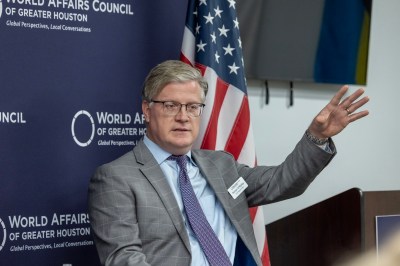
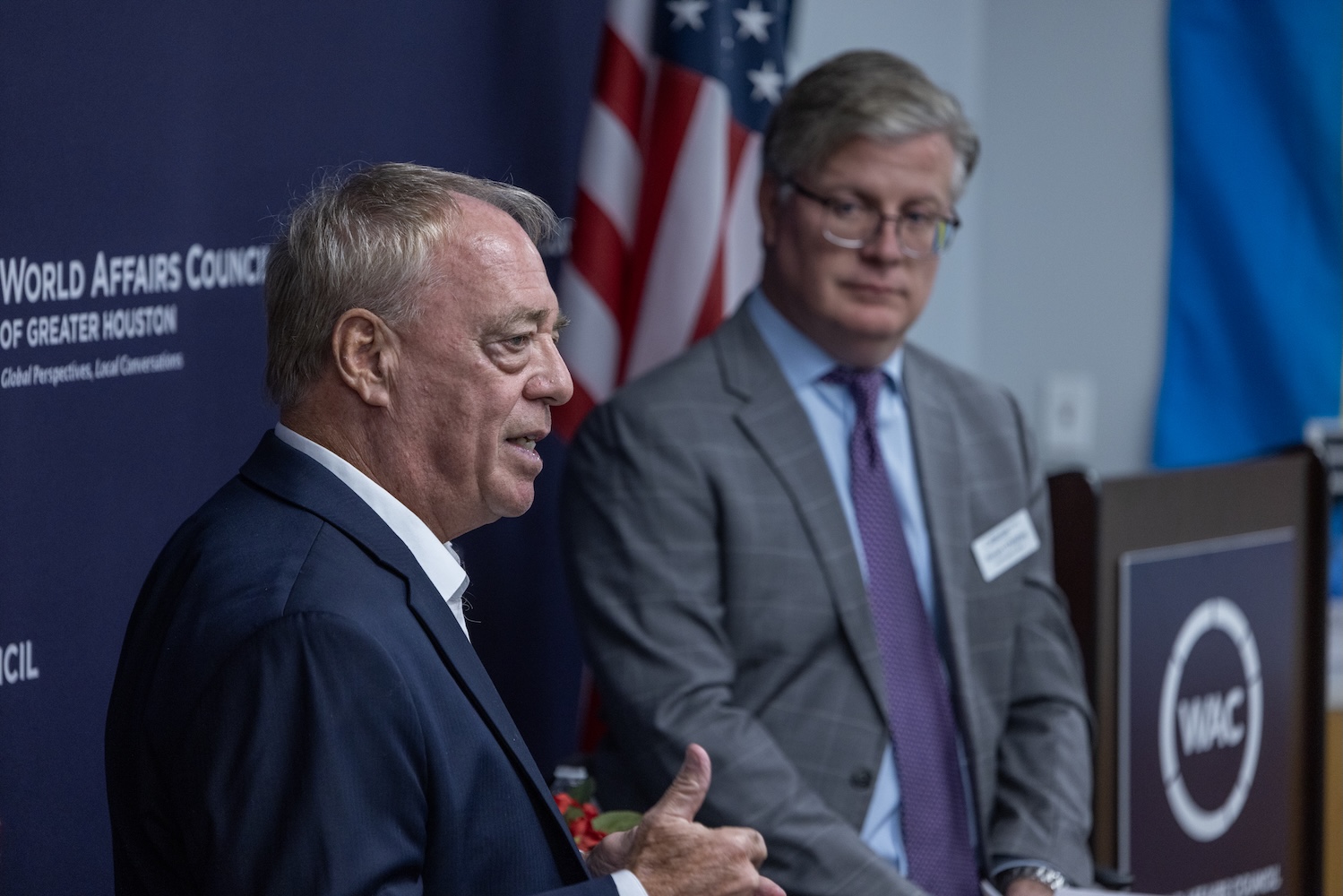
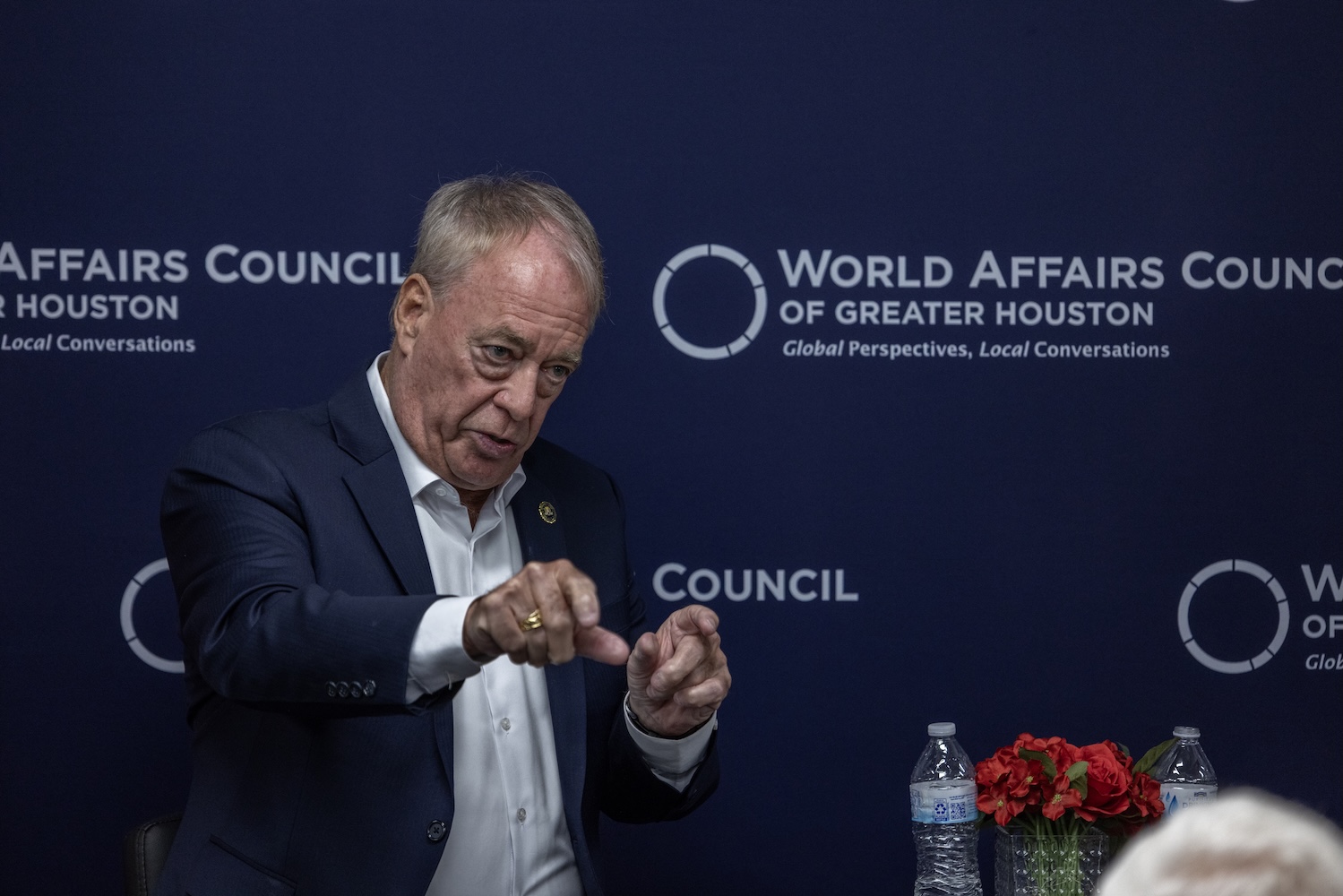
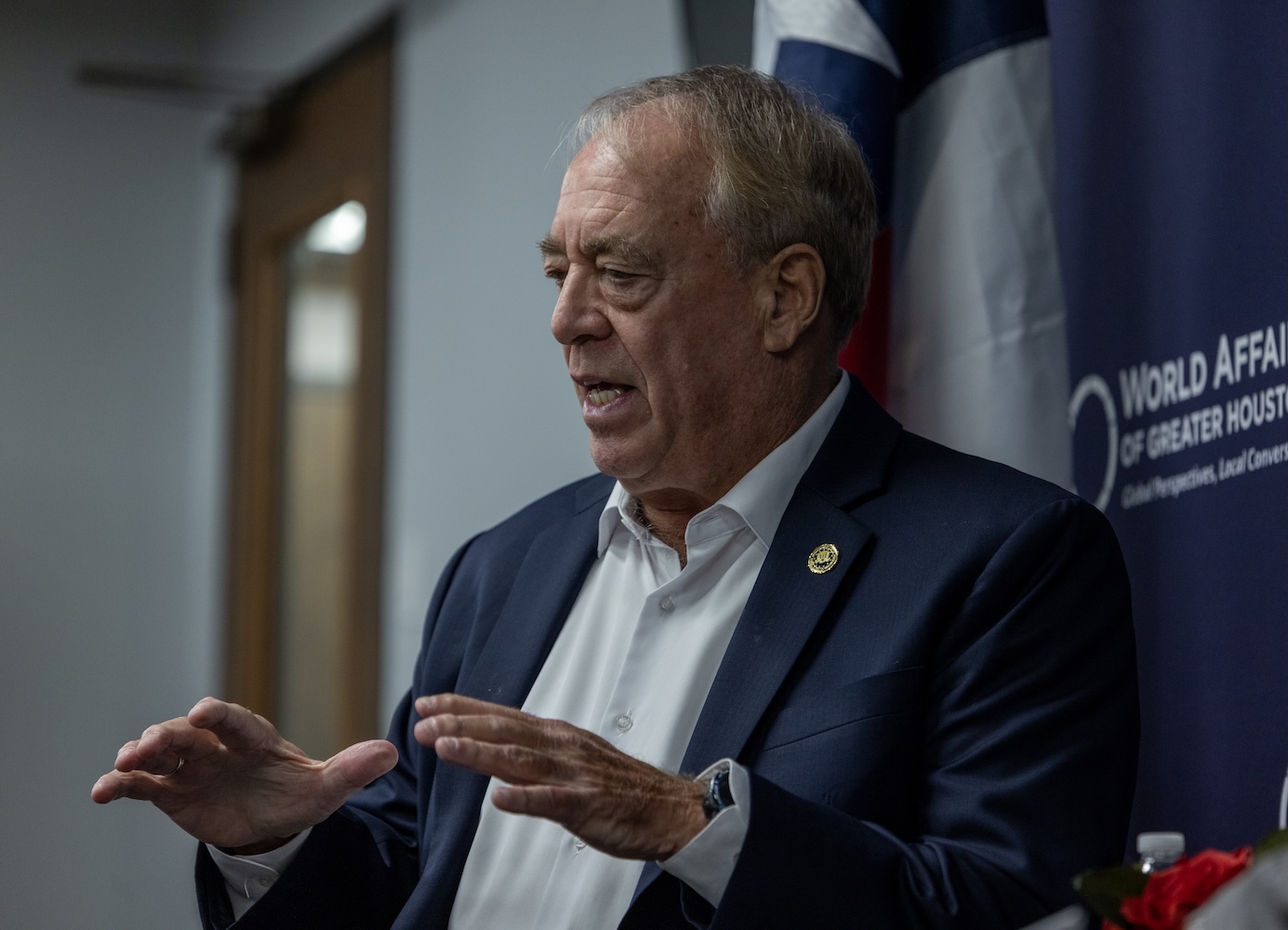
LEAP Ambassadors enjoy learning in the classroom, a fact made evident by a collective 3.81 GPA. But the special part of the program is the learning outside of the classroom, where we work to expand our professional networks, learn new information, and venture outside our comfort zones. Such outcomes were on full display at the World Affairs Council‘s “Inside the CIA” event featuring Michael Ard.

A former CIA Analyst now teaching international affairs at Johns Hopkins University, Ard took us on a far-ranging tour of the CIA and the world in a discussion facilitated by everyone’s favorite moderator, Ronan O’Malley.

The CIA oversees 11 centers and undertakes, according to Ard, four major activities:

  • Analysis
  • Collection
  • Covert Action
  • Counterintelligence

Obviously, these actions involve sensitive operations, and Ard noted that this can lead to conflict with the rest of the world, the Congress, and, most notably, the President. The President relies heavily on the CIA, and when operations do not go well, it can lead to negative consequences for the Chief Executive, which can, in turn, lead to strained relationships. Nixon, in particular, was distrustful, a fact punctuated by Ard, when he quoted Nixon: “What are those clowns in Langley doing? Reading the newspaper?”

But it wasn’t just Nixon: JFK felt burned after The Bay of Pigs disaster in Cuba; Congress was disillusioned during the Church Hearings in the 1970s, when many of the CIA’s activities came to light; and George W. Bush, according to Ard, was sorely disappointed in the CIA’s investigation into Weapons of Mass Destruction (WMD) in Iraq.

Speaking of which, during Q&A, the audience asked whether the Bush Administration put pressure on the CIA to find what it wanted to find: WMD. Ard said, “No.”

He encouraged the audience to read the Silberman-Robb report, noting that the biggest problem in Iraq was that Hussein wanted some countries (his regional enemies) to believe he had WMD, and he wanted us to believe he didn’t. This caused him to act with much furtiveness, which was then interpreted as guilty behavior. It wasn’t correct, he noted, but it was a reasonable conclusion.

Ard was also asked whether any movies get the CIA right. The former analyst noted he doesn’t watch a lot of movies, and he was generally dismissive (“they’re movies”), but he noted that “Argo” had the right feel, and “The Sum of All Fears” captured some of the banter among analysts.

Following the event, Dr. Ard put on his professorial hat, and spoke to us as students for a while.

Even as he noted the challenges associated with recent budget cuts, he was encouraging, prompting us to dream big, take opportunities, and to be assertive in putting our goals into action.

Unknown's avatarAuthor mikeyawnPosted on September 19, 2025September 19, 2025Format AsideCategories Civic Engagement, Criminal Justice, International Affairs, Law, Public AdministrationTags Center for Law Engagement And Politics, Central Intelligence Agency, CIA, LEAP Ambassadors, Michael Ard, Sam Houston State University, World Affairs Council HoustonLeave a comment on Outside the Classroom; Inside the CIA

Next Stop, Italy! World Affairs Council’s Culinary Passport Series

by Jacob Wessels

LEAP students added another country to its World Affairs Council culinary passport: Italy. While Italy is most known for pizzas, pastas and their ketchup-despising attitude, it is also known as the wine capital of the world. We learned more about wine and its profound impact on people’s lives.

In true European fashion, there was plenty of snacking to be had, rather than a full-course meal. A variety of cheeses and meats ensued, and we spent time conversing in the beautiful Italian Cultural and Community Center.

The speaker for the evening, Ferdinando Favara, has grown up appreciating this aspect of Italian culture his whole life. His family, who has longstanding roots in the wine industry, have a vineyard in Sicily–which we came to learn is on the up-and-up in terms of regional “quality”. Favara helped his grandmother in the wine fields starting at just 14 years old.

Ferdinando spoke about how wine helps to bring people together. His “philosophy”, so to speak, is that wine creates stories, keeps stories alive, and connects people in a vital way. While LEAP students didn’t personally indulge in any wine tasting, it was fun to partake in the storytelling and learn about the many intricacies that come with a high-quality experience. Much like the efforts of the LEAP Center!

He also talked about the deep history of wine which started 3,000 years ago in Sicily. Sicily, which is the largest island in the Mediterranean, uses a terrace-type farming technique. It uses this form of farming because it has the largest active volcano in Europe! Our discussion then traveled to Piemonte, once the land of the King of Italy. While on the verbal excursion, we learned the king entrusted his vineyard to one of his servants (who was rumored to be one of his lovers!), a legacy that lives on today. This region is home to one of the oldest vineyards in all of Italy.

LEAP students truly appreciated attending another World Affairs Council program which has helped broaden our understanding of the world around us. While we didn’t engage in the wine component of the evening, we definitely appreciated Italy’s culture, history and significance in the wine industry. 

Unknown's avatarAuthor mikeyawnPosted on September 12, 2025Format AsideCategories Civic Engagement, Food, TravelTags Center for Law Engagement And Politics, Ferdinando Favara, Italy, LEAP, LEAP Ambassadors, LEAP Center, Pre-Law Society, SHSU, World Affairs Council HoustonLeave a comment on Next Stop, Italy! World Affairs Council’s Culinary Passport Series

Community Celebration of Henderson Yoakum’s Legacy in Huntsville

Community leaders help preserve history, and today, members of the Sons of the Republic of Texas, Henderson Yoakum Chapter, gathered at Oakwood Cemetery in Huntsville to honor the birthday and legacy of Henderson Yoakum. The ceremony featured remarks from Tom Rogers of the Walker County Historical Commission, Mac Woodward, a descendant of Yoakum, event organizer Donna Coffen, and historian Dr. Caroline Crimm in front of an audience of 30-40 community members, descendants, and others interested in Texas history.

Born in Tennessee in 1810, Henderson King Yoakum graduated from West Point in 1832 before pursuing law and politics in Murfreesboro, serving as mayor (1837) and in the Tennessee Senate (1839–45), where he advocated for Texas annexation. After relocating to Huntsville, Texas, in 1845, he established his legal career, helped make Huntsville the county seat, served as penitentiary director, and drafted Austin College’s charter, serving as its trustee (1849–56). In 1855, he authored a landmark two‑volume History of Texas covering its first settlement through annexation.

The ceremony went through these accomplishments and others, with Mac Woodward highlighting some of Yoakum’s descendants…

…Dr. Crimm providing a context for Yoakum’s accomplishments and today’s ceremony…

…and Tom Rogers and Donna Coffen illustrating the work done by the Walker County Historical Commission.

The event served as a needed reminder of Henderson Yoakum’s contributions to both local and state history, while also providing a community gathering for those who preserve Huntsville’s rich legacy.

Unknown's avatarAuthor mikeyawnPosted on September 6, 2025Format AsideCategories Civic Engagement, HistoryTags Center for Law Engagement And Politics, Henderson Yoakum, LEAP Ambassadors, Sam Houston State University, Sons of the Texas Republic, Walker County Historical CommissionLeave a comment on Community Celebration of Henderson Yoakum’s Legacy in Huntsville

Icons and Innovation: Exploring American Art and Architecture

Introduction
Our trip through New England and New York was as much a journey through art and history as it was through towns and landscapes. We ended the day in the capitol (Albany) of one of the largest states in the Union, but we began it in the Rockwellian cottage of Stockbridge, MA–the home town of Norman Rockwell.

LEAP Ambassadors at City Hall

Norman Rockwell Museum

By Michelle Moya

For our first stop in Stockbridge, we visited the Norman Rockwell Museum. Before the trip, I had watched a documentary on Rockwell’s life and career, which gave me a deeper appreciation for what we were about to see. It traced his progression from lighthearted Saturday Evening Post covers to later works that confronted civil rights and human rights, and it gave me a better foundation for understanding the galleries.

The museum’s collection highlights Rockwell’s most iconic pieces, including the Four Freedoms series. Inspired by Franklin D. Roosevelt’s 1941 speech, these four paintings—Freedom of Speech, Freedom from Want, Freedom to Worship, and Freedom from Fear—remain some of his most recognizable works. Each takes a sweeping political idea and places it in the context of everyday life.

Freedom of Speech shows an ordinary man rising to speak at a town meeting, who appears to have a modest jacket and steady expression. Freedom from Want was Olivia’s favorite: the Thanksgiving turkey at the center of the table, family gathered in warmth and abundance. Freedom to Worship and Freedom from Fear are quieter but equally moving, offering a reminder of how Rockwell could find dignity in ordinary moments.

My own favorite was Main Street, Stockbridge at Christmas, Rockwell’s portrait of his hometown blanketed in snow and glowing with holiday lights. It is a beautiful painting, and as someone who loves Christmas, I couldn’t help but imagine what it would be like to actually visit Stockbridge during the season. It captures Rockwell at his most nostalgic, and it made me want to see the town in person during my favorite holiday.

Some of Rockwell’s later and more serious work also stood out. The Problem We All Live With, sometimes called his “Board of Education” painting, shows six-year-old Ruby Bridges walking to school, escorted by U.S. Marshals. The white wall behind her, scrawled with a racial slur and marked by a thrown tomato, makes the scene even more striking.

There were lighter touches as well. The museum includes some of Rockwell’s early commercial work, such as advertisements for Edison Mazda Lamps published in The Saturday Evening Post. These remind visitors that Rockwell was as much an illustrator as a painter, and that his storytelling instincts carried across everything he created.

A special highlight was the I Spy exhibition by Walter Wick, whose intricate dioramas and search-and-find photographs were a fun, interactive touch for children and adults. The exhibit encouraged visitors to slow down and look closely, much like Rockwell’s paintings.

It was interesting to see how the Norman Rockwell Museum fully captures the range of his career. In one place, you can see the playful, the iconic, and the deeply serious. Between Olivia’s favorite “Freedom from Want” and my own liking to “Main Street, Stockbridge at Christmas,” it was clear how Rockwell continues to connect with people in different ways.

Mass MoCA

by Olivia Discon

Our final (pure) art stop of the trip was Mass MoCA (Massachusetts Museum of Contemporary Art), a museum housed in a former industrial complex that has been repurposed into one of the largest centers for contemporary art in the country.

The building itself is a bit of a maze (ed. note: she got lost), but that only added to the fun of exploring it.

We started with James Turrell’s Roden Crater-inspired exhibit, which featured several surreal experiences centered on light and perception. One room, completely blacked out, challenged visitors to sit in total darkness for 15 minutes. While Professor Yawn and Stephanie lasted the full time, Moya and I called it quits after approximately eight minutes. In the silence, I started to see faint colors—likely just the brain reacting like when you rub your eyes too hard—but still interesting.

Other Turrell works played with color and depth perception.

One installation allowed us to walk into what looked like a glowing square of color—an endless void of pinks, greens, and yellows.

We also stepped into one of his classic Skyspaces, where the ceiling frames the sky in a way that turns shifting clouds and colors into living art.

Beyond Turrell, the museum offered much more. Louise Bourgeois’s exhibit was a highlight for me, especially her piece Entangled, which captured so much emotion through abstract form.

Sol LeWitt’s sprawling wall drawings filled a labyrinthine gallery with bold patterns in both black-and-white and vibrant colors.

We even wandered into a “music room” filled with instruments past their prime—though that didn’t stop us from making enough noise to temporarily damage our own hearing.

Mass MoCA was a perfect way to end the art portion of our trip: immersive, challenging, and just plain fun.

New York State Capitol

by Olivia Discon

For our final state of the trip, we made our way up to New York. Driving past the Hudson River on the way into Albany felt especially fitting, since the river inspired the Hudson River School painters and many transcendentalist writers, both of which we’ve touched on during this trip.

Our last stop was the New York State Capitol, one of only nine state capitols without a dome. Built over more than three decades and designed by multiple architects, the building makes up for its lack of dome with incredible stonework and elaborate detail. The grand staircase was particularly striking, lit by lamps with exposed bulbs, a symbol of modernity in its time.
Although the House and Senate chambers were closed, we managed to peek through the glass doors. The stained glass in the Assembly chamber stood out as especially beautiful, making it one of my favorite legislative chambers we’ve seen so far. The Capitol also houses the Hall of Governors, a portrait gallery of past governors—including four who went on to serve as U.S. presidents.
Art is woven throughout the building as well. We saw numerous New York landscapes and scenes…

…along with modern sculptures outside in the Empire State Plaza. Among the recognizable artists were George Rickey, Alexander Calder…

Claes Oldenburg…. 

…and Ellsworth Kelly.

The New York State Capitol was a wonderful conclusion to our trip. Between the history, the architecture, and the art, it was a reminder of how much one place can tell us about both state and national identity.

Concluding Thoughts

Taken together, the Norman Rockwell Museum, Mass MoCA, and the New York State Capitol highlighted the remarkable range of American creativity and civic expression.

Rockwell’s art reminded us of the power of storytelling in everyday life, while Mass MoCA challenged us to step outside the familiar and embrace new ways of seeing.

The New York State Capitol, with its blend of politics, history, and art, grounded the trip in the institutions that shape public life.

Each stop added its own layer to our journey, leaving us with a deeper appreciation for how art and architecture reflect the spirit of their time—and continue to inspire today.

Unknown's avatarAuthor mikeyawnPosted on September 2, 2025Format AsideCategories Architecture, Art, Civic Engagement, Civil Rights, Law, TravelTags Alexander Calder, Center for Law Engagement And Politics, James Turrell, LEAP Ambassadors, MASS MOCA, New York Capitol Plaza, New York State Capitol, Norman Rockwell Museum, Sam Houston State UniversityLeave a comment on Icons and Innovation: Exploring American Art and Architecture

Posts pagination

Previous page Page 1 … Page 9 Page 10 Page 11 … Page 110 Next page

LEAP Ambassadors Are Involved!

This slideshow requires JavaScript.

Follow Us On Facebook!

Follow Us On Facebook!

Catch Up With Us

  • Growing Knowledge—and Community—in Week Three of LEAP’s Citizenship Preparatory Class September 20, 2026
  • City Proclaims “Citizenship Preparatory Day” September 18, 2026
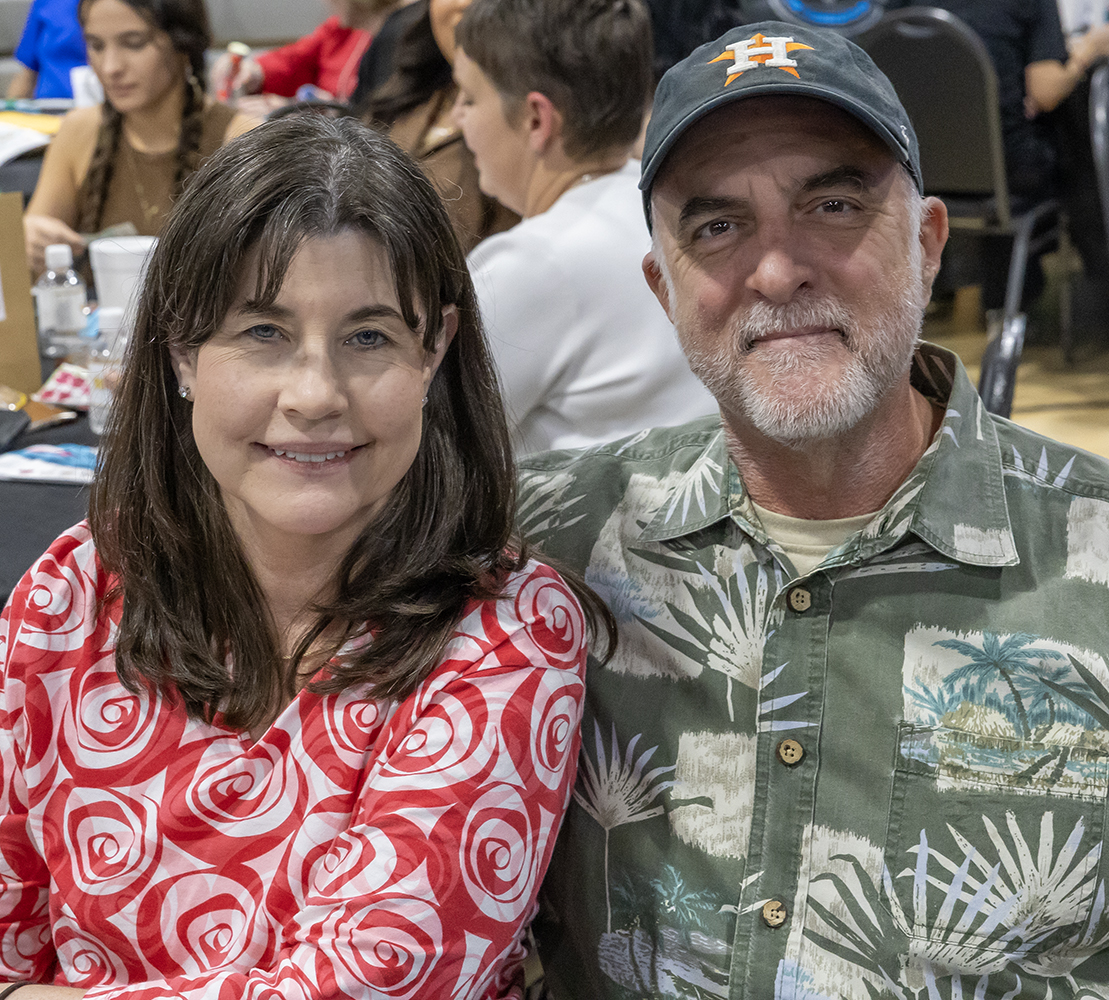
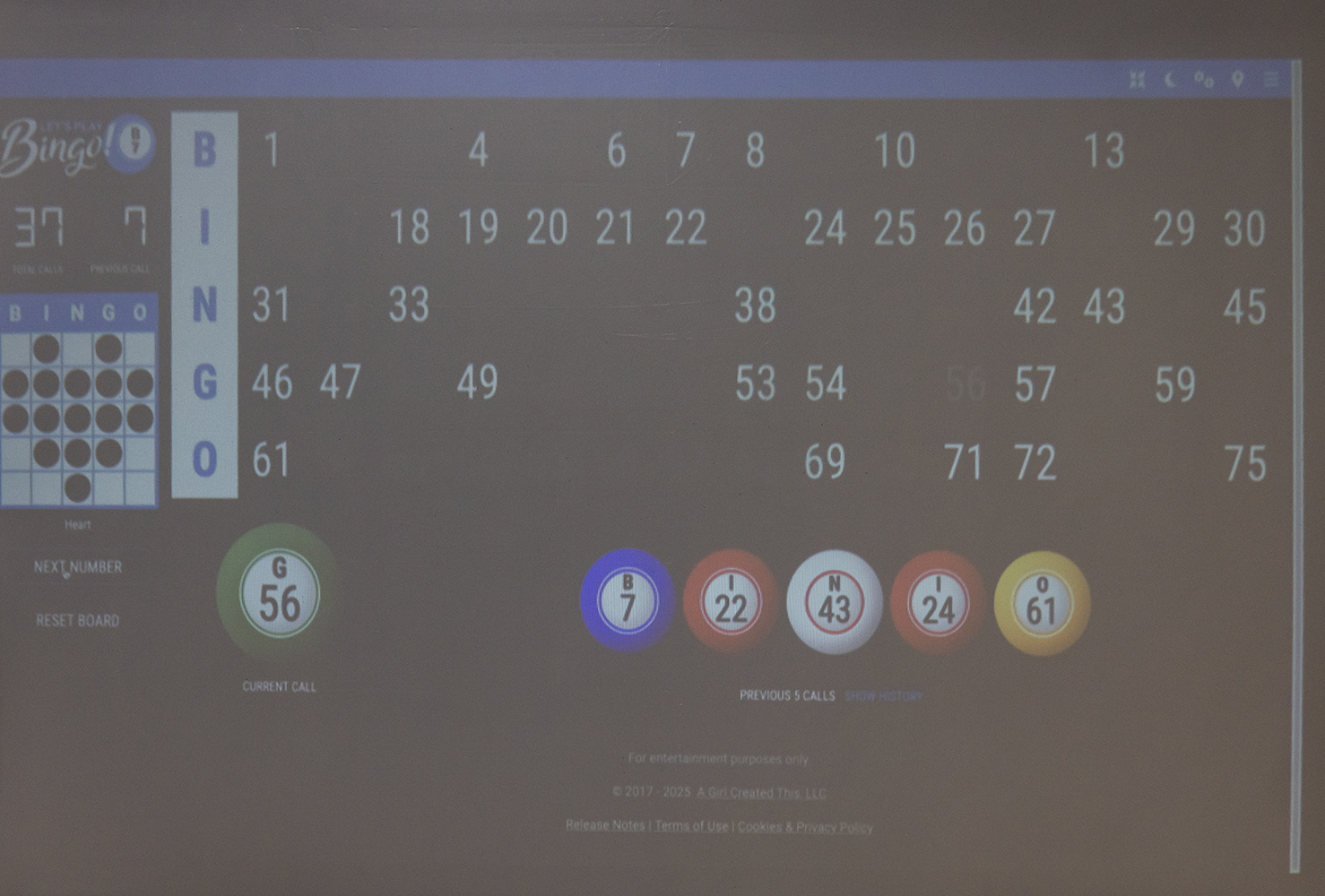
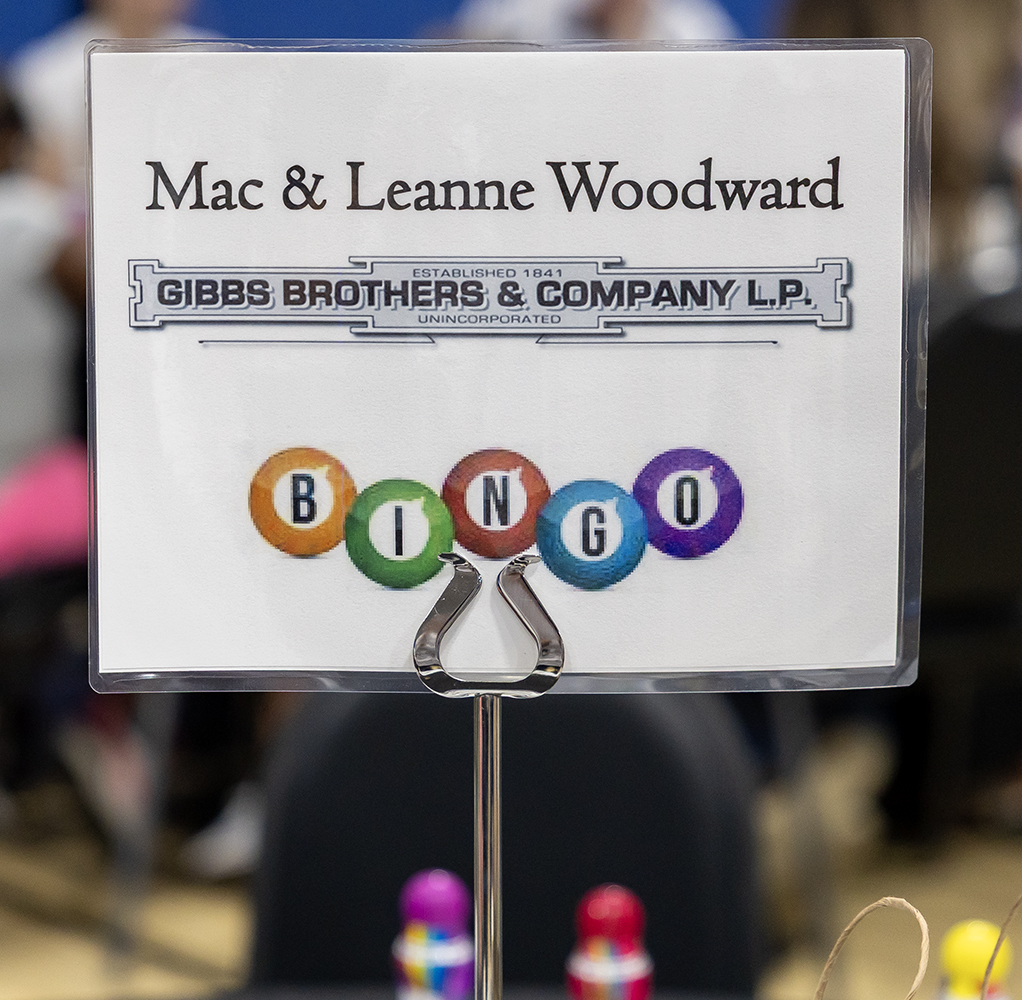
  • From Bingo Wins to Rock Day: A LEAP Visit to the Senior Center September 15, 2026
  • Lessons from 9/11: Insights from FBI Agent Christopher Combs September 14, 2026
  • Building Knowledge and Community One Class at a Time September 13, 2026

Join The Conversation!

Bob Orkand's avatarBob Orkand on Learning from Best in the West…
Linda McKenzie's avatarLinda McKenzie on There is never a dull moment a…
Multi-Platform Media… on Fun and Flavor: Chilly at the…
Highlights from the… on Glazing-A-Trail with Lauren…
The Civic Leadership… on Foundational Activities of the…

Find Previous Posts

We also have Twitter!

My Tweets

LEAPing Into LEARNing

This slideshow requires JavaScript.

  • About LEAP
  • LEAP Ambassadors
Center for Law, Engagement, and Politics Blog at WordPress.com.
  • Subscribe Subscribed
    • Center for Law, Engagement, and Politics
    • Join 482 other subscribers
    • Already have a WordPress.com account? Log in now.
    • Center for Law, Engagement, and Politics
    • Subscribe Subscribed
    • Sign up
    • Log in
    • Report this content
    • View site in Reader
    • Manage subscriptions
    • Collapse this bar
Loading Comments...