Written by: Robin Houghton, Jacob Wessels, Allie Plunk, and Olivia McCaughan
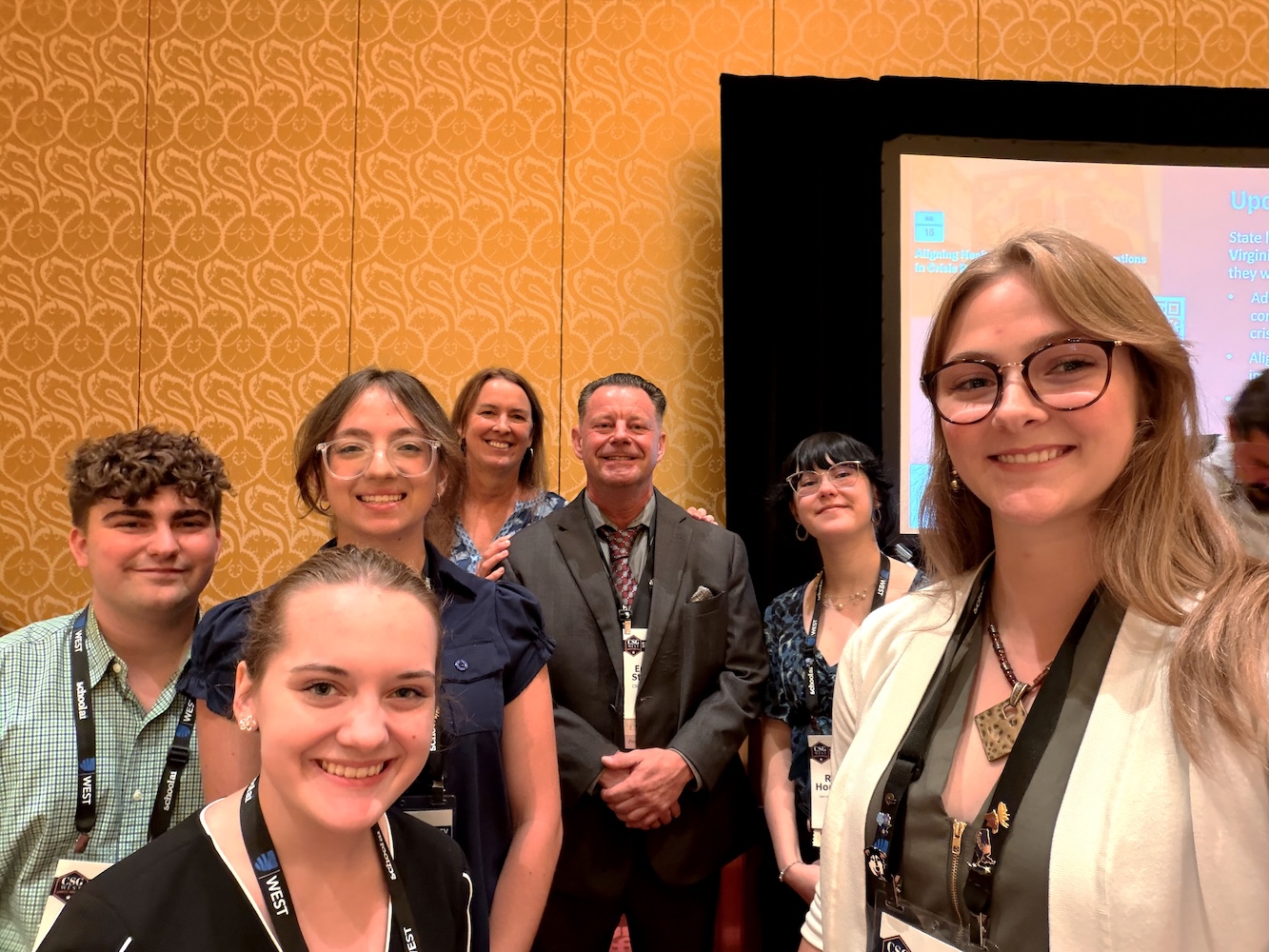
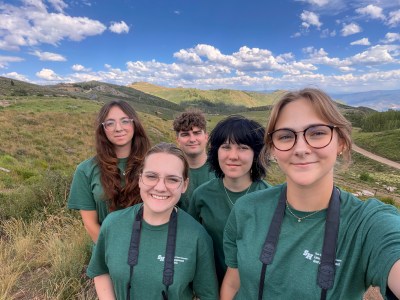
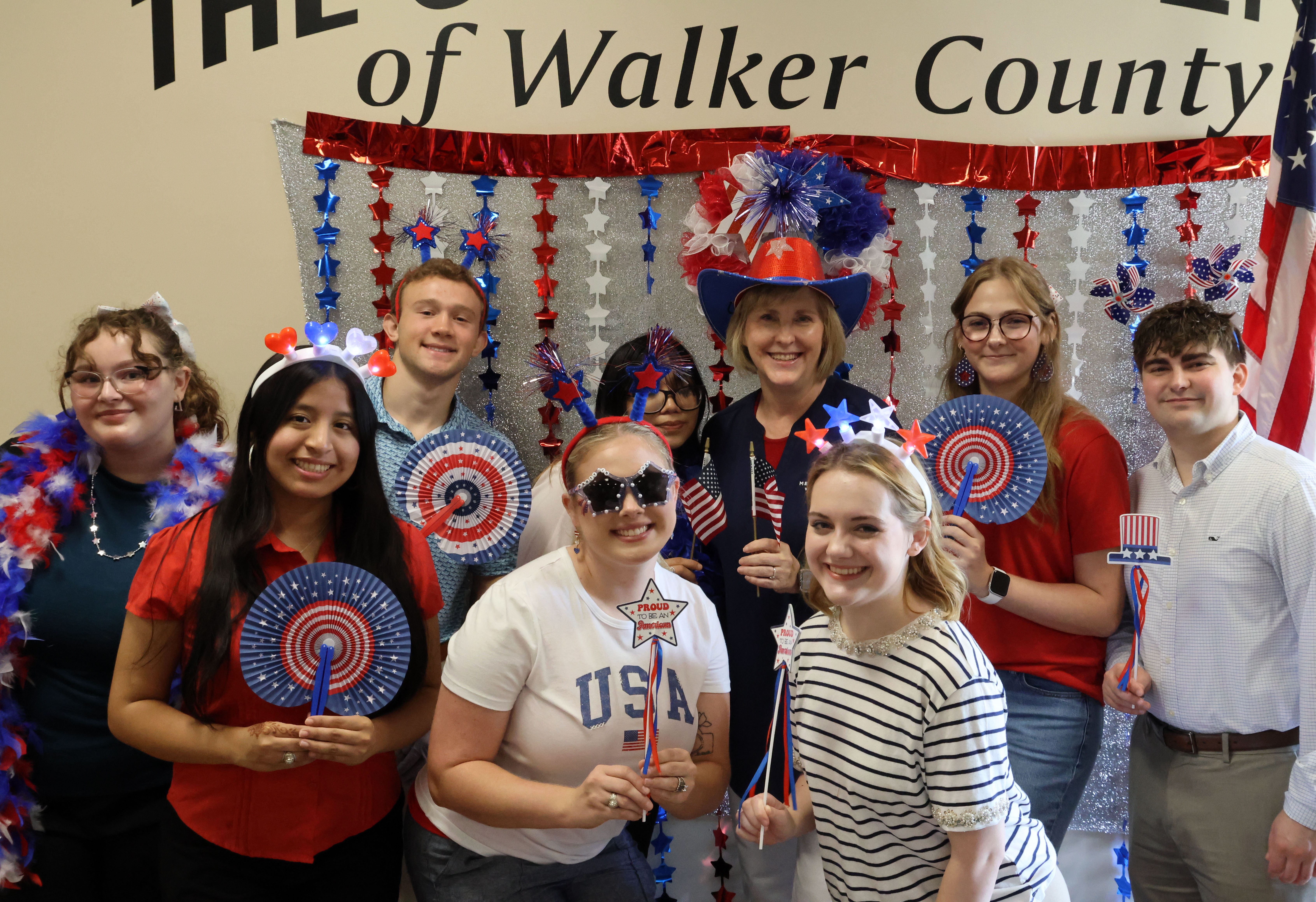
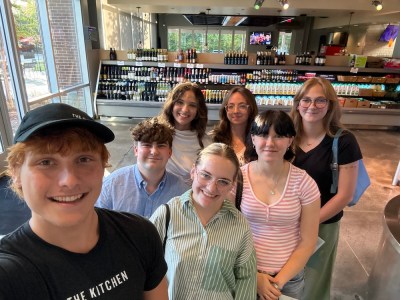
The LEAP Ambassadors kicked off the fall semester with a retreat to Houston, where we spent the day exploring the city, trying new foods, and making memories together. From gourmet twists on familiar favorites to cultural dishes from around the world, our meals gave us plenty of opportunities to discover something new. In between bites, we explored Buffalo Bayou Park, admired Houston’s art and memorials, experimented with photography, and even caught up with some LEAP alumni.

The Kitchen
To begin our retreat, we stopped by The Kitchen, located in The Woodlands, which gives a gourmet twist to classic foods. We started off with their rich Truffle Mac & Cheese Gratin, Parmesan Truffle Fries, and our personal favorite appetizer: Crispy Brussel Sprouts. We also tried their Dirty Chai Shake and the Strawberry Banana Smoothie, which were the perfect refreshments during the hot August evening.

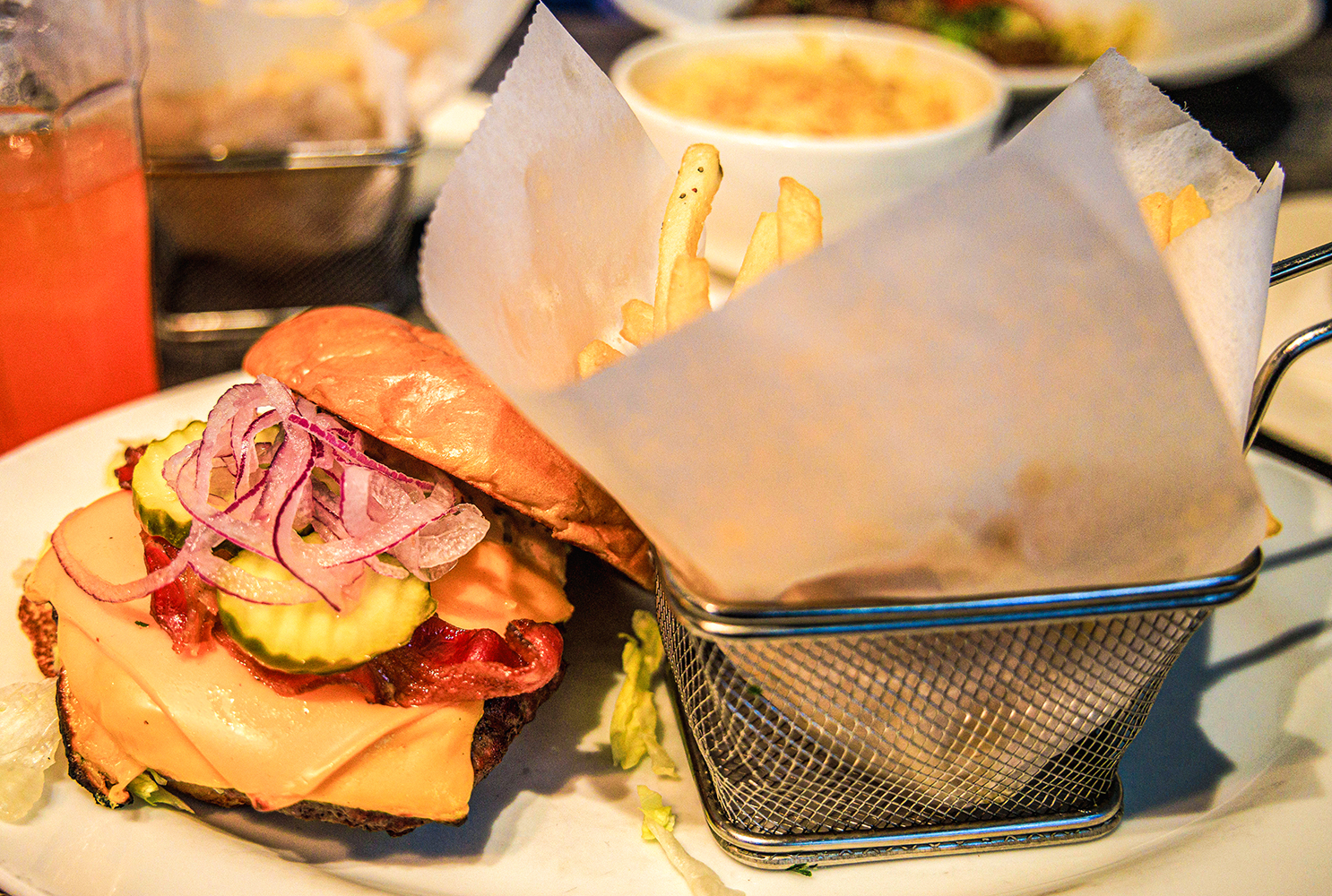

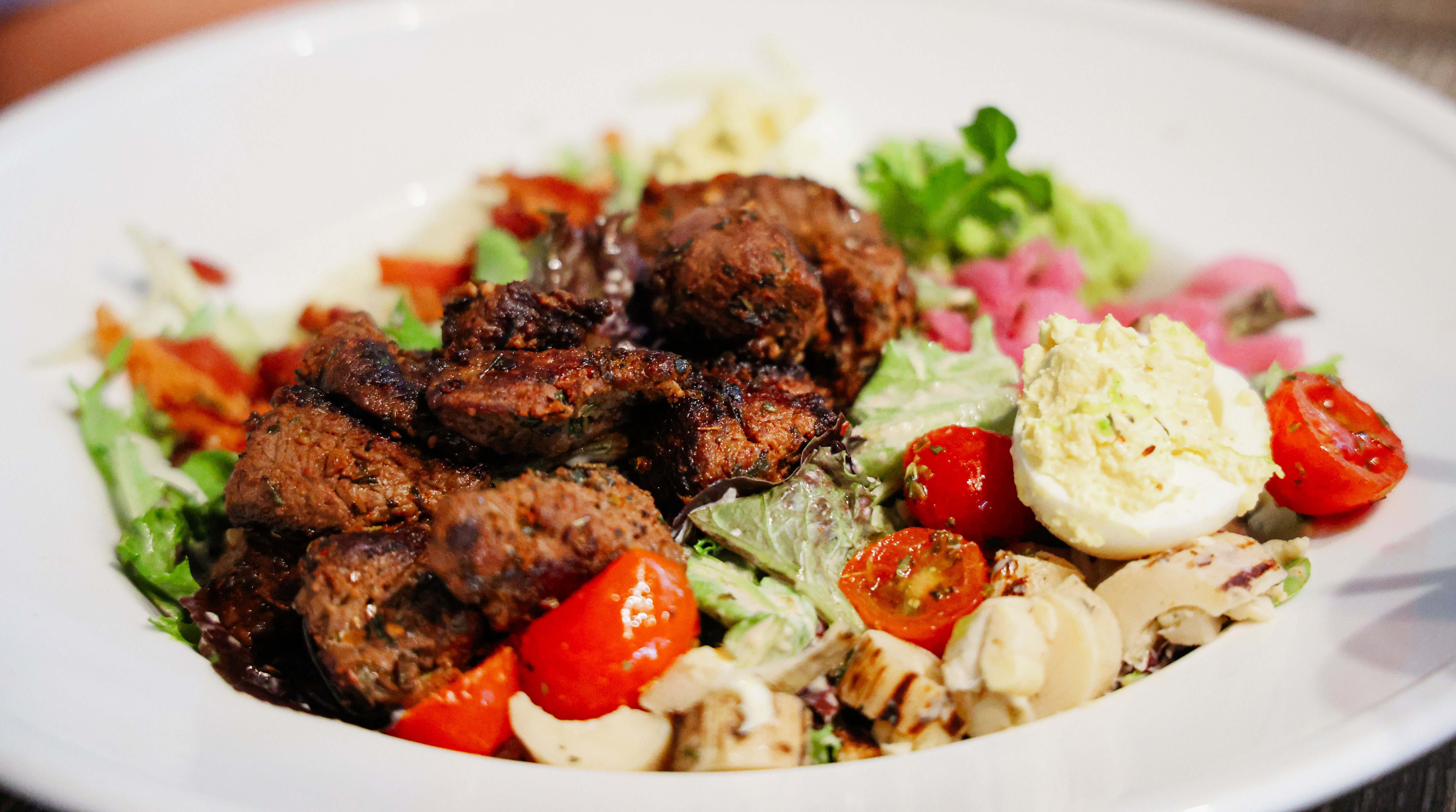
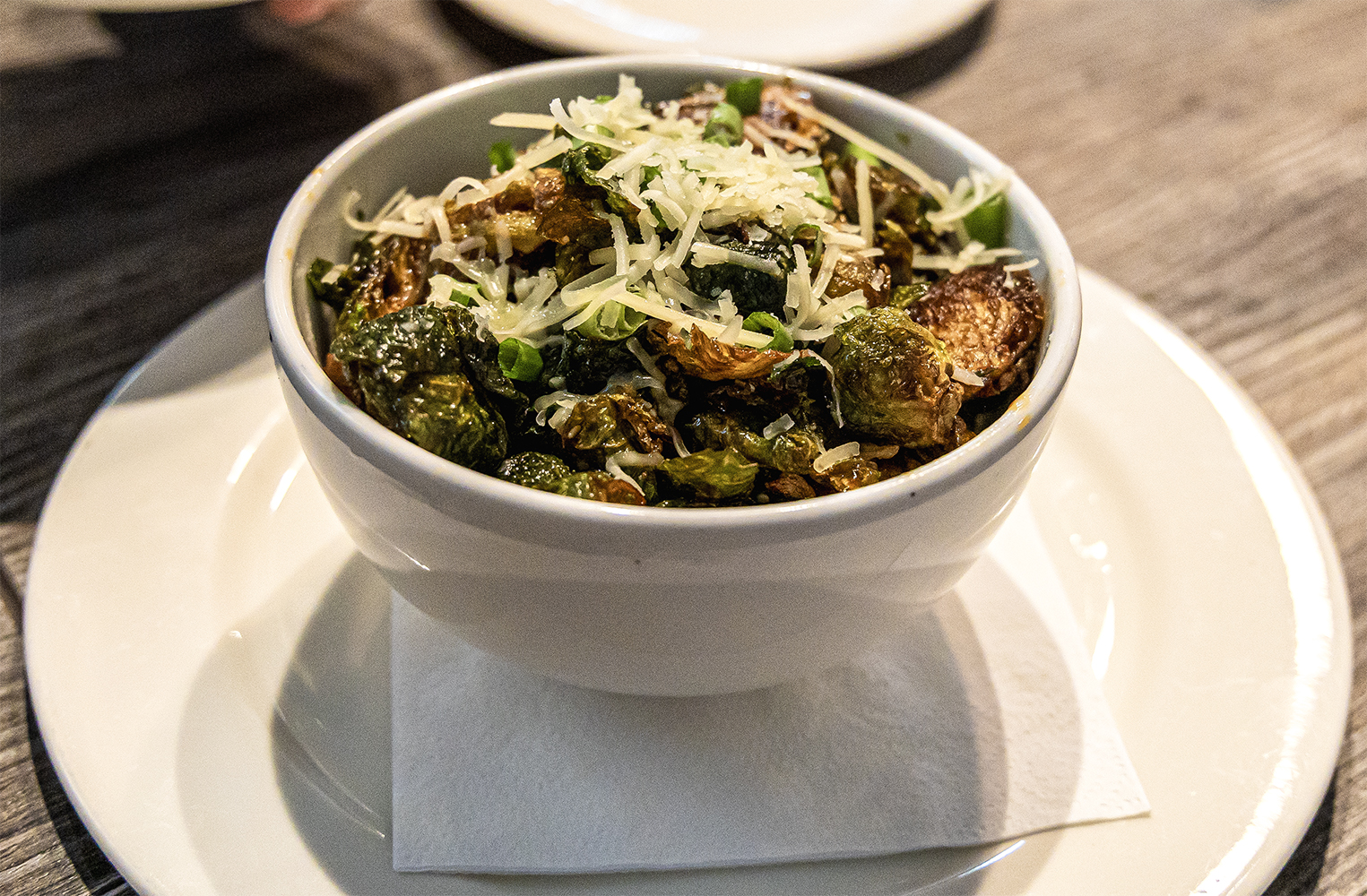
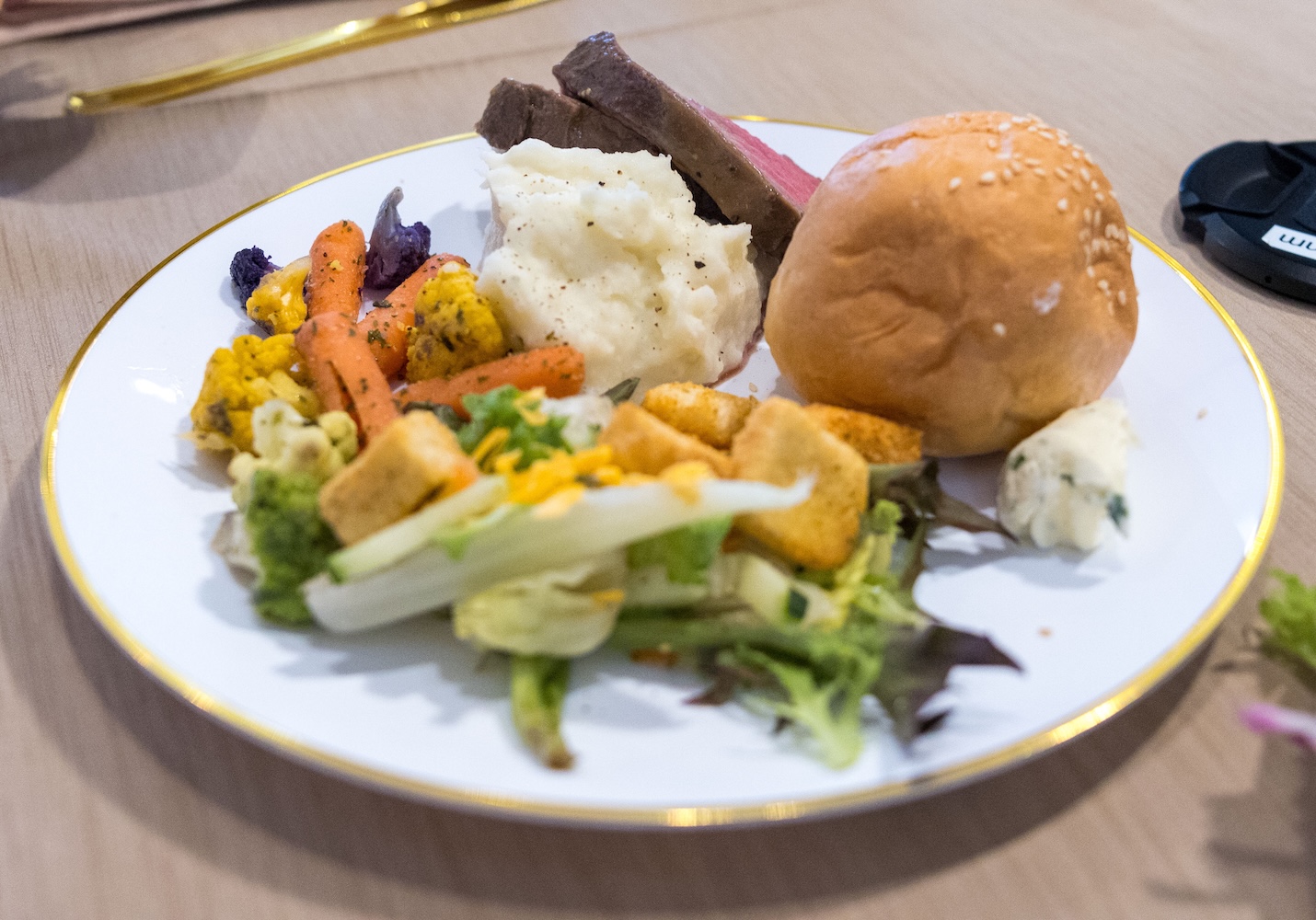
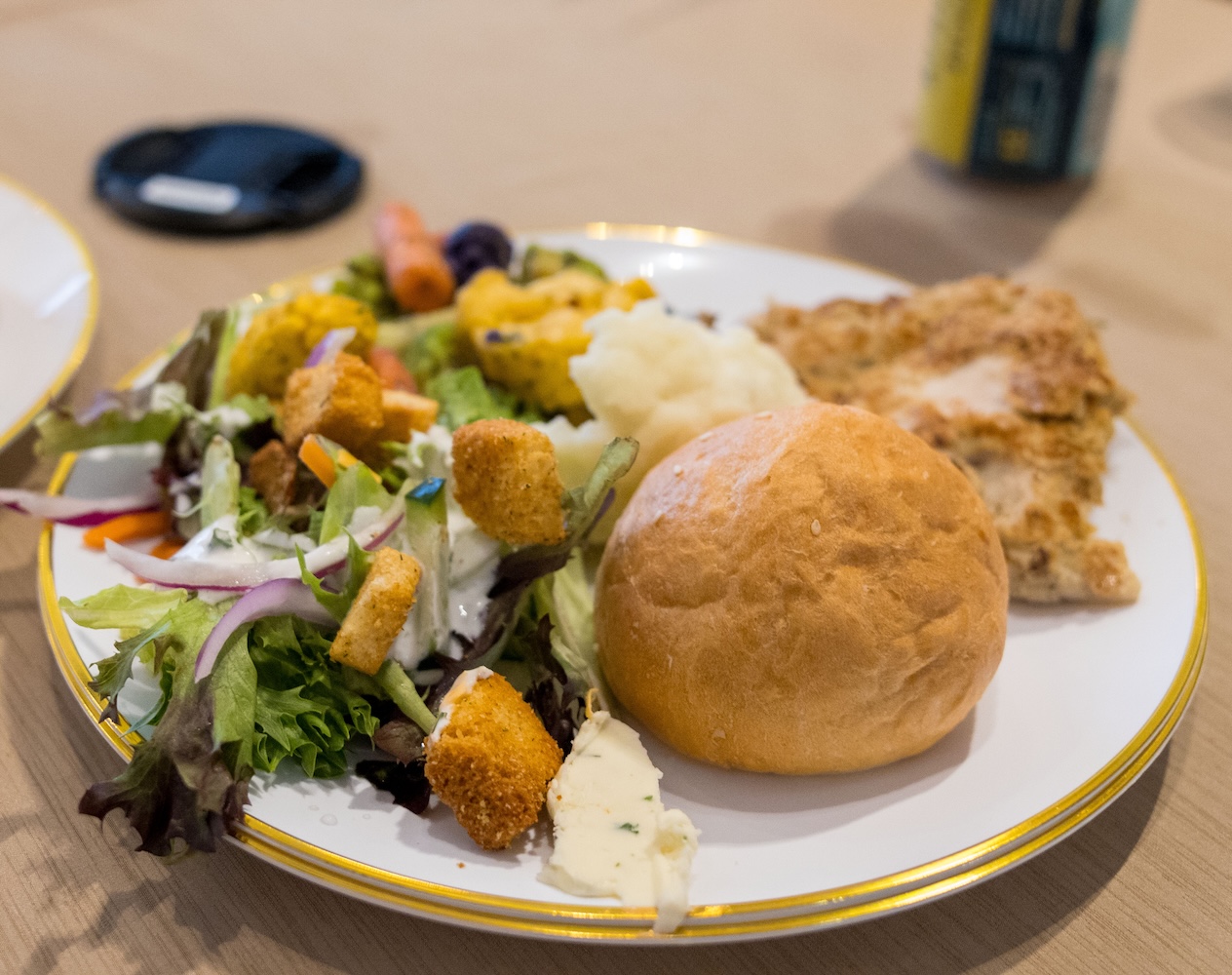
One of the highlights of The Kitchen is their ability to put interesting twists on familiar dishes, and this strength was proven true as all but one of the Ambassadors ordered a steak/beef dish. Isis and Jacob ordered the Steak Bowl: tenderloin served over flavorful farro and fragrant vegetables; Allie ordered the Tenderloin Cobb Salad and found the inclusion of palm hearts to be a welcome surprise. Kayla ordered the Blackened Salmon Salad, Robin enjoyed the Cowboy Burger, and Olivia had the American Burger. While the sauce on Olivia’s burger wasn’t a personal favorite, we all agreed the steak was wonderfully cooked and perfectly tender, regardless of what we ordered. The Kitchen delivered a delicious balance between comforting, healthy, and elevated that made the restaurant a place to remember.
Buffalo Bayou Park
During our time exploring Houston, the ambassadors visited the Houston Police Memorial, which honors the brave officers who lost their lives while serving and protecting the Houston community. The memorial gave us a chance to slow down and appreciate the sacrifices made by those who dedicated their lives to keeping others safe. The architecture of the memorial was incredibly notable: a layered pyramid, with almost perfect symmetry. We were surprised to find grass growing on each layer! At the very top was a plaque, listing the names of the fallen officers. It was a meaningful stop and an important part of our time exploring the city.
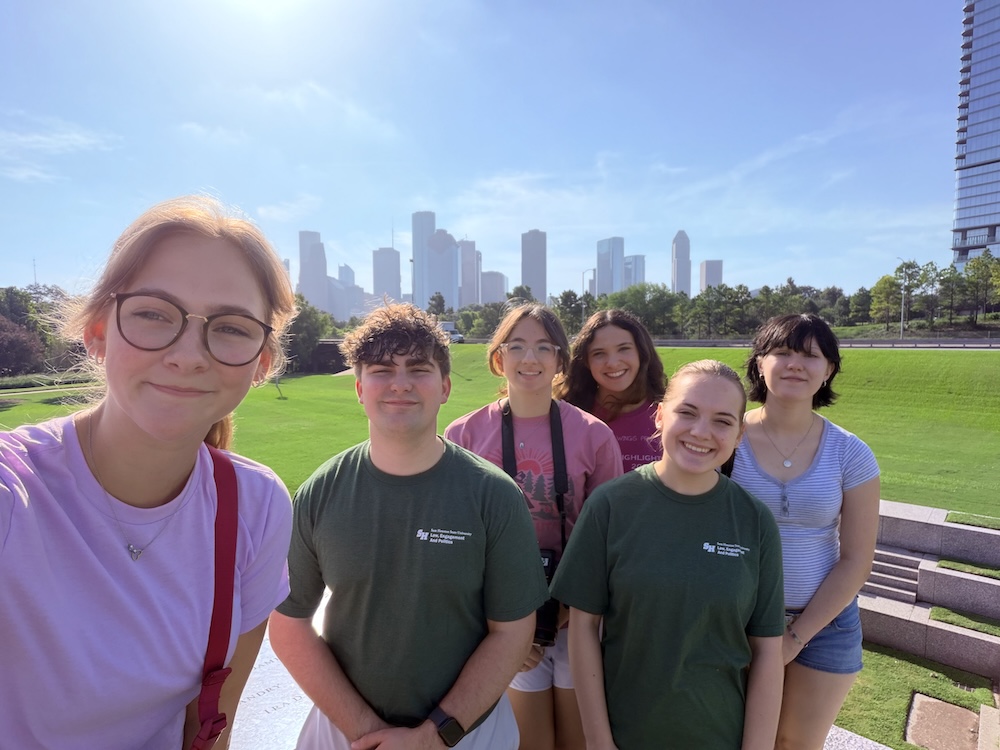
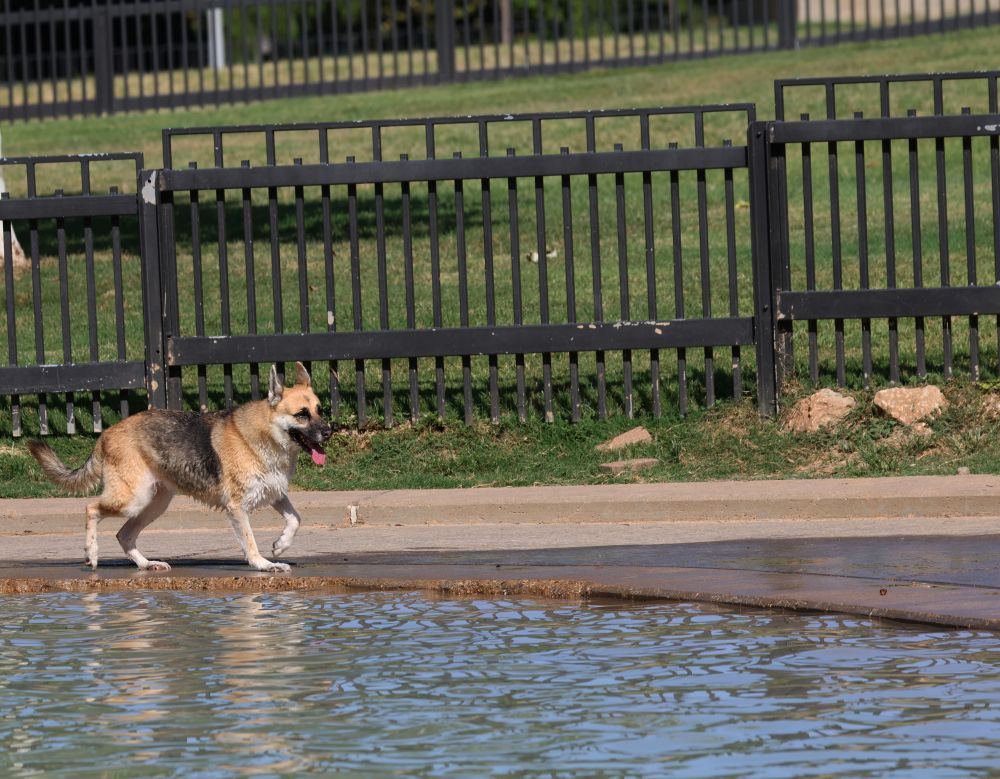
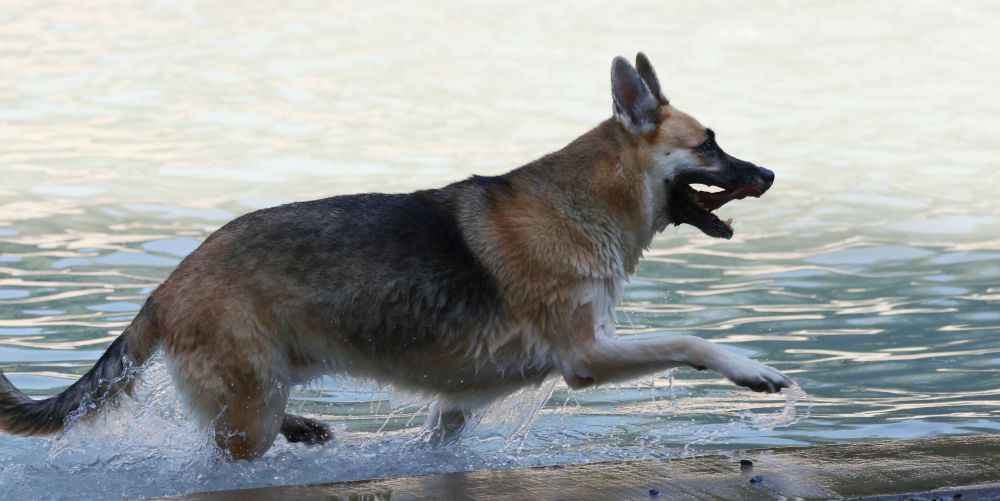
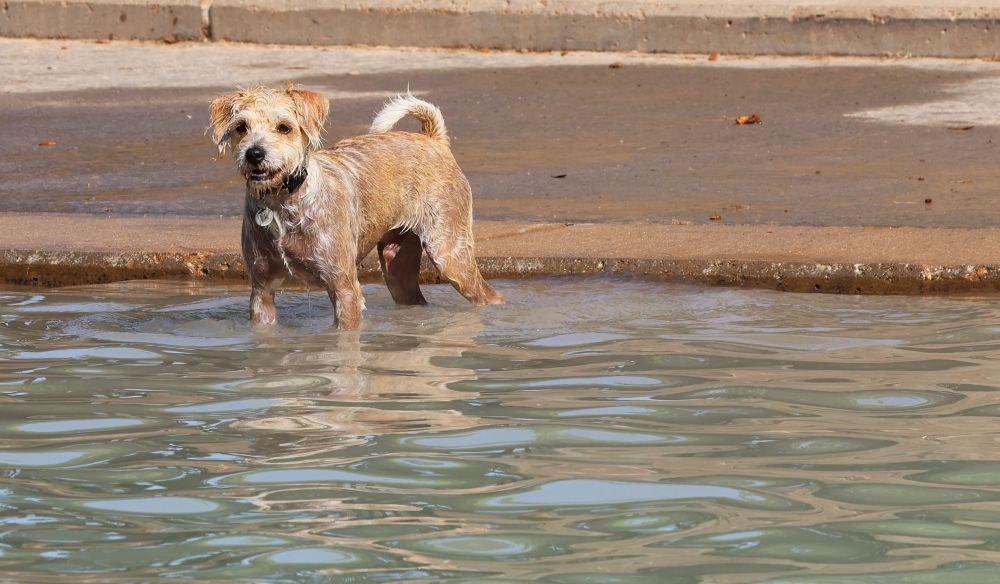
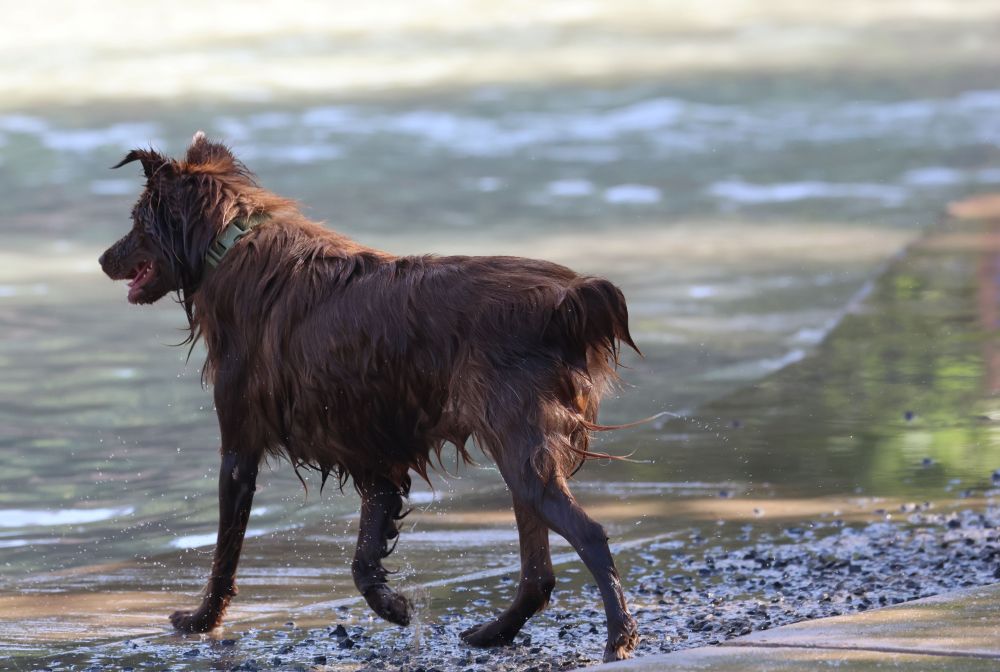
Afterward, we stopped at Buffalo Bayou Park for what we thought would be a short pit stop. However, we quickly learned just how vast and beautiful the park really was. Our first stop was the Johnny Steele Dog Park, where we watched some pups run around and play. It was really fun watching them splash through the water and chase each other, although at times I was worried their roughhousing might turn into a brawl!



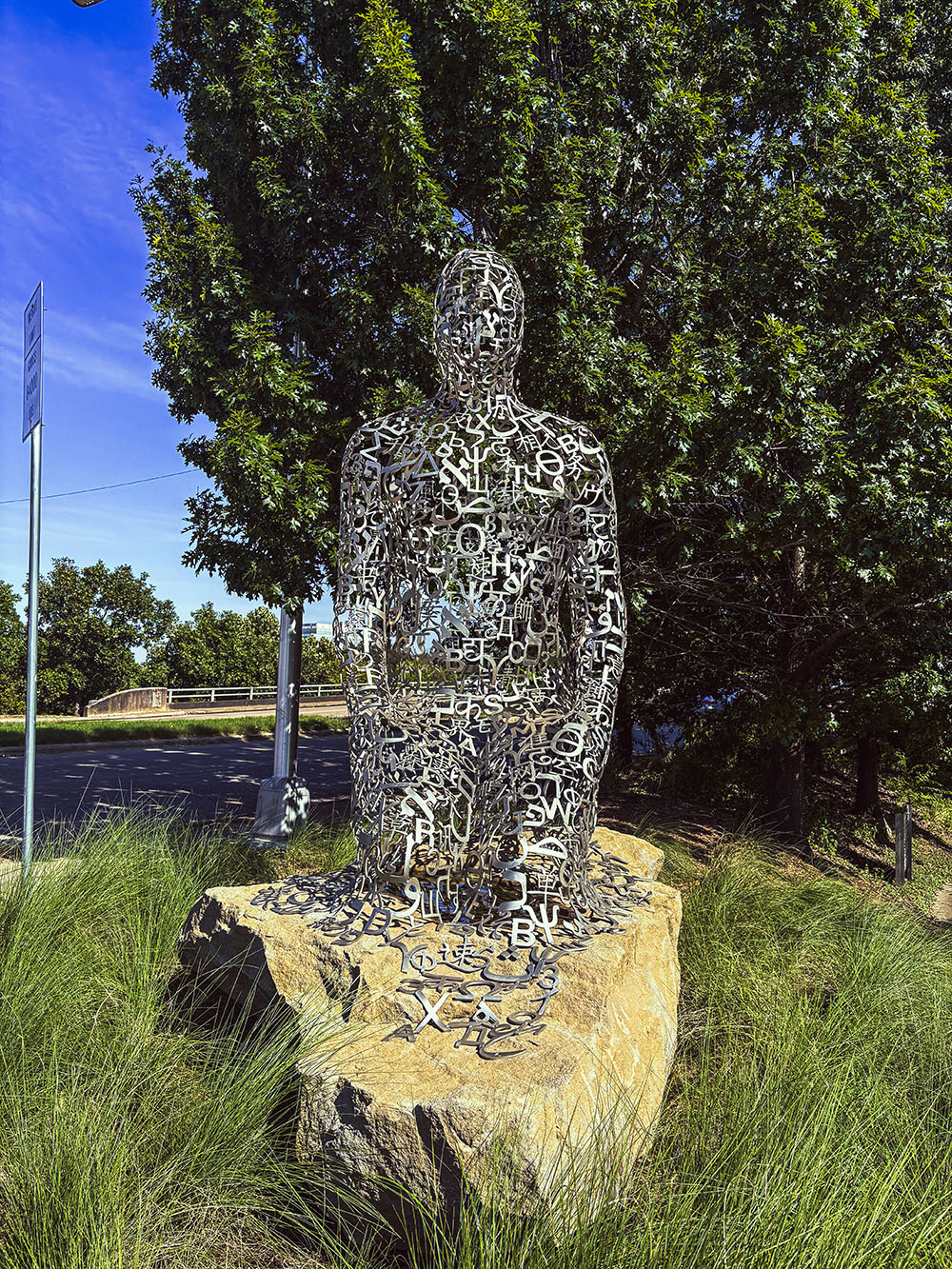
We then continued down the street and saw Tolerance on Harmony Walk by Jaume Plensa. Made up of the letters of eight different alphabets, formed like people, these pieces showcased the diversity of people from different languages, cultures, and backgrounds. It was a great reminder of how our differences can come together to create something beautiful.


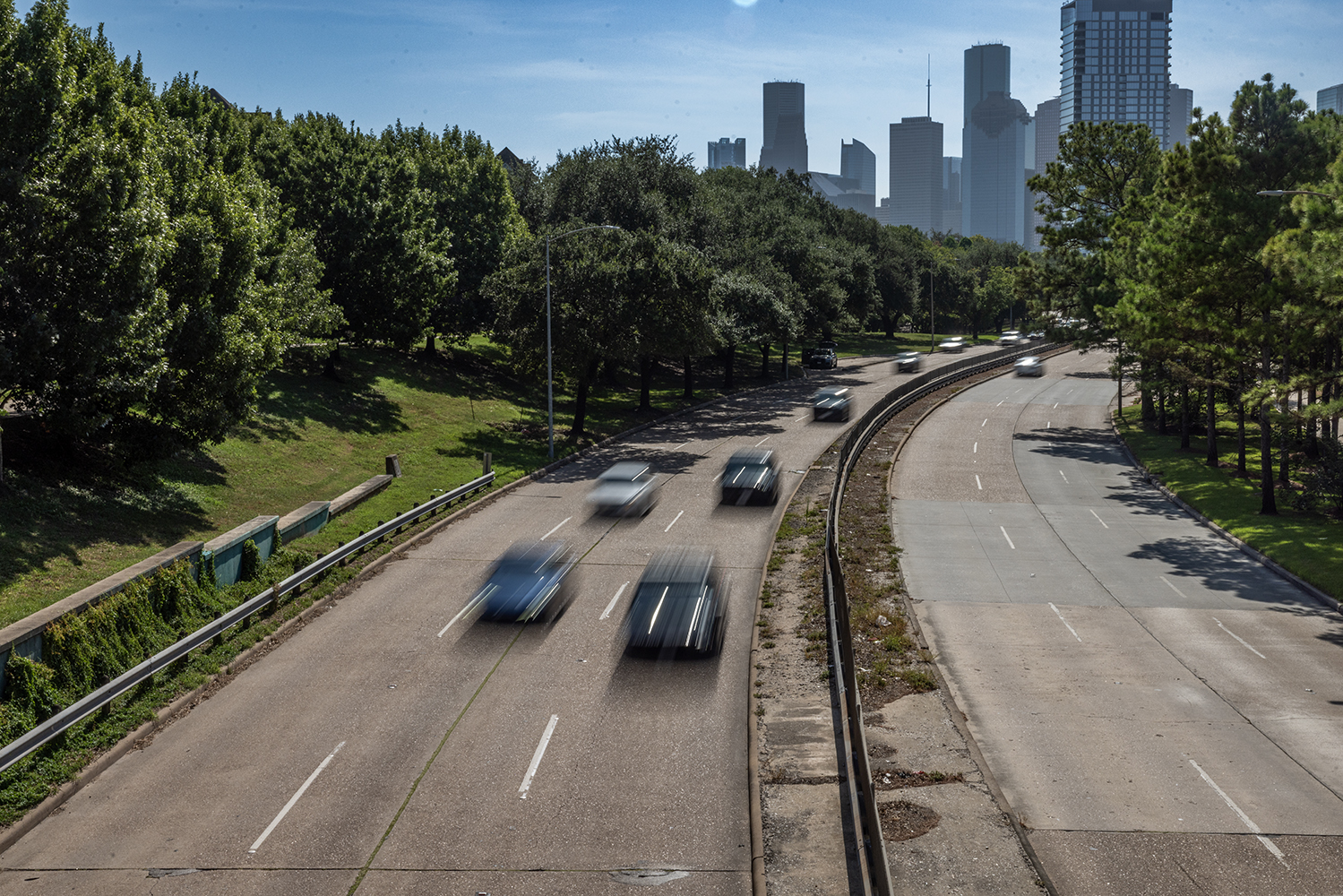
After that, we walked across to the overpass and noticed that there were locks attached to the bridge. The locks were an homage to the famous love-lock tradition seen on bridges around the world. We then tried to take slow-shutter photos of the cars passing underneath us to get an idea of how the shutter speed can affect the look of a photo.
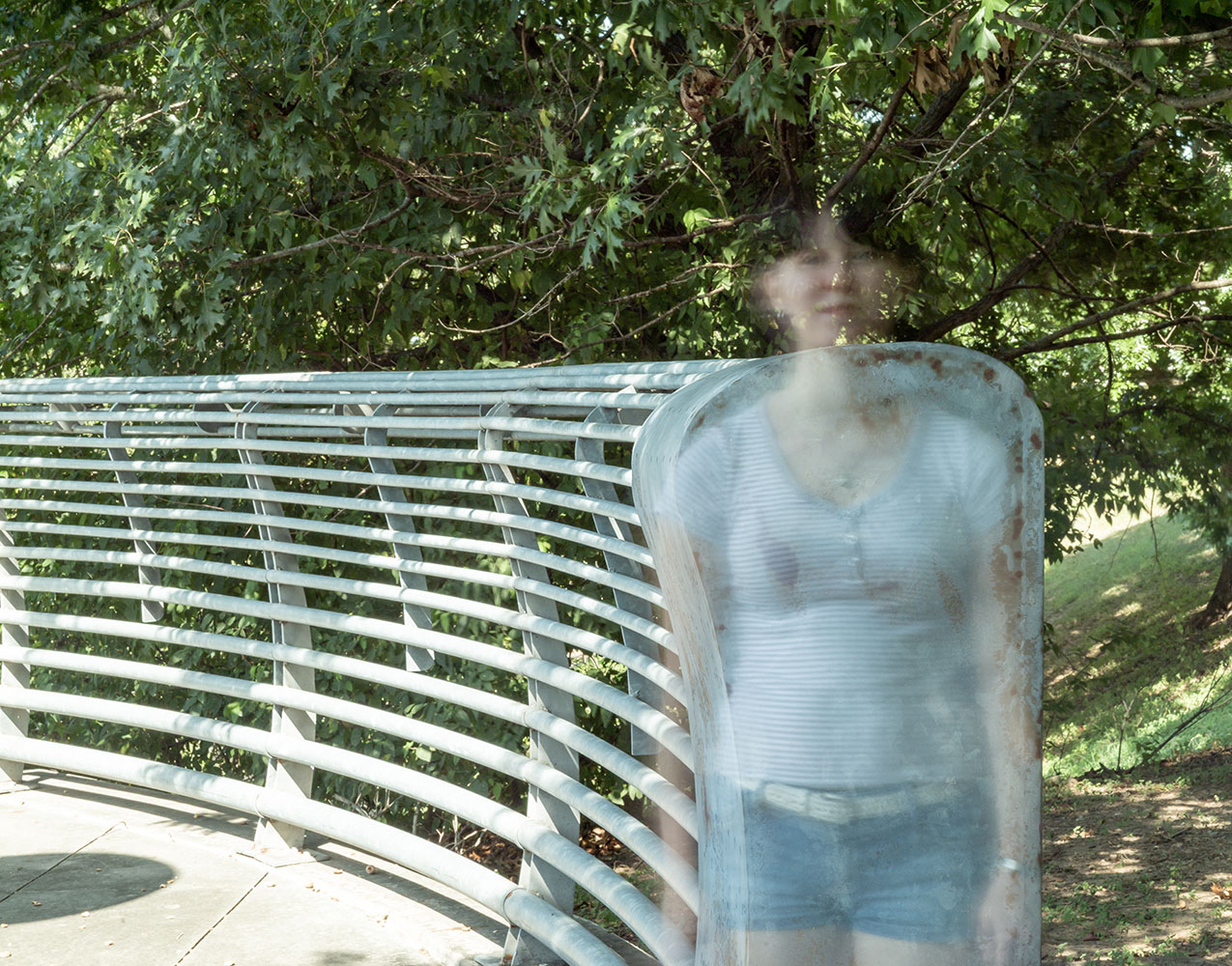
Using a similar technique, we even managed to make one of the ambassadors look like a ghost (or, more like a ghost than usual)!
In the end, Buffalo Bayou Park turned out to be an amazing place to spend time, enjoy nature, and get out and explore!
Post Market
Our first dinner in Houston was spent at a familiar favorite: Post Market. The food hall offers a variety of cultural cuisine, with options varying from African to Asian meals. We also met up with a few LEAP alumni for the night, sharing the meal with Ademide Adedokun, Quinn Kobrin, and Justin Bieser and his wife, Chelsea.
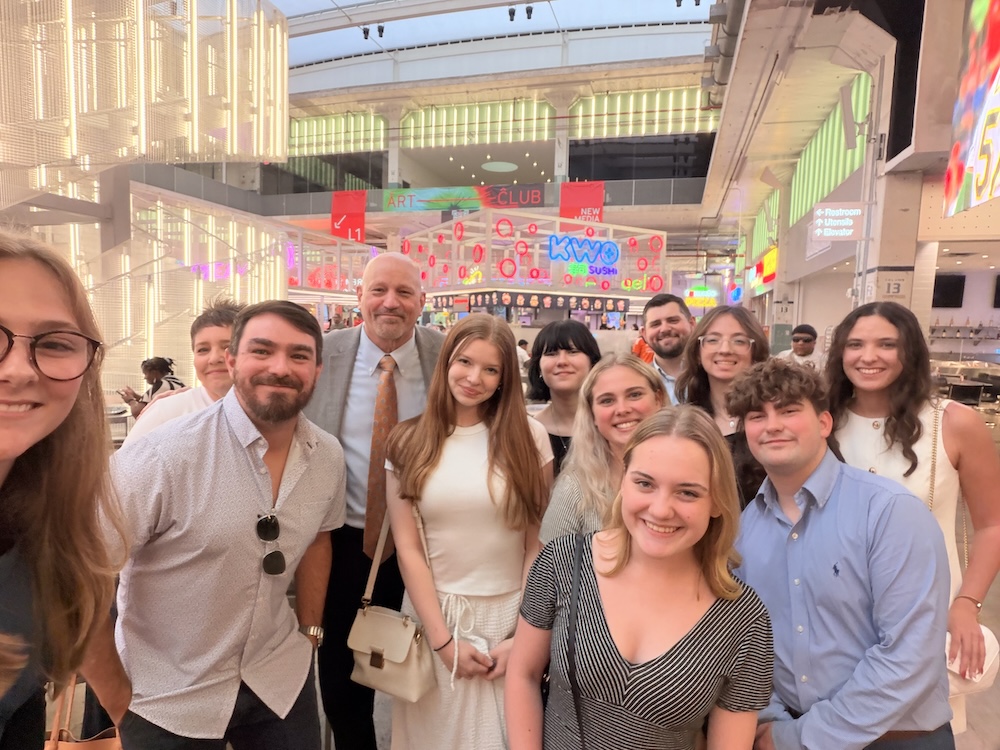
After scoping out the options, we ordered our food from a variety of restaurants, most of us opting in for ChopnBlok‘s west African cuisine. A few of the most popular dishes among the LEAP Students were the Motherland, a delicious blend of rice, curry, vegetables, and a similar dish called the Trad, made with chicken, jambalaya, vegetables, and plantains. We were certainly not disappointed with our selections, finding the unique blend of spices and flavors delicious. Robin decided to explore some of her own cultural heritage, opting for a Filipino meal from Soy Pinoy. After ordering the Lechon, a dish made of deliciously seasoned pork and atchara, she was pleasantly surprised to find that they included the crunchy, roasted skins! Robin was not the only one to branch out, however, Olivia enjoyed Asian food from Nikubol, ordering the Truffle Beef Cube bowl, a delicious mixture of vegetables, beef and sauce.
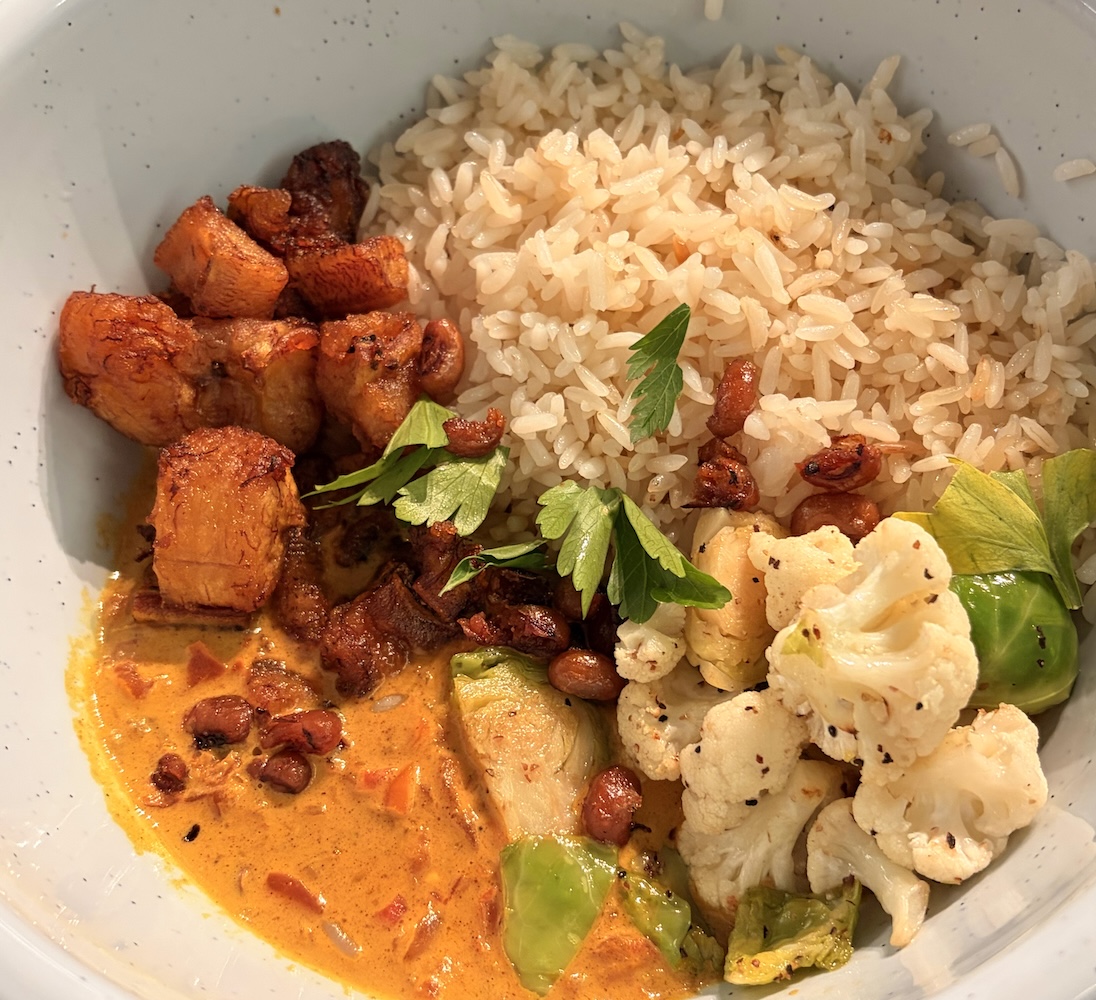

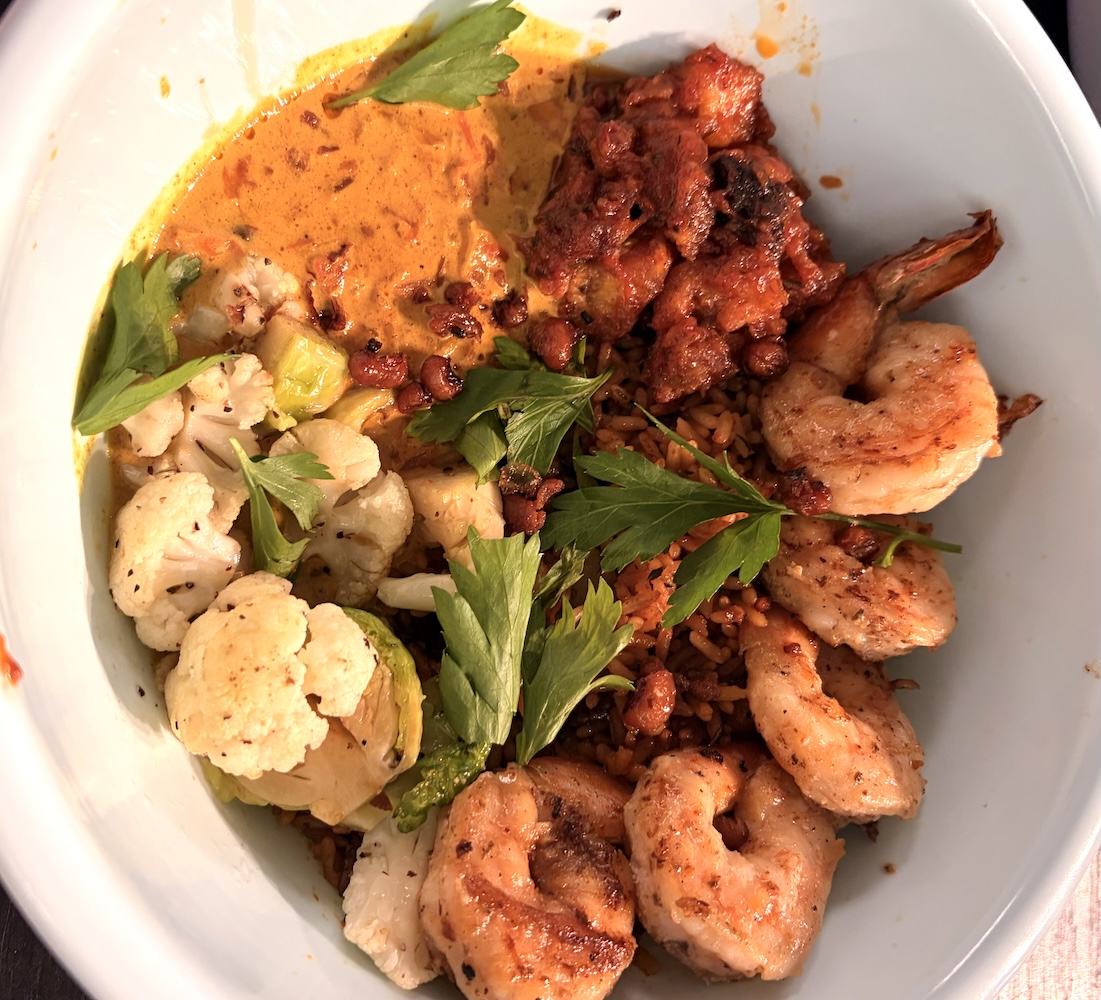
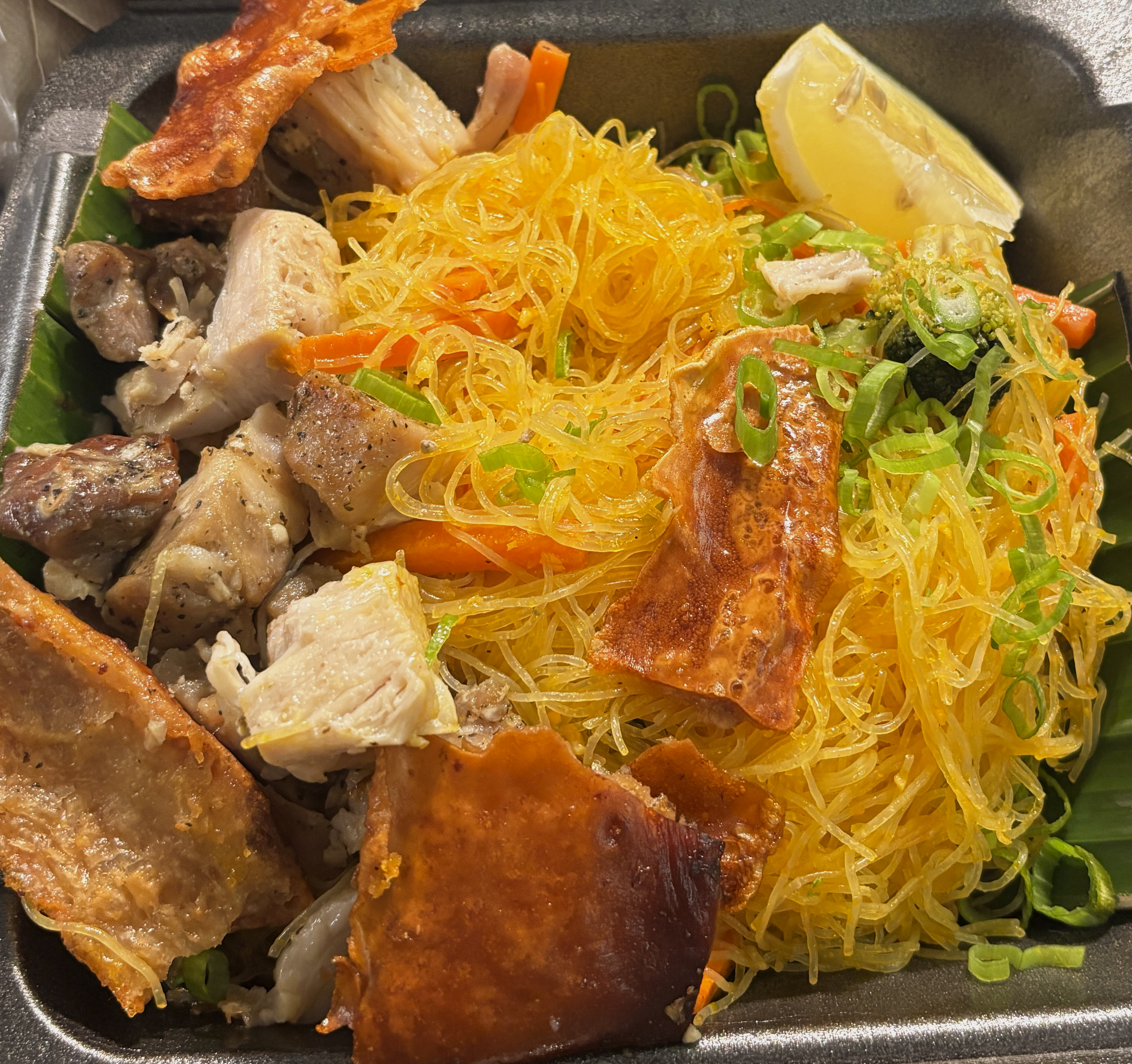
Our new adventure at Post Market allowed us to delve into culture on our retreat! We were thrilled to get to enjoy the rich variety of cuisine offered in Houston.
Cochinita & Co.
Since the LEAP Ambassadors were in Houston, we couldn’t help but stop at the new location of one of our favorite restaurants, Cochinita & Co., to see if it held up to the original, and we were not disappointed!
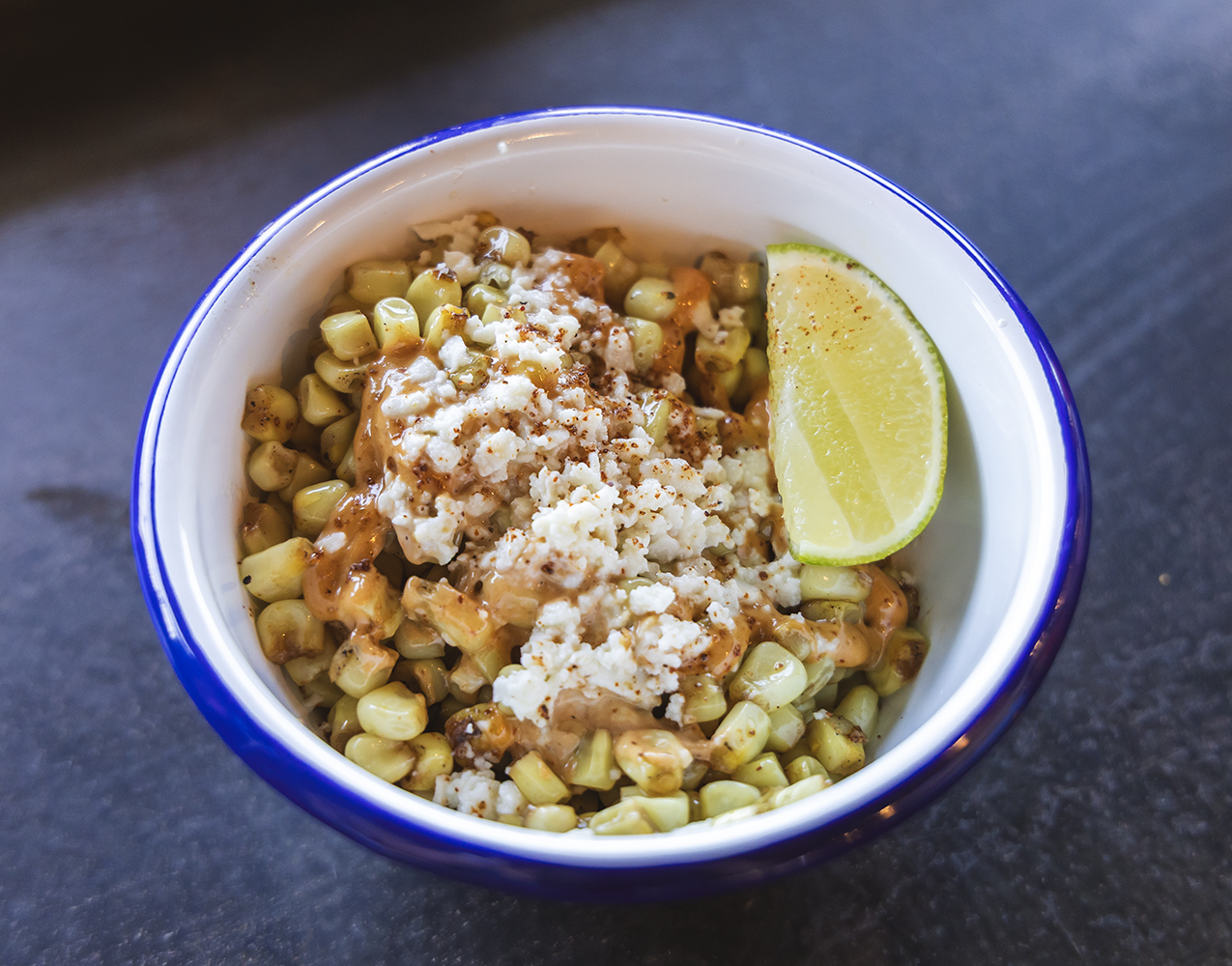
This time, we started our meal by sharing elote and guacamole with totopos. It was the perfect way to begin lunch while we discussed some events for this coming up semester. Allie, Isis, and I got the Pollo Adobado tacos with rice and beans. We agreed that the chicken was very tender with a great flavor, while Jacob and Kayla chose the shrimp tacos. Robin tried the Tinga de Hongos tacos, giving us plenty of different dishes to enjoy around the table.
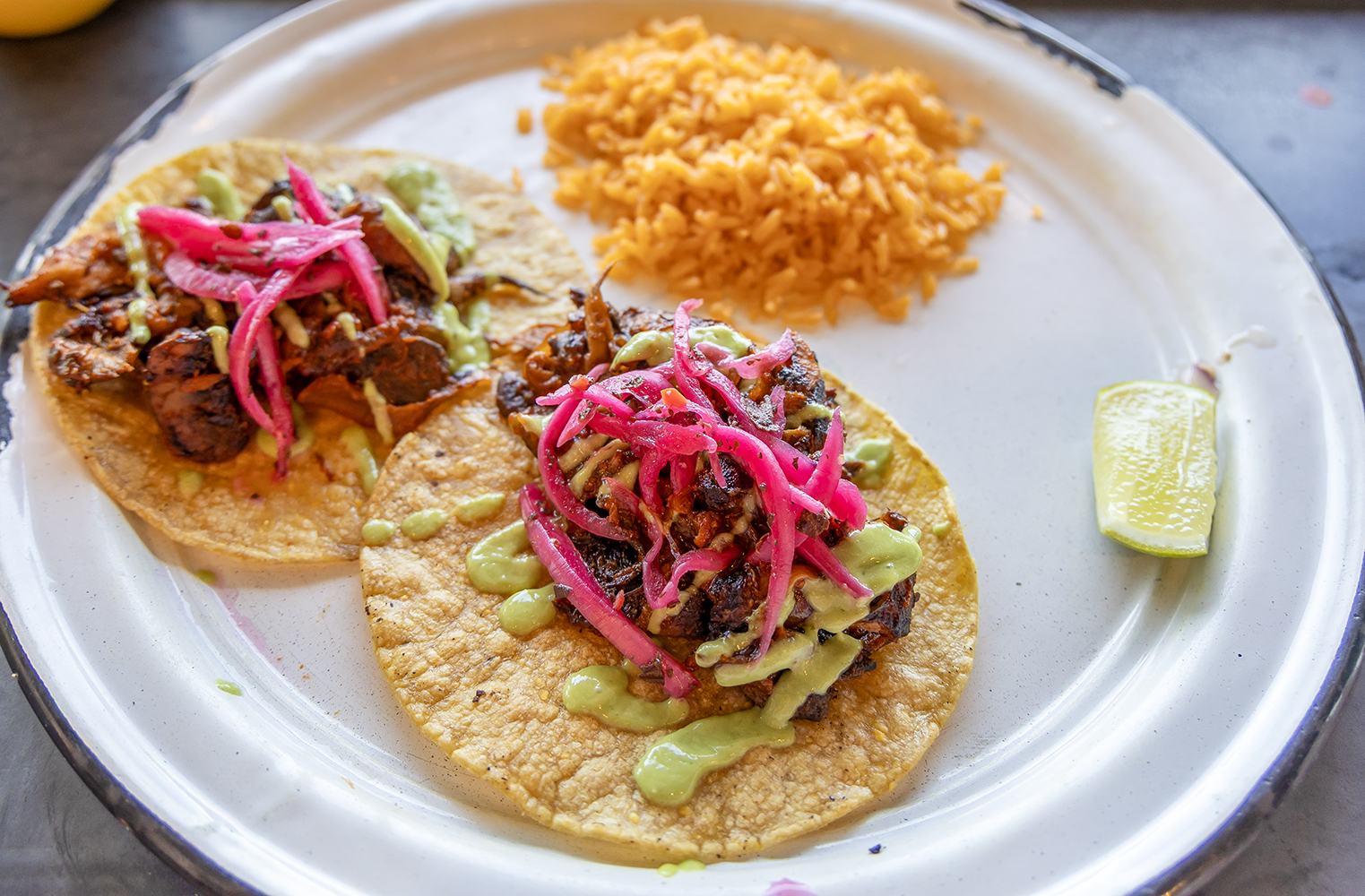
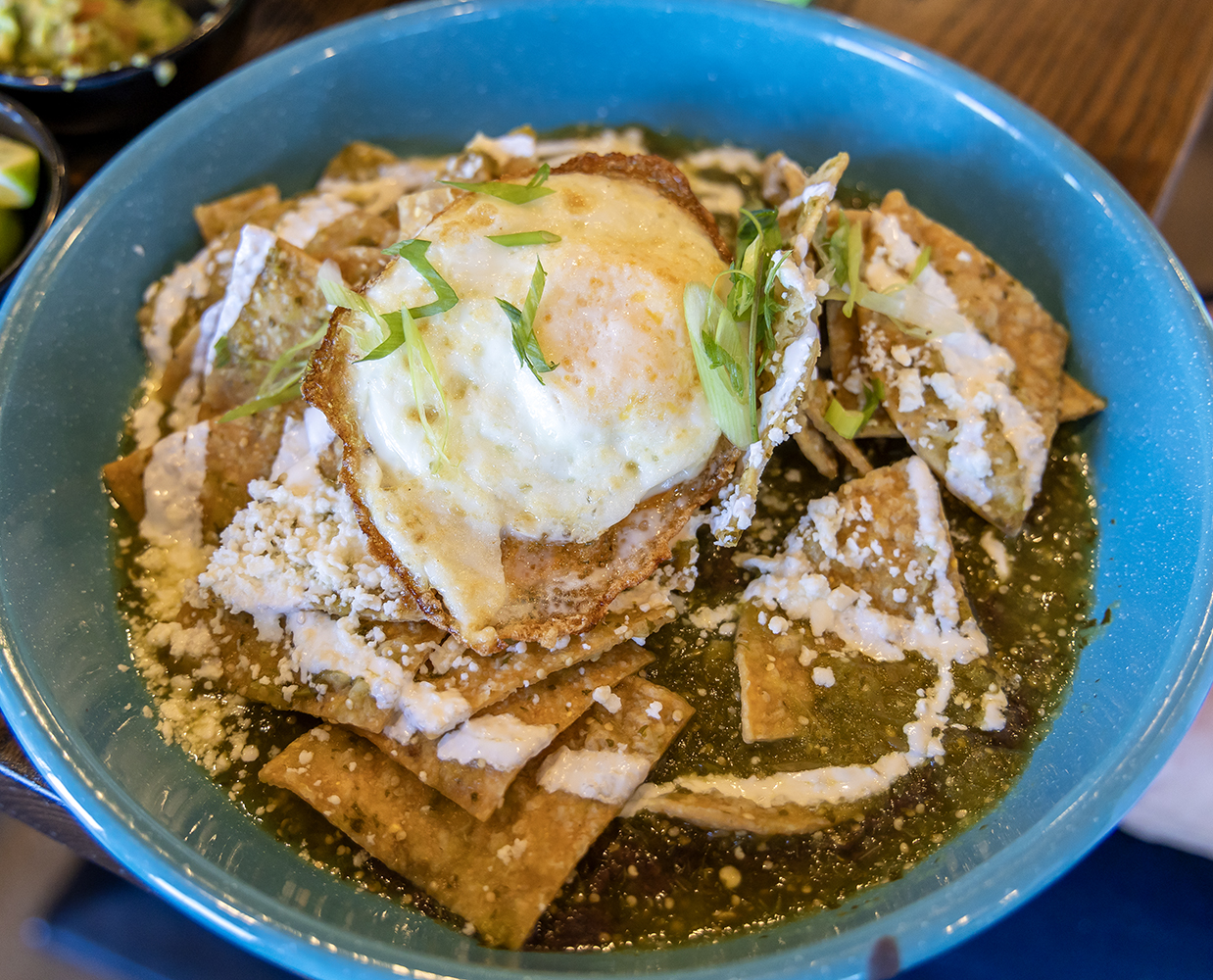
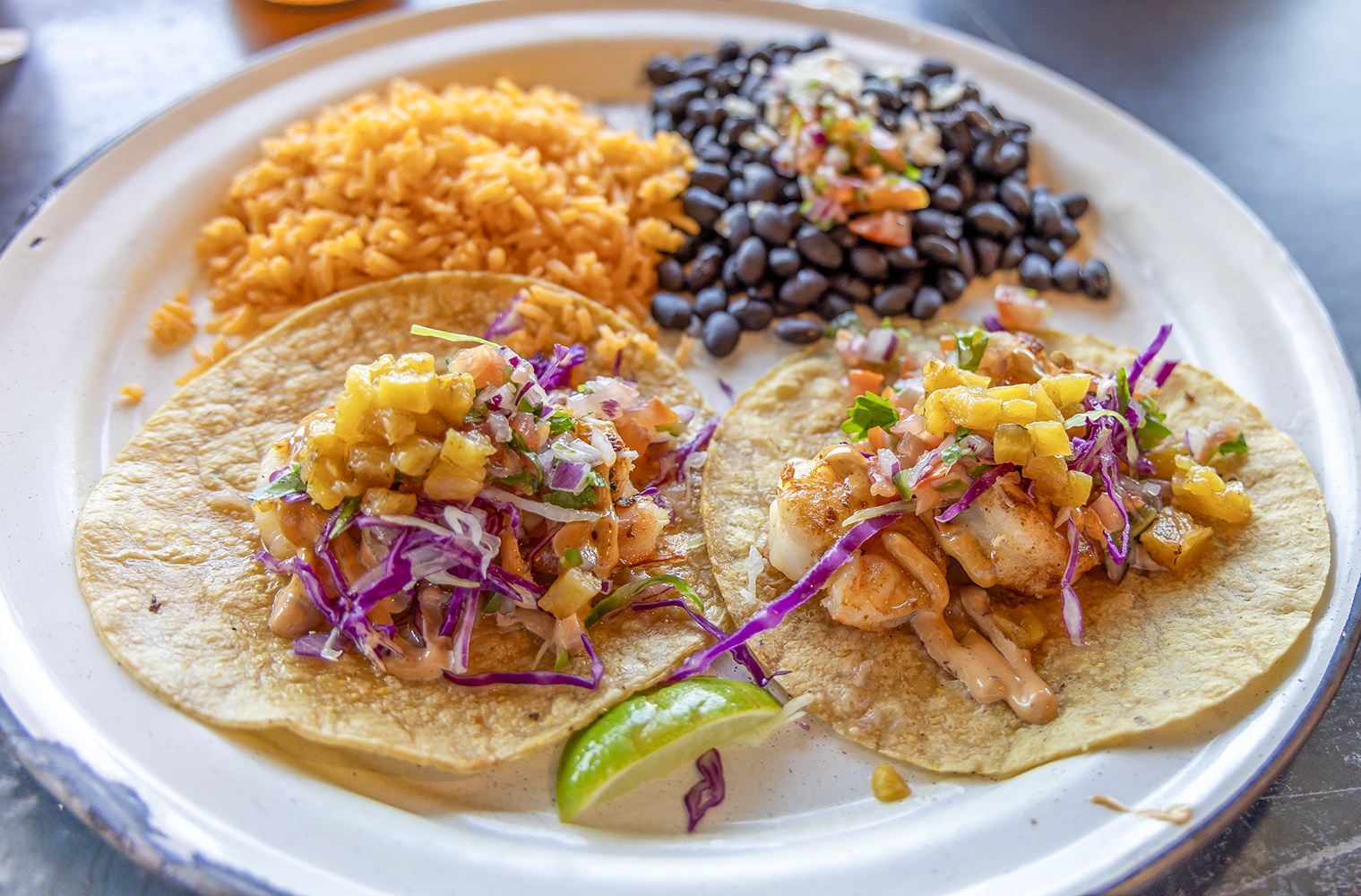

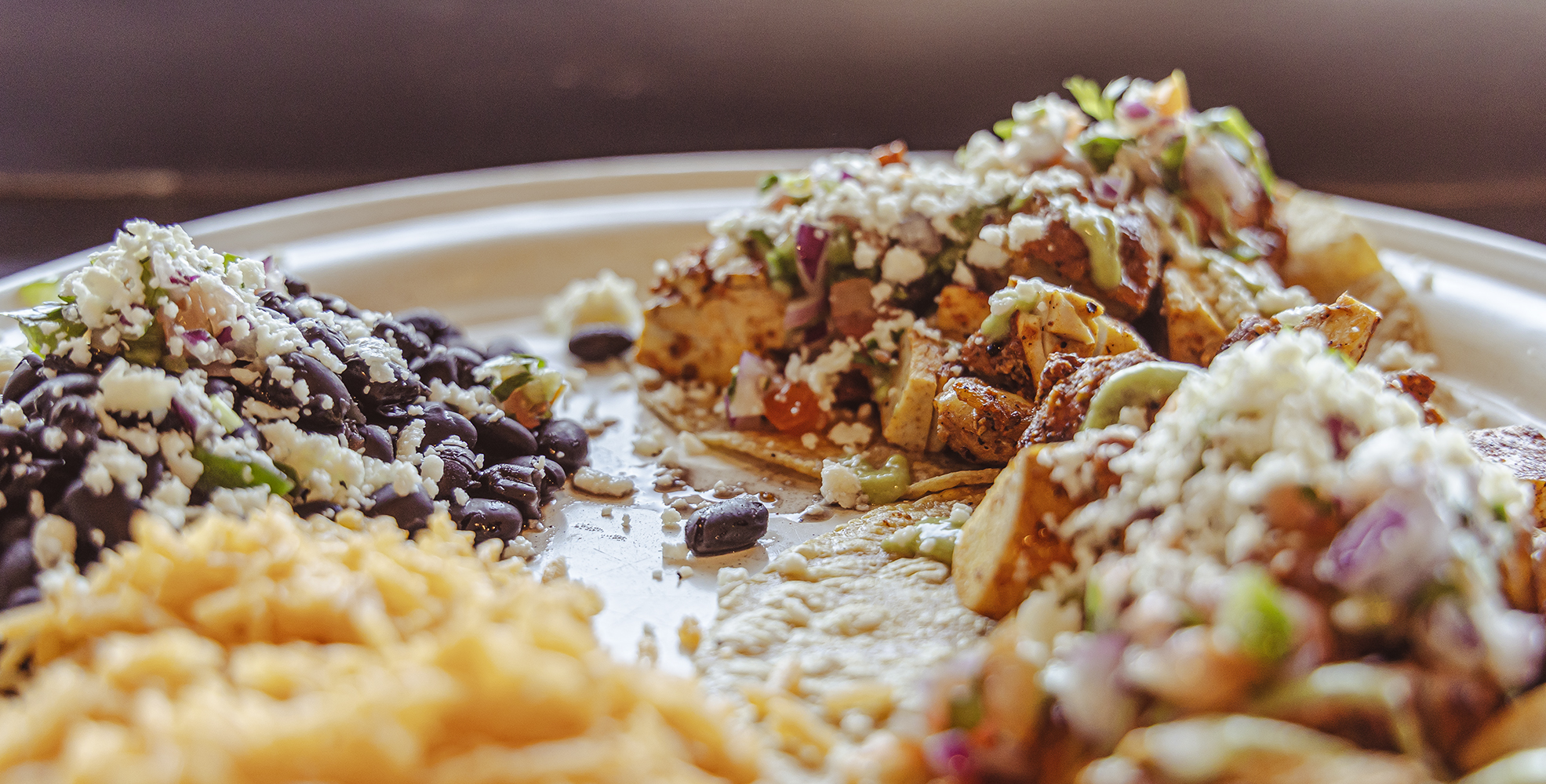
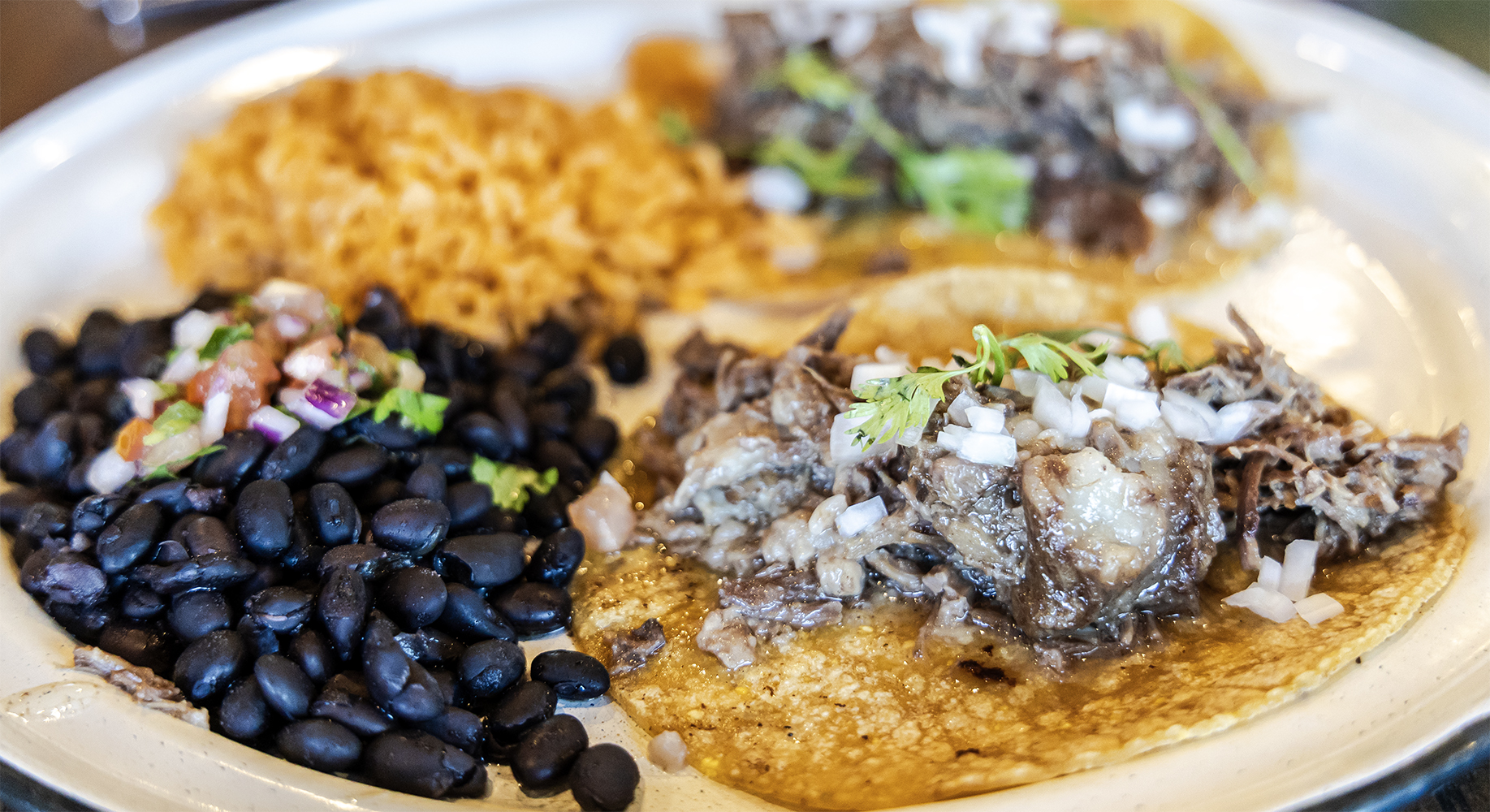


We also made sure to save room for dessert! We shared a concha, marranitos, and a chocolate chip cookie, ending our meal on a sweet note.
From delicious meals to unexpected adventures, our Houston retreat gave the LEAP Ambassadors plenty of opportunities to explore, learn, and spend time together as the new semester began. Whether we were trying new foods, discovering Houston’s art and history, experimenting with photography, or simply enjoying each other’s company, every stop gave us something to remember. We’re excited to bring the energy and ideas from our retreat back to SHSU and can’t wait to see what the upcoming semester has in store!