Written By: Isis Hollis, Robin Houghton, and Allie Plunk
Throughout the conference, LEAP Ambassadors have had the opportunity to learn about policy from esteemed legislators and guest speakers, but on our last day, we got to experience a much more personal session, hearing from activist Elizabeth Smart, the CSG Justice Center on mental health, and attending the closing dinner.
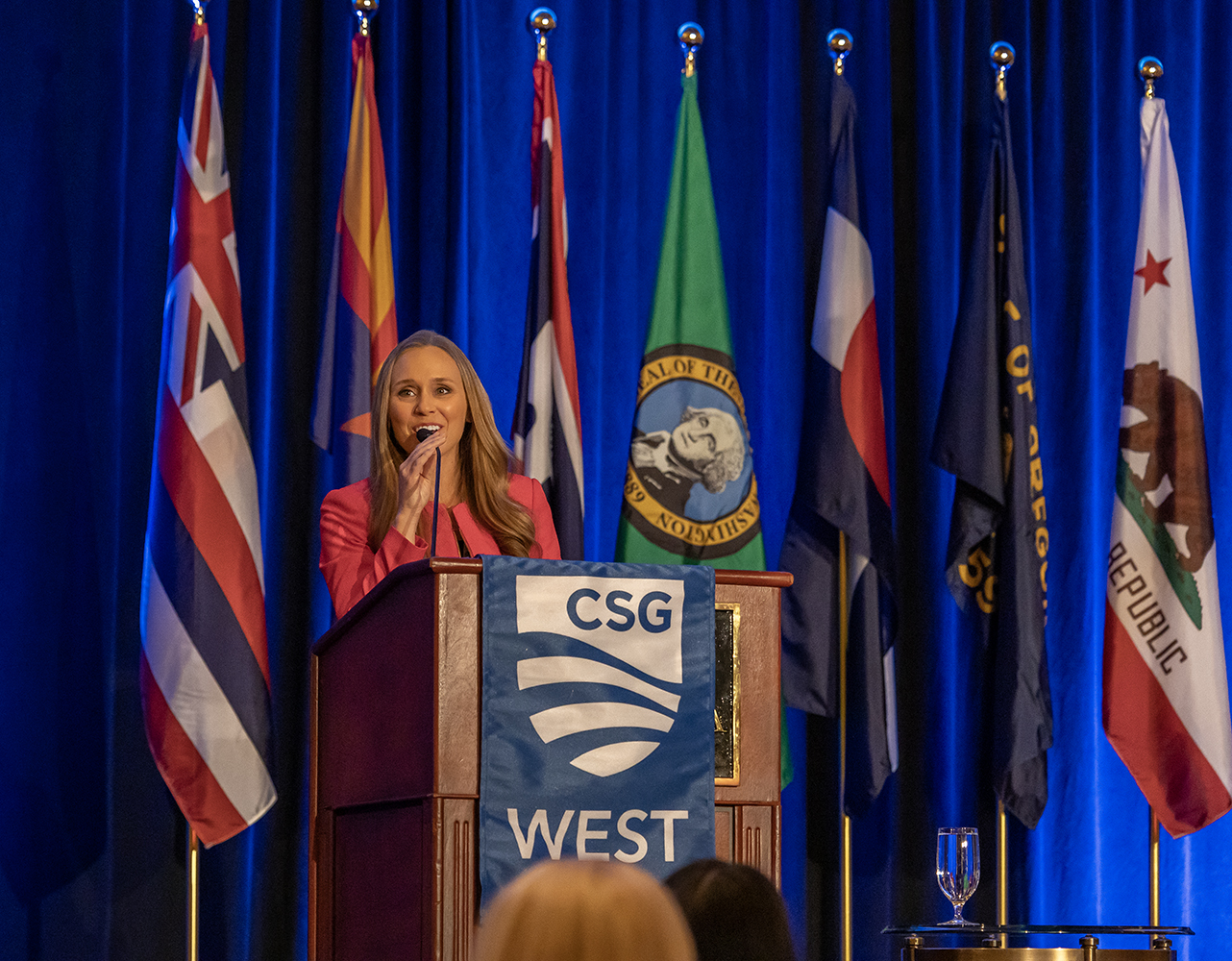
Elizabeth Smart
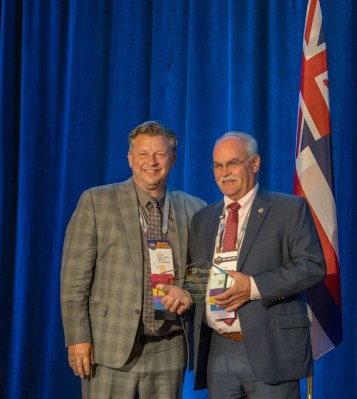
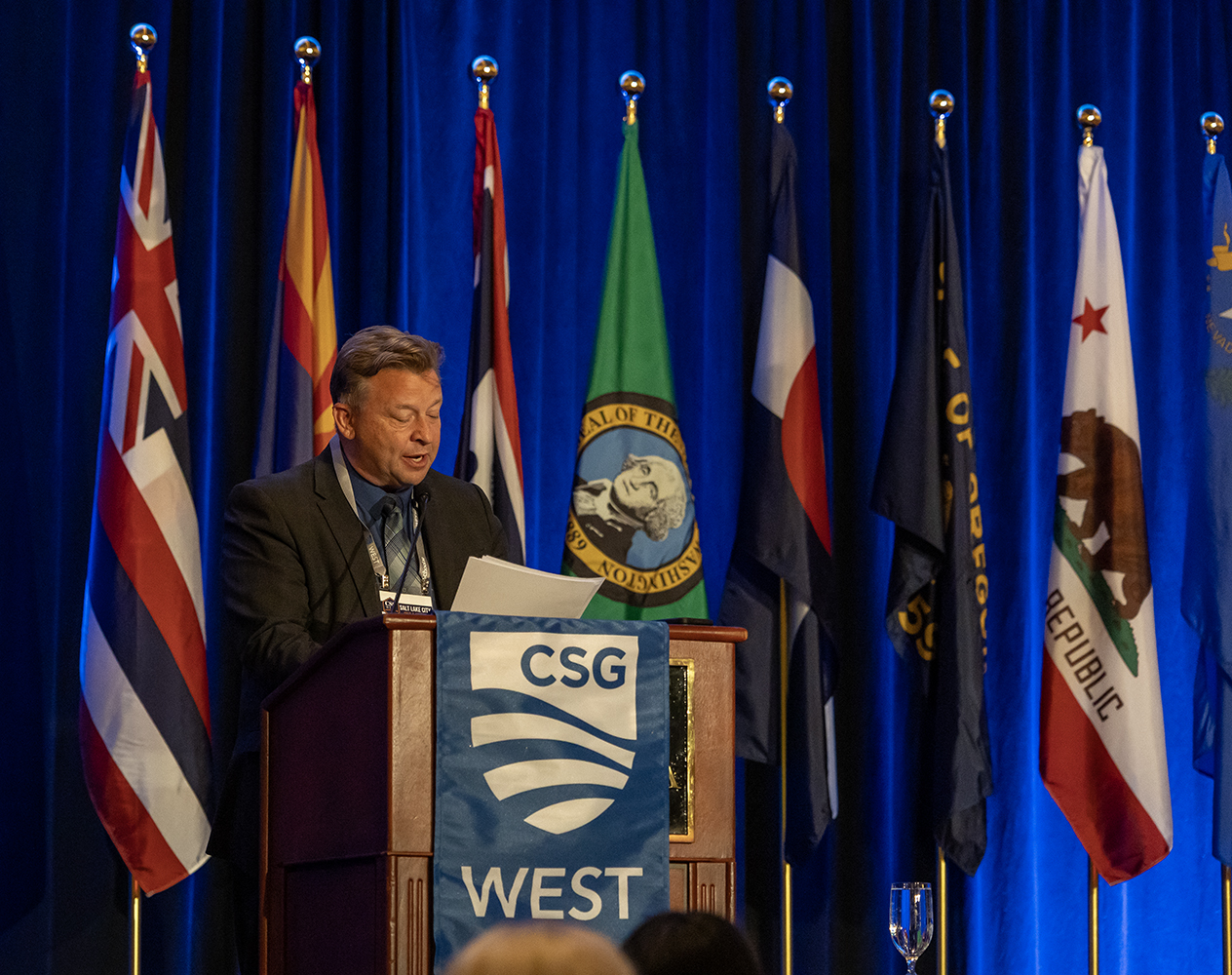
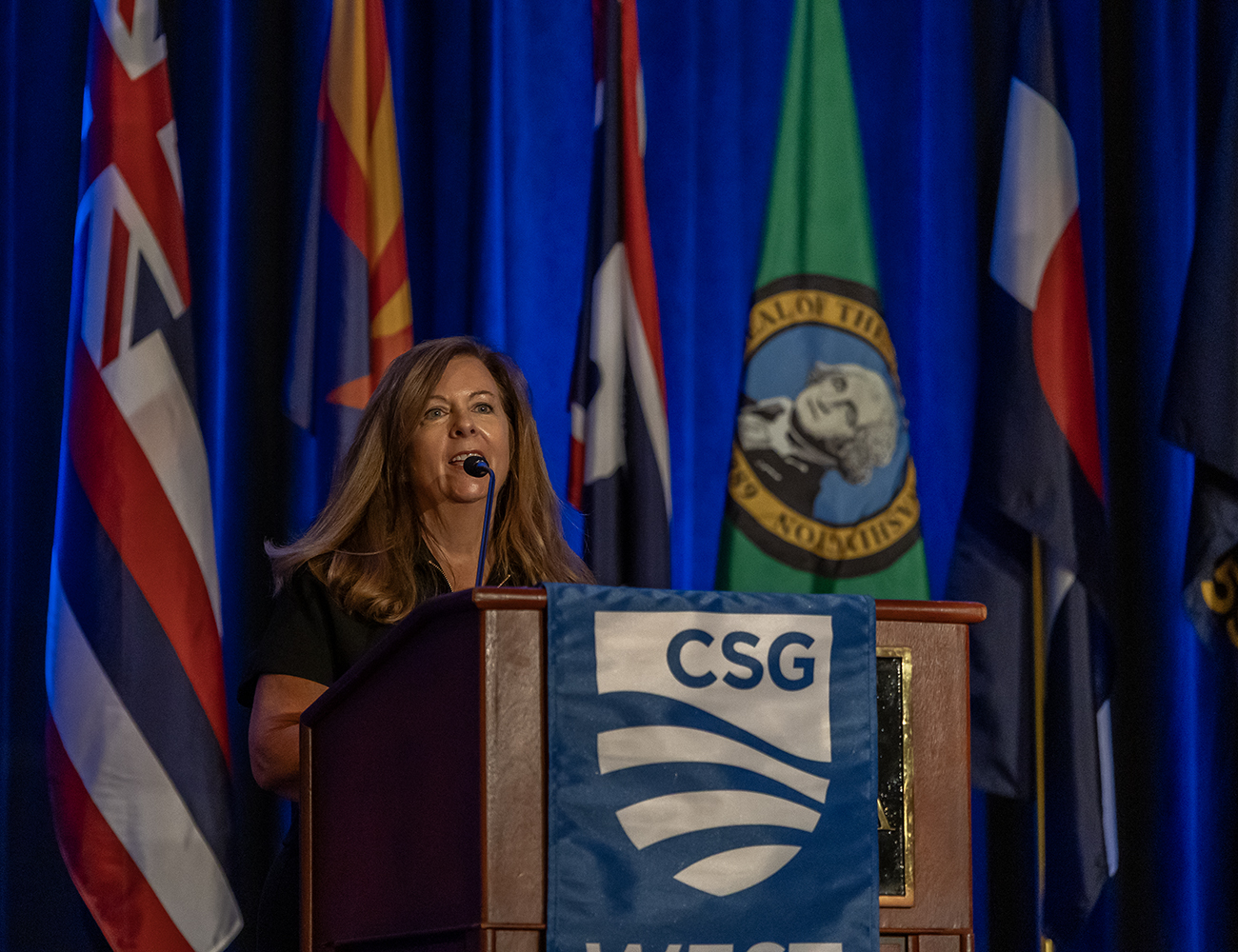
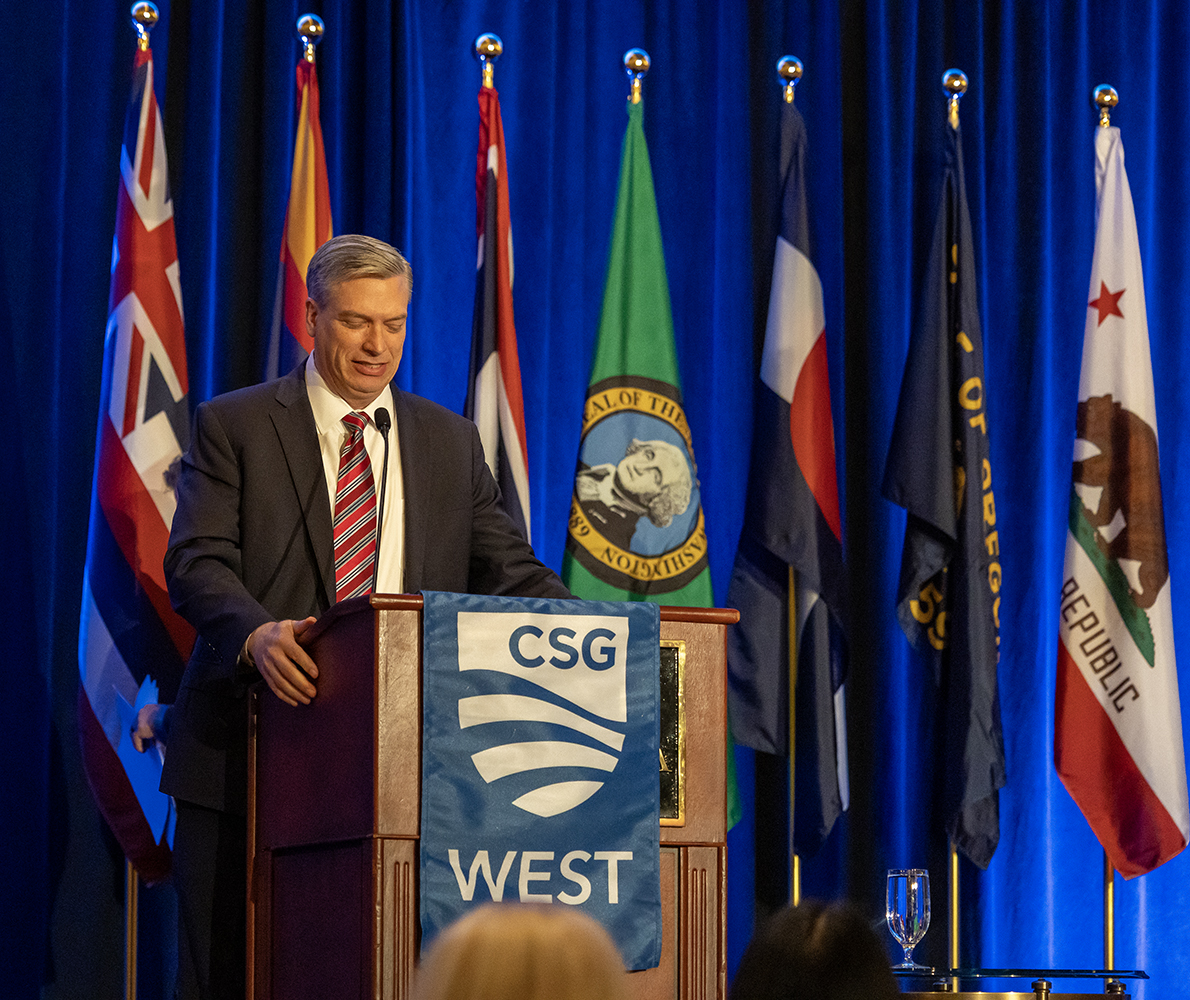
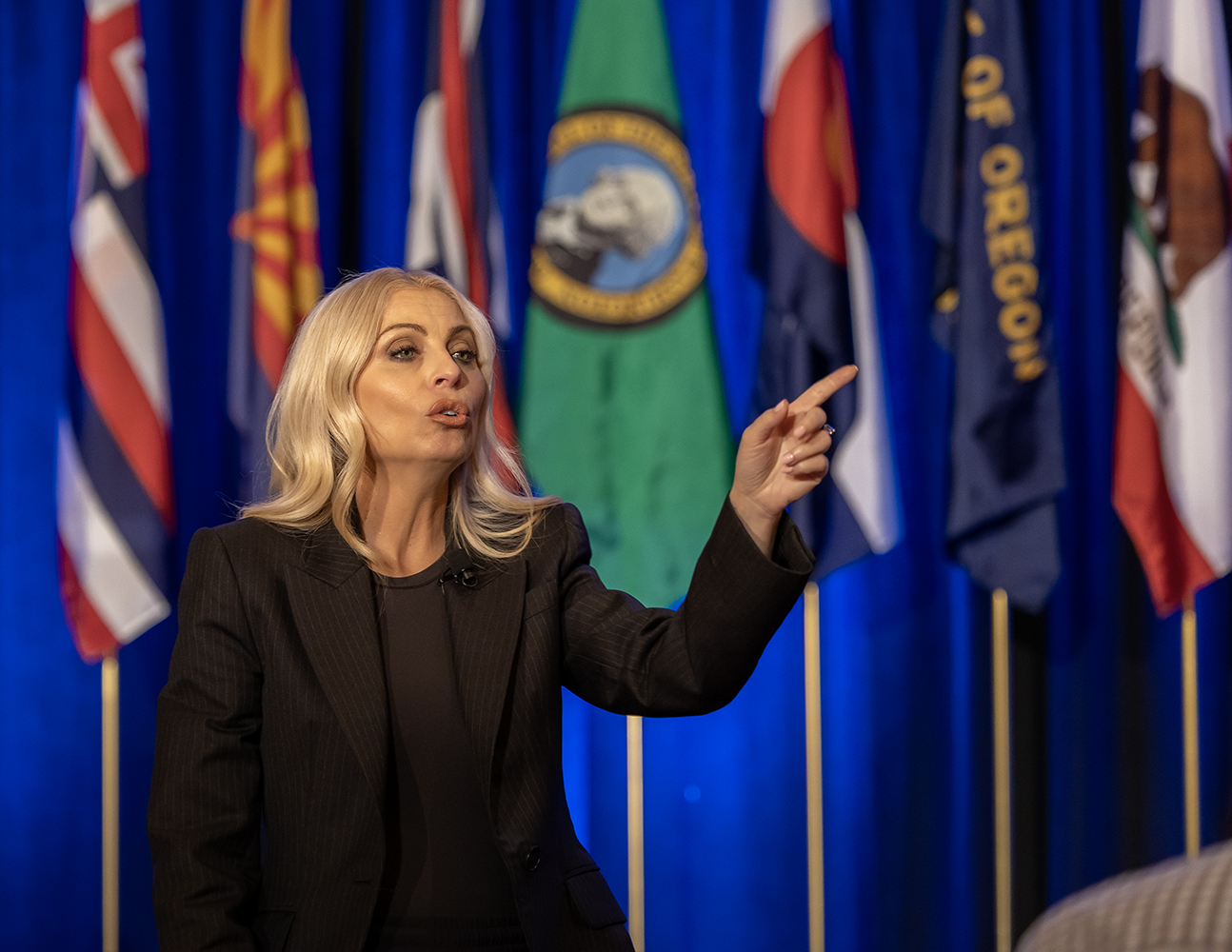
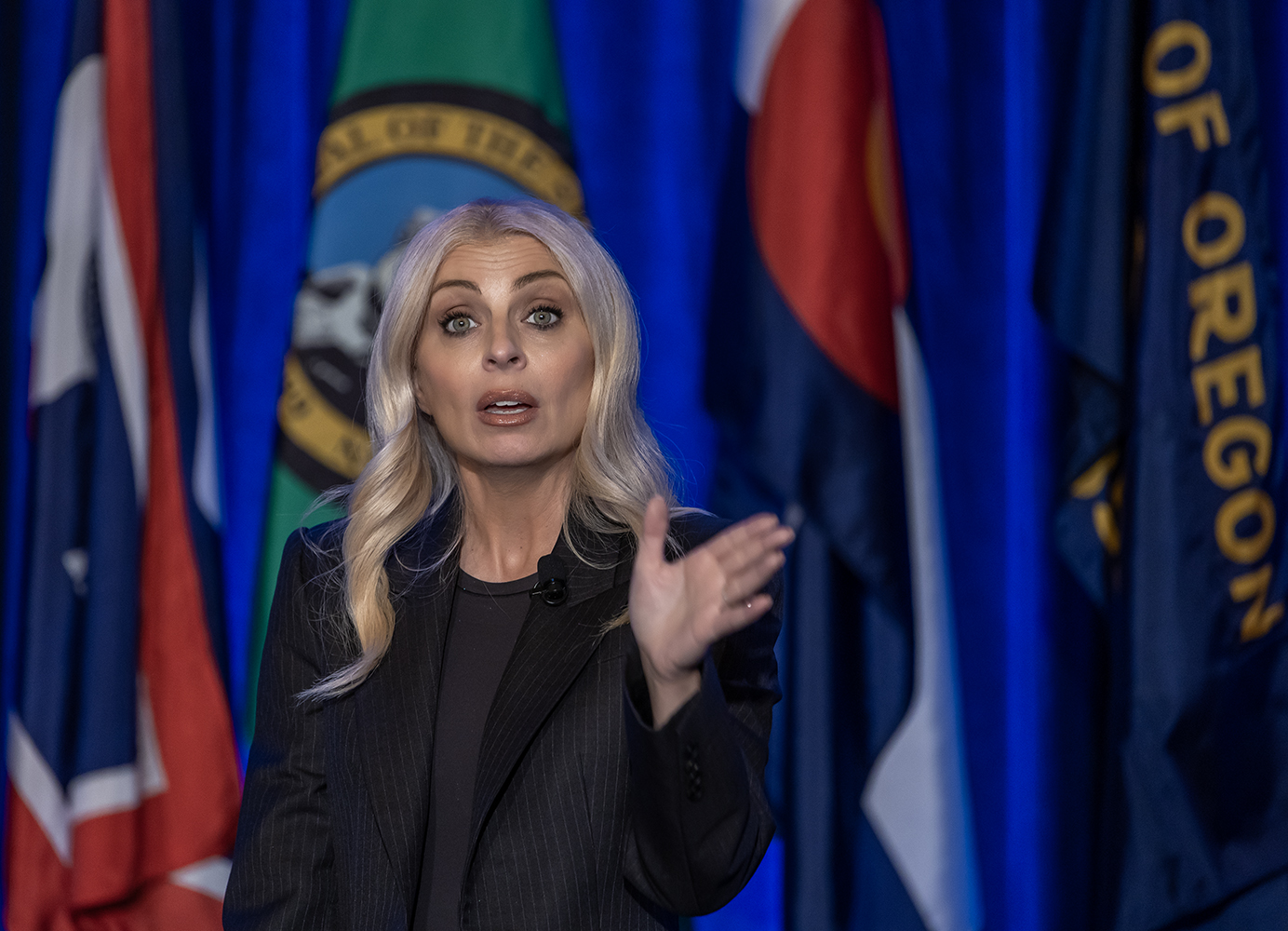
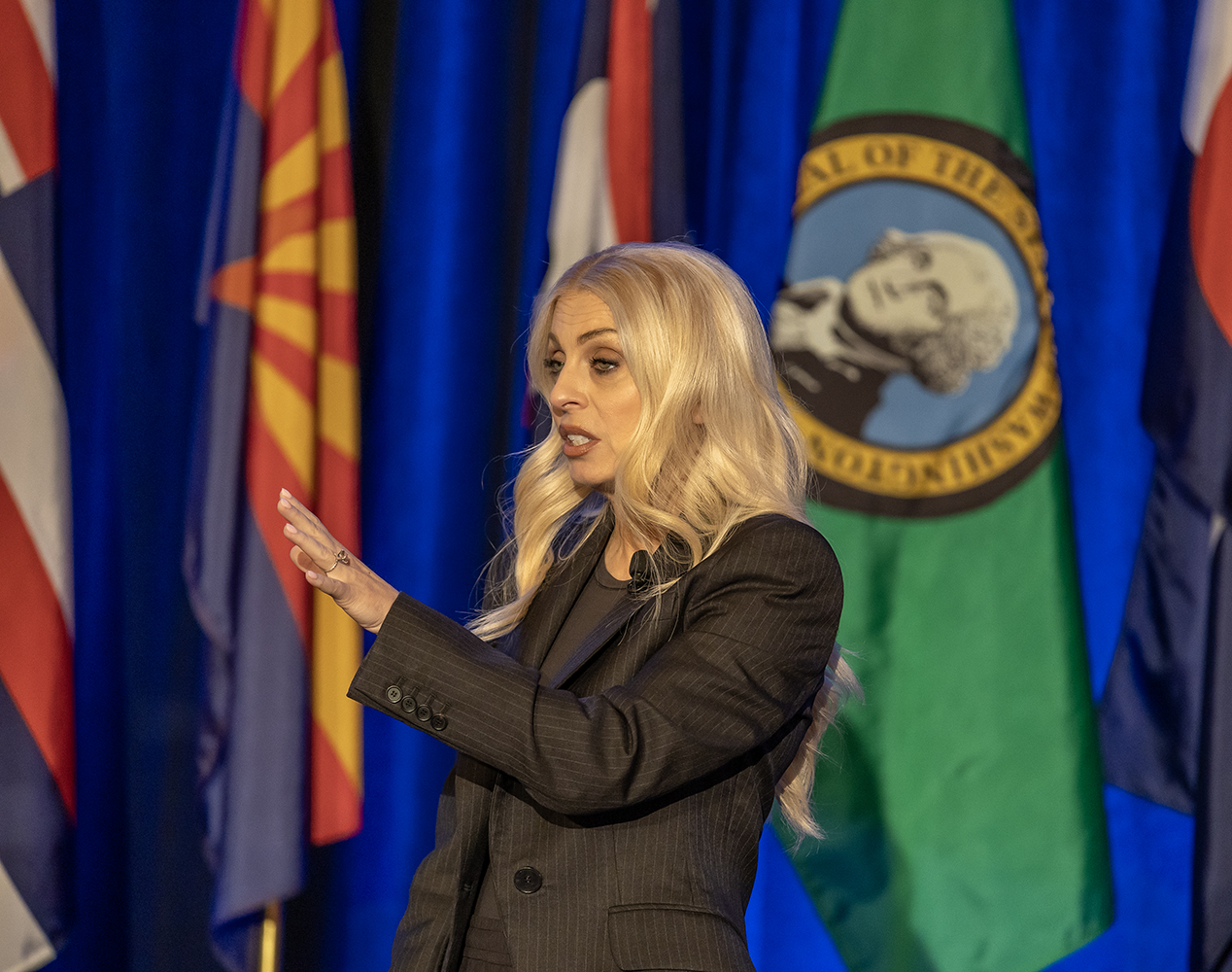
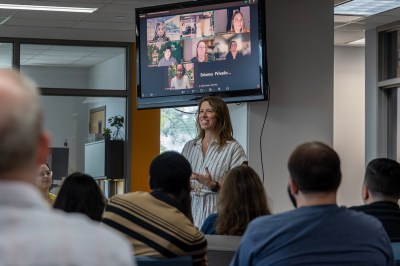
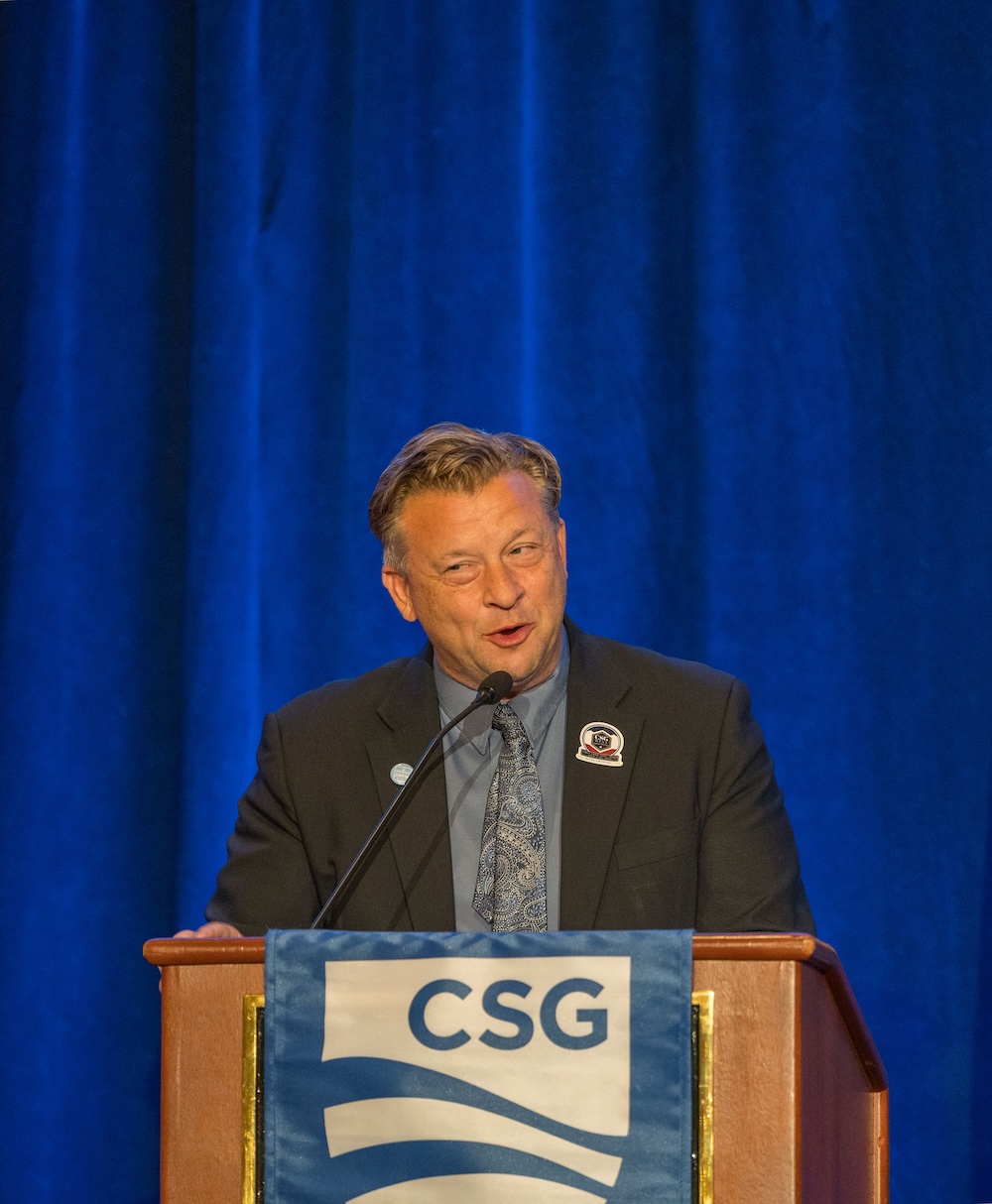
Before we heard from today’s remarkable keynote speaker, there were a few mentions and introductions from Chair Senator Todd Weiler (UT) and Chair-Prospect Senator Löki Tobin (AK). Together, they previewed next year’s CSG West meeting, which will be taking place in Alaska! Following a short “sizzle reel” for the state, Chair Senator Todd Weiler (UT) introduced Elizabeth Smart.
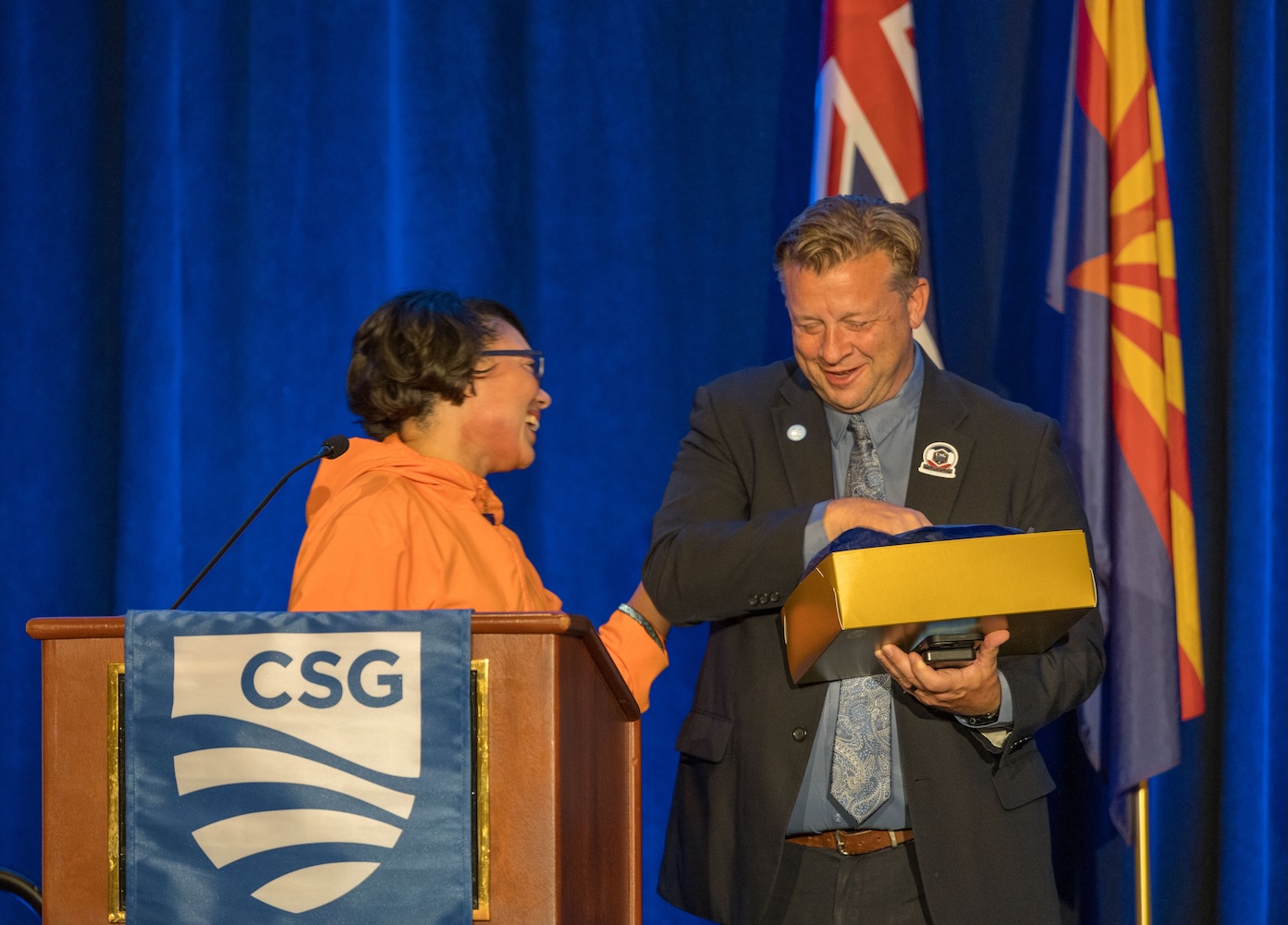
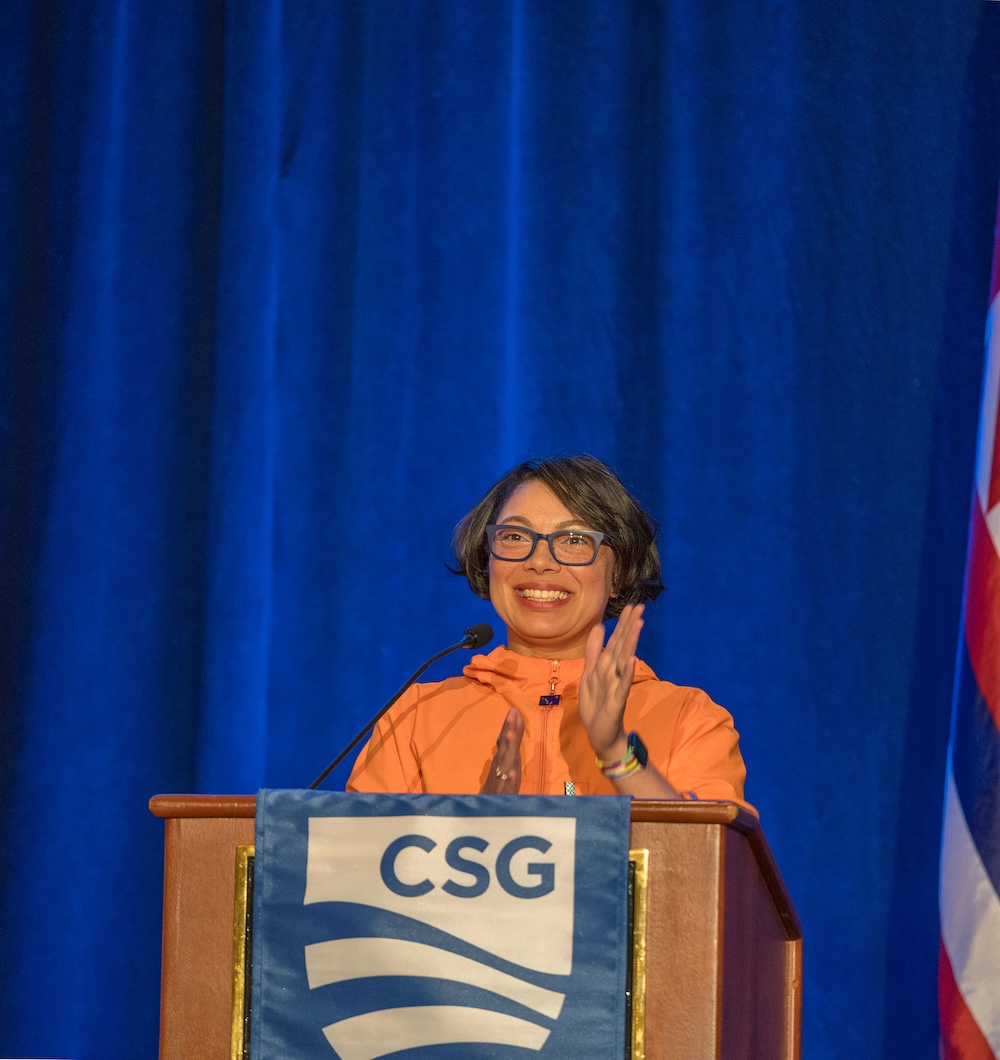
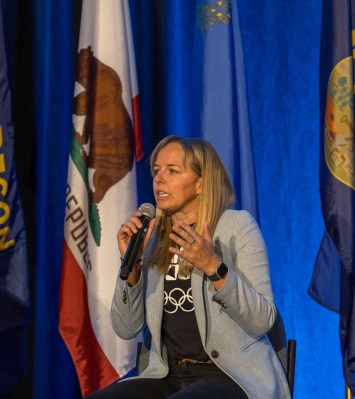
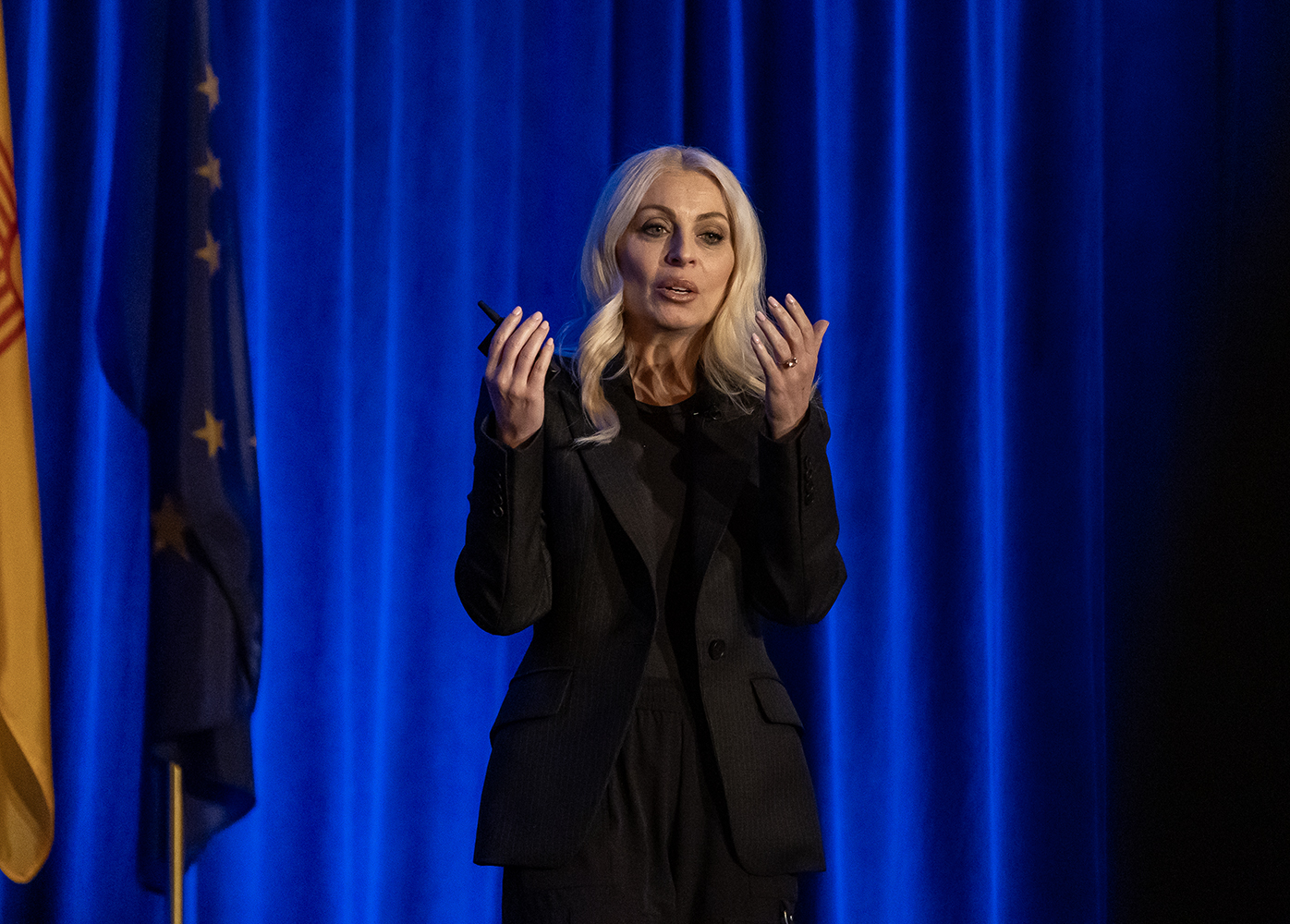
Smart was abducted from her bedroom at the age of 14 and survived nine months in captivity before being rescued. Though it was law enforcement that put her captors behind bars, there would be no story to tell had it not been for her resilience. It was incredibly inspiring to hear her story, and how she pushed through the darkness around her by focusing on positivity. Even though terrible things were happening to her, she reminded herself constantly throughout her abduction that things could always be worse. It was this strategy, as well as remembering the unconditional love of her family, that kept her going.
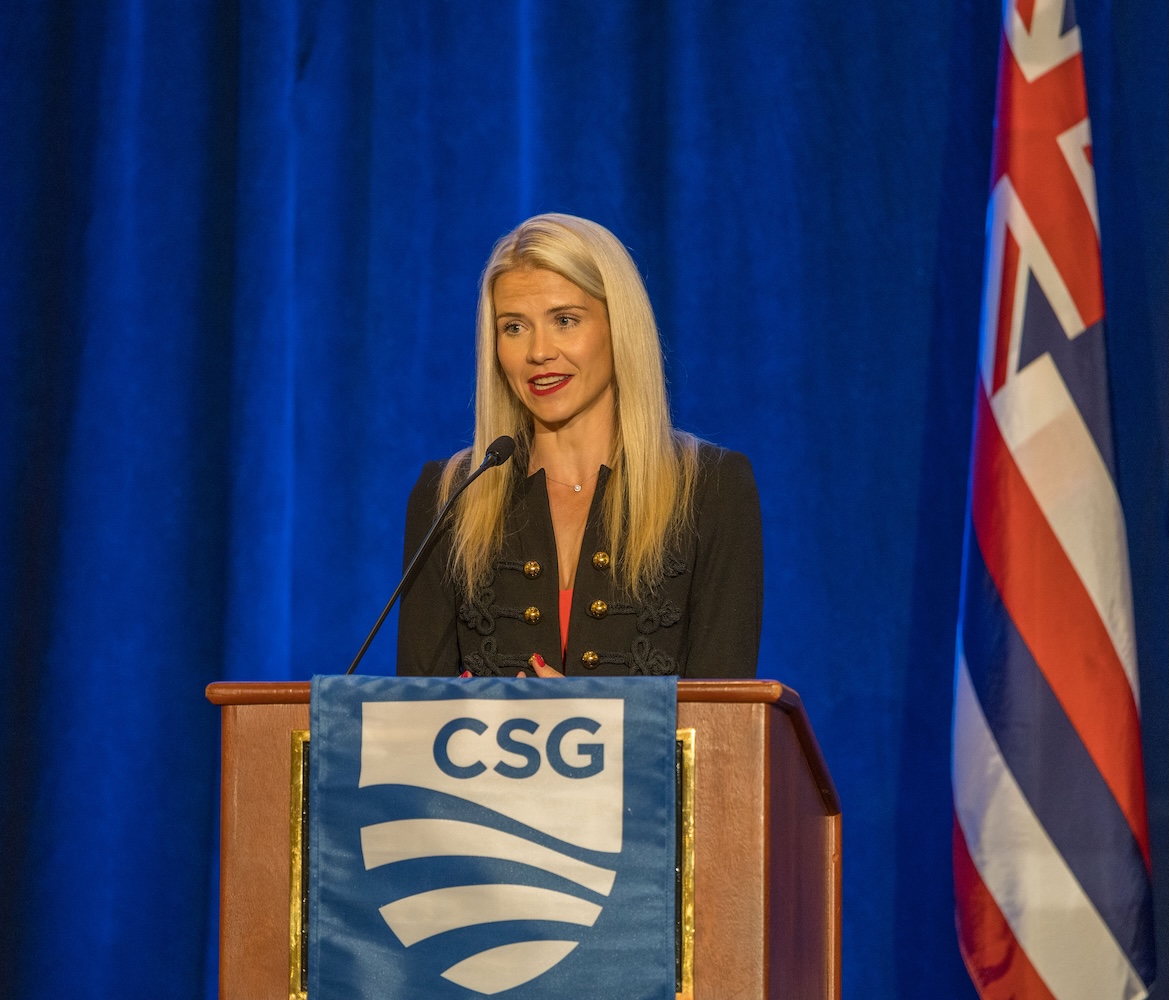
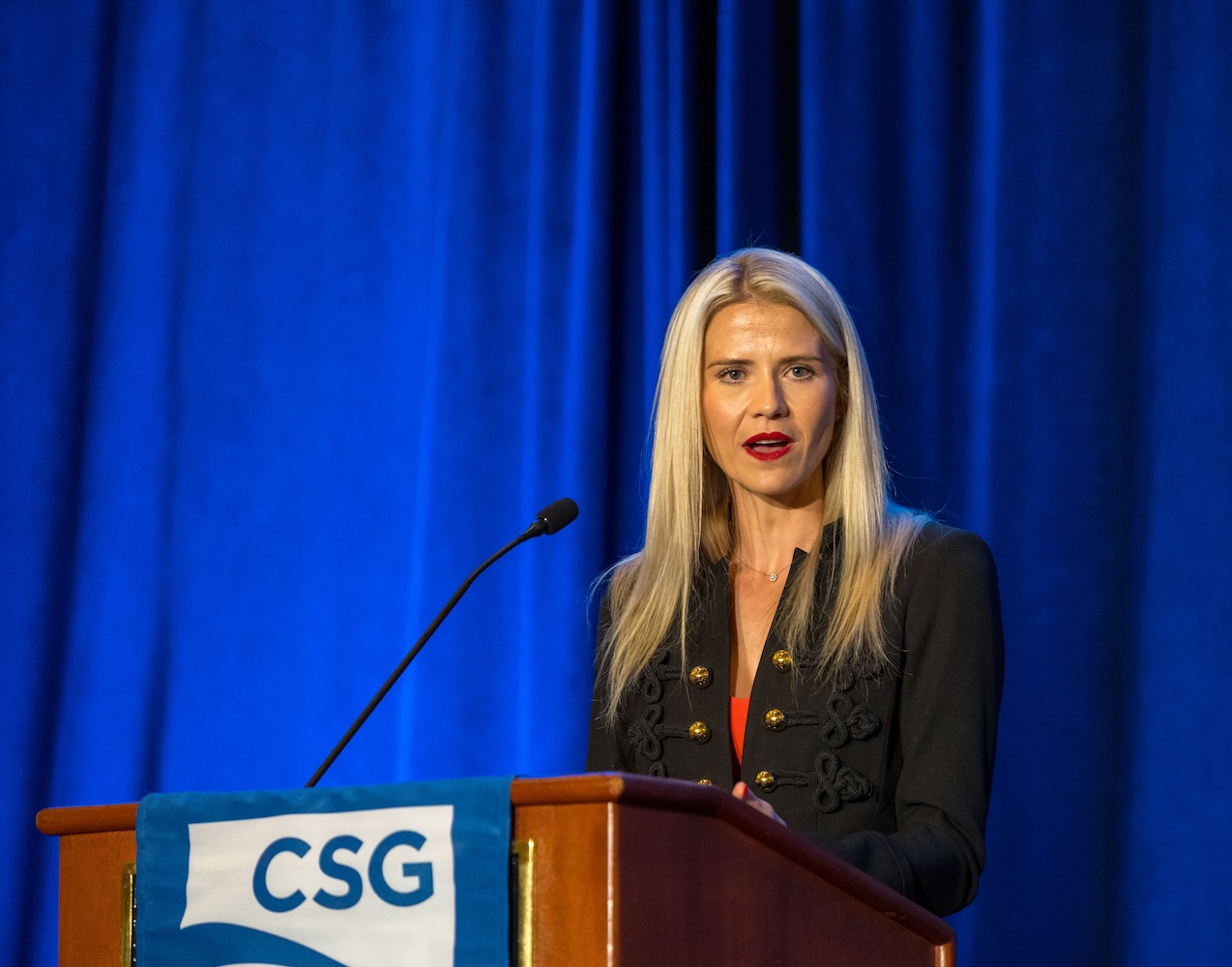
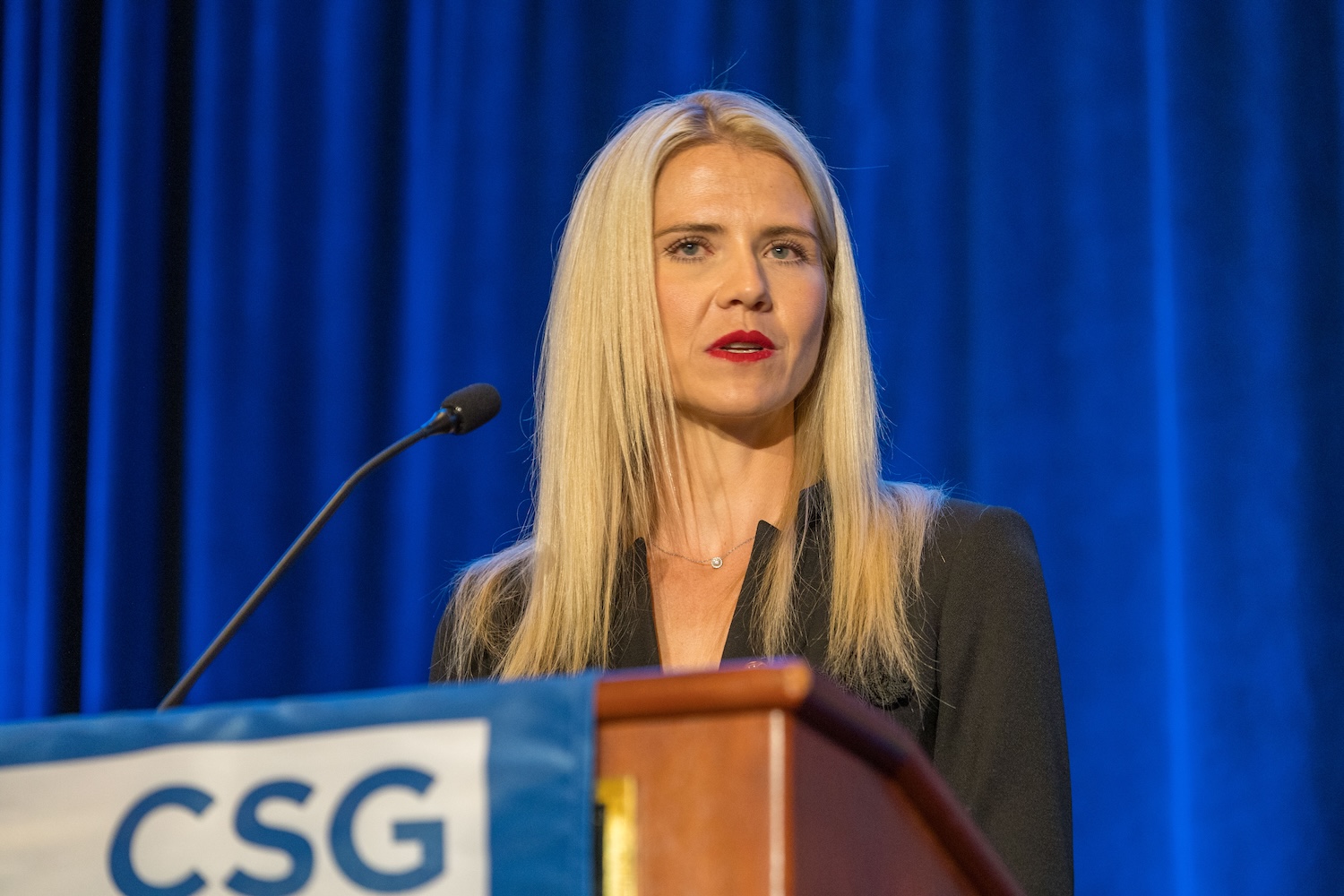
Smart also touched on the incredible difficulty she had finding value within herself during and following her captivity. Because she hadn’t been taught the difference between consensual sex and rape, she felt like she had done something horrible. It took her a long time to be able to rationalize that she hadn’t been the one to do anything wrong. I appreciated her candor and that she made it clear that recovery after something so terrifying was a long process.
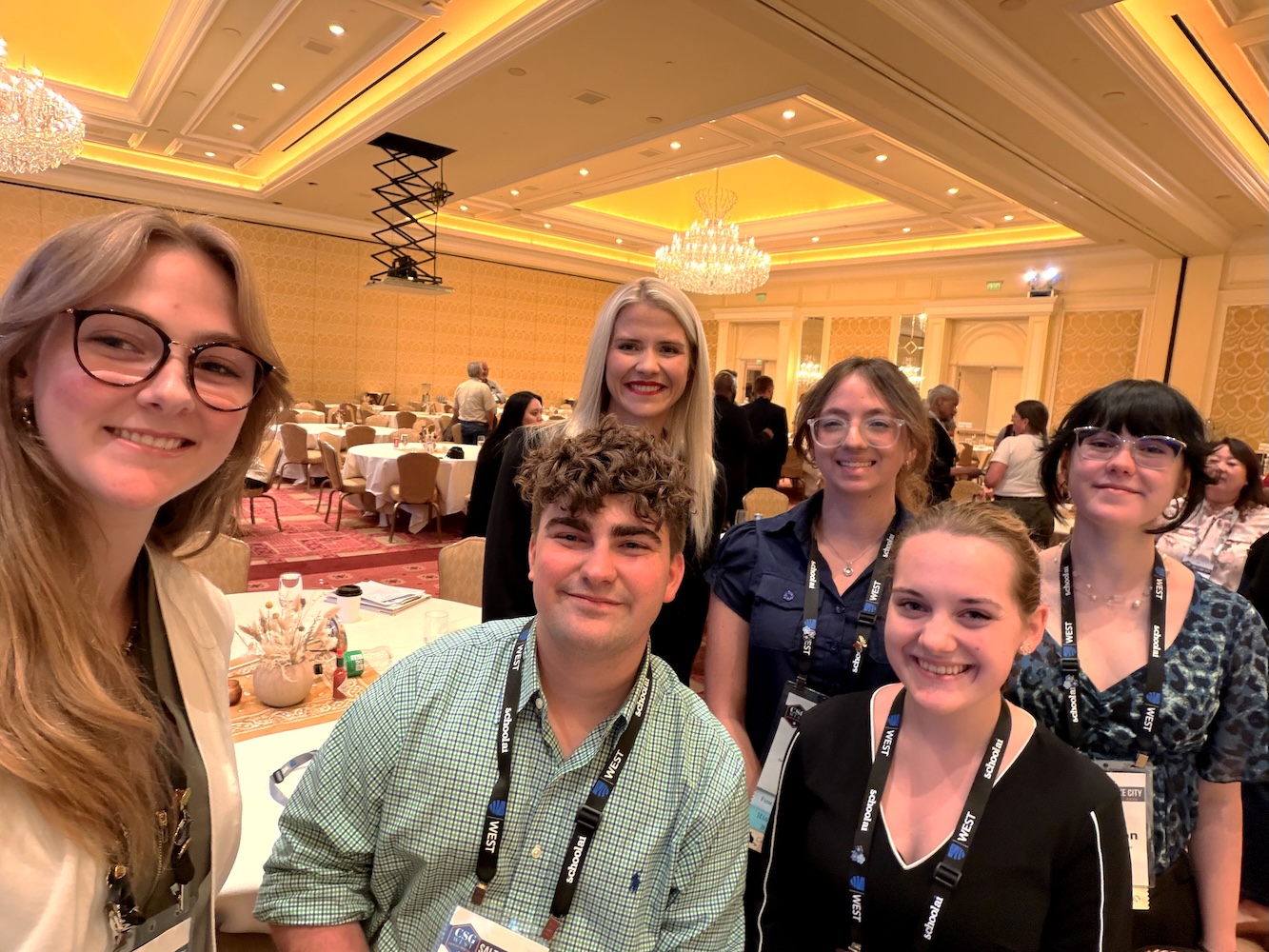
Now an advocate for safety and sexual assault victims, Smart has used what happened to her for as much good as she can. This resilience and compassion is something we all admired. She was an incredible speaker, and we felt honored to have been able to listen to her.
CSG Justice Center
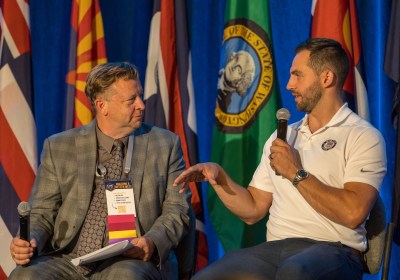
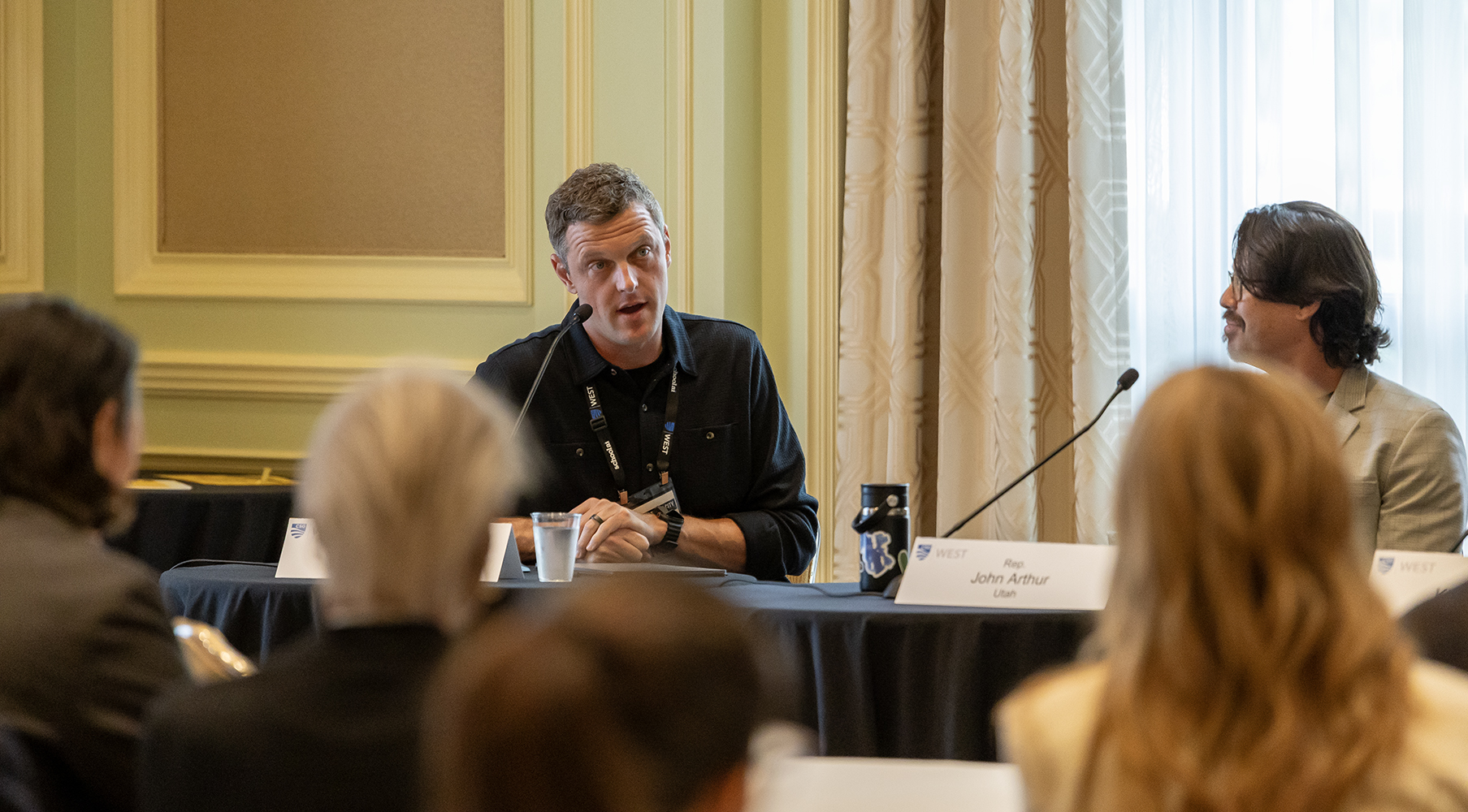
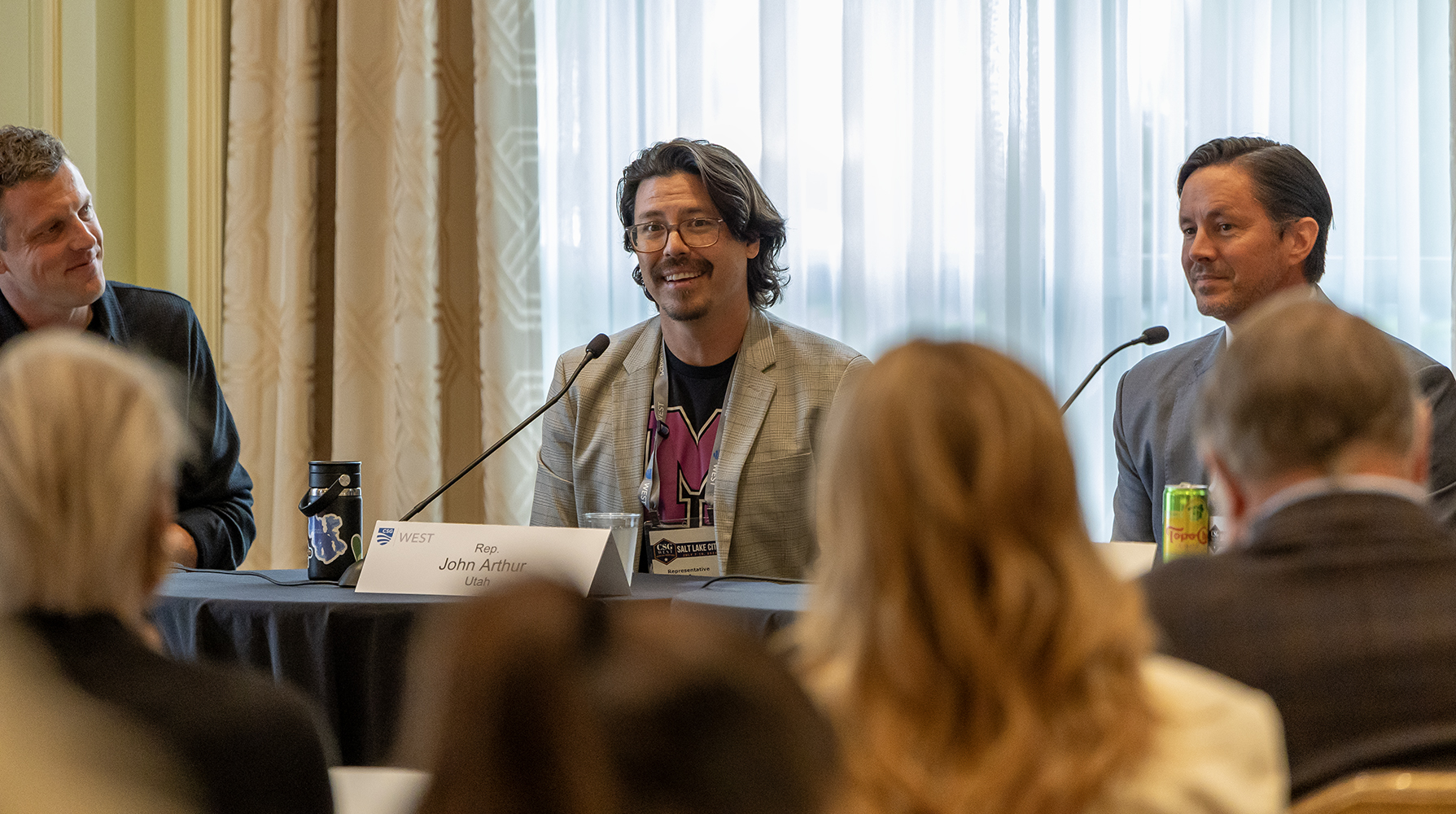
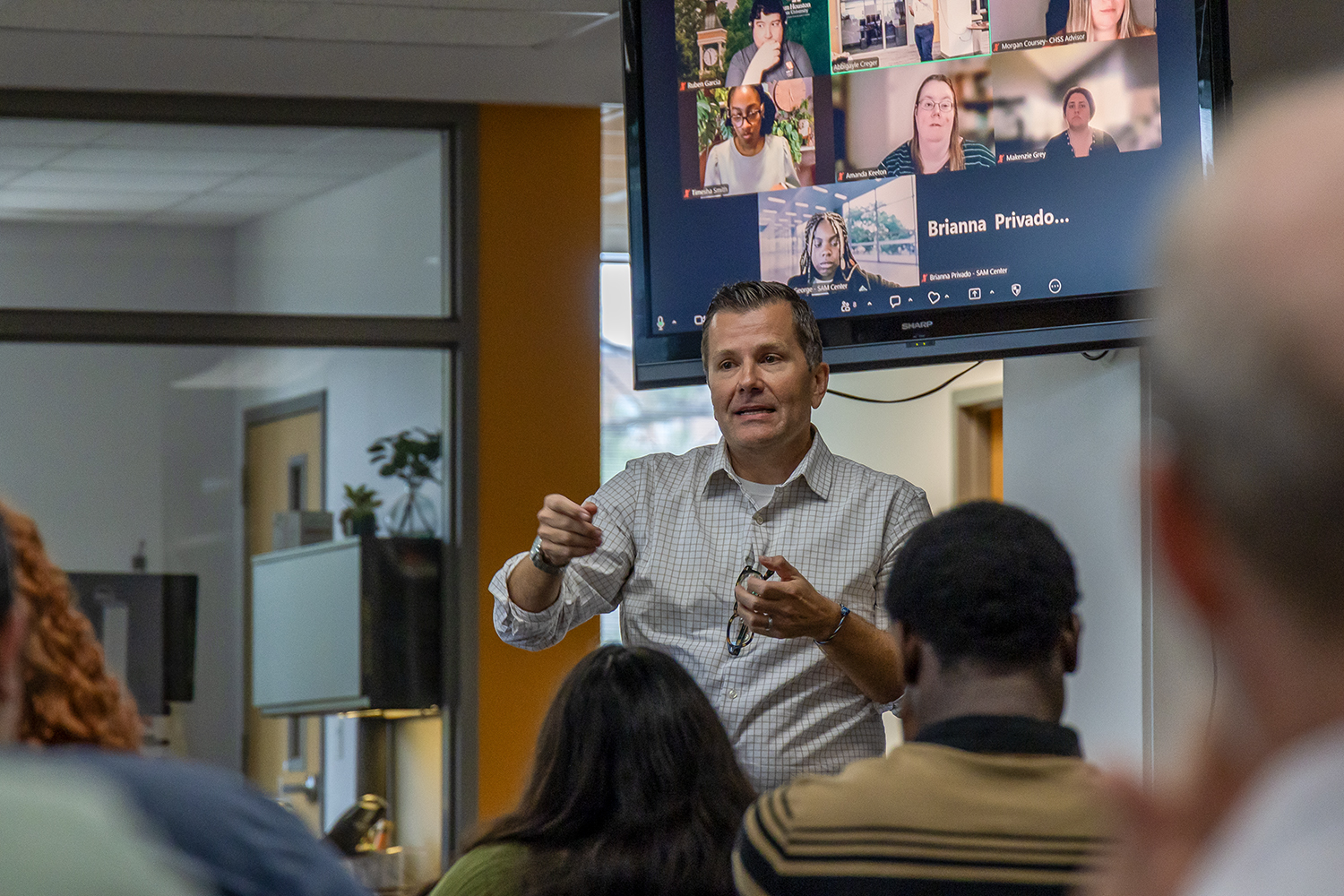
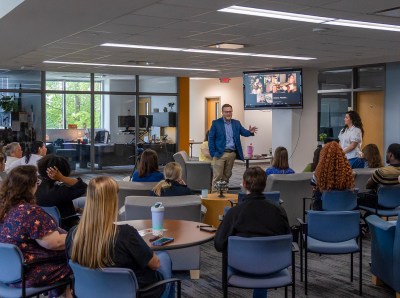
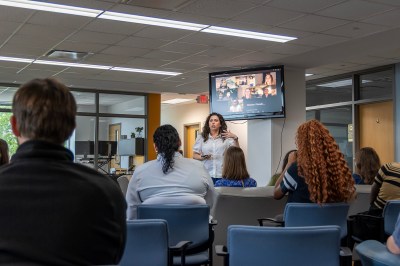
Following Elizabeth Smart’s moving speech, we attended a session on the CSG Justice Center, and their approach to mental health advocacy. Ernest Stevens, former San Antonio police officer and Crisis Intervention Team (CIT) member, current Managing Director of Behavioral Health at the CSG Justice Center, Madeleine Dardeau, CSG Justice Center State Initiatives Program Director, and Leanne Huff, Mobile Crisis Outreach Team (MCOT) Act specialist, had a panel discussion about the implementation and development of MCOTs, as well as CIT Trainings and help line 988.
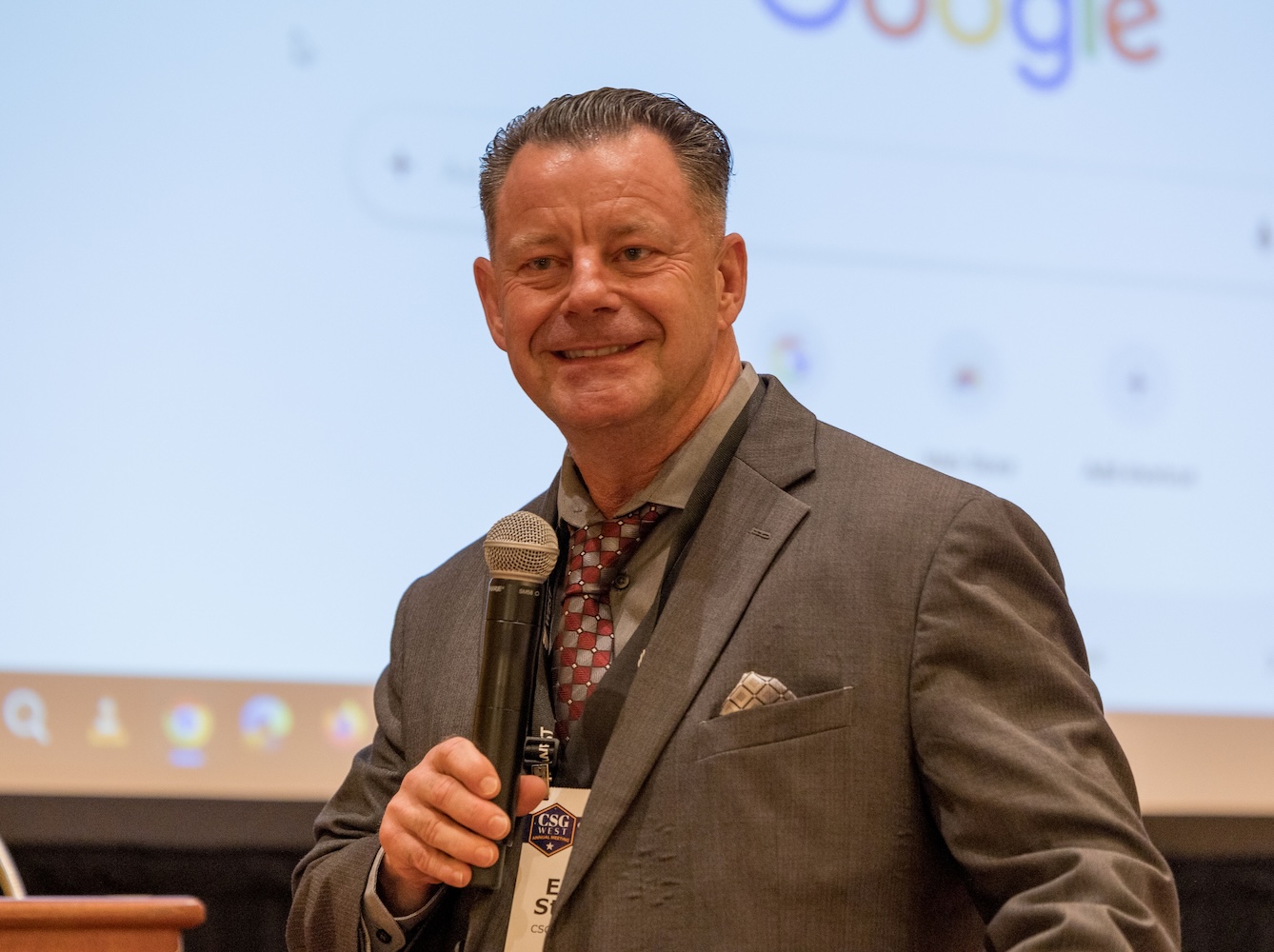
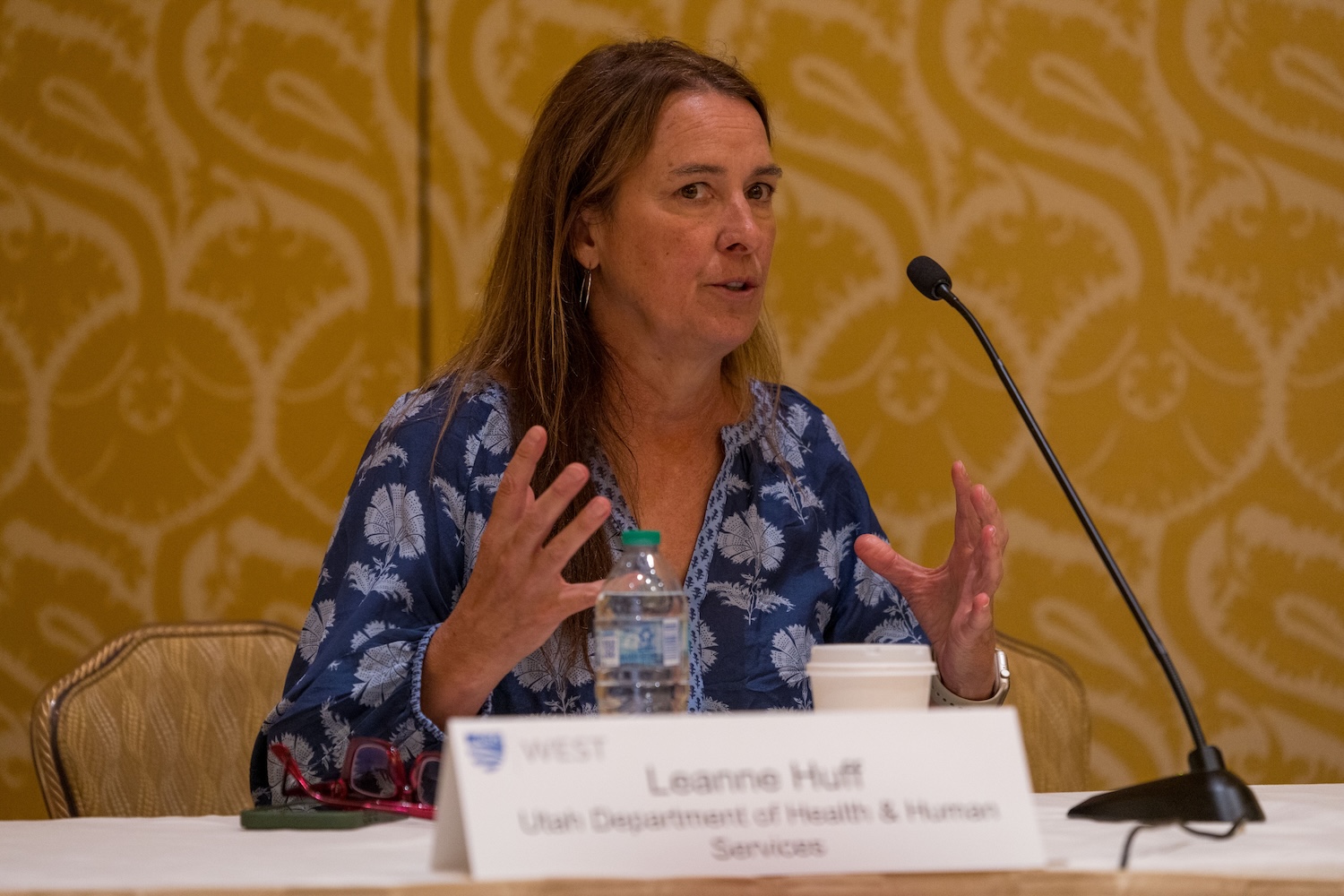
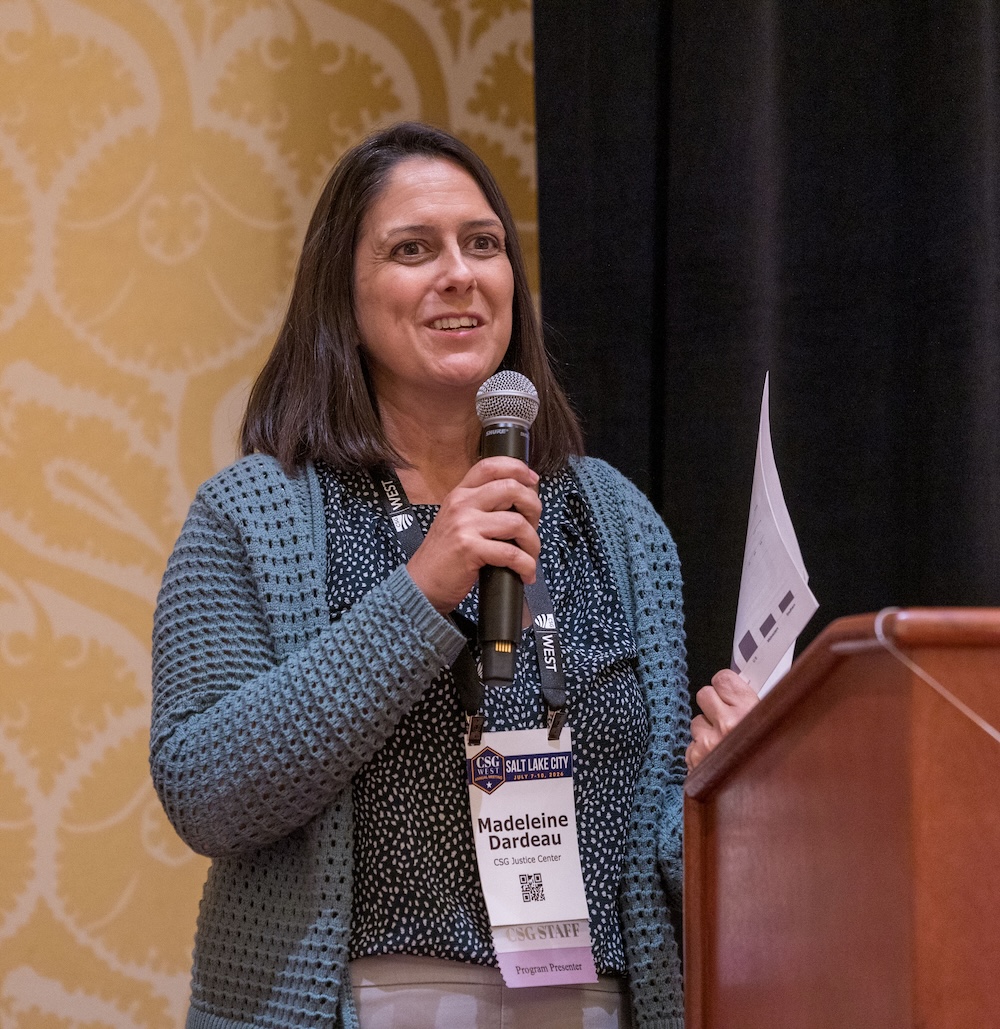
The key point was the pressing need for more CIT trained teams to go out and address people with mental health problems. Stevens stated that if you send an untrained officer to deal with mental health crises “there will always be a gun.” Many people struggling with mental health have been shot or killed by officers unable to deal with their problems, and this is exactly what the CSG Criminal Justice center is trying to stop. At the core of this session was a statistic: officers spend only 8 hours learning about mediation techniques, which is something they are supposed to use every day, as opposed to a whopping 20 hours learning to use a gun, which many officers only discharge a few times.
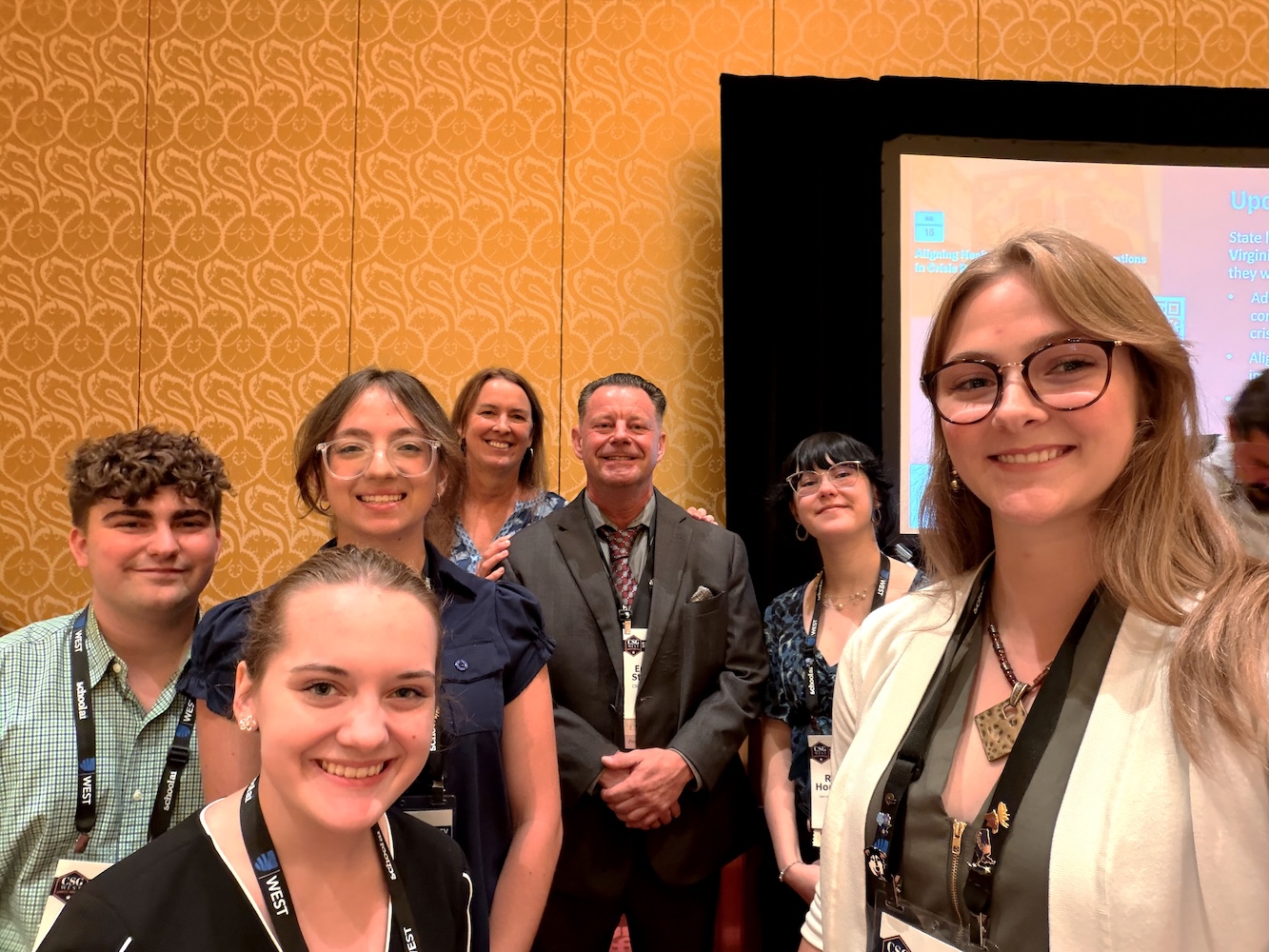
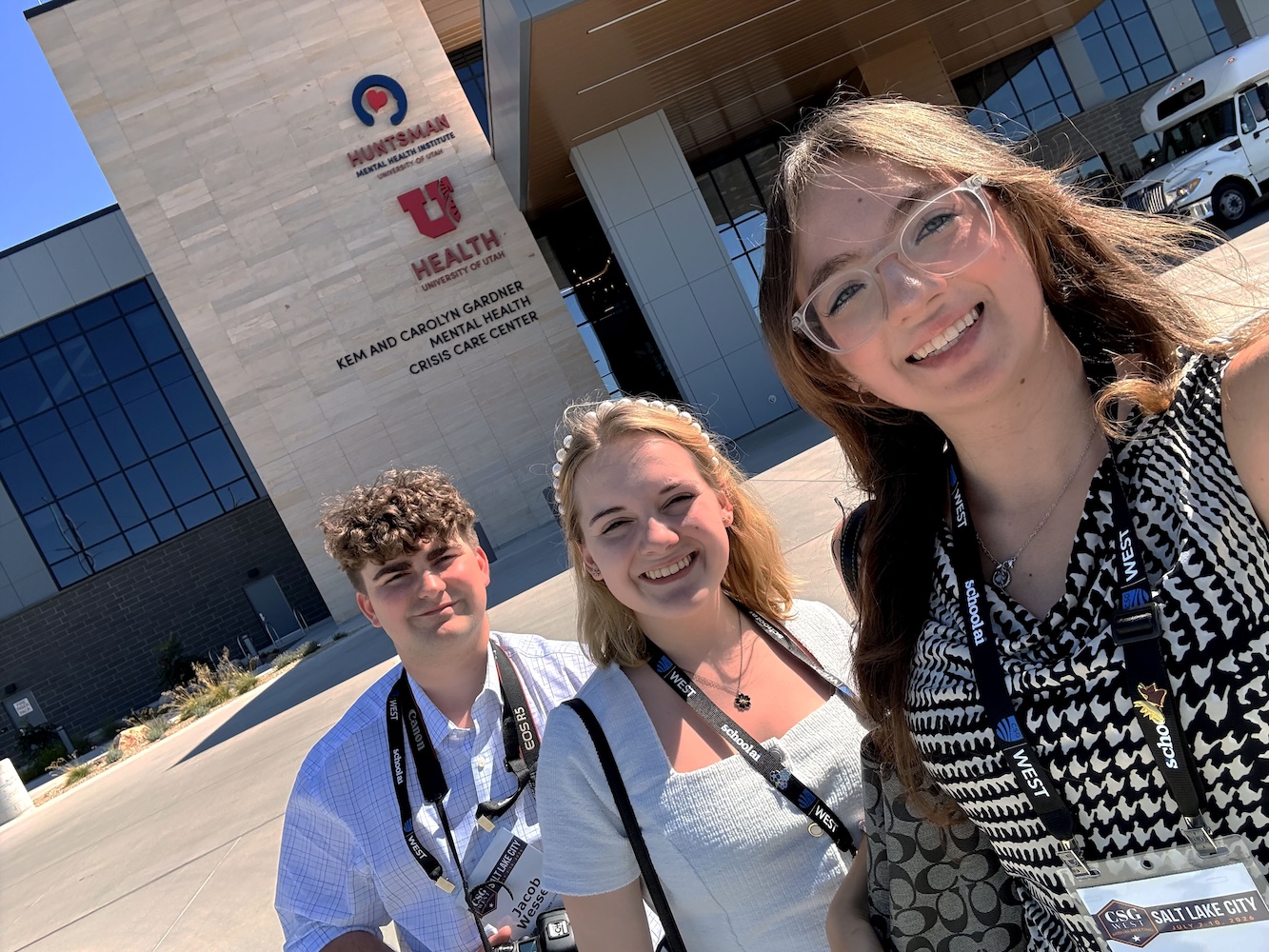
Another factor in this issue is the stigmatization of mental health problems. If we can make people unafraid to get the help they need, then we won’t have as many suicides or overdoses. This issue is becoming something that is particularly close to a few of our hearts, and we hope that in the future we can be a part of the solution.
Dinner
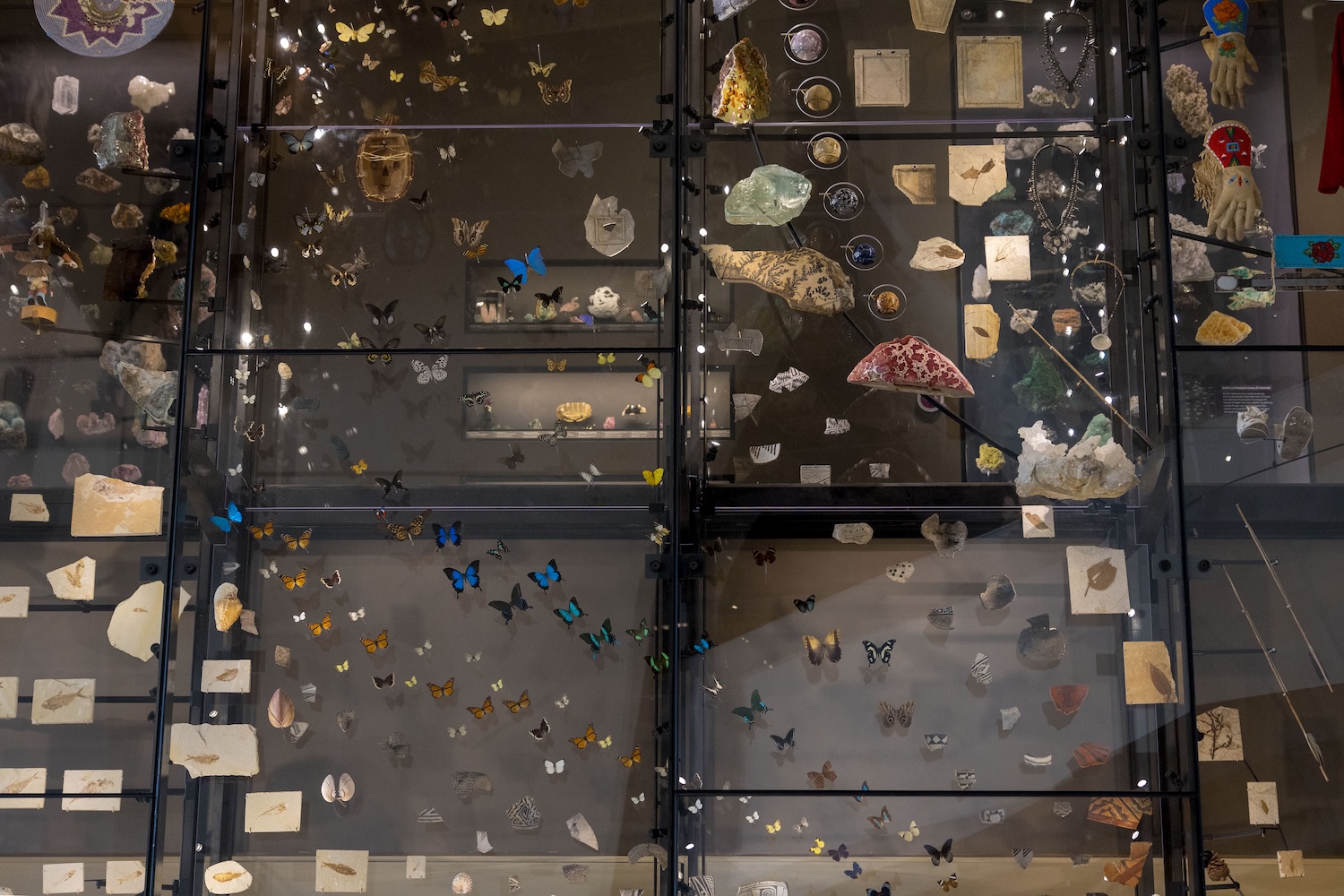
We ended the conference with fun in a closing dinner hosted at the Natural History Museum of Utah, which was just as beautiful of a venue as it was informative. After ascending the stairs, we were greeted with a wall of fossils, crystals, flora, and taxidermy that stretched from floor to ceiling, immediately captivating several Ambassadors.

The dinner also featured a local band, by the name of The Bombshell Flowers. A high-energy indie rock group, their layered harmonies added a relaxed, yet tasteful atmosphere.

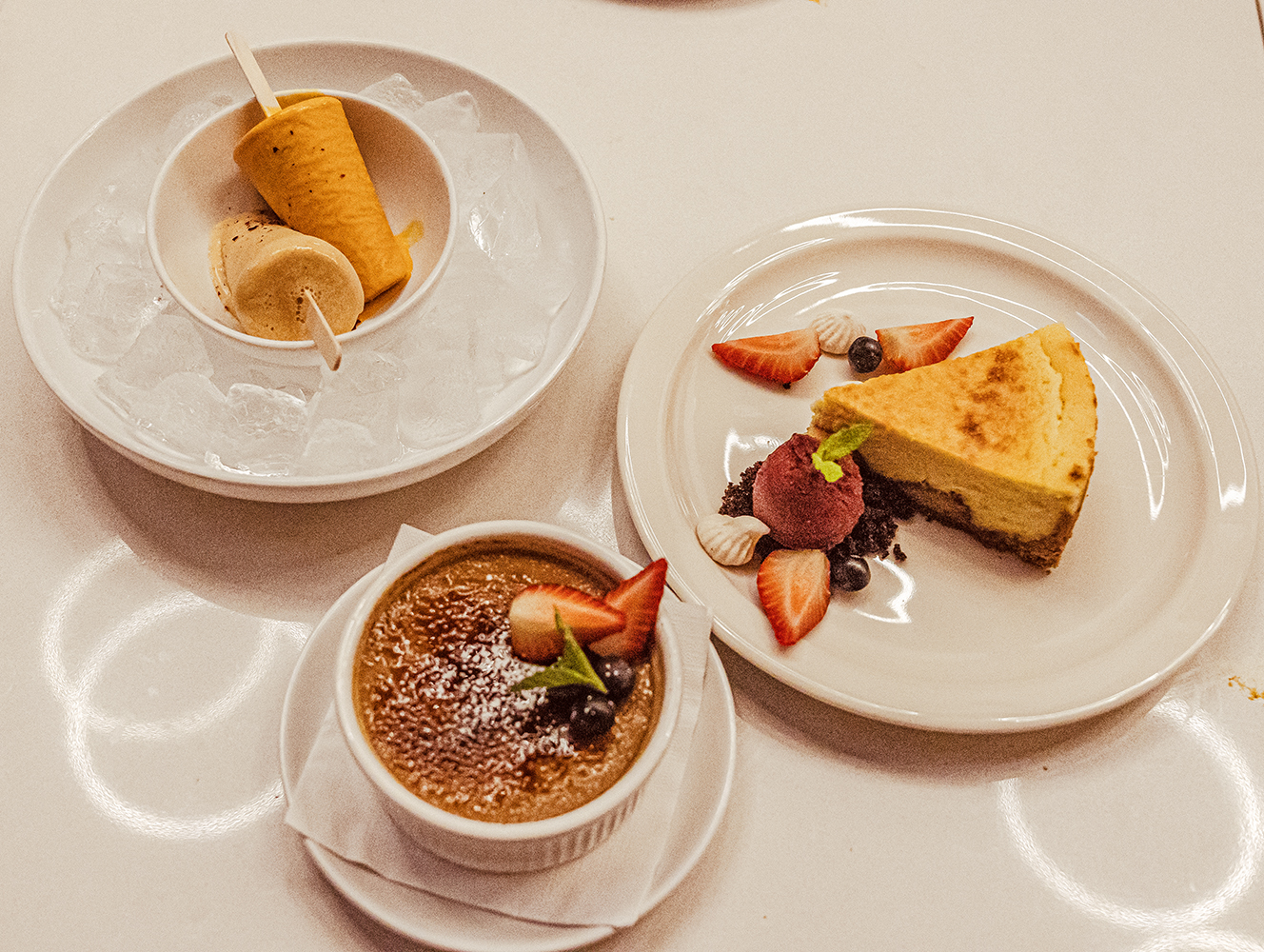
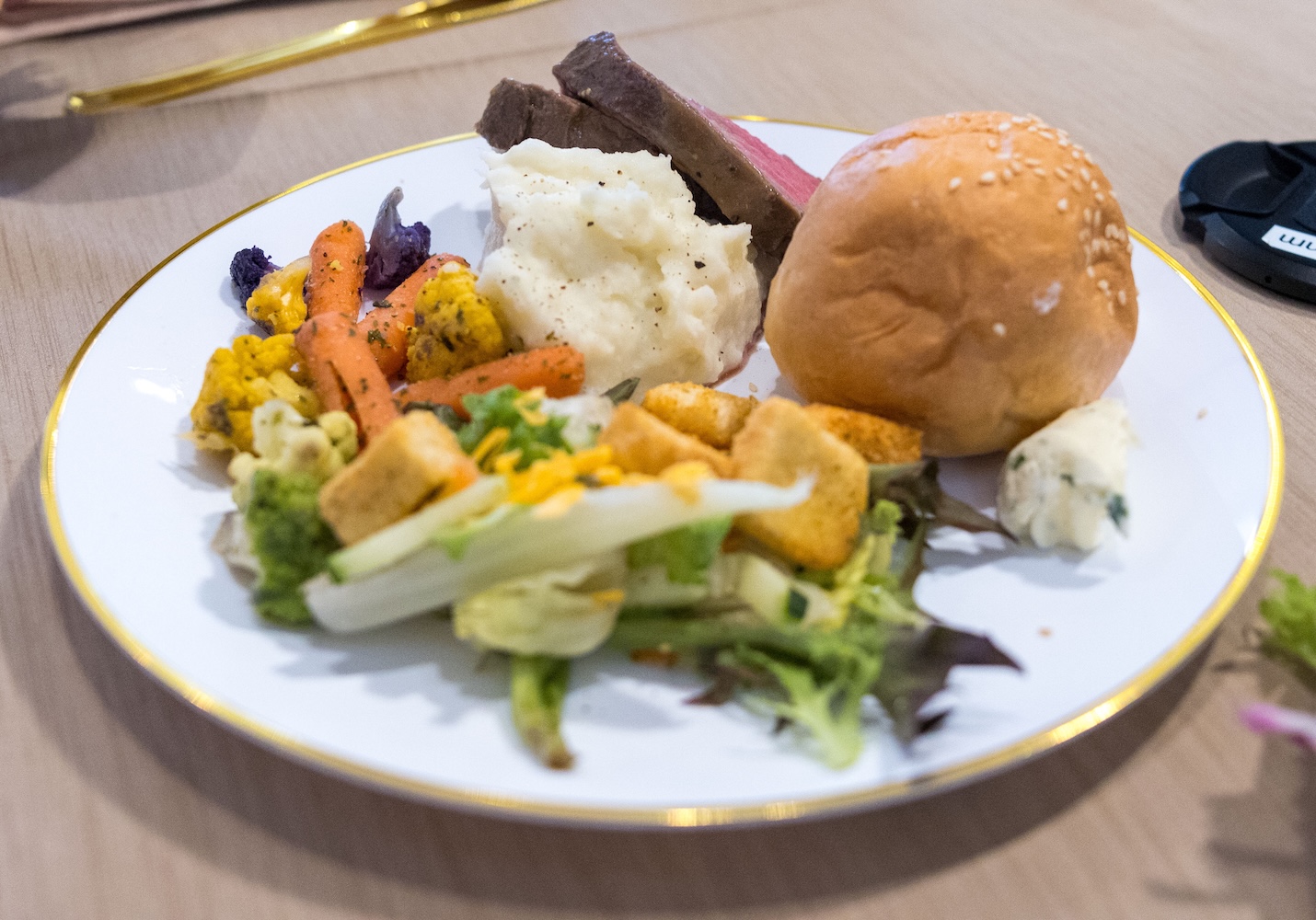
For dinner, we had tri-tip steak, cauliflower, asparagus, mashed potatoes, and salad, followed by desserts of fruit tarts and banana pudding.
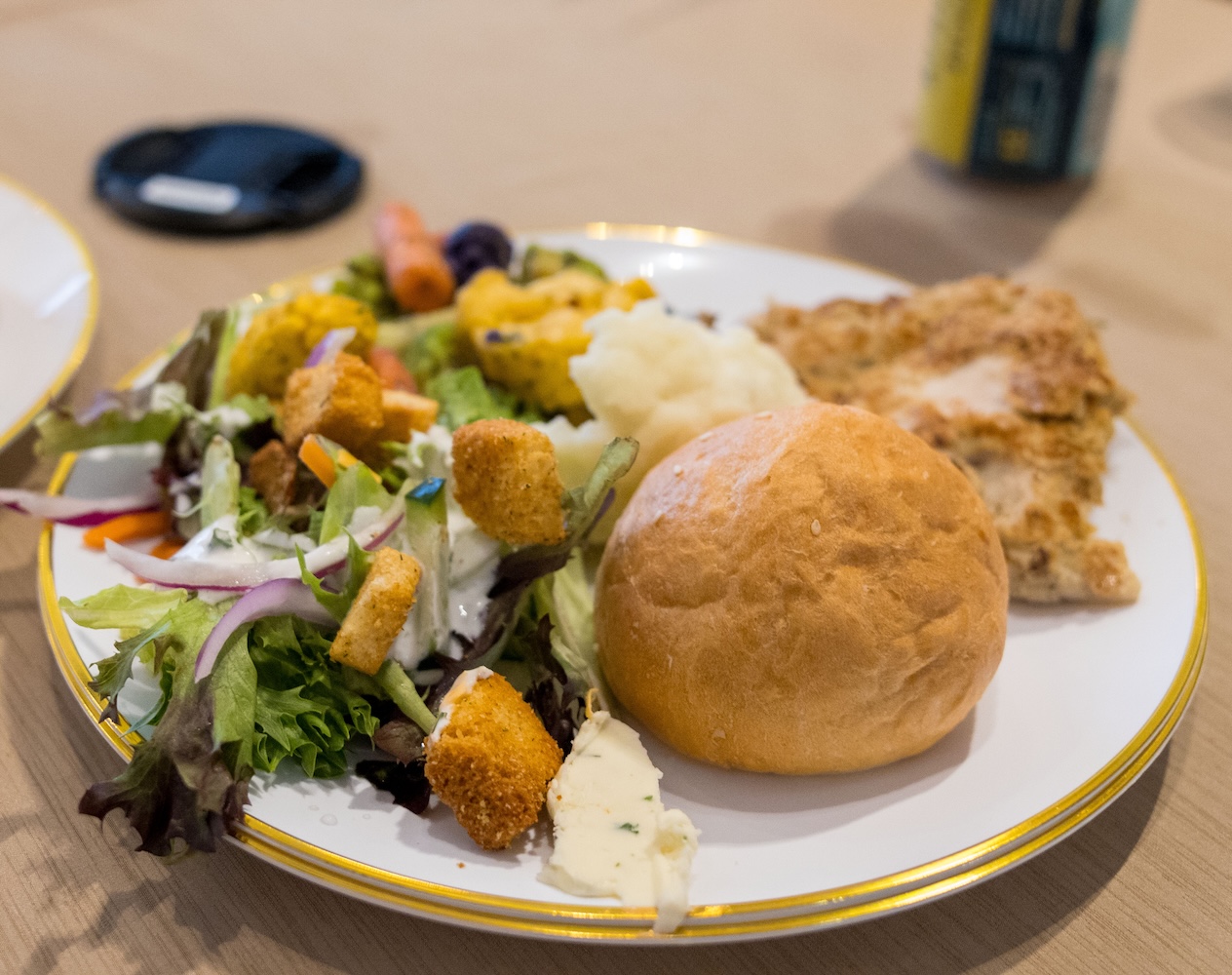
While the dinner was good, it was the museum that was truly memorable. We spent a lot of time exploring the exhibits, each highlighting an important aspect of Utah’s natural history. We even discovered that Allie is likely descended from the Allosaurus, which is where she gets her t-rex nature!

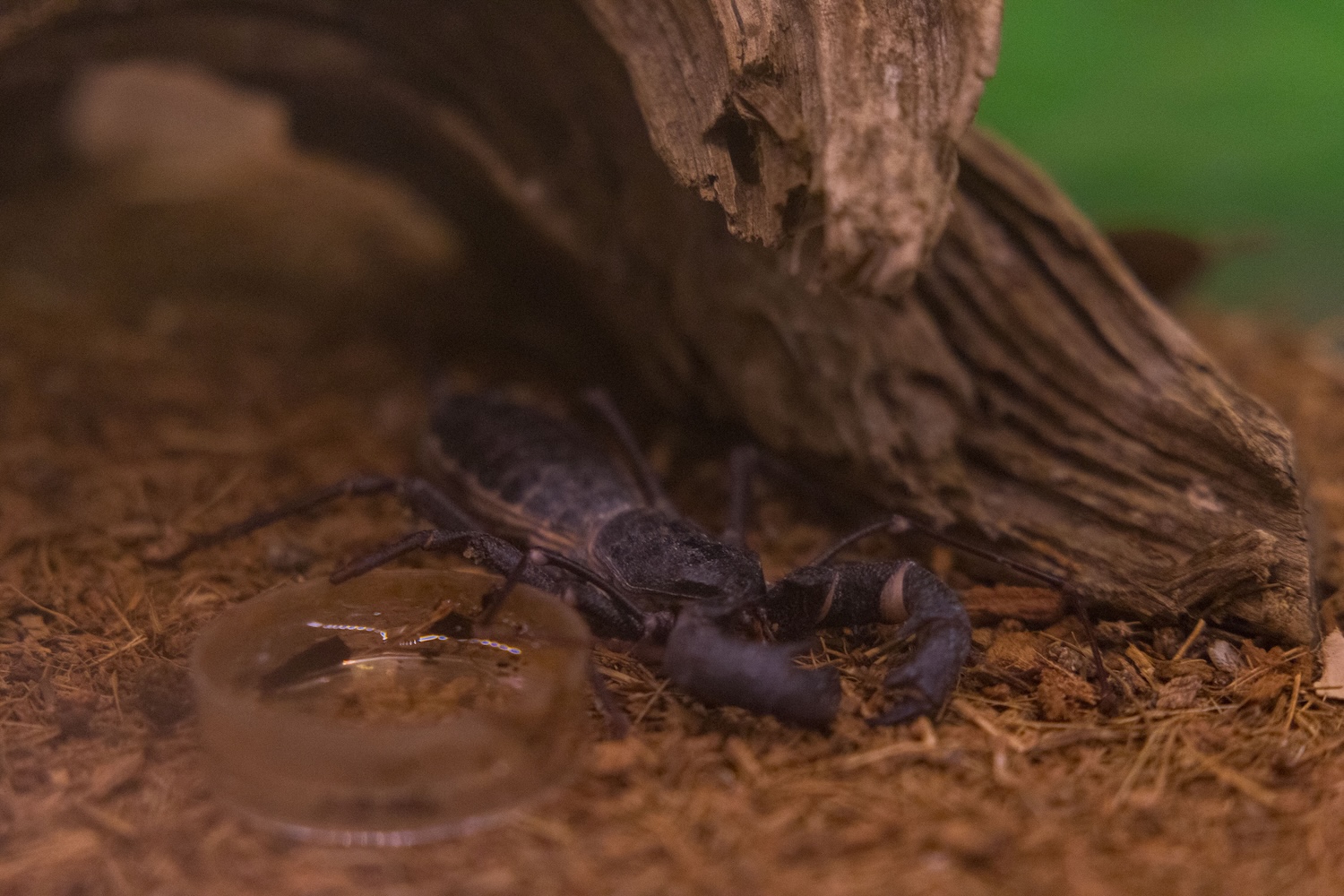

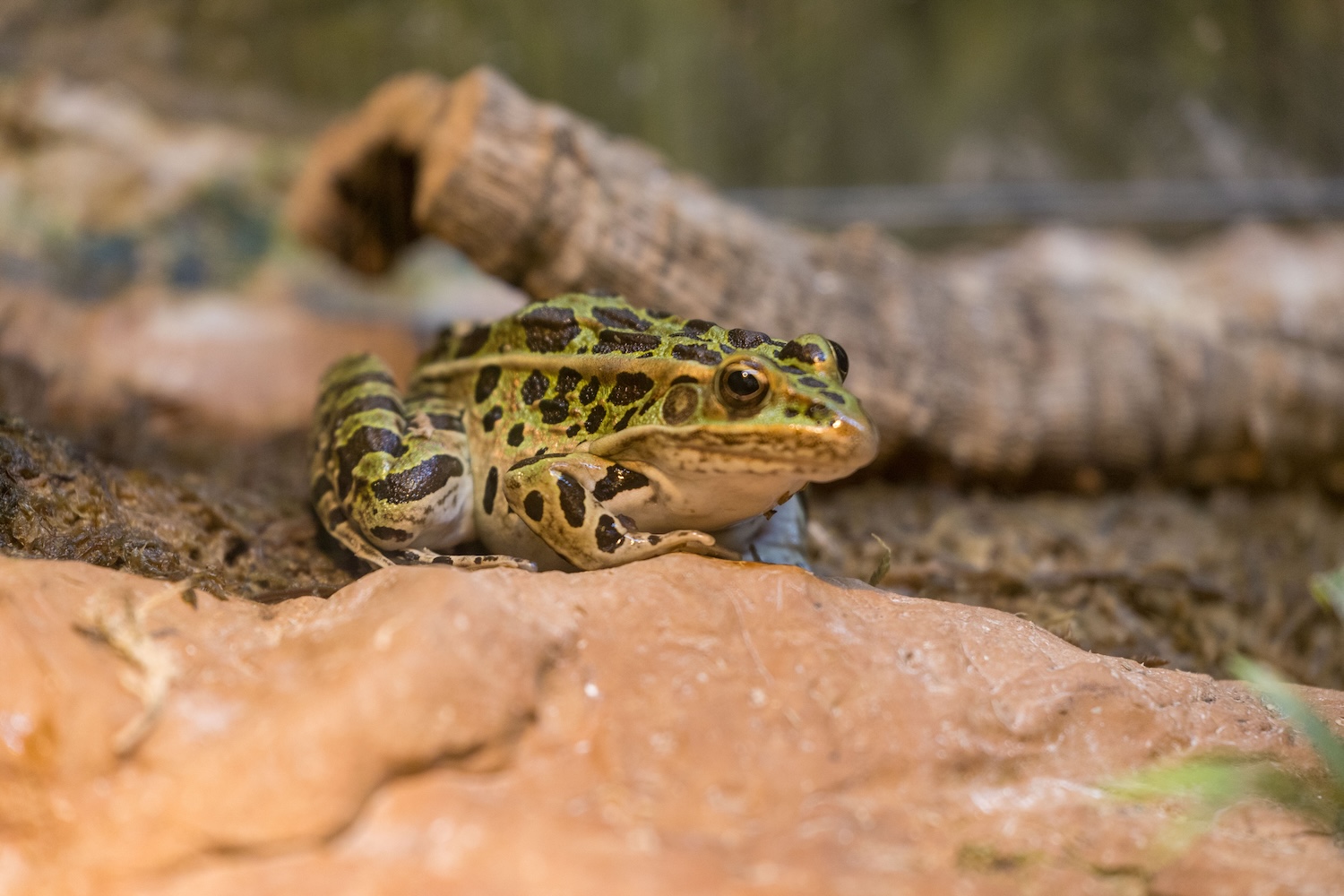
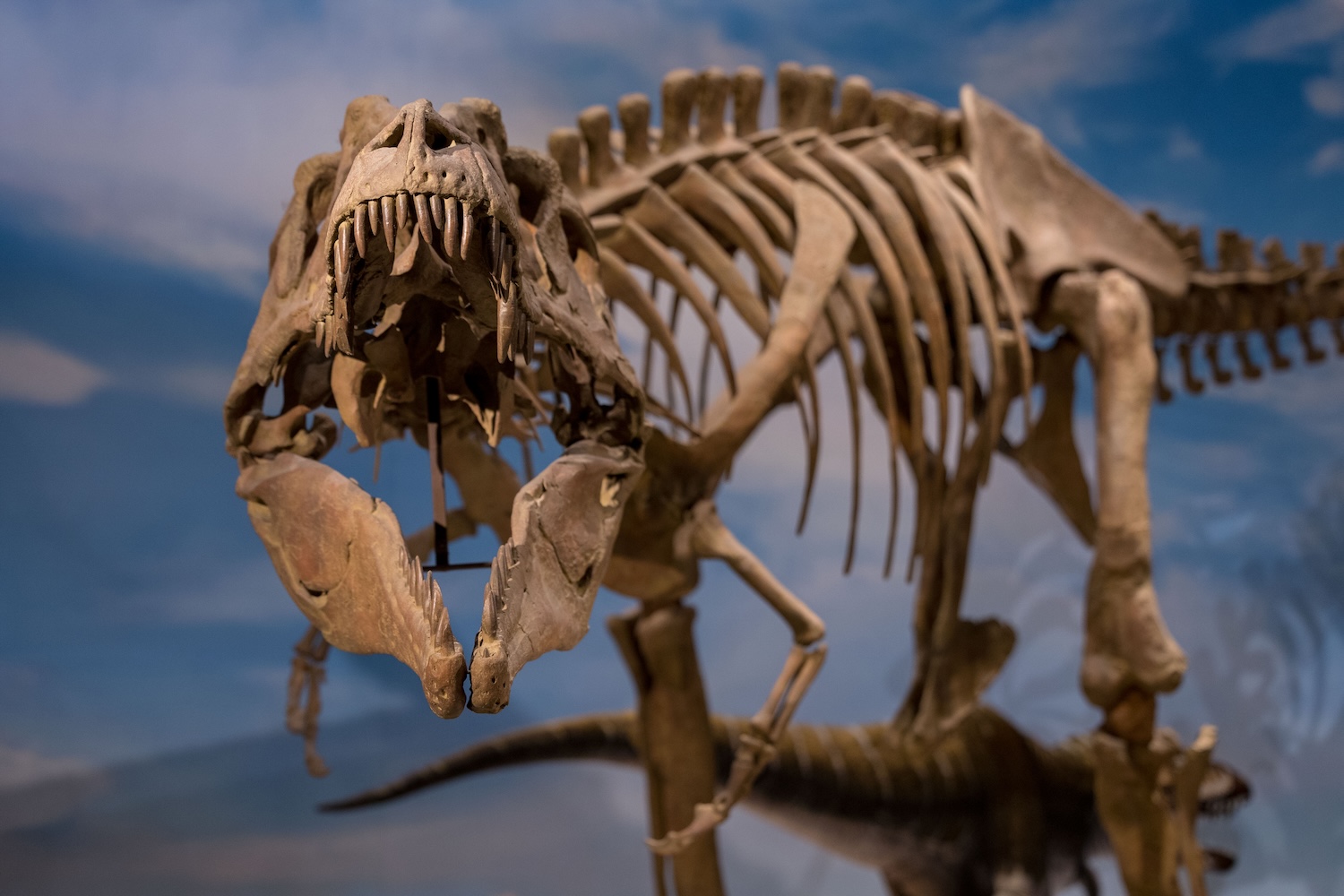
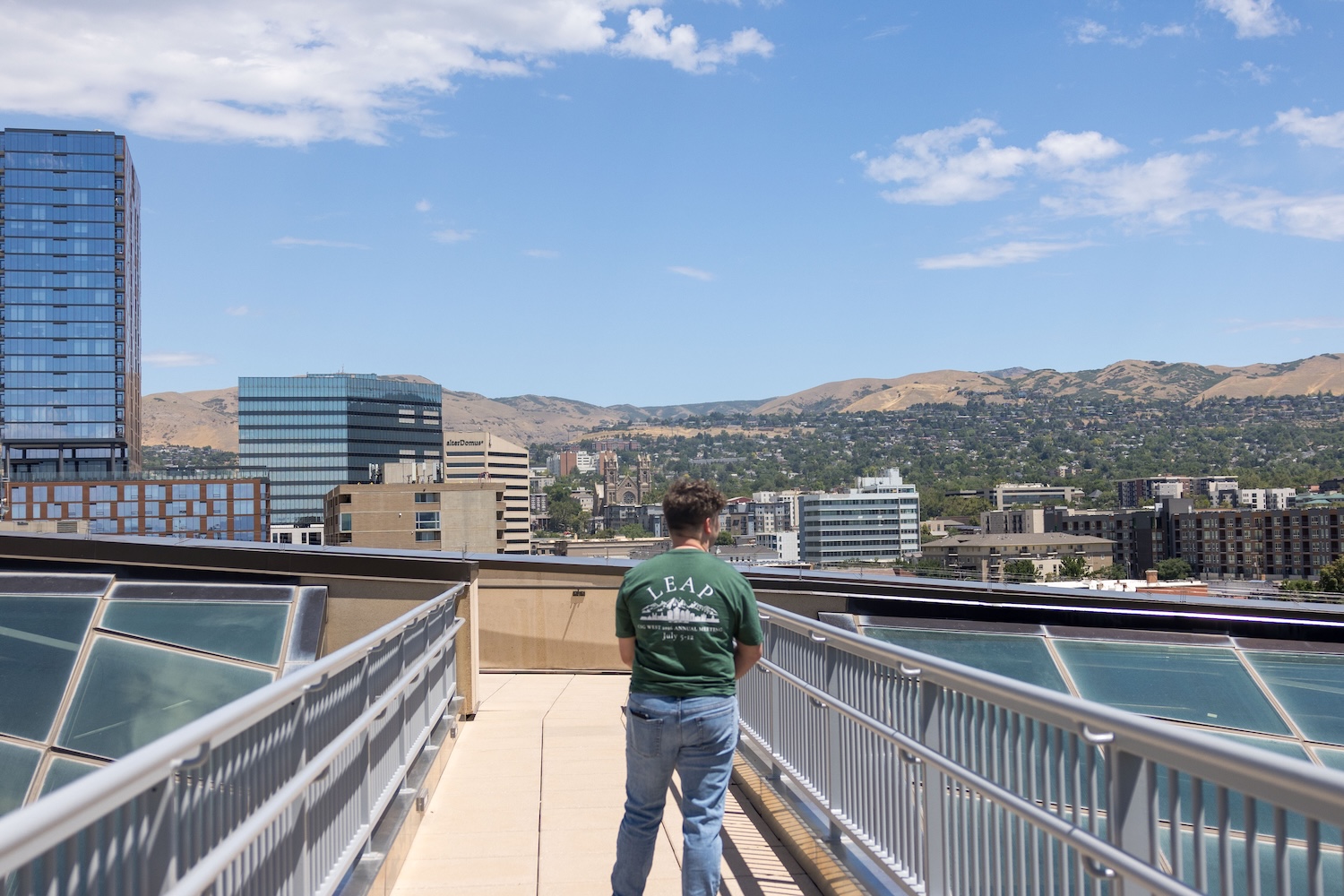
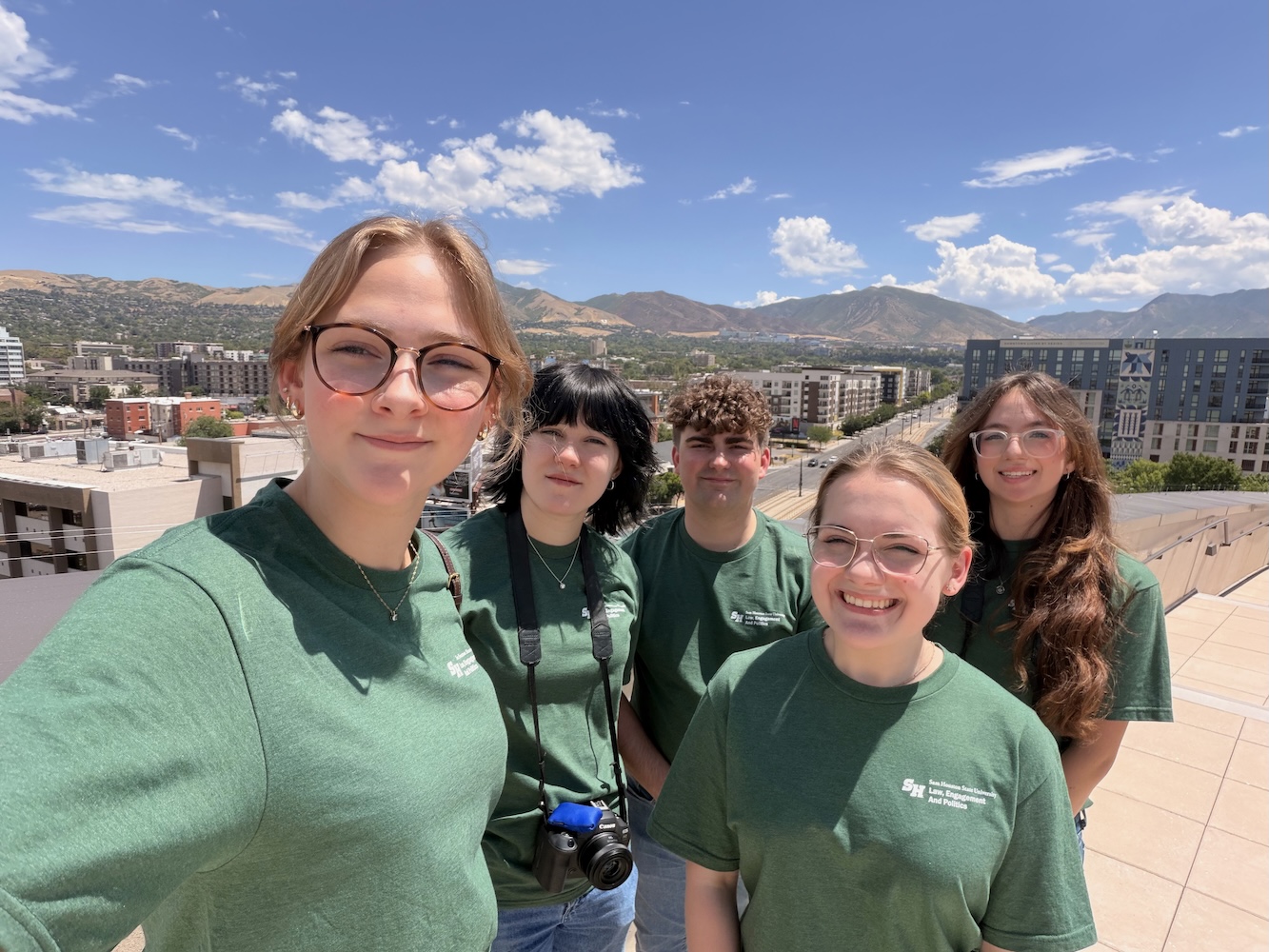
As we left, we managed to grab a shot of the breathtaking views from the museum terrace.

From dinosaurs to rock formations to earthquakes, Utah’s Natural History Museum was a wonderful place to close out the conference.
Conclusion
Our final conference day left us with a lot to think about, looking at the world through new eyes. We all admired the incredible work people like Elizabeth Smart and the CSG Criminal Justice Center are doing for those struggling with mental health and sexual assault.